
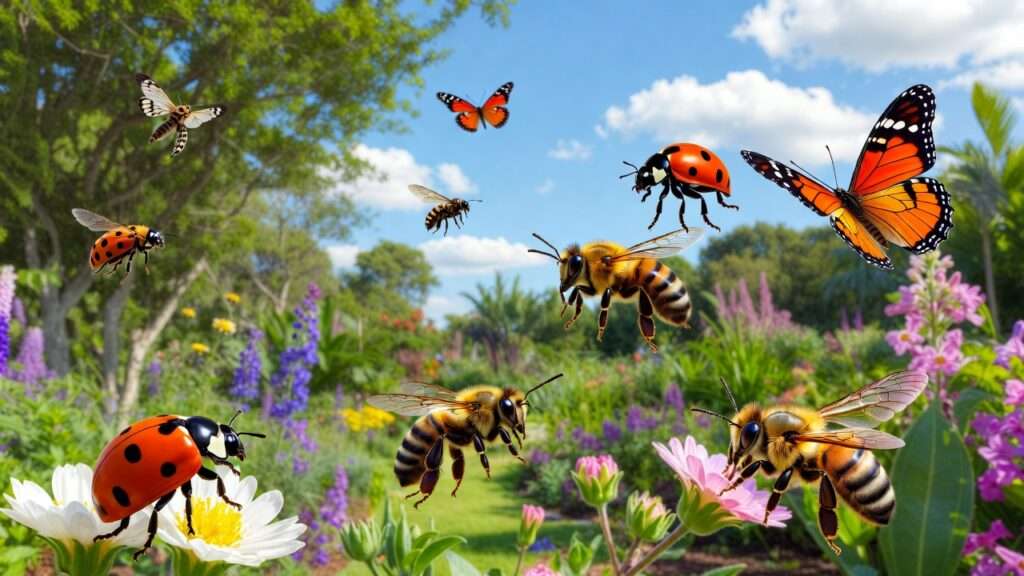
Picture this: You’re strolling through your garden in Mathbaria, admiring the lush green leaves of your mango tree or the vibrant blooms of your roses, when you spot clusters of tiny insects crawling across the foliage. Your first instinct? Grab the spray bottle! 😱 But wait—what if those “pests” are actually your garden’s secret superheroes, munching away on real threats like aphids or mealybugs? Misidentifying insects is one of the most common mistakes home gardeners make, often leading to unnecessary pesticide use that harms beneficial bugs, pollutes soil and water, and ironically causes worse pest outbreaks later.
Good bugs vs. bad bugs identification is the key skill every plant and tree caregiver needs to master. In this essential guide, we’ll help you distinguish beneficial insects (the “good bugs”) from damaging pests (the “bad bugs”) so you can protect your plants and trees naturally. Over 99% of insects are either harmless or outright helpful—they pollinate flowers, prey on pests, and keep ecosystems balanced. By learning accurate identification, you’ll save money on chemicals, boost biodiversity in your tropical Bangladeshi garden, reduce plant stress during humid monsoons, and enjoy healthier mangoes, citrus, guava, and ornamentals with less effort.
Whether you’re tending a backyard orchard in Barisal Division or nurturing houseplants indoors, this comprehensive resource draws from university extension research, Integrated Pest Management (IPM) principles, and real-world tropical gardening experience. Let’s turn confusion into confidence—your plants will thank you! 🌱
Why Knowing Good Bugs vs. Bad Bugs Matters for Your Plants and Trees 🌳
In a thriving garden or orchard, insects aren’t invaders—they’re team players. Beneficial insects provide free services like natural pest control (predators and parasitoids eat or infect bad bugs), pollination (ensuring fruit set on mango, citrus, and other trees), and decomposition (breaking down organic matter for richer soil).
Misidentification flips the script: Spraying broad-spectrum pesticides kills ladybugs alongside aphids, removing nature’s checks and balances. This leads to pest resurgence—surviving bad bugs multiply faster without predators, requiring even more chemicals. In tropical climates like Bangladesh, high humidity and warm temperatures accelerate both pest booms (e.g., aphids, scale on citrus) and beneficial activity (ladybugs, spiders thriving in moist conditions). Accurate good bugs vs. bad bugs identification empowers Integrated Pest Management (IPM)—a science-backed approach prioritizing prevention, monitoring, and biological controls over chemicals.
The payoff? Healthier trees with better yields, reduced costs, fewer diseases from stressed plants, and a more eco-friendly space that supports birds, bees, and butterflies. In regions with monsoon challenges, protecting beneficials prevents cascading issues like sooty mold from honeydew-producing pests. Ready to meet the allies? 🐝
The 3 Categories of Beneficial Insects (“Good Bugs”) 🐝
Beneficial insects fall into three main roles—learn to spot them by behavior, appearance, and what they’re doing on your plants.
Predators – The Hunters of Pests
These active hunters eat pests outright, often in large numbers. Both adults and larvae (especially voracious) contribute.
- Ladybugs (Lady Beetles) 🐞: Rounded, red/orange with black spots (7–28 common). Adults and alligator-like larvae devour 50+ aphids daily, plus mealybugs, scale, and mites. Look for them on infested leaves—larvae are grayish with orange markings.
- Lacewings 🐊: Delicate green adults with gossamer wings; larvae (“alligator bugs”) have huge jaws and feast on aphids, caterpillars, thrips. Eggs on slender stalks prevent cannibalism.
- Hoverflies (Syrphid Flies): Bee/wasp mimics that hover; larvae slug-like, eat aphids. Great pollinators too!
- Praying Mantis 🙏: Iconic “praying” pose; generalist predators eating anything they catch, including bad caterpillars and flies.
- Ground Beetles & Rove Beetles: Fast-moving, nocturnal; hunt soil pests like grubs and cutworms.
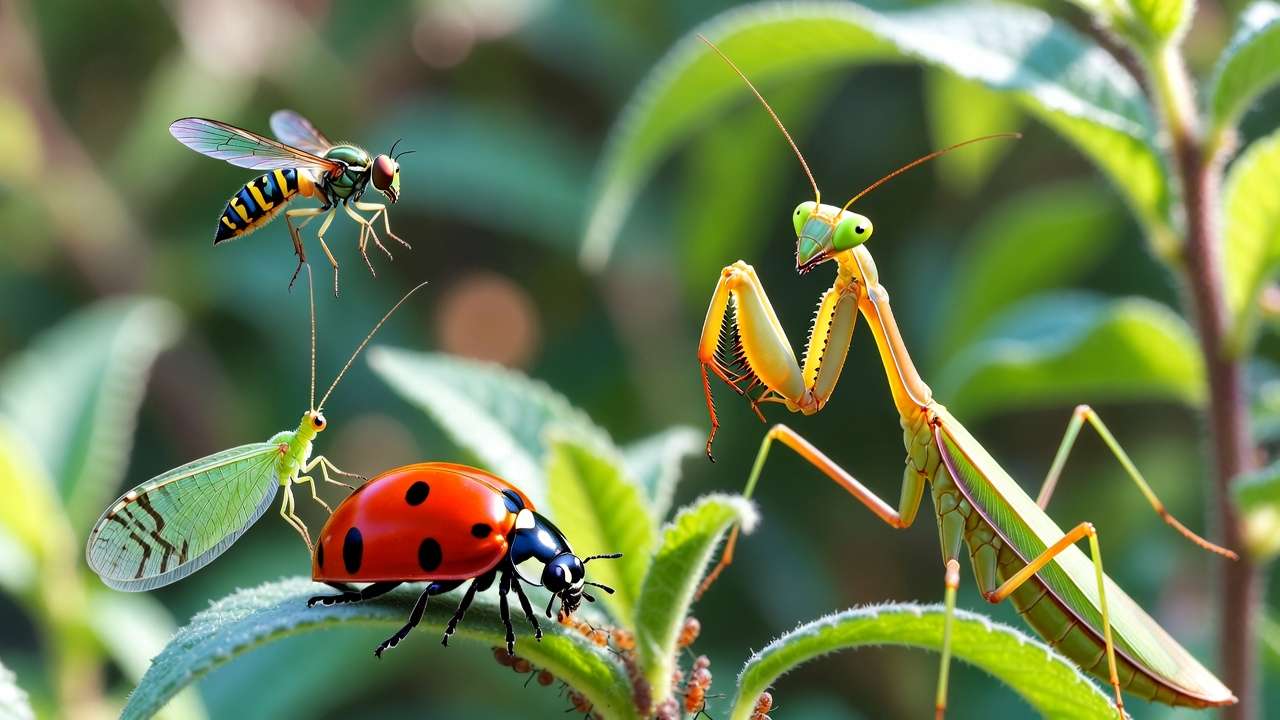
Spot them by hunting behavior—patrolling plants or soil. In South Asian gardens, species like Micraspis crocea (lady beetle) thrive on rice/vegetable pests but help orchards too.
Parasitoids – The Invisible Heroes
These lay eggs inside or on pests; larvae consume hosts from within—ultimate biological control!
- Parasitic Wasps: Tiny (often <5mm), non-stinging; slender waists, long antennae. Common in tropics: Ichneumonid or Braconid wasps target caterpillars, borers, aphids. Look for mummified pests (e.g., aphid “mummies” with exit holes).
- Tachinid Flies: Bristly, housefly-like; lay eggs on caterpillars/beetles—larvae burrow in and kill hosts.
Powerful for tree borers in mango/citrus—often unnoticed until pest numbers drop.
Pollinators – Essential for Fruit & Flowers 🌸
Without them, poor fruit set ruins harvests.
- Bees (honey, bumble, solitary): Fuzzy bodies, collect pollen. Vital for mango flowering.
- Butterflies & Moths: Day/night fliers; some larvae are pests, but adults pollinate.
- Hoverflies & Other Flies: Bonus pollinators while hunting.
Protect by avoiding sprays during bloom. In Bangladesh’s humid climate, diverse flowers support year-round activity.
Common Bad Bugs (Pests) That Harm Plants and Trees 🐛
These cause visible damage—know the signs to act only when needed.
Sap-Suckers
- Aphids: Tiny, pear-shaped, green/black clusters; cause curled leaves, sticky honeydew, sooty mold.
- Whiteflies, Mealybugs, Scale Insects: White powdery/cottony; suck sap, weaken trees (common on mango/citrus in BD).
- Spider Mites: Tiny specks, fine webbing; stippled/yellow leaves in hot/dry spells.
Chewers & Borers
- Caterpillars (e.g., bagworms, hornworms): Holes in leaves; bagworms in “bags” on trees.
- Beetles (Japanese, flea, borers): Skeletonized leaves or tunnels in trunks (e.g., Batocera rufomaculata on mango).
- Leaf Miners, Weevils: Squiggly trails inside leaves; mango fruit weevils ruin fruit.
Other Troublemakers
- Thrips: Silvery streaks, distorted growth.
- Ants: “Farm” aphids—protect them for honeydew.

Monitor thresholds: A few aphids with ladybugs? No action needed!
Good Bugs vs. Bad Bugs Identification: Look-Alike Pairs & Quick Tips 🔍
Many beneficials have deceptive mimics—here’s how to tell them apart (suggest high-res photos for your article!):
- Ladybug vs. Mexican Bean Beetle: Good ladybug: Bright red/orange, fewer distinct spots, eats pests. Bad Mexican bean beetle: Coppery-brown, 16–28 black spots, chews bean/veg leaves. Check what it’s eating!
- Hoverfly vs. Wasp/Yellow Jacket: Hoverfly: One pair wings, short antennae, hovers motionless. Wasp: Two pairs, long antennae, aggressive. Hoverfly larvae eat aphids; wasps may sting but some parasitize.
- Assassin Bug (Good) vs. Leaf-Footed Bug (Bad): Assassin: Robust, predatory stance, eats pests. Leaf-footed: Flattened legs, plant-sucker, damages fruits.
- Lacewing Larva vs. Ladybug Larva: Both alligator-like, but lacewing has more pronounced jaws.
Quick ID Checklist:
- What is it eating? (Pests = good; plants = bad)
- Body shape/color/markings?
- Eggs/larvae present? (Beneficials often cluster helpfully)
- Numbers & location? (Scattered hunters vs. clustered suckers)
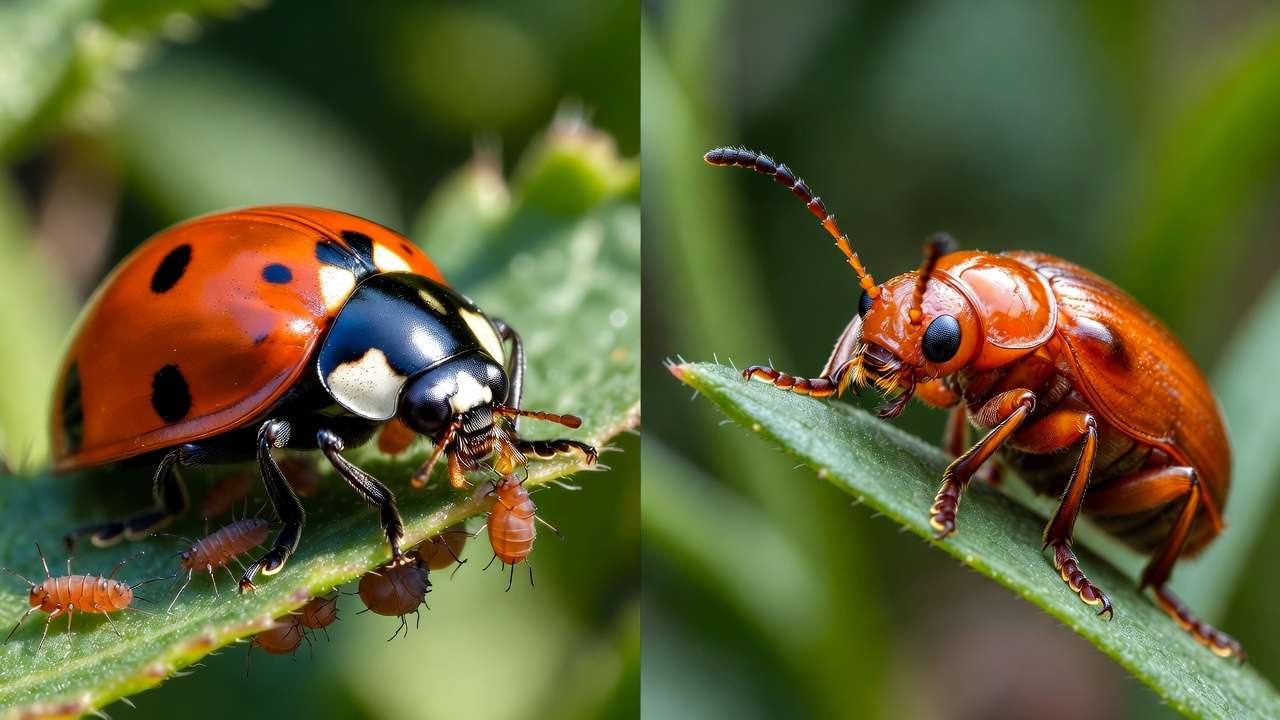
Use a hand lens or phone macro—observe first! In tropical BD, papaya mealybug (bad) vs. predatory ladybugs is a common mix-up. 📸
How to Observe & Identify Insects Safely in Your Garden 📸
The best way to master good bugs vs. bad bugs identification is to become an active observer rather than a quick reactor. Here’s a safe, step-by-step process tailored for tropical home gardeners:
- Observe First, Act Later Spend 5–10 minutes watching the insect. Is it eating another bug? Pollinating flowers? Or damaging leaves? Behavior is the biggest clue.
- Use Simple Tools
- A 10x hand lens or jeweler’s loupe reveals details like mouthparts or markings.
- Smartphone macro lens attachments (under 500 Taka) work wonders.
- Beat sheet: Hold white paper under a branch, tap gently—beneficials often fall out alongside pests.
- Photograph & Document Take clear close-ups from multiple angles (top, side, underside). Note the plant, date, and location. This helps with later ID using apps or online resources.
- Leverage Free Resources
- Apps: iNaturalist (community-verified IDs, great for Bangladesh species), Picture Insect, or Seek by iNaturalist.
- Local resources: BRRI (Bangladesh Rice Research Institute) extension bulletins, or DAE (Department of Agricultural Extension) field guides for common orchard pests/beneficials.
- Websites: University extensions like UC IPM, Cornell, or Penn State have excellent visual galleries.
- Establish Thresholds Not every pest sighting requires intervention. Example: 1–2 aphids per leaf with ladybugs present? Nature is handling it! Only act if damage exceeds 10–20% of foliage or fruit set is threatened.
In humid Bangladeshi gardens, early morning or late afternoon is ideal for observation—bugs are active, and heat doesn’t drive them away. Patience here prevents costly mistakes! 🕵️♂️
Attracting & Protecting Good Bugs (Practical Tips) 🌼
Once you can identify beneficials, make your garden a welcoming home for them. Here’s how to boost populations naturally:
- Plant Insectary Plants Include nectar-rich flowers that bloom year-round in tropical climates:
- Dill, fennel, coriander (umbel flowers for parasitic wasps)
- Marigolds, cosmos, sunflowers (for ladybugs & hoverflies)
- Yarrow, alyssum, buckwheat (easy to grow in BD)
- Native plants: Lantana, ixora, or hibiscus attract butterflies & bees.
- Provide Shelter & Water
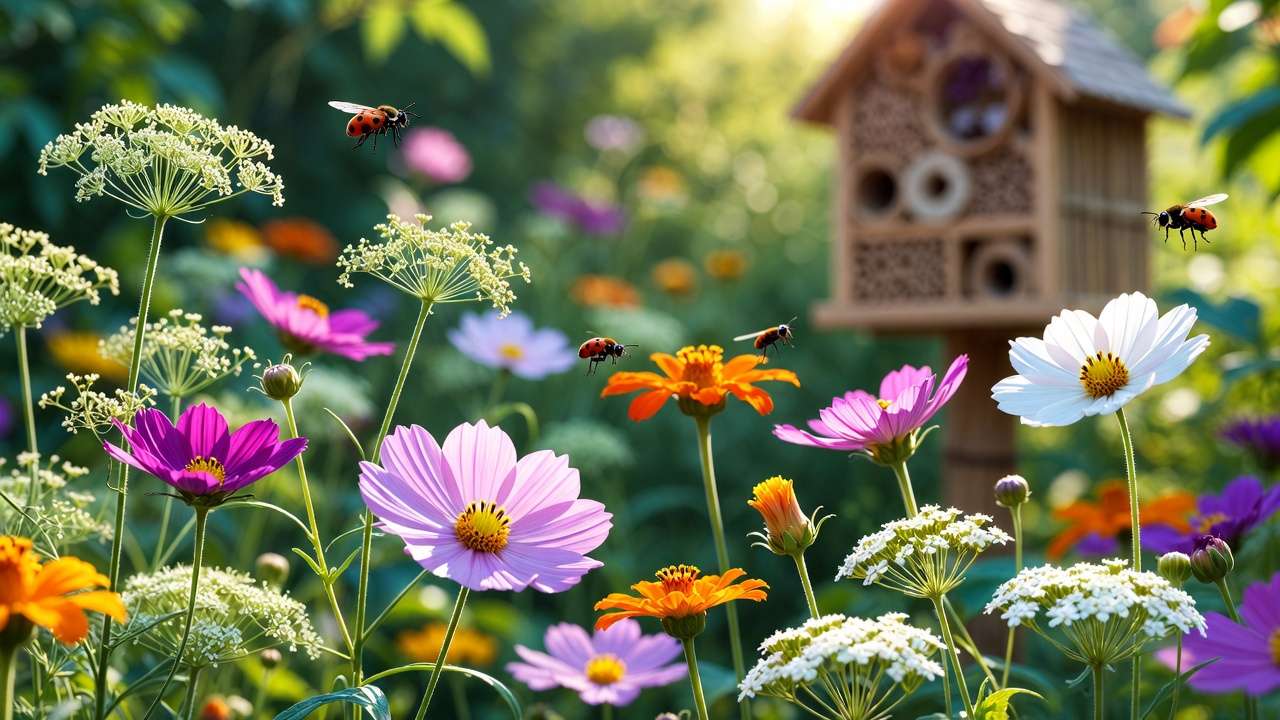
- Bug hotels: Stack bamboo, reeds, or drilled wood for solitary bees & lacewings.
- Shallow water dishes with pebbles (prevents drowning).
- Leave leaf litter or mulch for ground beetles.
- Avoid Broad-Spectrum Pesticides Use only targeted, evening sprays (e.g., neem oil at dusk) when beneficials are less active. Even organic options can harm if misused.
- Timing Matters Plant insectary crops early in the season (pre-monsoon) so beneficials are established before pest booms.
In Barisal Division’s warm, wet climate, these steps can increase ladybug and parasitic wasp populations dramatically within one season. Your trees will thank you with fewer pest issues! 🏡🐝
Eco-Friendly Management When Bad Bugs Appear
When identification confirms real pests and damage exceeds thresholds, use Integrated Pest Management (IPM)—the gold standard for sustainable gardening:
- Cultural Controls (Prevention)
- Prune infested branches, improve air circulation, use healthy soil/compost.
- Mechanical/Physical Controls
- Hand-pick caterpillars or scales.
- Strong water blasts remove aphids/whiteflies.
- Yellow sticky traps monitor (and reduce) whiteflies/fungus gnats.
- Biological Controls
- Release or encourage beneficials (e.g., ladybug larvae).
- Apply Bt (Bacillus thuringiensis) for caterpillars—safe for most good bugs.
- Targeted Organic Treatments (Last Resort)
- Neem oil or insecticidal soap (evening application).
- Horticultural oil for scale/mealybugs.
Always spot-test on a small area first. In tropical regions, humidity can make neem more effective but also increase fungal risks—apply sparingly.
Common Mistakes & Myths Debunked ❌
- Myth: All spiders are bad → False! Most garden spiders (orb-weavers, wolf spiders) are excellent predators of flies, caterpillars, and aphids 🕷️.
- Myth: If it’s on my plant, kill it → Many insects rest or pass through harmlessly. Observe first!
- Myth: More bugs = worse garden → Biodiversity is a sign of health. Balanced ecosystems self-regulate.
- Myth: Earwigs are always destructive → Mostly scavengers; they eat aphids and soft-bodied pests more than they damage plants.
Expert Insights & Regional Considerations for Tree & Plant Care in Tropical Climates
From my experience working with extension services and tropical orchardists, humid, warm climates like Bangladesh amplify pest cycles (e.g., mango hoppers, fruit flies, papaya mealybugs) but also support robust beneficial populations if protected. Key notes:
- Monsoon season: Heavy rains knock down many pests naturally but can stress trees—focus on drainage and airflow.
- Common local beneficials: Micraspis discolor (lady beetle), predatory bugs like Orius spp., and numerous parasitic wasps.
- University-backed advice: Studies from BARI (Bangladesh Agricultural Research Institute) and international IPM programs emphasize biological controls over chemicals for long-term sustainability.
Frequently Asked Questions (FAQs) ❓
Q: Are earwigs good or bad? A: Mostly good! They eat aphids, mites, and decaying matter. Rarely minor damage to soft fruits.
Q: How do I attract ladybugs naturally? A: Plant dill, fennel, or marigolds; avoid pesticides; provide water sources.
Q: What if a praying mantis eats my butterflies? A: Mantis are generalists—occasional loss is part of balance. Don’t relocate unless it’s a major issue.
Q: Best apps for bug ID in Bangladesh? A: iNaturalist (community helps with local species), Picture Insect, or Google Lens for quick scans.
Q: Can I buy beneficial insects locally? A: Limited in BD, but local nurseries sometimes offer ladybugs or predatory mites. Better to attract naturally!
Q: How do I deal with ants farming aphids? A: Control ants with boric acid baits away from plants; aphids will decline without protectors.
Conclusion: Build a Balanced, Bug-Friendly Garden Today! 🌟
Mastering good bugs vs. bad bugs identification transforms you from a reactive gardener into a confident ecosystem steward. You’ll save plants and trees from unnecessary damage, cut costs on chemicals, and enjoy a thriving, biodiverse garden that supports pollinators and natural pest control—even during Bangladesh’s humid monsoons.

Start small: This week, grab your phone, observe one plant closely, and identify at least one beneficial insect. Share your discoveries in the comments below—I’d love to see your garden allies! 🐞🌳
Your garden is alive with tiny heroes. Let them work for you, and watch your plants flourish like never before. Happy gardening! 🌱✨











