
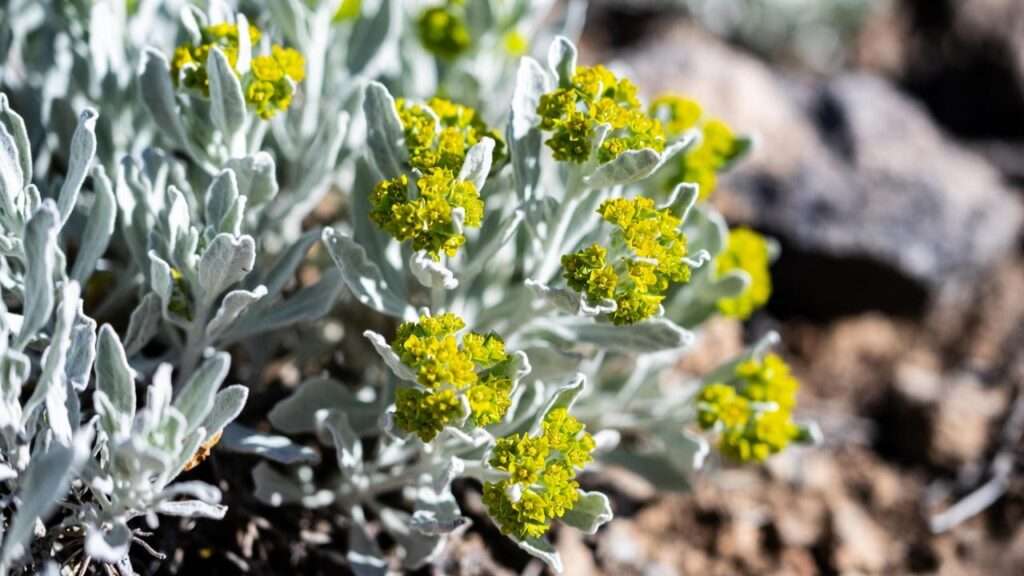
Imagine a plant that thrives on neglect, bursts into vibrant chartreuse blooms in late winter when your garden is still asleep, and adds bold, architectural texture to dry, sunny spots—all while requiring minimal water and repelling deer. If you’re tired of high-maintenance plants that wilt at the first sign of drought or heat, the gopher plant euphorbia (Euphorbia rigida) is your new garden hero. 🌿 This Mediterranean native, also known as silver spurge or upright myrtle spurge, is a resilient succulent perennial that’s perfect for water-wise landscapes, rock gardens, and modern xeriscapes.
In this comprehensive guide, we’ll dive deep into everything you need to successfully grow and enjoy gopher plant euphorbia. From ideal conditions and planting tips to troubleshooting common issues and creative design ideas, you’ll gain the knowledge to cultivate this low-maintenance beauty with confidence. Whether you’re a beginner gardener seeking drought-tolerant options or an experienced horticulturist looking to enhance your succulent collection, this ultimate resource will help you achieve thriving, eye-catching results year after year. 🌸
What Is the Gopher Plant? A Quick Overview 🏜️
Botanical Background and Common Names
The gopher plant belongs to the diverse Euphorbiaceae family, which includes over 2,000 species ranging from succulents to trees. Scientifically named Euphorbia rigida (formerly sometimes classified as Euphorbia biglandulosa), it’s native to the Mediterranean basin, southwestern Asia, and parts of the Middle East. Common names include gopher spurge, silver spurge, rigid spurge, and upright myrtle spurge—reflecting its stiff stems and silvery foliage.
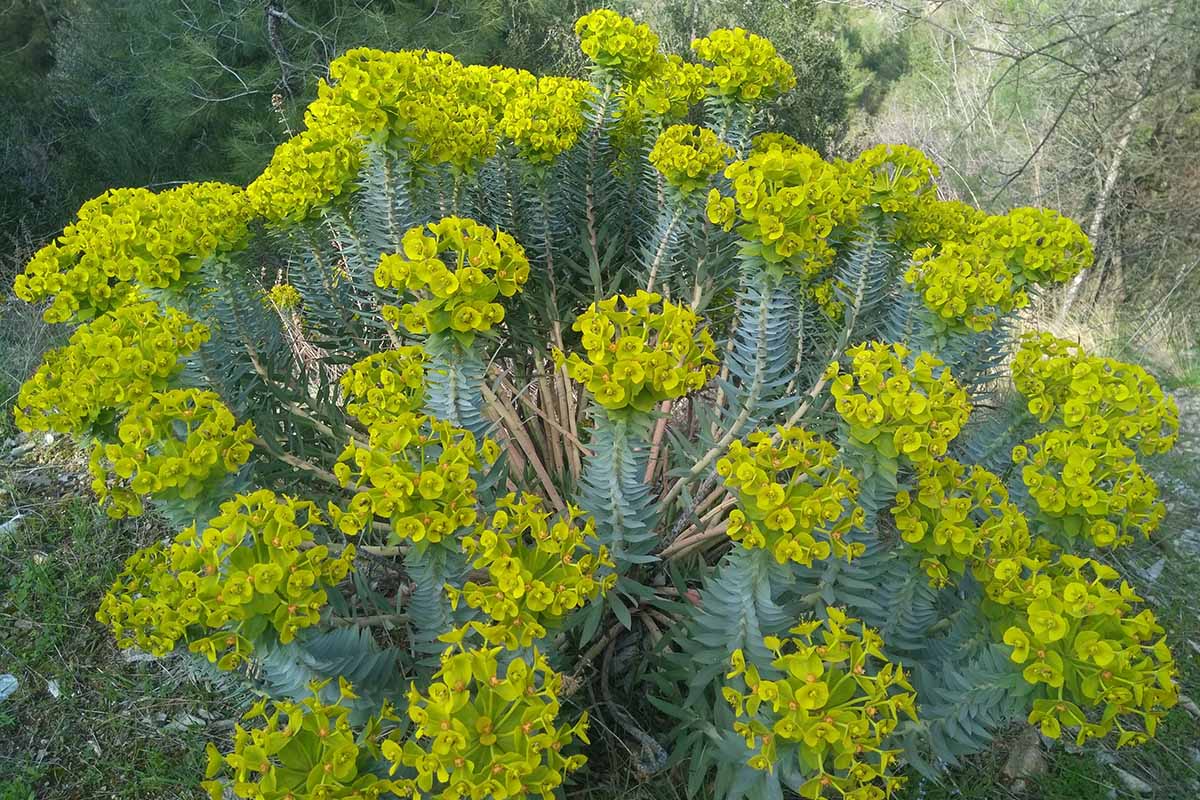
This evergreen perennial forms upright, mounding clumps that provide year-round structure in the landscape. It’s particularly valued in drought-prone regions for its ability to thrive in conditions where many other plants struggle.
Unique Features and Appearance
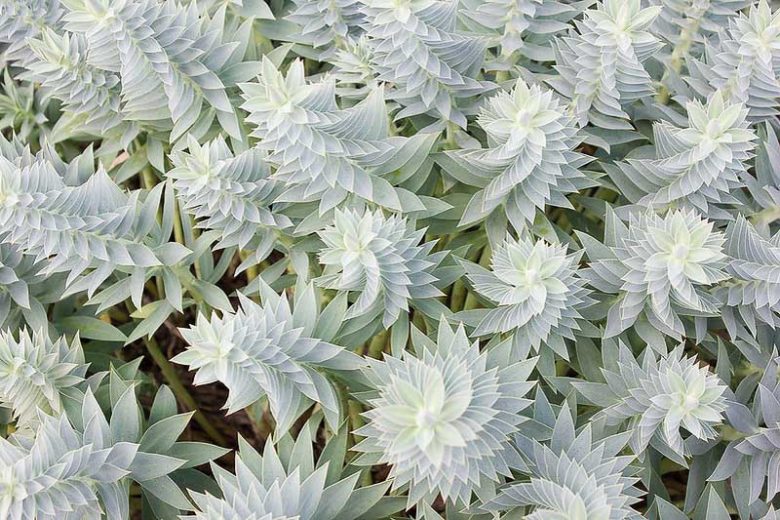
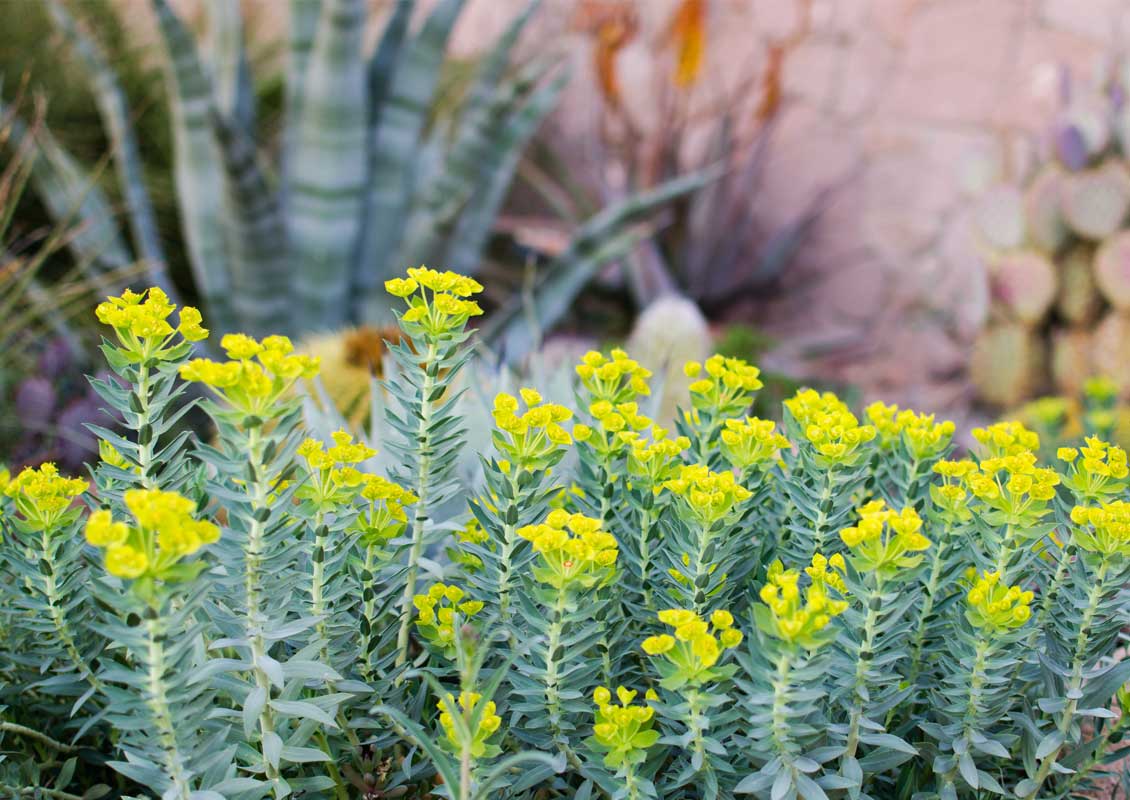
Gopher plant euphorbia stands out with its spiraling, lance-shaped leaves in shades of blue-gray to silvery-green, often with a waxy, metallic sheen that catches the light beautifully. The foliage arranges itself in tight whorls along rigid, arching stems, creating a sculptural, almost geometric form.
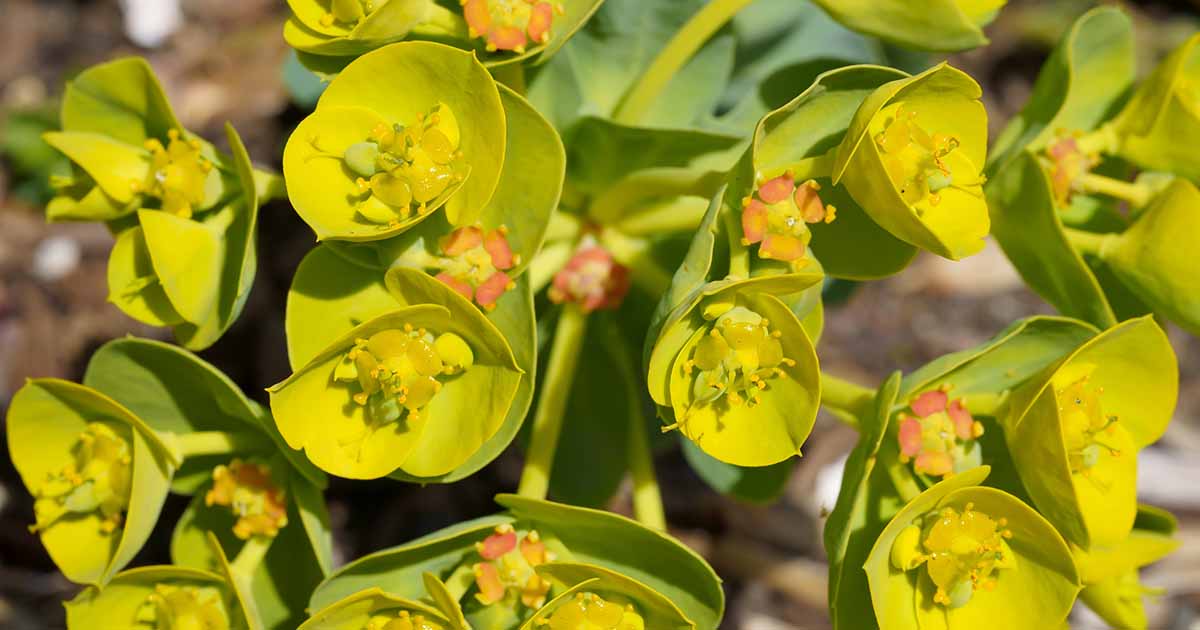
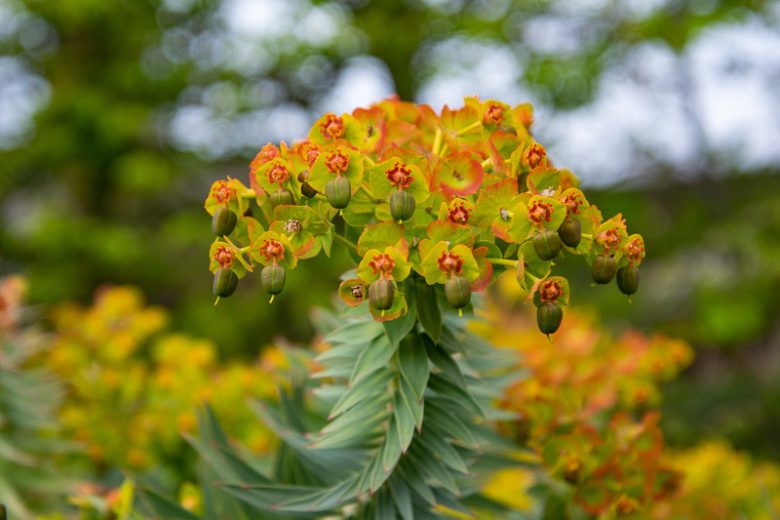
Come late winter or early spring, the plant puts on a spectacular show: terminal clusters of tiny yellow flowers surrounded by showy chartreuse bracts that can tint pink or orange as they age. These “flowers” (technically cyathia with colorful bracts) provide one of the earliest bursts of color in the garden, often blooming when little else is awake. Mature specimens reach 1-2 feet tall and 2-3 feet wide, making them ideal for mid-border placement or mass plantings.
Why It’s Called “Gopher Plant” (And the Myth Buster!)
The moniker “gopher plant” stems from folklore claiming its toxic milky sap repels gophers and other burrowing rodents. While the bitter latex does deter most mammals from eating it (making it highly deer- and rabbit-resistant), it won’t actively eradicate or prevent gophers from tunneling in your yard. Think of it as a passive deterrent rather than a pest control solution—its real superpowers lie in beauty and toughness! 🐿️
Ideal Growing Conditions for Euphorbia rigida ☀️
To unlock the full potential of gopher plant euphorbia, mimic its native Mediterranean habitat: hot, dry summers and mild, wetter winters with excellent drainage.
Light Requirements
Full sun is essential for compact growth, vibrant foliage color, and prolific blooming. Provide at least 6-8 hours of direct sunlight daily. In partial shade, plants may become leggy or floppy, with reduced flowering. In extremely hot climates, light afternoon shade can prevent minor leaf scorch, but full sun generally yields the best results.
Soil Preferences
This succulent thrives in poor, well-draining soils—gritty, sandy, or rocky types are ideal. It tolerates a wide pH range (6.1-8.5, slightly acidic to alkaline) and even salt spray, making it suitable for coastal gardens. Avoid rich, organic-heavy soils or heavy clay, which retain moisture and invite root rot. If your soil is compacted, amend with gravel, sand, or pumice to improve drainage.
Temperature and Hardiness
Hardy in USDA Zones 7-10, gopher plant euphorbia withstands temperatures down to 0-10°F (-18 to -12°C) once established. In colder zones, grow it as an annual or in containers to overwinter indoors. It’s highly heat-tolerant, excelling in arid, summer-dry climates like the Southwest U.S.
Water Needs: Truly Drought-Tolerant!
As a true xerophyte, established plants need minimal irrigation—often surviving on rainfall alone in mild climates. Water deeply but infrequently: every 2-4 weeks during summer heat, and withhold almost entirely in winter to prevent rot. Overwatering is the most common mistake; always let soil dry completely between sessions. 💧
Planting and Establishment Tips 🌱
Getting your gopher plant euphorbia off to a strong start is straightforward, thanks to its forgiving nature. The key is choosing the right time and method to minimize transplant shock in this drought-loving succulent.
When and How to Plant
The optimal planting windows are spring (after the last frost) or early fall in warmer climates, allowing roots to establish before extreme heat or cold. In mild-winter areas like Zones 9-10, you can plant year-round, avoiding the peak summer stress.
Dig a hole twice as wide as the root ball but no deeper—gopher plant euphorbia hates being buried too deep, which can lead to crown rot. Gently tease out any circling roots from nursery pots, place the plant at the same soil level it was growing in the container, and backfill with native or amended soil. Water deeply once to settle the roots, then withhold for a week or two to encourage deep rooting.
Space plants 2-3 feet apart to accommodate their spreading habit. In mass plantings, this spacing creates a seamless, textural groundcover effect over time.
Starting from Nursery Plants vs. Propagation
Nursery-grown specimens are the most reliable and fastest way to establish gopher plant euphorbia, as seeds have low viability and short shelf life. Look for healthy, compact plants with vibrant foliage and no signs of rot at the base.
For propagation enthusiasts:
- Stem cuttings: In spring or early summer, take 4-6 inch cuttings from non-flowering stems. Allow them to callus (dry out) for 3-7 days in shade, then insert into a dry, gritty mix. Rooting occurs in 4-6 weeks with minimal water—mist occasionally but keep mostly dry.
- Division: Mature clumps can be divided in early spring, ensuring each section has roots and shoots.
- Self-seeding: Plants often produce viable seeds that sprout nearby. If you enjoy the natural spread, leave some spent flowers; otherwise, deadhead to control.
Note: Always wear protective gear during propagation due to the sap (more on safety later).
Container Growing
Gopher plant euphorbia excels in pots, making it ideal for patios, balconies, or gardeners in colder zones who overwinter indoors. Choose wide, shallow containers with multiple drainage holes—terracotta breathes well and prevents sogginess.
Use a specialized cactus/succulent potting mix, or create your own with 50% potting soil, 30% sand/gravel, and 20% perlite/pumice. As a “thriller” in mixed containers, pair it with trailing sedums or creeping thyme for contrast. Repot every 2-3 years or when rootbound, typically in spring.
:max_bytes(150000):strip_icc()/euphorbia-plants-1402870-24-272e3e4654434b66b0b91a1e25e06d81.jpg)
Ongoing Care and Maintenance ✂️
One of the greatest appeals of gopher plant euphorbia is its ultra-low maintenance once established—perfect for busy gardeners or those embracing sustainable, water-wise practices.
Watering Schedule
During the first year, water weekly (deeply) to encourage root development, allowing the top 2-3 inches of soil to dry between sessions. After establishment, shift to minimal supplemental water: once a month in dry summers, or rely entirely on rainfall in moderate climates. In winter, keep completely dry to mimic Mediterranean dormancy and prevent rot.
Pro tip from experience: Use a moisture meter or the “finger test”—if soil is dry 4 inches down, it’s time to water.
Fertilizing
This plant thrives in lean conditions and rarely needs feeding. Over-fertilizing leads to weak, leggy growth and reduced flowering. If soil is extremely poor, apply a half-strength balanced or cactus fertilizer once in early spring. Organic options like compost tea work well too, but sparingly.
Pruning and Deadheading
Pruning is minimal but transformative for shape and vigor. After the spring bloom fade (usually late spring), cut spent flower stems back to the base with sharp, clean pruners—this redirects energy to fresh foliage and prevents unwanted seeding.
For rejuvenation, hard-prune overgrown or floppy plants in early spring, removing up to one-third of the growth. Always wear thick gloves, long sleeves, and eye protection—the milky sap is highly irritating.
Winter Care
In Zones 7-8, mulch lightly with gravel (not organic mulch) around the base for insulation during rare hard freezes. In colder areas, container plants can be moved to a bright, cool garage or indoors near a sunny window. Reduce watering to almost none during dormancy.
Common Problems and Solutions 🛠️
While remarkably trouble-free, gopher plant euphorbia can encounter a few issues—mostly preventable with proper culture.
Pests
Highly resistant to deer, rabbits, and gophers due to its bitter sap. Occasional pests include:
- Aphids or mealybugs: Blast with water or apply insecticidal soap.
- Spider mites: Increase humidity briefly or use miticide in severe cases.
Diseases
- Root/crown rot (fungal): Caused by poor drainage or overwatering. Symptoms: Mushy base, wilting despite wet soil. Solution: Improve drainage, remove affected parts, and let dry out.
- Powdery mildew: Rare, but possible in humid, shaded spots. Enhance air circulation and avoid overhead watering.
Toxicity and Safety Precautions ⚠️
All Euphorbias exude a white, milky latex sap that’s toxic and irritating. Contact can cause severe skin dermatitis, eye inflammation, or blindness if rubbed in eyes. Ingestion leads to nausea, vomiting, and worse in pets/children.
Essential safety rules:
- Always wear gloves and eye protection when pruning, propagating, or handling.
- Wash tools and skin immediately if sap contacts.
- Site plants away from high-traffic areas or paths.
- Inform family members and keep pets supervised.
Controlling Self-Seeding
In favorable conditions, it can self-sow enthusiastically. Deadhead spent blooms promptly if you want to limit spread—it’s not considered invasive in most regions but can become weedy in ideal spots.
Design Ideas and Companion Plants 🎨
The architectural form and cool-toned foliage of gopher plant euphorbia make it a versatile designer favorite in low-water gardens. Its upright, mounding habit and metallic sheen provide year-round interest, while the early spring chartreuse blooms add a much-needed jolt of color.
Landscape Uses
- Rock gardens and slopes: Excels on dry banks or rocky outcrops where drainage is sharp and soil is lean. Mass plantings create a flowing, silvery wave effect.
- Xeriscapes and water-wise borders: A staple in sustainable landscapes, combining beauty with extreme drought tolerance.
- Mediterranean or modern minimalist themes: Pairs perfectly with clean lines, gravel mulch, and sculptural elements like boulders or metal art.
- Coastal gardens: Tolerates salt spray and windy conditions.
- Containers and patios: Adds height and texture to potted arrangements, thriving in terracotta or concrete vessels.
Best Companions
To maximize visual impact, choose plants with contrasting textures, colors, or forms that share similar cultural needs (full sun, excellent drainage, low water).
- Succulents and agaves: Agave parryi, Yucca rostrata, or Aloe species for bold, spiky drama.
- Herbaceous perennials: Lavender (Lavandula angustifolia), rosemary (Rosmarinus officinalis), or salvia for fragrant, Mediterranean vibes.
- Groundcovers: Sedums (e.g., Sedum ‘Angelina’), creeping thyme, or ice plant (Delosperma) to spill around the base.
- Grasses: Blue fescue (Festuca glauca) or Mexican feather grass (Nassella tenuissima) for soft movement against the rigid structure.
- Dark accents: Black mondo grass (Ophiopogon planiscapus ‘Nigrescens’) or purple-leaved smoke bush to make the silvery foliage glow.
Expert Tip: In hotter regions, position gopher plant near darker companions to highlight its metallic sheen—it’s like natural garden jewelry! ✨
Expert Insights and Pro Tips from Years of Growing Euphorbias 🔍
As a horticulturist with over 15 years specializing in drought-tolerant perennials and succulents, I’ve cultivated Euphorbia rigida across diverse climates—from the arid Southwest to milder Pacific Northwest trials. Its resilience never ceases to amaze: I’ve seen specimens bounce back from neglect, extreme heat waves (over 110°F), and occasional overwatering mishaps that would doom most plants.
Key lessons from hands-on experience:
- In high-heat zones, a touch of afternoon shade (from taller plants or structures) prevents subtle leaf bleaching while preserving bloom quality.
- For maximum compactness and flowering, avoid any nitrogen-rich fertilizers—stick to phosphorus-potassium blends if feeding at all.
- If self-seeding becomes an issue in your garden, time your deadheading for mid-spring; this also encourages a potential second flush of growth.
- In containers, elevate pots slightly on feet for extra drainage during rainy seasons—I’ve lost far fewer plants this way.
One of my favorite successes: A client’s sloping xeriscape where we mass-planted gopher plant with agaves and salvias. Five years later, it’s a thriving, zero-supplemental-water haven that draws compliments (and pollinators) year-round. This plant truly rewards patience and restraint—less is more!
Frequently Asked Questions (FAQs) ❓
Is gopher plant euphorbia truly deer-resistant? Absolutely—its bitter, toxic sap makes it one of the most reliable deer-proof perennials. Rabbits and most rodents avoid it too.
How fast does Euphorbia rigida grow? Moderate pace: From a nursery gallon, expect maturity (full size and heavy blooming) in 2-3 years with proper conditions.
Can gopher plant be grown indoors? It’s possible as a houseplant with a very bright south-facing window and cactus soil, but it performs best outdoors. Indoor specimens may stretch and flower less.
Does it effectively repel gophers? The name is misleading—while they rarely eat it, it doesn’t drive gophers away or prevent tunneling. Use it for beauty and passive resistance, not as pest control.
What if my plant becomes leggy or floppy? Increase sun exposure and prune back hard (up to 50%) in early spring. Avoid excess water or fertilizer, which exacerbate stretching.
Is silver spurge invasive? No, it’s not classified as invasive in the U.S., though it self-seeds readily in ideal conditions. Deadhead to control spread.
How long does the bloom last? The chartreuse bracts persist for 6-8 weeks in spring, often aging to pinkish tones for added interest.
Can I grow it in humid climates? Yes, but ensure sharp drainage and good airflow to prevent mildew. It’s more challenging in consistently wet summers.
Conclusion: Embrace the Low-Maintenance Beauty of Gopher Plant Euphorbia 🌟
With its striking silvery foliage, early-season fireworks of chartreuse blooms, and unparalleled drought tolerance, Euphorbia rigida—the gopher plant euphorbia—is an indispensable addition to any sustainable, low-maintenance garden. Whether you’re battling dry soil, deer pressure, or simply seeking a plant that thrives with minimal fuss, this Mediterranean gem delivers year after year.
By following the care guidelines in this ultimate guide—prioritizing sun, drainage, and restraint with water and fertilizer—you’ll enjoy vibrant, healthy specimens that enhance your landscape’s texture and color palette. Start small with a few nursery plants, experiment with companions, and watch as this resilient succulent transforms challenging spaces into stunning, water-wise oases.
Happy gardening—your gopher plant adventure awaits! 🪴🌵











