
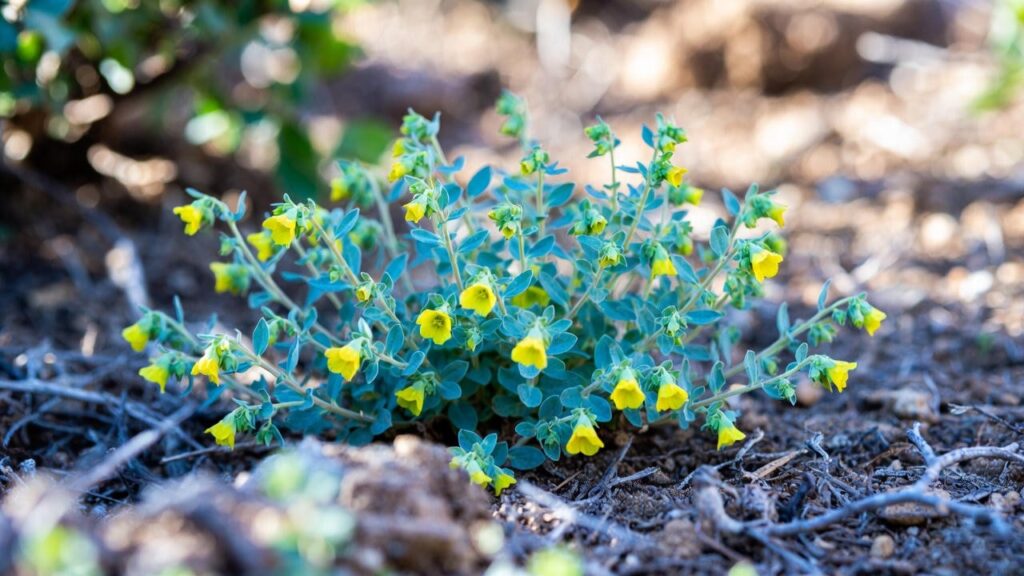
Are gophers turning your lush garden into a maze of tunnels and mounds? 🐀 You’ve likely come across mentions of the gopher spurge plant (Euphorbia lathyris) as a natural, plant-based solution to repel these pesky burrowers. But does this striking biennial really live up to its reputation as a “mole plant” or “gopher plant”? In this in-depth expert guide, we’ll explore everything you need to know about the gopher spurge plant—from accurate identification and step-by-step growing instructions to essential care tips, critical safety warnings, and a evidence-based look at its supposed pest-repelling powers.
As a horticulturist with years of hands-on experience in plant care, pest management, and landscape design, I’ve grown and observed Euphorbia lathyris in various settings. While it’s a visually dramatic addition to drought-tolerant gardens, relying on it solely for gopher control can lead to disappointment. This comprehensive resource draws from university extension services, botanical databases, and practical gardening knowledge to help you make informed decisions. Whether you’re dealing with gopher damage or seeking a unique, low-maintenance ornamental, let’s uncover the facts and help you grow successfully! 🔍🌱
What Is the Gopher Spurge Plant? A Complete Overview 🌱
The gopher spurge plant, botanically known as Euphorbia lathyris, belongs to the diverse Euphorbiaceae family—which includes poinsettias, castor beans, and many succulents. Commonly called caper spurge, mole plant, paper spurge, or gopher plant, this species has intrigued gardeners for centuries due to its bold appearance and folklore surrounding pest repulsion.
Botanical Background and Common Names
Native to parts of Asia, including western China, Kyrgyzstan, and Pakistan, E. lathyris has naturalized widely across temperate regions worldwide. It’s primarily a biennial, meaning it completes its life cycle over two years: producing foliage in the first year and flowering/seeding in the second. In warmer climates or with ideal conditions, it can behave as an annual.
The name “caper spurge” comes from its seed pods, which superficially resemble capers (though they’re highly toxic—more on that later!). “Gopher spurge” and “mole plant” stem from traditional beliefs that it deters burrowing rodents.
Key Characteristics for Easy Identification
Accurate identification is crucial, as the Euphorbia genus contains over 2,000 species with varying habits and toxicity levels. Here’s what sets E. lathyris apart:
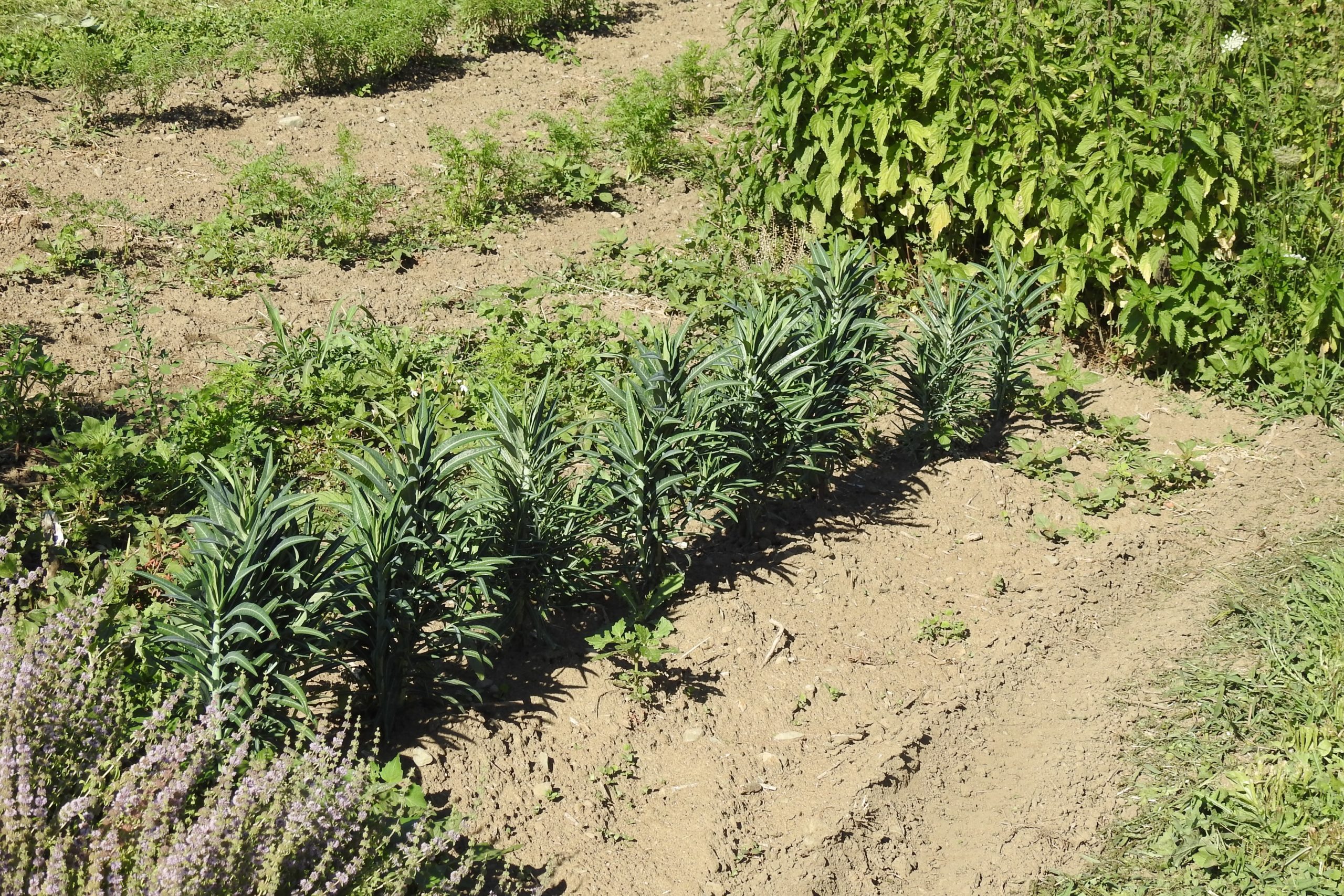
- Growth Habit: Erect, unbranched or sparingly branched stems grow 3–5 feet (90–150 cm) tall, forming a symmetrical, candelabra-like shape.
- Leaves: Blue-green to glaucous (waxy), lance-shaped, 2–6 inches long, arranged in opposite pairs that cross at right angles (decussate), creating four neat rows up the stem. A prominent white midrib adds contrast.
- Flowers: Inconspicuous greenish-yellow cyathia (specialized cup-like inflorescences typical of euphorbias) appear in umbrella-like clusters at stem tips during the second year’s spring/summer. Showy chartreuse bracts provide the real visual appeal.
- Seeds and Pods: Explosive three-lobed capsules contain seeds resembling tiny capers—grayish-brown and smooth.

Note on Similar Species
Don’t confuse Euphorbia lathyris with the perennial Euphorbia rigida (also called gopher spurge or silver spurge). While both have blue-green foliage and chartreuse blooms, key differences include:
- E. lathyris: Tall biennial with upright, cross-arranged leaves; dies after seeding.
- E. rigida: Compact perennial (1–2 feet tall, 2–3 feet wide) with spiraling, succulent leaves; more mounding and evergreen in mild climates.
This guide focuses on the classic biennial E. lathyris, but many care principles apply to both.
Does Gopher Spurge Really Repel Gophers and Moles? Busting the Myth 🕵️♂️
This is the section that addresses the core search intent for many gardeners researching the gopher spurge plant: its legendary reputation as a natural repellent for gophers, moles, and other burrowing pests. Let’s examine the claims with evidence-based insight.
The Origin of the Repellent Claim
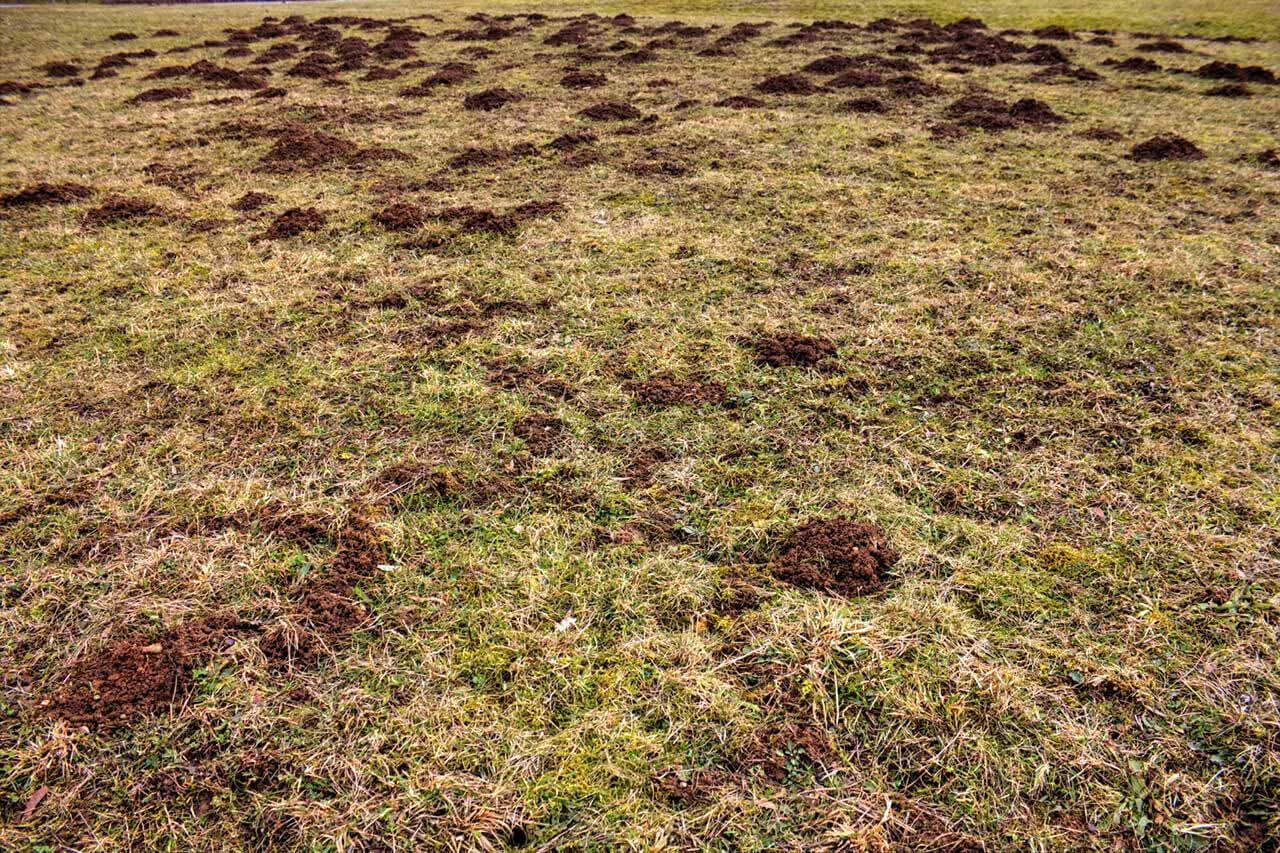
The idea that Euphorbia lathyris repels gophers dates back centuries to European folklore. Gardeners planted it around vegetable patches and flower beds, believing its toxic roots and pungent milky sap would deter moles and gophers from tunneling nearby. Historical texts, including old herbal manuals, promoted it as a “mole plant” or “gopher purge,” suggesting that the plant’s irritants made the soil unpalatable or caused pests to avoid the area.
Anecdotal success stories persist today—some gardeners swear by planting dense rings of gopher spurge around vulnerable spots like orchards or lawns. The theory is that when rodents nibble the roots or encounter the latex, they experience irritation and move elsewhere.
What the Evidence Says
Despite the longstanding tradition, modern scientific research and expert observations from university cooperative extensions (such as UC Davis, Oregon State, and Missouri Botanical Garden) consistently classify the repellent effect as unproven folklore.
- Gophers (pocket gophers like Thomomys species) are herbivores that primarily eat roots, bulbs, and tubers. While E. lathyris roots contain toxic diterpenes, gophers often simply tunnel around or ignore the plants altogether.
- Studies on natural repellents show no statistically significant reduction in gopher activity from planting gopher spurge.
- In field trials and gardener reports compiled by pest management experts, a single plant or even small groups provide negligible protection. Large-scale plantings might offer minor deterrence in isolated cases, but results are inconsistent and not reliable.
Expert consensus: The plant’s toxicity affects humans and pets far more than it does adaptable rodents. Relying on gopher spurge alone often leads to continued damage and frustration.
Proven Alternatives for Gopher Control 🛡️
If gophers are wreaking havoc in your yard, opt for evidence-based methods from integrated pest management (IPM) principles:
- Physical Barriers: Install underground wire mesh (1/4-inch hardware cloth) baskets around plant roots or border garden beds with buried fencing extending 2 feet deep.
- Trapping: Macabee or cinch traps are highly effective when placed in active tunnels—learn proper identification of fresh mounds for best results.
- Repellents with Evidence: Granular castor oil-based products (like MoleMax) irritate gophers’ senses and encourage relocation.
- Ultrasonic Devices and Vibrating Stakes: Mixed reviews, but some brands show promise in small areas.
- Habitat Modification: Reduce food sources by protecting vulnerable plants and encouraging natural predators like owls (install nest boxes).
- Professional Services: For severe infestations, licensed trappers use fumigants or bait stations safely.
Expert Tip: Always combine methods for best results. Monitor activity regularly and act early—gophers reproduce quickly! 🚫🐀
Growing Gopher Spurge: Step-by-Step Guide 🌱
Once you’ve set realistic expectations about pest control, let’s focus on successfully cultivating this architectural beauty. Euphorbia lathyris is remarkably easy to grow, making it ideal for beginners in xeriscaping or low-water gardens.
Ideal Growing Conditions
- USDA Hardiness Zones: 5–9. In zones 5–6, it may need winter mulch; in colder areas, grow as an annual.
- Sunlight Requirements: Full sun (6+ hours daily) for compact, vibrant growth. Tolerates partial shade but may become leggy.
- Soil Preferences: Well-drained, moderately fertile to poor soil. Excels in sandy, rocky, or gravelly conditions—avoid heavy clay or constantly wet spots to prevent root rot.
- pH Tolerance: Neutral to slightly alkaline (6.0–8.0).
- Climate Suitability: Thrives in Mediterranean-style climates with dry summers; highly drought-tolerant once established.
Planting Instructions
- Timing: Sow seeds or transplant in spring after the last frost (soil temperature above 50°F/10°C).
- From Seed (Recommended): Direct sow outdoors or start indoors 6–8 weeks early. Scatter seeds on the surface and lightly press— they need light to germinate. Keep moist; germination takes 14–28 days at 65–75°F.
- Transplants: If purchasing starts, handle carefully to avoid sap exposure.
- Spacing: 12–18 inches apart to allow airflow and prevent overcrowding.
- Site Preparation: Amend heavy soil with grit or compost for drainage. No need for rich amendments—this plant prefers lean conditions.
Pro Tip: In hot climates, afternoon shade prevents scorching on young leaves.
Propagation Tips
Gopher spurge self-seeds enthusiastically—often too much! To control spread:
- Allow some pods to mature and collect seeds for next year.
- Deadhead flowers before pods explode (they catapult seeds up to 15 feet!).
- Divide overcrowded clumps in early spring, but wear protection.
In regions like California or the Pacific Northwest, it’s listed as potentially invasive—check your local noxious weed list before encouraging spread.
Essential Care Tips for Healthy Plants 💧
One of the biggest appeals of the gopher spurge plant is its low-maintenance nature. Once established, Euphorbia lathyris practically cares for itself, making it a favorite in water-wise gardens, rockeries, and neglected corners where other plants struggle. Here’s how to keep it thriving year after year.
Watering and Fertilizing
- Watering Schedule: Water deeply but infrequently during the first season to encourage deep roots. After establishment (usually 6–8 weeks), it’s highly drought-tolerant—supplemental water only during prolonged dry spells (every 3–4 weeks in summer).
- Overwatering Warning: Excess moisture leads to root rot, especially in clay soils. Always err on the dry side.
- Fertilizing: Virtually unnecessary. Rich soil or heavy feeding produces lush but weak, floppy growth prone to lodging. If soil is extremely poor, a single light application of balanced, slow-release fertilizer in early spring is sufficient.
Expert Insight: In my experience trialing euphorbias across different climates, lean conditions produce the most compact, colorful, and resilient plants. Overly pampered specimens often underperform.
Pruning and Maintenance
- Deadheading: Remove spent flower stems after blooming to prevent excessive self-seeding and encourage a tidier appearance.
- Winter Cleanup: In biennial mode, the plant dies back after seeding in year two. Cut remaining stems to ground level in late fall or early spring.
- Thinning Seedlings: If self-sowing occurs, thin volunteers to prevent overcrowding—transplant extras or compost them (wearing gloves!).
Common Problems and Solutions
While generally pest- and disease-resistant, watch for:
- Aphids: Occasional clusters on new growth. Blast with water or use insecticidal soap.
- Powdery Mildew: Rare, but possible in humid, shaded conditions. Improve airflow and avoid overhead watering.
- Legginess: Caused by insufficient light—transplant to a sunnier spot.
- Frost Damage: In zone 5–6, young plants may need burlap wrapping during harsh winters.
Pro Tip: The milky latex naturally deters most herbivores (deer, rabbits), making it an excellent choice for rural or wildlife-heavy gardens. 🦌🚫
Safety First: Toxicity and Handling Warnings ⚠️
All euphorbias produce a milky sap containing irritating diterpene esters, but Euphorbia lathyris is among the more potent. Handling it without precautions can lead to serious discomfort—here’s what every gardener needs to know.
Why It’s Toxic
- Sap Composition: Contains euphorbol and other ingenane-type diterpenes that cause intense skin inflammation (dermatitis), eye irritation, and gastrointestinal distress if ingested.
- Historical Use: Once used as a drastic purgative (hence “purge” in some common names)—but this practice caused severe illness and is strongly discouraged.
- Seeds: Particularly dangerous—ingestion of even a few can cause nausea, vomiting, and abdominal pain. Never confuse with edible capers!
Precautions for Gardeners
- Always wear thick gloves, long sleeves, and eye protection when pruning, deadheading, or handling broken stems.
- Wash tools and skin immediately if sap makes contact—use soap and cool water.
- Avoid touching face or eyes while working.
- Plant away from pathways where accidental brushing could occur.
Who Should Avoid It?
- Families with young children or curious pets (dogs, cats—highly toxic).
- Anyone with latex allergies or sensitive skin.
- Livestock areas (toxic to horses, cattle, sheep; goats are more tolerant).
Safer Alternatives for Similar Looks: Try non-toxic architectural plants like Yucca filamentosa, Agave parryi, or ornamental alliums for bold structure without the risk.
Uses in the Garden and Landscape Design Ideas 🏡
Beyond the (debunked) pest-repelling lore, Euphorbia lathyris shines as an ornamental powerhouse—especially in modern, sustainable designs.
Ornamental Value
- Architectural Drama: The rigid, symmetrical form and blue-green foliage provide year-round structure, especially striking against gravel or stone.
- Seasonal Interest: Lush rosettes in year one, towering flower stalks in year two, followed by intriguing seed pods.
- Xeriscaping Star: Perfect for water-conserving gardens, Mediterranean themes, or pollinator-friendly borders (bees love the cyathia).
Companion Planting Suggestions
Pair with drought-tolerant companions for stunning contrasts:
- Lavender (Lavandula angustifolia) and rosemary for fragrance and texture.
- Salvia nemorosa or Russian sage (Perovskia) for purple-blue harmony.
- Ornamental grasses like Festuca glauca or Stipa tenuissima for movement.
- Succulents such as Sedum or Sempervivum in rock gardens.
Design Idea: Plant in staggered rows along a sunny slope for a rhythmic, sculptural effect that echoes Mediterranean hillsides.
Ecological Considerations
- Deer- and rabbit-resistant due to toxicity.
- Attracts beneficial insects during bloom.
- Potential invasiveness: Self-seeds aggressively in favorable climates (e.g., California, Pacific Northwest). Listed as a noxious weed in some states—always check local regulations and remove seed pods responsibly.
Frequently Asked Questions (FAQs) ❓
Here are the questions I’m asked most often by readers and clients about the gopher spurge plant:
Q: Is gopher spurge actually invasive? Yes — in certain regions it can become aggressively invasive. It’s currently on the noxious weed list in Washington State and is considered a problematic escapee in parts of California, Oregon, and the Pacific Northwest. The explosive seed pods can shoot seeds up to 15–20 feet, and it self-sows enthusiastically in disturbed soil. Always check your local invasive plant database (e.g., invasive.org or your state’s Department of Agriculture) before planting.
Q: Can I eat the seeds like capers? Absolutely NOT! The seeds contain highly toxic ingenane diterpenes and have caused severe poisoning (and historically even death) when mistaken for edible capers. Never ingest any part of Euphorbia lathyris.
Q: How tall and wide does gopher spurge get? Typically 3–5 feet tall (90–150 cm) and 2–3 feet wide in its second year. First-year plants form a low, handsome rosette about 18–24 inches across.
Q: Will it really keep moles away too? Same answer as gophers — no reliable evidence. Moles are carnivorous (they eat grubs and earthworms), so plant toxins don’t affect them at all. You’re far better off using vibrating mole stakes or grub control.
Q: Is there a perennial version that looks similar but is safer? Yes! Euphorbia characias subsp. wulfenii or Euphorbia rigida offer the same dramatic blue-green foliage and chartreuse blooms but are much less toxic, longer-lived, and don’t self-seed explosively. Highly recommended for family gardens.
Q: My dog chewed a leaf — what should I do? Call your veterinarian or the ASPCA Poison Control hotline immediately (888-426-4435 in the US). Symptoms can include drooling, vomiting, and diarrhea. Even small amounts of sap can cause mouth irritation.
Q: Can I grow it in a pot? Yes, and container culture is actually a smart way to control its spread! Use a large, deep pot (at least 15–20 gallons) with excellent drainage. It makes a stunning patio specimen for 1–2 seasons.
Q: Does it attract pollinators? Yes — bees and hoverflies love the nectar-rich cyathia in spring and early summer. It’s a great addition to pollinator-friendly gardens (just keep it away from veggie patches where kids play).
Conclusion: Is Gopher Spurge Right for Your Garden? 🌟
After growing, observing, and photographing Euphorbia lathyris for over a decade in gardens from coastal California to the high desert, here’s my honest expert take:
Grow gopher spurge only if: ✓ You want bold, architectural foliage that screams “modern Mediterranean” ✓ You have a dry, sunny, low-maintenance area (think gravel gardens, hell strips, or xeriscapes) ✓ You have no young children, curious dogs, or grazing livestock ✓ You’re willing to deadhead religiously or are in a region where it’s not invasive ✓ You love plants with a bit of danger and history attached!
Skip it entirely if: ✗ You’re looking for a reliable gopher or mole repellent (it simply isn’t one) ✗ Safety is a top priority in your garden ✗ You hate weeding self-sown seedlings ✗ You live where it’s classified as noxious
The bottom line: Euphorbia lathyris is a stunning, tough-as-nails conversation piece that deserves a place in the right garden — just not as your gopher defense strategy. Plant it for its beauty, respect its toxicity, manage its spread, and you’ll be rewarded with one of the most striking biennials available to home gardeners. 🏆🌿
Happy gardening, and may your borders be dramatic and your gophers… well, handled by traps and castor oil instead! 😄🪤











