
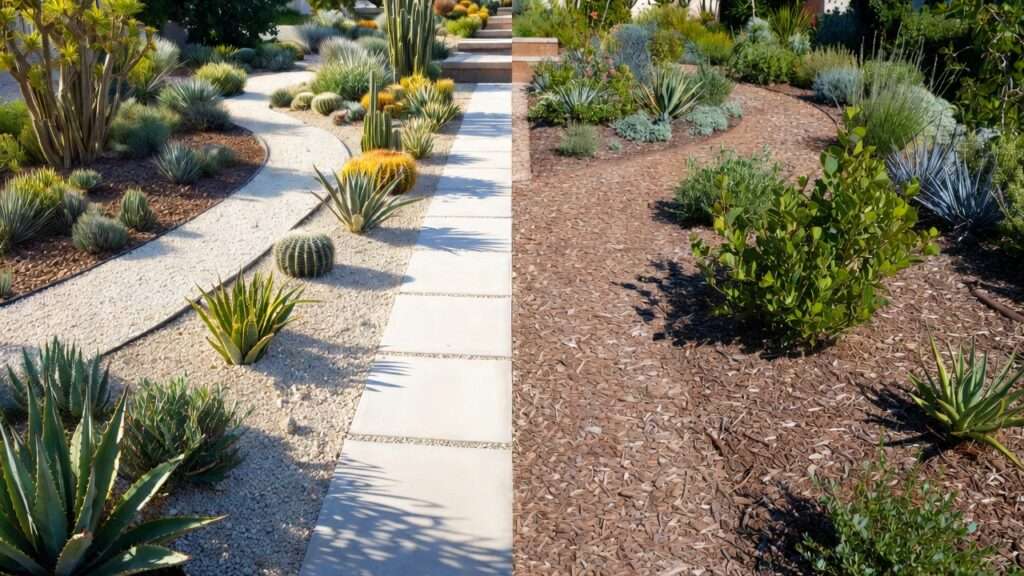
Imagine this: It’s a scorching summer day in a drought-prone region, your water bill just arrived looking scarier than ever, and your once-vibrant drought-tolerant plants are looking a bit wilted despite your best efforts. You’ve decided to go full xeric — xeriscape landscaping — to slash water use, cut maintenance, and create a beautiful, sustainable yard. But one big question stops you cold: gravel vs. mulch — which ground cover actually delivers on the promise of saving more water while keeping your trees, shrubs, and perennials truly healthy? 🌿
You’re not alone. As water restrictions tighten and sustainable gardening surges in popularity, homeowners everywhere are debating this exact choice. Gravel (rock or inorganic mulch) offers that clean, modern desert vibe with almost zero upkeep, while organic mulch (wood chips, bark, pine needles) promises better moisture retention and soil enrichment. But which one truly wins for water conservation and plant health in xeric designs?
In this in-depth guide, we’ll break down the science, real-world pros and cons, climate considerations, and smart hybrid strategies so you can make the best decision for your low-water landscape. Drawing from university extension research, arborist studies, and practical xeriscape success stories, we’ll help you build a yard that’s not just surviving — but thriving — with minimal effort. Let’s dig in! 🪴
What Is Xeric Landscaping? A Quick Refresher 🌍
Xeric landscaping, often called xeriscaping, is a water-wise approach to gardening that minimizes irrigation needs while creating attractive, functional outdoor spaces. Coined in the 1980s by Denver Water, it follows seven core principles:
- Plan and design thoughtfully
- Improve soil health
- Choose appropriate plants (mostly natives or adapted drought-tolerant species)
- Use turf sparingly
- Apply mulch effectively
- Irrigate efficiently
- Maintain appropriately
Principle #5 — mulch — is where gravel vs. mulch debates heat up. Mulch covers bare soil to reduce evaporation, suppress weeds, moderate soil temperature, and prevent erosion. In xeric yards, the right mulch choice can cut supplemental watering by 20–50% or more, depending on climate and application. But “mulch” isn’t one-size-fits-all: organic options decompose and feed soil, while inorganic gravel provides permanence and drainage. Choosing wisely directly impacts your plants’ long-term success, from root health to bloom vigor. 💚
Understanding the Two Main Options 🧐
Organic Mulch in Xeric Landscapes 🌳
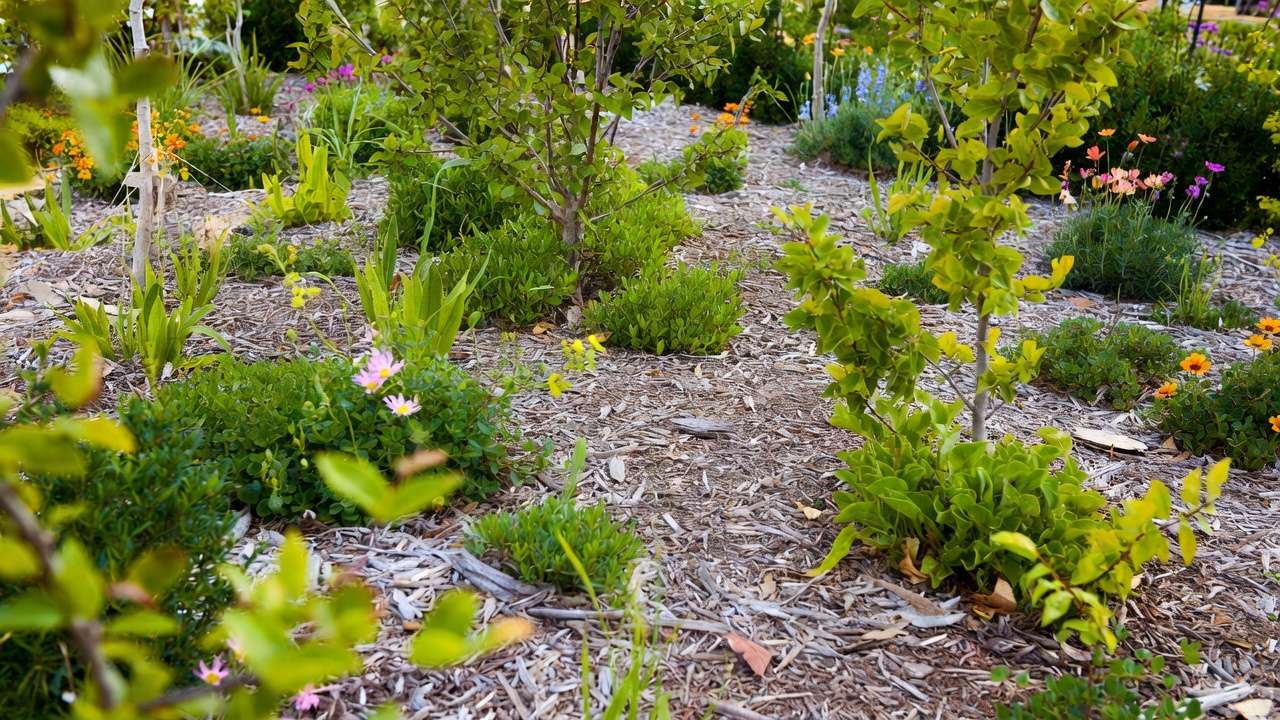
Organic mulches come from plant materials and break down over time. Popular choices for xeric gardens include:
- Wood chips or arborist chips (often free from tree services)
- Shredded hardwood bark
- Pine needles or straw
- Composted leaves
These work best in “oasis” zones — areas with moderate-water natives, perennials, or trees/shrubs that benefit from gradual nutrient release and superior insulation.
Gravel (Rock/Inorganic Mulch) in Xeric Landscapes 🪨
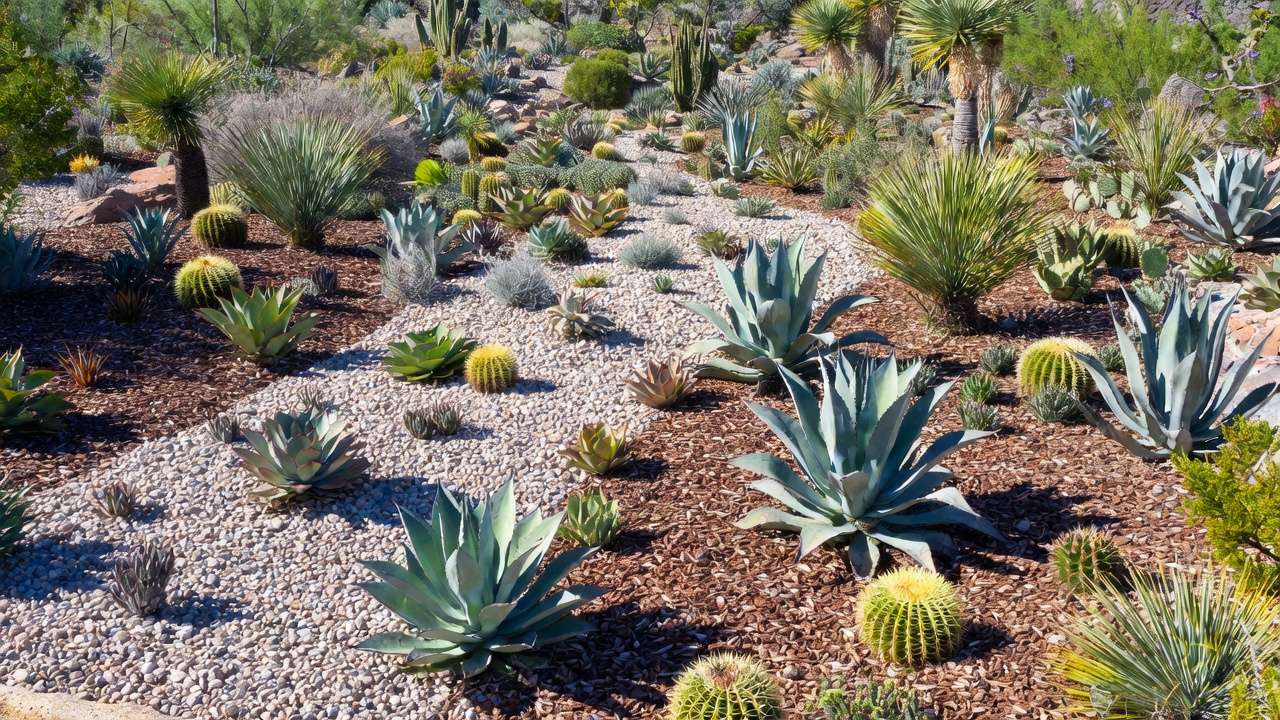
Gravel includes pea gravel, decomposed granite, lava rock, crushed stone, or river rock. It’s the go-to for true desert-inspired or minimalist xeriscapes, especially around succulents, cacti, agaves, and yuccas that thrive in fast-draining, mineral-rich conditions.
Both reduce bare soil issues, but their impacts on water savings and plant vitality differ dramatically — let’s compare.
Head-to-Head Comparison: Gravel vs. Mulch 📊
Here’s a quick-reference table for skimmers, followed by detailed breakdowns backed by extension services and studies.
| Factor | Organic Mulch (e.g., Wood Chips) | Gravel/Rock Mulch | Winner for Most Xeric Goals? |
|---|---|---|---|
| Water Conservation | Excellent — reduces evaporation 20–50%+ | Good — allows infiltration but higher evaporation in sun | Organic Mulch |
| Soil Health/Nutrients | Builds organic matter, feeds microbes over time | None — no decomposition | Organic Mulch |
| Soil Temperature Regulation | Insulates: cooler summer, warmer winter | Absorbs/radiates heat — hotter soil | Organic Mulch |
| Weed Suppression | Strong initial smothering; needs refresh | Long-term barrier; weeds in fines over time | Tie (with proper depth) |
| Maintenance | Annual top-up; can shift/blow away | Near-zero; lasts decades | Gravel |
| Longevity/Cost Long-Term | Replenish every 1–3 years; lower upfront | One-time install; higher initial cost | Gravel |
| Aesthetics | Warm, natural, soft | Clean, textured, modern/desert | Depends on style |
| Pest/Fire Risk | Can harbor insects if wet; higher fire risk dry | Lower fire; fewer pests | Gravel |
Water Conservation & Moisture Retention 💦
Organic mulch excels here. University studies (e.g., from Penn State, Utah State Extension) show a 3–4 inch layer of wood chips or bark reduces soil evaporation significantly — often by 25–50% compared to bare soil. It improves rainwater infiltration and holds moisture longer for plant roots.
Gravel allows excellent percolation (great for preventing runoff on slopes), but in full sun, it can increase surface evaporation. Research on mineral mulches notes higher accumulated evaporation vs. organic in many cases, though gravel shines for very well-drained succulents where excess moisture causes rot.
Verdict: For water savings around trees, shrubs, and perennials → organic mulch usually saves more water long-term.
Soil Health & Nutrient Contribution 🌱
As organic mulch decomposes, it adds organic matter, improves soil structure, boosts microbial activity, and slowly releases nutrients — perfect for feeding drought-tolerant plants without synthetic fertilizers. Extension experts (e.g., Colorado State, Virginia Tech) emphasize this for healthier roots and better resilience.
Gravel adds zero nutrients and can lead to compaction or nutrient lock-up over time, often requiring extra amendments.
Verdict: Organic mulch supports healthier plants overall, especially trees and shrubs.
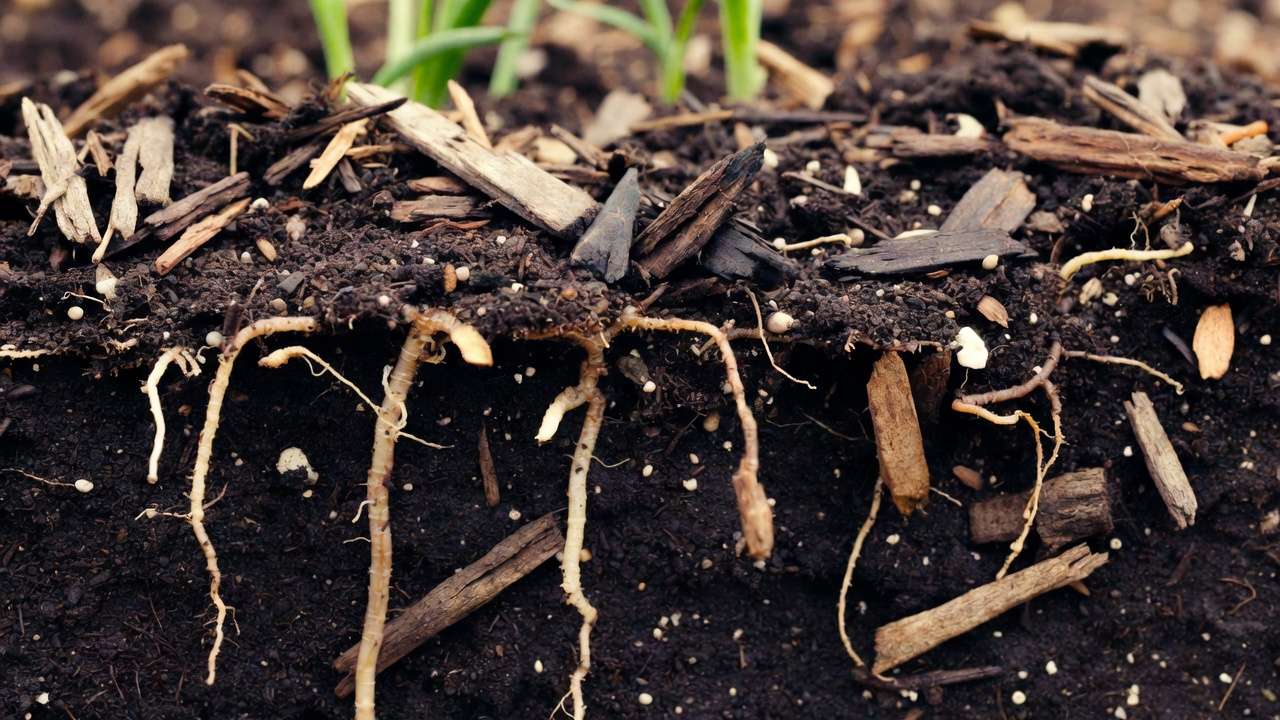
Temperature Regulation for Plants 🔥❄️
Organic mulch insulates roots: studies show it keeps soil cooler in summer (up to 18°F lower midday temps in some trials) and warmer in winter, reducing stress and freeze damage.
Gravel absorbs solar heat and radiates it, raising soil temperatures (often 2–5°C higher than organic). This benefits heat-loving cacti but can stress other plants or increase home cooling needs if near foundations.
Verdict: Mulch protects roots better in variable climates.
Weed Suppression Effectiveness 🌿🚫
Both gravel and organic mulch are excellent at smothering weeds when applied correctly — typically 3–4 inches deep over a weed-free base (and often with a permeable landscape fabric or cardboard layer for extra insurance). Organic mulch creates a thick barrier that blocks light and physically hinders seedling emergence, while its gradual decomposition further discourages growth. University extensions like Colorado State and Utah State note that wood chips or bark can match or exceed gravel in initial suppression.
Gravel provides a longer-lasting physical barrier; weeds struggle to root through dense rock layers, especially finer pea gravel or decomposed granite. However, over years, dust and organic debris can accumulate between stones, allowing opportunistic weeds to take hold — requiring occasional pulling or herbicide spot treatments.
Verdict: Slight edge to gravel for longevity in low-maintenance xeric designs, but both perform well with proper installation and depth. Refresh organic mulch annually to maintain peak suppression.
Maintenance & Longevity 🧹
This is where gravel often wins big for busy homeowners. Once installed with good edging (metal, plastic, or stone borders), gravel stays put for 10–20+ years with minimal intervention — no annual replenishing, little shifting in wind or rain, and no decomposition. Occasional raking smooths it out, and weeds are infrequent.
Organic mulch, by contrast, breaks down naturally (a good thing for soil health!), so you’ll need to top it up every 1–3 years depending on climate, material, and depth. In windy or hot xeric areas, lighter mulches like pine needles or fine bark can blow away or wash off during monsoons, requiring redistribution.
Verdict: Gravel for set-it-and-forget-it convenience; organic mulch for those willing to invest a little yearly effort for bigger plant rewards.
Aesthetics & Design Style 🎨
Organic mulch delivers a soft, natural, earthy look — warm tones that blend seamlessly with lush perennials, native shrubs, and trees. It feels inviting and “alive,” suiting cottage-style, wildlife-friendly, or transitional xeric gardens.
Gravel brings crisp, modern, textured elegance — think desert minimalist, contemporary Southwest, or Zen-inspired rock gardens. Colors (red lava, gray granite, tan pea gravel) can complement architecture or create striking contrasts with bold plants like agaves and yuccas.
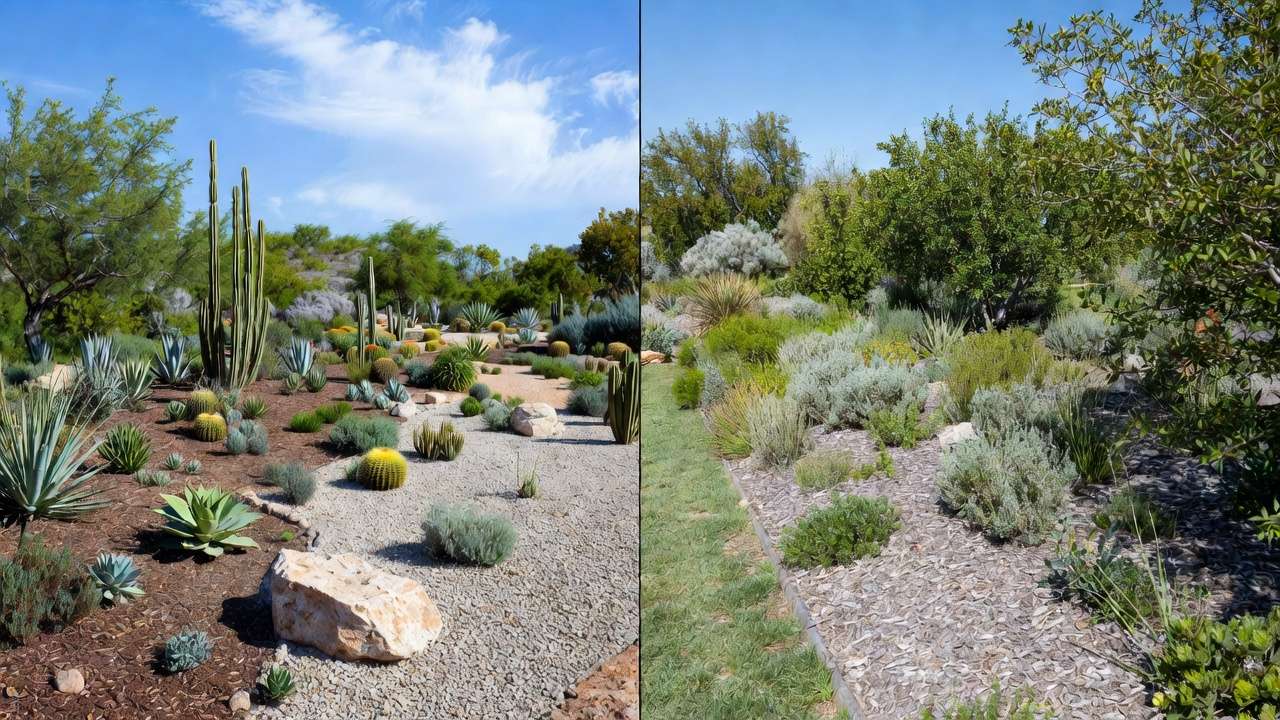
Verdict: Purely subjective — match to your personal taste and home style. Many pros recommend zoning: gravel for paths/open areas, mulch for planting beds.
Cost Breakdown: Upfront vs. Long-Term 💰
- Organic Mulch: Lower initial cost (especially free arborist chips or bulk bark). Replacement every 1–3 years adds recurring expense (~$0.50–$2 per sq ft per cycle), but potential water savings offset this over time.
- Gravel: Higher upfront (~$1–$4 per sq ft installed, depending on type/depth), but one-time investment. Long-term savings on maintenance and replacement make it economical for large areas.
Both reduce irrigation costs significantly in xeric setups — often 30–50% less water use per university trials.
Pest, Disease & Fire Risk ⚠️
Organic mulch can occasionally harbor slugs, snails, or rodents if kept too wet/deep near structures, but proper placement (6–12 inches from foundations) minimizes issues. In wildfire-prone regions, dry wood chips or bark pose a higher ember-catching risk; studies from University of Nevada and NFPA rank composted wood chips as lower-risk among organics, but still flammable compared to inorganics.
Gravel is nearly pest-free (no food source) and dramatically lowers fire spread — ideal near homes in dry climates. It doesn’t burn or carry flames.
Verdict: Gravel safer for fire-wise and low-pest landscapes; organic mulch fine with mindful application.
Which Wins for Different Xeric Scenarios? 🏆
No single winner — context is everything! Here’s a practical decision guide:
- Around trees & large shrubs 🌳 → Organic mulch (wood chips/bark) for superior moisture retention, nutrient cycling, root insulation, and overall health. Avoid piling against trunks (volcano mulching!).
- Succulents, cacti, agaves, yuccas 🏜️ → Gravel excels — fast drainage prevents rot, heat tolerance matches plant needs.
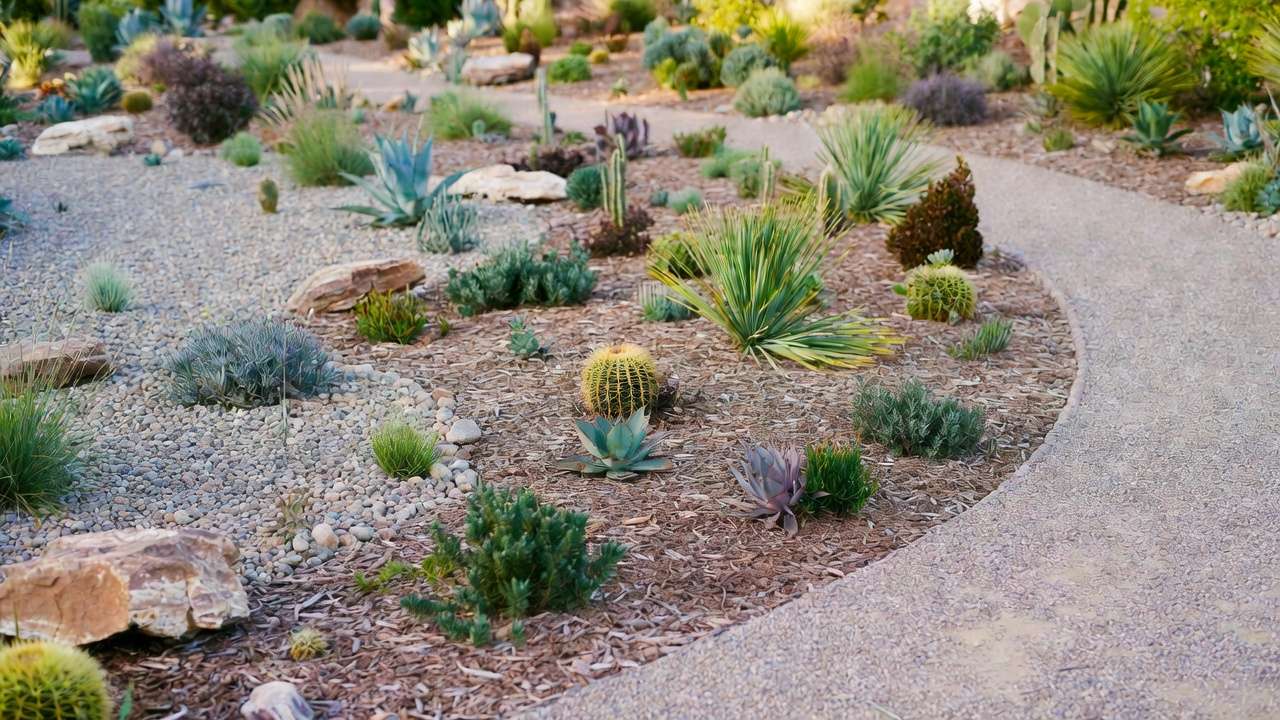
- Mixed beds or oasis zones → Hybrid approach: gravel paths/open spaces for low upkeep + organic mulch in planting pockets for plant vitality.
- Slopes/erosion-prone areas → Gravel (especially decomposed granite) binds soil better and reduces runoff.
- Very hot, arid climates (e.g., Southwest deserts) → Lean gravel for heat-loving plants, but mulch still often outperforms for water savings per studies.
- Cold-winter xeric zones → Organic mulch for winter root protection.
Quick checklist table:
| Scenario | Best Choice | Why? |
|---|---|---|
| Trees/Shrubs/Perennials | Organic Mulch | Nutrients, moisture, temperature control |
| Desert Succulents/Cacti | Gravel | Drainage, heat tolerance |
| Low-Maintenance/Modern Look | Gravel | Durability, minimal upkeep |
| Wildlife-Friendly/Natural Feel | Organic Mulch | Soil life, softer aesthetics |
| Fire-Prone Area Near Structures | Gravel | Non-flammable barrier |
| Budget + Willing to Refresh | Organic Mulch | Lower cost, plant benefits |
Expert Tips for Success in Xeric Landscaping ✨
- Depth matters: 3–4 inches minimum for both — too thin = poor performance; too thick (especially mulch) = rot risk.
- No plastic barriers under gravel: Use permeable fabric or none; plastic blocks water/air → harms roots.
- Hybrid magic: Apply organic mulch 2–3 inches in planting zones, then top with 1 inch fine gravel for weed/fire control + aesthetics.
- Source smart: Get free arborist wood chips (aged 6+ months); choose washed pea gravel to avoid dust/weeds.
- Plant pairing: Match mulch to plants — natives adapted to rocky soils love gravel; forest-edge species prefer organic.
- Avoid mistakes: Don’t volcano mulch trees; don’t use dyed mulch (potential chemicals); refresh before it disappears completely.
- Combine with smart irrigation: Drip systems + mulch = maximum water efficiency.
Real-Life Examples & Case Studies 📸
In Colorado xeriscapes, Colorado State Extension reports homeowners using wood chip mulch around native shrubs saw 40%+ water savings and healthier root systems vs. bare soil. Southwest Arizona trials (e.g., University studies) found organic mulches moderated soil temps better than granite, reducing plant stress in 110°F+ heat.
A Texas hybrid yard featured gravel paths and decomposed granite zones around agaves (low upkeep, great drainage), with wood chip beds around mesquite trees and salvias — resulting in thriving plants, slashed bills, and minimal weeding.
(Placeholder for images: A lush xeric bed with dark wood mulch around blooming natives; a clean gravel xeriscape with colorful succulents; a zoned hybrid garden blending both.)
FAQs: Gravel vs. Mulch in Xeric Landscaping ❓
Can I use gravel around fruit trees or edible plants? Yes, but organic mulch is better for nutrient boost and moisture — gravel works if drainage is key, but supplement with compost.
Does gravel increase home cooling costs? Potentially — it radiates heat toward walls/windows in full sun. Plant shade trees or use lighter-colored gravel to mitigate.
How often to refresh mulch in dry climates? 1–2 years for bark/wood chips; pine needles last longer. Check depth annually.
Is decomposed granite better than pea gravel? DG compacts nicely, excellent for paths/slopes; pea gravel drains faster but shifts more.
Will mulch attract termites in xeric yards? Rare if kept 6–12 inches from structures and not overly wet — gravel is safer if concerned.
Can I switch from gravel back to mulch? Yes — rake gravel aside, amend soil, add mulch. Many do this for tired-looking rock beds.
What’s best for slopes? Gravel or larger rock to prevent erosion; combine with mulch pockets for plants.
Does mulch cause more weeds long-term? No — proper depth suppresses; refresh prevents gaps.
Fire safety: gravel or mulch? Gravel is far superior near homes; use composted wood chips farther out if choosing organic.
Hybrid possible? Absolutely — many top designers zone both for best of both worlds.
Final Verdict: The Best Choice for Water Savings + Plant Health 🏆
There’s no universal “better” — organic mulch generally edges out for water savings (superior evaporation control) and healthier plants (nutrients, insulation, microbial support), especially around trees, shrubs, and non-desert species. Gravel shines for ultra-low maintenance, fire safety, drainage-loving plants, and modern aesthetics in true arid xeriscapes.
The smartest, most sustainable approach? Strategic hybrid use — mulch where plants need nourishment and moisture most, gravel where permanence and minimal intervention win. Assess your yard’s plants, climate, goals, and effort level, then start small. You’ll conserve water, nurture thriving greenery, and enjoy a beautiful, resilient landscape for years.
Ready to transform your space? Drop a comment with your climate/plant types — I’d love to suggest tailored combos! 🌿💚











