
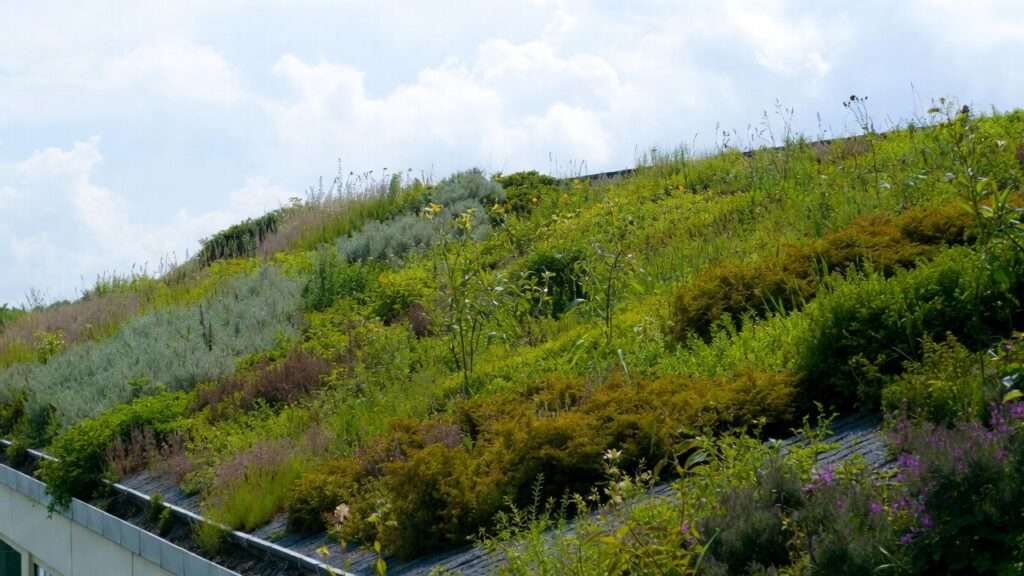
Imagine stepping onto your roof and finding a vibrant, living carpet of plants that cools your home in summer, reduces noise from rainstorms, attracts butterflies and bees 🦋🐝, and even helps manage heavy downpours by soaking up rainwater before it floods your yard or basement. In today’s world of rising energy costs and climate challenges, green roof systems for homeowners are becoming a smart, eco-friendly upgrade that turns wasted roof space into a beautiful, functional garden.
As a plant care and sustainable landscaping expert with years of hands-on experience designing and maintaining vegetated roofs in various climates—including hot, humid regions—I’ve seen firsthand how these systems deliver real value. Whether you’re in a bustling city or a suburban home, a well-planned green roof can slash utility bills, extend your roof’s lifespan, boost biodiversity, and add stunning curb appeal. But is it feasible for your home? This comprehensive guide answers that question with practical, evidence-based advice, from benefits and types to plant selection and ongoing care. Let’s explore if a green roof could be your next rewarding project! 🌱
What Exactly Is a Green Roof System?
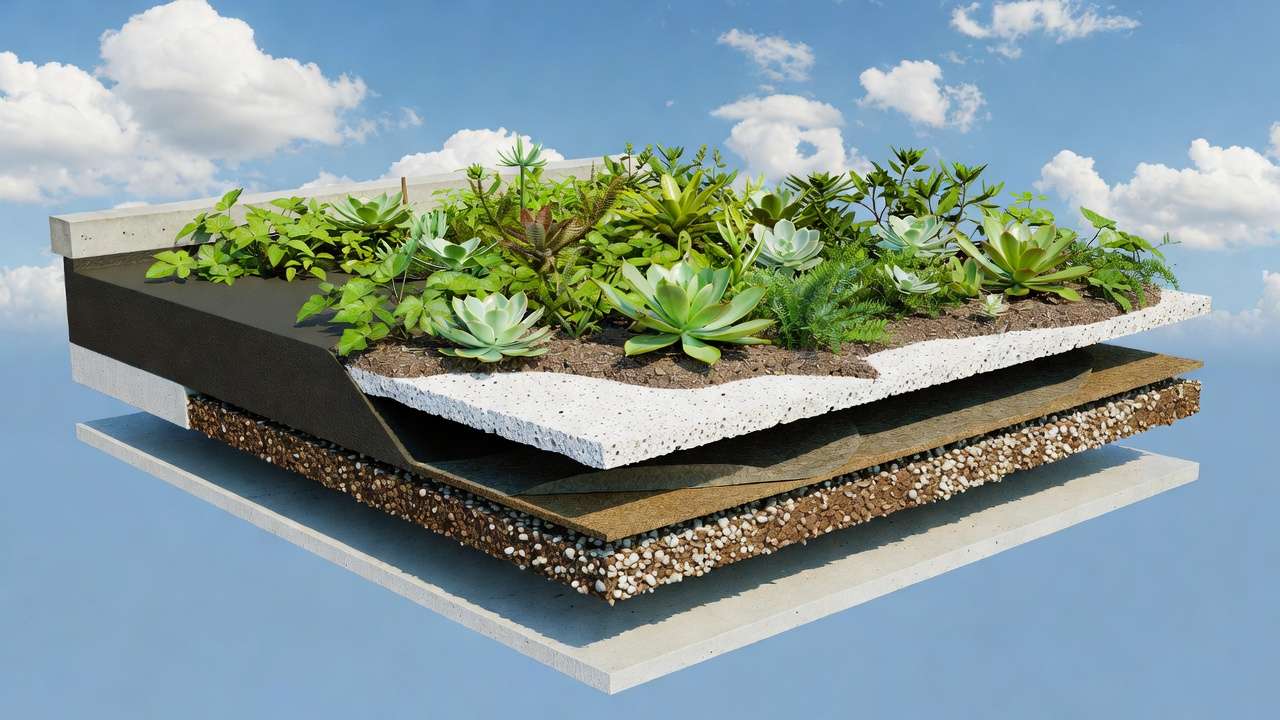
A green roof—also called a vegetated roof or living roof—is an extension of your existing roof that supports plant life. It includes multiple protective layers to keep your home safe and dry:
- Waterproofing membrane (the foundation to prevent leaks)
- Root barrier (stops roots from damaging the structure)
- Drainage layer (channels excess water away)
- Filter fabric (keeps soil in place while allowing water through)
- Lightweight growing medium (engineered soil mix, often with perlite or expanded clay for drainage and low weight)
- Plants (the living top layer)
Unlike a simple “cool roof” (reflective white coating) or a living wall (vertical greenery), a green roof creates an actual ecosystem on your rooftop.
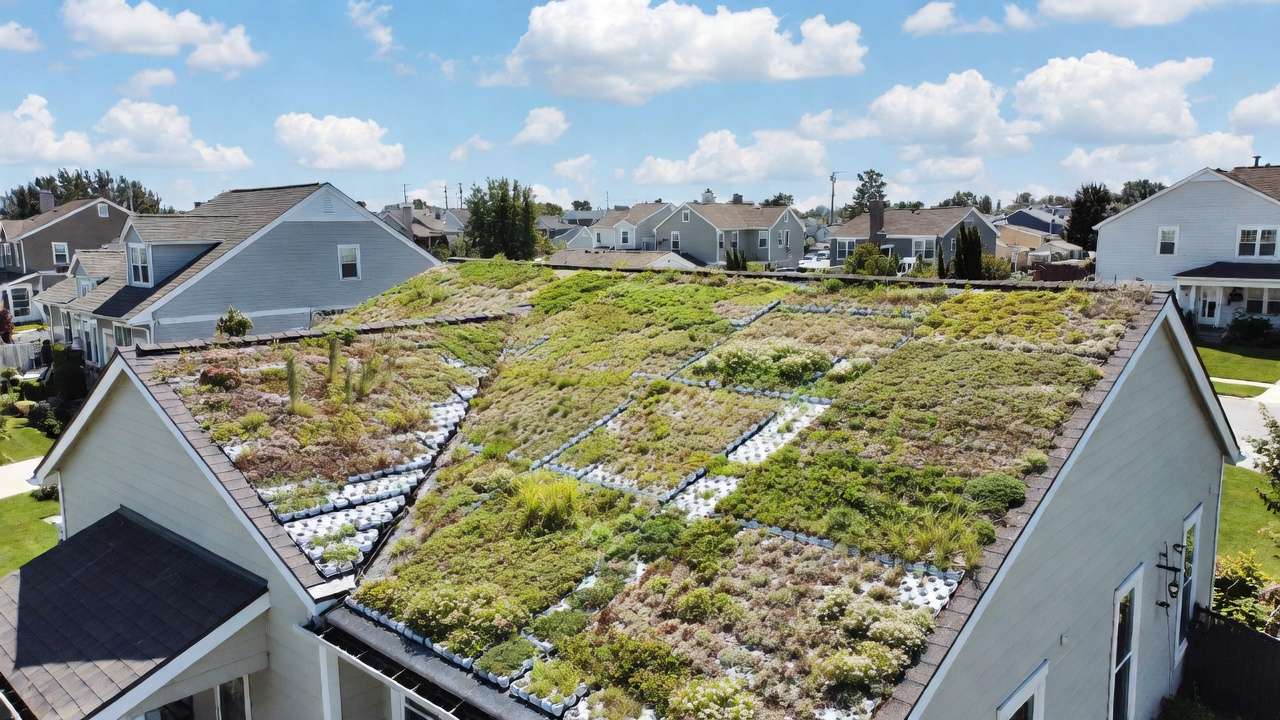
Modern systems come in modular trays (easy to install and rearrange) or built-up layers (customized on-site). For homeowners, the focus is usually on extensive designs that are lightweight and low-effort—perfect for residential roofs like garages, porches, or main houses. 🏠
Why Homeowners Are Choosing Green Roofs in 2026 (Key Benefits) 🌟
Green roofs aren’t just trendy—they solve real homeowner problems like high energy bills, stormwater flooding, and lack of green space in urban or suburban areas.
Energy Savings & Lower Utility Bills The plant layer and soil act as natural insulation, reducing heat gain in summer and retaining warmth in winter. Studies show cooling cost reductions of 25–40% in hot months, with overall HVAC savings up to 30%. In humid, tropical-like climates, this evapotranspiration (plants releasing moisture) provides extra cooling—crucial where air conditioning runs year-round.
Stormwater Management & Flood Protection Green roofs absorb 50–90% of rainfall, depending on design and plants. This reduces runoff, eases pressure on local drains, and prevents basement flooding or yard erosion—especially valuable in rainy regions.
Extended Roof Lifespan & Protection The vegetation shields the waterproof membrane from UV rays, extreme temperature swings, and hail. Many experts report roof life doubling (from 20–25 years to 40–50+ years), delaying expensive replacements.
Environmental & Biodiversity Wins Plants filter air pollutants, sequester carbon, and create habitats for pollinators and birds. In cities, they combat the urban heat island effect, lowering neighborhood temperatures.
Aesthetic, Noise Reduction & Property Value Boost A lush green roof looks incredible from upstairs windows or the street, adding unique charm. It dampens rain and traffic noise noticeably. Eco-features like this often increase home resale value by appealing to sustainability-minded buyers.
Health & Wellness Perks Visible greenery reduces stress and improves mental well-being—plus, cleaner air from reduced urban pollution indirectly benefits indoor health.
These benefits make green roofs a worthwhile investment for eco-conscious homeowners seeking long-term savings and a greener lifestyle. 🌍
Types of Green Roof Systems Suitable for Homeowners
Not all green roofs are the same—choose based on your roof’s structure, goals, and maintenance willingness.
Extensive Green Roofs – The Homeowner Favorite 🌿 Lightweight (typically 15–50 lbs per sq ft when saturated), with 2–6 inches of growing medium. Plants are low-growing succulents, sedums, and mosses that thrive with minimal care. Ideal for most homes, including retrofits on flat or low-slope roofs (under 30°). Pros: Affordable, low-maintenance, great for biodiversity. Cons: Limited plant variety, not walkable.
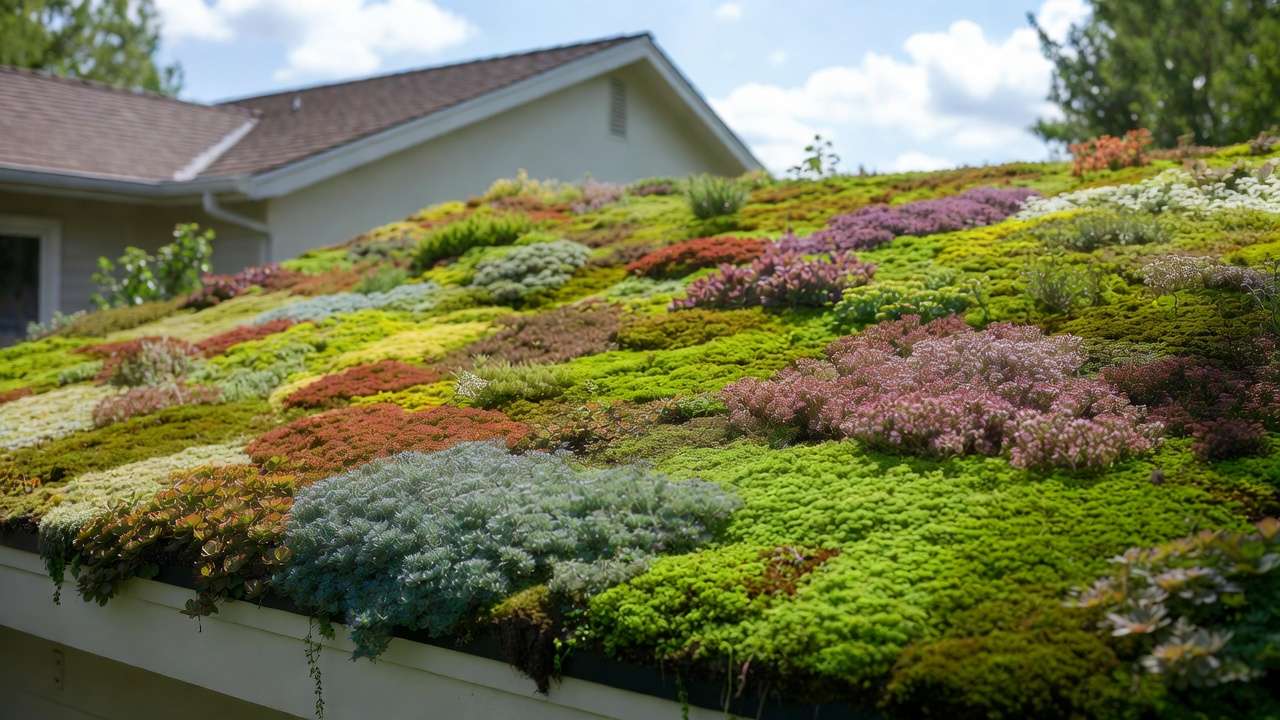
Intensive Green Roofs – For True Rooftop Gardens Deeper soil (6+ inches), supporting shrubs, small trees, flowers, and even seating areas. Heavier (80–150+ lbs/sq ft), requiring strong structural support and more irrigation. Best for larger homes wanting usable outdoor space. Higher cost and upkeep make this less common for average homeowners.
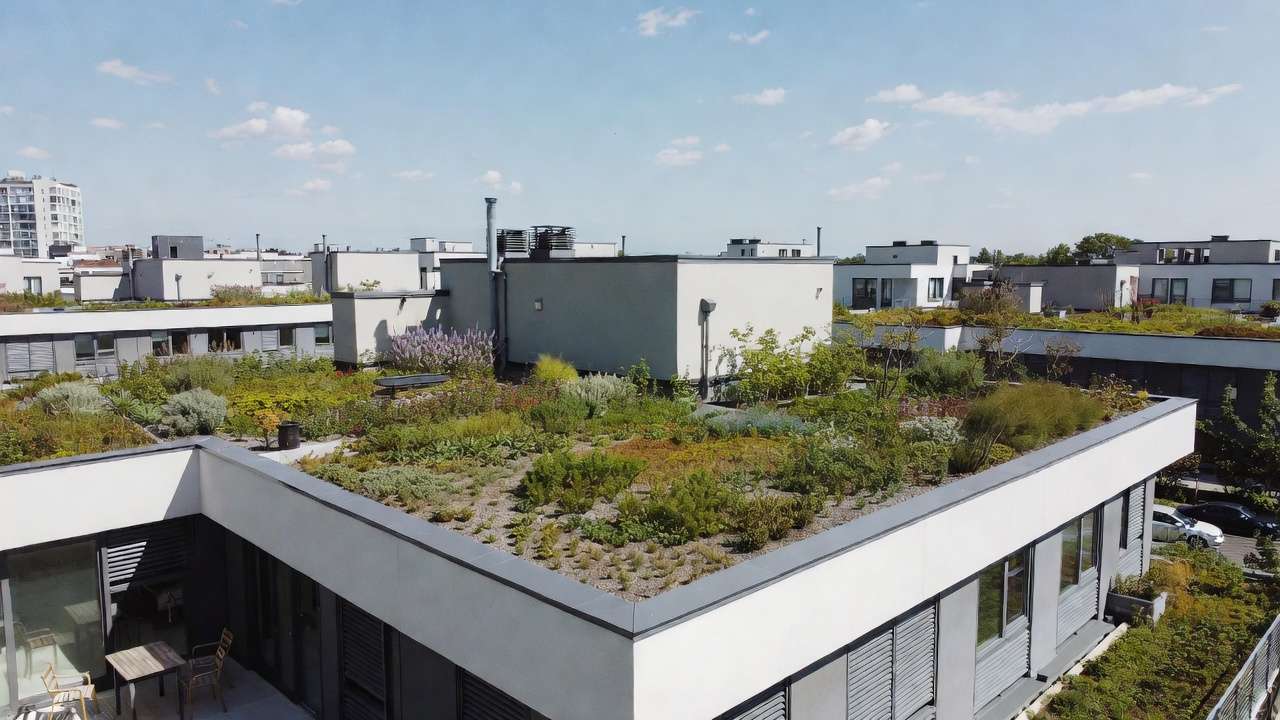
Semi-Intensive & Modular Systems Hybrids blending ease and variety—modular trays or pre-vegetated mats allow more plants while keeping weight manageable. Popular for DIY enthusiasts or phased installations.
Which Type Fits Your Home? Quick Decision Guide
- Flat/low-slope roof + limited budget/low maintenance? → Extensive
- Strong structure + desire for garden features? → Intensive/semi-intensive
- Small area (garage/shed)? → Modular trays for easy start
Always get a structural engineer to assess load capacity first—safety comes before beauty! 🔍
Plant Selection Essentials for Residential Green Roofs 🌸
Choosing the right plants is key to success—especially in challenging rooftop conditions (full sun, wind, drought spells between rains).
Must-Have Traits for Green Roof Plants Drought-tolerant, shallow fibrous roots, wind/heat resistant, low-growing, slow-spreading to avoid overgrowth.
Top Low-Maintenance Plant Recommendations
- Sedums & Stonecrops (Sedum spp.): Classic choices—colorful, evergreen varieties like Sedum acre, Sedum album, or gold moss stonecrop. Succulent leaves store water; minimal watering needed.
- Sempervivums (Hens and Chicks): Rosette-forming succulents, hardy and attractive.
- Delosperma (Ice Plant): Bright flowers, spreading habit, thrives in sun.
- Thyme (Thymus spp.): Fragrant, bee-friendly groundcover with purple blooms.
- Native Grasses & Perennials: Region-specific picks for better adaptation and pollinator support.
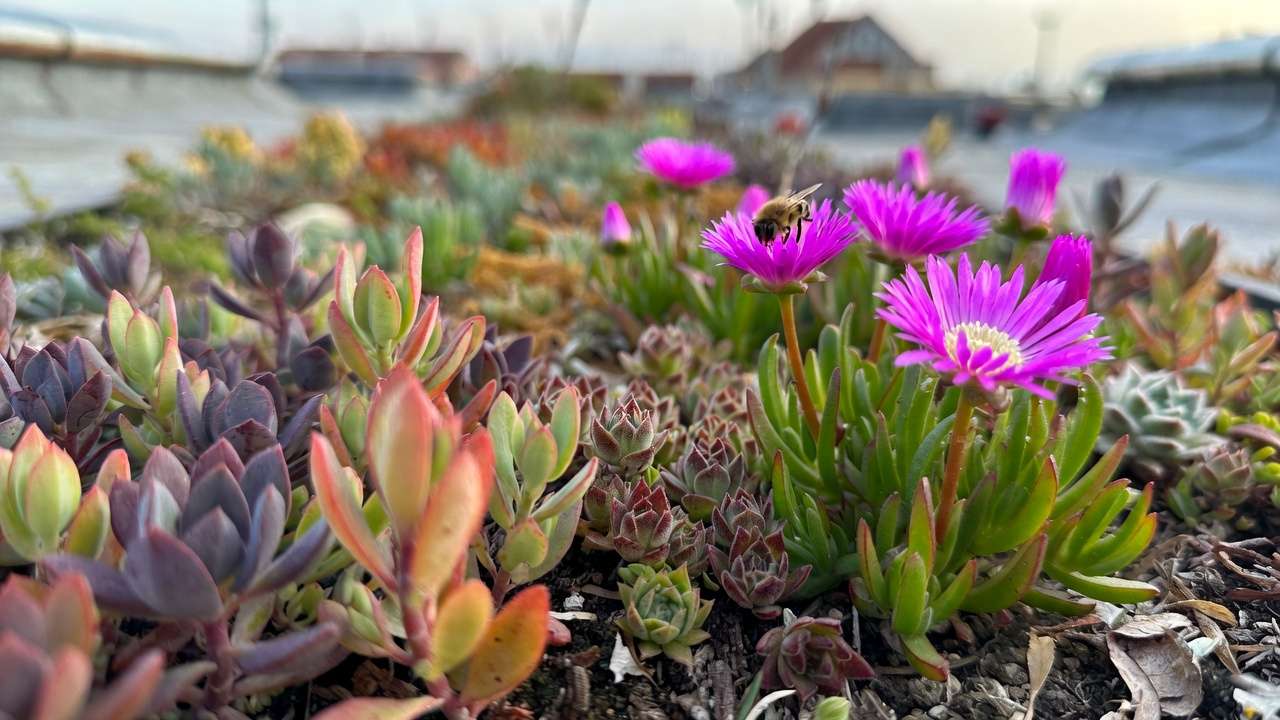
Climate-Specific Tips In hot, humid, or tropical climates (like many parts of South Asia or similar zones), prioritize drought-tolerant yet humidity-resilient species—succulents still work well, but add natives like certain Dracaena, ferns in shadier spots, or heat-loving groundcovers. Avoid invasives; focus on slow-growers resistant to pests and diseases.
Plant Care Essentials from Day One
- Water regularly during establishment (first 1–2 years), then rely on rain.
- Fertilize sparingly (once/year with low-nitrogen mix).
- Prune dead material seasonally; weed occasionally.
- Watch for issues like winter die-back or pests—most extensive roofs need very little intervention.
These plants turn your roof into a low-effort oasis that supports local wildlife! 🐝
Step-by-Step: Is a Green Roof Feasible for Your Home?
Before dreaming of plants, check practicality.
Structural Assessment – The #1 Priority Hire a structural engineer to evaluate load-bearing capacity (wet weight 15–50+ lbs/sq ft for extensive). Older homes may need reinforcement.
Roof Suitability Checklist
- Slope: Ideally flat to 30° (steeper needs special anchoring)
- Drainage & waterproofing: Must be in good condition
- Sun exposure: Full sun for most plants
- Access: Easy for installation/maintenance
Professional vs DIY/Modular Installation Most homeowners opt for pros for waterproofing expertise. Modular trays offer a semi-DIY path for smaller areas.
Real Costs & ROI Breakdown (2026 Figures) 💰
Green roofs represent an upfront investment, but the long-term savings from energy efficiency, extended roof life, stormwater benefits, and potential incentives often make them financially smart—especially for extensive systems that homeowners favor.
Costs vary by location, roof size, access difficulty, and whether you choose professional installation or modular options. In 2026, expect these realistic ranges based on industry data from sources like HomeGuide, Angi, and EPA guidelines:
Upfront Installation Costs
- Extensive green roofs: $10–$25 per square foot (most common for homes; includes materials, lightweight media, sedum plants, and labor). For a typical 1,000 sq ft garage or porch roof, that’s $10,000–$25,000 total. Smaller projects (e.g., 500 sq ft) often fall in the $5,000–$12,000 range.
- Intensive green roofs: $25–$35+ per square foot (deeper soil, more plants, irrigation needs). These can exceed $50/sq ft with custom features.
- Semi-intensive/modular tray systems: $15–$30 per square foot—great middle ground for easier DIY elements.
Key cost drivers: structural reinforcements (if needed), waterproofing upgrades, roof access (cranes add expense), and regional labor rates. Always get multiple quotes from certified green roof professionals.
Ongoing Maintenance Costs Extensive roofs shine here—they’re designed to be low-effort once established.
- Annual maintenance for extensive systems: $0.75–$2 per square foot (often closer to $0.75–$1.50). This covers occasional weeding, debris removal, inspections (twice yearly), and minimal fertilizing/watering during dry spells.
- Intensive roofs: $1.50–$4+ per square foot due to more plants, irrigation checks, and pruning.
In practice, many homeowners spend under $1/sq ft/year after the first 1–2 establishment years, especially in rainy climates where rain handles most watering. 🌧️
Long-Term Savings & Payback The real magic happens over time:
- Energy savings: 15–40% reduction in cooling/heating costs (higher in hot climates), equating to $0.15–$0.57 per sq ft annually in some studies.
- Roof lifespan extension: Doubles or triples (40–50+ years vs. 20–25 for conventional roofs), delaying full replacement by decades—potentially saving tens of thousands.
- Stormwater & other perks: Reduced municipal fees (in some areas), air quality improvements, and property value boosts (eco-features appeal to buyers).
Payback periods for extensive green roofs typically range from 6–20 years, depending on incentives and energy prices. Conservative analyses show ~6–14 years nationally; in high-energy-cost or incentive-heavy areas, it can be faster. ROI over 40–50 years often exceeds 200% when factoring extended roof life and energy savings.
Incentives, Tax Credits, and Rebates While federal U.S. programs like the Energy Efficient Home Improvement Credit (up to $3,200 for qualifying efficiency upgrades through 2025) and Residential Clean Energy Credit focus more on solar, insulation, or heat pumps, green roofs sometimes qualify indirectly if bundled with energy-saving elements. Check local/state programs—many cities offer stormwater rebates, green building grants, or property tax incentives for vegetated roofs. In regions like California or urban areas, rebates can cover 10–50% of costs. Search your local utility, environmental department, or green roof associations for current 2026 options!
Bottom line: Extensive green roofs often pay for themselves through savings and longevity—making them a solid investment for forward-thinking homeowners.
Common Myths & Mistakes to Avoid 🚫
Green roofs get misunderstood—here’s the truth from real-world experience:
- Myth: “They always leak.” Reality: Proper installation with high-quality waterproof membranes and root barriers prevents issues. Leaks usually stem from poor prep or skipping pros—choose certified installers.
- Myth: “Too expensive and high-maintenance.” Extensive systems are affordable long-term and need minimal care (less than a lawn!). Intensive ones are higher effort—stick to extensive unless you want a full garden.
- Mistake: Skipping structural check. Never assume your roof can handle the weight—get an engineer’s assessment first.
- Mistake: Wrong plants or over-planting. Invasives or high-water-needs species fail fast. Use proven, drought-tolerant natives/succulents.
- Mistake: Ignoring climate. In hot/humid areas, prioritize heat-tolerant, humidity-resilient plants and good drainage to avoid rot.
Avoid these, and your green roof thrives!
Inspiring Real-Home Examples & Case Studies
- Small garage transformation: A suburban homeowner added a 400 sq ft extensive sedum roof for ~$8,000. Result: 25% lower summer cooling bills, no more roof heat radiating indoors, and a pollinator haven visible from the yard.
- Urban full-house extensive roof: In a city setting, a family installed modular trays on a flat roof section (~800 sq ft). They report noticeable noise reduction during storms, plus butterflies and birds visiting regularly—boosting family enjoyment and home value.
- Energy comparison: Studies and homeowner reports show extensive roofs cutting peak cooling demand significantly, with some seeing payback in under 10 years when incentives apply.
These examples prove green roofs work beautifully on homes—not just commercial buildings.
Getting Started: Next Steps for Homeowners
- Assess your roof: Hire a structural engineer (~$500–$1,500) for load check.
- Research local pros: Look for Green Roof Professional (GRP) certified installers via associations like Green Roofs for Healthy Cities.
- Start small: Try modular trays on a shed or porch to test before full commitment.
- Resources: EPA green roof guides, local extension services, books like “Green Roof Plants” by Edmund & Lucy Snodgrass, and online communities for homeowner tips.
Ready to take the plunge? Contact local experts for a free consultation!
FAQ Section ❓
How much weight can my roof handle for a green roof? Extensive roofs add 15–50 lbs/sq ft when wet—intensive 80–150+ lbs. A structural engineer must confirm your roof’s capacity.
Do green roofs work in hot/humid or tropical climates? Yes! Drought-tolerant succulents and natives thrive; good drainage prevents issues in heavy rains. Many succeed in humid regions with proper plant selection.
Can I install a green roof myself? Modular trays allow semi-DIY for small areas, but pros handle waterproofing and large installs for safety and warranty.
What happens in winter/snow? Plants go dormant; snow adds temporary weight (engineer accounts for this). Hardy sedums handle cold well.
Are there grants or tax breaks for green roofs? Varies by location—check stormwater rebates, green incentives, or bundle with energy upgrades for federal credits (through 2025 in some programs).
Best beginner plants for low effort? Sedum varieties (e.g., Sedum acre, Sedum spurium), sempervivums, and ice plants—tough, colorful, and almost maintenance-free.
Conclusion A green roof isn’t just a trend—it’s a smart, plant-powered investment that rewards you with cooler summers, quieter storms, happier pollinators, and a home that stands out for all the right reasons. If you’re serious about sustainable living and love nurturing plants, this could be your next big (and beautiful) project.
Have questions about your specific roof, local plants in Khulna’s climate, or getting started? Drop a comment—I’d love to help guide you further! 🌿🏠











