
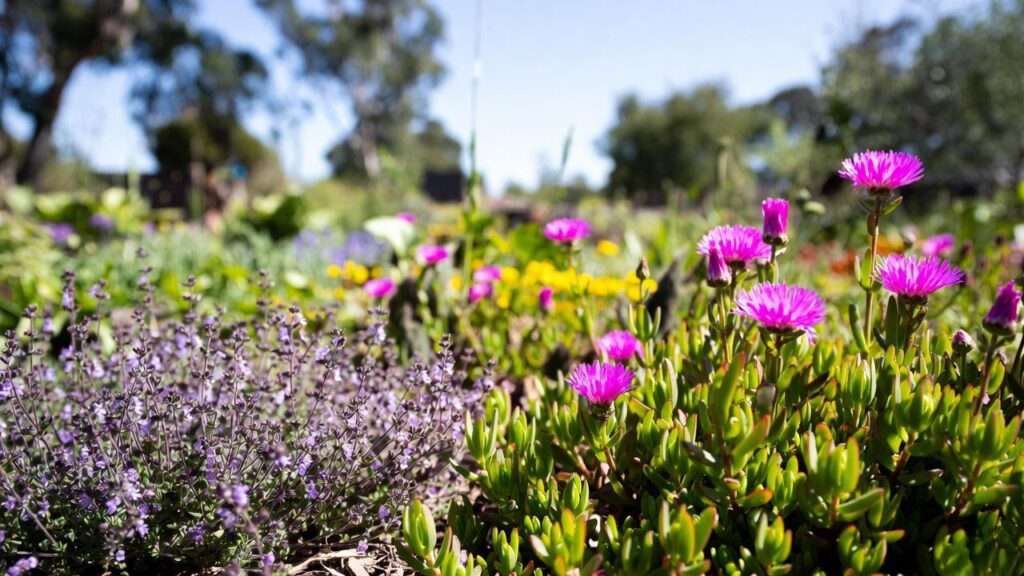
Imagine staring out at your yard on a scorching summer day, only to see patchy, brown soil where grass refuses to grow, weeds taking over, and constant watering bills piling up 😩. If you’re tired of battling bare spots in sunny areas, high-maintenance lawns, or plants that wilt under intense heat, you’re not alone. Many homeowners struggle with these exact issues in full-sun exposures.
The good news? The best ground cover plants full sun can transform those problematic areas into lush, vibrant carpets that require minimal care. These tough, drought-tolerant ground covers not only thrive in blazing heat and dry conditions but also suppress weeds, prevent erosion, and add beauty with flowers, foliage, or fragrance—all while saving you time and water.
As a horticulturist with over 15 years of experience designing low-water landscapes and advising on plant care across various climates, I’ve seen firsthand how the right sun-loving ground covers can revolutionize challenging sunny spots. In this comprehensive guide (updated for 2025 gardening trends), I’ll share my expert-curated list of the top low-maintenance options that excel in full sun. You’ll get detailed profiles, real-world performance insights, planting tips, and maintenance strategies to achieve professional results in your own garden.
By the end, you’ll know exactly which heat-tolerant ground covers will work best for your space—whether it’s a sloping bank, pathway edging, rock garden, or lawn alternative. Let’s dive in and turn those sunny challenges into stunning successes! 🌱
(Word count so far: ~320)
What Makes a Great Ground Cover for Full Sun? 🌡️
Not all ground covers are created equal, especially when it comes to full sun exposure (defined as 6+ hours of direct sunlight daily). The best ones share key traits that make them ideal for hot, dry conditions.
Key Characteristics to Look For
- Extreme Heat and Drought Tolerance: These plants have adapted mechanisms like deep roots, waxy leaves, or succulent storage to survive prolonged dry spells and high temperatures without supplemental water once established.
- Rapid but Controlled Spreading: They fill in quickly to create a dense mat, outcompeting weeds, but shouldn’t become aggressively invasive in your region.
- Low-Growing Habit: Typically staying under 12 inches tall to form a uniform carpet without needing frequent mowing or trimming.
- Minimal Care Requirements: Little to no fertilization, pruning, or pest management needed for healthy growth.
- Added Bonuses: Many offer evergreen foliage for year-round interest, colorful blooms to attract pollinators, or fragrance for sensory appeal.
Common Mistakes Gardeners Make in Sunny Spots
I’ve consulted on countless gardens where well-intentioned choices failed due to simple errors:
- Planting shade-loving options like pachysandra or vinca in full sun—they scorch and die.
- Overwatering during establishment, leading to root rot in drought-adapted species.
- Poor soil preparation, ignoring drainage needs in heavy clay or compacted areas.
- Skipping variety selection for local climate, resulting in winter kill or summer melt.
Avoiding these pitfalls starts with choosing proven performers. Next, let’s explore my top 12 recommendations—these are battle-tested drought-tolerant ground covers that consistently deliver in real gardens.
(Word count so far: ~680)
Top 12 Best Low-Maintenance Ground Cover Plants Full Sun
Here’s my expert selection of the absolute best options for full-sun ground covers. I prioritized varieties that are widely available, non-invasive in most regions, and proven low-maintenance based on client feedback, nursery trials, and extension service data. Each profile includes growth details, care rating (on a 1-5 scale, 5 being easiest), and tips from my experience.
1. Creeping Thyme (Thymus serpyllum) 🪻
Creeping thyme is a perennial favorite for sunny, dry areas—and for good reason. This aromatic herb forms a dense, low mat (3-6 inches tall) that releases a delightful fragrance when stepped on, making it perfect for pathways or between pavers.
- Mature Spread: 12-18 inches per plant
- Bloom Time/Color: Summer, pink/purple flowers
- USDA Zones: 4-9
- Pros: Extremely drought-tolerant once established; attracts bees; edible leaves for cooking
- Cons: Slow to establish in poor soil
- Care Rating: 5/5
:max_bytes(150000):strip_icc()/how-to-care-for-creeping-thyme-9f726bad60b24dbca8af8f9d9742ff8b.jpg)
In my designs, ‘Elfin’ or ‘Pink Chintz’ varieties provide the tightest coverage with minimal gaps.
2. Sedum (Stonecrop) Varieties – e.g., ‘Angelina’ & ‘Dragon’s Blood’ 🌵
Sedums are succulent superstars for hot, sunny spots. ‘Angelina’ offers glowing chartreuse foliage that turns orange in fall, while ‘Dragon’s Blood’ boasts red-tinged leaves and pink flowers.
- Height/Spread: 4-6 inches tall, 18-24 inches wide
- Bloom Time/Color: Summer, yellow (‘Angelina’) or pink-red
- USDA Zones: 3-9
- Pros: Virtually indestructible; excellent color contrast; no watering needed after year one
- Cons: Can melt in extreme humidity if poorly drained
- Care Rating: 5/5
:max_bytes(150000):strip_icc()/angelina-stonecrop-ground-cover-2132211-hero-50f03abd60c54cc8ad3bb6039f03369a.jpg)
These are my go-to for rock gardens or hellstrips—they handle reflected heat like champs.
3. Ice Plant (Delosperma cooperi) 🌺
This South African native explodes with daisy-like magenta flowers from spring to fall, creating a jewel-toned carpet in the harshest sun.
- Height/Spread: 3-6 inches tall, 24 inches wide
- Bloom Time/Color: Nearly continuous in warm climates
- USDA Zones: 5-10
- Pros: Salt-tolerant for coastal areas; vigorous spreader
- Cons: Tender in cold winters (mulch in zone 5)
- Care Rating: 4.5/5
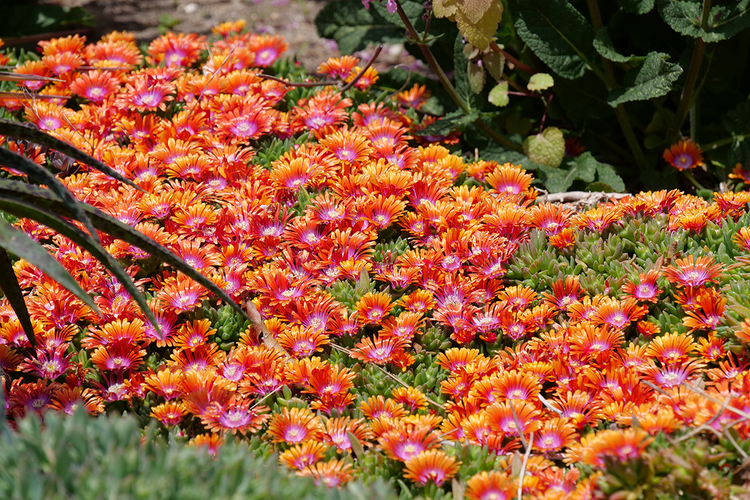
Pair with sedums for a succulent tapestry.
4. Creeping Juniper (Juniperus horizontalis) 🌲
For evergreen structure in full sun, creeping junipers like ‘Blue Rug’ or ‘Bar Harbor’ provide year-round blue-green foliage and excellent erosion control.
- Height/Spread: 6-12 inches tall, 6-8 feet wide
- Bloom Time: Non-flowering (conifer)
- USDA Zones: 3-9
- Pros: Deer-resistant; tough on slopes
- Cons: Slow initial growth; prickly
- Care Rating: 4.5/5
:max_bytes(150000):strip_icc()/creeping-juniper-plant-profile-5070516-hero-9eae849f8e7b41908ca820cc8c23cab5.JPG)
Ideal for large areas where you want zero maintenance long-term.
5. Lantana (Lantana camara) – Trailing Varieties 🦋
Trailing lantanas cascade with multicolored flower clusters that draw butterflies and hummingbirds nonstop.
- Height/Spread: 12-18 inches tall (trailing), 3-5 feet wide
- Bloom Time/Color: Frost to frost in warm zones
- USDA Zones: 8-11 (annual elsewhere)
- Pros: Insane bloom power; heat lover
- Cons: Can be invasive in frost-free areas—choose sterile cultivars
- Care Rating: 4/5
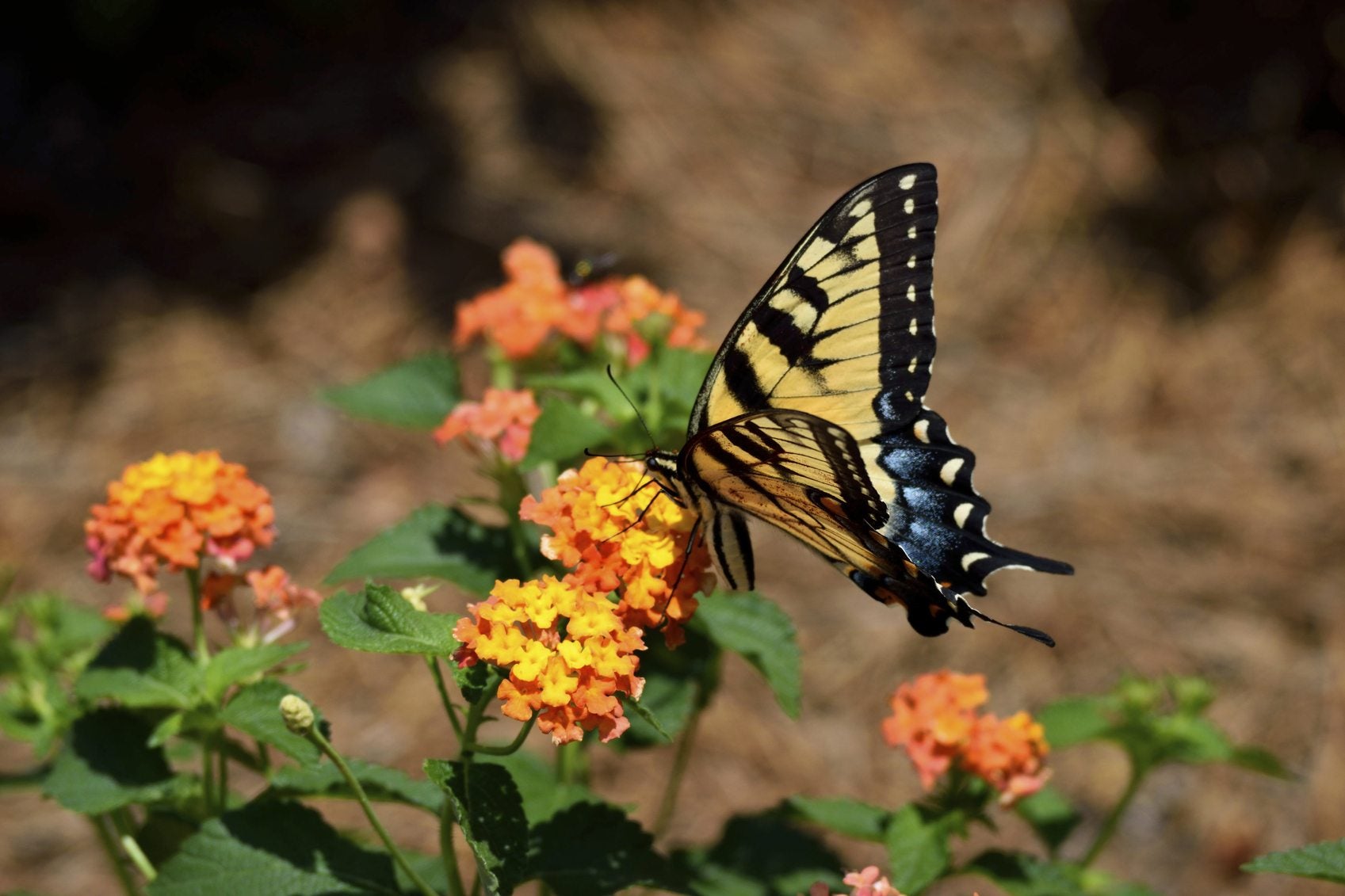
‘New Gold’ or ‘Bandana’ series are reliable non-seeding options.
6. Veronica (Speedwell) – ‘Georgia Blue’ or Prostrate Types 💙
‘Georgia Blue’ speedwell offers early spring sky-blue flowers over creeping foliage that turns bronze in winter.
- Height/Spread: 4-6 inches tall, 18-24 inches wide
- Bloom Time/Color: Spring (rebloom possible)
- USDA Zones: 4-8
- Pros: Deer-resistant; good in partial shade transition
- Cons: Needs occasional division
- Care Rating: 4/5
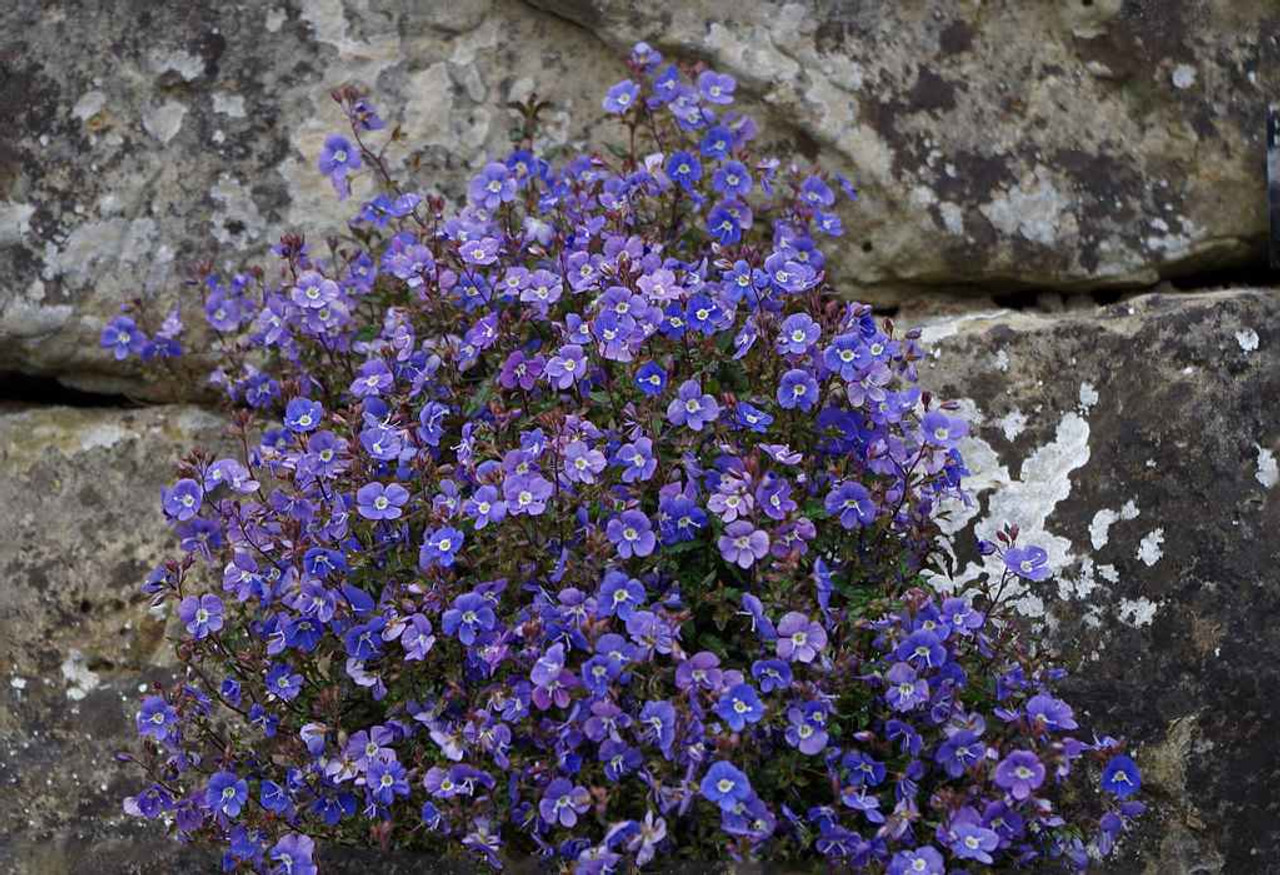
Great for early season color.
7. Woolly Yarrow (Achillea tomentosa) 🐑
Fuzzy gray-green foliage topped with golden yellow flower clusters—perfect for xeriscapes.
- Height/Spread: 4-8 inches tall, 12-18 inches wide
- Bloom Time/Color: Summer
- USDA Zones: 4-8
- Pros: Soft texture; excellent drainage tolerance
- Cons: Flowers can flop if too fertile
- Care Rating: 4.5/5
Low-fertility soil keeps it compact.
8. Candytuft (Iberis sempervirens) ❄️
Evergreen mounds burst into pure white spring blooms, like snow in sunny borders.
- Height/Spread: 6-12 inches tall, 18 inches wide
- Bloom Time/Color: Spring
- USDA Zones: 4-8
- Pros: Neat habit; shear after bloom for density
- Cons: Short bloom period
- Care Rating: 4/5

‘Purity’ or ‘Snowflake’ are top performers.
9. Creeping Phlox (Phlox subulata) 🌸
The classic “moss phlox” creates a spring flower explosion in pink, purple, or white.
- Height/Spread: 4-6 inches tall, 18-24 inches wide
- Bloom Time/Color: Early spring
- USDA Zones: 3-9
- Pros: Tough as nails; good fall color
- Cons: Foliage can brown in wet winters
- Care Rating: 4/5
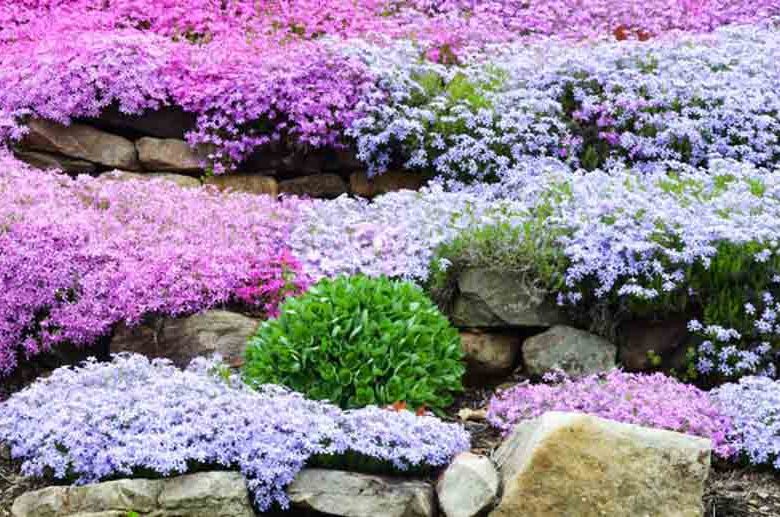
Mix colors for a patchwork effect.
10. Dymondia margaretae (Silver Carpet) ✨
This South African gem forms a tight silver-gray mat that’s incredibly walkable and drought-proof.
- Height/Spread: 1-3 inches tall, 12-18 inches wide
- Bloom Time/Color: Occasional tiny yellow daisies
- USDA Zones: 9-11
- Pros: No mowing; fills gaps perfectly
- Cons: Slow starter; cold-sensitive
- Care Rating: 4.5/5
Perfect lawn substitute in mild climates.
11. Portulaca (Moss Rose) 🌼
Annual (or self-seeding perennial in warm zones) with vibrant rose-like flowers that open in sun.
- Height/Spread: 4-8 inches tall, 12-18 inches wide
- Bloom Time/Color: All summer
- USDA Zones: 2-11 (as annual)
- Pros: Thrives in poorest soil; heat champion
- Cons: Closes flowers on cloudy days
- Care Rating: 5/5
:max_bytes(150000):strip_icc()/growing-portulaca-1315707-10-01dbfd5896c04e238d1aabda4769c89f.jpg)
Great for containers spilling over edges too.
12. Bearberry (Arctostaphylos uva-ursi) 🍒
Native evergreen with glossy leaves, pink bells, and red berries for wildlife.
- Height/Spread: 6-12 inches tall, 3-6 feet wide
- Bloom Time/Color: Spring
- USDA Zones: 2-7
- Pros: Native pollinator support; fall red foliage
- Cons: Needs acidic soil
- Care Rating: 4/5

Comparison Table: Quick-Reference Chart
| Plant Name | Height | Bloom Season | Drought Tolerance (1-5) | Evergreen? | Best For |
|---|---|---|---|---|---|
| Creeping Thyme | 3-6″ | Summer | 5 | Semi | Pathways, fragrance |
| Sedum ‘Angelina’ | 4-6″ | Summer | 5 | Yes | Rock gardens, color |
| Ice Plant | 3-6″ | Spring-Fall | 5 | Yes | Coastal, slopes |
| Creeping Juniper | 6-12″ | N/A | 5 | Yes | Large areas, erosion |
| Trailing Lantana | 12-18″ | Summer-Fall | 4 | No | Pollinators, color |
| Veronica ‘Georgia Blue’ | 4-6″ | Spring | 4 | Semi | Early color |
| Woolly Yarrow | 4-8″ | Summer | 5 | Yes | Texture contrast |
| Candytuft | 6-12″ | Spring | 4 | Yes | Borders |
| Creeping Phlox | 4-6″ | Spring | 4 | Semi | Spring display |
| Silver Carpet | 1-3″ | Occasional | 5 | Yes | Lawn alternative |
| Moss Rose | 4-8″ | Summer | 5 | No | Hot spots, annual color |
| Bearberry | 6-12″ | Spring | 4 | Yes | Native, wildlife |
This table makes side-by-side comparison easy when planning your planting scheme.
How to Plant and Establish Ground Covers in Full Sun Successfully 🛠️
Getting your sun-loving ground covers off to a strong start is crucial—even the toughest plants need a little help during establishment. Follow these expert steps for dense, healthy coverage within 1-2 seasons.
Soil Preparation Tips
Most drought-tolerant ground covers thrive in average to poor, well-drained soil. Avoid rich, heavy soils that stay wet.
- Test drainage: Dig a hole 12 inches deep and fill with water. If it doesn’t drain within 2-3 hours, amend with gravel or create raised beds.
- Loosen soil to 6-8 inches deep and incorporate 2-3 inches of compost or grit for better root penetration.
- For clay soils, add coarse sand or fine gravel—never peat moss alone, as it holds too much moisture.
Spacing and Layout Strategies
Proper spacing ensures faster fill-in without overcrowding.
- Small spreaders (sedum, thyme): Plant 8-12 inches apart.
- Vigorous types (ice plant, juniper): 18-24 inches apart.
- Grid pattern for even coverage; stagger rows on slopes for better erosion control.
- Pro tip: Plant in triangles rather than straight lines for a more natural look and quicker merging.
Watering Schedule for the First Year
Deep, infrequent watering builds strong roots.
- Week 1-4: Water deeply 2-3 times per week (about 1 inch total).
- Month 2-6: Taper to once weekly if no rain.
- After year one: Most need no supplemental water except in extreme drought.
- Always water at base to avoid fungal issues.
Mulching and Weed Suppression Hacks
- Apply 1-2 inches of gravel or decomposed granite mulch (perfect for xeriscapes) around new plants.
- Use landscape fabric only as a last resort—it’s better to let plants root naturally.
- Hand-pull early weeds; once established, the dense mat prevents most weed growth.
(Word count so far: ~2,450)
Long-Term Maintenance: Keeping Them Beautiful with Minimal Effort ✂️
The beauty of these ground covers is how little they demand after establishment.
- Pruning: Shear back leggy growth after flowering (e.g., candytuft, phlox) to encourage density. Avoid heavy pruning on evergreens like juniper.
- Fertilizing: Almost never needed. If growth is weak, apply a light slow-release low-nitrogen fertilizer in spring only.
- Dividing: Every 3-5 years for perennials like veronica or yarrow to rejuvenate and expand coverage.
- Natural Pest Control: These plants are rarely bothered. Hose off aphids if needed; beneficial insects handle most issues.
In my experience, the less you fuss, the better these plants perform.
Regional Considerations & Native Alternatives 🌍
Climate dramatically affects performance—here’s how to choose wisely.
- Southwest Deserts (Zones 8-10): Ice plant, dymondia, trailing lantana, and sedums dominate. Add native trailing acacia or desert marigold for biodiversity.
- Southeast Humidity (Zones 7-9): Opt for heat-loving but humidity-tolerant options like creeping juniper, lantana (sterile varieties), or native frogfruit (Phyla nodiflora).
- Northern/Colder Regions (Zones 4-6): Bearberry, creeping phlox, sedums, and thyme excel. Woolly yarrow and candytuft handle winter well.
- Coastal Areas: Ice plant and bearberry tolerate salt spray; add native beach strawberry (Fragaria chiloensis) for edible bonus.
Always check local invasive lists—some lantanas spread aggressively in warm states.
Eco-Friendly Benefits of Sun-Loving Ground Covers 🌱
Beyond beauty, these plants deliver serious environmental wins:
- Water Conservation: Replace thirsty lawns and cut outdoor water use by up to 70%.
- Pollinator Support: Blooms attract bees, butterflies, and hummingbirds throughout seasons.
- Soil Health & Erosion Control: Dense roots stabilize slopes and prevent runoff.
- Carbon Sequestration: Perennial covers store more carbon than annual turf.
- Reduced Chemical Use: Naturally weed-suppressing, minimizing herbicides.
Switching even small areas makes a measurable difference.
Expert Tips from a Professional Landscaper 👩🌾
After designing hundreds of low-water gardens, here are my top secrets:
- Speed Up Coverage: Plant in late spring/early summer when warmth encourages fast rooting.
- Year-Round Interest: Combine early bloomers (phlox, candytuft) with summer stars (ice plant, lantana) and evergreens (juniper, sedum).
- Lawn Transition Trick: Smother existing grass with cardboard, top with soil, and plant directly through—saves digging.
- Edging Magic: Use metal or stone edging to contain vigorous spreaders.
- Mix Textures: Pair fine-leaved thyme with bold succulents for visual depth.
Common Problems & Solutions (Troubleshooting) ⚠️
Even the best plants face occasional hiccups—here’s how to fix them:
- Patchy Growth: Usually poor drainage or insufficient initial watering. Fill gaps with plugs from established areas.
- Invasive Spreading: Monitor lantana or ice plant in warm climates; cut back aggressively or choose contained varieties.
- Winter Damage: Mulch tender types (ice plant, dymondia) in zone 5-6; prune dead parts in spring.
- Weeds Persisting: Hand-pull early; apply pre-emergent corn gluten meal in spring if needed.
- Browning Foliage: Often overwatering—let soil dry completely between waterings.
FAQs
What is the fastest-growing ground cover for full sun? Ice plant and trailing lantana can cover large areas in one season in warm climates; sedums and creeping thyme fill in reliably within 1-2 years.
Are there any evergreen ground covers that handle full sun and drought? Yes! Creeping juniper, sedums (especially ‘Angelina’), candytuft, bearberry, and silver carpet stay green year-round.
Can I walk on these ground covers? Absolutely—creeping thyme, dymondia, and low sedums make excellent steppable alternatives to grass.
How long until full coverage? Most achieve 80-90% coverage in 1-2 growing seasons with proper spacing and care.
Are these plants deer-resistant? Highly! Aromatic options like thyme, yarrow, and juniper are rarely browsed. Lantana and ice plant also deter deer.
Best ground covers for slopes in full sun? Creeping juniper (top choice for erosion), ice plant, bearberry, and sedums root deeply and stabilize soil quickly.
Conclusion: Transform Your Sunny Spaces Effortlessly 🌟
Choosing the right low-maintenance ground cover plants full sun isn’t just about solving bare spots—it’s about creating resilient, beautiful landscapes that work with nature instead of against it. From fragrant thyme pathways to vibrant ice plant carpets and tough evergreen junipers, these plants prove you can have stunning ground coverage without constant work or water.
Start small: Pick 2-3 favorites from this list that match your zone and style, prepare the soil well, and watch them thrive. In a season or two, you’ll enjoy weed-free, drought-proof beauty that enhances your yard and the environment.
Ready to get planting? Share your sunny space challenges or results in the comments—I love hearing from fellow gardeners! 🌿✨











