
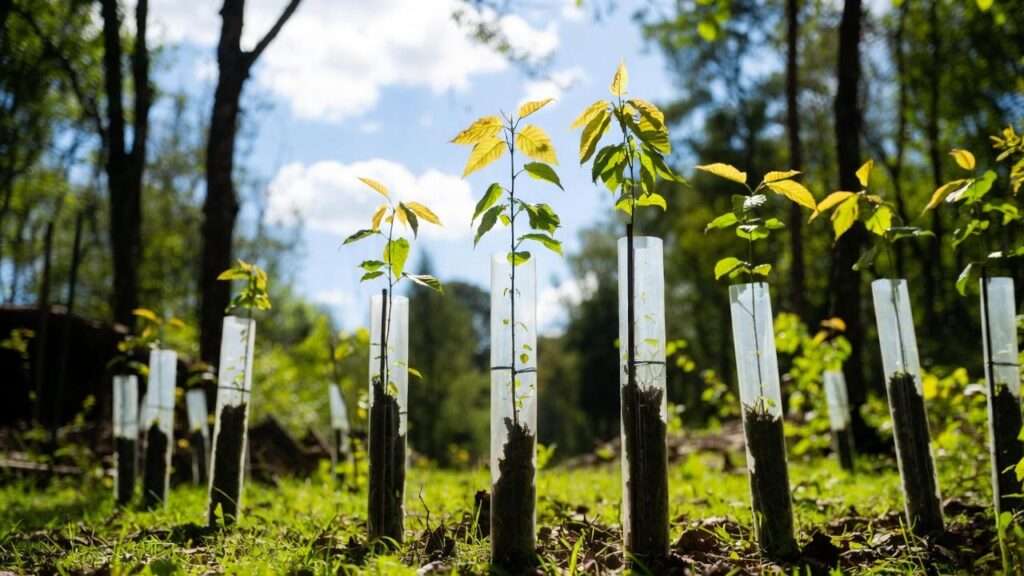
Did you know that unprotected young tree seedlings often face survival rates as low as 50% in areas with heavy deer browsing or harsh environmental conditions? Yet, with the right protection, those rates can soar to 90-100%, and growth can accelerate by 100-150% or more in just the first few years? 🌳 If you’ve ever planted trees only to watch them struggle against animals, wind, weeds, or slow establishment, you’re not alone. This is where grow tubes for trees—also known as tree shelters or tree protectors—come in as a proven, game-changing solution.
As a tree care specialist with over 15 years of hands-on experience in home gardening, landscaping, and small-scale reforestation projects, I’ve seen firsthand how grow tubes transform planting failures into thriving young forests. Backed by decades of forestry research from institutions like Penn State Extension, Auburn University, and the USDA, these simple devices create a protective microclimate that boosts photosynthesis, shields from threats, and sets seedlings up for long-term success.
In this ultimate guide, we’ll dive deep into everything you need to know about grow tubes for trees: what they are, the science behind their benefits, types available, installation tips, maintenance, and more. Whether you’re a beginner gardener planting fruit trees in your backyard, a landowner establishing wildlife habitat, or involved in larger restoration efforts, this comprehensive resource will help you achieve faster growth and higher survival rates. Let’s get your young seedlings thriving! 🚀
What Are Grow Tubes for Trees? 🛡️
Grow tubes for trees are cylindrical protectors, typically made from translucent plastic, that surround young seedlings or saplings. They act as mini-greenhouses while providing a physical barrier against common threats.
Their history dates back to the late 1970s in the United Kingdom, where British forestry researchers developed the first tree shelters (pioneered by brands like TUBEX in 1979) to enhance seedling establishment in challenging planting sites. The goal was to mimic a controlled environment that promotes rapid height growth and protects from browsing animals like deer and rabbits. Since then, they’ve become a staple worldwide in forestry, orchards, vineyards, and home landscaping.
How do they work? A grow tube creates an enriched microclimate:
- Increased CO₂ levels: From the seedling’s respiration, boosting photosynthesis.
- Higher humidity and temperature: Reducing water stress and encouraging elongation.
- Diffused light transmission: Allowing optimal photosynthesis without scorching.
- Physical protection: Blocking animals, wind rocking, herbicide drift, and mechanical damage.
Here’s a real-world example of grow tubes in action:
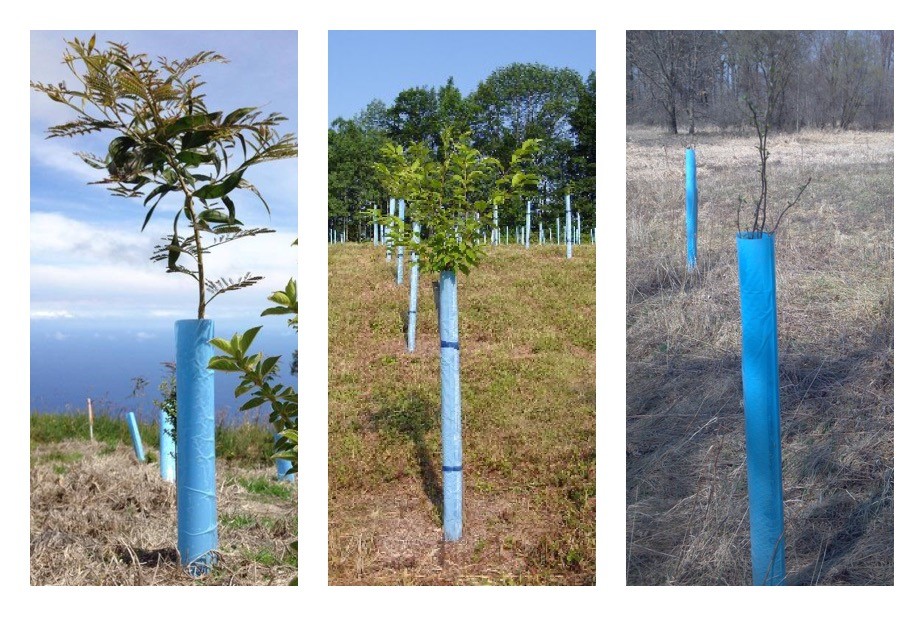
These images show young seedlings safely encased in grow tubes, standing tall in open fields where unprotected trees would struggle.
The Science-Backed Benefits of Using Grow Tubes 🌳🚀
The advantages of grow tubes are not just anecdotal—they’re supported by extensive field studies and university research.
Accelerated Height Growth
One of the most dramatic benefits is faster vertical growth. Studies show seedlings in grow tubes can grow 2-3 times faster than unprotected ones in the early years. For instance:
- Blue-X grow tubes have documented average growth increases of 100-150%, with some species exceeding 500%.
- Auburn University research found double to triple height growth in sheltered seedlings.
- Penn State Extension notes the mini-greenhouse effect as the key driver.
This rapid height gain helps trees quickly reach above the browse line (typically 4-6 feet for deer), reducing long-term vulnerability.
Improved Survival Rates
Survival jumps significantly:
- From below 50% unprotected to 90-100% with tubes, per Tree Pro and Tubex data.
- Protection from deer, rabbits, rodents, and voles prevents fatal browsing.
- Reduced stress from wind and drought leads to better root establishment.
Enhanced Microclimate and Long-Term Health
Inside the tube:
- Elevated CO₂ and humidity promote vigorous shoot growth.
- Protection from herbicide spray drift and mechanical mowers.
- After removal, trees often develop stronger caliper (trunk diameter) and better drought resistance.
Real-World Growth Comparisons 📊
Nothing illustrates the difference better than side-by-side visuals. Here’s a comparison of tree growth with and without protection:
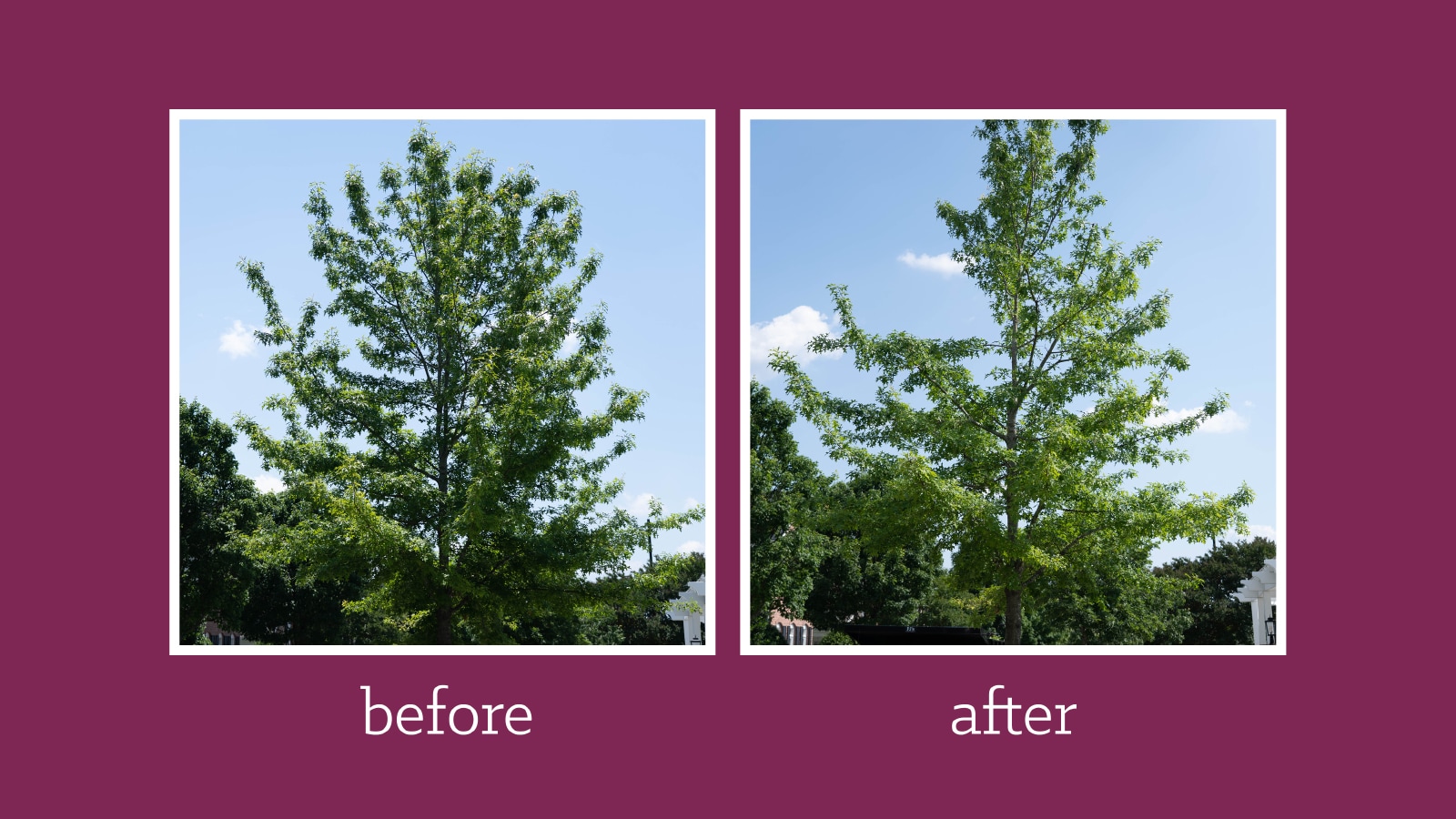
In case studies from reforestation projects and orchards, sheltered trees outpace controls dramatically. For example, Pennsylvania Bureau of Forestry trials showed Tree Pro tubes outperforming competitors by 45 cm in height with higher survival.
Expert Insight: Independent trials by Wisconsin DNR and others confirm these benefits across species like oaks, walnuts, and cherries. In my own plantings of chestnut and fruit trees, I’ve consistently seen sheltered seedlings reach 6-8 feet in 3 years versus 2-3 feet unprotected.
Types of Grow Tubes: Which One Is Right for Your Trees? 🔍
Not all grow tubes are created equal. Choosing the right type depends on your climate, tree species, animal pressure, and budget. Here’s a breakdown of the main categories to help you make an informed decision.
Solid Tubes vs. Ventilated Tubes
- Solid Tubes: These are non-perforated, creating a stronger greenhouse effect for maximum growth acceleration. They’re ideal for cold climates or sites with high animal browsing. Brands like original TUBEX started with solid designs.
- Pros: Superior protection, higher CO₂ buildup, faster height growth.
- Cons: Risk of overheating in hot summers; less gradual hardening off.
- Ventilated Tubes: Feature laser-perforated holes or slits for air flow. Modern designs (e.g., TUBEX Ventex, Plantra SunFlex) balance growth boost with natural acclimation.
- Pros: Reduce overheating, encourage thicker stems, better for warmer regions.
- Cons: Slightly slower initial growth compared to solid.
Research from forestry trials recommends ventilated for most applications today to avoid “spindly” growth.
Heights and Sizes
Common heights range from 2ft (for low browsing) to 6ft (heavy deer areas):
- 4ft: Good for rabbits/voles.
- 5ft: Standard for deer protection.
- 6ft+: For high-pressure sites or taller saplings.
Diameter typically 3-5 inches, allowing room for stem expansion.
Materials and Special Features
- Photodegradable Plastic: Breaks down in UV light after 5-7 years (eco-friendly option).
- Reusable Polypropylene: Durable for multiple uses.
- Tinted Tubes: Blue-X uses a proprietary blue tint for optimal light spectrum, claiming superior photosynthesis.
Popular brands include:
- Blue-X®: Known for blue tint and ventilated options.
- TUBEX®: Pioneer with various ventilated models.
- Tree Pro™: Miracle Tubes with strong staking systems.
- Plantra®: SunFlex ventilated for heat management.
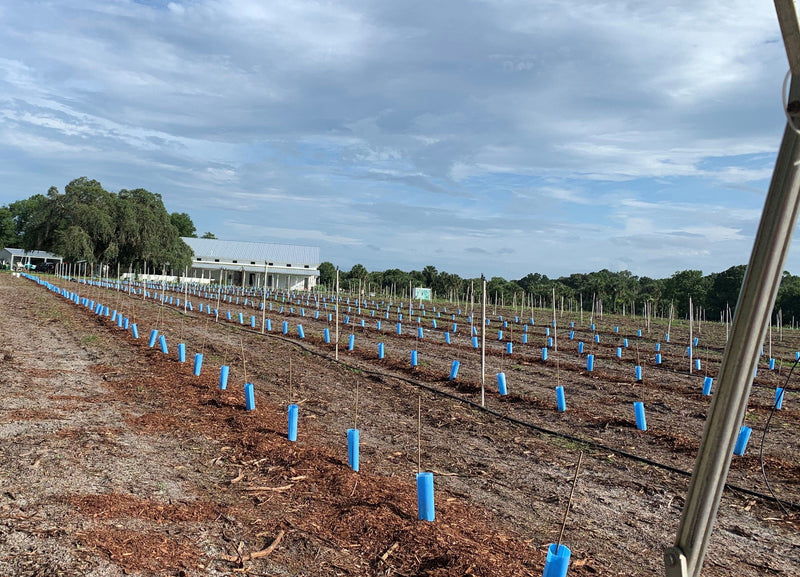
Here’s a visual gallery of different types in use:
Choosing the Best Grow Tube for Your Needs 🏆
Consider these factors:
- Animal Pressure: High deer? Go 5ft+ solid or ventilated.
- Climate: Hot/sunny? Ventilated essential.
- Tree Species: Fast-growers like poplar thrive in solid; oaks benefit from ventilated for caliper.
- Scale: Beginners start with pre-assembled; large projects buy flats.
For most home gardeners, a 5ft ventilated photodegradable tube is the sweet spot. In my experience planting hardwoods in variable climates, ventilated tubes consistently produce sturdier trees post-removal.
Step-by-Step Installation Guide for Grow Tubes ⚙️
Proper installation is crucial—poor setup leads to failure. Follow these expert steps for success.
Tools and Materials Needed
- Grow tube and nest (if separate).
- Sturdy stake (fiberglass, oak, or metal—avoid bamboo).
- Zip ties or specialized tube ties.
- Weed mat or mulch (optional but recommended).
- Hammer/mallet.
Detailed Installation Steps
- Plant the Seedling First: Dig a proper hole, plant at correct depth, backfill, and water thoroughly.
- Drive the Stake: Place stake 6-12 inches from stem on the prevailing wind side. Drive 18-24 inches deep for stability.
- Assemble the Tube: If twin-walled, nest pieces together.
- Slide Tube Over Seedling: Carefully position without damaging leader.
- Secure to Stake: Use 2-3 zip ties—tight but not constricting. Attach near top and bottom.
- Add Weed Control: Place mat around base to suppress competition.
- Optional Bird Netting: Cap top if birds are an issue.
Visual step-by-step examples:

Common Mistakes to Avoid
- Loose staking → Tube rocks, damaging roots.
- Ties too tight → Girdling.
- Base buried → Rodent nesting.
- No weed control → Competition stunts growth.
Pro Tip: In windy sites, use double stakes. I’ve installed hundreds this way with near-100% stability.
Maintenance and Long-Term Care 🌱💧
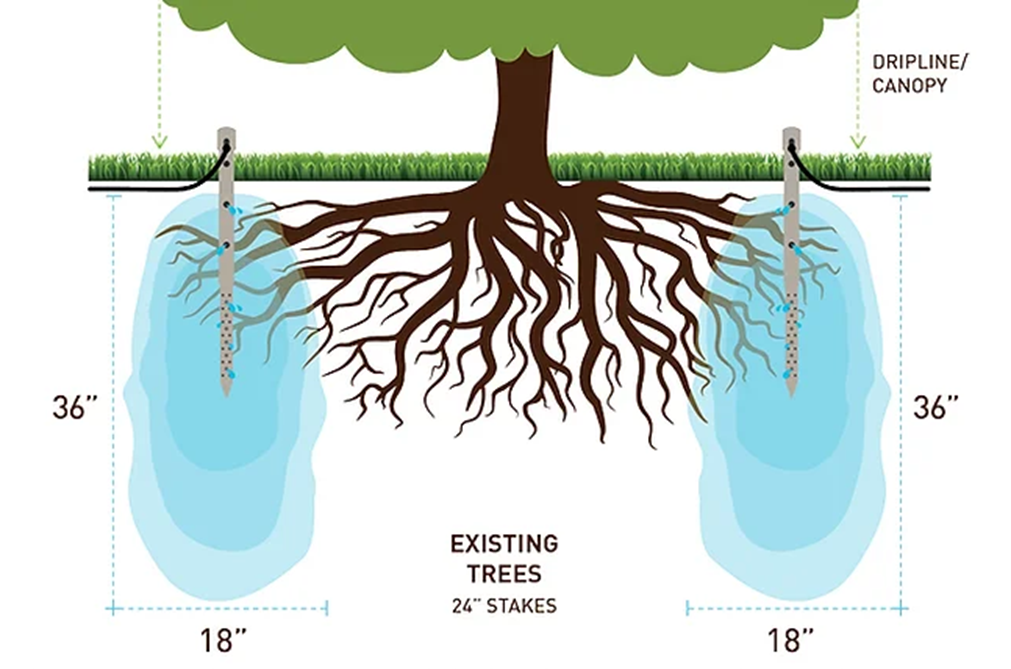
Once your grow tubes are installed, maintenance is relatively low-effort, but staying vigilant ensures optimal results. Grow tubes significantly reduce watering and weeding needs by retaining moisture and blocking light at the base, but they’re not completely hands-off.
Key Maintenance Tasks
- Watering: In the first year, water deeply but infrequently—tubes help retain soil moisture. Use a slow drip or deep root watering system if possible.
- Weeding: Apply a weed mat or mulch at planting; check annually and remove competition inside the tube.
- Monitoring Growth: Inspect monthly for leader emergence, damage, or pests.
- Seasonal Checks: Tighten loose ties after storms; clear debris from the top.
Here are real-world examples of maintenance in action, including watering and weeding around sheltered seedlings:
Dealing with Common Issues
- Pests: Rodents may nest if the base is buried—keep it slightly elevated.
- Overheating: In extreme heat, ventilated tubes are a must.
- Vine Growth: Remove any vines climbing the tube.
In my experience, a quick annual walkthrough prevents 90% of problems. Tubes can last 5-10 years, but monitor for UV degradation.
When and How to Remove Grow Tubes Safely ⏰
Timing removal correctly is critical—too early risks browsing damage; too late can lead to weak, dependent trees.
Ideal Timing
- Remove when the leader (top growth) is 12-18 inches above the tube and the stem caliper is at least 1-2 inches.
- Typically 3-5 years for hardwoods; faster for species like willow.
- Wait until the tree is above the local browse line (e.g., 6ft for deer).
Safe Removal Process
- Cut ties carefully.
- Slit the tube lengthwise if photodegradable or reusable.
- Gently pull away, supporting the tree.
- Recycle or store if reusable.
Post-removal: Prune lower branches if needed for form; monitor for browsing.
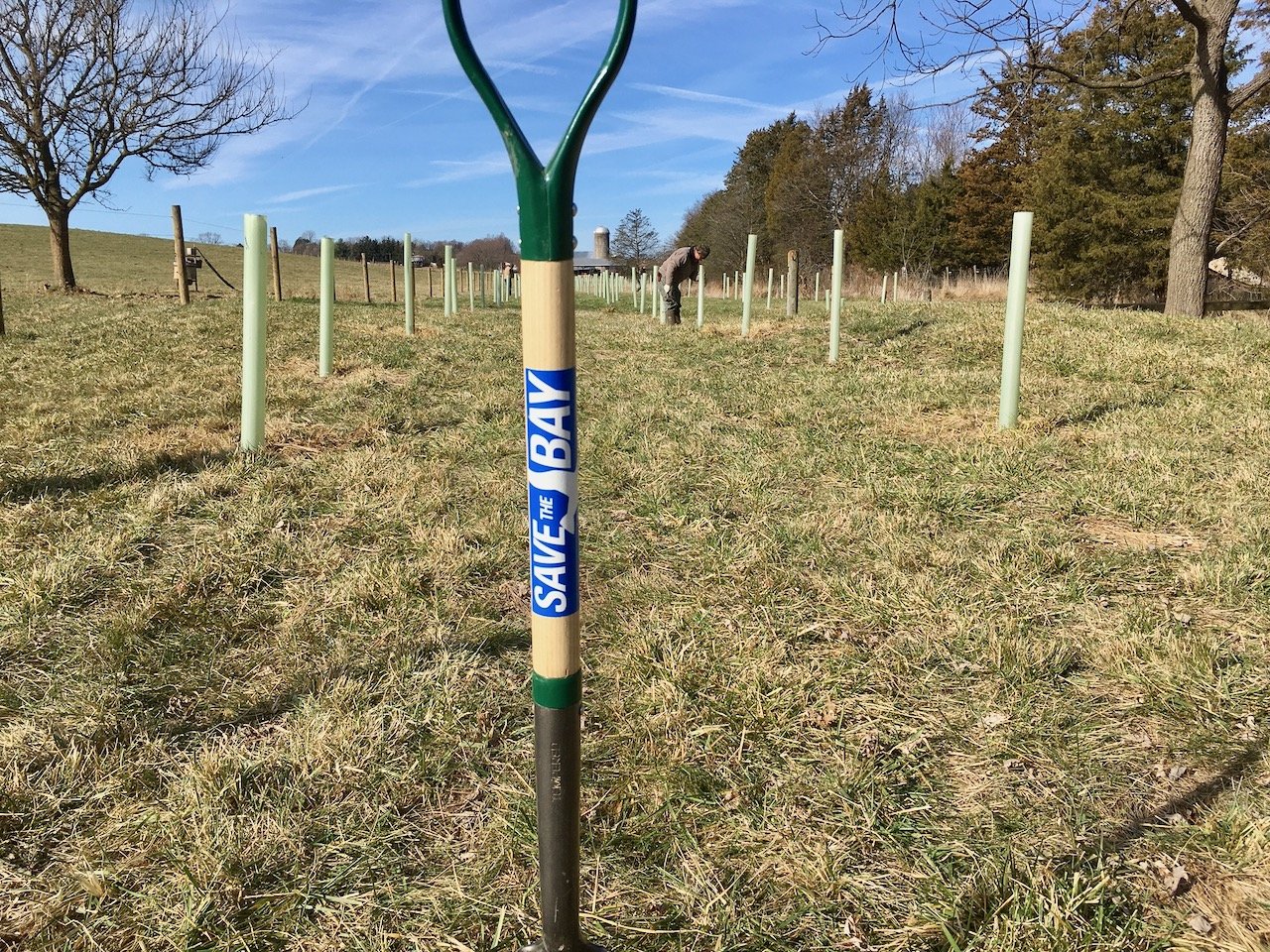
Visual examples of trees ready for or undergoing tube removal:
Expert Warning: Studies show premature removal drops survival rates; I’ve lost trees this way early in my career—learn from that mistake!
Potential Drawbacks and How to Mitigate Them ⚠️
Grow tubes aren’t perfect, but drawbacks are manageable with proper choices.
- Cost: $5-15 per tube plus stakes—offset by reduced replanting (often 50-80% savings long-term).
- Environmental Impact: Plastic waste; choose photodegradable or reusable.
- Spindly Growth/Overheating: Solid tubes in hot climates can cause tall, thin stems or heat stress.
- Pest Habitat: Rarely, insects or rodents inside.
Mitigations: Use ventilated tubes, monitor closely, opt for eco-friendly materials.
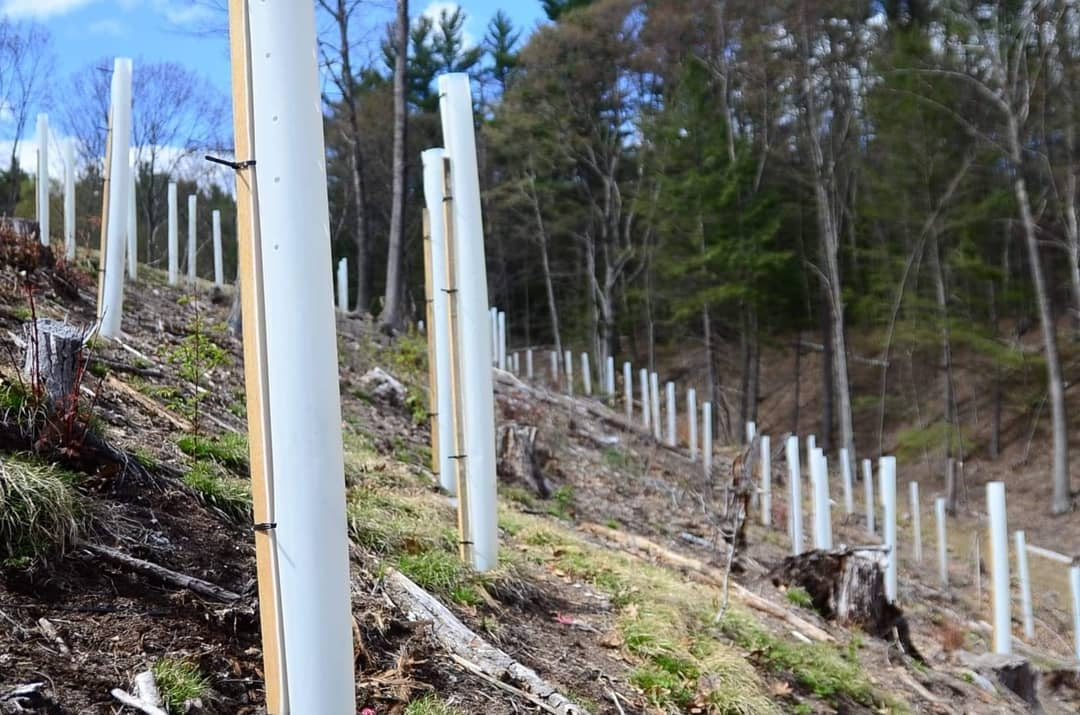
Examples illustrating potential issues like spindly stems or overheating effects:
Balanced View: Forestry research (e.g., USDA, university extensions) overwhelmingly shows benefits far outweigh cons in high-risk sites.
Expert Tips for Maximum Success from a Seasoned Tree Care Specialist 👩🌾
Drawing from 15+ years planting thousands of trees:
- Best Species: Oaks, chestnuts, walnuts, fruit trees, and nut hardwoods excel in tubes.
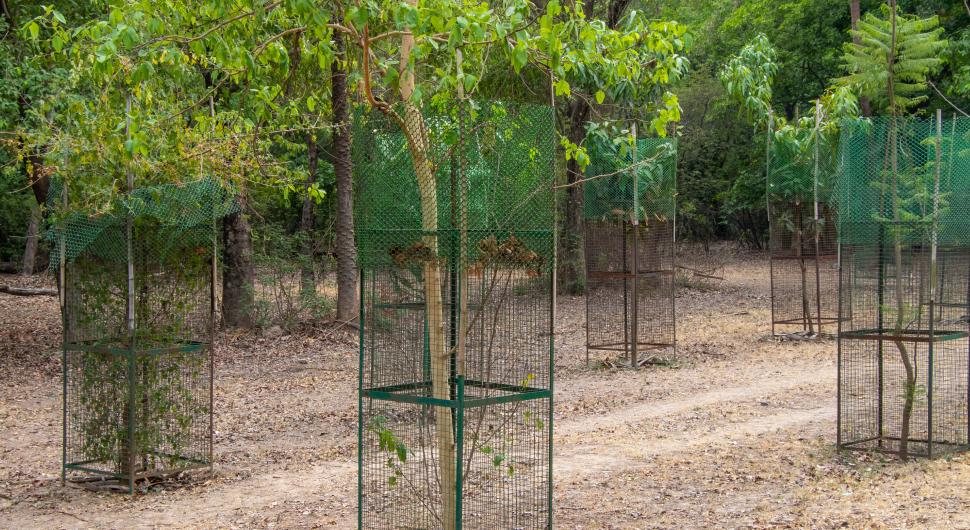
- Combine Protections: For extreme pressure, pair tubes with wire cages or hardware cloth at base.
Examples of combined tube + cage setups:
- Cost-Benefit: Upfront investment pays off—no more replacing browsed trees yearly.
- Sustainable Practices: Reuse tubes, collect for recycling programs (many brands offer take-backs).
Pro Insight: Start small, track your results, and scale up. I’ve turned marginal land into productive groves this way.
Frequently Asked Questions (FAQs) ❓
Do grow tubes really double growth rates? 🌟 Yes—studies and field data show 100-300% height increases common in early years due to the microclimate boost.
Are grow tubes necessary for all trees? No, but essential in high-browse, windy, or competitive sites. In low-risk backyards, fencing may suffice.
What’s the difference between solid and ventilated tubes? Solid maximize growth speed; ventilated prevent overheating and promote sturdier stems.
Can I make DIY grow tubes? Possible with mesh or plastic, but commercial ones outperform for light transmission and durability.
How long do grow tubes last? 5-10 years, depending on material and UV exposure.
Are they safe for the environment? Photodegradable options break down harmlessly; reusable are best for eco-conscious planters.
Best height for deer protection? 5-6ft to get above antler rub and browse.
What if my tree outgrows the tube too quickly? Celebrate! Remove early if sturdy, or use taller tubes next time.
Conclusion: Transform Your Tree Planting Success Today! 🎉
Grow tubes for trees are a proven, science-backed tool that addresses the biggest challenges in seedling establishment: slow growth, animal damage, and environmental stress. By creating a protective microclimate, they deliver faster height gains, higher survival, and healthier long-term trees—often turning planting efforts from frustrating to rewarding.
Whether you’re restoring land, growing an orchard, or simply adding shade trees to your property, investing in quality grow tubes is one of the smartest decisions you can make. As someone who’s witnessed the difference firsthand across countless projects, I can confidently say: give your young seedlings this advantage, and watch them thrive.
Ready to get started? Choose the right tubes for your needs, install properly, and enjoy the results. Share your experiences in the comments—I’d love to hear your success stories! 🌳💚
Thank you for reading this ultimate guide! 🌿











