
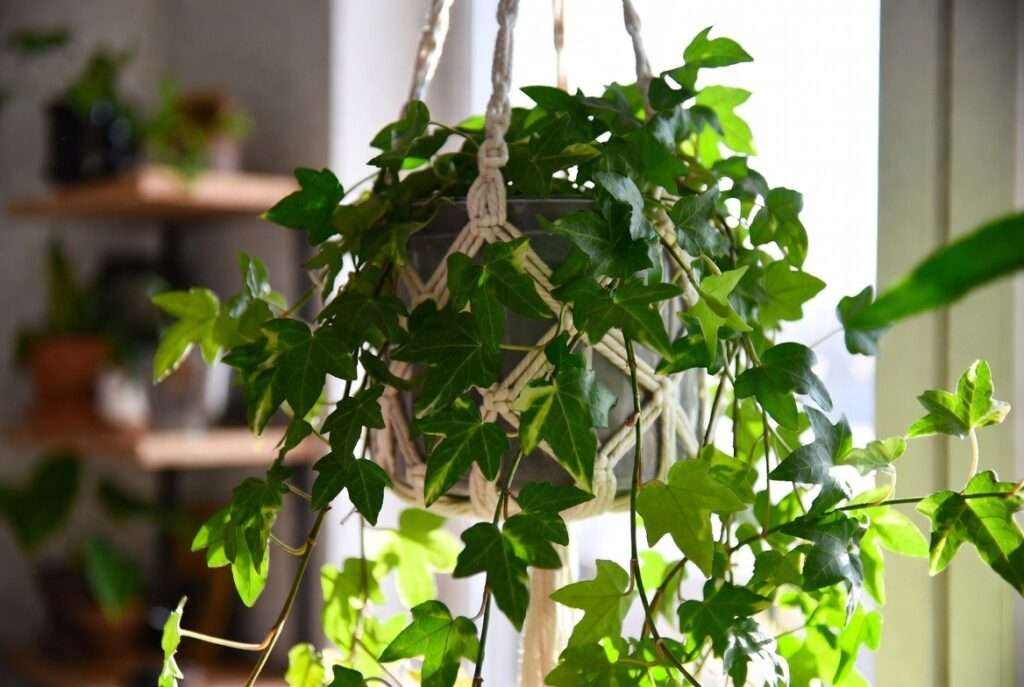
Picture this: soft, cascading trails of vibrant green leaves tumbling gracefully from a macramé hanger in your living room, instantly softening the space and bringing a touch of nature’s calm. Hanging ivy plants have captivated plant lovers for generations with their elegant trailing habit, forgiving nature, and remarkable ability to purify indoor air. Yet many enthusiasts struggle as their once-lush hanging ivy plants become leggy, sparse, or develop yellow leaves.
If you’re searching for reliable guidance on hanging ivy plants, you’re in the right place. As a plant care specialist with over 15 years of hands-on experience growing hundreds of varieties indoors and outdoors, I’ve perfected the techniques that turn ordinary ivies into show-stopping, thriving specimens. In this comprehensive guide, you’ll discover everything needed to grow lush, healthy hanging ivy plants that flourish year-round. 🌱
Whether you’re a beginner with your first trailing houseplant or an experienced gardener looking to elevate your collection, these expert tips will solve common challenges like improper watering, lighting issues, and pest problems. Let’s transform your space with beautiful, resilient hanging ivy plants that deliver beauty, improved air quality, and joy for years to come.
Understanding Hanging Ivy Plants: Types and Why They’re Perfect for Hanging 🌟🪴
Hanging ivy plants belong primarily to the Hedera genus, with English Ivy (Hedera helix) being the most popular. These versatile trailing houseplants have been cultivated since ancient times for both ornamental and practical uses. Their natural climbing and cascading growth habit makes them ideal for hanging baskets, shelves, and vertical gardens.
Popular Varieties of Hanging Ivy Plants
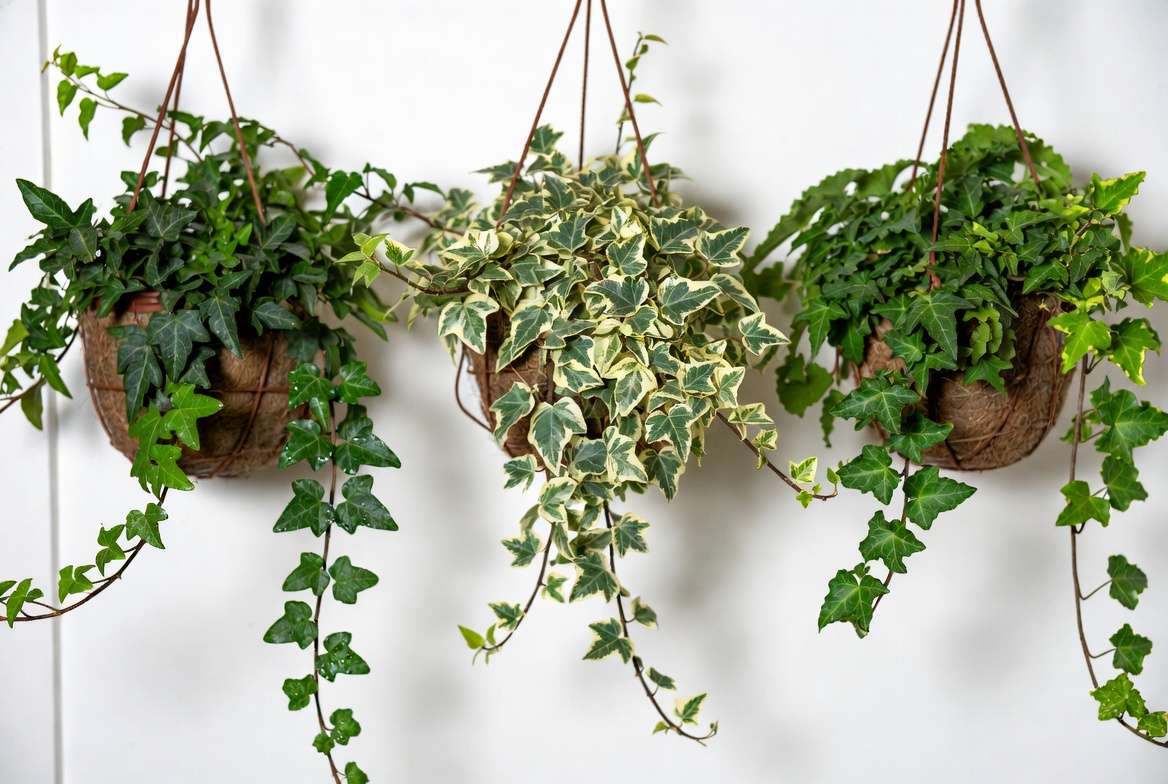
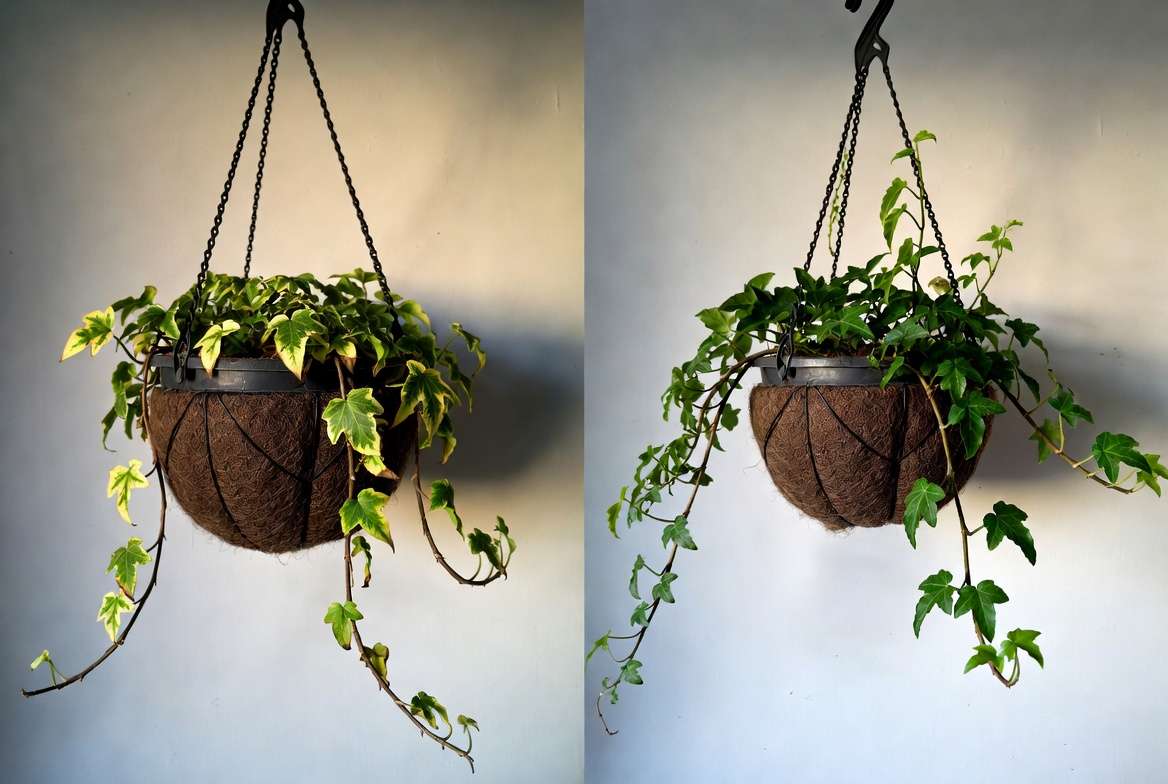
English Ivy (Hedera helix) This classic choice features dark green, lobed leaves and strong trailing stems. Variegated cultivars like ‘Gold Child’ or ‘Glacier’ add cream, white, or yellow splashes for extra visual interest. English ivy is hardy, adaptable, and excellent for both indoor and outdoor settings in suitable climates.
Swedish Ivy (Plectranthus verticillatus or similar) Despite the name, this isn’t a true ivy but performs beautifully as a hanging plant. It boasts rounded, scalloped leaves and a fast-growing, cascading habit. It’s particularly forgiving for beginners and produces small flowers under good conditions.
Other Excellent Options
- Canary Island Ivy (Hedera canariensis): Larger, more tropical-looking leaves; great for bigger displays.
- Needlepoint Ivy: Finely textured, delicate leaves for elegant, refined looks.
- Dwarf varieties: Perfect for smaller spaces and apartments.
Why Choose Hanging Ivy Plants? These trailing houseplants save floor space while adding dimension and softness to any room. They’re excellent natural air purifiers, removing toxins like formaldehyde and benzene. Many varieties tolerate lower light better than other houseplants, making them perfect for homes with north-facing windows or offices. Outdoors, they create stunning living walls or porch accents.
Important Safety Note Most true ivies (Hedera species) are mildly toxic to pets and children if ingested, so place them out of reach. Always confirm the specific variety when purchasing. 📍
Choosing the Right Hanging Ivy for Your Space 🛒🌿
Selecting the perfect hanging ivy plants starts with understanding your environment. Consider these key factors:
- Light Availability: Choose variegated varieties for brighter spots; solid green types handle lower light better.
- Climate and Temperature: Most prefer 60–75°F (15–24°C). Check your hardiness zone for outdoor growing.
- Decor Style: Match leaf color and texture to your interior—bold variegation for modern spaces, deep green for classic looks.
Signs of a Healthy Plant at Purchase Look for vibrant foliage without yellowing or brown spots, firm stems, and visible new growth. Avoid plants with pests or soggy soil. Reputable nurseries, local garden centers, or trusted online sellers with good reviews are best.
Pro Tip: Start with 2–3 established plants in a 6–8 inch hanging basket for immediate impact rather than tiny starters.
Optimal Light Requirements for Lush Growth ☀️💡
Proper lighting is the foundation of successful hanging ivy plants care. These plants generally thrive in bright indirect light.
Indoor Lighting Place hanging ivy plants near east or west-facing windows where they receive gentle morning or afternoon sun. North-facing windows work well for solid green varieties, while variegated types may need slightly more light to maintain their patterns. Avoid direct midday sun, which can scorch delicate leaves.
If natural light is limited, invest in full-spectrum LED grow lights. Position them 12–18 inches above the plant and run for 12–14 hours daily. Many growers report dramatic improvements in fullness and color with consistent supplemental lighting.
Outdoor Placement In gardens or on balconies, choose spots with dappled shade or morning sun. Hanging ivy plants make excellent groundcovers or climbers in USDA zones 5–11, depending on the variety. Protect from intense afternoon heat in hotter climates.
Diagnosing Light Problems
- Leggy, stretched stems: Insufficient light — move closer to a window or add grow lights.
- Scorched or faded leaves: Too much direct sun — provide more shade.
- Loss of variegation: Often due to low light in patterned varieties.
Adjusting light conditions is one of the quickest ways to revive struggling hanging ivy plants.
Watering Hanging Ivy Plants: The Goldilocks Approach 💧🚿
Incorrect watering causes more issues than any other factor. Hanging ivy plants prefer consistent moisture without sogginess.
General Watering Rule Water thoroughly when the top 1–2 inches of soil feel dry to the touch. This usually means every 7–10 days indoors, but always check rather than follow a strict schedule. Factors like pot size, temperature, humidity, and season greatly influence needs.
Seasonal Adjustments
- Spring & Summer (active growth): More frequent watering.
- Fall & Winter: Reduce frequency significantly as growth slows.
Proper Technique for Hanging Baskets
- Take the basket down if possible.
- Water slowly until it drains freely from the bottom.
- Empty excess water from saucers or cache pots to prevent root rot.
- Use room-temperature filtered or settled tap water.
Overwatering vs Underwatering Signs
- Overwatering: Yellow leaves, mushy stems, soil mold, foul smell.
- Underwatering: Dry, crispy brown edges, wilting, soil pulling away from pot edges.
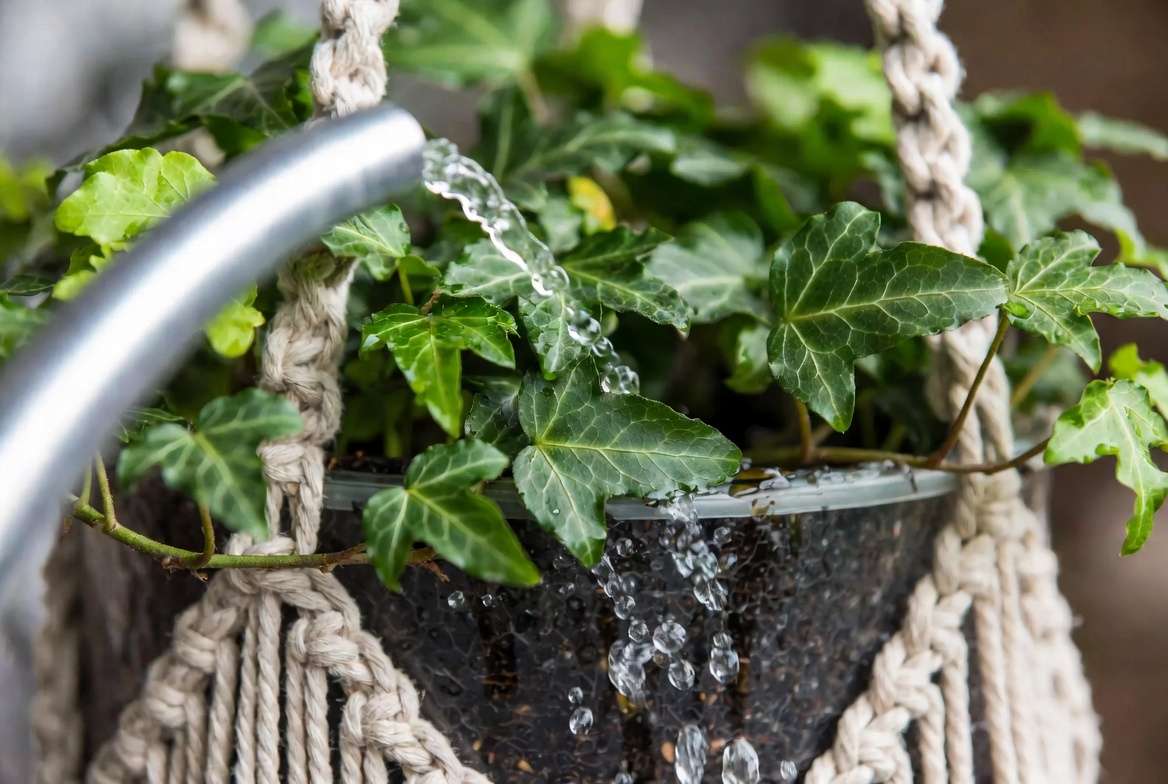
Humidity Support Hanging ivy plants appreciate 40–60% humidity. Use a pebble tray, group with other plants, or mist leaves occasionally (avoid misting variegated types excessively to prevent spotting).
Soil, Potting, and Repotting Best Practices 🪴🌱
Well-draining soil is non-negotiable for healthy roots in hanging ivy plants.
Ideal Soil Mix Use a high-quality potting mix amended with perlite, orchid bark, or coarse sand for excellent aeration and drainage. Avoid heavy garden soil or moisture-retaining mixes designed for succulents.
Choosing Hanging Pots and Baskets Select containers with multiple drainage holes. Coconut coir or moss-lined wire baskets look beautiful but require more frequent watering. Plastic or ceramic self-watering planters simplify care for busy plant parents.
When and How to Repot Repot every 1–2 years in spring when roots circle the pot or growth stalls. Choose a container only 1–2 inches larger. Gently tease out old soil, trim damaged roots, and refresh with new mix. Water lightly after repotting and keep in indirect light for a week.
Temperature, Humidity, and Air Circulation 🌡️🌿
Hanging ivy plants thrive in moderate, stable conditions that mimic their native woodland habitats. Maintaining the right environment prevents stress and promotes the lush, cascading growth every plant parent desires.
Ideal Temperature Range Keep your hanging ivy plants in temperatures between 60–75°F (15–24°C) during the day. They tolerate brief dips to 50°F at night but suffer below that. Avoid placing them near heat sources like radiators, fireplaces, or electronics, as well as cold drafts from windows or AC vents.
In warmer climates, outdoor hanging ivy plants benefit from shaded porches or patios where temperatures stay consistent. During extreme heat waves, bring sensitive varieties indoors or provide extra shade and misting.
Humidity Requirements These trailing houseplants prefer 40–60% relative humidity. Many modern homes run drier, especially in winter with heating systems. Low humidity often leads to brown leaf tips and crispy edges — classic signs your hanging ivy plants need more moisture in the air.
Practical Humidity Solutions
- Place the hanging basket on a pebble tray filled with water (keep pebbles above water level so roots don’t sit in it).
- Group several plants together to create a micro-humid environment.
- Use a cool-mist humidifier near your plant collection.
- Occasional gentle misting in the morning helps, but avoid over-wetting leaves to prevent fungal issues.
Air Circulation Good airflow is essential to prevent mold, mildew, and pest infestations. Hanging positions naturally improve circulation compared to shelf plants, but ensure gentle movement without strong winds that could damage delicate vines.
Seasonal Adjustments In summer, hanging ivy plants may appreciate slightly cooler nights. In winter, protect them from sudden temperature fluctuations when moving between indoors and outdoors. Gradual acclimation over several days prevents shock.
Following these guidelines helps your hanging ivy plants stay vibrant and resilient through changing seasons. 🌱
Fertilizing for Vibrant, Fast Growth 🧪🌱
Proper nutrition transforms average hanging ivy plants into spectacular, full specimens. These trailing houseplants are moderate feeders but respond beautifully to consistent, balanced care.
Best Fertilizer Choices Use a balanced, water-soluble houseplant fertilizer (such as 20-20-20 or 10-10-10) diluted to half strength during the active growing season (spring through early fall). Organic options like compost tea, worm castings, or fish emulsion provide gentle, slow-release nutrients and improve soil health over time.
Fertilizing Schedule
- Growing Season: Fertilize every 2–4 weeks.
- Fall & Winter: Stop or reduce to once every 6–8 weeks, or pause completely if growth slows significantly.
Always water the plant thoroughly before applying fertilizer to protect delicate roots. Never fertilize dry soil.
Signs of Nutrient Deficiency
- Pale or yellow leaves: Nitrogen deficiency.
- Poor growth and weak stems: Overall nutrient shortage.
- Brown tips: Possible potassium or magnesium issues.
Over-Fertilizing Warnings Too much fertilizer causes salt buildup, leading to burned leaf edges and stunted growth. Flush the soil with plenty of water every few months to remove excess salts.
Expert Insight: I recommend alternating between synthetic and organic fertilizers for optimal results. My personal collection of hanging ivy plants shows noticeably thicker foliage and stronger trailing stems when I incorporate monthly applications of diluted seaweed extract.
Pruning, Training, and Propagation Techniques ✂️🌿
Regular maintenance keeps hanging ivy plants looking their best and encourages bushier, fuller growth.
Pruning for Bushiness and Health Pinch off growing tips regularly to promote branching and prevent leggy vines. Remove any yellow, brown, or damaged leaves promptly. For major rejuvenation, you can cut back up to one-third of the plant in spring — it will bounce back vigorously.
Training Vines Guide longer stems around hooks, trellises, or along shelves for custom shapes. Hanging ivy plants are natural climbers and will attach to supports with aerial roots.
Easy Propagation Methods One of the most rewarding aspects of hanging ivy care is how effortlessly they propagate.
Water Propagation (Step-by-Step)
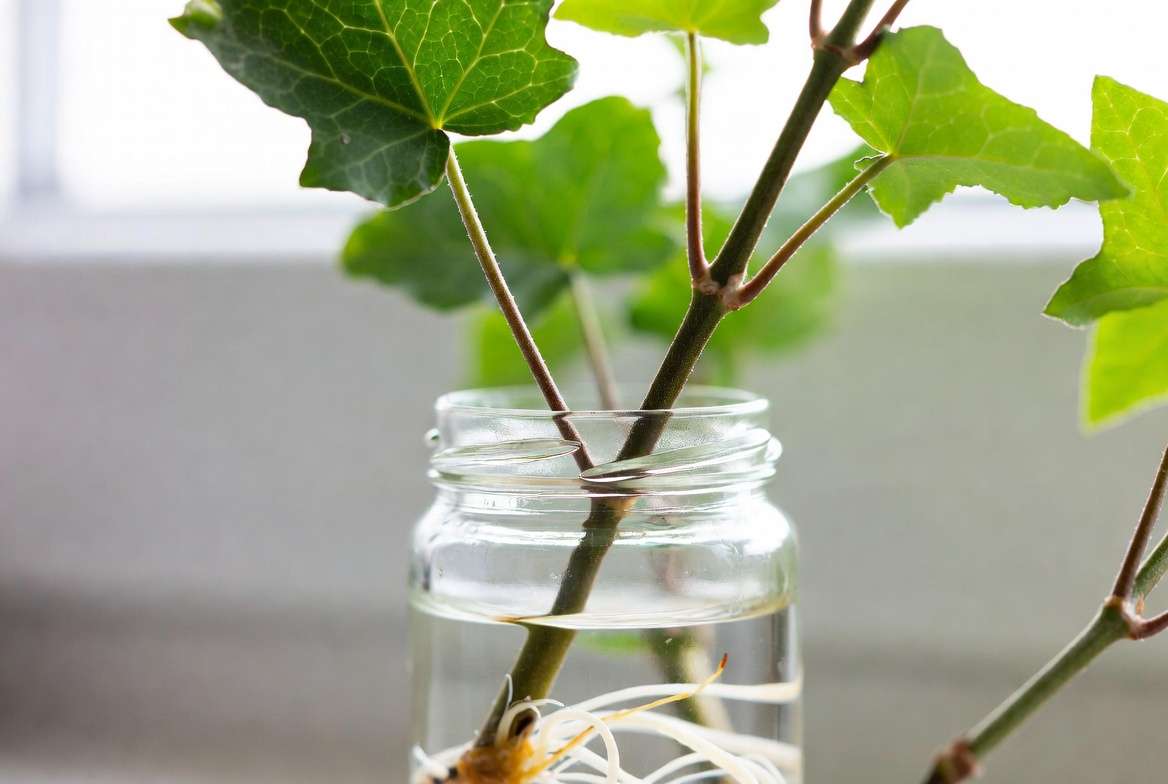
- Choose healthy 4–6 inch stem cuttings with several nodes.
- Remove lower leaves.
- Place in a jar of clean, room-temperature water.
- Change water every few days and keep in bright indirect light.
- Roots typically appear within 2–3 weeks. Transplant to soil once roots are 2 inches long.
Soil Propagation Dip cuttings in rooting hormone (optional) and plant directly in moist, well-draining potting mix. Cover with a plastic bag to maintain humidity until new growth appears.
Propagation success rates are very high with hanging ivy plants, making them excellent for sharing with friends or expanding your collection affordably.
Common Problems and Expert Troubleshooting 🛠️🔍
Even experienced growers encounter issues. Here’s a comprehensive guide to diagnosing and fixing problems with hanging ivy plants.
Yellow Leaves Common causes: Overwatering, poor drainage, nutrient deficiency, or low light. Adjust watering first, then check light and soil conditions.
Brown Tips and Edges Usually indicates low humidity, underwatering, or fertilizer burn. Increase humidity and ensure consistent moisture.
Leggy Growth Almost always a sign of insufficient light. Prune back and relocate to a brighter spot or add grow lights.
Pest Control
- Spider Mites: Tiny webs and stippled leaves. Treat with neem oil or insecticidal soap.
- Aphids: Clusters of small insects on new growth. Wipe off or use horticultural oil.
- Mealybugs: White, cottony spots. Dab with alcohol on a cotton swab.
Root Rot Prevent by ensuring excellent drainage. If it occurs, trim affected roots, repot in fresh soil, and reduce watering.
Prevention Checklist
- Inspect new plants before bringing them home.
- Maintain good airflow.
- Quarantine affected plants.
- Wipe leaves occasionally with a damp cloth to remove dust.
With proactive care, most issues with hanging ivy plants are easily resolved, keeping your trailing houseplants healthy and beautiful.
Seasonal Care Guide: Year-Round Success 📅🌸
Spring Prime time for repotting, heavy pruning, and increasing fertilizer. New growth explodes with proper care.
Summer Peak growing season. Monitor watering closely as heat increases evaporation. Provide afternoon shade outdoors.
Fall Gradually reduce watering and fertilizing. Prepare plants for lower light conditions.
Winter Growth slows — water sparingly and provide as much bright indirect light as possible. Protect from cold drafts. Consider supplemental lighting.
Transitioning Indoors/Outdoors Harden off plants gradually over 7–10 days when moving outside in spring, and bring indoors before first frost in fall.
Creative Display Ideas and Companion Planting 🖼️🪴
Hanging ivy plants shine in creative displays:
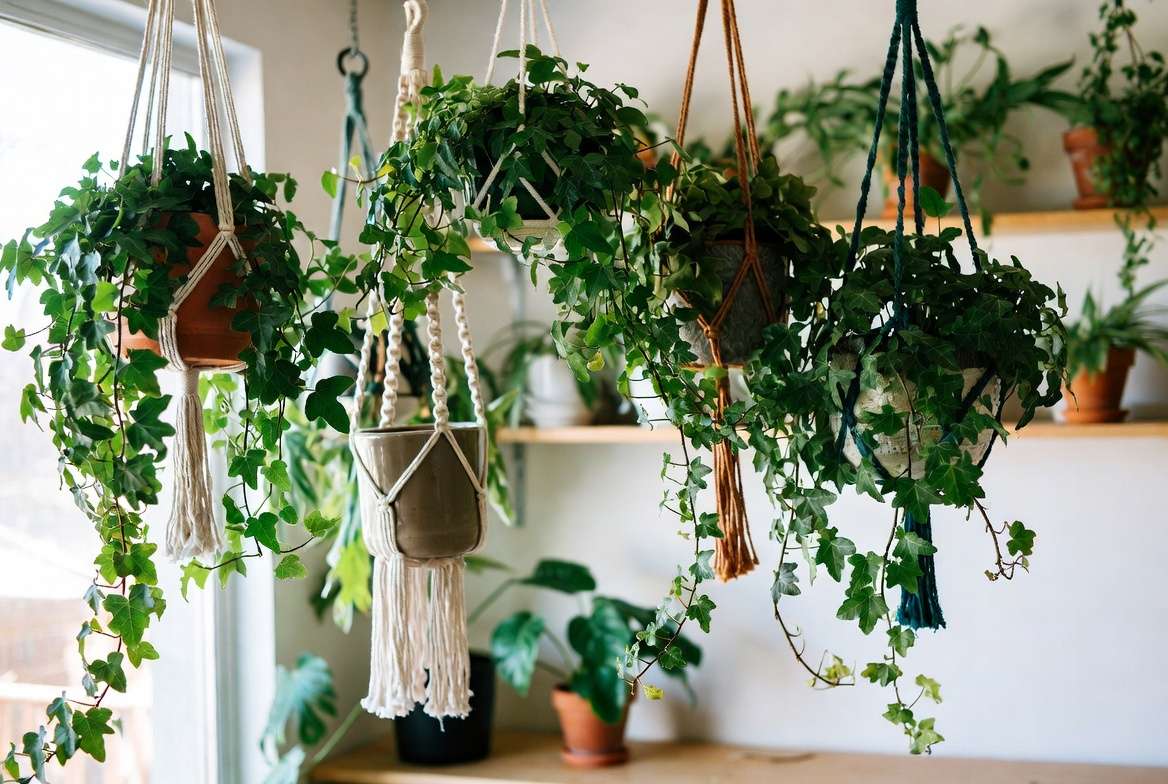
- Macramé hangers at different heights for a jungle effect.
- Wall-mounted planters creating living art.
- Combined with trailing pothos or string of pearls for mixed baskets.
Best Companions Ferns, peace lilies, and philodendrons pair beautifully, sharing similar care needs while creating stunning contrasts. Outdoors, combine with hostas or heuchera for shade gardens.
Advanced Tips from a Plant Expert 💡🌿
Beyond basics, consider the air-purifying power of hanging ivy plants — NASA studies highlight their ability to filter indoor toxins. For long-term success, rotate baskets occasionally for even growth and use organic mulch on soil surfaces to retain moisture.
Many of my clients have successfully maintained English ivy specimens for over a decade with these methods. Eco-friendly practices like rainwater collection for watering and homemade neem sprays support both plant health and sustainability.
Conclusion: Transform Your Space with Thriving Hanging Ivy Plants 🎉🌱
Caring for hanging ivy plants rewards patience and attention with years of lush, cascading beauty. By following this expert guide — from choosing the right variety to mastering watering, light, and troubleshooting — you can enjoy vibrant trailing houseplants that elevate any indoor or outdoor space.
Start small, observe your plants closely, and adjust as needed. Your hanging ivy plants will respond with vigorous growth and graceful trails that bring joy daily.
Share your success stories or questions in the comments! For more plant care guides on trailing houseplants, English ivy care, and indoor gardening, subscribe and explore our other articles.
Happy growing! ✨🪴
FAQs About Hanging Ivy Plants ❓
How often should I water my hanging ivy plants? Water when the top 1-2 inches of soil are dry, typically every 7–10 days, adjusting for season and environment.
Why is my hanging ivy turning yellow? Most often due to overwatering or poor drainage. Check soil moisture and ensure pots have good drainage holes.
Can hanging ivy survive outdoors in winter? Certain English ivy varieties are hardy in USDA zones 5–11, but most benefit from protection or indoor overwintering in colder climates.
How do I propagate hanging ivy plants? Easily via stem cuttings in water or soil. Roots form quickly in bright indirect light.
Is English ivy toxic to cats and dogs? Yes, most Hedera species are mildly toxic if ingested. Keep out of reach of pets.
What’s the best light for variegated hanging ivy? Bright indirect light helps maintain beautiful patterns without scorching leaves.
How do I make my hanging ivy fuller? Regular pruning, adequate light, proper fertilization, and consistent care encourage bushier growth.
Can I grow hanging ivy plants in low light? Solid green varieties tolerate lower light better than variegated ones, though growth may be slower.











