
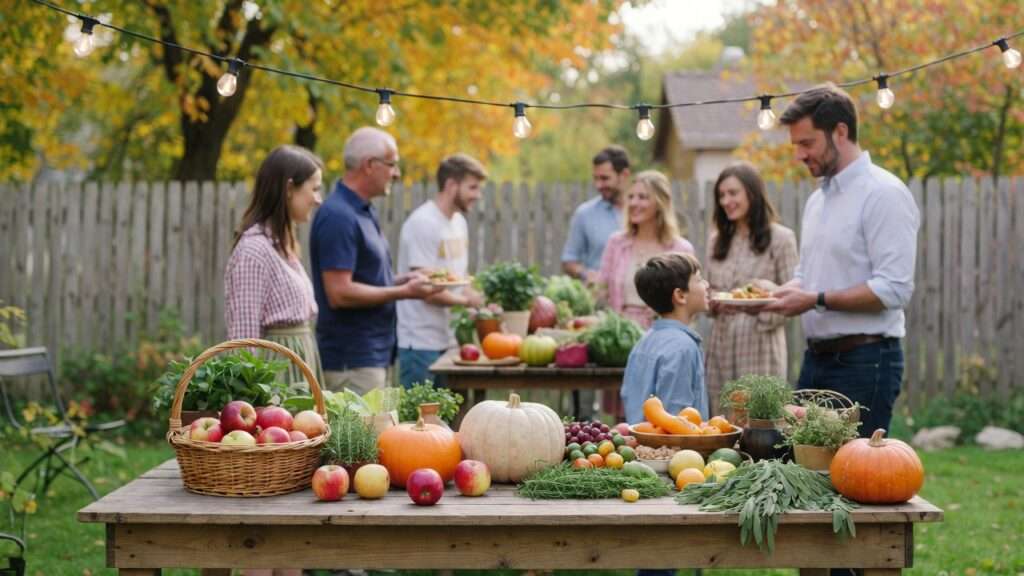
Imagine this: The crisp autumn air carries the sweet scent of ripe apples 🍏 from your backyard tree, while golden pumpkins 🎃 and vibrant squash nestle among lush green leaves in your garden beds. You’ve spent months nurturing your plants—watering, pruning, mulching, and fending off pests—and now your hard work bursts forth in abundance. Instead of quietly preserving or giving away the excess, why not gather friends and family to celebrate it all? A home harvest festival turns your garden’s bounty into a joyful, meaningful event right in your own backyard.
Harvest festivals: organizing events at home has become increasingly popular among plant lovers and home gardeners. It’s more than a party—it’s a heartfelt way to honor the seasonal cycles, share the fruits (and veggies!) of your labor, reduce food waste, and create lasting memories. Many gardeners grow incredible produce but feel unsure how to showcase it socially without stress or excess spending. This comprehensive guide solves that problem: a step-by-step blueprint to plan, host, and enjoy an authentic, low-key harvest festival that puts your trees, plants, and garden care efforts front and center. Whether you have a sprawling yard or a cozy balcony plot, you’ll discover practical ideas rooted in real horticultural know-how. Let’s turn your harvest into celebration! 🌟
Why Host a Harvest Festival at Home? The Deeper Rewards for Gardeners 🌱
As someone who’s tended home orchards and vegetable plots for years, I can tell you: the true magic of gardening isn’t just in the eating—it’s in the sharing. Hosting a harvest festival at home brings profound benefits that go beyond the table.
First, it celebrates your plant care journey. From sowing seeds in spring to protecting fruit trees through summer storms, every ripe tomato 🍅 or plump pear represents dedication. Gathering loved ones to appreciate that bounty reinforces gratitude and motivation for next season’s gardening.
It also builds community and teaches valuable lessons. Kids learn where food comes from by picking beans or identifying tree varieties; adults reconnect with nature amid busy lives. In an era where home gardening has surged (with many turning to it for sustainability and mental wellness), these events foster connection.
Sustainability shines here too: Use every zucchini, apple, and herb creatively to minimize waste. Compost scraps, save seeds, and embrace zero-waste decor—practices that align with eco-conscious gardening.
Finally, the mental health boost is real. Seasonal rituals like this reduce stress, spark joy, and provide structure. Turning your garden into a celebration space makes the hobby even more rewarding. Ready to plan yours? Let’s dive in! 🍂
Step 1: Planning Your Home Harvest Festival (Timeline & Essentials) 📅
Success starts with smart planning. Aim for late summer to mid-fall, when tree fruits (apples, pears, plums) and garden crops (pumpkins, squash, root veggies, herbs) peak—typically September to October in most climates.
Decide scale early: An intimate family gathering (6–10 people) keeps it simple; 15–30 invites more sharing but requires extra prep. Budget tip: Focus on homegrown items—your produce is free! Allocate for minimal extras like string lights or disposable plates (opt for compostable 🌿).
Create a checklist:
- 4–6 weeks out: Pick date, guest list, theme (e.g., “Garden Bounty Feast”).
- 2–3 weeks out: Send invites featuring your garden photos.
- 1 week out: Finalize menu, harvest plan, decor gathering.
- Day before: Prep food, set up space.
Pro tip: Check weather forecasts—have an indoor backup using potted plants and window views.

(Here’s inspiration: A beautifully set harvest table with pumpkins, leaves, and natural accents—perfect for your event!)
Step 2: Harvesting & Showcasing Your Garden Bounty Like a Pro 🧺
Timing is everything for flavor and nutrition. Harvest in the cool morning when produce is crispest—avoid midday heat that wilts greens.
Feature what your space provides:
- Fruit trees: Apples 🍏, pears, plums—core stars for pies or fresh eating.
- Vegetable beds: Pumpkins 🎃, squash, tomatoes, beans, carrots, beets.
- Herbs & extras: Mint, basil 🌿, rosemary for drinks and garnishes; berries if still yielding.
Display ideas:
- Rustic baskets overflowing with mixed harvests as centerpieces.
- Hanging bunches of dried herbs or garlic from tree branches.
- A “bounty board” table with labeled produce highlighting your care (e.g., “Homegrown Honeycrisp from our espaliered tree!”).
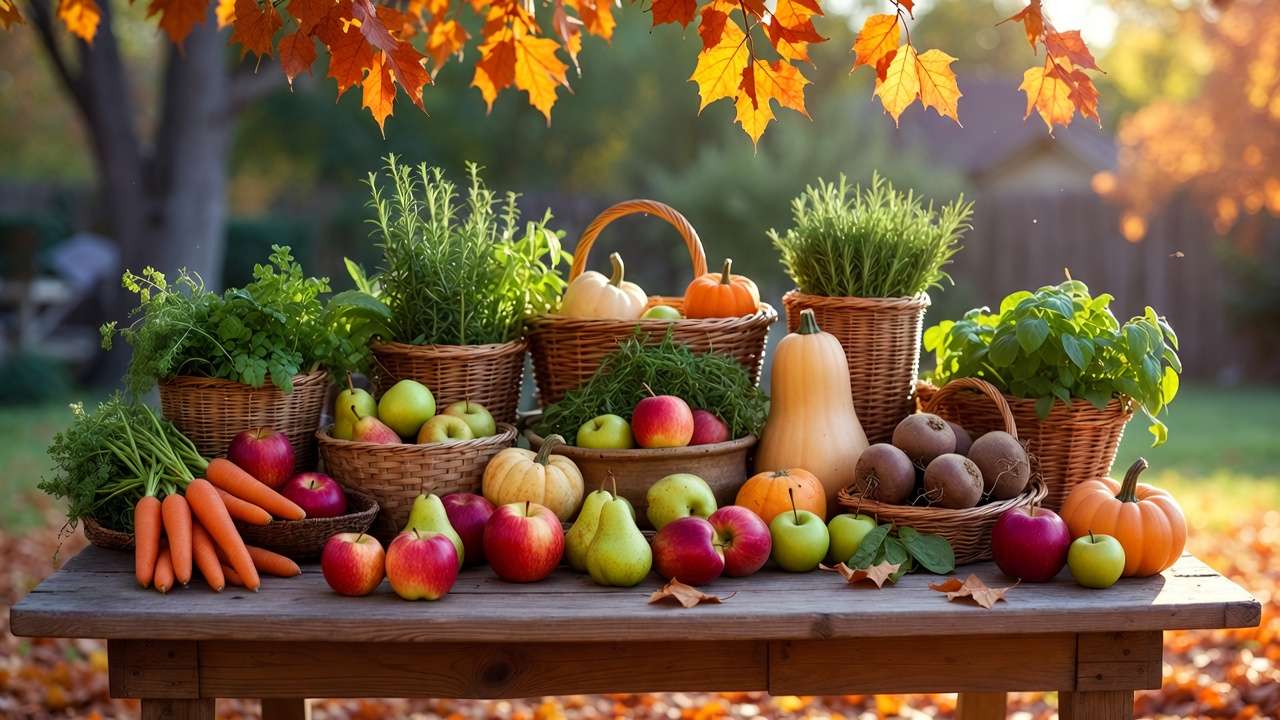
If abundant, preserve extras: Quick-freeze berries, make small-batch jams, or ferment veggies for post-event gifts.
Step 3: Decorating with Nature – Garden-Inspired & Zero-Waste Ideas 🍂
Skip store-bought—your yard supplies everything! Forage fallen leaves, colorful branches, seed pods, and late-blooming flowers.
DIY favorites:
- Table runners from burlap topped with fresh greens and mini pumpkins.
- Mason jar lanterns filled with twigs and fairy lights.
- Garlands of dried corn husks or apple slices strung across fences.
- Centerpieces: Clustered gourds, mossy logs, and foraged nuts.
Use warm palettes—oranges, reds, golds—from your own foliage. Add solar lights for evening glow. Everything biodegradable means easy cleanup and zero guilt.
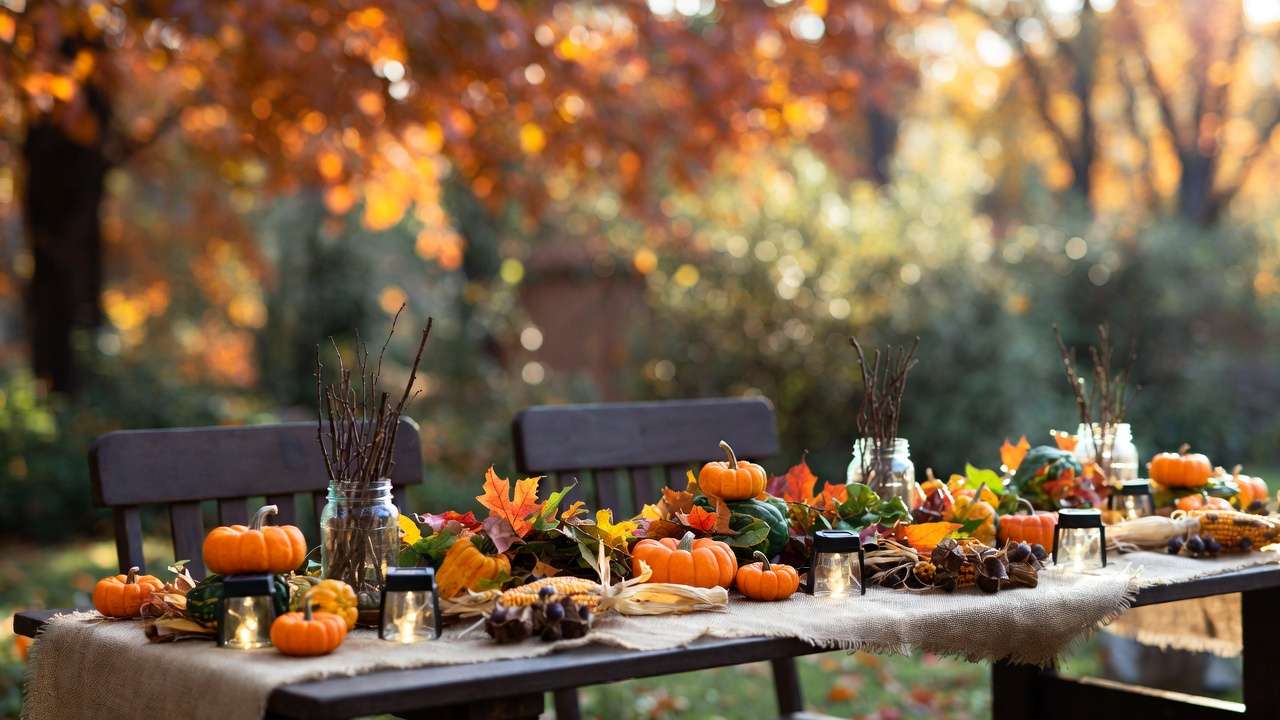
(Look at these cozy outdoor setups with stacked pumpkins and fall mums—adapt using your garden finds!)
Step 4: Crafting a Garden-to-Table Menu That Wows 🌽🥗
The heart of any harvest festival is the food—and the best part? Most (or all!) of it can come straight from your garden beds and trees. A garden-to-table menu celebrates flavor at its peak while showcasing the results of your soil preparation, watering schedule, companion planting, and careful pruning.
Here’s a realistic, flexible menu structure designed for 8–12 people. Adjust quantities based on your actual harvest and supplement modestly with local or pantry items only when needed.
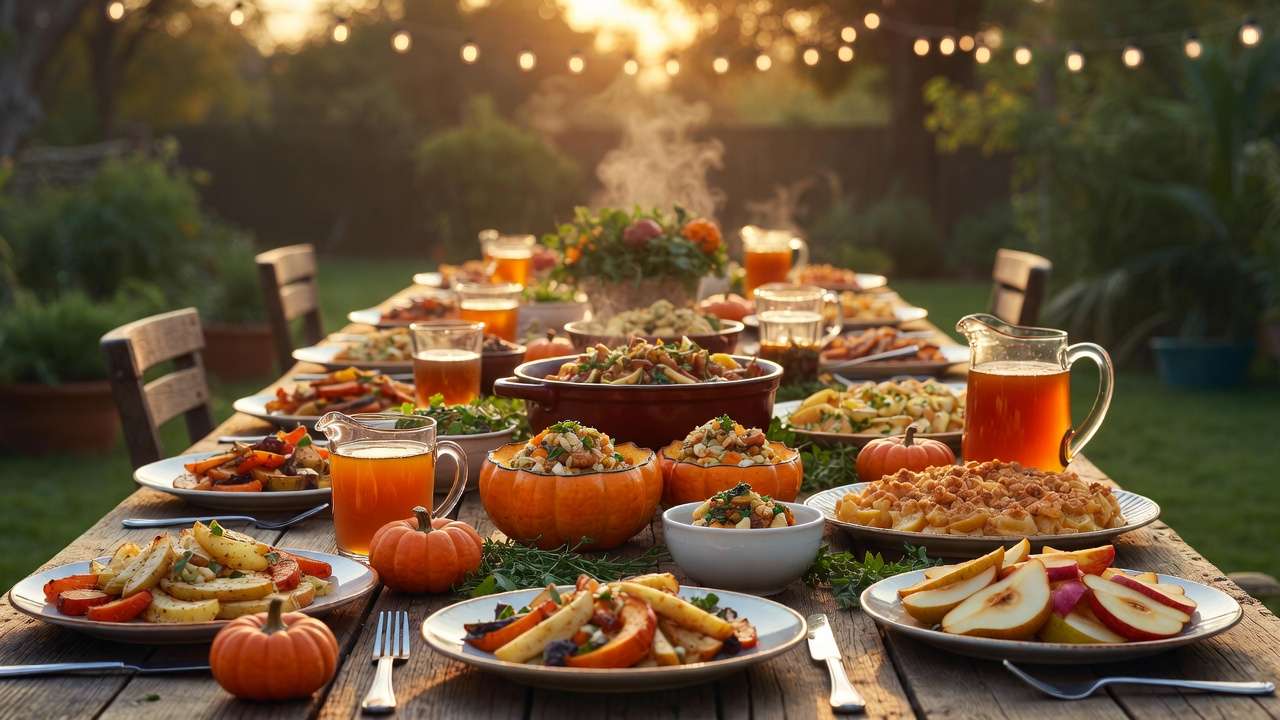
Appetizers & Snacks
- Fresh garden bruschetta: Thick slices of toasted homemade or store-bought bread topped with diced heirloom tomatoes 🍅, minced homegrown basil 🌿, garlic, a drizzle of olive oil, and sea salt.
- Herb-infused cream cheese or goat cheese spread: Blend softened cheese with chopped chives, dill, or parsley from your herb patch. Serve with crisp cucumber slices or carrot sticks from the garden.
- Roasted pumpkin seeds: Clean seeds from your homegrown pumpkins 🎃, toss with olive oil and sea salt, roast until golden—irresistible and zero waste.
Main Dishes
- Roasted autumn vegetable medley: Chunked potatoes, carrots, beets, parsnips, and onions (all easy homegrown root crops), tossed in olive oil, rosemary from your garden, salt, and pepper. Roast until caramelized.
- Stuffed squash or pumpkin bowls: Halve acorn or small sugar pumpkins 🎃, scoop out seeds (save for roasting!), fill with a mix of quinoa or rice, sautéed kale or chard from your beds, diced apples 🍏 from your tree, toasted nuts, and herbs. Bake until tender.
- Hearty harvest soup: Simmer tomatoes, beans, zucchini, onions, garlic, and herbs—all homegrown—into a chunky minestrone-style soup. Add stock and a parmesan rind for depth.
Side Dishes
- Apple & pear salad: Thinly sliced fruit from your trees 🍐🍏 mixed with arugula or baby spinach (if still growing), toasted walnuts, crumbled feta or goat cheese, and a simple vinaigrette made with homegrown honey if you keep bees.
- Grilled or roasted corn on the cob: If your climate allows late sweet corn, brush with herb butter made from your garden chives and parsley.
Desserts
- Classic apple crisp: Use 6–8 cups of sliced apples 🍎 (mix varieties from your tree for best flavor), top with oats, brown sugar, cinnamon, and butter crumble. Bake until bubbly. Serve warm with vanilla ice cream or whipped cream.
- Berry cobbler (if you have late raspberries/blackberries): Toss berries with a little sugar and lemon, top with biscuit dough, bake golden.
- Poached pears in spiced cider: Gently simmer whole pears 🍐 in apple cider pressed from your own fruit (or store-bought), cinnamon sticks, cloves, and orange zest.
Beverages
- Fresh-pressed apple cider: If you have a fruit press or access to one, nothing beats the taste of your own apples. Serve warm with cinnamon or chilled.
- Herbal sun tea or hot infusions: Mint, lemon balm, chamomile, or rosemary steeped from your herb garden 🌿.
- Non-alcoholic spiced mulled “wine”: Simmer apple juice with cloves, cinnamon, star anise, and orange slices.
Pro Tips for Garden-to-Table Success
- Taste-test everything the day before—homegrown produce can vary in sweetness/acidity year to year.
- Label dishes with cute signs: “Honeycrisp Apple Crisp – Grown & Baked by Shuvo’s Backyard Trees” to spark conversation and pride.
- Prep most items ahead: Roasting veggies and making crisps can be done the day before and reheated.
Step 5: Fun Activities & Games Tied to Your Plants & Trees 🎲
A harvest festival isn’t just eating—it’s experiencing your garden together. These low-prep, high-joy activities keep everyone engaged and reinforce the plant-care theme.
- Garden Scavenger Hunt (perfect for kids & adults) Create a list: “Find a red apple 🍏 still on the tree,” “Spot the biggest pumpkin 🎃,” “Pick three different herb leaves 🌿 and name them.” First to finish wins a small jar of homemade jam or a potted herb to take home.
- Tree & Plant Trivia Game Prepare 10–15 fun questions: “Which fruit tree needs the most pruning to stay healthy?” “Name three companion plants that help tomatoes thrive.” Offer small prizes like packets of seeds saved from your garden.
- DIY Craft Stations
- Apple-stamping art: Cut apples in half, dip in non-toxic paint, stamp patterns on paper bags or canvas.
- Mini pumpkin 🎃 decorating: Provide markers, stickers, yarn for silly faces.
- Herb sachet making: Fill small muslin bags with dried lavender, mint, or rosemary from your beds—great take-home favors.
- Gratitude Circle At sunset, pass a small basket of apples 🍎. Each person takes one, shares one thing they’re thankful for from the growing season (e.g., “I’m grateful for the bumper crop of zucchini!”), then everyone enjoys a group bite or sip of cider.
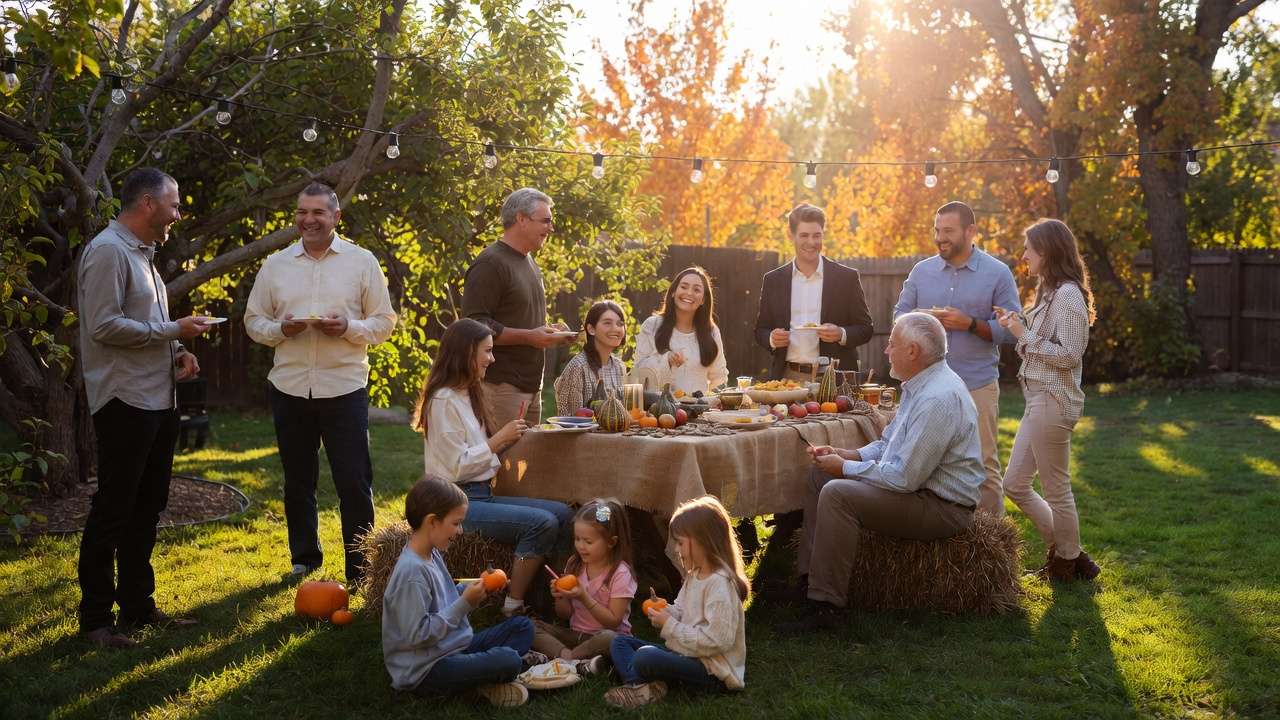
These activities turn passive eating into active celebration—and they require almost no extra cost.
Step 6: Invitations, Timeline & Day-Of Execution 🗓️
Great events feel effortless because the groundwork was done thoughtfully. Here’s how to bring it all together smoothly.
Invitations Keep them personal and garden-themed to set the tone right away.
- Digital option: Use free tools like Canva to create a simple card featuring a photo of your apple tree in full fruit 🍏 or a basket overflowing with your harvest. Include the date, time, location (your backyard!), and a fun line like “Come celebrate the bounty we grew together!”
- Handmade touch: Press a few colorful leaves or small herb sprigs between wax paper, then glue onto cardstock. Write details by hand for that warm, homemade feel. Send 2–3 weeks in advance so guests can plan—and ask them to RSVP so you know how much produce to harvest.
Sample 2-Week Timeline
- Week 2: Finalize guest list, send invites, decide menu based on current garden ripeness, start collecting decor materials (foraged leaves, branches, jars).
- Week 1: Do a big harvest of what’s ready (store properly), prep make-ahead dishes (e.g., apple crisp filling, roasted veggie mix), test recipes, clean outdoor space.
- 2–3 days before: Finish decorating setup (string lights, table arrangement), pick final fresh items, make beverages.
- Day before: Set up tables/chairs, arrange centerpieces, do a quick garden walk-through to plan the welcome tour.
- Morning of: Last-minute harvest of ultra-fresh herbs 🌿 and greens, set out appetizers, light candles or solar lanterns.
Day-Of Flow (example for a 4–7 pm event)
- 3:30–4:00 pm: Final touches, greet early helpers.
- 4:00–4:30 pm: Welcome guests with a short garden tour—show off the fruit trees, point out the pumpkin patch 🎃, let kids pick a few cherry tomatoes 🍅.
- 4:30–6:00 pm: Feast! Serve buffet-style so people mingle. Play soft acoustic music or nature sounds.
- 6:00–7:00 pm: Activities (scavenger hunt, gratitude circle, crafts).
- Sunset onward: Dessert, warm cider, stargazing or fire pit if you have one.
Weather Backup Plan If rain threatens, move indoors: Use potted plants and herbs on windowsills, cluster pumpkins and gourds on the dining table, hang garlands across doorways. The cozy indoor version still feels magical.
Expert Insights: Common Mistakes to Avoid & Pro Tips from a Plant Care Perspective 🌿
After years of growing food and hosting these celebrations, here are the real-world lessons I wish I knew earlier:
- Mistake #1: Harvesting too early or too late. Fix: Learn ripeness cues—apples should come off with a gentle twist, pumpkins have hard rinds and dull sound when tapped, tomatoes are fully colored and slightly soft. Taste-test daily in the final week.
- Mistake #2: Over-decorating and damaging plants. Fix: Never cut living branches or strip too many leaves. Forage only fallen materials. Use removable ties for garlands.
- Mistake #3: Ignoring plant health before the big day. Fix: Do a light pest check and foliar feed (diluted seaweed or compost tea) 1–2 weeks prior to ensure produce looks vibrant and tastes its best.
- Pro Tip for Small Spaces: Balcony or container gardeners can shine too! Focus on potted herbs, dwarf fruit trees (e.g., columnar apples), window-box greens, and a few colorful peppers or eggplants. One overflowing harvest basket becomes your centerpiece.
- Pro Tip for Maximum Wow: Label a few hero plants or fruits with small signs—“These Sungold tomatoes grew with companion marigolds!”—to spark gardening conversations.
Sustainability & Plant Care Bonus: Extending the Harvest Spirit Beyond the Party ♻️
The celebration doesn’t end when guests leave—carry the spirit forward with these thoughtful steps:
- Compost everything edible: Scraps, uneaten bits, corn husks—turn them into next year’s soil gold.
- Save seeds: Dry and store seeds from your best-performing tomatoes, beans, squash, or herbs. Label with variety and year.
- Post-event plant TLC: Spread fallen leaves as mulch around fruit trees and beds (excellent winter protection). Prune summer-bearing fruit trees lightly if needed. Water deeply before winter dormancy.
- Plan next year: Note what guests loved most (e.g., the apple crisp 🍎) and plant more of it. Start a wish list for new varieties to feature at future festivals.
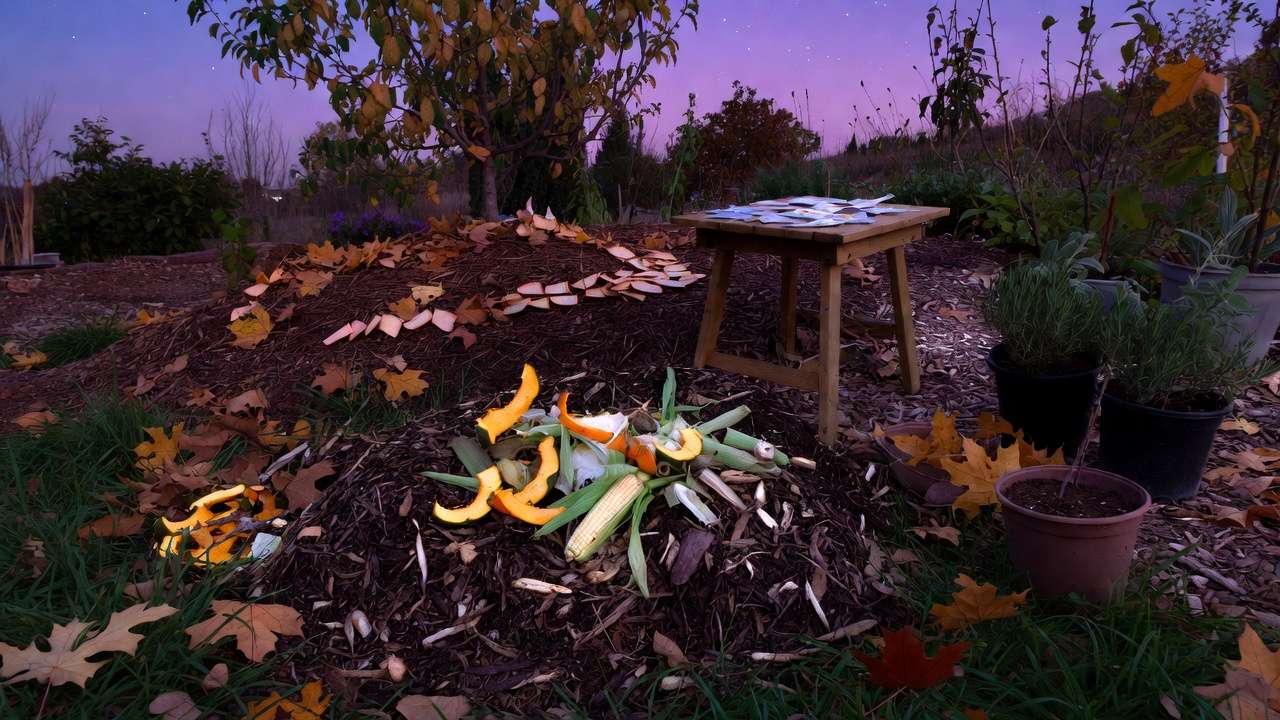
By looping the event back into your ongoing plant care routine, the harvest festival becomes part of your gardening tradition—not a one-off.
Conclusion: Make Your Garden’s Bounty a Tradition 🍁
You’ve already done the hardest part: growing beautiful, nourishing food with care and patience. Now it’s time to share that joy. A home harvest festival doesn’t need to be elaborate or expensive—it just needs your garden at its heart. Start small this year: invite a few close friends, set one beautiful table under your favorite tree, and let the abundance speak for itself.
The smiles, the stories, the shared gratitude—they’re the real harvest. Your backyard is ready. Your trees and plants have been working hard all season. Now go celebrate them! 🌟
I’d love to hear how your event turns out—drop a comment with your favorite moment or a photo of your bounty table.
FAQs ❓
What if my harvest is small—can I still host? Absolutely! Even a modest haul of herbs, a few apples 🍏, and some colorful peppers can be the star. Supplement with local market produce if needed, but keep the focus on what you grew. Guests love authenticity over perfection.
How do I make it kid-friendly? Add simple hands-on fun: scavenger hunts, pumpkin decorating 🎃, seed-planting favors (give each child a small pot and seeds to take home). Serve familiar favorites like apple slices with peanut butter.
Best time of year for a home harvest festival? Late summer through mid-fall—whenever your biggest variety of crops and tree fruits ripen together. In Khulna’s climate, aim for October–November when mangoes are gone but guavas, papayas, and winter veggies peak.
Ideas for non-fruiting gardens? Focus on herbs 🌿, edible flowers, colorful fall foliage, dried seed heads, and late greens. Create beautiful herbal teas, herb-roasted potatoes, or decorative wreaths. The spirit of celebrating your garden still shines.
How to keep costs low while featuring homegrown items? Use what you already have: garden produce, foraged decor, reusable plates/glasses. Ask guests to bring one side or drink if desired (potluck style). Solar lights and string lights are a one-time investment that last years.











