
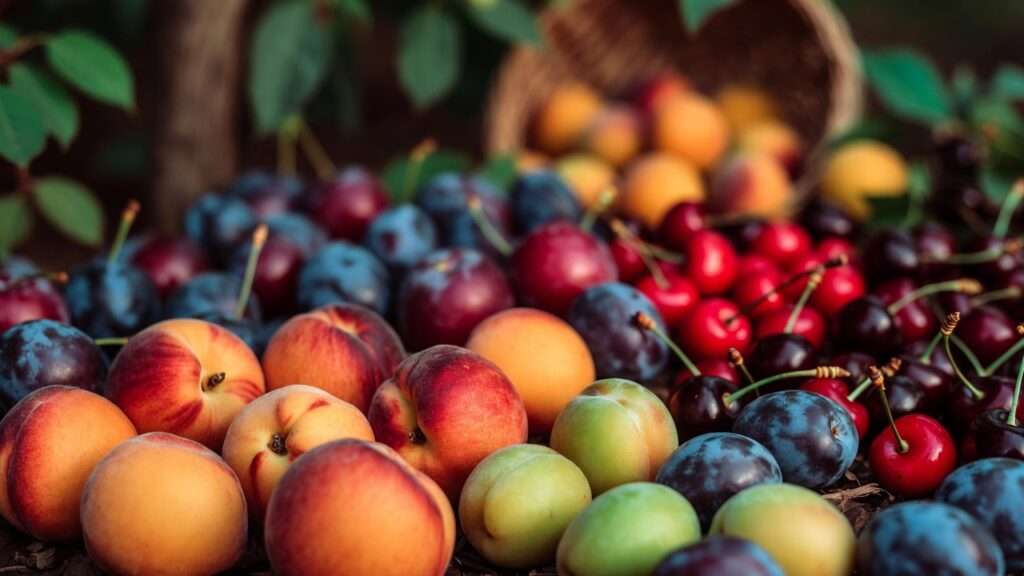
Imagine sinking your teeth into a perfectly ripe peach—warm from the sun, juice dripping down your chin, and flavor exploding with every bite. 😋 That magical moment only happens when you harvest at peak ripeness. But here’s the harsh truth many home gardeners face: picking too early leaves you with bland, mealy fruit that never develops full sweetness, while waiting too long means bruised, overripe messes claimed by birds or rot. 🍂
Harvest timing for stone fruits is the single biggest factor separating average backyard hauls from extraordinary, tree-ripened perfection. Stone fruits—like peaches, nectarines, apricots, plums, and cherries—don’t behave like apples or pears. For most, true flavor, aroma, and sugar development happen on the tree, not in a fruit bowl. Get the timing right, and you’ll enjoy maximum taste, better nutrition, longer storage potential, and fewer wasted fruits. 🌟
In this comprehensive guide, we’ll cover everything you need: universal ripeness cues, variety-specific calendars, regional adjustments, pro harvesting techniques, post-harvest tips, and common pitfalls to avoid. Whether you’re tending a small backyard orchard or just a couple of trees, these insights—drawn from university extension resources, horticultural research, and real-world growing experience—will help you master stone fruit harvest timing for unbeatable results. Let’s dive in! 🌳
What Are Stone Fruits and Why Does Harvest Timing Matter? 🍑🍒
Stone fruits, or drupes, belong to the Prunus genus and share a signature juicy flesh surrounding a hard pit (the “stone”). Popular types include:
- Peaches and nectarines
- Apricots
- Plums (Japanese and European varieties)
- Cherries (sweet and tart)
These summer gems are prized for their vibrant flavors, but timing is critical. Unlike climacteric fruits (e.g., bananas, tomatoes) that ripen dramatically off the plant, most stone fruits reach peak sugar, acid balance, and aroma only while attached to the tree. Picking too soon halts flavor development—fruit may soften but stays bland. Overripe picking leads to rapid spoilage, bruising during handling, and losses to pests. 🍂
Proper harvest timing for stone fruits maximizes:
- Flavor intensity and sweetness
- Nutritional value (higher antioxidants at peak)
- Shelf life (firmer picks store longer)
- Yield (reduces drop from overripening or birds)
University extensions like those from University of Minnesota, Illinois, and Maryland emphasize: tree-ripened is best for home growers, as commercial picks prioritize shipping firmness over flavor. For backyard enthusiasts, waiting for that perfect moment delivers unmatched quality! 💚
General Ripeness Indicators for Stone Fruits 🔍
Don’t rely solely on dates—nature varies! Use your senses for reliable cues:
- Color change — Look for the “ground color” (background skin beneath blush) shifting from green to yellow, cream, or golden. Blush (red/orange overlay) is pretty but not the best indicator.
- Firmness/test for yield — Gentle thumb pressure near the stem or seam should show slight give (like the tip of your nose). Avoid squeezing hard—bruising invites rot!
- Aroma — Ripe fruit releases a strong, sweet, fruity scent. No smell = not ready.
- Ease of detachment — Fruit should separate with a gentle twist and lift; stems pull away easily.
- Taste test — Sample one or two fruits from different tree spots (top/outside ripen first). Sweetness and juiciness trump looks.
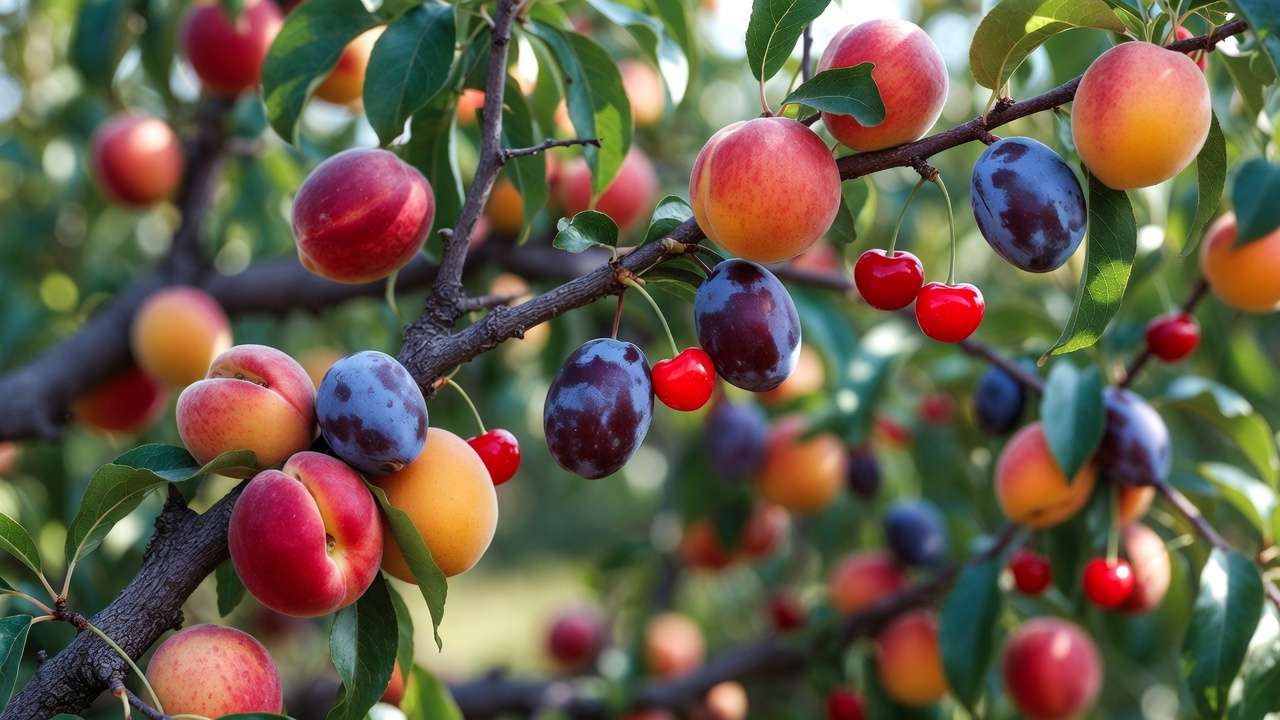
Pro tip: Ripening often progresses from the top and outer branches inward. Check multiple areas daily during peak season. Tools? Your hands, nose, and eyes—no fancy gadgets needed! 😊
Warning: Calendar dates are rough guides only—adjust for your microclimate, weather, and variety.
When to Harvest Cherries – Sweet & Tart Varieties 🍒
Cherries lead the stone fruit season and demand precise timing—they don’t ripen further off the tree.
Sweet Cherries (e.g., Bing, Rainier, Stella):
- Typical window: Mid-June to late July (earlier in warm zones, later in cooler ones).
- Indicators: Full, deep color (dark red to mahogany for sweets), plump and firm, sweet taste when sampled, stems detach cleanly.
- Must-pick at peak—overripe cherries crack or ferment quickly. Protect with netting as birds love them! 🐦
Tart Cherries (e.g., Montmorency, North Star):
- Window: Late June to mid-July.
- Indicators: Bright red, juicy with slight softness, tangy-sweet balance.
- Great for pies—pick fully colored but firm.
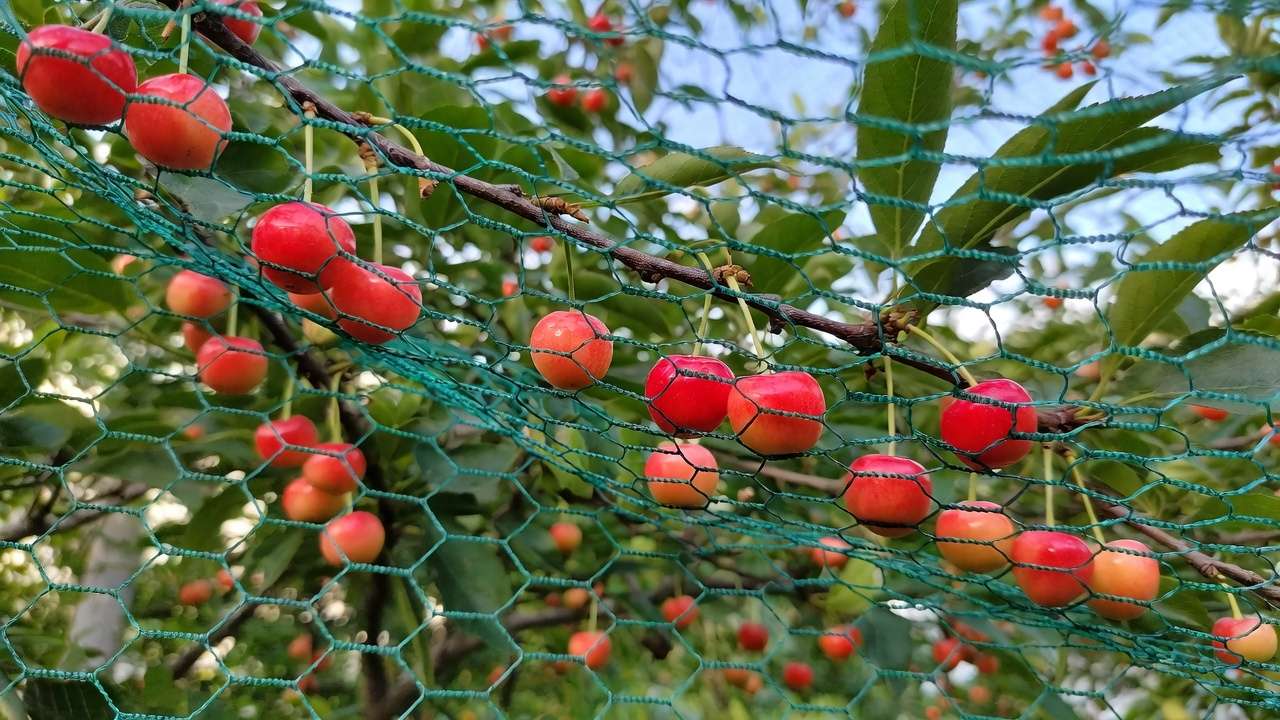
Regional note: In warmer southern zones, expect 1-2 weeks earlier; cooler northern areas push later. Track your tree’s patterns yearly in a journal! 📅
Harvest Timing for Apricots – The Earliest Stone Fruit 🌸🍑
Apricots kick off summer stone fruits and are notoriously finicky—they barely sweeten after picking.
- Typical window: Late June to late July (earliest varieties in warm climates hit early June).
- Key signs: Full golden-orange color (no green tinges), slight springy give when gently squeezed, intense sweet aroma, easy stem separation.
- Expert advice: Let them tree-ripen fully for best flavor—commercial picks are often firm and underripe. Home growers can afford the wait!
- Common mistake: Harvesting too early for “shipping” firmness results in cottony, flavorless fruit. Taste daily near the end.
Pro tip: Apricots soften fast—harvest in stages every 1-2 days.
When to Pick Peaches & Nectarines for Juicy Perfection 🍑🍑
These summer stars are the heart of stone fruit season.
Peaches:
- Window: Mid-July to mid-September (early varieties like Spring Lady to late like O’Henry).
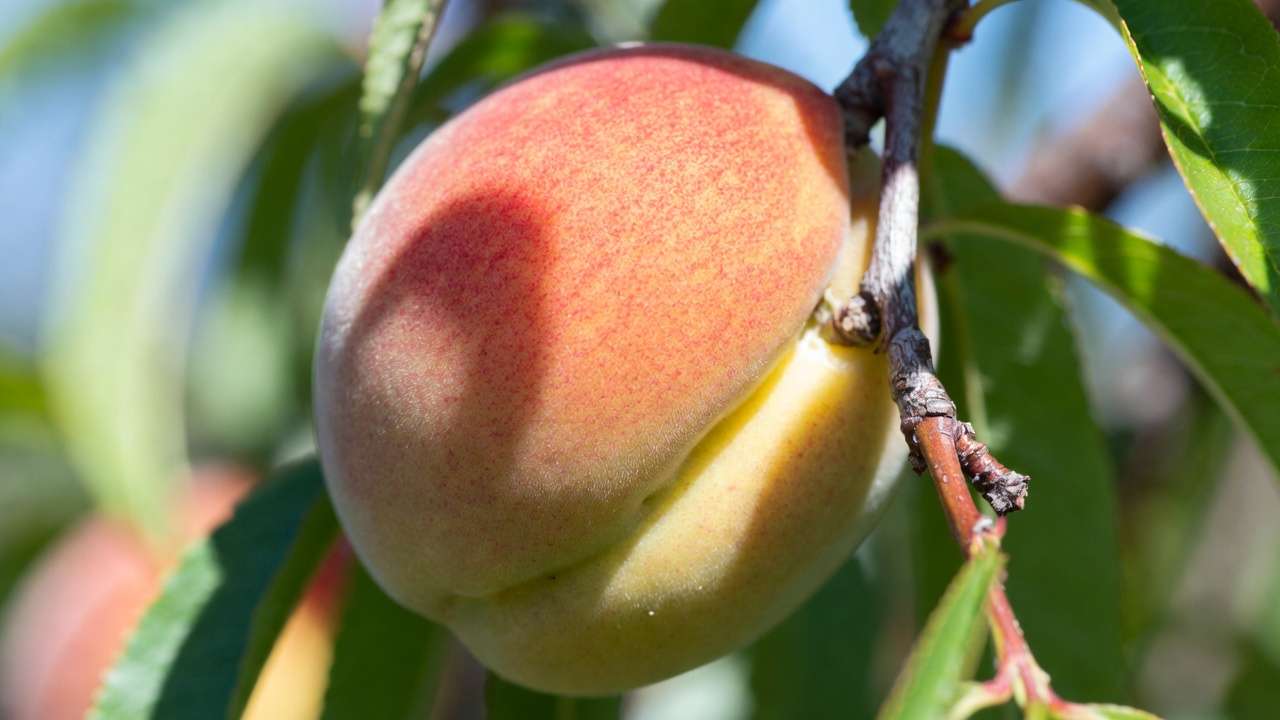
- Indicators: Ground color turns yellow/cream (no green), rosy blush develops, gentle pressure yields slightly (especially along seam), strong sweet aroma, fruit detaches easily. Freestone types separate from pit more readily than clingstone.
- Harvest in waves—every 2-3 days as they ripen unevenly.
Nectarines:
- Similar to peaches but often smoother-skinned and slightly earlier in some varieties.
- Indicators: Creamy background + red blush, softening along seam, aromatic.
Pro tip: Peaches and nectarines bruise easily—handle like eggs! For peak juiciness, pick tree-ripe. 😍
Plum Harvest Timing – Japanese vs. European Types 🍑🍇
Plums vary widely by type—know yours for success.
Japanese Plums (e.g., Santa Rosa, Satsuma, Methley):
- Window: July to August.
- Indicators: Full vibrant color (red, purple, yellow), softening flesh, sweet taste. Many ripen partially off-tree if picked mature.
European Plums (e.g., Stanley, prune types):
- Window: Mid-August to September.
- Indicators: Deep color, firm-yet-soft texture, easy detachment. Best fully tree-ripened for richest flavor.
Special note: Plum colors vary hugely—trust taste over appearance. Sample often!
Factors That Influence Harvest Timing in Your Garden 🌍
Timing isn’t one-size-fits-all. Key influencers:
- Climate & microclimate — Warmer spots (south-facing slopes) ripen 1-2 weeks earlier.
- Variety & rootstock — Low-chill varieties suit warmer areas; chill hours affect bloom and fruit set.
- Weather — Heat waves accelerate ripening; cool, rainy periods slow it and increase cracking risk.
- Tree health & age — Mature, well-pruned trees ripen more evenly.
- Tracking tip — Maintain a garden journal: note bloom dates, first color, taste tests, and photos. Over years, you’ll predict your microclimate perfectly! 📸
Step-by-Step Harvesting Techniques to Avoid Damage ✋
Harvesting stone fruits properly prevents bruising, tearing, and rapid spoilage—issues that ruin even perfectly timed picks. Follow these expert techniques:
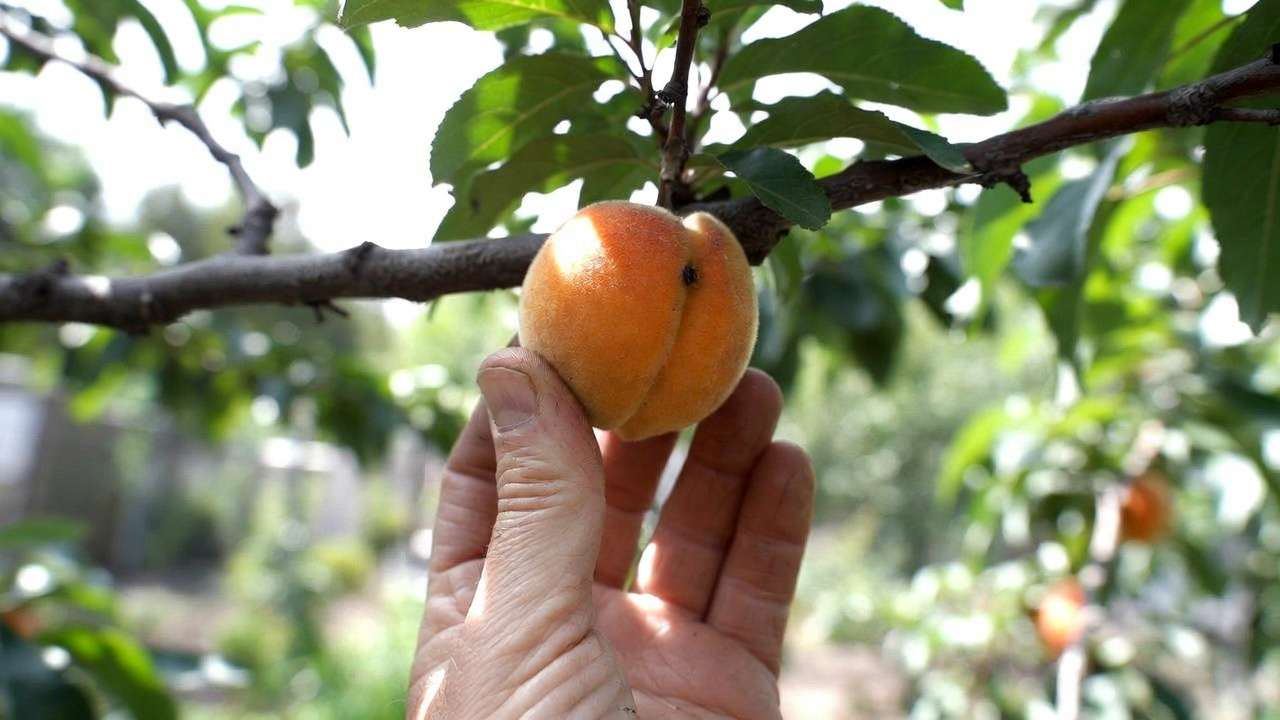
- Choose the best time of day Pick in the early morning after dew has dried but before the sun heats the fruit. Cooler temperatures keep fruit firm, reduce bruising, and slow respiration. Avoid midday heat (fruit softens fast) or late evening (dew encourages mold). 🌅
- Use the correct picking method
- Support the fruit with your palm.
- Gently twist and lift upward (never yank downward).
- For clusters (especially cherries), use small pruning shears to cut the stem cluster—leaving a short stem protects against rot entry.
- Cherries and plums often come off with a gentle upward tug; peaches and nectarines benefit from a slight side-to-side rock.
- Essential tools for clean, safe harvests
- Soft-sided harvest bags or padded buckets (canvas or plastic with cloth lining).
- Step ladder or stable orchard stool for taller trees.
- Pruning snips for stubborn stems or clusters.
- Gloves (optional) to reduce skin oils on delicate fruit like nectarines.
- Handling best practices
- Never overfill containers—single or double layers only.
- Place fruit stem-side down or on its side to avoid pressure on the blossom end (softest part).
- Move harvested fruit to shade immediately.
- Sort as you go: separate bruised/overripe fruit for immediate use (pies, jams) to prevent spoilage spread.
Safety note: Always use stable ladders and have a spotter for high branches. A fall can ruin more than just your harvest! 🪜😅
What to Do After Harvest – Storage, Ripening & Preservation 🥭
Your hard work doesn’t end at picking—proper post-harvest care locks in flavor and extends enjoyment.
Immediate care Cool fruit quickly (move to shade or air-conditioned space). Avoid stacking warm fruit in deep containers—heat builds and accelerates spoilage.
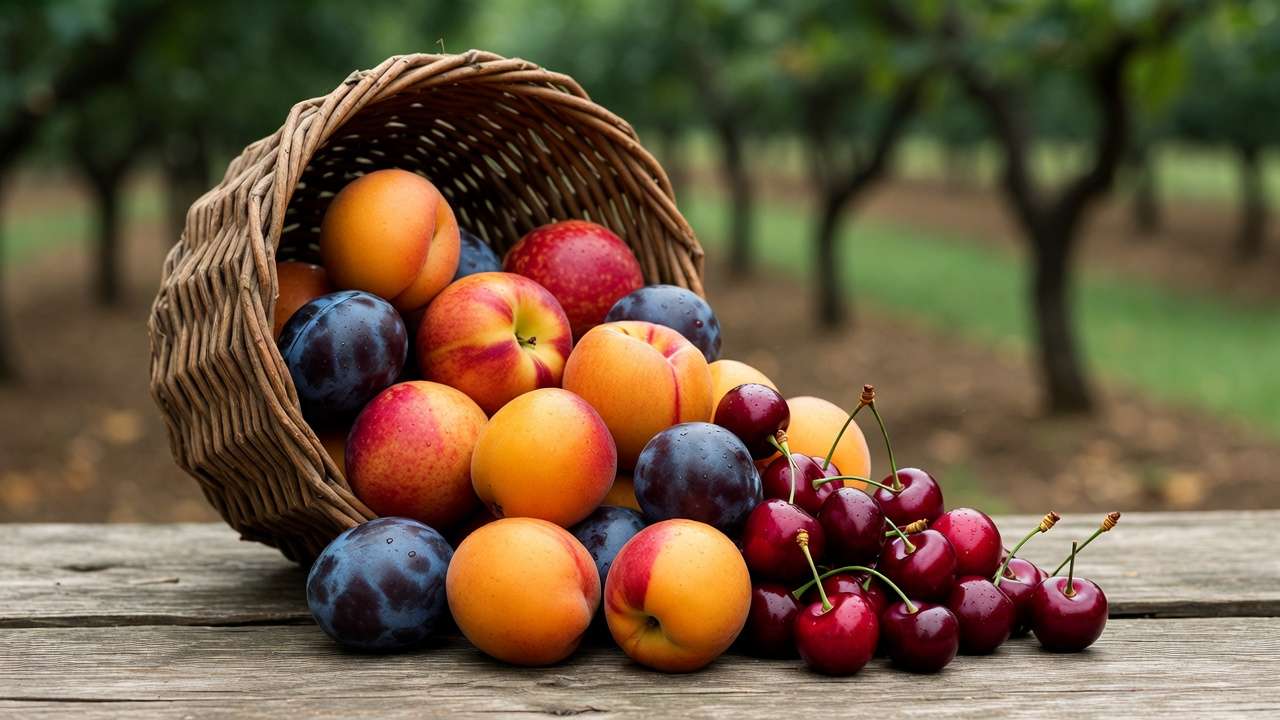
Ripening off the tree (when applicable)
- Cherries, apricots, most peaches/nectarines: Do not ripen further—tree-ripened is peak.
- Some Japanese plums and a few late peaches: If picked mature (full size + color change started), place in a paper bag at room temperature 1–3 days to finish softening and sweetening. Add an apple or banana to boost ethylene.
Short-term storage
- Refrigerate at 32–40°F (0–4°C) in perforated plastic bags or breathable containers.
- Ideal humidity: 90–95% (crisper drawer works well).
- Use within 3–7 days for best flavor (peaches/nectarines spoil fastest).
- Never store near ethylene producers like apples or bananas unless intentionally ripening.
Long-term preservation ideas (perfect for bumper crops!)
- Freezing: Peel (optional), slice, toss in lemon juice or ascorbic acid solution, freeze flat on trays, then bag. Great for smoothies, pies.
- Canning: Water-bath or pressure can halves, slices, or jam. Follow USDA-tested recipes for safety.
- Drying: Dehydrate halves or slices for chewy snacks or trail mix.
- Jamming / Preserving: Classic peach jam, plum chutney, cherry pie filling—add spices like cinnamon, cardamom, or vanilla for gourmet twists. 🍯
Quick favorite: Simple roasted stone fruit—toss halves with honey and roast at 400°F for 20 minutes. Divine on yogurt or ice cream! 😍
Common Mistakes & Troubleshooting Harvest Problems ⚠️
Even experienced growers slip up—here are the top pitfalls and fixes:
- Picking too early → Bland, starchy flavor. Fix: Taste-test daily once color starts changing. Trust your senses over the calendar.
- Waiting too long → Overripe, mushy, cracked fruit; heavy bird/insect losses. Fix: Net trees early (use bird netting when fruit is golf-ball size). Harvest every 1–3 days during peak.
- Bruising during harvest → Rapid rot. Fix: Gentle handling, soft containers, single layers.
- Ignoring uneven ripening → Some fruit perfect, others under/over. Fix: Pick in multiple passes—top of tree first, then lower branches.
- Storing improperly → Mold or shriveling. Fix: Cool quickly, use breathable storage, check daily.
Bonus troubleshooting: If fruit consistently tastes bland despite full color, test soil pH (stone fruits prefer 6.0–7.0) and ensure adequate potassium for sugar development.
Quick Reference Harvest Calendar for Stone Fruits 📅
Use this as a starting point—adjust 1–3 weeks earlier/later based on your USDA zone, microclimate, and yearly weather.
- June — Early sweet cherries, very early apricots (warm zones)
- Early–Mid July — Tart cherries, early apricots, early peaches/nectarines, early Japanese plums
- Late July–Early August — Peak apricots, mid-season peaches/nectarines, peak Japanese plums
- Mid–Late August — Late peaches/nectarines, early European plums
- September — Late peaches, peak European plums (prune types), very late varieties in cooler zones
Pro gardener habit: Photograph your tree at first color, full color, and first pick each year. Patterns emerge quickly! 📸
Conclusion 🎉
Mastering harvest timing for stone fruits is the secret sauce that turns good homegrown fruit into unforgettable, dripping-with-juice perfection. By learning the subtle cues—color, feel, aroma, taste—and adjusting for your unique garden conditions, you’ll consistently enjoy peak flavor, reduce waste, and savor the true reward of growing your own trees.
Start small: Pick one variety this season with daily checks and notes. Next year, you’ll be the neighborhood expert! Share your biggest harvest win (or funny fail) in the comments—I’d love to hear how it goes. Happy picking, and may your baskets overflow with sweet, sun-kissed bounty! 🌳💚🍑
FAQs ❓
How do I know if my stone fruit is ripe without tasting? Rely on the trifecta: ground color fully changed (no green), slight yield to gentle pressure, and strong sweet aroma. Taste is still the gold standard, though!
Can stone fruits ripen after picking? Most (peaches, nectarines, apricots, sweet cherries) do not improve flavor significantly off the tree. Some Japanese plums and a few peach varieties can soften and sweeten a bit if picked mature.
Why do my peaches taste bland even when colorful? Common causes: picked too early, low potassium in soil, excessive nitrogen fertilizer (promotes leaf growth over fruit sugar), or extreme heat/hail stress. Test soil and taste daily next season.
What’s the best way to protect fruit from birds during ripening? Install bird netting when fruit reaches marble size. Drape loosely and secure at ground level. Reflective tape, wind chimes, or decoy predators help too. Net early—birds learn fast! 🐦
How does climate change affect stone fruit harvest times? Warmer springs push bloom and harvest 5–14 days earlier in many regions. Erratic weather (late frosts, heat waves) increases variability. Keep detailed records to adapt your local timing.











