
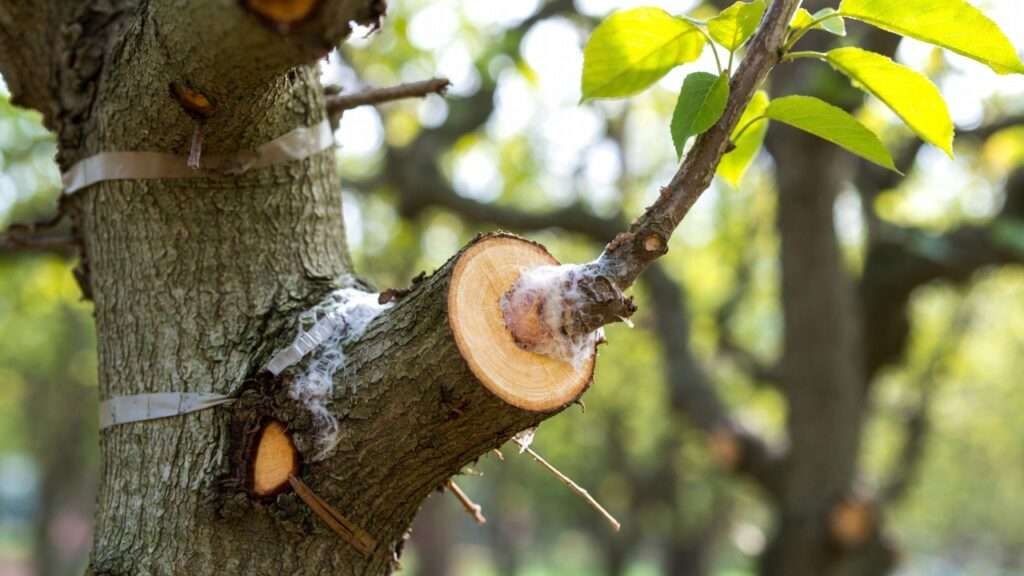
You’ve carefully selected your scion wood, made precise cuts to align the cambium layers, and secured that promising graft—only to watch months of effort wilt away because the union dried out or got knocked loose by a stray branch. 😔 If this sounds familiar, you’re not alone. Many home orchardists and hobby grafters face graft failure due to inadequate healing and aftercare of graft unions, the critical phase where the rootstock and scion truly become one.
The graft union is the vital bridge that connects the resilient roots below with the desired fruiting variety above. Proper healing and aftercare of graft unions can boost success rates to 90% or higher, leading to healthier trees, better yields, and fewer disappointments. In this comprehensive guide, we’ll walk you through the science of healing, step-by-step protection strategies, long-term maintenance, and pro tips to help your grafts thrive—whether you’re grafting apples, pears, stone fruits, or ornamentals in your backyard orchard. 🌱 Let’s turn those fragile joins into bulletproof bonds!
Understanding the Graft Union Healing Process 🔬
What Happens During Graft Union Healing?
Grafting wounds the plant, triggering a remarkable repair response. Immediately after joining the scion and rootstock, a necrotic (dead) layer forms at the cut surfaces as cells die from injury. This acts as a temporary barrier against pathogens.
Within days, cell division kicks in. Parenchyma cells near the cambium proliferate into callus tissue—a mass of undifferentiated cells that bridges the gap between scion and rootstock. This callus forms the foundation for reconnection.
Next, specialized cells differentiate: new xylem (water transport) and phloem (nutrient transport) develop, reconnecting the vascular systems. The cambium layers align and merge, creating a continuous ring for ongoing growth. Over time, the union strengthens, often becoming stronger than the original wood—like how a broken bone heals denser than before! 💪

Timeline for Different Plants
Healing speed varies by species, temperature, and conditions:
- Apples and pears (pome fruits): Initial callus appears in 2–4 weeks, with visible bud push in 3–8 weeks. Full vascular reconnection takes 1–3 months, and the union reaches structural strength in 1–2 years.
- Stone fruits (peaches, plums, cherries, apricots): Slightly slower initial healing (3–6 weeks for callus), but they demand higher humidity to avoid drying—full integration often in 2–4 months.
- Nuts and ornamentals (e.g., pecans, walnuts): Callus in 4–8 weeks; slower overall due to thicker bark and wood.
Factors like warm days (ideally 60–75°F/15–24°C) and high humidity accelerate callus formation, while extremes slow or halt it.
Role of Cambium Alignment and Compatibility
Perfect cambium-to-cambium contact is non-negotiable—the thin green layer just under the bark must touch for vascular reconnection. Misalignment causes weak unions or failure. Compatibility matters too: closely related varieties (e.g., apple on apple rootstock) heal reliably, but wide crosses risk delayed incompatibility, where the union weakens years later. Signs of success include smooth callus overgrowth; incompatibility shows as cracking or poor growth.
Immediate Post-Grafting Care (First 1–4 Weeks) ⏱️
Protecting the Fresh Graft Union Right After Grafting
The first weeks are make-or-break—desiccation is the #1 killer of new grafts. Protect moisture and stability immediately!
Maintain Humidity and Prevent Desiccation 🌫️
Wrap the entire union (and often the scion) with materials that lock in humidity:
- Parafilm or Buddy Tape: Stretchy, breathable, and excellent for preventing water loss.
- Grafting wax or tree sealer: Apply over exposed cuts for an airtight barrier.
- Poly bags or healing chambers: For delicate grafts, cover with a damp paper towel inside a plastic bag for a mini greenhouse effect.

Reseal any cracks that appear from temperature swings. Keep the scion tip sealed (e.g., with wax) to stop transpiration from buds.
Ideal Environmental Conditions
Aim for 60–75°F (15–24°C) daytime—too hot (>85°F) halts callus; too cool (<50°F) slows it. Provide indirect or filtered light initially; full sun can overheat and dry tissues. High humidity (70–90%) is key—avoid direct wind or low-humidity spots.
Handling and Placement Tips
Place grafts in sheltered areas: shade cloth, under trees, or in pots indoors/greenhouse. Avoid bumps—secure pots to prevent tipping. Protect from animals (deer, rabbits, squirrels 🐰) with fencing or repellents. For potted grafts, keep them elevated and stable.
Ongoing Aftercare During the First Growing Season 🌱
Watering, Nutrition, and Maintenance Essentials
Once buds push (a great sign the graft is taking!), shift to supportive care.
Watering Best Practices 💧
Maintain consistent soil moisture—neither soggy nor bone-dry. Water deeply but infrequently to encourage deep roots. Check the union area: if it feels dry under wraps, mist lightly (but don’t soak). Overwatering risks rot; underwatering causes wilting and failure.
Fertilization Guidelines
Go easy early—excess nitrogen stresses healing tissues. Wait 4–6 weeks post-bud break, then apply diluted balanced fertilizer (e.g., 10-10-10 at half strength). Focus on phosphorus for root/callus growth. Organic options like compost tea work well for gentle feeding.
Managing Rootstock Suckers and Scion Growth ⚖️
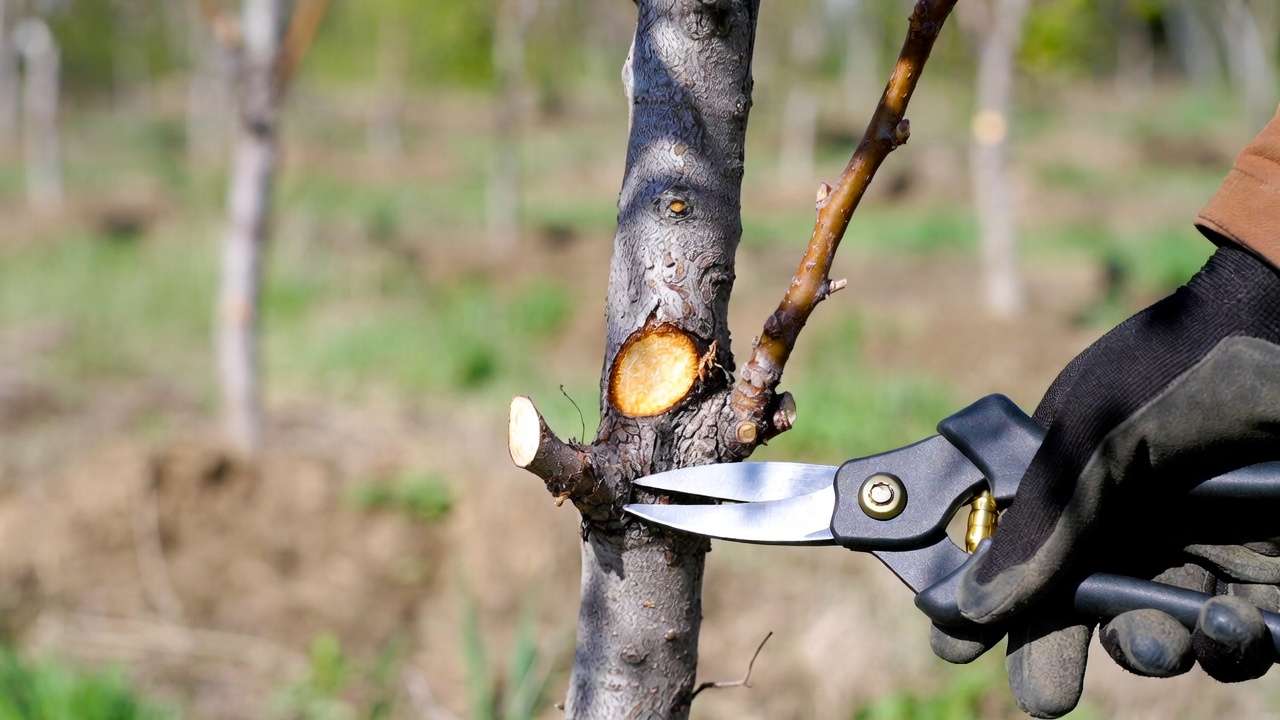
Remove rootstock suckers immediately—they steal energy from the scion. Use clean pruners and cut flush. On the scion, if multiple shoots emerge, select the strongest and pinch others to direct energy upward. Balance growth for even union development.
Long-Term Care and Strengthening the Graft Union (Months 2+) 🛡️
Building a Bulletproof Graft Union Over Time
As the season progresses, focus on durability.
Support and Protection Against Mechanical Damage
Stake vigorous scions to prevent wind breakage—use soft ties. Install tree guards against animals, sunscald, and weed whackers. In windy areas, extra support prevents stress on the still-maturing union.
Pruning for Structural Strength ✂️
Prune in late winter/early spring. Select a strong leader and remove competing shoots. Strategic pruning encourages callus overgrowth and balanced structure—aim for wide crotch angles (45–60°) to support future fruit loads.
Monitoring for Issues and Troubleshooting
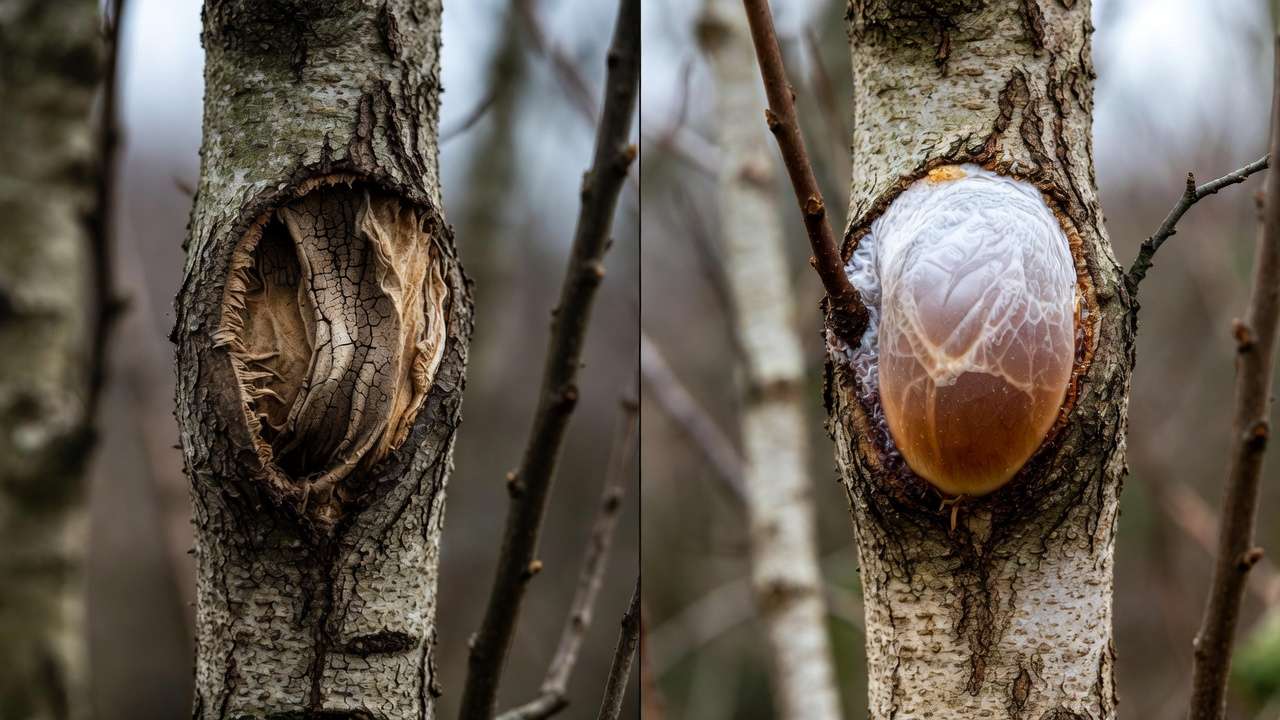
Successful healing shows swelling callus, vigorous growth, and no cracks. Failed signs: shriveled scion, no bud push after 8 weeks, or cracking. Common fixes: re-graft failed spots or use bridge grafting for damage. Early detection saves trees!

Advanced Tips from Expert Grafters 🌟
- Seasonal adjustments: Dormant-season grafts need less humidity protection; growing-season ones demand shade.
- Material recommendations: Parafilm for breathability, electrical tape for strength (remove before girdling), Tanglefoot sealer for cracks.
- Climate-specific advice: In dry regions like parts of Bangladesh, use extra wax and shade; humid areas watch for fungal risks. Expert insight: Many grafters note graft wounds heal stronger than natural tissue—proper care leverages this! 💪
Common Mistakes to Avoid ❌
- Removing wraps/tape too early (risks girdling or drying).
- Over/underwatering—leads to rot or desiccation.
- Exposing to direct sun/wind prematurely.
- Ignoring suckers—diverts energy.
- Poor labeling—loses track of varieties.
Real-World Examples and Case Studies 📖
Consider a whip-and-tongue apple graft: After parafilm wrap and shade, buds pushed in 3 weeks, full callus in 2 months—now a thriving tree! A pecan bark graft in humid conditions healed slowly but strongly with wax protection. Failed cases often stem from early unwrap or animal damage—preventable with vigilance.
Frequently Asked Questions (FAQs) ❓
- How long until I know the graft took? Bud swell/push in 2–8 weeks is a good sign; wait 3 months for confidence.
- When can I remove grafting tape/wax? When callus fully covers (6–12 months); cut flexible types to avoid girdling.
- What if the graft fails—can I try again? Yes—re-graft below if wood is viable.
- Is aftercare different for top-working mature trees? Yes—more support needed; leave nurse limbs temporarily.
- Best ways to protect grafts in winter? Hill soil over unions in cold climates; use guards against freeze cracks.
Conclusion + Call to Action 🎯
Mastering the healing and aftercare of graft unions transforms fragile joins into lifelong, productive connections. With consistent moisture protection, gentle support, and vigilant monitoring, your grafted trees will reward you with abundant fruit for years. Apply these essential tips, experiment confidently, and watch your success rate soar! Share your grafting stories or photos in the comments below—what worked for you? Happy grafting—your dream orchard starts at that perfect union! 🌳❤️











