

In our fast-paced world, where stress, anxiety, and mental fatigue have become all too common, many people are turning to nature for relief. Imagine stepping into your own backyard and immediately feeling your shoulders relax, your breathing slow, and a gentle sense of calm wash over you. This isn’t a distant dream—it’s the power of a healing garden for mental wellbeing, a thoughtfully designed outdoor space that harnesses plants, trees, and natural elements to support emotional balance and inner peace. 🌿
As someone deeply passionate about plant care and tree care, I’ve seen firsthand how even small, intentional gardens can transform daily life. Scientific research backs this up: studies show that time spent gardening reduces cortisol (the stress hormone), lowers blood pressure, improves mood, and even enhances cognitive function. Whether you’re dealing with everyday worries or seeking preventive self-care, creating a healing garden at home offers an accessible, low-effort way to nurture your mental health through the soothing presence of greenery.
In this comprehensive guide, we’ll explore everything you need to build your own stress-relieving sanctuary. From proven mental health benefits to practical design tips, plant recommendations (focusing on easy-care options), and ongoing maintenance, this article goes beyond basics to deliver skyscraper-level value—more insightful, actionable, and expert-driven than typical overviews. Let’s dig in and cultivate the peace you deserve. 😊
The Science-Backed Benefits of Healing Gardens for Mental Wellbeing
Healing gardens—also called therapeutic, restorative, or wellness gardens—aren’t just pretty spaces; they’re evidence-based tools for mental health support. Research from sources like the University of Minnesota’s Taking Charge program and meta-analyses in journals such as Nature and Preventive Medicine Reports consistently highlight how exposure to plants and green spaces promotes psychological, physiological, and behavioral improvements.
Key benefits include:
- Reduced anxiety and stress: Gardening lowers cortisol levels and promotes mindfulness. A 2018 review found regular gardening associated with lower prevalence of depression symptoms and better overall wellbeing.
- Improved mood and emotional resilience: Interacting with plants increases serotonin and dopamine, fostering happiness and a sense of accomplishment. One study showed participants experienced reduced depression and enhanced life satisfaction lasting months after sessions.
- Better focus and cognitive function: Nature restores attention without effort (known as Attention Restoration Theory), helping combat mental fatigue.
- Enhanced physical-mental connection: Light activity like planting or weeding boosts endorphins, improves sleep, and supports immune function—creating a virtuous cycle for mental health.
- Social and purpose-driven gains: Even solo home gardens build self-esteem and purpose; community versions add connection, but your backyard sanctuary works wonders alone.
These effects stem from biophilia—our innate affinity for nature—combined with sensory engagement (sights, scents, textures, sounds). For busy people in urban or suburban settings, a home healing garden provides accessible “nature therapy” without leaving your property.
Core Principles of Designing a Healing Garden at Home
A successful healing garden prioritizes simplicity, serenity, and sensory appeal over complexity. Follow these expert principles to align with restorative goals:
- Define your purpose — Focus on stress reduction, anxiety relief, or general peace. Prioritize calming over stimulating elements.
- Choose a peaceful location — Opt for a quiet corner with partial shade (to avoid harsh sun glare), good drainage, and privacy (use screens, fences, or tall plants).
- Incorporate sensory layers — Engage sight (soft colors), smell (aromatic herbs), touch (velvety leaves), sound (rustling leaves or water), and even taste (edible plants).
- Emphasize easy maintenance — Select drought-tolerant, low-pruning plants to prevent added stress.
- Create flow and refuge — Use gentle curves in paths, comfortable seating, and focal points like a bench under a tree.
- Add natural elements — Include water features (small fountain for white noise), rocks, or wind chimes for subtle soothing sounds.
Start small: Even a 10×10 ft area or containers on a patio can deliver big benefits.
Essential Design Elements for Maximum Calm
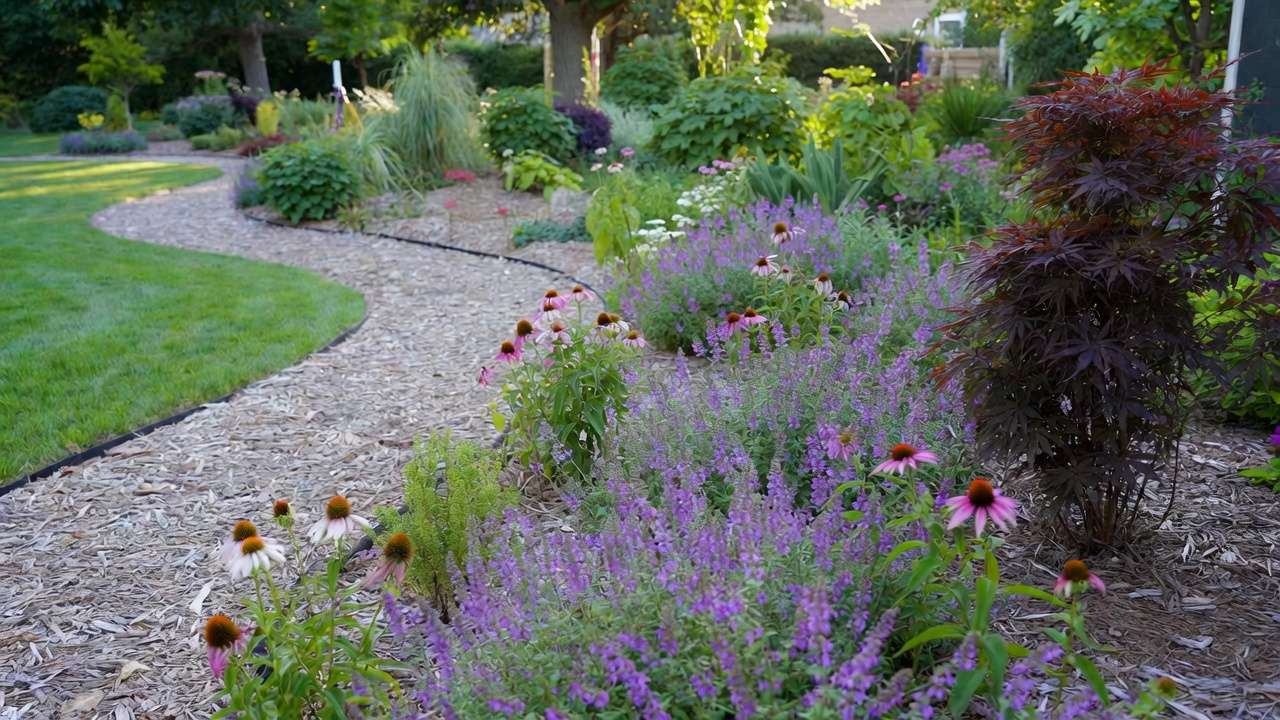
- Paths and hardscaping — Smooth, meandering paths (gravel or stepping stones) encourage slow, mindful walking. Avoid sharp angles.
- Seating areas — Place benches or hammocks in shaded spots facing greenery for reflection.
- Water features — A small solar fountain adds calming trickle sounds without high maintenance.
- Color palette — Soft blues, purples, greens, and whites promote tranquility (avoid overly bright reds/oranges).
- Shade and shelter — Trees or arbors provide dappled light and protection.
- Wildlife attraction — Birds and butterflies add gentle movement and joy.

These elements turn your space into a personal retreat that invites daily visits.
Best Easy-Care Plants and Trees for Stress Relief and Mental Peace
The heart of any healing garden lies in plant selection. Focus on species that are forgiving, low-maintenance, and therapeutically beneficial through fragrance, texture, or visual softness. Here are top recommendations tailored for mental wellbeing:

Aromatic Herbs (for calming scents that reduce heart rate and anxiety)
- Lavender (Lavandula angustifolia) — Iconic for stress relief; its scent lowers blood pressure. Easy-care: full sun, well-drained soil, drought-tolerant once established. Prune lightly after flowering. 🌸
- Lemon Balm (Melissa officinalis) — Citrusy aroma uplifts mood; great for tea. Grows vigorously in partial shade; cut back to control spread.
- Rosemary (Salvia rosmarinus) — Boosts memory and clarity; woody evergreen. Thrives in sunny, dry spots with minimal watering.

Soft-Textured Foliage (invites gentle touch for grounding)
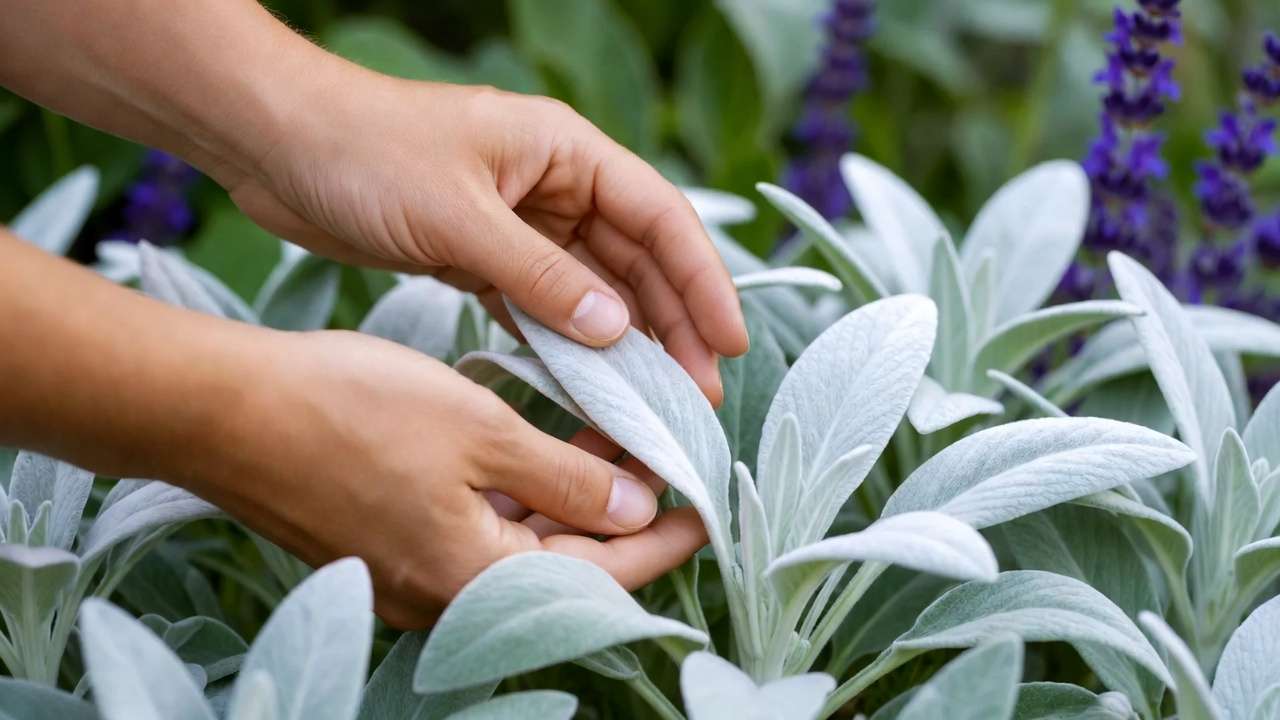
- Lamb’s Ear (Stachys byzantina) — Velvety silver leaves feel comforting; low-growing and drought-resistant.
- Ferns (e.g., Autumn Fern) — Lush, feathery fronds create serene shade; thrive in moist, shaded areas with little fuss.
Flowering Perennials (gentle beauty and pollinator support)
- Coneflower (Echinacea purpurea) — Purple blooms attract butterflies; hardy and low-care.
- Catmint (Nepeta) — Long-blooming lavender-blue flowers; deer-resistant and drought-tolerant.
Trees for Structure and Long-Term Calm (anchor your garden with peaceful presence)
- Japanese Maple (Acer palmatum) — Delicate leaves in soft reds/greens; provides dappled shade. Choose dwarf varieties for small spaces; mulch well.
- Serviceberry (Amelanchier) — Multi-season interest (flowers, berries, fall color); low-maintenance native tree that attracts birds.
- Crepe Myrtle (Lagerstroemia) — Smooth bark, summer blooms; heat-tolerant and easy-prune.
Bonus Easy-Care Additions
- Bamboo (clumping varieties) — Rustling sounds for white noise; contained to prevent spreading.
- Jasmine or Star Jasmine — Fragrant evening blooms; climb trellises for privacy.
Plant in groups for impact, mulch to retain moisture, and water deeply but infrequently to encourage resilience.
Ongoing Maintenance: Keeping Your Healing Garden Low-Stress and Thriving
The beauty of a healing garden lies in its simplicity—once established, it should demand minimal effort so it supports your mental wellbeing rather than adding to your to-do list. Focus on preventive, gentle care that feels meditative rather than burdensome. Here’s a practical, expert-level maintenance plan tailored for easy-care setups.
Daily/Weekly Rituals (5–15 minutes)
- Mindful observation — Spend a few moments simply sitting or walking in the space. Notice leaf movement, scents, or bird visits—this passive engagement alone reduces anxiety without any “work.”
- Light watering — Check soil moisture by sticking a finger 1–2 inches deep. Water deeply but infrequently (every 5–7 days in most climates) to encourage deep roots and drought resilience. Use a soaker hose or drip system for hands-off efficiency.
- Quick deadheading — Snip faded blooms on perennials like coneflowers or catmint. This promotes more flowers and feels satisfyingly productive.
Monthly Tasks
- Mulch refresh — Add or redistribute 2–3 inches of organic mulch (e.g., bark or shredded leaves) around plants and trees. This suppresses weeds, retains moisture, regulates soil temperature, and slowly feeds the earth—key for low-maintenance success.
- Gentle pruning — Remove dead or crossing branches from trees like Japanese maple or serviceberry. For herbs like lavender and rosemary, trim lightly after flowering to maintain shape and encourage bushiness. Never shear heavily—aim for natural form.
- Weed patrol — Pull invaders by hand while enjoying the textures and scents around you. Consistent small efforts prevent big problems.
Seasonal Care Guide
- Spring — Rake lightly to remove winter debris. Apply a slow-release organic fertilizer around perennials and trees (avoid high-nitrogen types that push leggy growth). Divide overcrowded clumps of lamb’s ear or ferns if needed—sharing extras can feel rewarding. 🌷
- Summer — Monitor for heat stress (wilting leaves); provide extra shade cloth over young trees if temperatures soar. Harvest herbs regularly to keep them compact and aromatic.
- Fall — Leave seed heads on coneflowers and catmint for winter interest and wildlife food. Mulch heavily after the first frost. Plant spring bulbs (like daffodils) for early color next year.
- Winter — Minimal intervention—protect tree trunks from sunscald with wraps if in cold zones. Enjoy the structure of evergreens and bare branches for quiet reflection.
Troubleshooting Common Issues Without Stress
- Yellow leaves? Often overwatering—let soil dry out more.
- Pests? Encourage beneficial insects with your pollinator plants; spot-treat with neem oil if needed.
- Slow growth? Test soil pH (most recommended plants prefer 6.0–7.0); add compost annually.
By keeping routines short and intentional, maintenance becomes part of your self-care ritual rather than a chore.
Real-Life Examples: How Home Healing Gardens Transform Lives
While much research focuses on clinical settings, home backyard versions deliver similar benefits. Consider these inspiring, evidence-informed examples:
- Urban Apartment Balcony Retreat — A busy professional in a small space used containers with lavender, lemon balm, and a dwarf Japanese maple. Daily tea from the herbs and evening scents reduced her work-related anxiety significantly, mirroring findings from studies on sensory engagement during isolation periods.
- Suburban Family Sanctuary — Parents dealing with post-pandemic stress created a corner with serviceberry (for birds and berries), ferns, and a small fountain. Family members reported better sleep and family bonding through shared tending—echoing research on nature’s role in emotional resilience.
- Solo Senior Haven — An older adult planted low-maintenance natives like coneflower and catmint around a bench under a crepe myrtle. Regular visits improved mood and reduced feelings of isolation, aligning with 2024–2025 studies showing gardening boosts quality of life and reduces agitation in older populations.
These real-world applications show that even modest spaces yield profound mental health gains when designed thoughtfully.
Integrating Mindfulness and Daily Rituals Into Your Garden
To maximize benefits:
- Practice grounding by touching soil or velvety lamb’s ear leaves.
- Use aromatherapy naturally—crush lavender or rosemary between fingers for instant calm.
- Create a gratitude journal spot — Sit with a notebook to note three peaceful observations daily.
- Try forest bathing lite — Slowly walk your paths, engaging all senses without goal or phone.
These small habits amplify the garden’s therapeutic effects, turning it into a daily mental health tool.
Final Thoughts: Start Small, Grow Your Peace
Building a healing garden for mental wellbeing doesn’t require perfection or a large yard—just intention and easy-care plants and trees that work with you. Start with 3–5 favorites (lavender, Japanese maple, lemon balm, ferns, coneflower), add a bench, and let the space evolve naturally. Over time, you’ll notice reduced anxiety, boosted peace, better focus, and a deeper connection to nature—all from your own backyard sanctuary.
Gardening isn’t just about plants; it’s about nurturing yourself. You’ve got this—one gentle step (and one gentle plant) at a time. 🌱💚











