
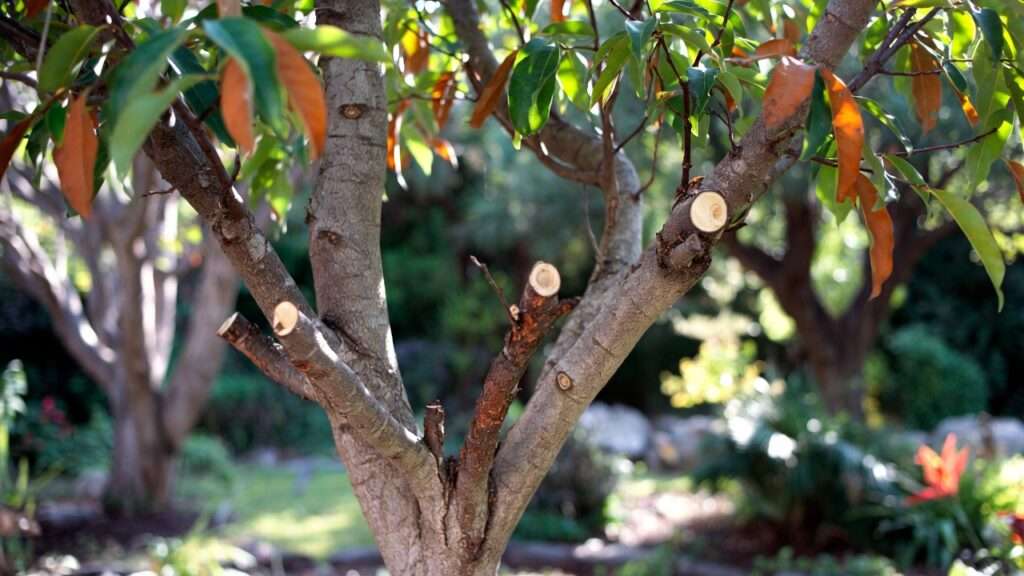
Imagine this: You’ve just finished pruning that overgrown branch on your beloved backyard oak or apple tree, stepping back to admire your work. But then the worry creeps in — that fresh, pale cut stares back at you like an open wound. 😟 Will it heal? How long until it’s sealed over? Could improper care doom your tree to decay or disease? You’re not alone — thousands of gardeners and homeowners search for answers to healing time for pruned branches every year, anxious about their trees’ long-term health.
The good news? Trees are incredibly resilient. They don’t “heal” wounds the way humans or animals do by regenerating damaged tissue. Instead, they seal and compartmentalize them through a remarkable natural defense system. 🌿 In this comprehensive guide, we’ll dive deep into the science of tree wound recovery, realistic timelines for healing time for pruned branches, key factors that speed up or slow down the process, species-specific examples, and expert-backed tips to support your tree’s recovery. By the end, you’ll feel confident monitoring your pruned trees and giving them the best chance to thrive for decades. Let’s get started! 📈
Understanding How Trees “Heal” After Pruning (Core Education) 🔍
What Happens When You Prune a Branch? The Science Behind It 🧬
When you make a pruning cut, you expose living tissues to the outside world — but trees have evolved an elegant strategy called compartmentalization. This process, formalized as the CODIT model (Compartmentalization Of Decay In Trees) by renowned plant pathologist Dr. Alex Shigo in the 1970s and 1980s, is the cornerstone of modern arboriculture.
CODIT describes how trees create four “walls” to isolate decay and prevent it from spreading:
- Wall 1: Chemical and physical barriers in the wood fibers limit vertical (up/down) spread of decay.
- Wall 2: Strengthened ray cells block tangential (side-to-side) movement.
- Wall 3: Radial rays form maze-like barriers.
- Wall 4: The strongest wall — new woundwood (callus tissue) forms from the cambium layer around the wound edges, eventually sealing the exterior. ⚡
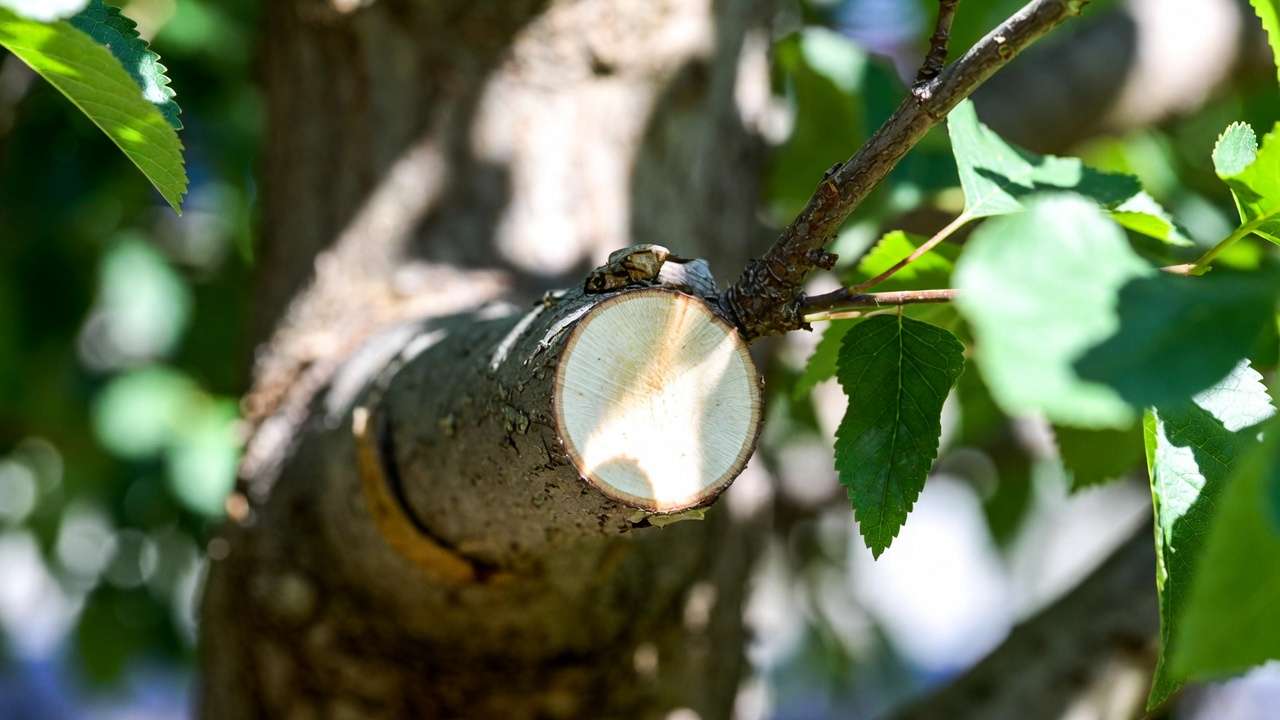
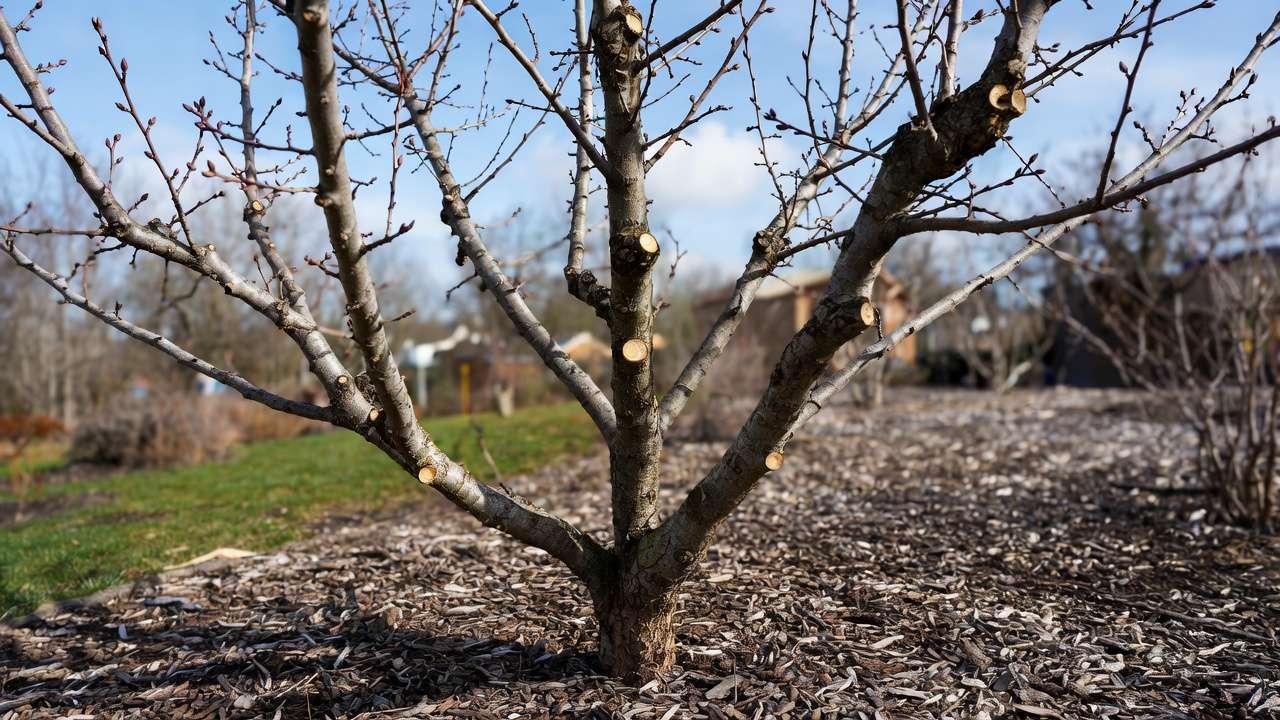
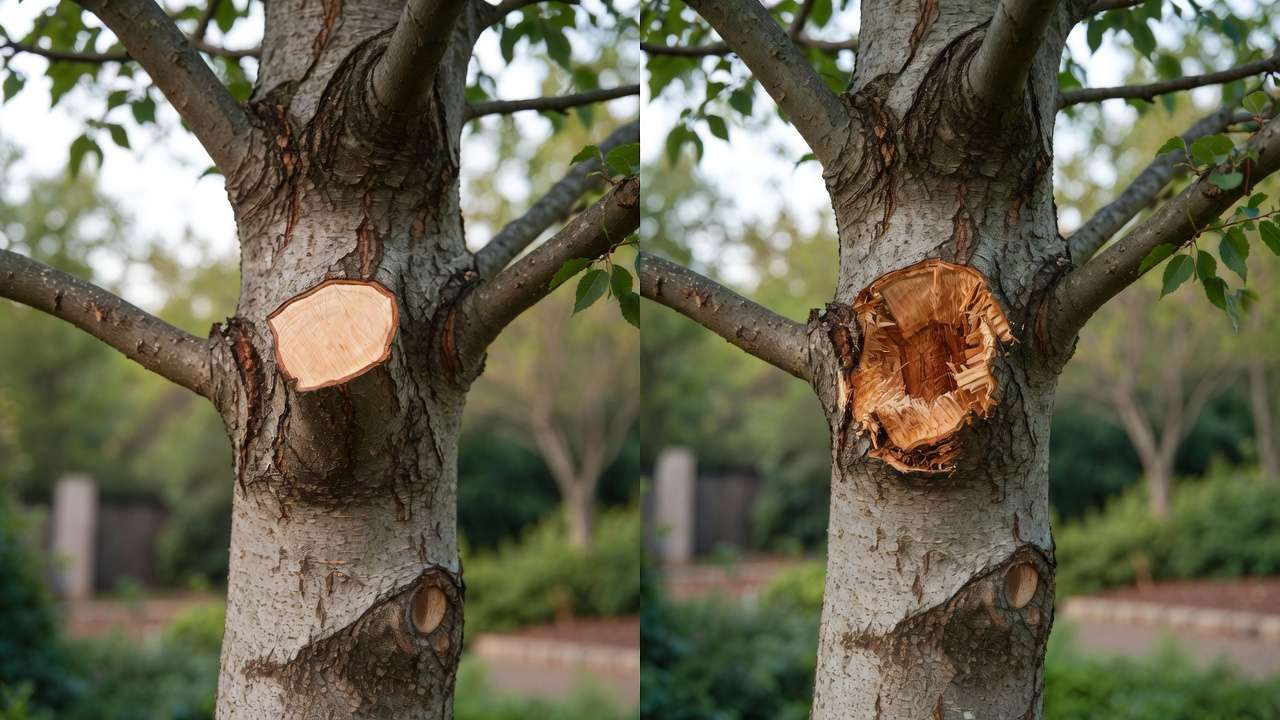
This isn’t true healing; it’s sealing to protect healthy tissues. Internal decay may be walled off in 1–3 years in vigorous trees, while external closure (visible sealing with new bark-like tissue) takes much longer. Proper cuts preserve the branch collar — that swollen ring where branch meets trunk — allowing faster callus roll-over. Flush cuts or stubs damage this collar, enlarging the wound and inviting decay. Always use sharp, clean tools to minimize tearing! ✂️
Why Wound Healing Time Varies So Much ⏳
Healing time for pruned branches isn’t one-size-fits-all. It depends on multiple interconnected factors:
- Wound size — Pencil-sized cuts (under 1 inch) close fastest; large limb removals (over 4–6 inches) may take 10–20+ years or never fully close externally, though compartmentalized internally.
- Tree species — Some compartmentalize quickly (e.g., maples, oaks); others slowly (e.g., beech, birch, silver maple often struggle with large wounds).
- Tree health and age — Vigorous, young trees recover quickest due to strong cambial activity; stressed, old, or nutrient-poor trees lag.
- Pruning season — Dormant winter cuts (late fall to early spring) minimize stress and pathogen entry; growing-season pruning risks bleeding or slower callus.
- Environmental conditions — Good soil drainage, adequate water, nutrients, sunlight, and oxygen promote faster woundwood production. Drought, compaction, or poor fertility slow everything.
Expert insight: A healthy tree prioritizes compartmentalization over rapid external sealing — the internal walls are what truly save the tree from systemic decay. 🌟 Stressed trees may compartmentalize poorly, leading to long-term issues.
Realistic Timelines: How Long for Pruned Branches to Seal? ⏰
Short-Term Recovery: What Happens Right After the Cut? ⚡
- Minutes to days: Sap flows (normal “bleeding” in maples, birches, walnuts — harmless!), natural chemical barriers activate, and tyloses (balloon-like plugs) block vessels.
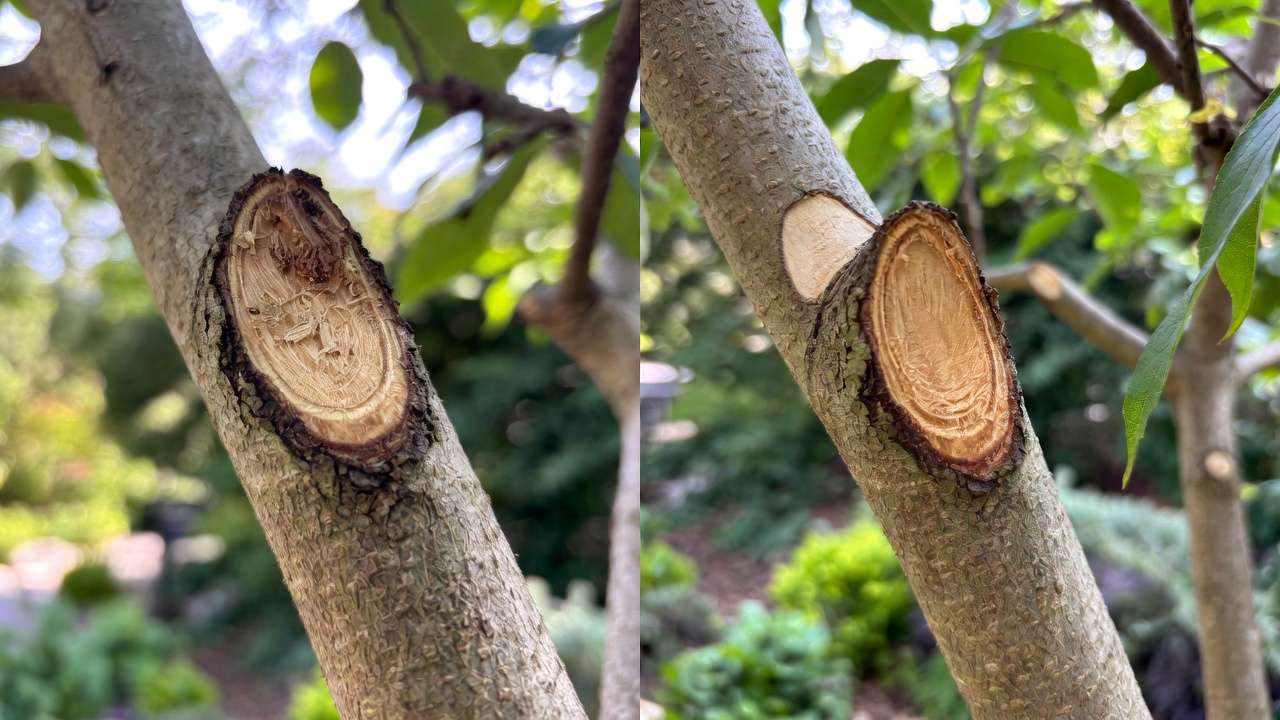
- Weeks to months: Callus tissue starts forming at edges during active growth. Small wounds show a visible “roll” of woundwood in 1–6 months in the growing season.
Medium-Term: Internal Compartmentalization 🛡️
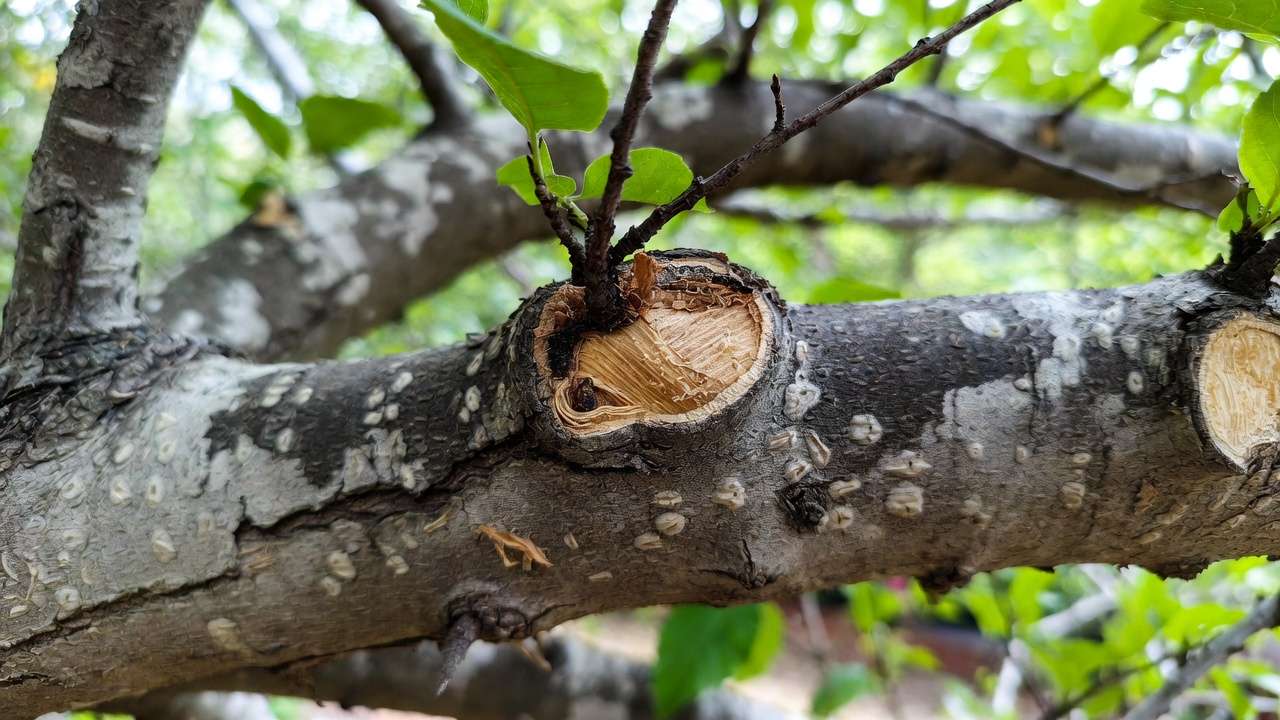
- 1–3 years: In healthy trees, decay is fully isolated internally via CODIT walls. This is the most critical phase for survival — even if the exterior isn’t closed, the tree can thrive if decay is contained. 🔒
Long-Term: Full External Sealing and Visual Recovery 🌲
- Small branches (1–2 inches): Often 2–5 years for near-complete closure with proper care.
- Medium limbs (3–6 inches): 5–15 years typical.
- Large limbs/trunk wounds (>6 inches): 15–20+ years or never fully closes externally — but the tree remains healthy if compartmentalized well.
Some species never fully seal large cuts (e.g., silver maples, beech), but they endure for decades. Visual progression: Early callus looks bumpy and pale; mature woundwood darkens and bark-like. (Imagine a series of photos here showing year-by-year closure on an oak branch — from raw cut to nearly invisible scar!)
Species-Specific Healing Time Examples 🌿
- Fast recoverers: Maples (especially sugar/red), oaks, dogwoods — medium cuts often seal in 3–10 years with good vigor.
- Moderate: Fruit trees (apples, cherries), pines — quicker in healthy specimens, aided by dormant pruning.
- Slower: Beech, birch, walnuts — prone to decay if cuts are poor; large wounds may remain open indefinitely.
- Pro tip: Fruit trees bounce back faster with annual maintenance pruning in dormancy, boosting overall vigor. 🍎
How to Support Your Tree’s Recovery After Pruning (Actionable Tips) 🛠️
Best Practices Immediately After Pruning 🌱
- Skip wound paints/sealants! Modern consensus from arborists and studies (including Shigo’s research) shows they trap moisture, block oxygen, and can worsen decay — except in oak wilt-prone areas (use latex paint only then). 🚫
- Make clean cuts just outside the branch collar — no stubs, no flush cuts.
- Limit removal to 20–25% of canopy per session to avoid shock.
Ongoing Care to Speed Up Healing Time 🌟
- Water deeply during dry spells, especially the first 1–2 years post-pruning — aim for 1 inch/week.
- Mulch 3–4 inches deep (keep away from trunk) to retain moisture, regulate soil temperature, and suppress weeds.
- Fertilize wisely — slow-release balanced formula in spring if soil tests show deficiency; avoid excess nitrogen, which promotes weak growth.
- Monitor closely — Watch for oozing, dark discoloration, fungi, or pests. Call a certified arborist if signs of trouble appear. 👀
- Bonus: Prune in dormant season (winter) for minimal stress and explosive spring recovery. ❄️
Common Mistakes That Delay Healing (And How to Avoid Them) ❌
- Flush cuts or stubs — enlarge wounds, damage collar, slow compartmentalization.
- Using wound dressings routinely — outdated myth; they hinder natural sealing.
- Over-pruning/topping — stresses tree, creates weak sprouts, invites decay.
- Ignoring pre-pruning health — weak trees heal slowly; address issues first.
Real-World Examples and Case Studies 📖
Picture a healthy red maple: A 4-inch branch pruned in winter shows callus edges by summer Year 1, significant roll-over by Year 3, nearly sealed by Year 7. Contrast with a stressed fruit tree from poor cut: Ongoing oozing and decay years later due to improper technique.
These examples highlight why technique and care matter — many “problem” trees recover beautifully with the right approach!
FAQs About Healing Time for Pruned Branches ❓
- How long does it take for a tree to recover from heavy pruning? Varies widely — small trees bounce back in 2–5 years; large ones may need 10+ years of supportive care.
- Should I cover pruning wounds with paint or sealant? No, except for specific diseases like oak wilt — let nature handle it!
- Why is my pruned branch still bleeding/oozing? Normal in “bleeders” like maples/birches; it stops naturally and doesn’t harm the tree.
- Can a tree die from a pruning wound? Rarely if compartmentalized well — but poor cuts + stress increase risk.
- What’s the fastest way to help a tree seal a cut? Proper cut, dormant pruning, deep watering, mulching, and overall health boost.
- Do large wounds ever fully close? Often not externally, but internal sealing keeps the tree alive and strong.
- Is bleeding sap harmful? No — it’s protective and stops on its own.
- How do I know if decay is spreading? Look for soft wood, fungi, or hollow sounds — consult an arborist.
- Best time to prune for fastest healing? Dormant season for most species.
- Do evergreens heal differently? Yes — slower external closure, but compartmentalize effectively.
Conclusion + Call to Action 🌿
Healing time for pruned branches boils down to nature’s genius: compartmentalization via CODIT, influenced by wound size, species, health, season, and care. With proper technique and supportive aftercare, most trees seal beautifully over years — emerging stronger and more resilient. Your tree isn’t fragile; it’s a survivor! Give it the right start, and watch it thrive. 💚
Have you pruned recently? Share your experiences or photos in the comments below — I’d love to hear how your trees are doing! Subscribe for more expert tree care tips, or consult a certified arborist for hands-on help with big jobs. Happy pruning — and happier, healthier trees ahead! 🌳😊











