
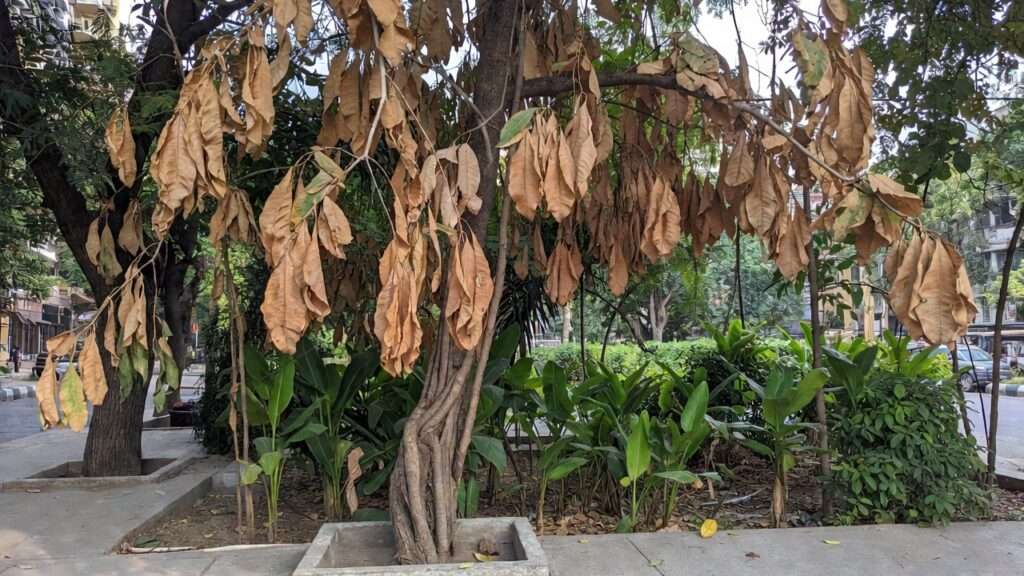
Imagine stepping out into your Dhaka balcony garden on a sweltering April afternoon, only to find your prized mango sapling wilting despite yesterday’s deep watering, or noticing the leaves on your neighborhood neem tree turning crisp and yellow far earlier than usual. This isn’t just “summer stress” — it’s the heat island effect on urban plants in action, turning city greenspaces into hotter, harsher environments where vegetation struggles to thrive. In densely built cities like Dhaka, temperatures can soar 2–10°C higher than surrounding rural areas due to concrete jungles absorbing and re-radiating heat. This extra warmth directly stresses urban trees and plants, shortening growing seasons in tropical settings, increasing water demands, and making them more vulnerable to pests and diseases. But here’s the good news: with informed care, your urban plants can not only survive but become powerful allies in cooling your neighborhood. In this in-depth guide, we’ll explore the science-backed impacts and share practical, expert strategies to protect and nurture your city greenery. 🌳💚
As a plant care specialist focused on tropical urban environments, I’ve seen firsthand how rising urban temperatures challenge everything from street-side kadam trees to potted tulsi on rooftops. Drawing from NASA and EPA research on urban heat islands (UHI), along with studies specific to tropical cities like Kampala and Dhaka, this article provides comprehensive insights to help gardeners, arborists, and homeowners build resilient green spaces.
What Is the Urban Heat Island (UHI) Phenomenon? 🌆🔥
The urban heat island effect occurs when cities become significantly warmer than nearby rural or vegetated areas, primarily due to human-made surfaces like asphalt roads, concrete buildings, and dark roofs that absorb solar radiation during the day and release it slowly at night. Other contributors include reduced vegetation (less shade and evapotranspiration), waste heat from vehicles and air conditioners, and dense building layouts that trap warm air.
In temperate climates, UHI might extend growing seasons by providing extra warmth in spring. But in tropical cities like Dhaka — with already high baseline temperatures and humid monsoons — the effect is often limiting. Research shows surface temperatures in built-up zones can reduce vegetation growing seasons, as seen in studies from Uganda’s Kampala, where the most urbanized areas had the shortest seasons due to heat stress.
Dhaka exemplifies this: Rapid urbanization has intensified UHI, with land surface temperature hotspots increasing alongside built-up expansion. Studies indicate UHI intensity in major Bangladeshi districts, including Dhaka, can reach 6–10°C in core areas, exacerbating heat for both people and plants. Nighttime cooling is minimal because impervious surfaces retain heat, leading to prolonged stress on urban flora.
How UHI Differs in Tropical vs. Temperate Climates
- Temperate zones: Higher urban temps can mimic mild “global warming” effects, sometimes lengthening growing seasons for certain species.
- Tropical/subtropical zones (like Bangladesh): Heat often exceeds optimal thresholds for many plants, shortening seasons, increasing transpiration demands, and causing physiological strain. In Dhaka, pre-monsoon heat combined with UHI creates extreme conditions where plants face compounded stress.
The Real Stress on Your Urban Greenery 🍃😓
The heat island effect on urban plants triggers multiple direct impacts:
- Increased transpiration and water demand: Plants lose more water through leaves to cool themselves, requiring up to 10%+ extra moisture in hotter microclimates. Without adequate soil water, stomata close, reducing photosynthesis.
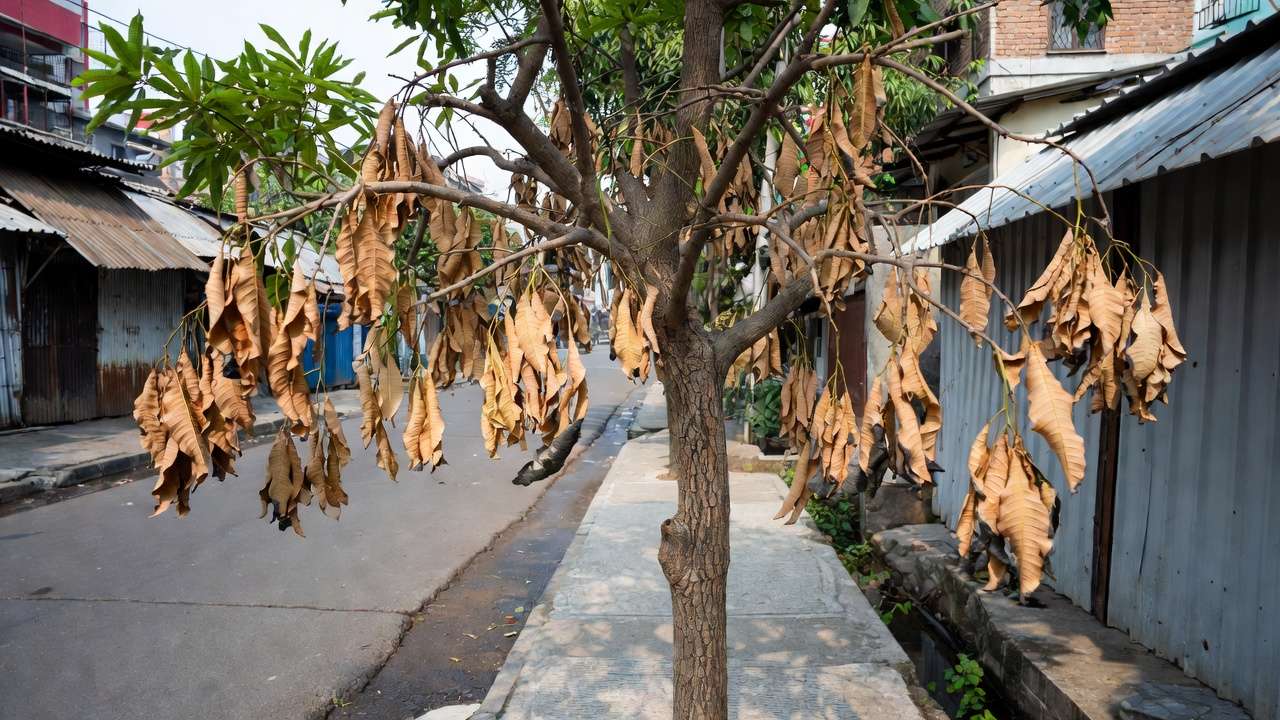
- Heat stress and photoinhibition: High temperatures damage photosynthetic machinery, leading to reduced growth and leaf scorching.
- Altered phenology: In tropics, excessive heat shortens growing seasons by delaying or disrupting budding, flowering, and fruiting. Satellite data from tropical cities shows vegetation in dense urban cores has shorter active periods.
- Higher susceptibility to pests/diseases: Stressed plants weaken defenses, inviting borers, aphids, or fungal issues common in humid tropics.
- Reduced biomass and longevity: Chronic exposure leads to stunted roots, thinner canopies, and shorter lifespans for street trees.
Impacts on Different Plant Types
- Street trees (e.g., exposed to reflected heat from roads/buildings) suffer most — young saplings often fail establishment.
- Park or garden plants fare better with more soil volume and shade.
- Native species (adapted to local heat) generally outperform exotics, though many urban favorites like mango or neem show resilience when properly sited.
Real-world evidence: In tropical studies, land surface temperature rises correlate with shorter growing seasons (p < 0.001), contrasting temperate patterns where warmth extends seasons. In Dhaka, unplanned urbanization amplifies this, reducing tree health in core areas.
The Vicious Cycle – Heat Hurts Plants, Fewer Healthy Plants Worsen Heat 🔄🏙️
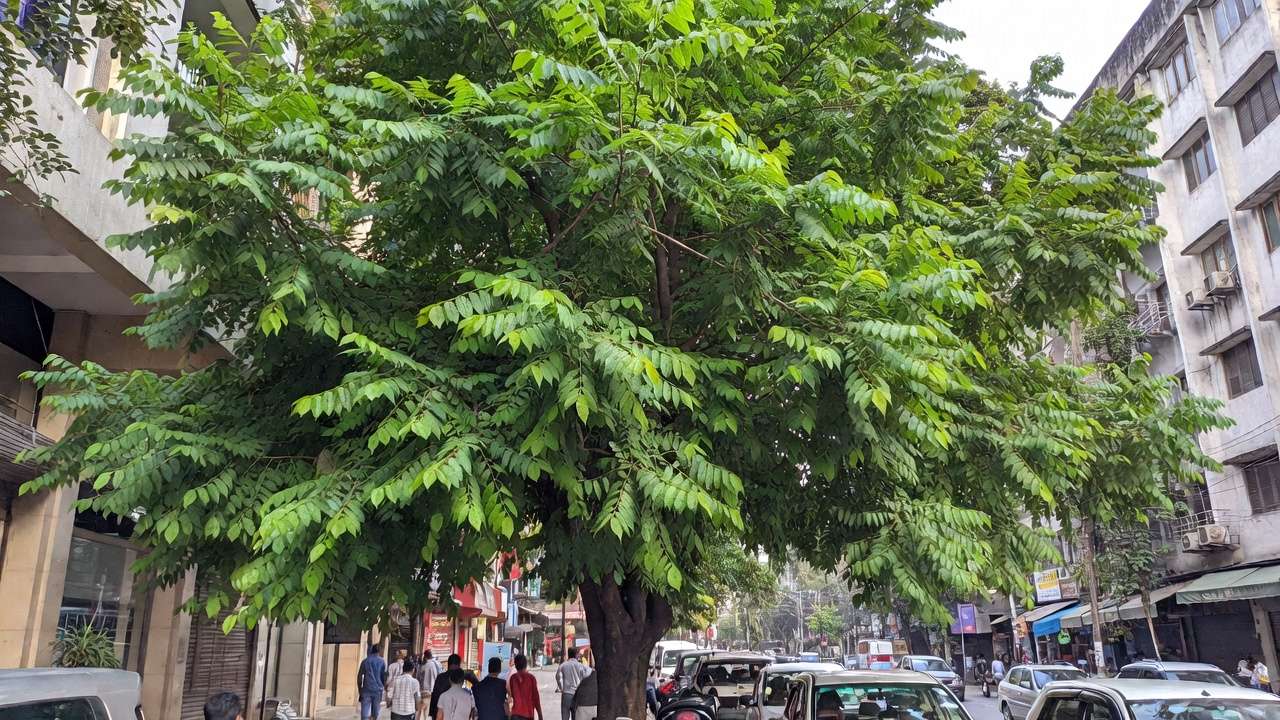
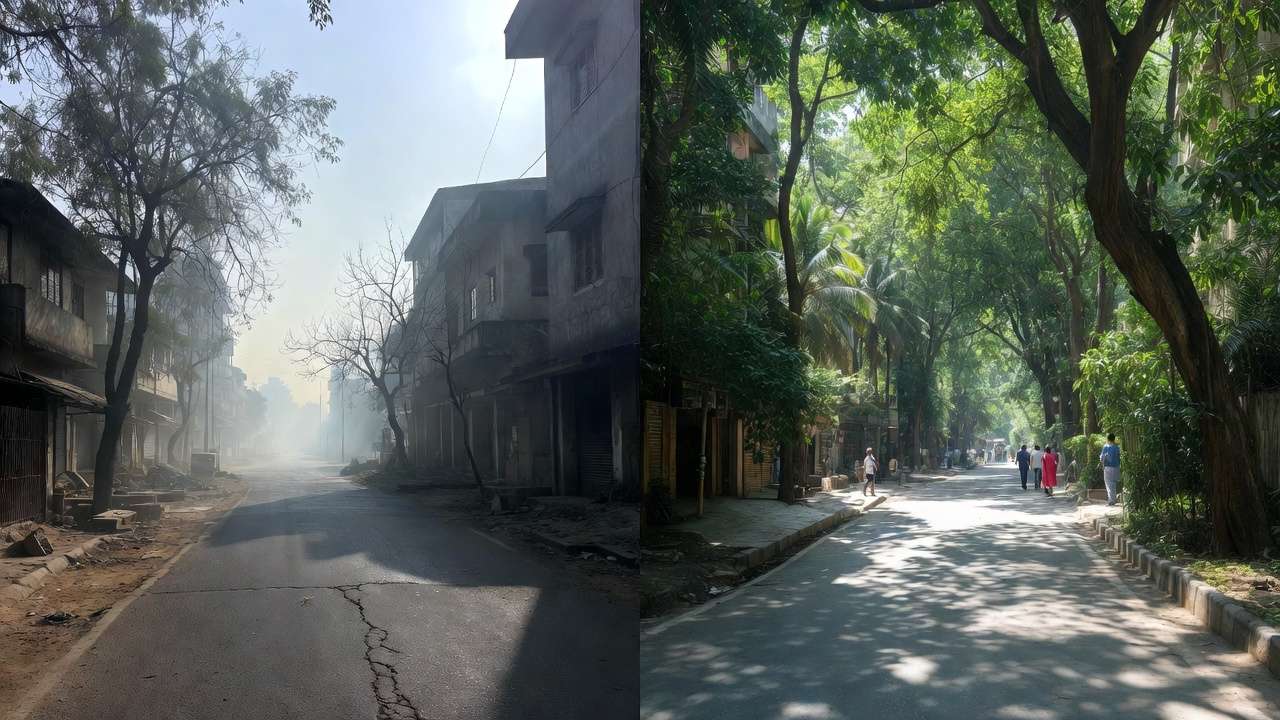
Urban plants fight back against UHI through shade (blocking solar radiation) and evapotranspiration (releasing cooling moisture). Mature trees can lower local air temps by 2–9°F (1–5°C), with canopies of 40%+ providing optimal cooling. NASA research highlights vegetation as key to limiting city warming — areas with more greenery show reduced UHI intensity.
But when UHI stresses plants → dieback or poor growth → less canopy cover → amplified heat → more stress. This cycle hits equity hard: Hotter, low-canopy neighborhoods (often lower-income) face greater health risks, higher energy bills, and lost biodiversity. In Dhaka, rapid tree loss in expanding areas worsens local heat, impacting millions.
Actionable Tree and Plant Care Tips for Hotter Cities 💪🌱
Protecting urban plants requires proactive strategies tailored to tropical realities:
Site Selection and Planting Best Practices 🌳 Choose heat- and drought-tolerant natives or adapted species. In Dhaka/tropical Asia:
- Neem (Azadirachta indica) — Excellent heat resilience, pest-repellent.
- Mango (Mangifera indica) — Thrives in heat with good watering.
- Terminalia catappa (Indian almond) — Superior cooling via dense canopy (studies show best thermal comfort in tropical cities).
- Banyan (Ficus benghalensis) or Peepal (Ficus religiosa) — Large shade providers. Plant in groups for mutual shading; avoid heat-reflective spots near asphalt. Best planting: Monsoon onset for root establishment.
Watering and Soil Management 💧
- Deep, infrequent watering (encourages deep roots).
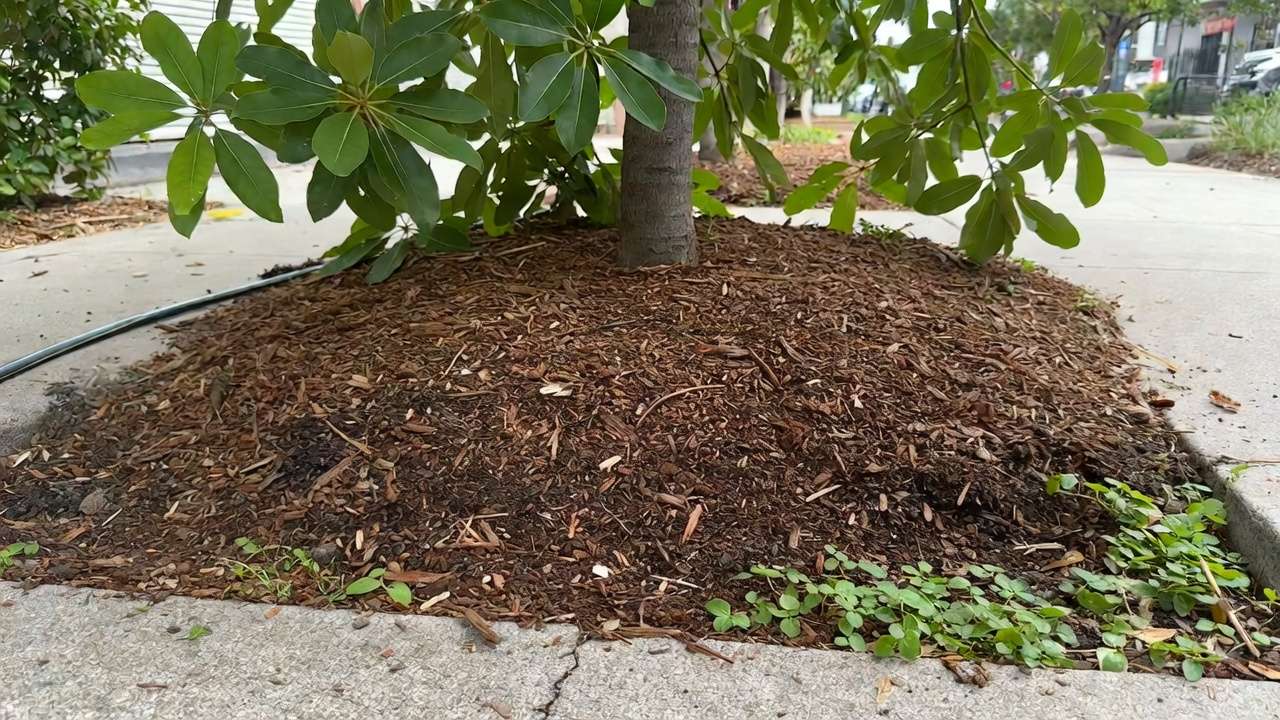
- Apply 5–10 cm organic mulch to retain moisture and cool soil.
- Amend soil with compost for better water-holding in clay-heavy Dhaka soils.
Pruning, Protection, and Maintenance ✂️
- Prune lightly in cooler months to avoid sunscald.
- Wrap young trunks to prevent bark cracking from reflected heat.
- Monitor for stress signs: Wilting, leaf curl, early drop.
Enhancing Microclimates 🏡
- Companion planting with shade-tolerant understory.
- Green walls/roofs for balconies.
- Permeable paving to reduce runoff/heat.
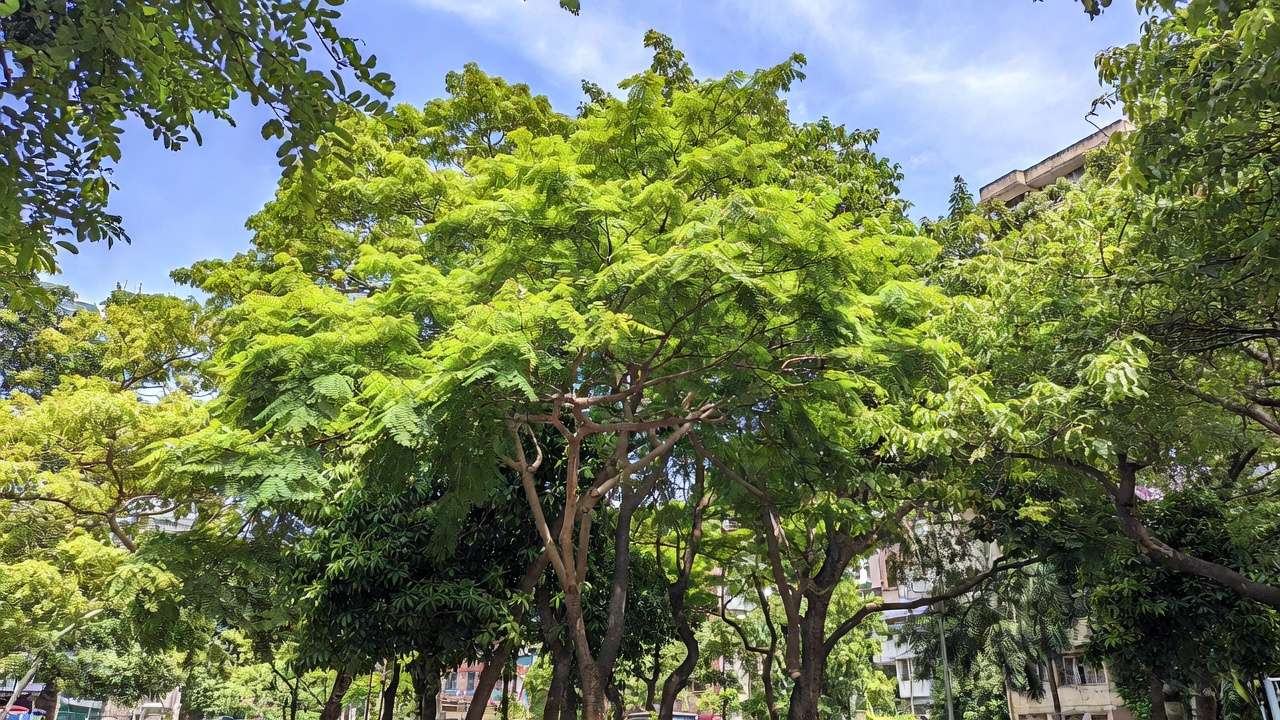
Top Heat-Resilient Recommendations for Tropical Urban Settings Prioritize broad-canopied, evergreen or semi-evergreen natives. Avoid high-water exotics in water-scarce spots.
Community and Long-Term Solutions Advocate for municipal tree planting; join local greening initiatives. Cities with targeted canopy goals see measurable UHI reduction.
Expert Insights and Real-World Success Stories 📚🔍
EPA and NASA emphasize vegetation’s role: Trees mitigate UHI via shade + evapotranspiration, with studies showing 40% canopy cover drops temps 4–5°C. Tropical research (e.g., Kampala) urges planners to prioritize heat-sensitive vegetation. In Asian cities, increasing green cover prevents premature deaths from heat.
Success: Some Dhaka neighborhoods with community gardens show cooler microclimates and healthier trees.
Frequently Asked Questions (FAQs) ❓
Does UHI always shorten growing seasons? In tropics, yes — heat limits rather than extends, per satellite studies.
How much extra water do urban plants need? Often 10–20% more; monitor soil and adjust seasonally.
Can planting more trees make areas hotter? Rarely in humid tropics; benefits outweigh in most cases (arid exceptions exist).
Best time to plant in hot climates like Dhaka? Early monsoon for root growth before peak heat.
Signs your tree suffers from UHI stress? Leaf scorch, wilting despite water, reduced flowering, dieback.
Empower Your Green Space in a Warming World 🌍💚
The heat island effect on urban plants is a real challenge, but informed action turns vulnerable greenery into resilient, cooling assets. Start small: Mulch one tree today, choose heat-tolerant species for your next planting, or advocate for more urban canopy. Your efforts contribute to cooler streets, healthier ecosystems, and a more livable Dhaka. Share your progress — together, we can grow a greener, cooler city! 🌳❤️











