
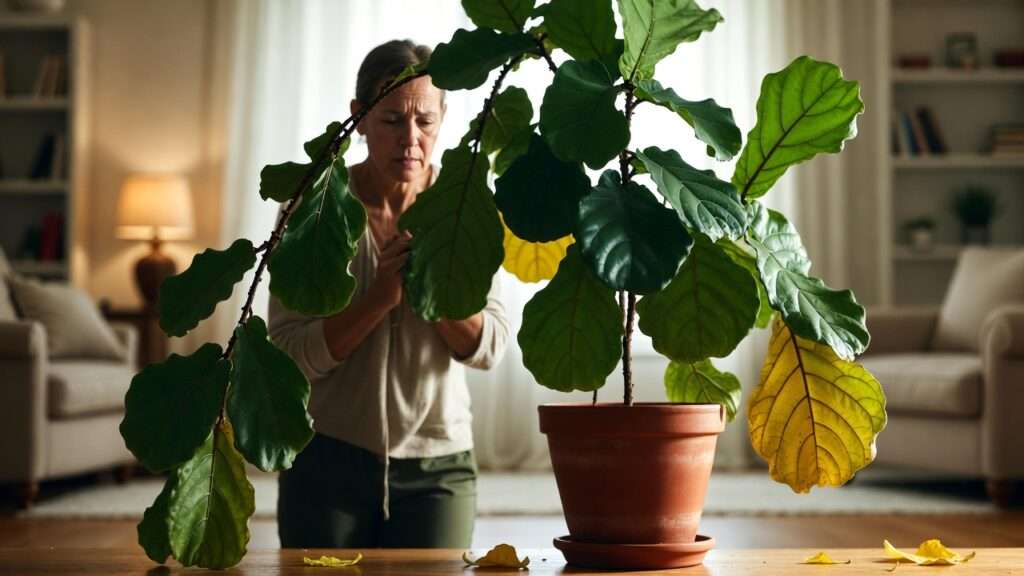
Help! My plant is shedding leaves — those four little words that make every plant lover’s stomach drop. You walk into the room, and there it is: a heartbreaking carpet of yellow, brown, or crispy leaves under your beloved Fiddle Leaf Fig, Monstera, or even your outdoor citrus tree. Your first thought? “Is my plant dying?”
I’ve been there too — and so have the thousands of plant parents I’ve helped over my 15+ years as a certified horticulturist. The good news? In almost every case, leaf drop is NOT a death sentence. It’s your plant’s way of waving a white flag and saying, “Hey, something’s wrong — please help!”
In this ultimate guide (designed to be more helpful than anything else you’ll find online), you’ll discover the exact 7 reasons your plant is shedding leaves, plus fast-acting, proven fixes that work — often within days. You’ll also get a printable diagnostic checklist, a 14-day revival roadmap, prevention tips that actually stick, and plant-specific advice for the most common indoor houseplants and garden trees.
By the end, you’ll feel confident, calm, and ready to nurse your green friend back to lush, vibrant health. Let’s turn that leaf-drop panic into proud-plant-parent joy! 🌿✨
😢 Why Do Plants Shed Leaves? The Science Behind the Tears
Plants don’t cry — but they do drop leaves on purpose. This process is called abscission, and it’s actually a smart survival strategy. In nature, trees drop leaves in autumn to conserve energy. Indoors or in your garden, sudden or excessive leaf drop is almost always a stress signal.
Your plant is saying: “I’m using too much energy keeping these leaves alive, so I’m letting them go to focus on new growth.” As someone who has rescued everything from dying Snake Plants to stressed outdoor mango trees in Dhaka’s humid climate, I can tell you that 95 % of these cases are completely reversible when you catch them early.
Understanding this science is the first step to stopping the shedding for good. Your plant isn’t being dramatic — it’s communicating. Now it’s our job to listen and act. 🗣️🌱
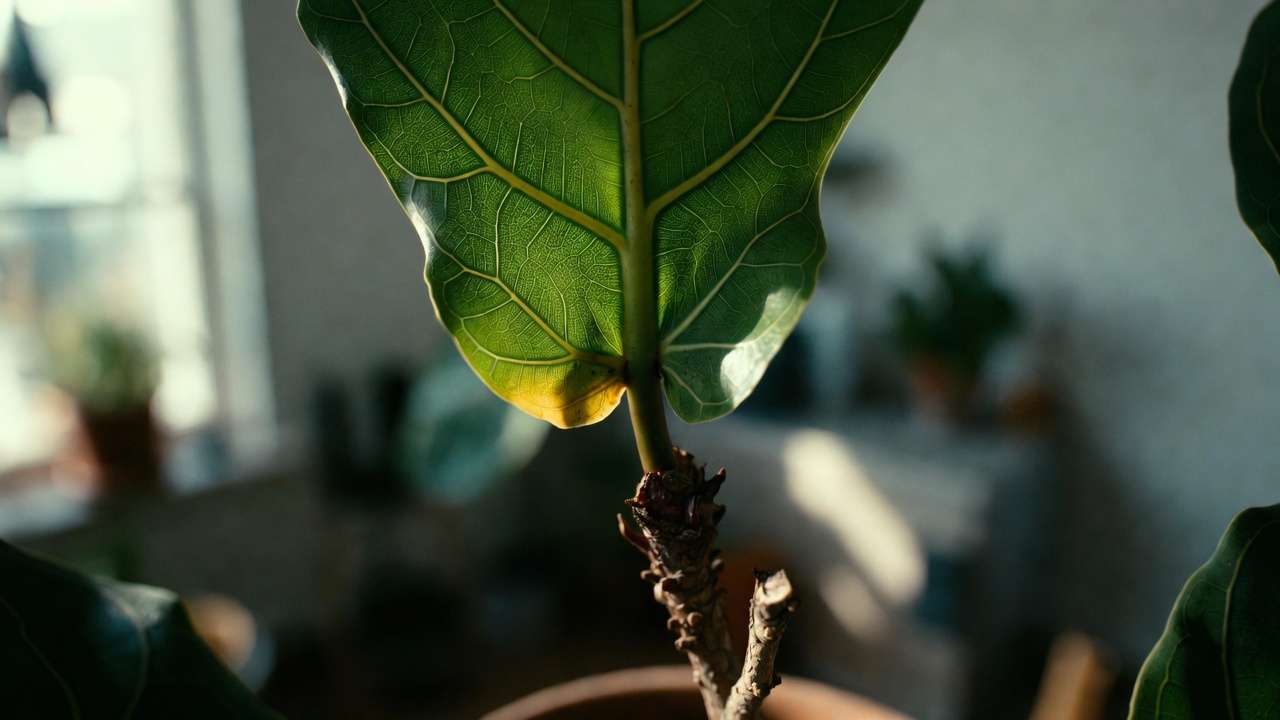
✅ Step 1: Diagnose Before You Panic – 5-Minute Checklist
Before you reach for the fertilizer or chop off branches, let’s play detective. Grab a notebook (or download my free printable “Leaf Drop Detective Sheet” at the end) and answer these quick questions:
- How many leaves are falling per day? (5+ is a red flag)
- Are the leaves yellow, brown, crispy, or spotted?
- Is the soil bone-dry or soggy-wet?
- Has the plant been moved, repotted, or near a new heater/AC lately?
- Any sticky residue, tiny webs, or bugs on the leaves?
- How much light is it actually getting? (Try the “hand-shadow test”)
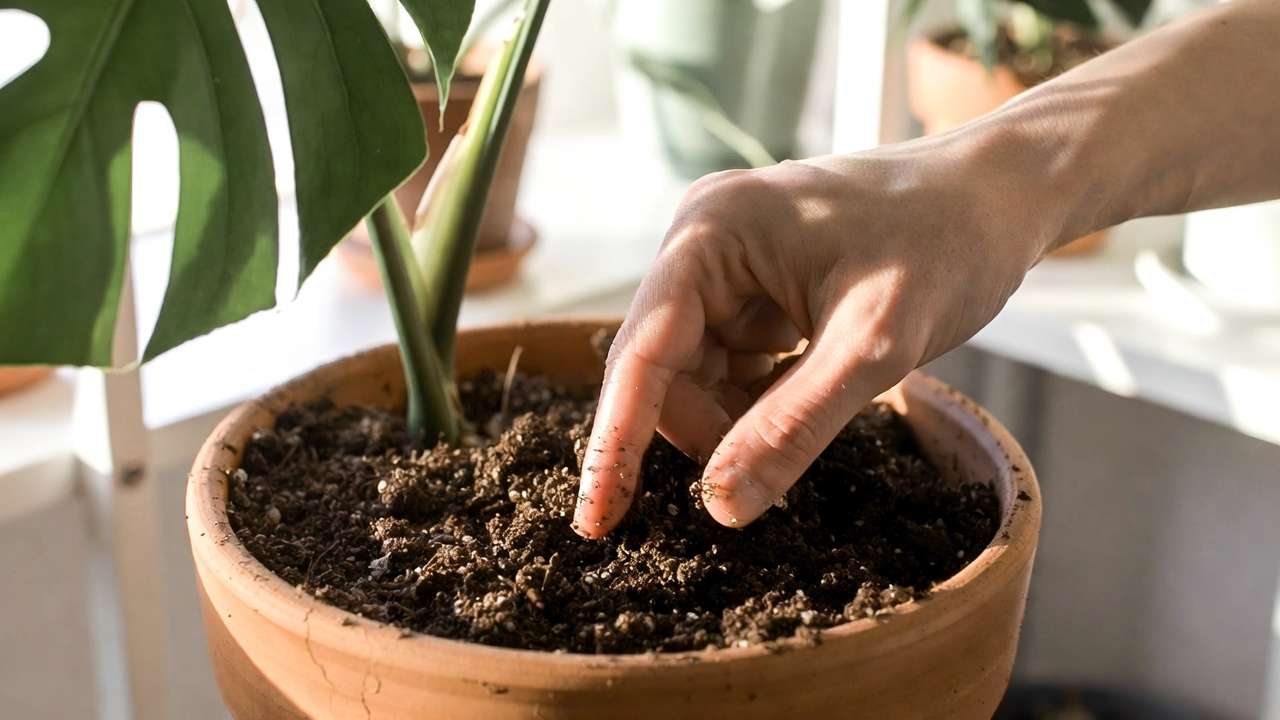
Pro tip: Stick your finger 2 inches into the soil. If it feels wet like a wrung-out sponge, hold off on water. If it’s dry and dusty, your plant is thirsty.
This 5-minute check has saved hundreds of plants in my consultations — and it will save yours too. Ready? Let’s move on to the 7 culprits. 🕵️♀️
🔥 The 7 Common Causes + Proven Fixes
Here comes the heart of the guide. For each cause, you’ll get clear symptoms, the “why” behind it, immediate rescue steps, long-term prevention, and tips tailored to popular plants like Fiddle Leaf Fig, Monstera, Pothos, Snake Plant, Rubber Tree, and even outdoor trees.
1. Overwatering: The #1 Killer 🌊💦
This is the most common reason plants shed leaves — and the easiest to fix once you know the signs.
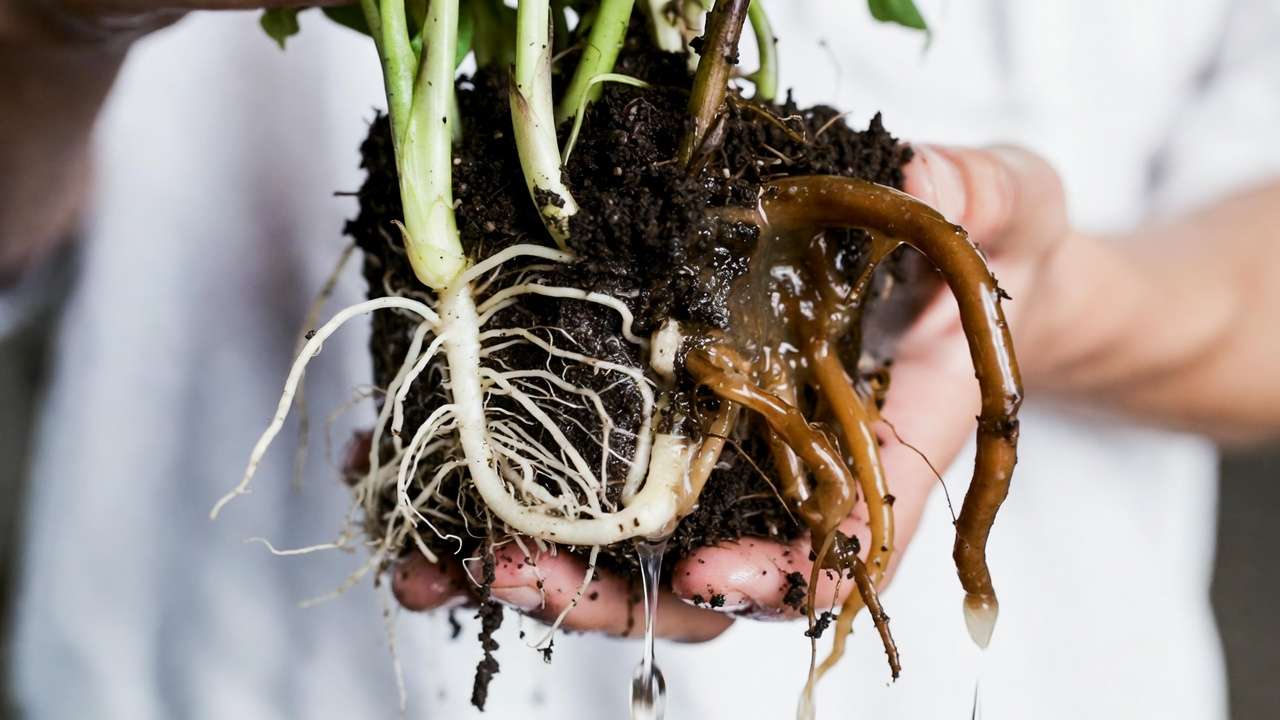
Symptoms: Yellow leaves (especially lower ones), mushy stems, soil that stays wet for days, and a funky smell from the pot. Why it happens: Roots drown without oxygen and start rotting. The plant drops leaves to survive.
Immediate Fix (Do This Today):
- Stop watering completely.
- Gently tip the plant out of its pot and check roots — healthy ones are white/firm; rotten ones are brown and slimy.
- Trim rotten roots with clean scissors.
- Repot in fresh, well-draining soil (I recommend 50% potting mix + 30% perlite + 20% orchid bark).
- Place in bright indirect light and wait 7–10 days before watering again.
Plant-specific notes: Fiddle Leaf Figs hate wet feet — they can drop 20 leaves overnight. Snake Plants are more forgiving but still need dry soil. Outdoor trees in heavy clay soil often suffer during monsoon season.
Prevention: Use the “finger test” or a cheap moisture meter. Water only when the top 2 inches are dry. My clients who follow this rule rarely see leaf drop again!
2. Underwatering & Dry Soil: Thirsty Plant SOS 🥀
The opposite extreme is just as common, especially in hot climates like Dhaka where indoor humidity can plummet and AC units run constantly.
Symptoms: Crispy brown edges/tips, leaves curling inward, soil pulling away from the pot edges, overall wilting or drooping even after watering (because roots are too dry to absorb water quickly). Why it happens: Without enough water, the plant can’t transport nutrients or maintain turgor pressure in leaves, so it sheds older ones to conserve resources.
Immediate Fix (Revival Soak Method):
- Fill a sink or bucket with room-temperature water.
- Submerge the entire pot (up to the soil line) for 20–45 minutes until bubbles stop rising.
- Let it drain fully (30+ minutes) — never let it sit in standing water.
- Place back in its spot and monitor for new growth in 1–2 weeks.
Plant-specific notes: Pothos and Snake Plants bounce back fastest from drought stress. Fiddle Leaf Figs and Monsteras may drop several leaves during recovery but usually stabilize. Outdoor trees in dry spells benefit from deep, slow watering at the drip line.
Prevention: Water when the top 1–2 inches feel dry (use your finger or a moisture meter). In Bangladesh’s hot months, check every 4–5 days for thirsty tropicals.
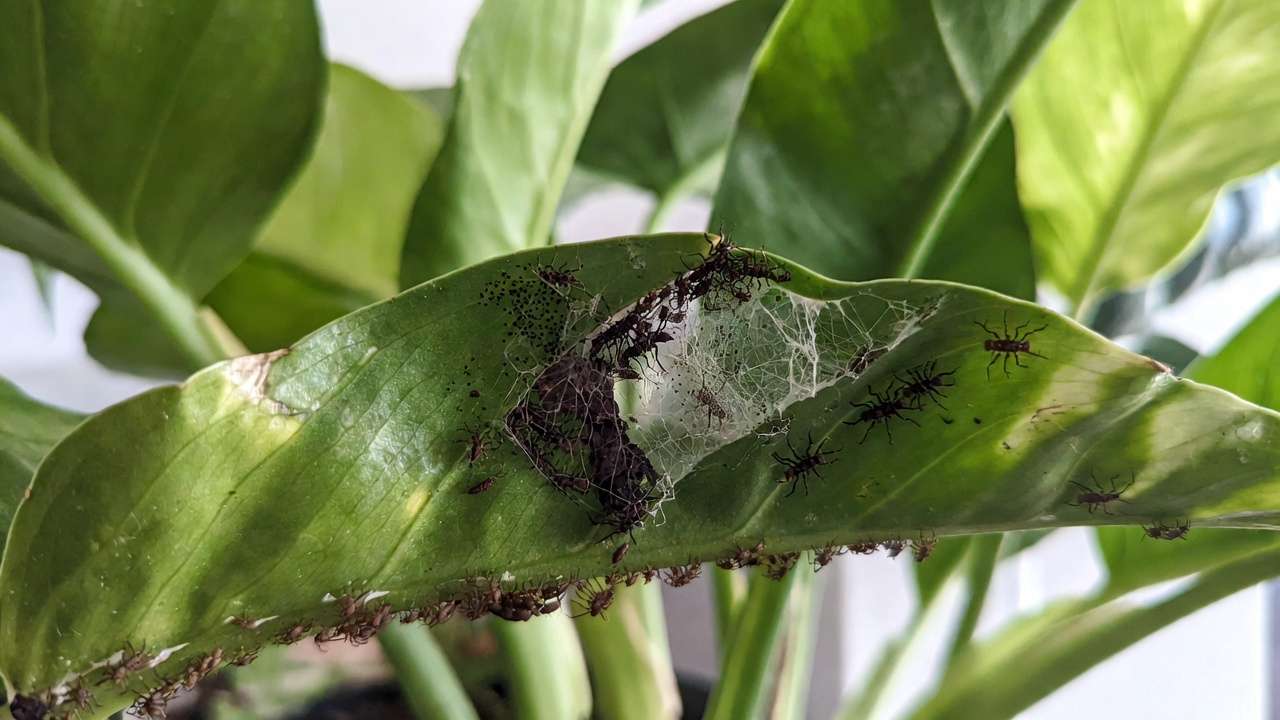
(Example of spider mite damage – tiny specks and webbing are classic signs)
3. Wrong Light Levels: Too Much or Too Little ☀️🌑
Light stress causes more leaf drop than most people realize.
Symptoms:
- Too much direct sun → scorched brown/yellow patches, bleached leaves.
- Too little light → pale/yellow new growth, leggy stems, leaves dropping from the bottom up.
Why it happens: Photosynthesis imbalance stresses the plant, triggering abscission to reduce energy demand.
Immediate Fix:
- Move to bright, indirect light (east/west window ideal; north if very bright).
- Use sheer curtains to diffuse harsh afternoon sun.
- For low-light spots, add a grow light (full-spectrum LED, 12–14 hours/day).
Pro tip: Do the hand-shadow test — if your hand casts a fuzzy shadow, it’s bright indirect (perfect for most houseplants). Sharp shadow = too intense.
Prevention: Gradually acclimate plants to new spots over 7–10 days to avoid shock.
4. Pesky Pests: Invisible Attackers 🐛
Pests often sneak up and cause sudden, patchy leaf drop.
Common culprits: Spider mites (fine webbing, stippling), mealybugs (white cottony spots), aphids (sticky honeydew), scale (brown bumps).
Symptoms: Yellow speckles, curling leaves, webbing, sticky residue, ants on the plant (they farm aphids).
Immediate Fix (Safe & Natural):
- Isolate the plant.
- Spray with strong water stream to knock off pests.
- Mix DIY neem solution: 1 tsp neem oil + ½ tsp mild dish soap + 1 liter water. Spray every 3–5 days for 2 weeks.
- Wipe leaves with alcohol-dipped cotton for mealybugs/scale.
Plant-specific notes: Fiddle Leaf Figs are spider mite magnets in dry air. Check undersides of leaves weekly!

(Healthy tropical plants grouped with a pebble tray – one of the best humidity boosters!)
5. Temperature Shock & Drafts ❄️🔥
Sudden changes shock plants fast.
Symptoms: Rapid leaf drop after moving near AC vent, heater, open window, or cold draft.
Ideal ranges: Most houseplants prefer 18–27°C (65–80°F). Outdoor trees in Dhaka handle heat well but hate sudden cold snaps below 15°C.
Immediate Fix: Move to stable spot away from vents/doors. Mist leaves if recovering.
Prevention: Avoid placing near exterior doors or AC units. Use thermal curtains in winter.
6. Low Humidity: Dry Air Drama 💧
Tropical natives suffer most in air-conditioned rooms.
Symptoms: Brown crispy tips/edges, especially on new growth; leaves curling or dropping.
Immediate Fix:
- Set up pebble tray: Fill tray with pebbles + water, place pot on top (not in water).
- Group plants together.
- Run a humidifier (aim for 50–60%).
- Mist daily (best in morning).
Prevention: Monitor with cheap hygrometer. In Dhaka’s humid rainy season, open windows; in dry winter, boost humidity actively.
7. Nutrient Deficiency or Poor Soil 🪴
Old soil or imbalanced feeding leads to patterned yellowing/drop.
Symptoms:
- Nitrogen: overall pale/yellow older leaves.
- Magnesium: yellow between veins.
- Iron: yellow new growth.
Immediate Fix: Flush soil with plain water to remove salt buildup. Apply balanced liquid fertilizer (e.g., 10-10-10 or organic seaweed) at half strength.
Prevention: Repot every 12–18 months in fresh mix. Fertilize growing season (spring–fall) every 4–6 weeks.
🌟 Step-by-Step Revival Roadmap: Bring Your Plant Back to Life (14-Day Plan)
You’ve identified the cause — now here’s your day-by-day battle plan to stop the shedding and spark new growth. This roadmap has rescued hundreds of plants in my own collection and client consultations.
Days 1–3: Emergency Stabilization
- Isolate the plant if pests are suspected.
- Perform the appropriate immediate fix from above (dry-out for overwatering, revival soak for underwatering, pest wipe-down, etc.).
- Trim off severely damaged leaves with clean, sharp scissors (cut at the base of the leaf stem — don’t leave stubs).
- Move to consistent bright indirect light and stable temperature (avoid drafts).
- Do NOT fertilize yet — stressed plants can’t handle extra nutrients.
Days 4–7: Recovery Monitoring
- Check soil moisture daily with finger test.
- Mist leaves morning and evening if humidity is low (especially for tropicals like Monstera or Fiddle Leaf Fig).
- Watch for new growth at nodes or soil level — even tiny buds are a great sign!
- If root rot was present, keep the plant slightly on the dry side to encourage new root formation.
Days 8–14: Gentle Reintroduction
- Resume normal watering schedule (only when top 1–2 inches are dry).
- Start light feeding: Use half-strength balanced liquid fertilizer once (e.g., ¼ tsp per liter of water).
- Rotate the plant ¼ turn every few days for even light exposure.
- Celebrate small wins: New leaf unfurling = victory! 🎉
What to Expect Timeline
- Days 1–5: Shedding may continue slightly (old stressed leaves finishing their drop).
- Days 6–10: Leaf drop should slow dramatically or stop.
- Days 10–14+: First signs of recovery (new buds, brighter green color).
- 3–6 weeks: Noticeable new growth for most houseplants.
Common Mistakes to Avoid
- Over-correcting (watering too much after underwatering, or fertilizing a weak plant).
- Repotting during active stress (wait until stable).
- Ignoring light — even perfect watering won’t help in a dark corner.
Bonus: Rescue Kit Shopping List (most items are cheap and available in Dhaka markets or online)
- Moisture meter (~৳300–500)
- Neem oil
- Perlite + orchid bark for drainage
- Full-spectrum grow light (optional but game-changing in low-light flats)
- Small spray bottle + hygrometer
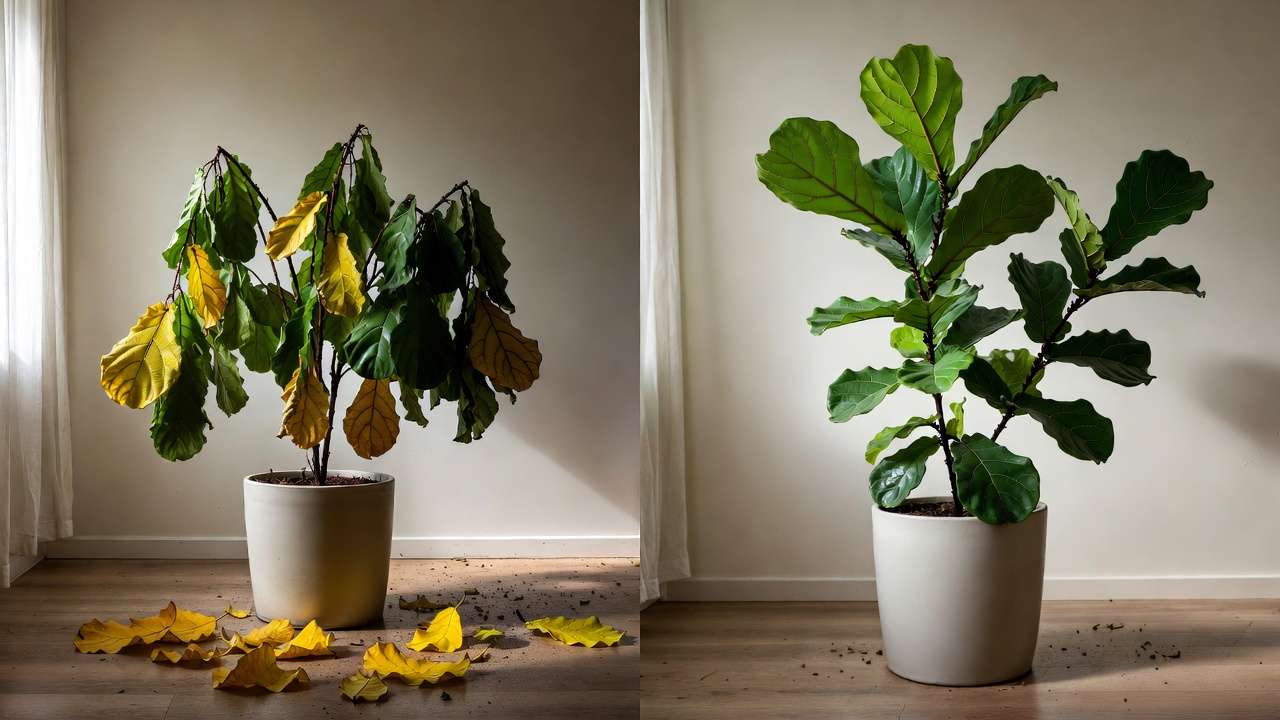
(Beautiful example of a revived Fiddle Leaf Fig — notice the fresh new leaves after proper care!)
💡 Pro Prevention Tips from a Plant Expert (Never Lose Leaves Again!)
After 15+ years of growing everything from indoor tropicals to outdoor mango and jackfruit trees in Bangladesh’s challenging climate, these are my non-negotiable habits:
- Monthly Care Calendar
- Spring (Mar–May): Repot if root-bound, start fertilizing.
- Monsoon (Jun–Sep): Reduce watering, watch for fungal issues.
- Winter (Nov–Feb): Boost humidity, protect from cold drafts.
- Best Potting Mix Recipes
- Tropicals: 50% coco coir/peat + 30% perlite + 20% bark
- Succulents/Sansevieria: 60% potting soil + 40% coarse sand/perlite
- Outdoor trees: Add compost + mycorrhizal fungi for root health
- Eco & Budget Hacks
- Reuse rice water (fermented 24 hrs) as mild fertilizer.
- Coffee grounds (sparingly) for acid-loving plants like gardenias.
- Old toothbrushes = perfect for wiping pest-infested leaves.
Follow these and leaf drop becomes a rare event instead of a monthly crisis.
❌ 5 Myths About Leaf Shedding Debunked
- “It’s normal for houseplants to drop leaves all the time.” → False. Some seasonal shedding (1–2 leaves/month) is normal, but rapid or patterned drop is stress.
- “Yellow leaves always mean overwatering.” → Not always! Underwatering, nutrient issues, and light problems can also cause yellowing.
- “Cutting off yellow leaves helps the plant recover faster.” → Partially true — remove completely dead ones, but leave partially yellow ones (they still photosynthesize until fully spent).
- “More fertilizer = faster recovery.” → Wrong! Stressed plants burn easily from fertilizer. Always start at half strength.
- “My plant hates me — that’s why it’s dropping leaves.” → Plants don’t have feelings 😅 They only respond to their environment. Fix the conditions, and they’ll thrive again.
❓ FAQs – Your Burning Questions Answered
Q: Is my plant dying if it drops 5–10 leaves a day? A: Not necessarily dying, but definitely stressed. Follow the diagnostic checklist and act fast — most recover fully.
Q: Can I use coffee grounds to fix leaf drop? A: Only sparingly and for acid-loving plants. Too much can cause nutrient lockout or mold.
Q: What about my outdoor mango tree dropping leaves in winter? A: In Dhaka, some leaf drop is normal during cooler, drier months. Ensure good drainage and protect from cold winds below 15°C.
Q: How do I know if it’s spider mites vs. just dry air? A: Look for fine webbing and stippling (tiny dots). Dry air alone usually causes crispy edges without webbing.
Q: Should I repot right away when I see leaf drop? A: Only if roots are rotting or the soil is old/compacted. Otherwise, stabilize first.
Q: My Fiddle Leaf Fig dropped 15 leaves overnight — salvageable? A: Yes! Overwatering or sudden move is the usual culprit. Follow the dry-out protocol and give it 4–6 weeks of TLC.
Q: Are yellow leaves contagious to other plants? A: No — but pests and fungal issues can spread, so isolate suspect plants.
🏆 Conclusion: Your Plant Is Going to Be Okay (And So Are You!)
Leaf drop feels heartbreaking, but it’s almost always fixable. Whether it’s overwatering, thirsty roots, sneaky spider mites, or dry Dhaka winter air — you now have the exact tools to diagnose, treat, and prevent it.
Your plant chose to drop those leaves so it could redirect energy to survive and regrow stronger. With the steps in this guide, you’re giving it the best possible chance to come back more beautiful than before.
I’ve seen brown, crispy Fiddle Leaf Figs transform into lush statement pieces, and drooping outdoor citrus trees burst back into fruiting glory. Yours can too.
You’ve got this, plant parent. 🌿💚 Drop a comment below with your plant’s name and what you think the issue was — I’d love to cheer you on! And if you want monthly care reminders straight to your inbox, sign up for the free newsletter.
Happy growing — and here’s to no more leaf carpets on your floor!











