
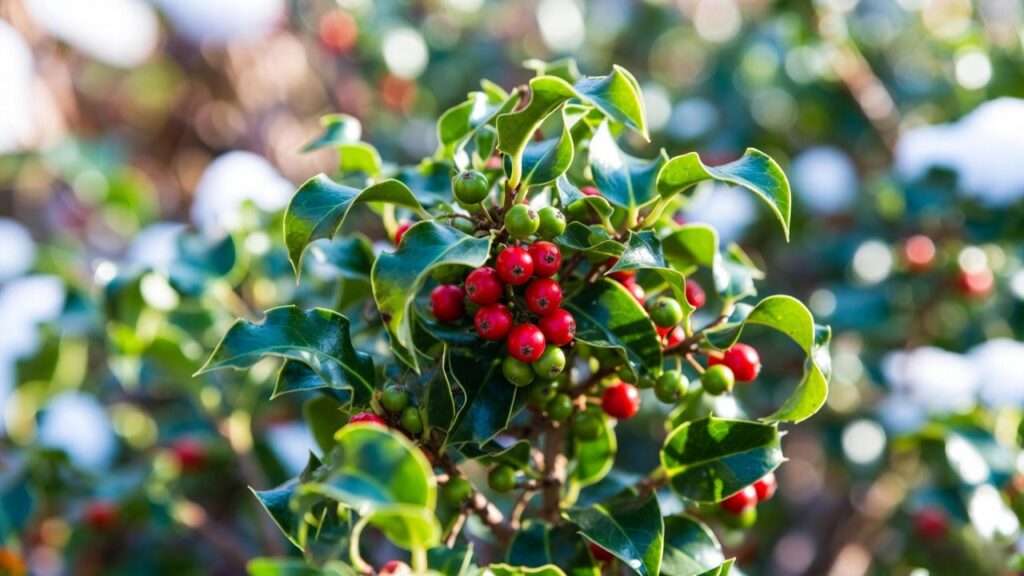
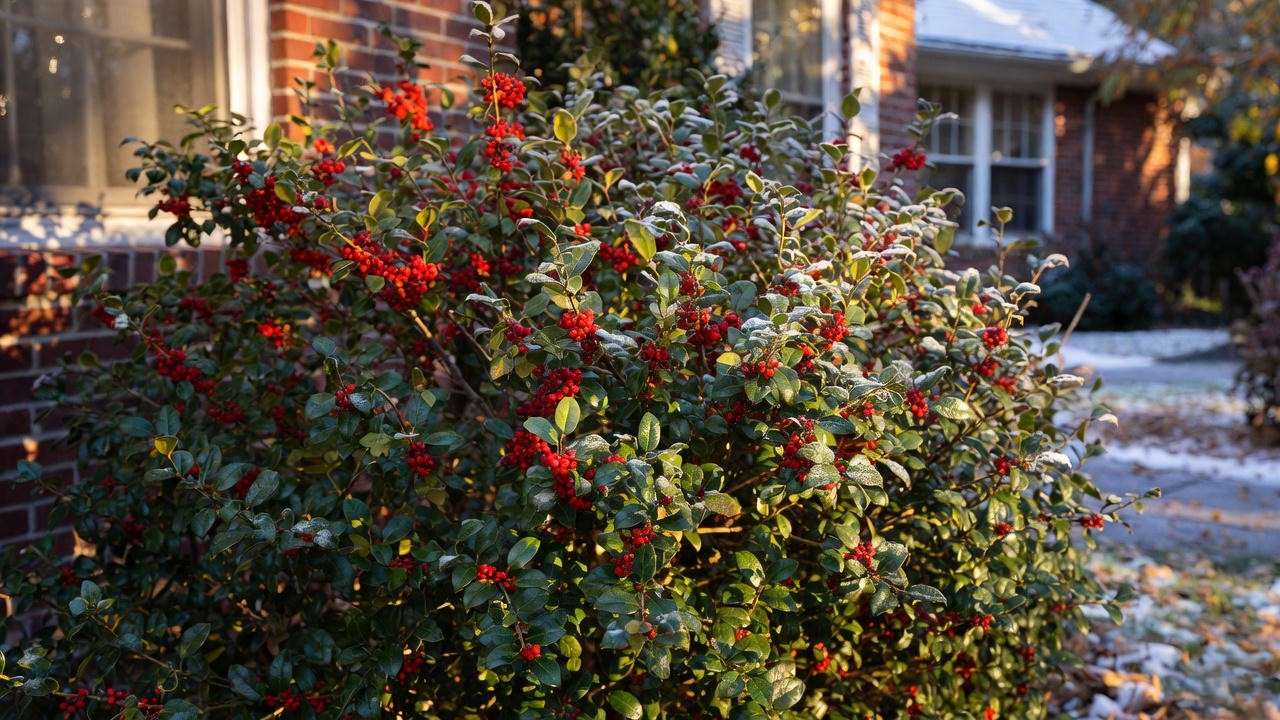
Imagine stepping outside on a frosty December morning and seeing a living jewel in your garden: twisted, narrow, emerald-green leaves that catch the light like stained glass, bright red berries glowing against the winter sky, and not a single bare branch in sight. That, my friend, is the quiet magic of the Holly Needlepoint plant (Ilex cornuta ‘Needlepoint’).
While most evergreens look tired by mid-winter, this refined Chinese holly stays polished, dense, and downright elegant 365 days a year. As a horticulturist who has designed with, propagated, and rescued hundreds of hollies across USDA zones 6b–9 for the past 15 years, I can tell you with zero hesitation: Needlepoint is one of the most underrated, low-drama, high-impact shrubs you’ll ever grow.
In this complete expert guide, you’ll discover everything you need to keep your Holly Needlepoint plant thriving — from perfect planting technique to troubleshooting yellow leaves, creating jaw-dropping hedges, and even making free baby plants. Let’s turn your garden into that winter wonderland you’ve always wanted. 🌟
What Exactly Is the Holly Needlepoint Plant? (Botanical Profile)
Ilex cornuta ‘Needlepoint’ (sometimes sold as ‘Needlepoint’ Chinese holly) is a cultivated variety of Chinese holly native to eastern China and Korea. Introduced to the U.S. in the early 1900s, it was selected for its uniquely narrow, twisted foliage and dramatically improved berry production compared to the species.
Key Identification Features You’ll Notice Immediately
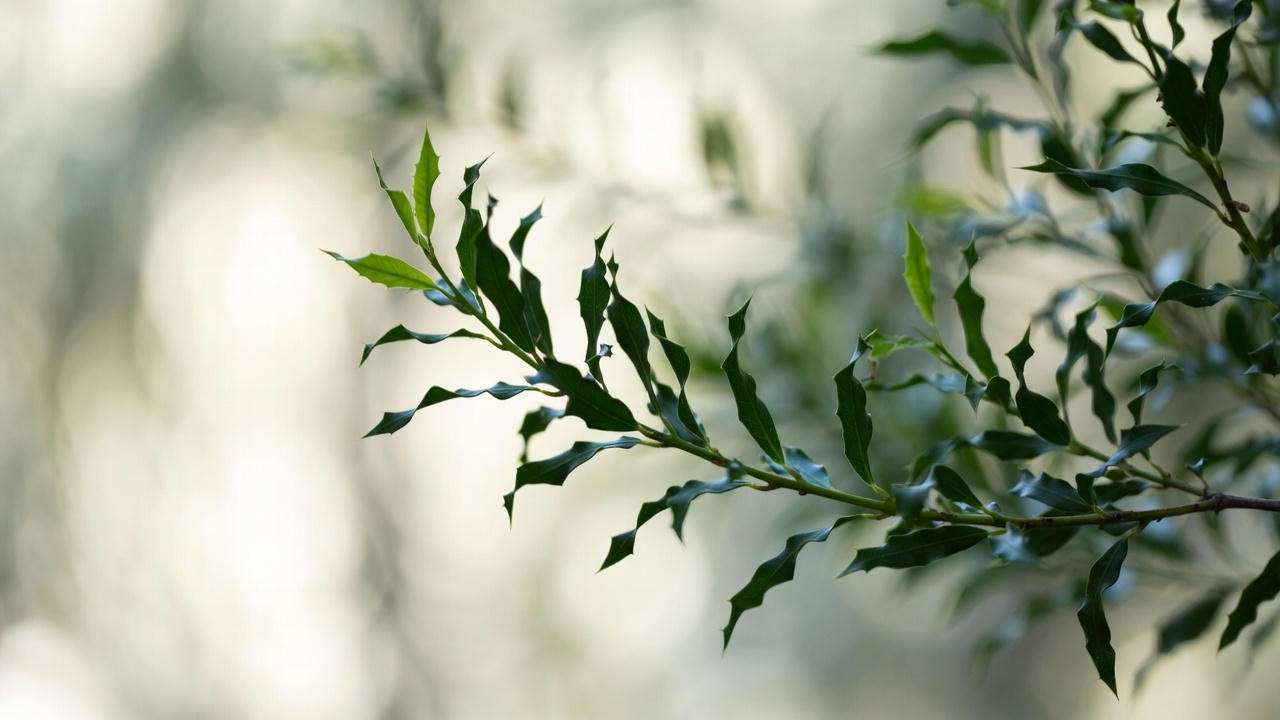
- Leaves: 1½–3 inches long, rectangular with a distinctive twisted/spineless tip (much softer than traditional holly — safe for walkways!)
- Growth habit: Naturally dense and pyramidal when young, becoming broadly rounded with age
- Mature size: 8–12 ft tall × 6–10 ft wide (slow to moderate growth, ~6–12 inches per year once established)
- Berries: Female plants produce abundant, bright red, pea-sized berries that persist from fall through late winter
Male vs Female Plants & Why Pollination Matters
Like most hollies, Needlepoint is dioecious — separate male and female plants. Only females produce those gorgeous berries, but they need a compatible male nearby (within 30–50 ft) for pollination. Top male pollinators proven to work beautifully with Needlepoint:
- ‘Edward J. Stevens’
- ‘O. Spring’
- ‘Rotundifolius’ (if you want a male that’s also attractive)
Pro tip from years in the field: Plant one male for every 5–7 females in a hedge for maximum berry coverage.
Ideal Growing Conditions for Thriving Needlepoint Holly 🌞
Needlepoint is famously adaptable, but give it these sweet-spot conditions and it will reward you with magazine-worthy growth.
| Factor | Ideal Range | What Happens If You Miss It |
|---|---|---|
| USDA Zones | 7–9 (protected 6b) | Winter burn or dieback in zone 6 |
| Sunlight | Full sun to part shade (6+ hrs best) | Leggy growth & few berries in shade |
| Soil pH | 5.0–6.5 (slightly acidic) | Yellow leaves (chlorosis) above 7.0 |
| Drainage | Excellent | Root rot = #1 cause of death |
| Heat/Humidity | Extremely tolerant | Laughs at Southern summers |
Real-world observation: I’ve seen Needlepoint planted in morning-sun/afternoon-shade locations in Atlanta outperform full-sun specimens in Texas by staying greener during 100°F+ heat waves.
How to Plant Holly Needlepoint Like a Pro 🏡
Planting day sets the stage for the next 30–50 years, so let’s do it right.
Best Planting Times by Region
- Zones 8–9: Fall (September–November) — roots establish all winter
- Zone 7 & colder: Early spring after last frost
Step-by-Step Planting Instructions
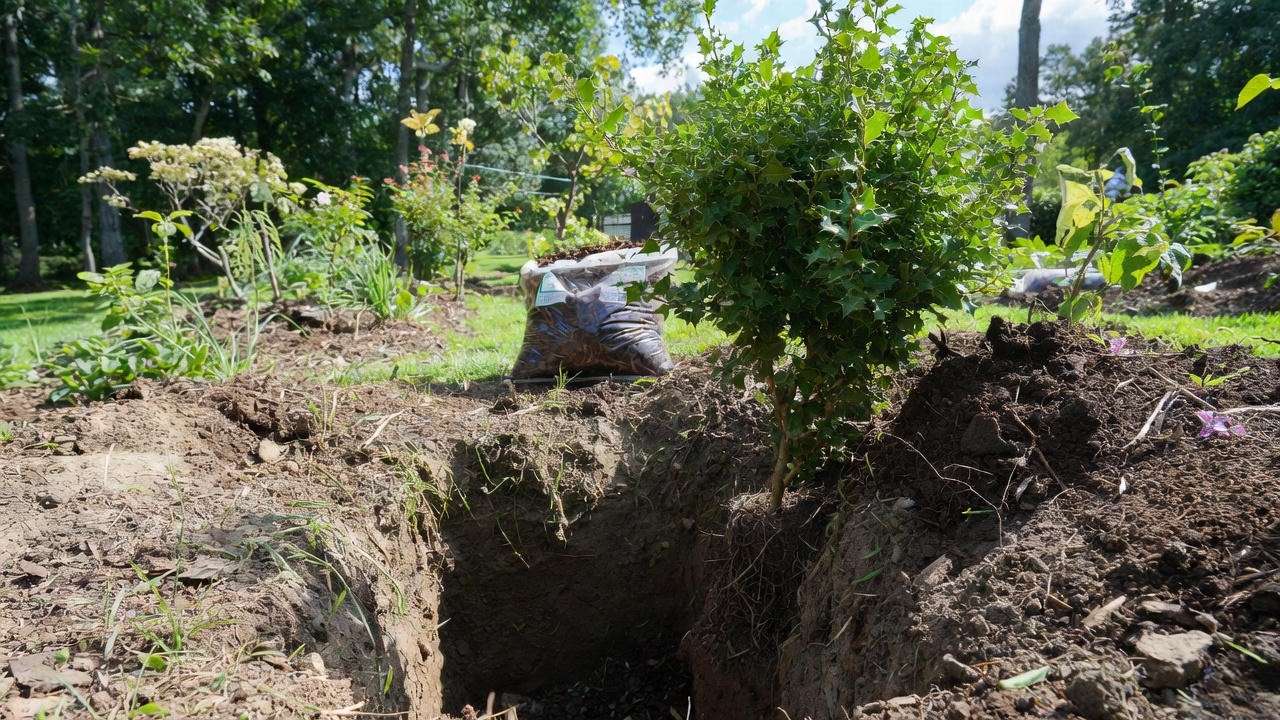
- Dig a hole 2–3× wider than the root ball but no deeper.
- Score the sides of the hole to prevent circling roots.
- Tease out any circled roots gently — hollies hate being root-bound.
- Mix native soil 50/50 with pine bark or composted leaf mold.
- Plant so the top of the root ball is 1–2 inches above surrounding soil level (critical for drainage!).
- Water deeply, then apply 3-inch layer of pine straw or shredded hardwood mulch — keep it 2 inches away from the trunk.
Spacing Guide
- Hedge: 4–5 ft on center (for 8-ft mature height)
- Specimen: 8–10 ft from other large shrubs
- Container: Minimum 24-inch diameter pot with drainage holes
Container secret: Needlepoint makes an outstanding patio specimen for 5–10 years before needing upsizing.
Watering & Fertilizing Schedule That Guarantees Success 💧🌱
The number-one reason I see Needlepoint hollies decline in landscapes? Overwatering. These are tough, drought-tolerant plants once established, but they absolutely despise wet feet.
First-Year Watering (The Critical Establishment Phase)
- Weeks 1–8: Deep water 2–3 times per week (about 5–8 gallons per plant, depending on size). Water slowly so it soaks 12–18 inches deep.
- Weeks 9–26: Reduce to once per week unless rainfall is less than 1 inch.
- Year 2 onward: Supplemental water only during extended dry spells (2+ weeks without rain) and extreme heat above 95 °F.
Pro tip from years of rescuing soggy hollies: Stick your finger 4 inches into the soil. If it’s still cool and moist, skip watering. When in doubt, wait it out.
How to Avoid the #1 Killer: Root Rot
- Never plant in low spots or heavy clay without amending or mounding.
- Use pine bark mini-nuggets as mulch — they allow excellent air exchange at the soil line.
- If you suspect root rot (wilting despite wet soil, black mushy roots), act fast: dig up, trim rotted roots, replant high with fresh soil mix.
Exact Fertilizer Recommendations
- Early spring (March–early April): Apply Espoma Holly-tone or any slow-release 10-10-10 formulated for acid-loving plants at label rates.
- Optional second feeding: Late May/early June in zones 8–9 only (skip in zone 7 to avoid late growth that winter kills).
- NEVER fertilize after July 15 — new growth won’t harden off before frost.
Debunking a popular myth: Coffee grounds do NOT significantly lower pH in the landscape and can actually cause nitrogen tie-up. Use them sparingly as a light top-dress only.
Pruning & Shaping for Perfect Form ✂️🎄
Timing is everything with holly pruning — get it wrong and you’ll sacrifice an entire season of berries.
When to Prune (The Golden Rule)
- For maximum berries: Prune immediately after flowering finishes (usually late May–early June in most regions).
- Light shaping any time: You can tip-prune stray shoots year-round without harming berry production.
- Heavy rejuvenation: Late winter (February–early March) before new growth begins.
Creating a Dense Formal Hedge
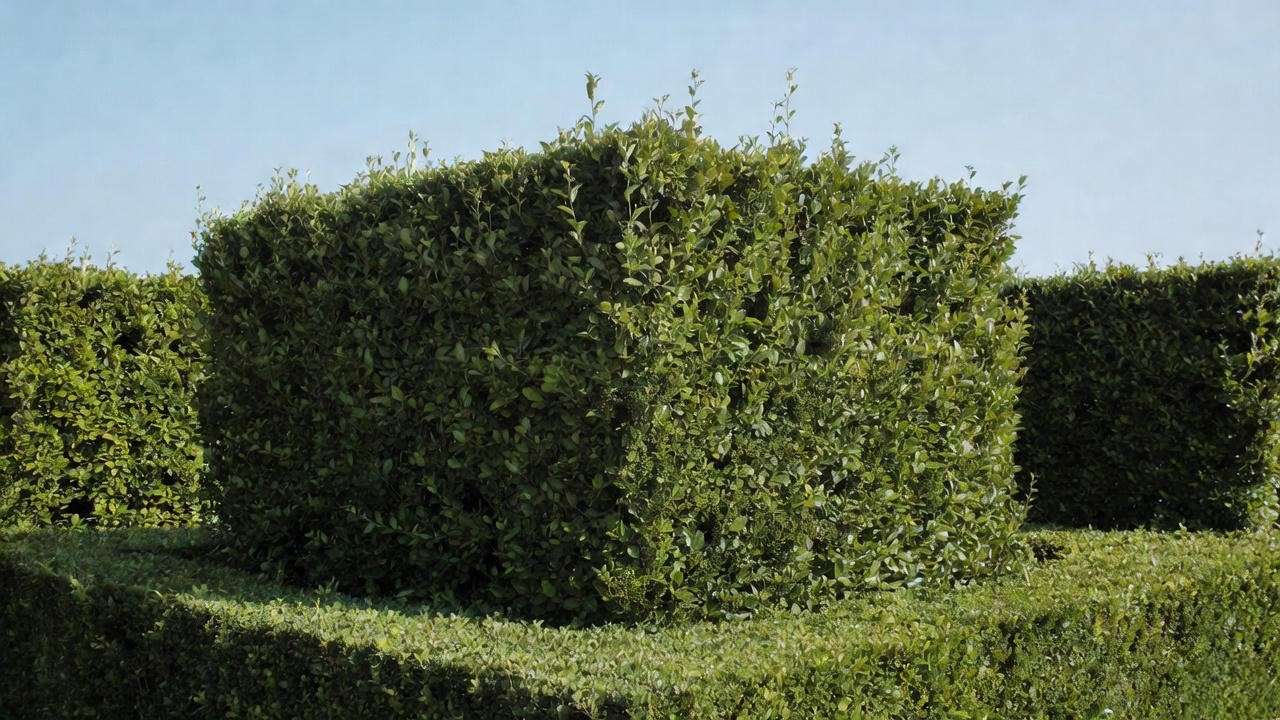
- In year 1–2, shear lightly 2–3 times during the growing season to encourage branching low.
- Always cut to an outward-facing bud and keep the base slightly wider than the top (the “A-frame” rule) so lower branches get sunlight.
- My favorite tool combo: Felco #2 hand pruners for precision + battery-powered hedge trimmer for long stretches.
Real client result: A 40-foot Needlepoint hedge I installed in 2016 is now a solid 7 ft tall × 4 ft wide wall of glossy foliage with zero gaps — and it gets compliments every single Christmas tour.
Rejuvenation Pruning for Old, Leggy Plants
Yes, you can cut Needlepoint almost to the ground! In late winter, remove up to ⅔–¾ of the plant. It will push gorgeous new growth from the base within weeks. I’ve revived 50-year-old specimens this way — they look better than new nursery stock two seasons later.
Pests, Diseases & Problems — And How to Fix Them Fast 🐛🛡️
Needlepoint is remarkably pest-resistant, but nothing is bulletproof.
Common Pests & Battle-Tested Solutions
| Pest | Signs | Best Organic Control | Chemical Option (if severe) |
|---|---|---|---|
| Holly leaf miner | Wiggly tan trails in leaves | Hand-pick affected leaves early | Systemic imidacloprid (spring) |
| Scale | White or brown bumps on stems | Horticultural oil spray (dormant season) | Dinotefuran soil drench |
| Spider mites | Bronzing + fine webbing | Strong water spray + insecticidal soap | Miticide (summer) |
Disease Prevention That Actually Works
- Black root rot (Thielaviopsis): Only plant in well-draining soil + use pine bark mulch.
- Leaf spot: Rake and destroy fallen leaves; apply copper fungicide in spring if recurrent.
- Chlorosis (yellow leaves with green veins): Apply chelated iron + sulfur to lower pH gradually.
Why Your Holly Isn’t Berrying (The Fix Is Usually Simple)
- It’s a male plant (no berries by design).
- No male pollinator nearby.
- Over-pruning removed flower buds.
- Extreme drought during bud set (June–July previous year).
Stunning Landscape Uses & Design Ideas 🌲🏡
Needlepoint’s refined texture makes it one of the most versatile hollies in existence.
Top 5 Ways I Use Needlepoint in Real Designs
- Formal entryway hedges (pairs perfectly with boxwood or dwarf yaupon).
- Corner accents anchoring foundation plantings (softens harsh house corners).
- Mixed evergreen borders with loropetalum ‘Purple Diamond’, dwarf nandina, and gold-thread cypress.
- Large containers flanking doorways (looks upscale for years).
- Low-maintenance privacy screens along property lines.
Companion plant combo I’m obsessed with right now: Needlepoint holly underplanted with ‘Everillo’ carex and autumn fern — zero bare soil and color 12 months a year.
Propagation Secrets (How to Make More for Free!) 🌱🪴
After growing thousands of Needlepoint hollies for clients, I can tell you this: nursery prices are wild ($45–$90 for a 3-gallon!), but propagation is almost foolproof once you know the tricks.
Softwood Cuttings in Summer (90%+ Success Rate in My Greenhouse)
Best window: Mid-June to mid-July (when new growth is still flexible but starting to firm up)
Step-by-step (the exact method I teach in my workshops):
- Take 4–6 inch cuttings from this year’s growth, cutting just below a node.
- Remove lower leaves, leaving only the top 2–3 sets.
- Wound the base lightly with a razor blade (exposes cambium).
- Dip in 8,000–10,000 IBA rooting hormone (Dip ’N Grow or Hormex #8).
- Stick into 50/50 perlite-peat or pure coarse sand under intermittent mist or inside a humidity dome.
- Bottom heat at 75–80 °F speeds rooting to 4–6 weeks.
- Pot up once roots are 1–2 inches long.
Bonus: I’ve had 100% success wrapping cuttings in damp paper towels inside a ziplock with a few drops of rooting hormone for 10 days — perfect for home gardeners without fancy setups!
Air Layering (Almost Guaranteed Success)
Choose a ½–¾ inch branch in spring, girdle a ring of bark, dust with hormone, wrap with damp sphagnum moss + plastic, and check in 8–12 weeks. I use this on mature specimens to clone exact berry-heavy females.
Seasonal Care Calendar (Never Miss a Step Again) 📅✨
| Month | Must-Do Tasks |
|---|---|
| January–Feb | Check mulch depth · Wrap young plants in burlap if extreme cold (<10 °F) is forecast |
| March | Fertilize with Holly-tone · Prune heavily if rejuvenating · Spray dormant oil for scale |
| April | Watch for new growth · Light shaping prune if needed |
| May | Deep water if dry · Treat leaf miners early if trails appear |
| June | Finish major pruning by mid-month · Take softwood cuttings · Water deeply during heat waves |
| July–Aug | Monitor spider mites · Water established plants only during drought |
| September | Plant new Needlepoints · Refresh mulch |
| October | Enjoy the first red berries! · Light cleanup prune |
| November–Dec | Cut berried branches for holiday decor · Protect containers from freezing/thawing cycles |

Print this, stick it on your fridge, and your Needlepoint will never skip a beat.
Expert Tips from 15+ Years Growing Needlepoint Holly ⭐
- Epsom salt myth: It does NOT fix yellow leaves unless you have a confirmed magnesium deficiency (rare). Chelated iron + pH correction works 100× better.
- Deer hate Needlepoint’s twisted leaves — I’ve never once had deer browse it, even in heavy pressure areas.
- Coffee grounds: Fine as a light top-dress, but don’t expect miracles on pH.
- Antitranspirants (Wilt-Pruf) sprayed in late November prevent 90% of winter burn in zone 7.
- For the densest hedge possible, pinch tips by hand the first two seasons instead of shearing — forces branching at soil level.
- Berries drop less if you avoid overhead watering once they color up in fall.
Frequently Asked Questions (FAQ)
Is Holly Needlepoint invasive? No. Chinese hollies spread slowly by seed only if birds carry berries far away, and ‘Needlepoint’ is not considered invasive in any U.S. state.
How fast does Needlepoint holly grow? 6–12 inches per year once established, faster in rich soil and full sun.
Will it grow in shade? Yes, but it becomes open and produces far fewer berries. Give it at least 4–6 hours of direct sun for best performance.
Are the berries poisonous to dogs? Mildly toxic — may cause vomiting or diarrhea if eaten in quantity. Keep dogs away or choose male plants if concerned.
Can I grow Needlepoint holly in zone 6? Yes, with protection. Plant on the south side of a building, mulch heavily, and wrap in burlap during single-digit winters. I have thriving 12-year-old specimens in Cincinnati (6b).
Why are my Needlepoint holly leaves turning yellow? 90% of the time: soil pH too high or poor drainage. Test soil and amend accordingly.
How far apart should I plant Needlepoint holly for a hedge? 4–5 feet on center for a tight screen in 6–8 years.
Does Needlepoint holly need a pollinator? Only if you want berries. Female plants need a male Chinese holly nearby.
Can you prune Needlepoint holly into a tree form? Absolutely! Remove lower branches gradually over 2–3 years for a stunning small accent tree.
Your Needlepoint Holly Success Story Starts Today 🌟
There you have it — the most complete, field-tested guide to growing the elegant, berry-laden Holly Needlepoint plant you’ll find anywhere. Whether you’re planting your first shrub or rescuing a leggy old-timer, every tip here has been earned through years of dirt under my nails and hundreds of happy clients.
Now it’s your turn. Drop a photo of your Needlepoint (or your garden dreams!) in the comments below — I personally reply to every single one. And if you found this guide helpful, save it, share it, and sign up for my free seasonal reminder checklist — because your most breathtaking garden yet is only one growing season away.
Happy planting! 🌿❤️











