

Imagine stepping into your backyard and discovering a shady corner that feels like a tropical paradise — lush, glowing, and impossible to ignore. That’s exactly what happens when you plant Hosta ‘Guacamole’. This award-winning hosta variety transforms dull, low-light areas into vibrant showpieces with its bold, avocado-green leaves edged in deep forest green. Whether you’re a beginner gardener frustrated with “nothing grows here” spots or an experienced shade enthusiast looking for the perfect focal plant, Hosta ‘Guacamole’ delivers year after year.
As a certified Master Gardener with over 15 years of hands-on experience designing and maintaining shade gardens across USDA Zones 4–8, I’ve grown hundreds of hostas — and ‘Guacamole’ consistently ranks as one of the most reliable, beautiful, and low-maintenance choices. In this ultimate guide, you’ll learn everything you need to grow healthy, spectacular ‘Guacamole’ hostas: from choosing the perfect spot and planting correctly to pest-proofing, companion planting, and creative design ideas. Let’s turn your shade into the envy of the neighborhood! ✨
What Is Hosta ‘Guacamole’? (Plant Overview) 🌱
Hosta ‘Guacamole’ is a sport (natural mutation) of the classic ‘Fragrant Bouquet’ hosta, introduced in 1994 by Bob Solberg. It quickly became a favorite thanks to its eye-catching foliage and vigorous growth.
Key Characteristics at a Glance
- Mature Size: 24–32 inches tall × 40–60 inches wide (some mature clumps reach 5–6 feet across!)
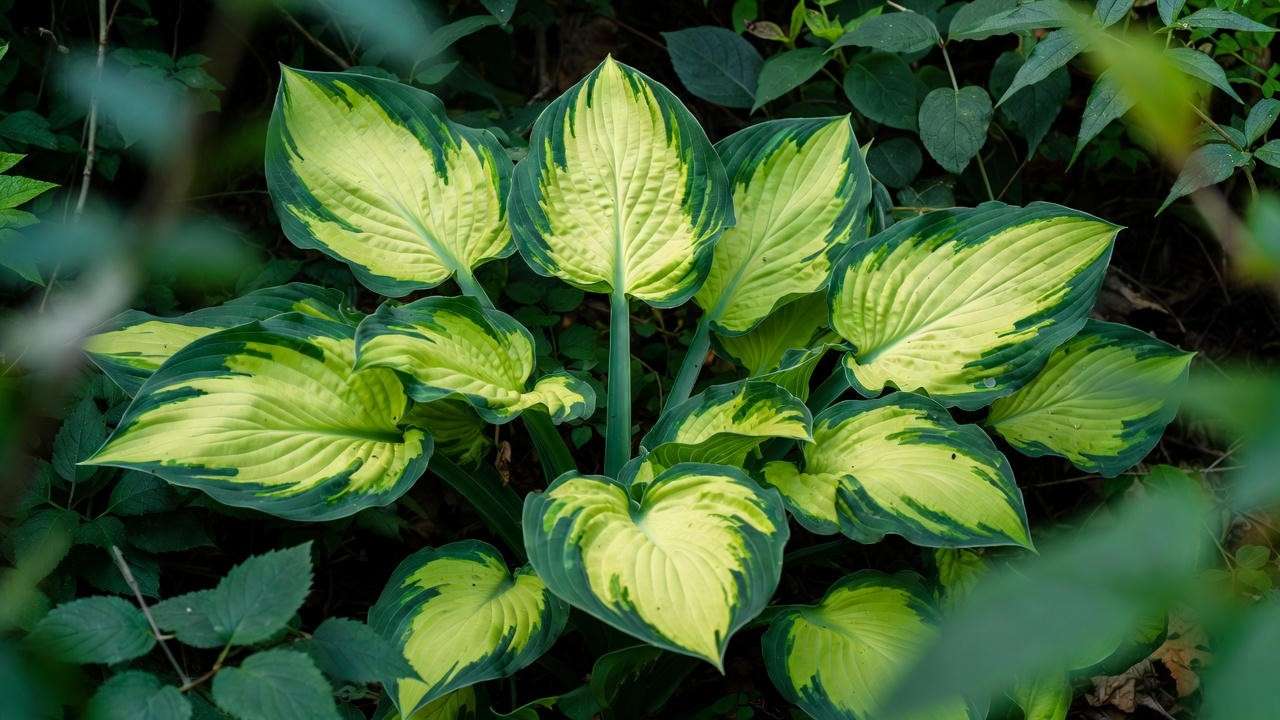
- Leaf Shape & Color: Large, heart-shaped, glossy leaves with bright chartreuse-gold centers and irregular dark green margins
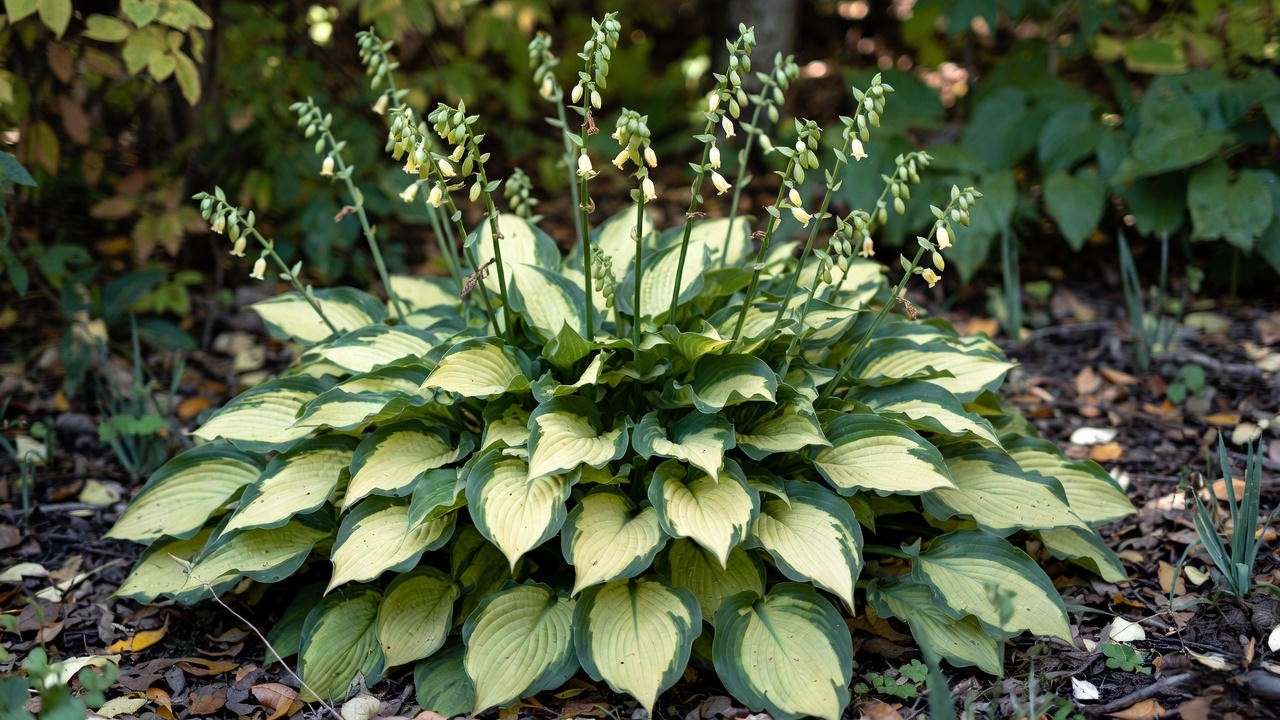
- Flowers: Tall, 30–36-inch scapes topped with fragrant, white-to-pale lavender blooms in mid-to-late summer
- Growth Rate: Fast — one of the quickest-growing hostas available
- Hardiness: USDA Zones 3–9 (survives -40°F winters and hot, humid summers)
- Awards: 2002 Hosta of the Year (American Hosta Growers Association) and RHS Award of Garden Merit
What makes ‘Guacamole’ truly special is its ability to brighten shady areas. The gold center lights up even deep shade, and the leaves are thicker and more slug-resistant than many older hosta varieties. Plus, those sweetly scented flowers attract hummingbirds and pollinators — a rare bonus for hostas! 🐝
Choosing the Right Location & Light Conditions ☀️🌳
One of the biggest mistakes gardeners make with hostas is planting them in too much or too little light. ‘Guacamole’ is more sun-tolerant than most hostas, making it incredibly versatile.
Optimal Light for the Brightest Color
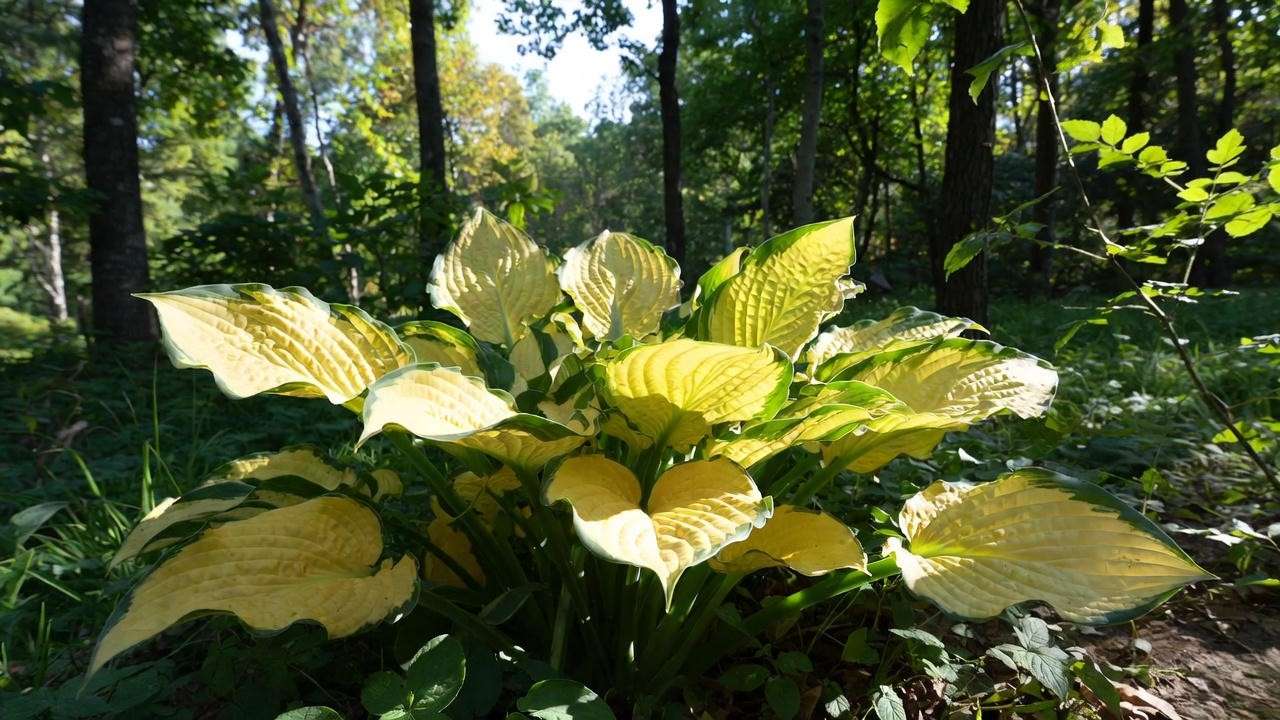
- Morning sun + afternoon shade: The gold centers become the most intense and luminous.
- Dappled light under high-canopied trees: Perfect for woodland gardens.
- Deep shade: Still grows well, but the center stays more chartreuse than gold.
- Full sun (in cooler climates): Tolerates up to 4–5 hours of direct sun if soil stays moist, but avoid hot afternoon sun in Zones 7+ to prevent scorching.
Pro Tip: Plant ‘Guacamole’ on the north or east side of your house, under tall deciduous trees, or in a spot that gets filtered light through a pergola. The brighter the light (without scorching), the more dramatic the foliage contrast.
Soil & Planting Tips for Long-Term Success 🌿
Hostas thrive in rich, moisture-retentive soil — and ‘Guacamole’ is no exception.
Ideal Soil Profile
- Type: Fertile, well-drained loam
- pH: Slightly acidic to neutral (6.0–7.5)
- Organic Matter: 20–30% compost or leaf mold mixed in at planting time
Step-by-Step Planting Guide
- Dig a hole twice as wide as the root ball and just as deep.
- Mix in plenty of compost or aged manure.
- Place the plant so the crown (where roots meet foliage) sits at soil level — never buried.
- Backfill, water deeply, and apply 2–3 inches of organic mulch (pine bark, shredded leaves, or cocoa hulls).
- Space plants 36–48 inches apart to accommodate mature size.
Best Time to Plant: Early spring (as soon as soil is workable) or early fall (6–8 weeks before first frost).
Watering & Fertilizing for Lush, Healthy Leaves 💧
Consistent moisture is the secret to those big, glossy leaves.
Watering Schedule
- Newly planted: Water deeply 2–3 times per week until established.
- Established plants: About 1 inch of water per week (more during heat waves).
- Method: Soak at the base, not overhead, to reduce fungal risk.
Fertilizing Strategy
- Early spring: Apply a balanced, slow-release fertilizer (10-10-10 or organic equivalent).
- Mid-summer: Side-dress with compost or a light application of liquid seaweed extract.
- Avoid high-nitrogen fertilizers late in the season — they encourage soft growth that slugs love.
Mulching Magic A 2–3 inch layer of organic mulch keeps roots cool, retains moisture, and suppresses weeds. Just keep mulch a few inches away from the crown to prevent rot.
Seasonal Care Calendar for Year-Round Beauty 📅
Spring
- Remove winter debris and old leaves.
- Apply fertilizer and fresh mulch.
- Watch for emerging slugs and treat early.
Summer
- Water consistently during dry spells.
- Deadhead spent flower scapes to tidy appearance (optional — leaving them attracts pollinators).
- Enjoy the fragrance and hummingbird visits!
Fall
- After first hard frost, cut foliage to 2–3 inches above ground.
- Add extra mulch for winter protection in colder zones.
Winter
- Dormant — no care needed. Mulch helps insulate roots.
Pests & Diseases: Prevention & Solutions 🐌
Slugs remain the #1 threat to hostas, but ‘Guacamole’ has thicker, tougher leaves than many varieties, making it more resistant.
| Pest/Disease | Symptoms | Prevention & Treatment |
|---|---|---|
| Slugs & Snails | Irregular holes, slimy trails | Iron phosphate bait (Sluggo), beer traps, copper tape, crushed eggshells, diatomaceous earth 🐌 |
| Deer & Rabbits | Torn or missing leaves | Deer repellents, motion-activated sprinklers, fencing, plant deer-resistant companions |
| Foliar Nematodes | Brown streaks between leaf veins | Remove & destroy affected leaves, sanitize tools, avoid overhead watering |
| Crown Rot | Mushy, black crown | Improve drainage, avoid overwatering, plant slightly high |
| Hosta Virus X (HVX) | Mottled, streaked, or distorted leaves | Test plants, destroy infected ones immediately, buy from reputable sources |

Expert Insight: Clean up all fallen leaves in fall and avoid overhead watering — these simple habits drastically reduce overwintering pests and fungal problems.
Propagation & Division: How to Multiply Your Plants 🌱
Every 4–6 years, divide ‘Guacamole’ to rejuvenate the clump and create new plants.
Best Method (Early Spring)
- Dig up the entire clump before leaves unfurl.
- Use a sharp spade or knife to cut into sections, ensuring each has 3–5 eyes (growth points).
- Replant immediately at the same depth and water well.
Tip: Divisions make fantastic gifts for fellow gardeners!
Companion Plants for Gorgeous Shade Garden Combos 🎨
‘Guacamole’ shines even more when paired with contrasting textures and colors.
Top Companions
- Japanese Painted Fern (Athyrium niponicum) — silvery-purple fronds
- Astilbe — feathery pink, red, or white plumes
- Coral Bells (Heuchera) — colorful foliage in purple, bronze, or lime
- Foamflower (Tiarella) — delicate white foamy blooms
- Bleeding Heart (Dicentra) — classic heart-shaped pink flowers
- Lungwort (Pulmonaria) — early spring blue flowers and spotted leaves
These combinations create layered, multi-season interest that keeps your shade garden looking fresh from spring through fall.
Design Ideas for Stunning Shade Gardens with Hosta ‘Guacamole’ 🎨🌿
Hosta ‘Guacamole’ is so versatile that it works beautifully in almost any shade-garden style. Here are some proven design ideas I’ve used successfully in dozens of client gardens:
- Woodland Border Under Trees Plant ‘Guacamole’ in sweeping curves along the edge of a wooded area. Its bright gold centers pop against darker tree trunks and create a natural “glow” effect as light filters through the canopy. Layer with taller ferns and lower-growing foamflowers for depth.
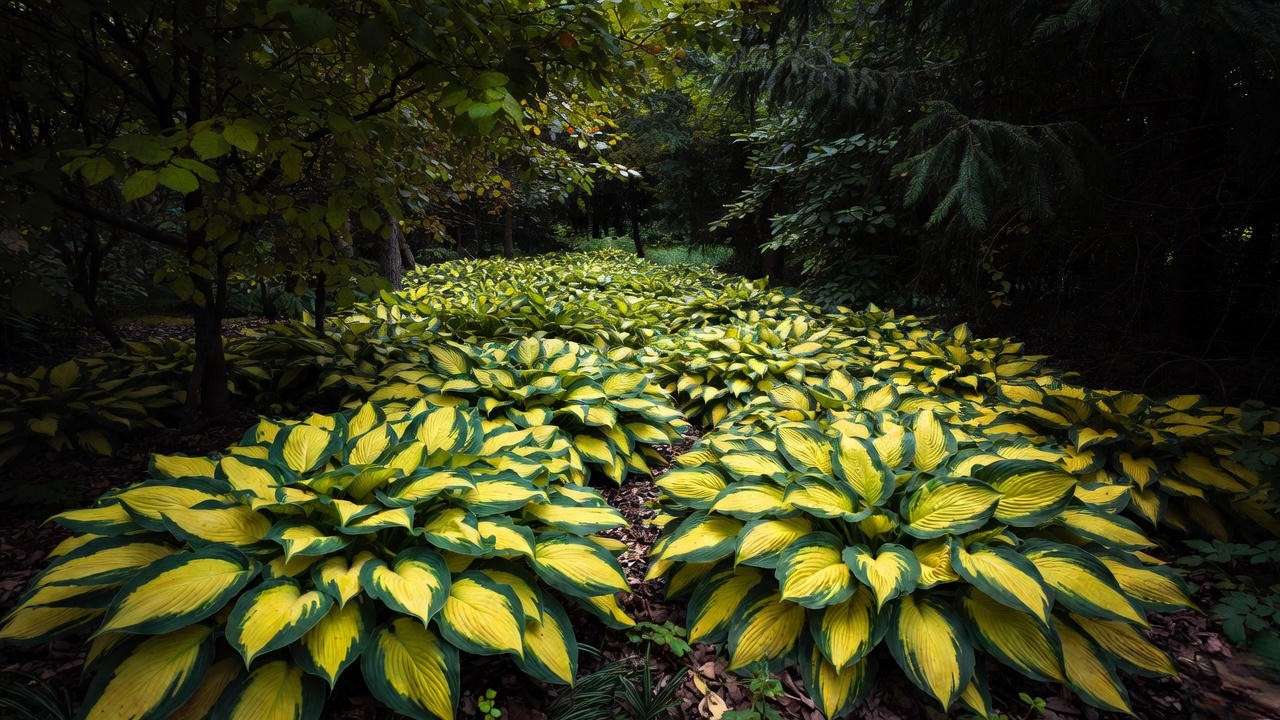
- Mass Planting as Living Groundcover Space 3–5 plants 36 inches apart in a large shady bed. Within a few years, they’ll merge into a lush, weed-suppressing carpet of glowing foliage — perfect for covering bare spots under shrubs or along walkways.
- Container Focal Point on a Shady Patio Grow ‘Guacamole’ in a large ceramic or hypertufa pot (at least 24 inches wide). Pair with trailing ivy or sweet potato vine for a dramatic “thriller” effect. The pot can be moved to brighten different areas throughout the season.
- Mixed Hosta Quilt Combine ‘Guacamole’ with contrasting varieties for a patchwork effect:
- Blue-leaved hostas (e.g., ‘Blue Angel’) for cool tones
- White-edged hostas (e.g., ‘Patriot’) for crisp contrast
- Mini hostas (e.g., ‘Blue Mouse Ears’) for texture variation The result is a living quilt of color and shape that changes with the light.
- Rivers of Gold Plant ‘Guacamole’ in long, flowing drifts that weave through the garden, mimicking a river of light. This technique is especially effective in larger spaces and creates a sense of movement even when the plants are still.
Expert Tip: Always plant in odd numbers (3, 5, or 7) for a more natural look. And don’t be afraid to mix sizes — the bold, large leaves of ‘Guacamole’ make smaller hostas and ferns look even more delicate.
Frequently Asked Questions (FAQs) about Hosta ‘Guacamole’ ❓
Q: How big does Hosta ‘Guacamole’ really get? A: Mature clumps reach 24–32 inches tall and 40–60 inches wide. In ideal conditions, some gardeners report 5–6-foot spreads after 5–7 years!
Q: Can Hosta ‘Guacamole’ take full sun? A: It tolerates morning sun or up to 4–5 hours of dappled sun in cooler climates (Zones 3–6). In hotter regions (Zones 7+), stick to morning sun + afternoon shade to prevent leaf scorch.
Q: Are the flowers really fragrant? A: Yes! The tall scapes produce sweetly scented white-to-lavender blooms in mid-to-late summer. The fragrance is strong enough to notice from several feet away — a delightful bonus for hostas.
Q: Is ‘Guacamole’ slug-resistant? A: More resistant than thin-leaved varieties thanks to its thicker substance, but it’s not slug-proof. Regular preventive measures (iron phosphate bait, copper tape, etc.) still pay off.
Q: When is the best time to divide Hosta ‘Guacamole’? A: Early spring, just as the “eyes” are emerging but before leaves unfurl. Fall division works too, but spring gives the new divisions a full growing season to establish.
Q: Why are my ‘Guacamole’ leaves turning brown at the edges? A: Most common causes: too much direct sun, inconsistent watering, or drought stress. Increase shade and moisture, and the problem usually resolves.
Q: Can I grow it in pots year-round? A: Absolutely! Use a large container with excellent drainage and winter protection (move to a garage or bury the pot in the ground in cold climates).
Final Thoughts: Why Hosta ‘Guacamole’ Deserves a Spot in Every Shade Garden 🌟
If you’re looking for a shade-loving plant that delivers maximum impact with minimal effort, Hosta ‘Guacamole’ is hard to beat. Its glowing foliage brightens even the darkest corners, its fragrant summer flowers attract hummingbirds and pollinators, and its vigorous growth means you’ll have a full, lush specimen in just a couple of seasons.
Whether you’re starting your first shade garden, refreshing an existing one, or simply want a reliable “wow” plant that performs year after year, ‘Guacamole’ will exceed your expectations. Plant it this spring, give it the right light and moisture, and watch your shady spots transform into the most beautiful part of your yard.
Ready to bring home this garden superstar? Head to a reputable nursery or online supplier this season — your shade garden (and your neighbors) will thank you! 🌱✨











