
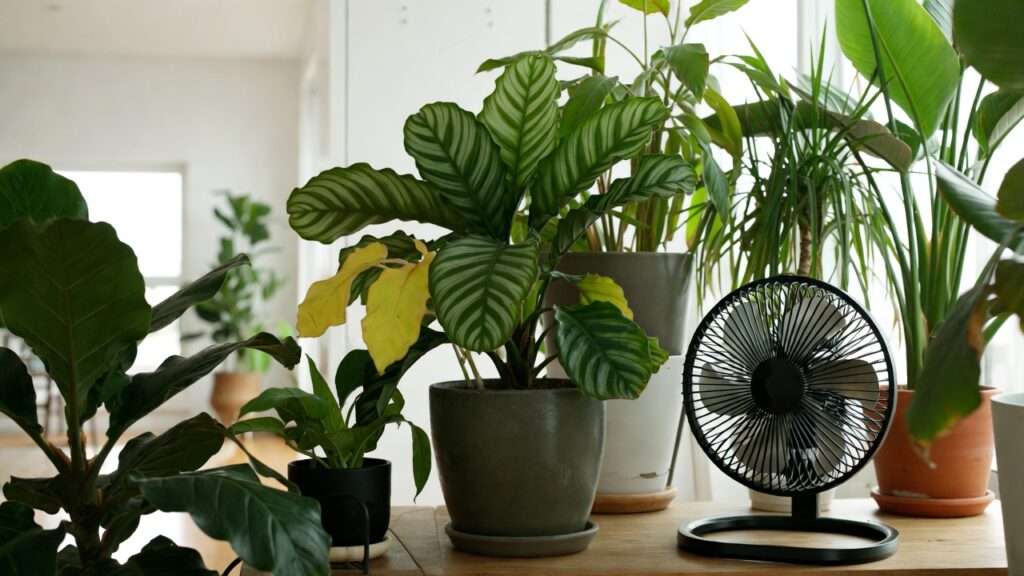
Imagine this: You’ve carefully selected the perfect spot for your favorite fiddle-leaf fig, watered it just right, and given it bright indirect light. Yet, one day you notice fuzzy white patches on the leaves, tiny webs appearing overnight, or those once-vibrant leaves turning yellow and dropping. The room feels cozy and still — too still. The hidden culprit? Poor air circulation in your home. 😔
In today’s energy-efficient homes with sealed windows, air conditioning, and limited natural breezes, stagnant air becomes a silent enemy for houseplants. It traps excess moisture, creates perfect conditions for fungal diseases like powdery mildew or botrytis gray mold, invites pests such as spider mites and mealybugs, and weakens stems, leading to leggy, floppy growth. Houseplants and better air circulation go hand in hand — without it, even the hardiest plants struggle to transpire properly, exchange gases, and stay resilient.
The good news? Improving airflow is one of the simplest, most impactful ways to transform your indoor jungle. Better circulation mimics the gentle breezes plants experience outdoors, strengthening stems through a fascinating process called thigmomorphogenesis (where mechanical stimulation leads to thicker, sturdier growth), reducing humidity-related issues, and preventing up to 80% of common houseplant problems. In this comprehensive guide, we’ll dive deep into why air movement matters, spot the warning signs, and share expert-backed, practical tips to get your plants thriving again. Whether you’re a beginner battling mold or an experienced grower optimizing your collection, these strategies will help your houseplants flourish. Let’s get that fresh breeze flowing! 🌬️✨
Best Houseplants for Low-Airflow Environments (Forgiving Options) 🌵
Not every home has great natural ventilation, and that’s perfectly okay! Some houseplants are naturally more tolerant of still air and require less intervention to stay happy. These resilient varieties make excellent choices for apartments, offices, or rooms with limited airflow while you work on improving circulation overall.
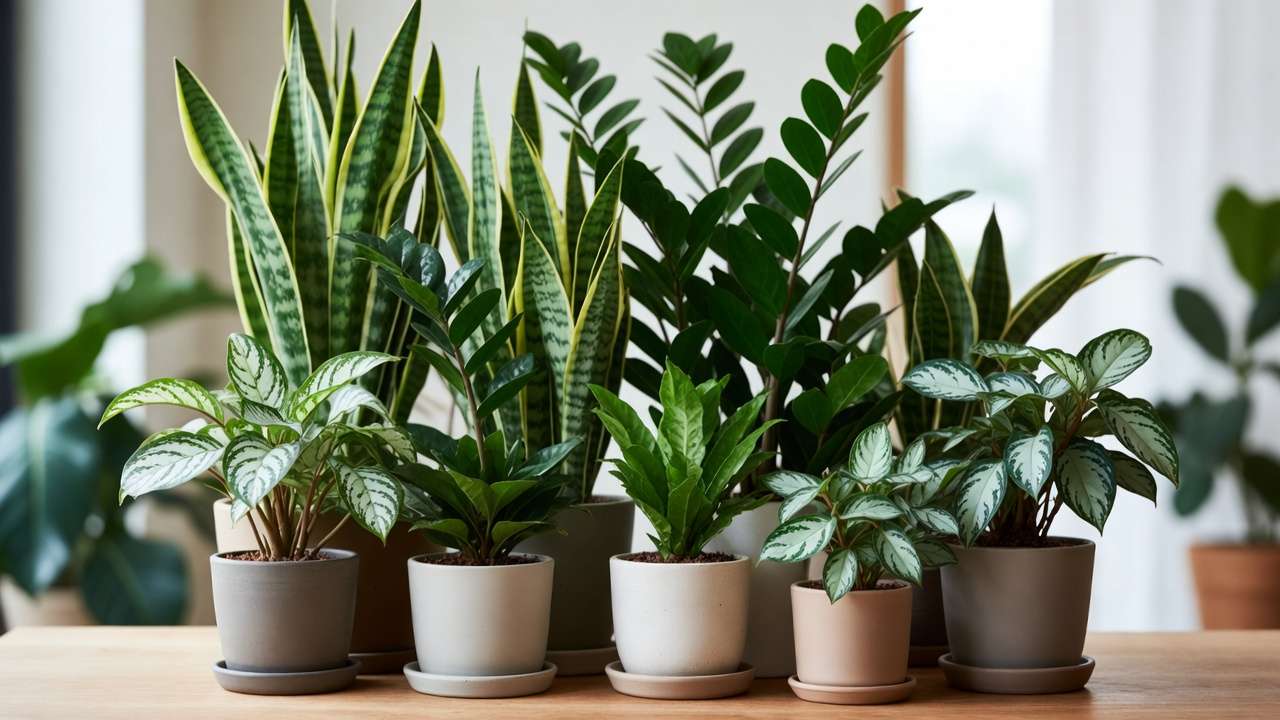
Here’s a curated list of the most forgiving options:
- Snake Plant (Sansevieria / Dracaena trifasciata) 🐍 Extremely tough, thrives in low light and stagnant air, stores water in thick leaves so it rarely suffers from humidity-related fungal issues. Its upright growth rarely becomes leggy even without much breeze.
- ZZ Plant (Zamioculcas zamiifolia) One of the most bulletproof houseplants — handles neglect, low light, dry air, and poor circulation like a champion. Glossy leaves resist pests better than most.
- Cast Iron Plant (Aspidistra elatior) True to its name, this classic thrives in low light and still conditions. It was a favorite in Victorian parlors with minimal ventilation.
- Chinese Evergreen (Aglaonema) Colorful, low-light tolerant, and surprisingly forgiving of stagnant air. Choose varieties with thicker leaves for even better resilience.
- Pothos (Epipremnum aureum) Fast-growing, adaptable trailing vine that tolerates crowded shelves and low airflow. Golden Pothos and Marble Queen are especially popular.
- Peace Lily (Spathiphyllum) Beautiful and air-purifying, but monitor closely — it prefers higher humidity, so pair with gentle airflow to prevent fungal leaf spots.
Quick Comparison Table
| Plant | Airflow Tolerance | Light Needs | Bonus Benefit |
|---|---|---|---|
| Snake Plant | Excellent | Low to bright | Almost indestructible |
| ZZ Plant | Excellent | Low to medium | Drought-tolerant |
| Cast Iron Plant | Very Good | Low | Classic & shade-loving |
| Chinese Evergreen | Good | Low to medium | Colorful foliage |
| Pothos | Good | Low to bright | Easy propagation |
| Peace Lily | Moderate | Medium | Elegant blooms (needs monitoring) |
Pro tip: Even these forgiving plants perform noticeably better with improved air movement — so use them as a starting point while implementing the circulation tips above. 🌱
Common Mistakes to Avoid When Improving Airflow ❌
Good intentions can sometimes backfire. Here are the pitfalls many plant parents fall into:
- Over-fanning / Too strong airflow — Constant high-speed fans can dry out soil too quickly, cause leaf tip burn, or physically damage delicate foliage. Always start on the lowest setting and observe plant response.
- Blocking vents or returns — Placing large plants directly in front of air conditioning/heating vents restricts home airflow and can stress both plants and your HVAC system.
- Ignoring seasonal changes — In winter, cold drafts from open windows can shock tropical plants. In humid monsoon seasons (common in Khulna!), stagnant humid air becomes even more dangerous without movement.
- Crowding + high humidity without airflow — Grouping humidity-loving plants tightly together without any breeze creates a perfect fungal breeding ground.
- Forgetting to clean fans — Dusty fan blades reduce efficiency and can blow dust/pollen onto leaves, worsening pest or allergy issues.
Avoid these, and your efforts will yield much healthier results.
Advanced Tips from Plant Experts 📚
Once you’ve mastered the basics, these pro-level strategies take your indoor garden to the next level:
- Combine airflow with humidity control — Use a small fan near pebble trays or humidity trays. The moving air prevents stagnant moisture while maintaining the 50–60% humidity most tropicals love.
- Timer automation — Plug fans into smart plugs or mechanical timers (2–4 hours in the morning, 2–4 in the afternoon) to mimic natural daily breezes without constant manual adjustment.
- Monitor with affordable tools — A basic digital hygrometer ($8–15) shows relative humidity; an inexpensive anemometer or even a lightweight ribbon tied near plants can visually confirm gentle movement.
- Propagation boost — Cuttings root faster in stations with gentle airflow — it prevents rot in water or soil propagations and encourages stronger root development.
- Thigmomorphogenesis training — Some experienced growers intentionally use very gentle, consistent air movement on young plants (especially monstera, philodendron, or fiddle-leaf figs) to develop stockier, more compact growth for better aesthetics.
These techniques come straight from commercial growers, university horticulture programs, and long-time collectors who’ve battled the same indoor air issues.
Frequently Asked Questions (FAQs) ❓
Does a ceiling fan provide enough air circulation for houseplants? Yes, on the lowest setting! Ceiling fans create broad, gentle movement across the room — perfect for multiple plants. Just ensure leaves flutter lightly, not whip around violently.
Can too much airflow harm my plants? Absolutely — excessive wind can dry soil rapidly, cause windburn (brown, scorched leaf edges), or stress delicate species. Aim for gentle, consistent movement rather than strong gusts.
How long should I run a fan for houseplants? Start with 2–4 hours twice a day. Many growers run fans 4–8 hours total on timers. Watch your plants — if soil dries too fast or leaves show stress, reduce duration.
Do houseplants really improve indoor air quality, or is airflow more important? Houseplants do filter some VOCs and produce oxygen (NASA Clean Air Study), but their impact is modest in typical homes. Good ventilation and air circulation are far more effective for reducing indoor pollutants, mold spores, and CO₂ buildup. The two work best together!
What if I live in a very humid climate? In places like Khulna during monsoon season, prioritize dehumidifiers + fans. Moving air is even more critical when ambient humidity is high to prevent fungal diseases.
Conclusion 🌟
Better air circulation is one of the most underappreciated yet powerful upgrades you can give your houseplants. It prevents fungal diseases, deters pests, strengthens stems, improves nutrient uptake, and helps your indoor garden look lush and vibrant all year round. Most common houseplant problems — yellow leaves, mold, weak growth, pest outbreaks — can be dramatically reduced simply by getting that gentle breeze flowing.
Start small: Grab a quiet oscillating fan today, position it thoughtfully, and run it for a few hours. Within days to weeks, you’ll likely notice perky leaves, stronger stems, and fewer issues. Your plants will thank you with healthier growth and brighter colors! 🌿💚
Why Air Circulation Is Crucial for Houseplant Health 🌱
Houseplants aren’t just pretty decor — they’re living organisms with physiological needs that go beyond water and light. At the core is transpiration: plants pull water from their roots, move nutrients upward, and release moisture through tiny leaf pores called stomata. Good airflow helps evaporate that moisture efficiently, preventing buildup that leads to disease. It also facilitates CO₂ intake for photosynthesis and reduces pockets of high humidity where pathogens thrive.
Modern homes exacerbate the issue. Energy-efficient windows, closed-off rooms, and HVAC systems often create still air environments. Unlike outdoor plants swaying in the wind, indoor ones miss out on natural movement, resulting in weaker structures and higher vulnerability. Poor ventilation is frequently linked to fungal outbreaks, bacterial issues, and pest explosions in university extension resources and plant pathology studies.
The Hidden Dangers of Poor Air Circulation ⚠️
Stagnant air creates microclimates ripe for trouble:
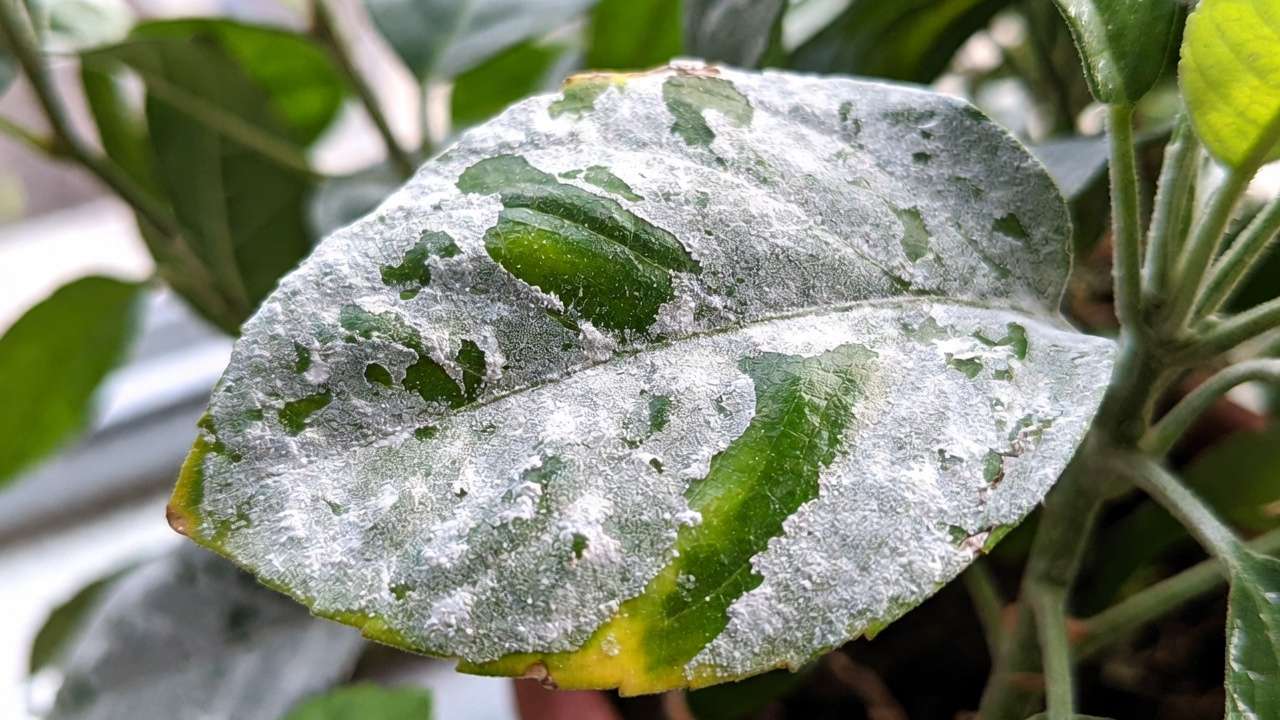
- Fungal infections — Powdery mildew appears as white powdery coatings (common on African violets, begonias, and succulents), while botrytis gray mold causes fuzzy brown spots on leaves and flowers. High humidity and poor airflow allow spores to settle and germinate.
- Bacterial and other diseases — Leaf spot diseases show as yellow/brown/black spots; edema causes corky blisters from overwatering combined with still, humid air.
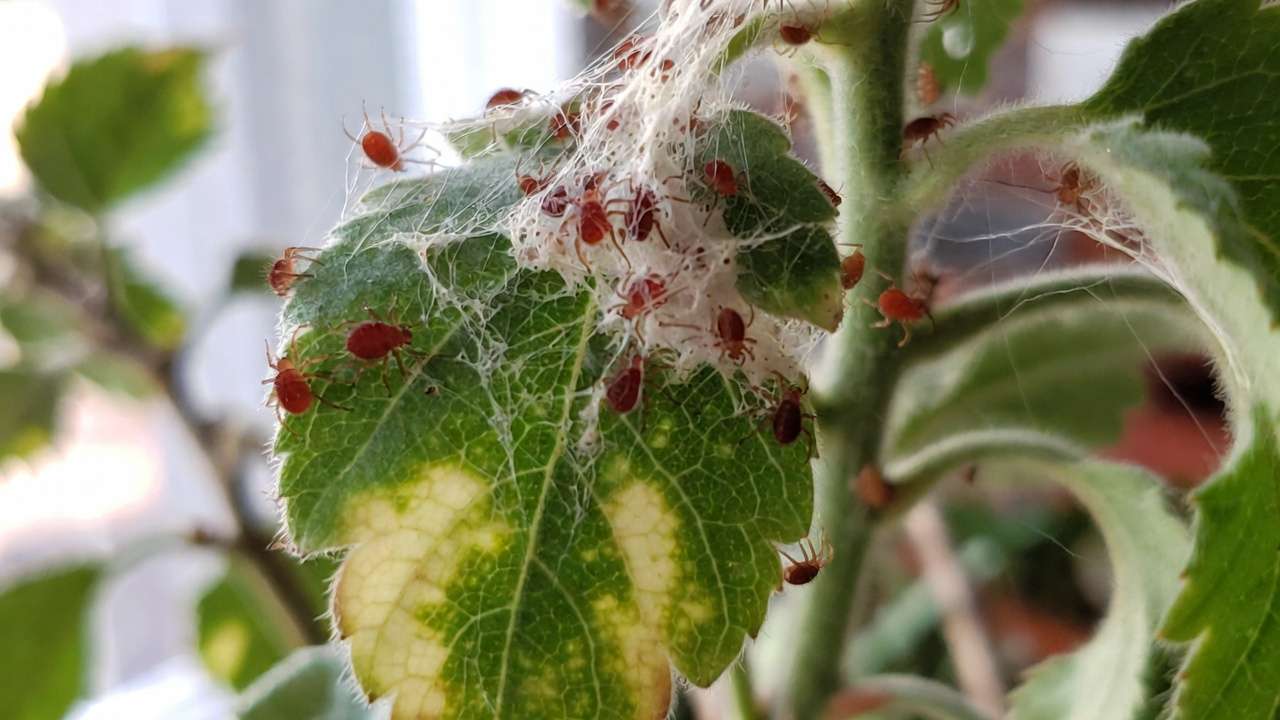
- Pest infestations — Spider mites adore dry, stagnant conditions (creating fine webbing and stippled leaves), while mealybugs and fungus gnats cluster in humid, unmoving air pockets.
- Physiological issues — Leggy, etiolated growth from weak stems; yellowing leaves (chlorosis); excessive leaf drop; root rot from trapped soil moisture.
These problems compound: pests weaken plants, making them more susceptible to diseases, and fungal issues spread rapidly in crowded, still setups. University extensions like Clemson, Penn State, and Iowa State consistently highlight poor air circulation as a top contributor to houseplant decline.
The Surprising Benefits of Good Airflow ✨
Flip the script, and the rewards are impressive:
- Stronger, stockier stems — Gentle air movement triggers thigmomorphogenesis, a natural response where plants develop thicker cell walls, shorter internodes, and sturdier vascular tissue — just like outdoor plants braced against wind.
- Better disease prevention — Moving air dries leaf surfaces quickly after watering, disrupting fungal spore germination and reducing mold risk.
- Improved nutrient uptake and growth — Efficient transpiration pulls more water and nutrients from roots, leading to vibrant foliage and faster recovery from stress.
- Pest deterrence — Pests struggle to establish in breezy conditions; spider mites, for example, prefer calm, humid spots.
- Enhanced overall vigor — Plants look lusher, bloom more reliably, and handle environmental fluctuations better.
Bonus for you: Healthier plants contribute modestly to cleaner indoor air by filtering VOCs (as explored in classic NASA studies), though ventilation remains key for true purification.
Signs Your Houseplants Need Better Air Circulation 🔍
Catching issues early saves plants! Watch for these red flags:
- Powdery white or gray coating on leaves (powdery mildew).
- Brown, crispy leaf tips/edges or water-soaked spots.
- Fuzzy gray mold on foliage, flowers, or soil surface.
- Tiny webs, stippling, or clustered bugs (spider mites, mealybugs).
- Yellowing lower leaves, excessive drop, or slow/no new growth.
- Leggy, stretched stems reaching for light (etiolation).
- Musty odors from soil or a general “stale” feel in the room.
Quick test: Gently wave your hand near a plant — if leaves barely flutter in normal room air, circulation is likely insufficient. Place a small fan nearby on low; if leaves perk up or move slightly without stress, you’ve found the fix! 🪭
Essential Tips to Improve Air Circulation Around Your Houseplants 🌀
Here are proven, expert-recommended strategies to boost airflow without fancy equipment.
Use Fans Strategically (The #1 Quick Fix) 💨
A small oscillating fan is your best friend. Set it on low, 3–6 feet away, angled to create gentle movement across multiple plants — not blasting directly (which can dry soil too fast or cause windburn). Run it 2–8 hours daily, ideally on a timer for consistency.
Placement tips:
- Ceiling fans on low provide broad circulation.
- Clip-on or tabletop fans for targeted spots.
- Avoid constant high speed; mimic natural breezes.
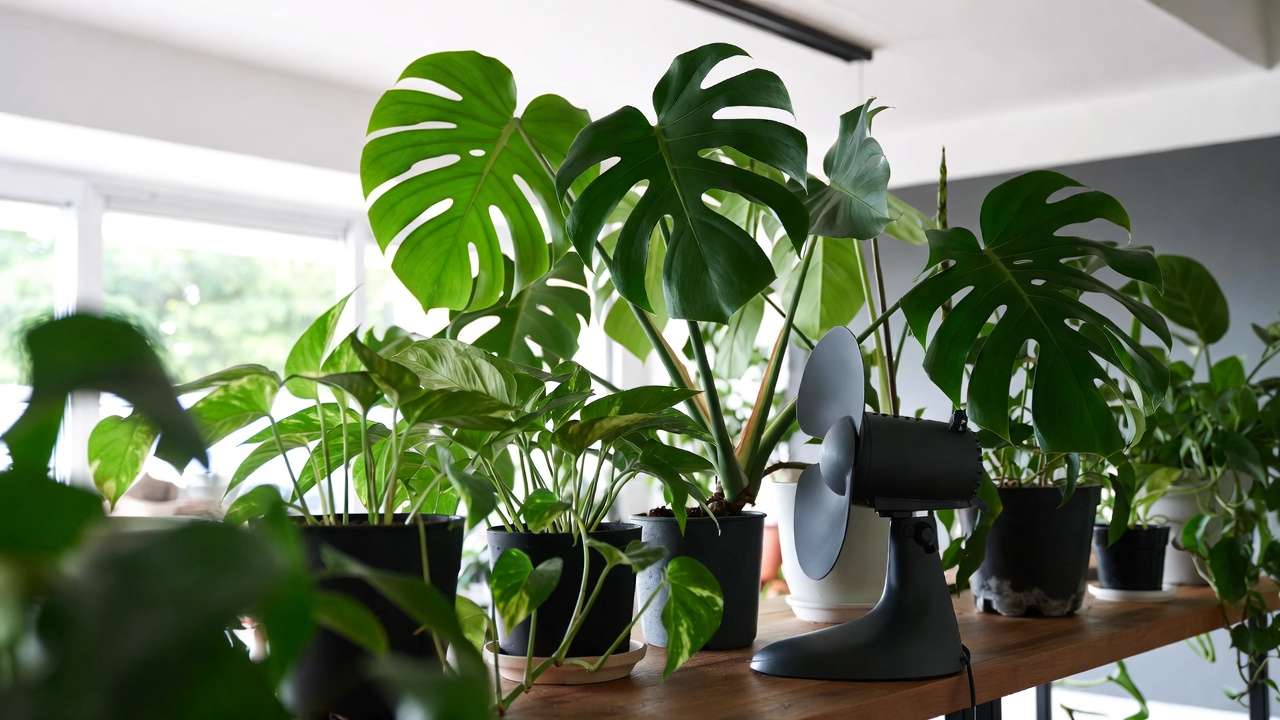
This gentle stimulation promotes thigmomorphogenesis for thicker stems — many growers report noticeably sturdier plants within weeks.
Maximize Natural Ventilation 🪟
Open windows for cross-breezes when outdoor conditions allow (avoid cold drafts in winter or hot, dry air in summer). Crack doors between rooms, use bathroom/kitchen exhaust fans, or position plants near (but not blocking) air returns.
Seasonal note: In humid climates like parts of Bangladesh, prioritize dehumidification alongside airflow.
Smart Plant Placement and Grouping 🪴
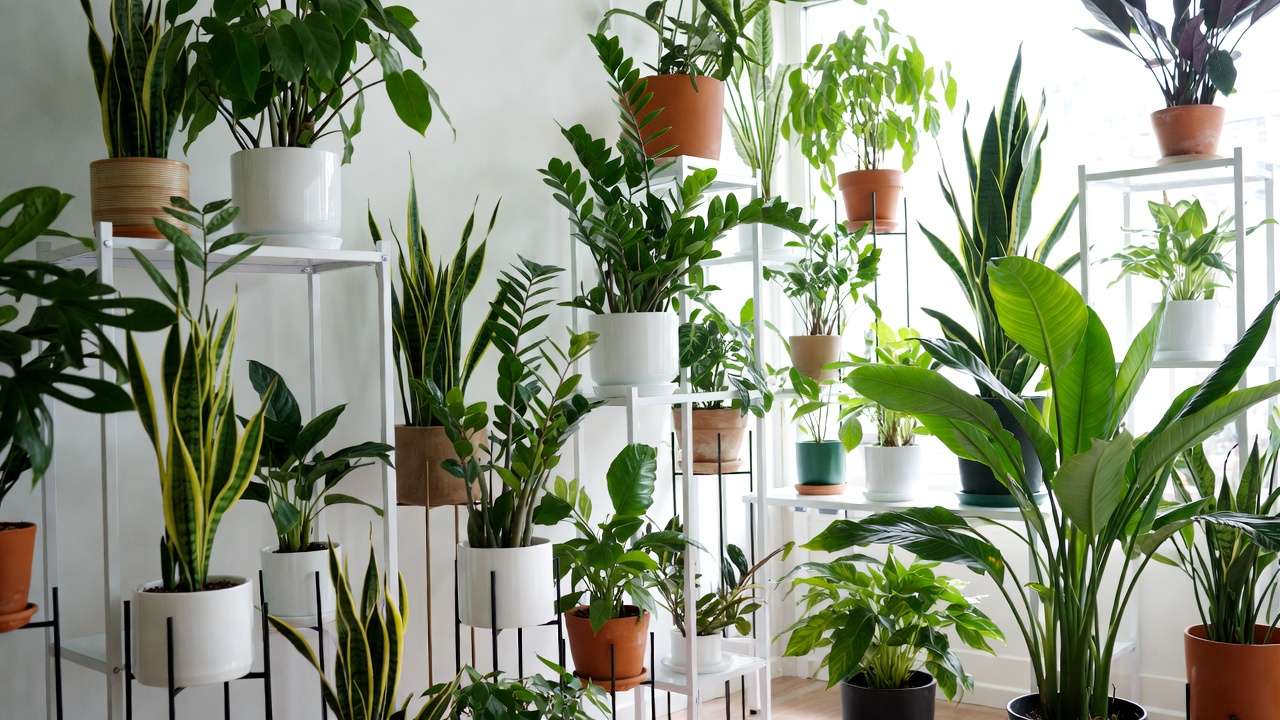
- Space plants 6–12 inches apart so leaves don’t touch.
- Elevate on stands, shelves, or plant risers for under-canopy airflow.
- Group humidity-loving plants together but leave breathing room — overcrowding creates dead air zones.
- Rotate pots weekly for even exposure.
Optimize Your Home Environment 🏠
- Avoid placing plants directly under or near AC/heating vents (dries them out).
- Use air purifiers with built-in fans for dual benefit.
- In low-ventilation rooms, combine with dehumidifiers if humidity exceeds 60%.
Soil and Pot Choices That Promote Airflow 🌱
Opt for well-draining potting mixes amended with perlite, orchid bark, or vermiculite to prevent soggy soil pockets. Terracotta pots wick moisture and allow side-air exchange (better than plastic for airflow). Ensure pots have drainage holes — saucers shouldn’t hold standing water.











