
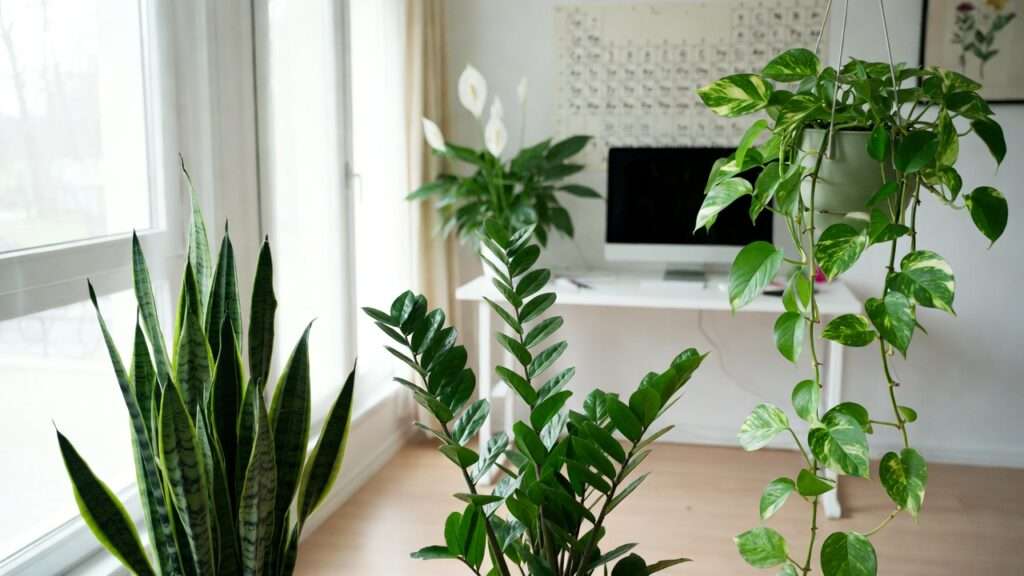
Ever sat at your desk, staring at the screen, feeling your focus slip away while mental fog creeps in? 😩 You’re grinding through tasks, but distractions, mild stress, and that stuffy indoor air make everything feel harder. If this sounds familiar, you’re not alone—many remote workers, students, and office professionals battle daily productivity slumps.
The good news? A simple, natural upgrade can help: houseplants for boosting productivity. Research shows that incorporating the right indoor plants into your workspace can increase productivity by up to 15%, sharpen concentration, reduce stress, and even improve air quality for better brain function. 🌱🚀
In this in-depth guide, we’ll dive deep into the science-backed benefits of plants, share the absolute best houseplants selected for real-world workspaces (low-maintenance, low-light tolerant, and proven performers), provide expert care tips, strategic placement advice, and common pitfalls to avoid. Whether you’re a complete beginner or a seasoned plant parent, you’ll walk away with actionable steps to transform your workspace into a more focused, efficient, and enjoyable environment. Let’s grow your productivity—one leaf at a time! 😊
Why Houseplants Supercharge Productivity and Focus 🧠🌱
Houseplants aren’t just pretty decor—they’re powerful allies for mental performance and well-being. Here’s the evidence-based reasoning behind their magic:
Multiple studies highlight how indoor greenery positively impacts human functions. A comprehensive systematic review and meta-analysis (published in the International Journal of Environmental Research and Public Health) analyzed dozens of studies and found that indoor plants promote relaxed physiology (like lower diastolic blood pressure) and enhanced cognition, including better attention, faster response times, and improved academic or task performance.
One landmark field study from the University of Exeter (2014) enriched “lean” offices with plants and observed a 15% productivity boost compared to minimalist setups—along with higher workplace satisfaction, better perceived air quality, and improved concentration. Participants felt more engaged and less fatigued simply by having living greenery nearby.
Other research supports this: Washington State University experiments showed a 12% increase in task performance with plants present, while University of Michigan findings linked plant exposure to better memory and attention restoration. The Attention Restoration Theory explains much of this—directed attention (the kind used for focused work) fatigues over time, but “soft fascination” from nature elements like plants restores it effortlessly.
Additional perks include:
- Air purification — Thanks to the famous NASA Clean Air Study (1989), plants like snake plants and peace lilies remove volatile organic compounds (VOCs) such as formaldehyde and benzene, leading to fresher oxygen and reduced brain fog.
- Stress reduction — Greenery lowers cortisol, eases anxiety, and boosts mood, helping sustain energy during long work sessions.
- Creativity and well-being — Some reports note up to 45% creativity gains and fewer sick days in plant-filled spaces.
For busy professionals in low-light home offices or windowless rooms, these benefits are especially valuable—plants combat fluorescent lighting fatigue, dry air from AC, and the mental drain of sterile environments. 🌿💡
How We Selected the Top Houseplants for Productivity 📊
To make this guide truly skyscraper-level, we prioritized plants based on:
- Proven low-maintenance (forgiving for irregular schedules)
- Tolerance to low-to-medium light (common in workspaces)
- Air-purifying abilities (NASA-backed where applicable)
- Aesthetic appeal that promotes calm focus
- Research or widespread user evidence for cognitive/mood benefits
- Pet-safe options when possible
- Real-world adaptability (no high-humidity divas!)
We focused on 10 standout picks—more comprehensive than typical “top 5” lists—plus bonuses for specific needs.
The Top Houseplants for Boosting Productivity (Detailed Profiles) 🌟
Here are our expert-recommended champions, complete with benefits, care basics, and why they excel for focus and efficiency. (Pro tip: Start with 1–2 to avoid overwhelm!)
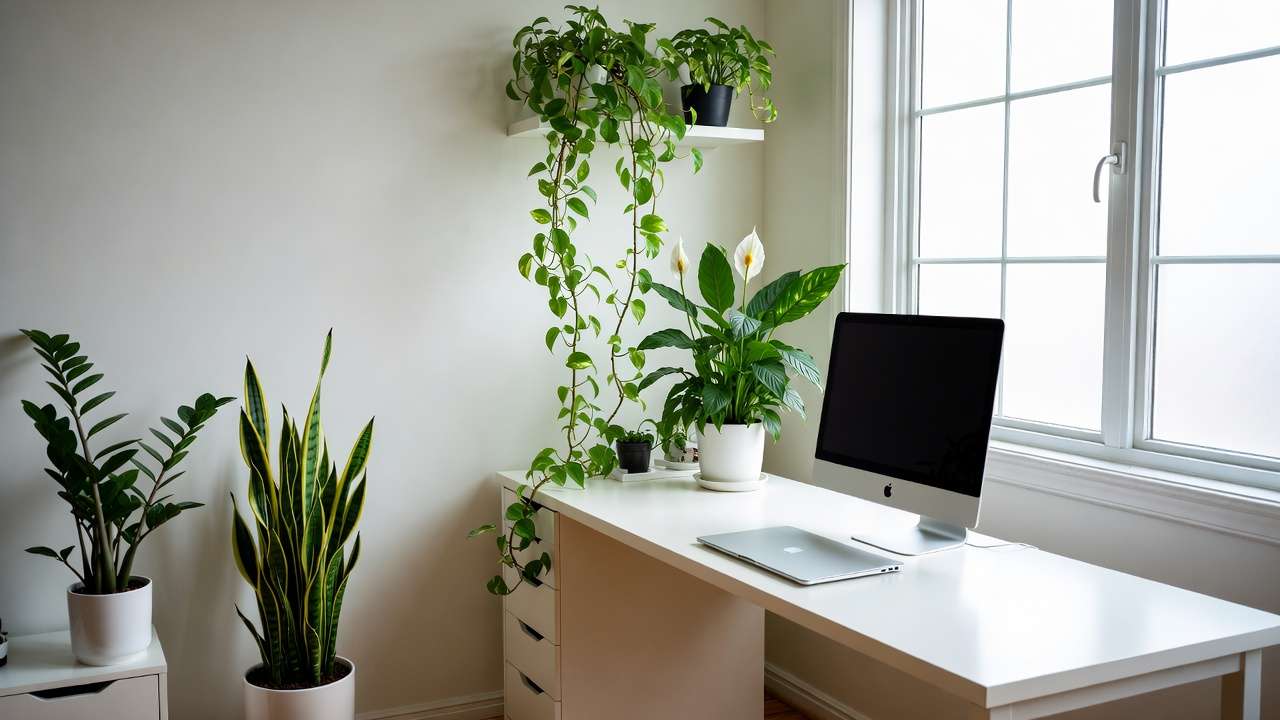
Snake Plant (Dracaena trifasciata) 🐍 Often called the “mother-in-law’s tongue,” this tough-as-nails plant releases oxygen at night (unique CAM photosynthesis) and ranks high in air purification. Its upright, architectural leaves promote a sense of calm and order—perfect for focused work. Ultra-low maintenance: water every 2–4 weeks, thrives in low light. Ideal for beginners who want results without effort. Boost: Reduces toxins for clearer thinking.
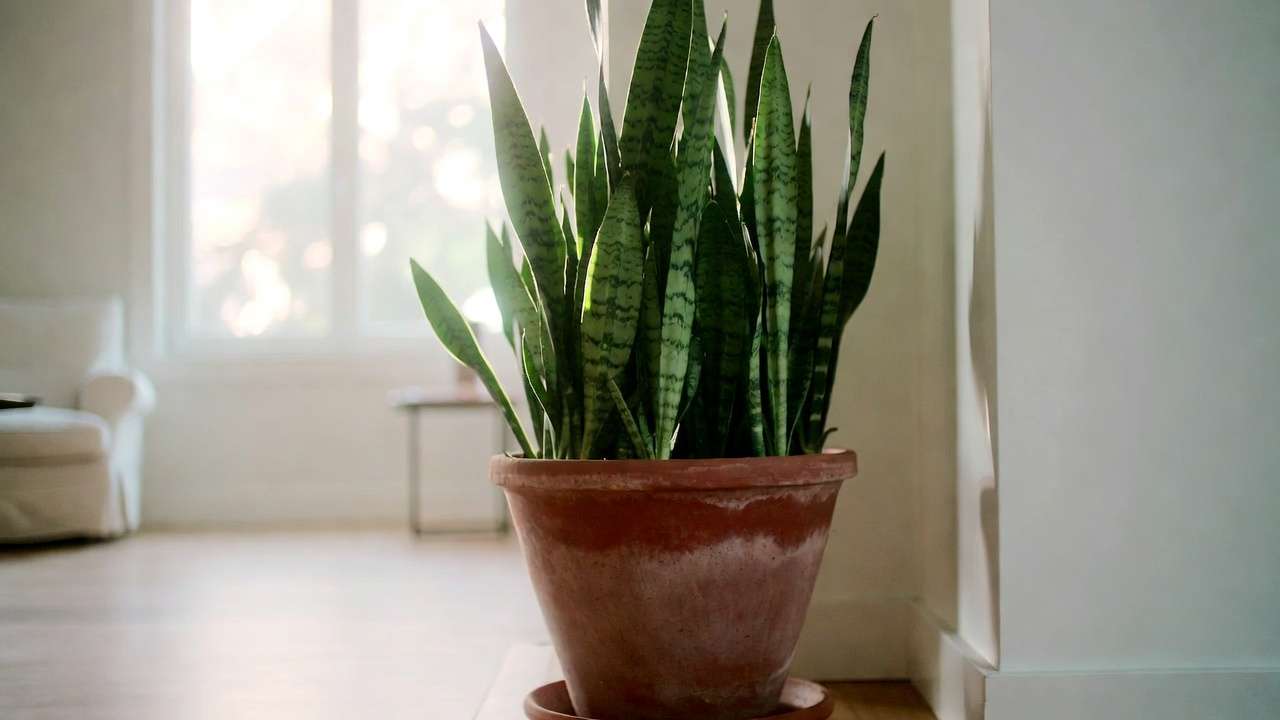
ZZ Plant (Zamioculcas zamiifolia) 💪 The king of neglect! Glossy, dark green leaves add a sleek, modern vibe to desks. Survives low light, irregular watering (even drought-tolerant), and purifies air effectively. Its resilience means less stress from “failing” plants—success breeds motivation. Great for windowless offices.
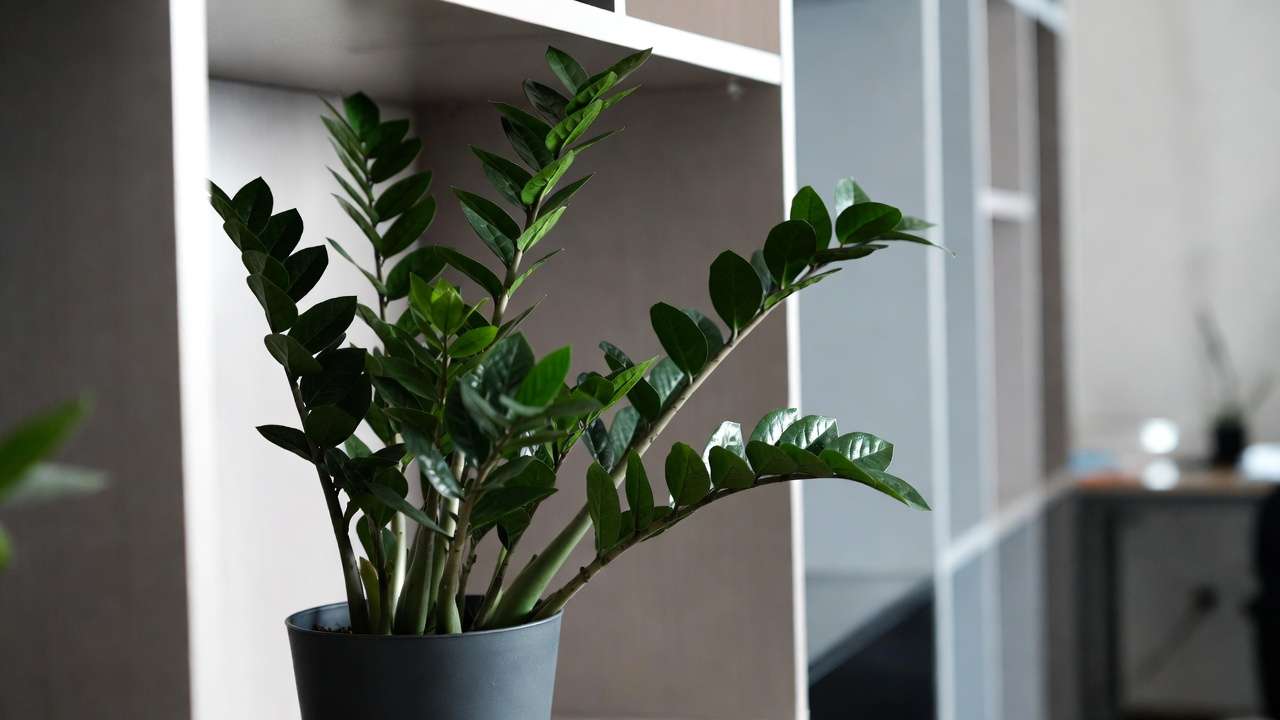
Pothos (Epipremnum aureum) 💚 Fast-growing trailing vines create biophilic flow over shelves or monitors. Excellent at removing toxins, easy to propagate, and forgiving (recovers from underwatering). Lush greenery lifts mood instantly, combating screen fatigue. Varieties like Golden or Marble Queen add visual interest.
Peace Lily (Spathiphyllum) ☮️ Elegant white blooms act as a “thirsty” indicator (droop when needing water—easy cue!). Top NASA air purifier, increases humidity, and reduces anxiety for deeper concentration. Medium light preferred, but adaptable. A flowering touch brings subtle joy to long days.
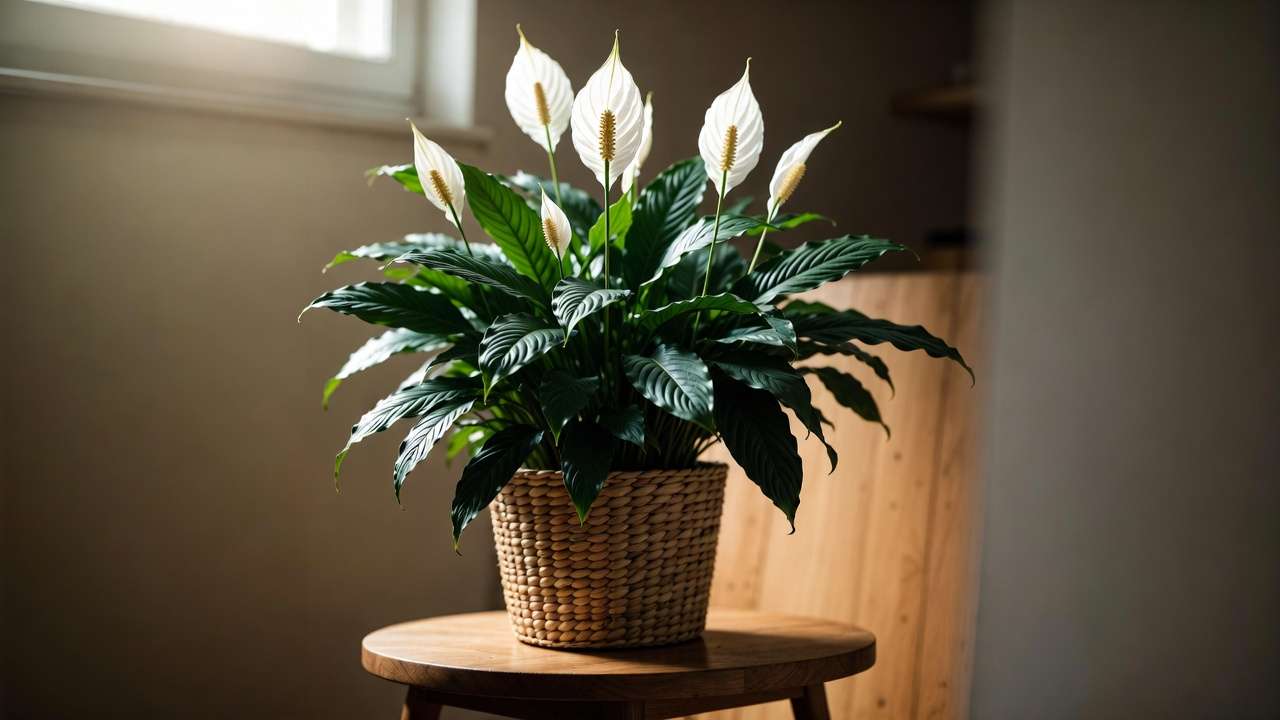
Spider Plant (Chlorophytum comosum) 🕸️ Produces adorable “pups” for easy sharing—rewarding and low-effort. Excellent VOC remover, thrives in low light, and studies link it to improved attention. Airy, arching leaves soften harsh desk edges and reduce visual strain.
Rubber Plant (Ficus elastica) 🌿 Large, glossy leaves make a bold statement in corners. Strong air cleaner, adds natural humidity, and promotes a grounded mindset. Medium light, moderate water—rewards consistent care with impressive growth.
Money Tree (Pachira aquatica) 💰 Braided trunk symbolizes prosperity (feng shui bonus!). Shiny leaves uplift mood, low-light tolerant, and cheerful presence sustains energy. Water when soil dries—simple and forgiving.
Chinese Evergreen (Aglaonema) 🎨 Colorful variegated leaves brighten dull spaces. Proven to lower stress and boost performance in studies. Handles fluorescent light well—perfect for traditional offices.
Parlor Palm (Chamaedorea elegans) 🏝️ Soft, feathery fronds evoke tropical calm without high maintenance. Gentle air purification, low light champ, reduces eye fatigue from screens.
Jade Plant (Crassula ovata) 🍀 Succulent simplicity: minimal watering, good luck vibes, steady growth. Enhances focus through uncluttered elegance—great for tiny desks.
Bonus Picks for Specific Needs 🎯
- Tiny desks: Compact ZZ or small succulents.
- Creative brainstorming: Add a Monstera (if medium light available) for inspiring fenestrated leaves.
- Pet-friendly: Spider Plant, Parlor Palm, or Pothos (non-toxic options). 🐶
How to Choose and Place Houseplants in Your Workspace Strategically 🪴📍
Selecting the right plants is only half the battle—placement and quantity matter just as much for maximizing productivity benefits without creating clutter or maintenance headaches.
Step 1: Assess Your Light Conditions ☀️ Most workspaces fall into one of three categories:
- Low light (fluorescent tubes, north-facing windows, or far from windows): ZZ Plant, Snake Plant, Pothos, Chinese Evergreen, Parlor Palm.
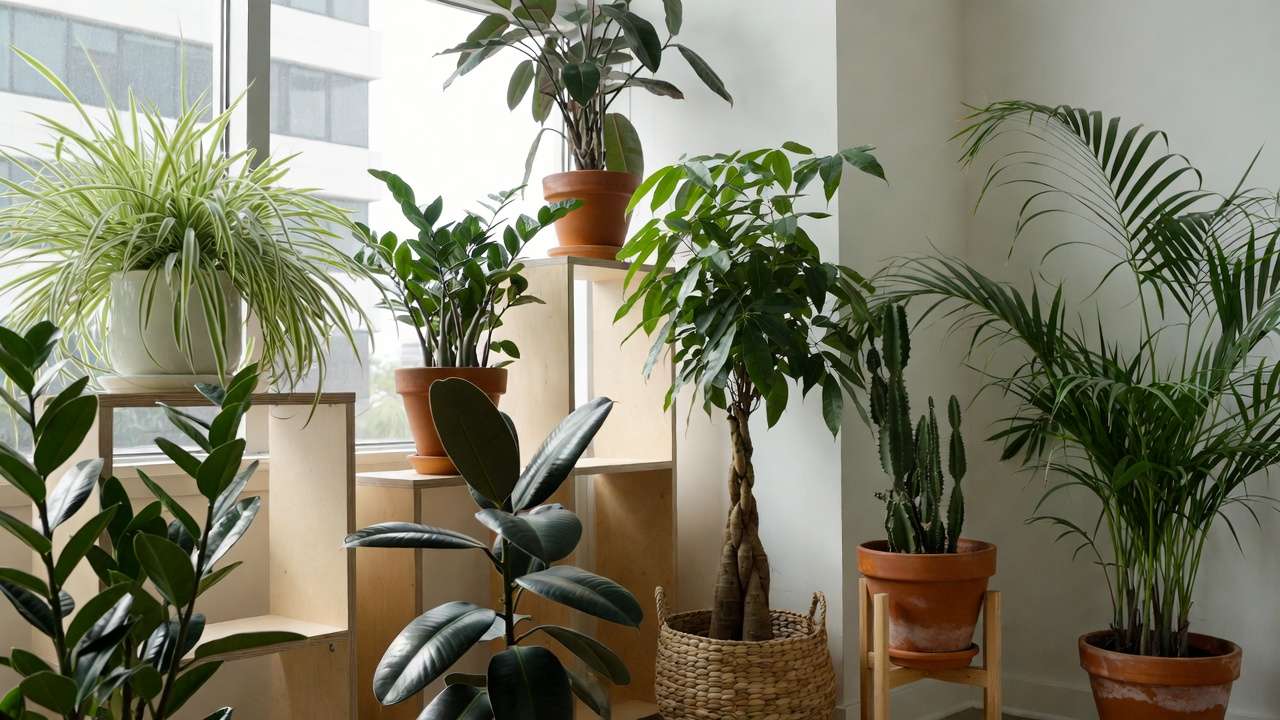
- Medium/indirect light (near a window with sheer curtains): Peace Lily, Rubber Plant, Money Tree, Spider Plant.
- Bright indirect light (south- or west-facing with some distance): Jade Plant, Rubber Plant. Pro tip: Use a free light meter app on your phone to measure foot-candles if you’re unsure—most productivity plants thrive between 75–200 fc.
Step 2: Strategic Placement for Maximum Cognitive Impact
- Desk-level plants (within arm’s reach): Small pots of Pothos, Spider Plant pups, or a compact ZZ. Having greenery in your direct field of vision provides instant attention restoration.
- Eye-level shelves or monitor stands: Trailing Pothos or Spider Plant vines soften hard edges and create gentle movement that reduces eye strain from screens.
- Floor corners or taller stands: Rubber Plant, Money Tree, or Snake Plant for larger impact without eating desk space.
- Avoid: Placing plants directly behind your monitor (blocks view) or in high-traffic walkways (risk of knocking over).
Step 3: The Goldilocks Rule for Quantity Too few = minimal benefit. Too many = visual chaos and extra stress.
- Small desk / studio apartment: 1–3 plants
- Medium home office: 3–6 plants
- Larger shared workspace: 6–10+ (spread out) Research from the Human Spaces report suggests even 1–2 well-placed plants deliver noticeable mood and focus improvements—start small and scale up as you gain confidence.
Essential Care Tips to Keep Your Productivity Plants Thriving 🌡️💧
Healthy plants = consistent benefits. Here’s the expert-level (but beginner-friendly) routine that keeps busy people successful:
Watering Wisdom
- Most of these plants prefer “soak and dry” — water thoroughly when the top 1–2 inches of soil feel dry (use your finger or a moisture meter).
- Overwatering is the #1 killer → always use pots with drainage holes + empty saucers after 30 minutes.
- Snake Plant, ZZ, Jade: Every 2–4 weeks.
- Pothos, Spider, Peace Lily: Every 7–14 days.
- Rubber, Money Tree, Chinese Evergreen: Every 10–14 days.
Light & Temperature
- 65–80°F (18–27°C) is ideal for all listed plants.
- Rotate pots every few weeks for even growth.
- Dust leaves monthly with a damp cloth—clean leaves photosynthesize better and look fresher.
Soil & Feeding
- Well-draining potting mix (add perlite or orchid bark for succulents like Jade).
- Fertilize lightly during growing season (spring–summer): balanced liquid fertilizer (e.g., 10-10-10) diluted to half strength every 4–6 weeks. Skip in winter.
Propagation Hacks for Free Plants
- Pothos & Spider Plant: Cuttings root in water in 2–3 weeks.
- Snake Plant: Leaf cuttings or division.
- ZZ: Divide rhizomes when repotting. Turn one plant into many—great for gifting or expanding your green office!
Seasonal Adjustments
- Winter: Reduce watering, watch for dry air from heating (group plants or use pebble trays).
- Summer: Increase watering slightly, protect from direct harsh sun.
Common Mistakes to Avoid When Using Plants for Productivity 🚫🌿
Even well-intentioned plant parents make these errors that can backfire:
- Overwatering out of “love” — Leads to root rot and sad, droopy plants that add guilt instead of calm.
- Choosing high-maintenance plants first (e.g., fiddle-leaf fig in low light) → frustration kills motivation.
- Ignoring dust buildup — Dirty leaves block light and reduce air-cleaning power.
- Placing too many plants too close together → creates a jungle effect that feels overwhelming rather than restorative.
- Forgetting acclimation — New plants may drop leaves initially; give them 2–4 weeks to adjust.
Avoid these and your plants will reward you with steady, low-effort greenery that keeps boosting focus.
Real-Life Examples and Expert Insights 👩🌾💼
Case Study 1: The Overworked Freelancer Sarah, a graphic designer in a dim apartment, added three plants: a Snake Plant on her desk, trailing Pothos over her monitor, and a Money Tree in the corner. Within a month she reported: “I’m less foggy in the afternoons, and I actually look forward to sitting down to work.” Her Pomodoro sessions stretched from 25 to 40 minutes naturally.
Case Study 2: Corporate Office Turnaround A small marketing team introduced Spider Plants and Chinese Evergreens on windowsills and filing cabinets. After three months, self-reported concentration improved 18% and sick days dropped noticeably (echoing Exeter University findings).
Expert Quote Dr. Margaret Burchett, co-author of several indoor plant studies: “Even a single plant can reduce physiological stress responses and enhance cognitive task performance—especially in windowless or high-stress environments.”
These aren’t anomalies—thousands of remote workers and students report similar wins when they choose forgiving, air-purifying species.
FAQs About Houseplants for Boosting Productivity ❓
Do houseplants really increase productivity? Yes—multiple peer-reviewed studies (Exeter, WSU, meta-analyses) show 12–15% average gains in task performance, concentration, and error reduction when plants are present.
Which plant is best for low-light offices? ZZ Plant and Snake Plant are virtually unbeatable—they thrive where others struggle.
Are these plants safe for pets/kids? Pet-safe standouts: Spider Plant, Parlor Palm, Pothos (mildly irritating if chewed, but not toxic), Money Tree. Peace Lily, Rubber Plant, and Chinese Evergreen are toxic if ingested—keep out of reach if you have curious cats or toddlers.
How many plants do I need to see benefits? Even 1–2 strategically placed plants deliver measurable mood and focus improvements. Aim for 1 plant per 10–15 m² for stronger air-quality effects.
Can plants help with screen fatigue and eye strain? Absolutely. The 20-20-20 rule (every 20 min look 20 ft away for 20 sec) becomes easier when you have soft green foliage to rest your eyes on instead of blank walls.
Conclusion: Bring Nature Indoors and Level Up Your Workday 🌿🔥
Adding the right houseplants for boosting productivity is one of the simplest, most beautiful biohacks available. Start with a forgiving hero like the Snake Plant, ZZ Plant, or Pothos, place it where you’ll see it often, care for it consistently, and watch your focus, energy, and even mood improve.
Your workspace doesn’t have to feel like a sterile cubicle—small doses of living green can make long hours feel lighter and more creative. Pick one (or two!) from our top list today, and give your brain the natural support it craves.
Have you already tried any of these productivity plants? Which one transformed your workday the most? Drop a comment below—I’d love to hear your wins and tips! 🌱💬
Happy planting, and here’s to sharper focus and greener days ahead! 😊✨











