
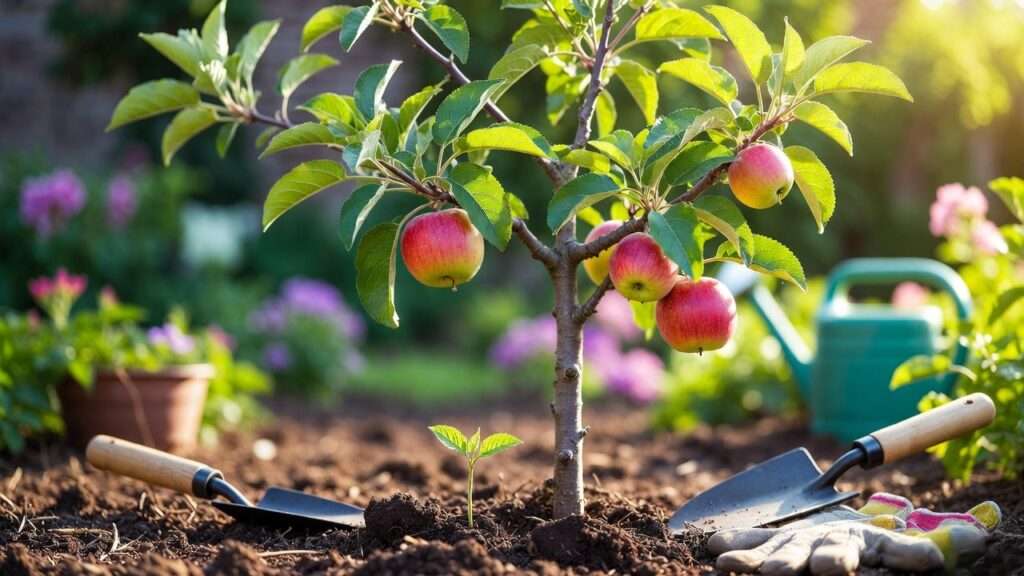
Imagine biting into a crisp, juicy apple from the grocery store or your local orchard, saving those tiny seeds, and wondering: how do I grow an apple tree from seed? It’s a question that sparks curiosity in gardeners of all levels, from beginners to seasoned plant enthusiasts. Growing an apple tree from seed is not only possible but also a deeply rewarding journey that connects you to the ancient origins of one of the world’s most beloved fruits. This hands-on project can yield a unique tree adapted to your local environment, perfect for biodiversity, education, or even as a vigorous rootstock for future grafting.
However, let’s set realistic expectations right from the start—apple trees grown from seed rarely produce fruit identical to the parent apple. Due to cross-pollination and genetic variability (apples are highly heterozygous), your seedling will create a brand-new variety. The apples might be smaller, tarter, or even crabapple-like, often better suited for cider, jelly, or wildlife than fresh eating. That said, iconic varieties like Granny Smith and Golden Delicious originated as chance seedlings! With patience and proper care, you could discover something special. In this comprehensive guide, backed by insights from university extensions (such as Iowa State, University of Minnesota, and Penn State), we’ll walk you through every step to maximize success. Whether you’re starting for fun, learning, or experimentation, this skyscraper guide covers more depth than typical tutorials—timelines, troubleshooting, advanced tips, and more—to help you thrive.

Why Grow an Apple Tree from Seed? The Pros, Cons, and Realistic Expectations 🍎
Growing apple trees from seed is an exciting, low-cost way to engage with nature, but it’s distinctly different from planting grafted nursery trees, which guarantee specific varieties. Understanding the genetics and outcomes helps avoid disappointment and sets you up for enjoyment.
The Genetic Surprise: Why Seed-Grown Apples Aren’t “True to Type”
Apple trees are not self-pollinating in a way that preserves exact traits. Seeds result from cross-pollination between the mother tree and pollen from nearby trees (often carried by bees). This heterozygosity means each seed is a unique hybrid—your tree from a Honeycrisp seed won’t produce Honeycrisp apples. Instead, fruit is often inferior: smaller, more acidic, or bitter, resembling crabapples. Yet, this variability has gifted us many modern favorites through chance discoveries.
Expert sources like Iowa State University Extension and Penn State confirm: seedling trees are genetically distinct, making them ideal for experimentation but unreliable for replicating store-bought flavors.
Pros of Growing from Seed
- Affordability and Accessibility: Start with seeds from everyday apples—no need for expensive nursery stock.
- Vigor and Adaptation: Seedlings often grow more robustly, with deeper roots and better resistance to local soils, climates, and diseases compared to grafted dwarfs.
- Educational Value: Perfect for teaching kids about plant biology, pollination, and patience.
- Biodiversity and Rootstock Potential: Great for orchards promoting wildlife or as hardy rootstocks for grafting known varieties later.
- Long-Term Rewards: Trees can live 100+ years, providing shade, blossoms, and potential surprises.
Cons and Challenges
- Unpredictable Fruit: 5-10+ years to first fruit (vs. 2-5 for grafted), and it may be inedible for eating.
- Size: Standard seedlings reach 20-30 feet, requiring space.
- Low Germination: Only 30-60% success rate.
- Time Investment: Full process spans months to years.
Expert Insight: University extensions recommend seed-growing for hobbyists or rootstock production, while grafted trees ensure reliable harvests.
Selecting and Preparing Your Apple Seeds 🫐
Success starts with quality seeds. Not all apples yield viable ones equally.
Choosing the Right Apples
Opt for ripe, healthy fruits from heirloom or local varieties for hardier seedlings. Organic apples avoid potential inhibitors. Popular sources include Granny Smith, Golden Delicious, Gala, Fuji, or crabapples—these often produce adaptable offspring. Avoid overly hybridized supermarket apples if possible, though many work fine.
Collect from multiple apples for diversity. Heirloom varieties like McIntosh (common for rootstocks per UMN Extension) increase vigor.
Extracting and Cleaning Seeds
Slice apples carefully, remove seeds without damage (there are usually 5-10 per fruit). Rinse off pulp thoroughly to prevent mold. Air-dry on paper towels for 1-3 days in a cool, dark spot.
Pro Tip: Start with 50+ seeds to account for low germination. Fresh seeds from fall-harvested apples perform best.

Cold Stratification — The Essential Winter Simulation ❄️
Apple seeds require a chilling period (stratification) to break dormancy, mimicking winter. Skipping this yields near-zero germination.
Why Stratification Matters
Seeds need 60-120 days of cold (34-41°F / 1-5°C) moist conditions. Optimal: around 40°F. This triggers embryo maturation.
Sources like Practical Self Reliance and university studies confirm 70-90 days minimum for best results.
Step-by-Step Stratification Methods
- Paper Towel Method (Beginner-Friendly): Dampen (not soak) a paper towel, place seeds spaced apart, fold, and seal in a labeled zip bag. Refrigerate (not freezer!).
- Peat Moss/Sand Method: Mix seeds with moist medium in a container or bag.
- Outdoor Natural Method: Plant in fall pots outdoors, protected from animals.
Check weekly for mold; mist if needed. Many seeds sprout during this phase!
Timeline: Begin in fall/winter for spring planting. Extend if no sprouts.
Planting Your Germinated Seeds 🌿
Once radicles (roots) appear or stratification ends, plant promptly.
Potting Mix and Containers
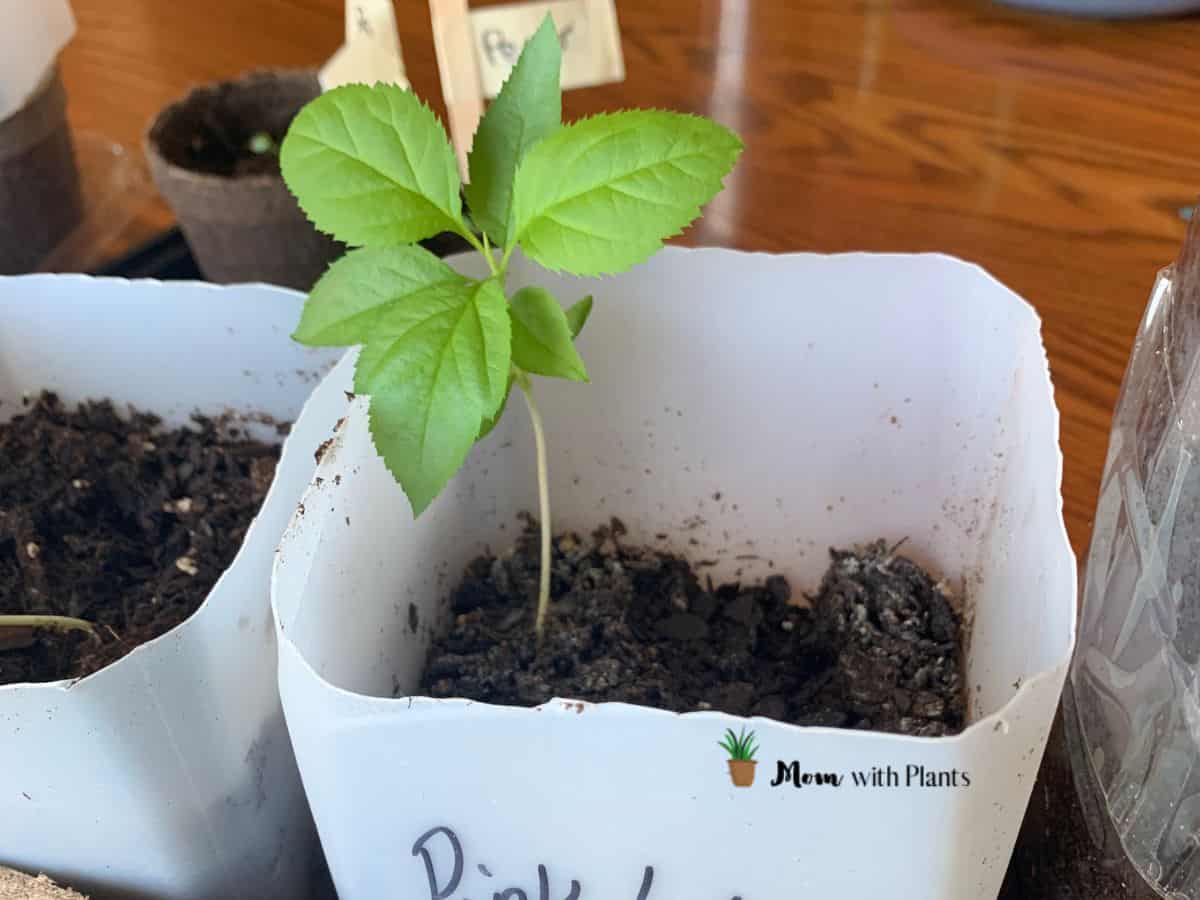
Use sterile, well-draining seed-starting mix. Individual 4-6 inch pots prevent root disturbance.
Planting Steps
Plant sprouted seeds root-down, ½-1 inch deep. Non-sprouted: same depth. Cover lightly, water gently.
Place in 70-75°F with bright indirect light (or grow lights 12-16 hours/day).
Emergence: 1-4 weeks.
Early Seedling Care
Keep moist but not soggy. Use bottom watering to avoid damping-off. Thin multiples to strongest.
Caring for Young Apple Saplings 🪴
Seedlings need consistent care to develop strong structures.
Light, Water, and Fertilizer
Full sun (6+ hours) after hardening. Water when top inch dry. Fertilize lightly after true leaves with diluted organic formula.
Repotting and Hardening Off
Repot as roots fill (1-2 years). Gradually expose to outdoors in spring.
Pruning Young Trees
Pinch tips for bushiness. Shape central leader from year 2-3.
Transplanting to the Garden and Long-Term Care 🌳
At 12-24 inches (1-2 years), transplant permanently.
Site Selection
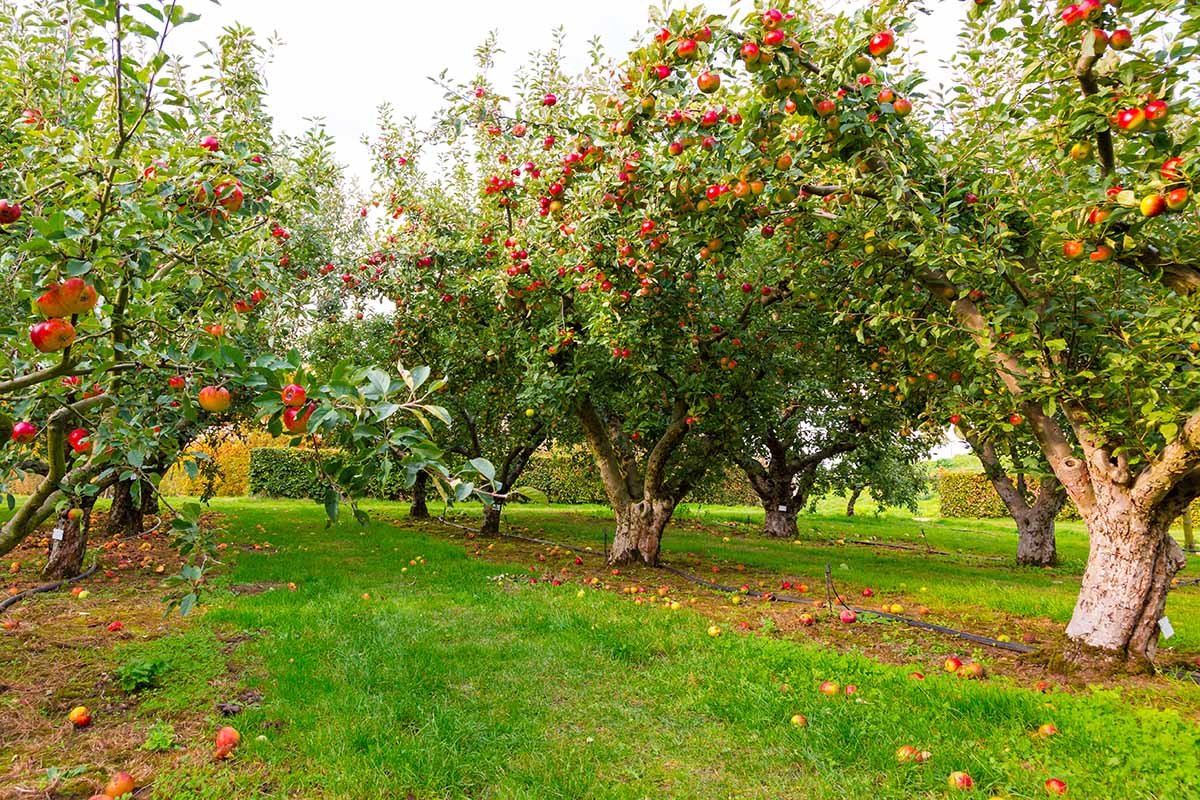
Full sun, well-drained soil (pH 6.0-7.0), good airflow. Space 20-30 feet for standards.
Planting and Ongoing Maintenance
Dig wide holes, amend with compost. Mulch, deep water, stake young trees. Annual pruning, monitor pests (codling moth, aphids).
When to Expect Fruit
Need cross-pollination (plant 2+ or near crabapples). First blooms/fruit: 5-10 years; peak later.
Common Problems and Troubleshooting 🚨
Even with the best care, issues can arise when growing apple trees from seed. Early identification and organic solutions keep your seedlings healthy. Here’s a detailed look at the most common challenges, backed by extension service recommendations.
Low Germination Rates
If few or no seeds sprout:
- Causes: Old seeds, insufficient stratification, or overly dry/wet conditions.
- Solutions: Use fresh seeds; extend cold period to 120+ days. Test a batch outdoors naturally next fall.
- Prevention: Start with excess seeds (100+ for 20-30 seedlings).
Damping-Off Disease
This fungal issue (caused by Pythium or Rhizoctonia) strikes young seedlings, causing stems to rot at the soil line and collapse.

- Symptoms: Seedlings wilt suddenly despite moist soil.
- Solutions: Improve airflow; use sterile mix; water from bottom. Apply chamomile tea as natural fungicide.
- Prevention: Avoid overwatering; add perlite for drainage.
Leggy or Weak Seedlings
Stretched, pale stems indicate insufficient light.
- Fix: Move to brighter spot or add grow lights (14-16 hours/day).
- Pro Tip: Lower lights to 4-6 inches above plants.
Pest Issues
Young trees attract aphids, codling moths, and more.
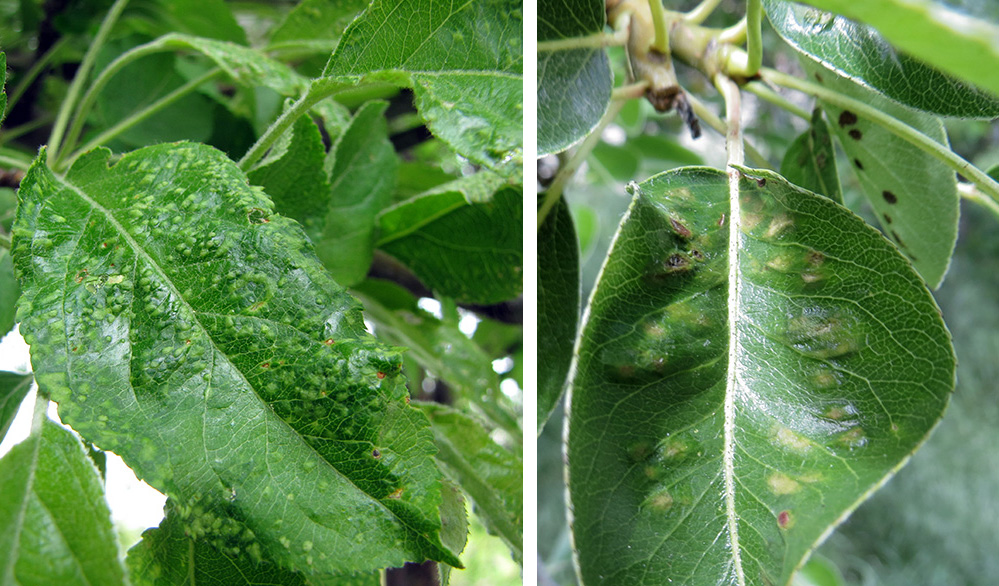
- Aphids: Curl leaves; spray with neem oil or insecticidal soap.
- Codling Moth: Worms in fruit later—use pheromone traps.
- Other: Deer/rabbits—fence young trees.
Expert Insight: Seed-grown trees often show better natural resistance than grafted ones, per University of Minnesota studies.
Nutrient Deficiencies and Soil Issues
Yellow leaves may signal iron chlorosis in alkaline soils.
- Amend with sulfur; use chelated iron sprays.
Advanced Options: Grafting Your Seedling for Better Fruit ✂️
Your vigorous seedling makes an excellent rootstock! Grafting attaches a scion (cutting) from a known variety for predictable, delicious apples—while keeping hardy roots.
Why Graft?
- Reliable fruit quality and earlier harvests (2-5 years post-graft).
- Size control via dwarfing rootstocks (though yours is standard).
- Preserve favorites like Honeycrisp.
Basic Grafting Intro
Whip-and-tongue is popular for similar-diameter stock/scion (done in late winter/early spring).
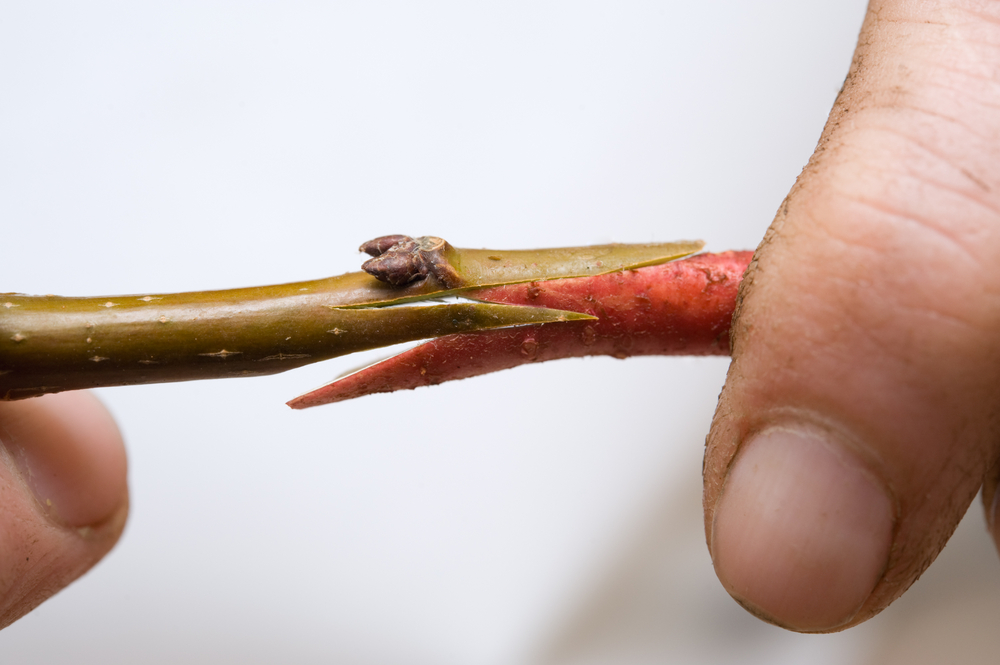
- Steps Overview: Match angled cuts, interlock “tongues,” bind with tape, seal with wax.
- Success Rate: 70-90% with practice.
- Resources: Join local grafting workshops or follow Cornell/Penn State guides.
Pro Tip: Collect scions in winter dormancy from healthy trees.
Frequently Asked Questions (FAQs) ❓
Will my tree produce edible apples? 🍏 Possibly! Many seedling apples are tasty for cooking, cider, or pies—though often tart/small. Some turn out excellent by chance.
How long until the tree bears fruit? ⏰ Typically 5-10 years for first apples, 15+ for full production. Factors: variety genetics, care, climate.
Can I grow an apple tree from seed in pots or indoors long-term? 🪴 Yes for a few years, but standards outgrow containers. Prune roots/branches for semi-dwarf; use large pots (20+ gallons).
What’s the best apple variety for starting seeds? 🌟 Heirloom/crabapples for hardiness; local wild ones adapt best. Avoid ultra-hybrids.
Is growing from seed worth the effort? 💚 Absolutely—for the joy, learning, shade, blossoms, and potential unique variety. It’s sustainable and deeply satisfying.
Do seedling trees need pollinators? 🐝 Yes—plant at least two for cross-pollination, or near existing apples/crabapples.
Conclusion: Start Your Apple Adventure Today! 🍏
Growing an apple tree from seed is a testament to patience, wonder, and the magic of nature. While the fruit may hold surprises, the journey yields beautiful blossoms, sturdy shade, and perhaps a new family favorite apple. Armed with this step-by-step guide—rooted in expert advice from leading university extensions—you’re ready to turn those saved seeds into thriving trees.
Grab some ripe apples today, extract those seeds, and begin. Your future orchard awaits—happy growing! 🌳✨











