
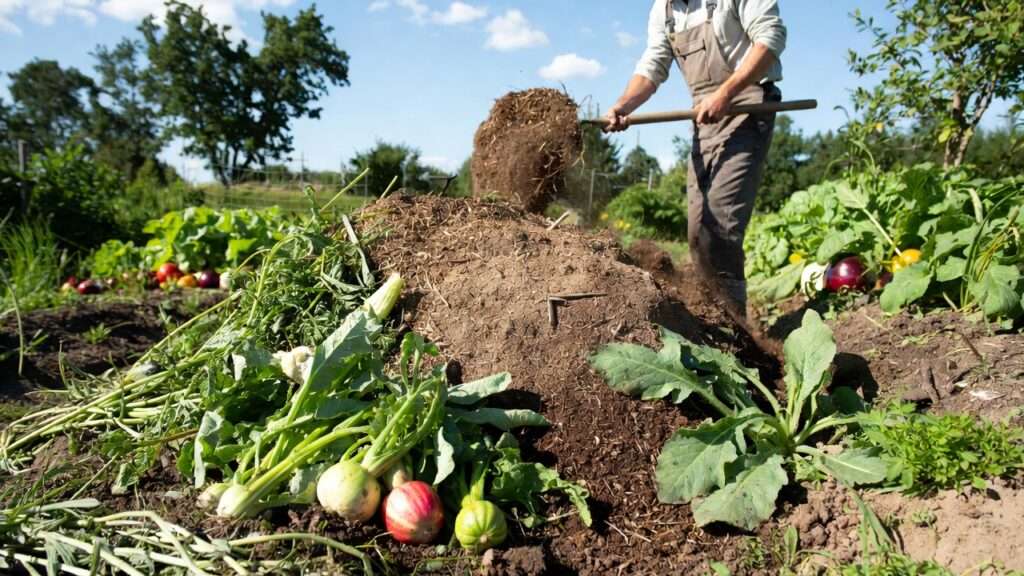
Picture this: You’ve been diligently tossing kitchen scraps, yard trimmings, and fallen leaves into your backyard compost pile, dreaming of that rich, dark “black gold” to nourish your vegetable garden, flower beds, and fruit trees. But months later, it’s still a messy heap of recognizable bits — and your plants are waiting! 😩 If you’ve ever wondered, how long does compost take to break down, you’re not alone. This is one of the most common questions among home gardeners and tree care enthusiasts.
The honest answer? Compost breakdown typically takes 3–6 months with an active, hot composting method, 6–12 months (sometimes up to 2 years) for a passive or cold pile, and as little as 6–8 weeks under ideal, optimized conditions. The huge variation depends on how you manage key factors like temperature, moisture, aeration, and material balance.
Why does this matter for your plants and trees? Fresh, unfinished compost can tie up nitrogen, burn tender roots, or introduce pathogens — while fully mature compost boosts soil structure, retains moisture, feeds beneficial microbes, and helps trees establish stronger roots in poor or compacted soils. In this in-depth guide, we’ll break down realistic timelines (backed by sources like the EPA, university extensions from Cornell, Missouri, and others), the science behind decomposition, the factors that slow or accelerate the process, proven tips to speed things up dramatically, signs your compost is ready, and smart ways to apply it for healthier plants and trees. 🌳
Whether you’re a beginner frustrated with slow results or an experienced gardener aiming for faster turnaround, this comprehensive resource will help you turn waste into wonderful soil amendment faster — and more reliably — than ever before. Let’s dive in!
What Exactly Happens During Composting? The Science Basics 🧪
Composting is nature’s ultimate recycling system — a controlled decomposition process powered by billions of microorganisms turning organic matter into nutrient-rich humus.
At its core, bacteria, fungi, actinomycetes, and larger critters like earthworms and insects break down “greens” (nitrogen-rich materials like veggie scraps and grass clippings) and “browns” (carbon-rich materials like dry leaves, cardboard, and twigs). This aerobic (oxygen-dependent) process releases heat, carbon dioxide, water, and eventually stable organic compounds.
Hot vs. Cold Composting — Which One Are You Doing? 🔥❄️
- Hot composting (active method): The pile heats to 130–160°F (55–71°C) as thermophilic bacteria thrive. This kills weed seeds, pathogens, and fly larvae while speeding breakdown dramatically. Ideal for gardeners wanting quick results.
- Cold composting (passive method): No intentional heat buildup — just pile it and wait. Slower and gentler, preserving more beneficial microbes and worms. Great for leaf mold or low-maintenance setups.
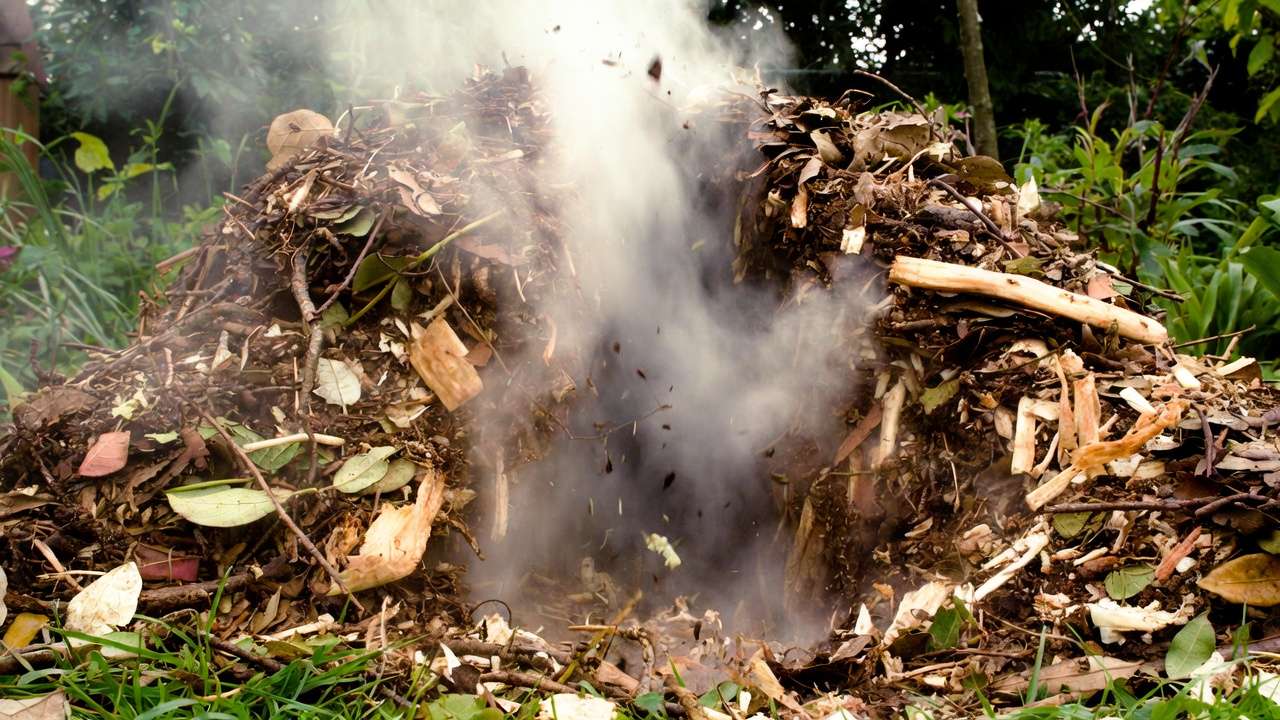
The Key Four Factors Microbes Need Microbes are the real workers here. They demand:
- Balanced food (carbon:nitrogen ratio around 25–30:1)
- Moisture (like a wrung-out sponge — 40–60% moisture)
- Oxygen (aeration prevents smelly anaerobic conditions)
- Warmth (optimal 135–160°F for hot piles; ambient temps slow everything)
Get these right, and decomposition accelerates. Miss them, and your pile lingers for years.
Realistic Timelines: How Long Does Compost Really Take? ⏳
No two piles are identical, but here are evidence-based averages from trusted sources like the EPA, Cornell University, University of Missouri Extension, and others:
- Hot composting (well-managed): 3–6 months to usable compost; some optimized systems finish in 4–8 weeks.
- Cold/passive composting: 6–12 months to 2+ years.
- Vermicomposting (with worms): 3–6 months indoors or in mild climates.
- Unmanaged pile (just dumped materials): 1–3 years or more.
Timeline Examples from Real-World Sources
- A well-shredded, turned hot pile (3x3x3 ft minimum) can reach maturity in 2–4 months (Iowa State University, University of Minnesota Extension).
- An untended leaf pile often takes 1–2+ years to become leaf mold.
- EPA notes that frequent turning and proper ratios push toward the faster end.
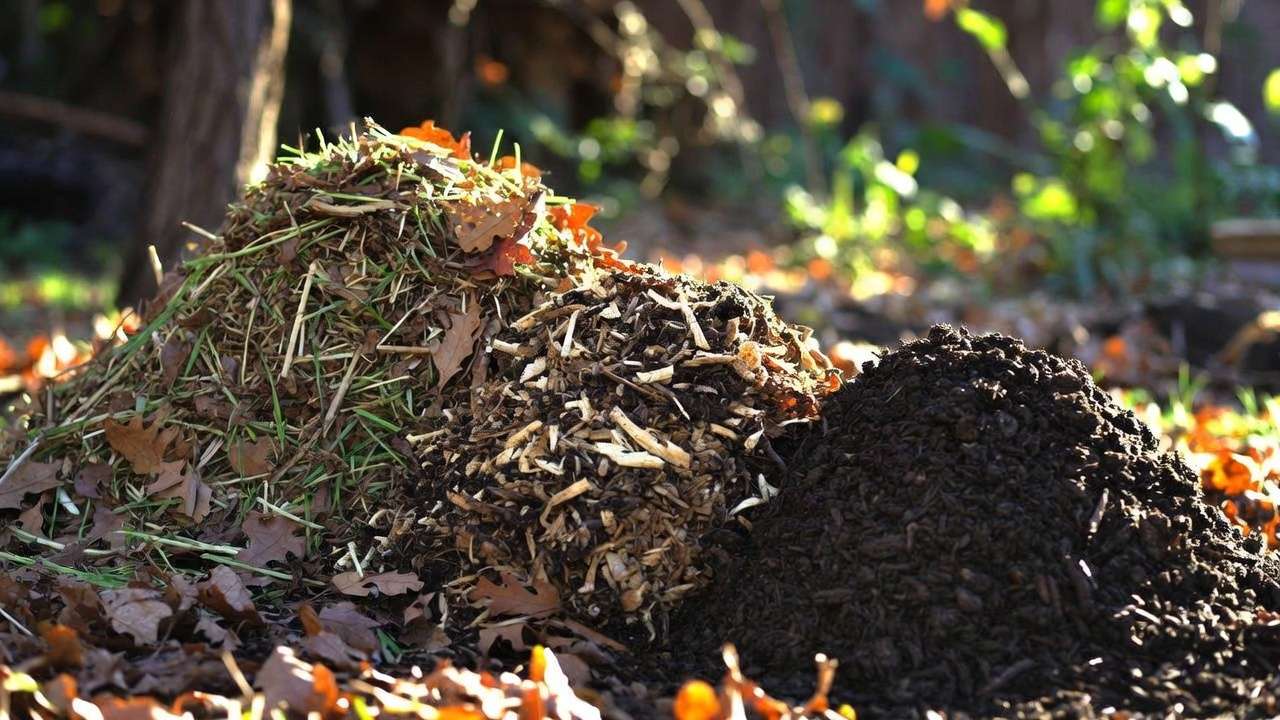
Seasonal Influences — Why Winter Slows Everything Down ❄️ In cooler months (like in many regions including parts of Bangladesh), microbial activity drops sharply below 50°F (10°C). Piles may go dormant until spring warmth returns. In hot, humid climates, decomposition races ahead year-round — but watch for excess moisture causing anaerobic smells.
Factors That Affect How Long Compost Takes to Break Down ⚖️
The decomposition timeline isn’t fixed — it’s influenced by several interconnected variables. Understanding these helps you diagnose why your pile might be crawling along (or racing ahead). Here’s a breakdown of the biggest factors, drawn from university extension services like Cornell, Oklahoma State, Illinois Extension, and others.
Carbon-to-Nitrogen Ratio (The Golden 25–30:1 Rule) Microbes need a balanced diet. “Greens” (nitrogen-rich: fresh grass clippings, kitchen scraps, coffee grounds) provide protein for growth, while “browns” (carbon-rich: dry leaves, straw, shredded cardboard, twigs) supply energy.
- Ideal ratio: 25–30 parts carbon to 1 part nitrogen.
- Too many browns → pile stays dry, cool, and breaks down very slowly (years possible).
- Too many greens → slimy, smelly anaerobic mess that stalls. Pro tip: Aim for 2–3 parts browns to 1 part greens by volume for most home piles.
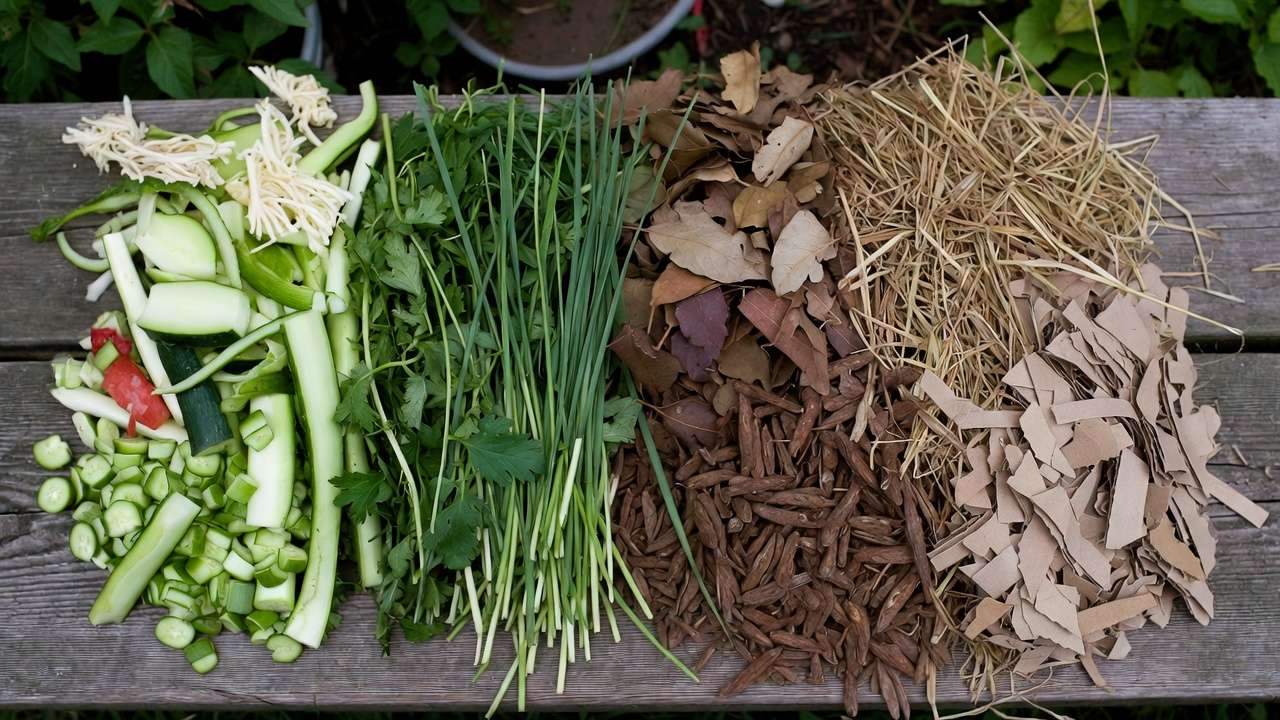
Particle Size — Shred It Small for Speed! ✂️ Larger pieces have less surface area for microbes to attack.
- Whole leaves or branches can take 1–2+ years (Utah State Extension notes woody materials often need up to 2 years unless chipped).
- Shredded or chopped materials (using a mower, chipper, or scissors) expose more surface → decomposition can speed up 5–10x. Quick win: Run over leaves with a lawn mower before adding.
Pile Size and Shape Piles smaller than 3x3x3 feet (about 1 cubic meter) struggle to retain heat and moisture → slower process. Larger, insulated piles (up to 5x5x5 ft) build and hold thermophilic heat better for faster hot composting.
Moisture Level (Like a Wrung-Out Sponge) 💧 40–60% moisture is ideal — too dry (below 30%) halts activity; too wet (over 65%) leads to anaerobic, stinky conditions. In humid areas like Barisal Division, BD, rain can over-saturate piles — cover loosely during monsoons.
Aeration and Turning Frequency Oxygen is crucial for aerobic microbes (the fast, odor-free ones).
- No turning → anaerobic pockets slow everything and create smells.
- Turn every 3–7 days in active piles (Oklahoma State recommends every 3–4 days for fastest results). Tumblers or aerated bins make this effortless.
Temperature and Location Hot composting peaks at 135–160°F (57–71°C).
- Partial sun helps in cooler seasons; too much direct sun can dry piles out.
- In winter (even mild ones), activity slows below 50°F (10°C); piles may pause until spring.
Materials — What Breaks Down Fast vs. Slow Fast: Fruit/veggie scraps, grass clippings, coffee grounds (weeks–months). Slow: Woody branches, nutshells, citrus peels (months–years unless shredded). Avoid: Meat, dairy, oils (attract pests/pathogens); diseased plants (unless hot composting kills them).
Master these, and you control the speed!
How to Speed Up Composting: Proven Tips for Faster Results 🚀
Want usable compost in months instead of years? Here are 12+ research-backed strategies from university extensions (Oklahoma State, Missouri, Cornell, Illinois, and more):
- Optimize C:N Ratio — Mix 2–3 browns to 1 green. Example: Layer dry leaves 🍂 with veggie scraps 🌿.
- Shred or Chop Materials — Increases surface area dramatically for quicker breakdown.
- Turn Frequently — Every 3–7 days introduces oxygen and mixes materials (key to hot, fast composting).
- Maintain Ideal Moisture — Squeeze a handful: a few drops = perfect; add water if dry, turn/aerate if soggy.
- Build a Larger, Insulated Pile — Minimum 3x3x3 ft; mound shape retains heat.
- Add Natural Activators — Manure, finished compost, or coffee grounds jump-start microbes.
- Use a Tumbler or Aerated Bin — Easier turning, better airflow → often 2–4 months total.
- Site in Partial Sun — Warms pile without excessive drying ☀️.
- Monitor & Adjust Temperature — Use a compost thermometer; aim 130–160°F initially.
- Layer Properly & Bury Food Scraps — Alternate greens/browns; bury kitchen waste to deter pests.
- Add Worms (Vermicomposting Boost) — Red wigglers thrive in finished or semi-finished piles 🪱.
- Avoid Common Mistakes — No meat/dairy/pet waste; balance layers; don’t compact pile.
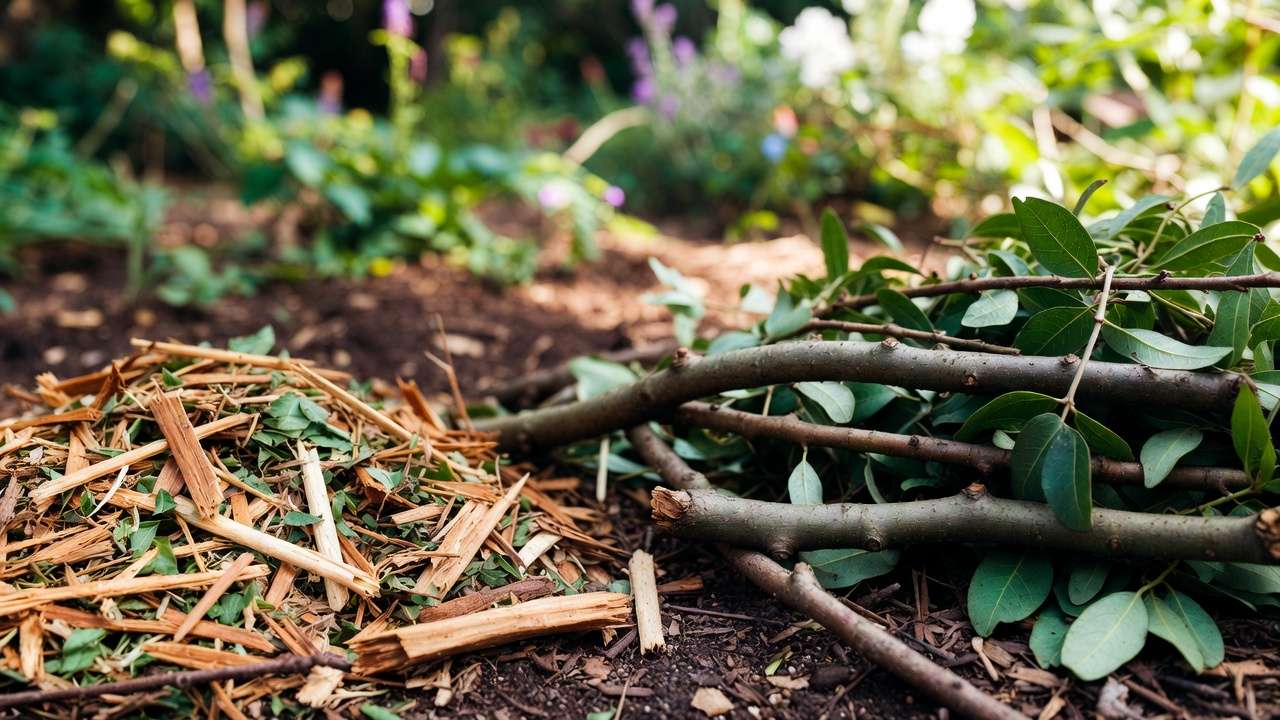
Bonus advanced hacks: Pre-compost tough items with bokashi (anaerobic ferment), or brew compost tea to inoculate new piles.
Implement even half of these, and many gardeners report cutting time in half or more!
How to Know When Your Compost Is Ready to Use ✅
After all the effort, the big question becomes: Is my compost actually finished? Using unfinished compost can harm plants by tying up nitrogen or introducing pathogens. Here’s how to tell it’s mature and safe, based on guidelines from Cornell Waste Management Institute, EPA, and university extensions.
Signs of Finished, Mature Compost
- Color and texture: Dark brown to black, crumbly, and soil-like (no large recognizable chunks).
- Smell: Rich, earthy forest aroma — no ammonia, rot, or sour odors.
- Temperature: Has cooled to ambient levels (below 100°F/38°C) and stays cool even after turning.
- Volume reduction: Original pile shrinks by 50–75%.
- No heat: After the last turning, it doesn’t reheat.
- Seedling test (reliable home method): Plant radish or cress seeds in a pot of your compost. If they germinate and grow vigorously within a week, it’s ready!
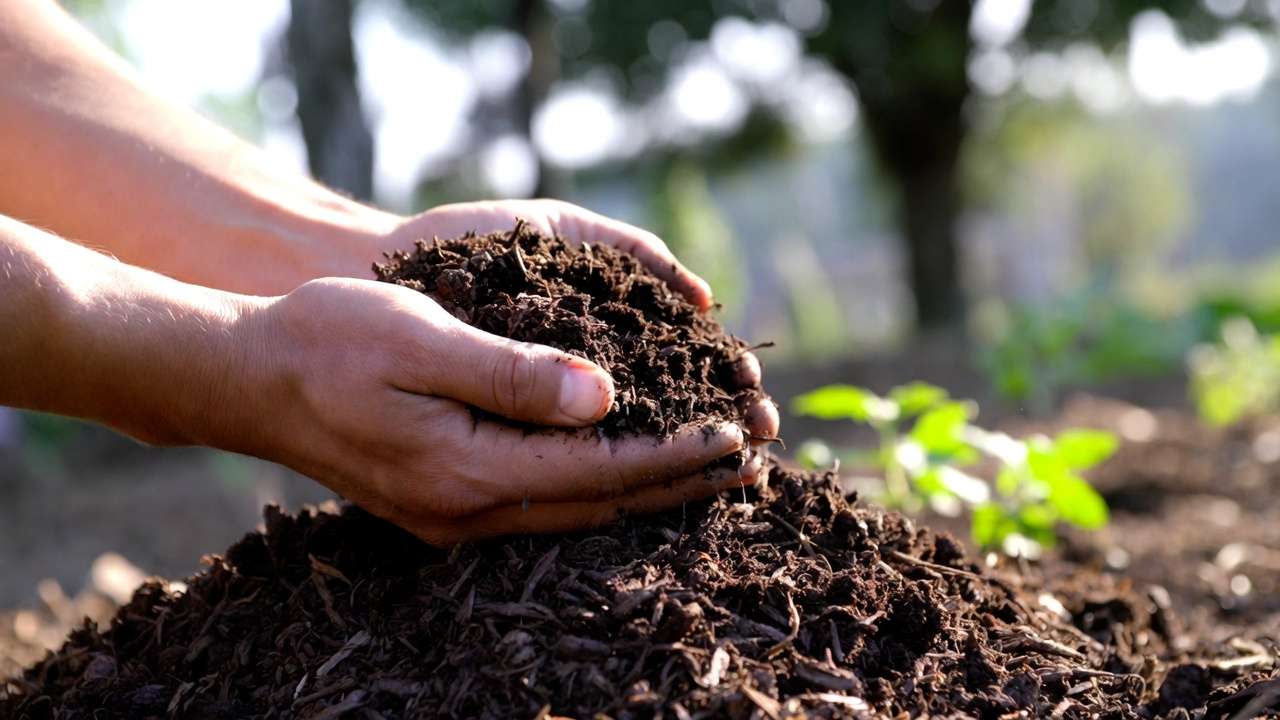
Curing Phase — Why Wait Extra Time? Even after the active hot phase ends, allow 2–4 weeks (or up to 2 months) of curing. This stabilizes nutrients, allows beneficial fungi to colonize, and reduces any remaining phytotoxins. Cured compost is safer for seedlings and sensitive plants.
When It’s “Good Enough” vs. Fully Mature
- “Good enough” (3–4 months for hot piles): Great as mulch around trees, top-dressing lawns, or mixing into garden beds.
- Fully mature (6+ months): Ideal for potting mixes, starting seeds, or top-dressing delicate houseplants.
If in doubt, err on the side of longer curing — your plants will thank you!
Using Your Finished Compost in Plant & Tree Care 🌳🍅
Once your compost is ready, it’s time to put that nutrient-packed humus to work. Mature compost improves soil structure, increases water retention, feeds beneficial microbes, and slowly releases essential nutrients (N-P-K plus micronutrients).
Practical Ways to Apply Compost
- Garden beds & vegetable patches: Mix 2–4 inches into the top 6–8 inches of soil before planting. Boosts fertility and drainage.
- Top-dressing around trees & shrubs: Apply 1–3 inches as mulch in a ring (keep away from trunk to prevent rot). Helps retain moisture, suppress weeds, and feed roots gradually.
- Potting mix component: Blend 20–30% compost with peat, perlite, and vermiculite for homemade potting soil — perfect for houseplants and container trees.
- Tree-specific tips:
- Fruit trees (e.g., mango, guava, citrus): Apply in early spring for better flowering and fruit set.
- Young saplings: Mix into planting hole (up to 25%) to encourage strong root growth.
- Established trees in poor soil: Annual top-dressing improves resilience to drought and pests.
How Much to Use & When
- General rule: 1–2 inches per year for most plants.
- Best times: Early spring (before growth) and fall (for root development).
- In humid regions like Barisal Division, compost helps combat heavy rains by improving drainage and reducing compaction.
Common Mistakes That Slow Down Composting (And Fixes) ⚠️
Even experienced gardeners make these slip-ups. Here’s how to troubleshoot and fix them quickly:
- Too dry → Pile won’t heat. Fix: Water thoroughly, cover during dry spells.
- Too wet/smelly → Anaerobic conditions. Fix: Turn immediately, add dry browns, improve drainage.
- Not heating up → Wrong C:N, too small pile, or cold weather. Fix: Add nitrogen source, build larger pile, insulate with straw.
- Pests (flies, rodents) → Exposed food scraps. Fix: Bury greens deep, use a bin with lid, avoid meat/dairy.
- No worms or slow breakdown → Low moisture or extreme temps. Fix: Add red wigglers, maintain 40–60% moisture.
Fix these early, and you’ll see dramatic improvements!
Frequently Asked Questions (FAQ) ❓
How long does compost take in a tumbler? Tumblers with frequent turning and good balance often produce usable compost in 2–4 months — faster than static piles!
Does turning really make compost faster? Yes! Turning every 3–7 days introduces oxygen and mixes materials, often cutting time in half compared to unturned piles.
Can I compost in winter? Yes, but it slows dramatically below 50°F (10°C). Insulate with straw bales or move to a sheltered spot; activity resumes in spring.
Is my compost safe for vegetables and trees? Fully mature, hot-composted material is safe and beneficial. Avoid using unfinished compost directly on edible crops or young trees.
What if my compost smells bad? Ammonia smell = too much nitrogen; add browns. Rotten egg smell = anaerobic; turn and aerate immediately.
Can I compost citrus peels or woody branches? Yes, but shred them small and be patient — they take longer (6–18 months).
How do I start composting if I’m a complete beginner? Begin with a simple 3x3x3 ft pile or bin, layer greens and browns, keep moist, and turn occasionally. You’ll have usable compost in 4–8 months!
Conclusion
Composting is one of the most rewarding parts of gardening and tree care — turning everyday waste into powerful soil food that makes your plants and trees thrive. While how long does compost take to break down depends on your method (3–6 months for hot piles, longer for cold), the good news is that with smart management of C:N ratio, moisture, aeration, and turning, you can dramatically speed up the process and enjoy rich, crumbly compost much sooner.
Patience is key, but a little knowledge goes a long way. Start (or optimize) your pile today — your garden beds, fruit trees, and houseplants will reward you with healthier growth, better yields, and stronger roots. 🌿
Have you tried any of these speed-up tips? Share your composting wins (or funny fails!) in the comments below — I’d love to hear your experiences!











