
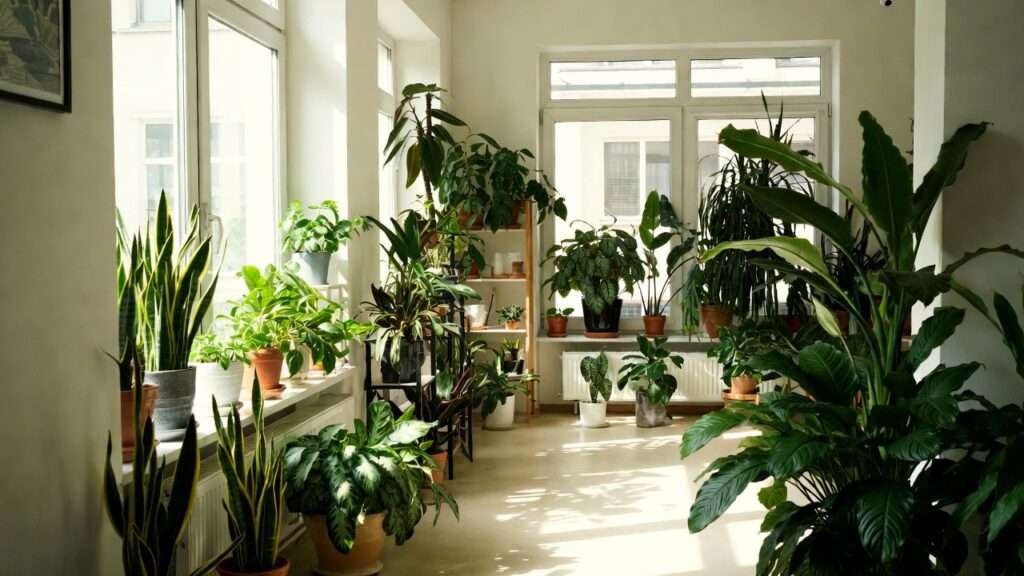
Picture this: You step into your living room after a long day, take a deep breath, and feel… a little stuffy. 😮💨 The windows are closed, the AC is humming, and that faint chemical whiff from new furniture lingers. You glance at your snake plant in the corner and wonder: Are my houseplants actually helping clean the air, or is it just a feel-good myth? And the big question everyone Googles — how many plants do you need for clean air in a real home?
You’re not alone. Thanks to the legendary 1989 NASA Clean Air Study, millions believe a few potted friends can scrub toxins like formaldehyde, benzene, and trichloroethylene from indoor air. But modern science paints a more nuanced picture: plants offer subtle benefits, yet the numbers needed for dramatic purification are surprisingly high — often impractical without turning your home into a jungle! 🌳
In this in-depth guide (backed by NASA research, the 2019 Drexel University review, American Lung Association insights, and practical houseplant expertise), we’ll uncover the truth about houseplants and indoor air quality. You’ll learn realistic plant quantities, the best air-purifying species, care tips to maximize benefits, and smarter ways to breathe easier indoors. Whether you’re battling allergies, seeking wellness boosts, or just love greenery, this article delivers honest, actionable advice to help you create a healthier home. Let’s dig in! 🌱
The Origin Story: What the Famous NASA Clean Air Study Actually Said 🚀
The excitement around air-purifying plants began with NASA’s 1989 Clean Air Study, led by Dr. B.C. Wolverton. Designed for sealed space stations (where no fresh air flows in), the research tested common houseplants in small, airtight chambers filled with volatile organic compounds (VOCs) like benzene (from paints/smoke), formaldehyde (from furniture/plywood), and trichloroethylene (from solvents).
Key findings? Some plants removed up to 87% of certain toxins in 24 hours. The roots and soil microbes played a starring role — not just leaves! Popular picks included snake plants, peace lilies, and spider plants. NASA suggested these could help in energy-efficient, low-ventilation buildings.
However, the study was lab-based in sealed chambers — not real homes with open doors, fans, or windows. Many articles misinterpreted it as “one plant per 100 sq ft cleans your air perfectly.” Wolverton himself recommended at least two sizable plants per 100 square feet for noticeable effects, but the myth grew: plants = natural air purifiers that rival machines. Spoiler: reality is more balanced. 😅
The Reality Check – Why Plants Don’t Clean Air Like You Think ⚖️
Fast-forward to 2019: Environmental engineers Michael Waring and Bryan Cummings at Drexel University reviewed 30+ years of research, including NASA data. Their peer-reviewed paper in the Journal of Exposure Science & Environmental Epidemiology dropped a bombshell.
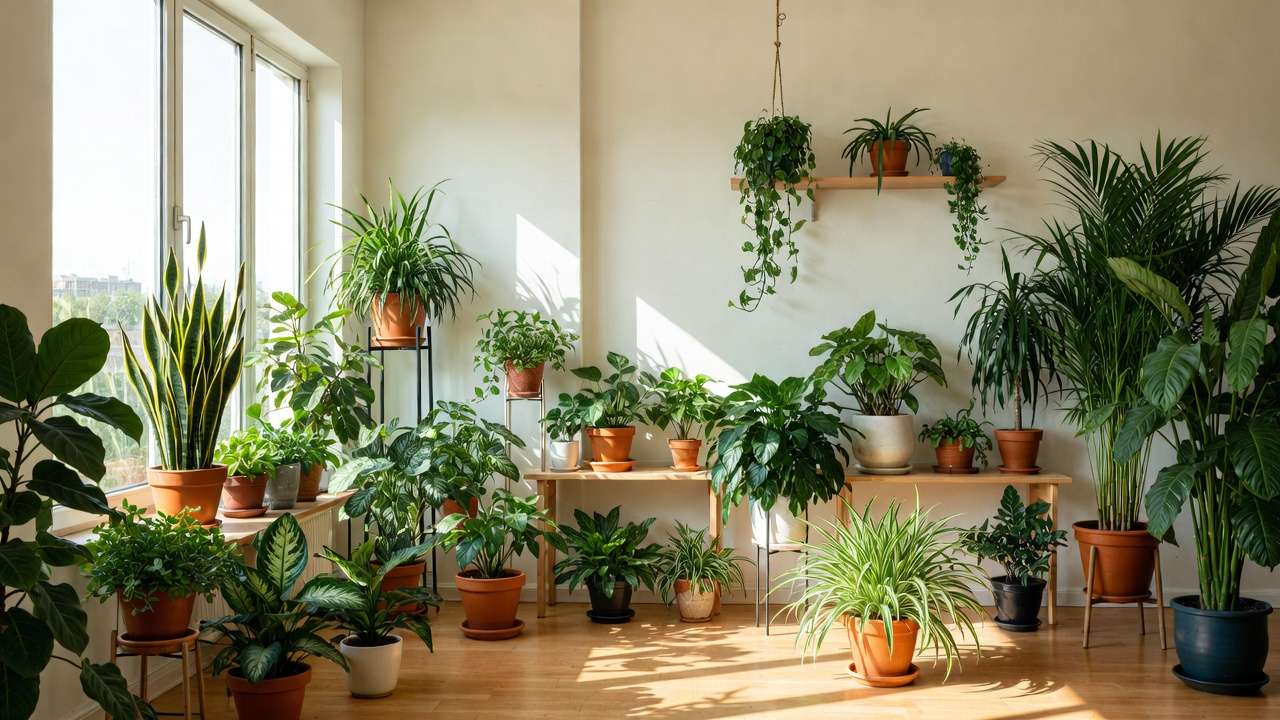
Core problem? Indoor spaces aren’t sealed chambers. Normal ventilation (air exchange from windows, doors, HVAC) dilutes VOCs 10–100 times faster than plants can absorb them. Plants’ “clean air delivery rate” (CADR) is tiny compared to basic airflow.
The shocking math: To match meaningful VOC reduction seen in lab tests, you’d need 10–1,000 plants per square meter of floor space — often 100–1,000+ plants for a typical 10×10 ft room! For a 1,500 sq ft home? We’re talking hundreds to thousands of plants. 😱 The American Lung Association echoes this: houseplants don’t meaningfully improve indoor air quality in ventilated homes.
That said, plants aren’t useless! They absorb trace VOCs, boost humidity (reducing dry-air issues), produce oxygen (minor but nice), and support beneficial soil microbes. In poorly ventilated spaces or with high pollutant loads, clusters help modestly. But for serious purification? Plants supplement — they don’t replace — ventilation or HEPA filters.
So, How Many Plants Do You Actually Need for Noticeable Benefits? 📏
Forget jungle-level extremes — let’s get practical. Most experts now recommend realistic targets for subtle, enjoyable perks (better humidity, minor toxin reduction, mood boost):
- Modest goal (subtle improvements): 1–2 medium-to-large plants per 100 sq ft. This aligns with Wolverton’s original NASA advice and feels achievable. Example: A 200 sq ft bedroom? Aim for 2–4 plants.
- Better impact (noticeable humidity + minor VOC help): 10–20+ plants in an average home (1,000–2,000 sq ft). Think clusters: group 5–10 in living areas, 3–5 in bedrooms.
- Room-by-room breakdown:
- Bedroom (100–200 sq ft): 3–6 plants (focus on nighttime oxygen producers like snake plants).
- Living room/family area (300+ sq ft): 8–15+ for coverage.
- Home office/kitchen: 4–8, targeting VOC sources (printers, cleaners).
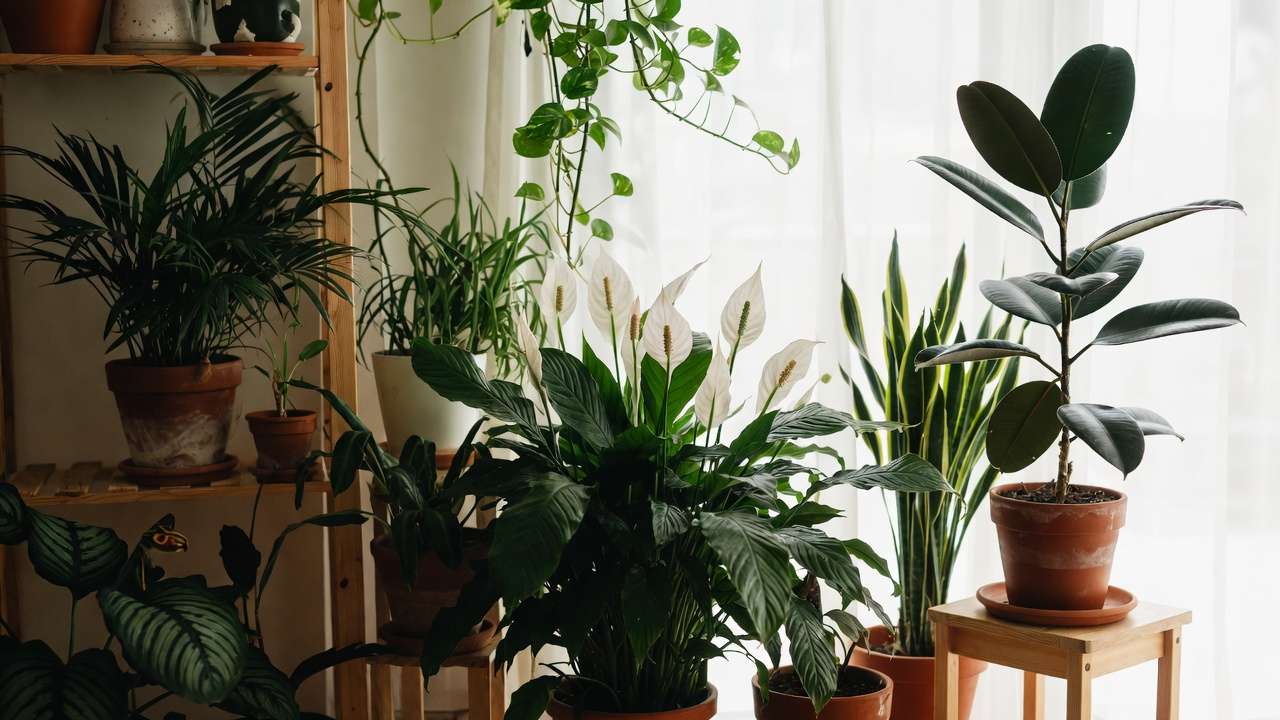
Factors that matter: Larger/mature plants > tiny ones (more leaf/soil surface). High-pollutant rooms need more. Good light + care = peak performance. Combine with habits like opening windows daily for real results.
Start small: Add 5–10 plants this month and track how you feel — fresher air often comes from the combo of greenery + better ventilation. 🌿
The Best Air-Purifying Houseplants to Choose (NASA-Tested & Beyond) 🌟
Here are top performers from NASA + modern lists. Prioritize larger specimens for bigger impact!
H3: Top 10 Recommended Air-Purifying Plants (with key pollutants removed, care ease, and fun ratings 🌱)
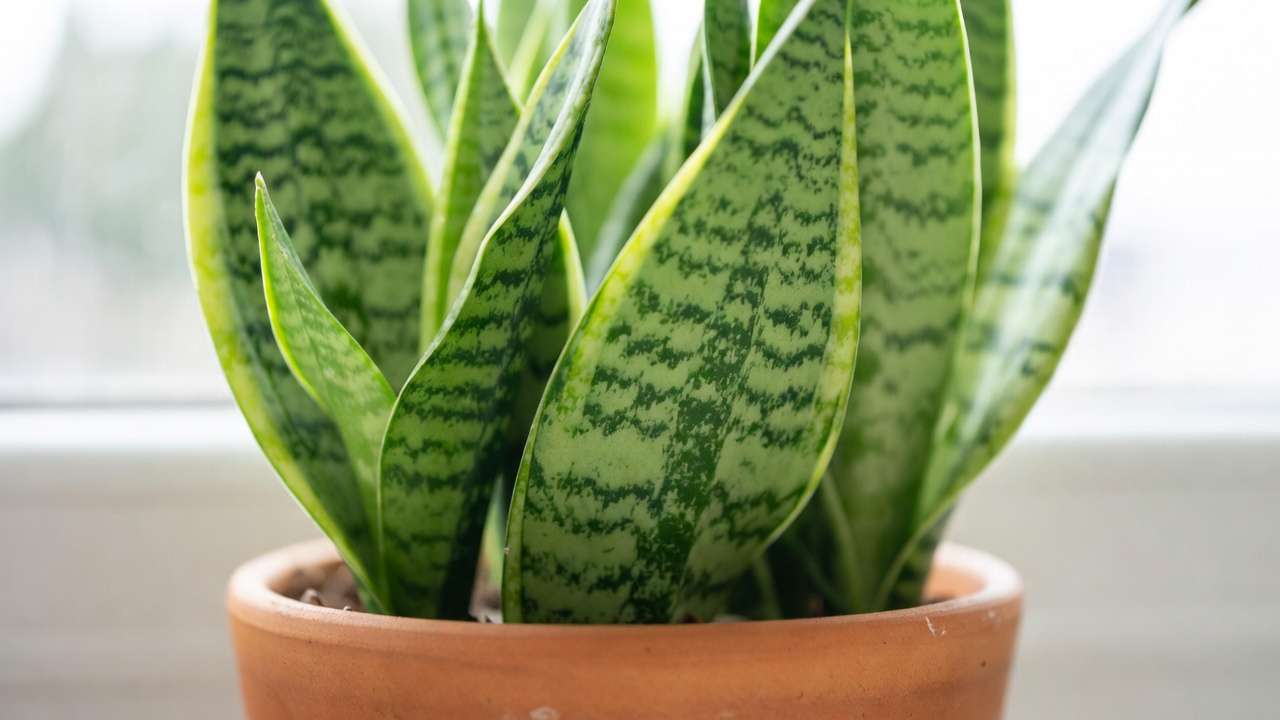
- Snake Plant (Sansevieria trifasciata) 🐍 – Removes benzene, formaldehyde, xylene; releases oxygen at night. Super tough, low-light tolerant. Care: Easy (watering every 2–4 weeks). Pet note: Mildly toxic.
- Peace Lily (Spathiphyllum) ☮️ – Tackles ammonia, benzene, formaldehyde. Beautiful white blooms! Care: Medium (likes moist soil, indirect light). Pet note: Toxic.
- Spider Plant (Chlorophytum comosum) 🕷️ – Excellent for formaldehyde, xylene. Produces baby “spiderettes.” Care: Very easy, bright indirect light.
- English Ivy (Hedera helix) 🌿 – Strong against mold, benzene, formaldehyde. Trailing beauty. Care: Medium (prune often). Pet note: Toxic.
- Bamboo Palm (Chamaedorea seifrizii) 🌴 – Filters multiple VOCs, adds humidity. Care: Medium (consistent moisture, indirect light).
- Pothos (Epipremnum aureum) 💛 – Forgiving, removes formaldehyde/benzene. Trails beautifully. Care: Super easy, low light OK.
- Dracaena (e.g., Janet Craig or Marginata) – Formaldehyde champ. Care: Easy-medium.
- Aloe Vera 🌵 – Formaldehyde fighter + healing gel bonus! Care: Easy, sunny spot.
- Rubber Plant (Ficus elastica) 🪴 – Large leaves = bigger air impact. Care: Medium.
- Boston Fern (Nephrolepis exaltata) – Humidity hero, filters toxins. Care: High (loves misting).
Quick-Reference Table Suggestion (imagine this as infographic in the full post!):
- Plant | Key Toxins | Light Needs | Pet-Safe? | Ease 🌟
- Snake Plant | Benzene, Formaldehyde | Low | No | ★★★★★
- Etc.
Beyond Air Purification: The Real Wellness Benefits of Houseplants 😌
Even if massive purification requires impractical numbers, houseplants shine elsewhere:
- Mental health boost: Studies show reduced stress, better focus/productivity (biophilia effect!).
- Humidity regulation: Many add moisture → fewer dry skin/throat issues in winter.
- Sleep & mood: Nighttime O₂ from snake plants; calming greenery overall.
- Eco-connection: Growing plants fosters sustainability and joy.
In short: Plants make homes healthier and happier — even without miracle-level cleaning. 🌸
Practical Tips to Maximize Your Plants’ Air-Cleaning Potential 🛠️✨
Even with realistic numbers, you can get the most out of every leaf by following these expert-backed care and placement strategies:
- Strategic Placement for Maximum Effect Group plants together — clusters of 3–6 create mini “green zones” with better local humidity and air circulation. Place them near pollutant sources: near new furniture (off-gassing formaldehyde), printers (ozone/VOCs), or kitchens (cooking fumes). Elevate on stands or shelves — higher placement helps distribute cleaned air better than floor-only setups. Avoid corners with zero airflow; gentle fans or open doors help move air across leaves and soil.
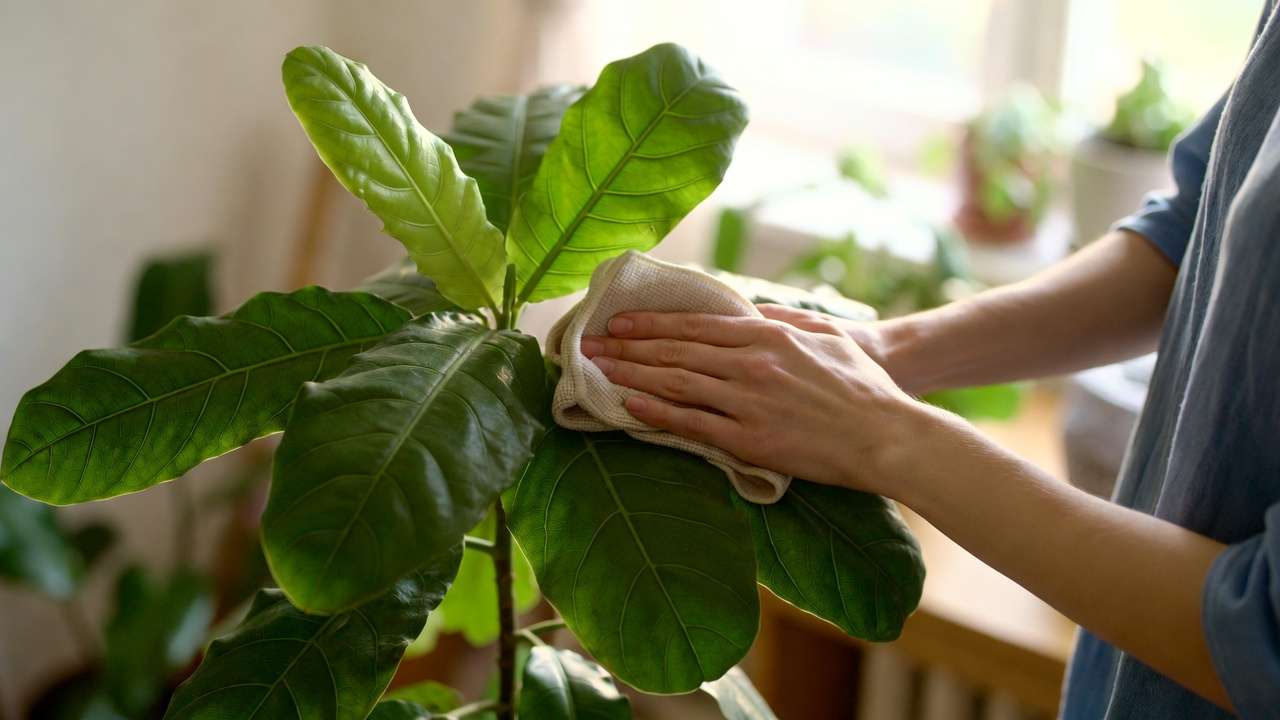
- Leaf & Soil Maintenance for Peak Performance Dust leaves regularly (every 1–2 weeks) with a damp microfiber cloth — clean leaves absorb more efficiently! 🌿 Keep soil microbes happy: Use well-draining potting mix, avoid overwatering (root rot kills beneficial bacteria), and occasionally top-dress with fresh compost or worm castings. Repot every 1–2 years to refresh soil and encourage root growth — bigger roots = better toxin uptake.
- Watering & Light Sweet Spots Most air-purifying plants prefer bright, indirect light (east/west windows are ideal). Low-light tolerant ones (snake plant, pothos, ZZ plant) still perform better with more light. Water when the top 1–2 inches of soil feel dry — use room-temperature water to avoid shocking roots. Mist humidity lovers (peace lily, Boston fern) a few times a week, or place on pebble trays with water.
- Common Mistakes to Avoid Overwatering → kills roots and soil microbes that do much of the filtering work. Placing in dark corners → weak growth = weak air benefits. Ignoring pests (spider mites love dusty leaves) → unhealthy plants clean less air.
- Bonus NASA-Inspired Hack Some researchers suggest adding a small fan near plants to mimic chamber airflow, or using DIY “active plant walls” with fans pulling air through soil — but for most homes, good old passive placement + ventilation wins.
When Plants Aren’t Enough – Better Ways to Improve Indoor Air 🔄💨
Houseplants are wonderful teammates, but they’re not solo superheroes. Here’s the smarter hierarchy for cleaner indoor air:
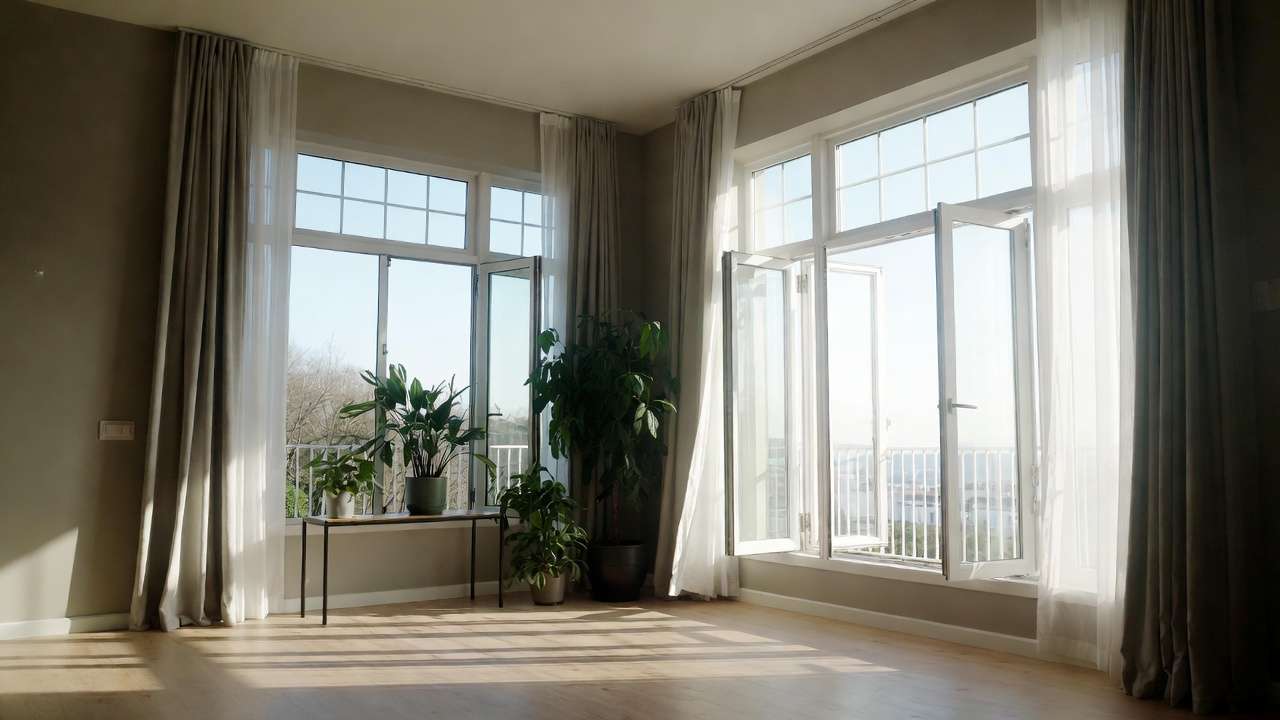
- Ventilation First (the #1 Most Powerful Step) Open windows for 15–30 minutes daily when outdoor air is cleaner than indoor (check local AQI). Use bathroom/kitchen exhaust fans when showering or cooking. Install an energy-recovery ventilator (ERV) if you live in a very sealed modern home.
- HEPA Air Purifiers vs. Plants – The Honest Comparison A good HEPA purifier with activated carbon can achieve CADR of 200–400+ cubic feet per minute. A large snake plant? Roughly 0.01–0.1 CADR at best (per modern estimates). Verdict: Use purifiers for high-pollution days, smoke, allergies, or VOC spikes. Use plants for constant, gentle support + ambiance.
- Source Control – Stop Pollution Before It Starts Choose low-VOC paints, cleaners, and furniture. No indoor smoking or burning candles/incense excessively. Store chemicals (paint thinners, pesticides) in sealed containers outside living spaces.
- Monitor Your Progress Affordable indoor air quality monitors ($30–150) track VOCs, PM2.5, CO₂, humidity, and temperature. Watch for improvements in stuffiness, headaches, or sleep quality after adding plants + ventilation habits.
Conclusion 🌿💚
So… how many plants do you need for clean air? The viral answer of “a jungle’s worth” is technically true for dramatic VOC scrubbing — but completely impractical for 99% of us. 😅 The real, livable answer: Start with 5–15 well-chosen, healthy plants (depending on your home size), care for them lovingly, and pair them with basic ventilation and source control. You’ll enjoy fresher-feeling air, higher humidity in dry seasons, lower stress levels, and a beautiful, living connection to nature.
Plants aren’t magic air purifiers — but they are gentle, joyful allies in creating a healthier, greener home. Pick a few favorites from our list, place them thoughtfully, and watch (and breathe) the difference over the coming weeks.
Ready to get started? Drop a comment below: How many plants do you currently have, and which ones are your air-quality MVPs? 🌱 I’d love to hear your green journey!
FAQs ❓
How many plants clean the air in a bedroom? For a typical 100–200 sq ft bedroom, aim for 3–6 medium/large plants — especially snake plants or peace lilies — for subtle nighttime benefits and better sleep air.
Do houseplants really remove VOCs in real homes? Yes, but modestly. Modern reviews show the effect is small in ventilated spaces compared to lab chambers. They still contribute trace removal + humidity + psychological perks.
What is the best low-maintenance air-purifying plant? The snake plant wins hands-down: tough, low-light tolerant, nighttime oxygen producer, and needs watering only every 2–4 weeks.
Are air-purifying plants safe for pets? Some are (spider plant, Boston fern, areca palm), others aren’t (peace lily, English ivy, pothos can be toxic if chewed). Check ASPCA lists and keep curious pets in mind.
Can plants replace air purifiers? No — not for significant pollutant reduction. Think of plants as a complementary, beautiful bonus rather than a full replacement.











