
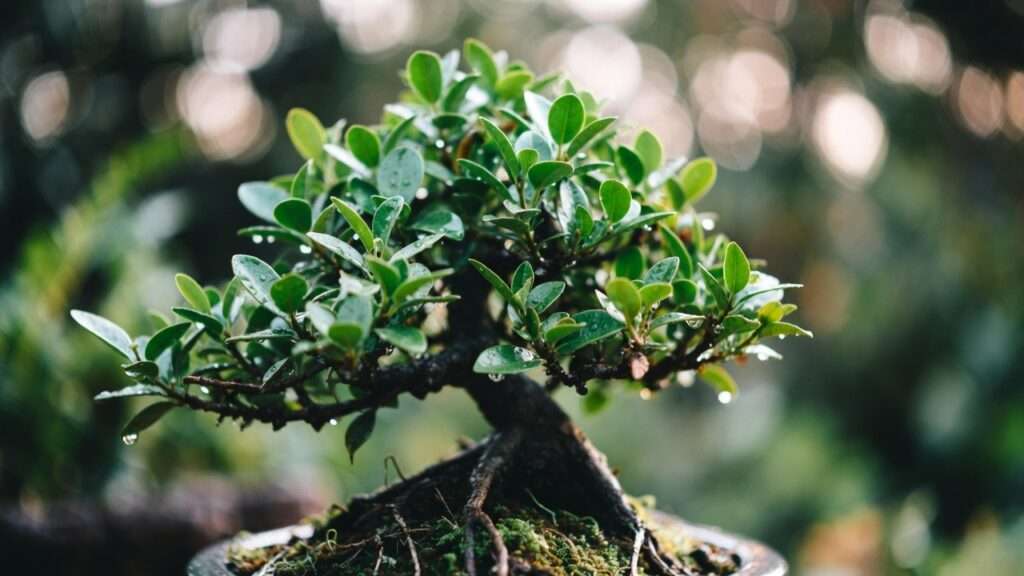
Imagine pouring your heart into styling a delicate bonsai, only to watch its leaves yellow and drop because of one overlooked detail: watering. 😔 It’s a heartbreaking scenario I’ve seen countless times in my 15+ years as a bonsai enthusiast and caretaker of over 200 trees, from beginner mall buys to ancient yamadori specimens. The truth is, how often to water a bonsai tree is the single most critical question in bonsai care—and the one that trips up most people.
Bonsai aren’t like regular houseplants. Their shallow pots and limited soil mean they can’t store much moisture, making them vulnerable to both drought and drowning. Get watering right, and your tree will reward you with vibrant growth, dense foliage, and longevity that spans generations. Get it wrong, and even the healthiest specimen can decline rapidly.
In this in-depth guide, I’ll share proven strategies drawn from hands-on experience, traditional Japanese techniques, and modern bonsai best practices. We’ll cover everything you need to know to confidently determine watering frequency, spot your tree’s needs, and avoid the pitfalls that kill most bonsai. Whether you’re caring for your first ficus or a prized pine, this will help you keep it thriving. 🌱 Let’s dive in!
:strip_icc()/bonsai-tree-in-pot-08f160bd-27b8b207a8994292b2aae34c22c2431e.jpg)
Why Watering is the #1 Make-or-Break Factor in Bonsai Care 💧
Watering isn’t just a chore—it’s the lifeline of your bonsai. Unlike trees in the ground with deep roots accessing groundwater, bonsai rely entirely on you for hydration. Their restricted root systems in tiny pots dry out quickly or become waterlogged easily, amplifying any mistakes.
In my experience working with bonsai clubs and teaching workshops, improper watering causes about 80% of beginner failures. Overwatering leads to root rot (anaerobic conditions where fungi thrive), while underwatering stresses the tree, causing leaf drop and weakened immunity to pests.
Proper watering ensures:
- Oxygen reaches roots for respiration 🫁
- Nutrients dissolve and get absorbed
- The tree maintains turgor pressure for sturdy branches and leaves
Master this, and you’ll unlock better ramification, healthier buds, and overall vigor. Ignore it, and no amount of pruning or wiring will save your tree. 🍃
Factors That Influence How Often to Water Your Bonsai Tree 🌤️
There’s no one-size-fits-all schedule like “water every 3 days.” The frequency depends on several interconnected factors. Learning to read these will make you a better caretaker.
Tree Species and Its Water Preferences 🌳
Species vary wildly in moisture needs due to their native habitats.
- Tropical and subtropical species (e.g., Ficus retusa, Chinese Elm, Jade): Originating from humid rainforests, they prefer consistently moist soil. Water when the top inch starts drying—often daily in summer.
- Temperate deciduous trees (e.g., Japanese Maple, Trident Maple): Need even moisture during growing season but less in fall as they prepare for dormancy.
- Conifers (e.g., Juniper, Pine, Spruce): Adapted to well-drained mountainous soils, they hate soggy roots. Allow soil to dry more between waterings to mimic natural conditions and prevent needle yellowing.
I’ve lost junipers to overwatering early on, but now I tailor care precisely—tropicals get more frequent sips, conifers get deeper but less often.
Season, Climate, and Environment ☀️❄️
Your local conditions dictate a lot.
- Summer: High temperatures, low humidity, and wind evaporate moisture fast. Outdoor bonsai may need watering twice a day during heatwaves.
- Winter: Trees enter dormancy, metabolism slows, and evaporation drops. Water sparingly—once every 1-2 weeks for outdoors (if not frozen), more for indoors with heating.
- Indoor vs. Outdoor: Indoor bonsai under artificial light and stable temps dry slower. Outdoor ones face rain, sun, and breeze.
- Humidity and Location: In dry climates like deserts, misting or humidity trays help. In humid tropics, natural air moisture reduces frequency.
Pro tip from experience: In my greenhouse, summer ficus need daily checks; winter pines go weeks untouched.
Pot Size, Soil Mix, and Drainage 🪴
The container and substrate are huge influencers.
- Shallow, small pots: Limited soil volume = faster drying. A 6-inch pot might need water every day in sun.
- Deep pots: Retain moisture longer.
- Drainage: Bonsai pots have large holes—no saucers to catch runoff! Poor drainage invites rot.
Soil is key (more on this later), but inorganic mixes drain quickly, requiring more frequent watering than organic potting soil.
Tree Age, Health, and Growth Stage 🌱
- Newly repotted or young trees: Fragile roots mean careful watering—keep moist but not wet until established.
- Mature, established bonsai: More forgiving but still sensitive during active growth (spring/summer).
- Stressed trees (post-pruning, pest issues): May need adjusted frequency to aid recovery.
Always observe—healthy trees bounce back faster.

How to Tell When Your Bonsai Needs Water: Reliable Methods 🔍
Rigid calendars fail—check your tree daily! Here are foolproof ways I’ve relied on for years.
The Finger Test (Most Reliable for Beginners) 👆
Stick your finger (or a clean chopstick) 1-2 inches into the soil.
- Dry or barely moist: Water now.
- Cool and damp: Wait a day.
This tactile method builds intuition over time. For larger pots, check multiple spots.
Visual and Weight Cues 👀⚖️
- Soil color: Dark and rich = moist; light and dusty = dry.
- Pot weight: Lift it—light means thirsty, heavy means moist.
- Foliage signs: Slight wilting or dull leaves signal need (but don’t wait for severe droop!).
Topsoil drying is normal; roots deeper may still be moist.
Advanced Tools for Precision 📏
- Moisture meters: Affordable probes give readings (1-10 scale). Calibrate and use sparingly to avoid root damage.
- Weighing scale: For consistency with multiple trees.
- Humidity monitors: Track ambient levels.
I use meters for tricky species but trust touch most.
Proper Watering Techniques: Do It Right Every Time 🚿
Timing is half the battle—technique is the other.

How to Water Thoroughly (The Golden Rule) 💦
Water until it runs freely from drainage holes—then repeat 2-3 times. This ensures even saturation, flushes accumulated salts, and oxygenates soil.
Use room-temperature water. Rainwater is best (soft, pH-neutral); let tap water sit 24 hours to dechlorinate or use filtered.
Avoid light sprinkling—it wets only the surface, encouraging shallow roots.
Best Tools and Methods 🛠️
- Fine-rose watering can: Gentle shower mimics rain.
- Immersion: Submerge pot in water for hydrophobic soil.
- Misting: Boosts humidity for tropicals but not root watering substitute.
Morning watering is ideal—allows foliage to dry, reducing fungal risk.
Seasonal Watering Adjustments 📅
- Spring: Increasing growth = more frequent.
- Summer: Peak demand—check twice daily.
- Fall: Taper as leaves color.
- Winter: Minimal; protect from freeze-thaw cycles outdoors.
Choosing the Best Soil Mix for Optimal Watering 🌱
The soil you use is your secret weapon for easier, more forgiving watering. Bonsai soil must balance water retention with excellent drainage and aeration—unlike standard potting mixes that hold too much moisture.

Recommended Inorganic Mixes (Expert Favorite) 🪨
Professionals swear by inorganic components for longevity and health:
- Akadama: Japanese baked clay—retains water and nutrients while allowing air flow. Premium choice for most bonsai.
- Pumice: Lightweight, porous—excellent drainage and root grip.
- Lava rock (scoria): Adds sharpness for stability, prevents compaction.
A classic ratio: 1:1:1 akadama:pumice:lava rock. For tropicals, increase akadama; for conifers, more pumice/lava.
These mixes dry evenly, making it easier to judge watering needs without guessing.
Why Avoid Regular Potting Soil ❌
Garden center potting soil is peat-based, retains water like a sponge, and compacts over time—leading to root rot in bonsai’s shallow pots. I’ve seen countless “mall bonsai” die because they came in this stuff. Switch to proper mix during next repotting!
DIY Soil Recipes and Alternatives 🛠️
- All-purpose: 50% akadama, 25% pumice, 25% lava.
- Budget-friendly: Turface MVP (calcined clay), pine bark fines, and perlite.
- Conifer mix: Higher lava/pumice for sharper drainage.
Sift particles to 1/8–1/4 inch for best results. Repot every 2–5 years depending on species.
Common Watering Mistakes and How to Avoid Them 🚫
Even experienced growers slip up—here are the classics I’ve committed (and learned from).

Overwatering: The Silent Root Killer 😱
Most common killer. Soil stays wet too long → roots suffocate → fungi attack.
Signs: Yellowing leaves, soft trunk, black/mushy roots, algae on soil.
Fix: Let dry out completely, repot in fresh mix if rot present, trim dead roots.
Underwatering: Quick Dehydration ⚡
Less common but dramatic—especially in hot weather.
Signs: Dry, crispy leaves/branches, soil shrunken from pot edges, wilting.
Fix: Soak thoroughly (immersion if needed), increase frequency, check environment.

Other Pitfalls to Dodge 🛑
- Fixed schedules: Ignore calendars—check soil!
- Cold water shock: Always room temp.
- Saucers/trays holding water: Empty immediately.
- Neglecting after styling: Post-pruning trees drink less initially.
Watering Guide for Popular Bonsai Species 🌿
Tailor care to your tree—here’s specific advice for favorites.
Ficus Bonsai 💚
Tough indoor favorite. Loves moisture but hates soggy roots.
- Frequency: Every 1–3 days in growing season; check top inch.
- Tips: Bright indirect light, consistent warmth. Allow slight drying.
- Common issue: Leaf drop from underwatering or drafts.
Juniper Bonsai 🌲
Outdoor conifer—prefers drying between waterings.
- Frequency: Every 2–5 days summer; weekly winter.
- Tips: Full sun, excellent drainage. Never let completely bone-dry.
- Signs of trouble: Brown foliage tips.

Japanese Maple Bonsai 🍁
Stunning deciduous—sensitive to extremes.
- Frequency: Daily in heat; reduce in dormancy.
- Tips: Protect from afternoon sun, higher humidity.
- Watch for: Scorch from underwatering.
:max_bytes(150000):strip_icc()/growing-japanese-maple-bonsai-5085314_02-d3f41f2a659e4d1ba5d1eb2b53978277.jpg)
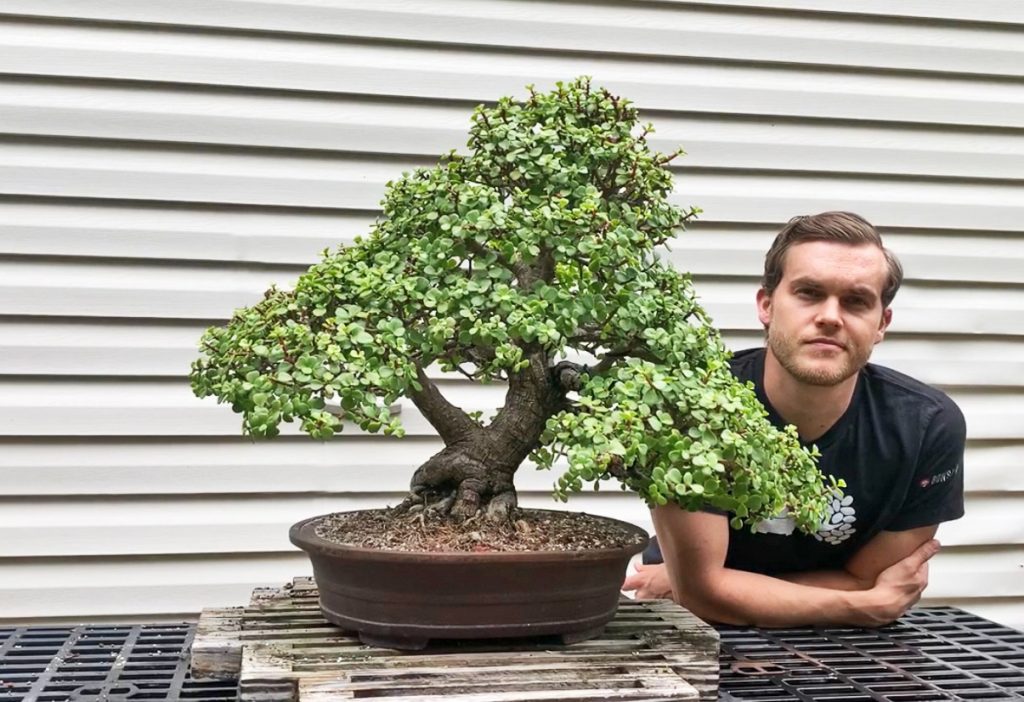
Jade (Portulacaria) Bonsai 🐘
Succulent-like—drought tolerant.
- Frequency: Every 5–10 days; let dry fully.
- Tips: Bright light, sparse winter water.
- Overwatering = stem rot.
Pine Bonsai 🪵
Classic—needs careful balance.
- Frequency: Allow drying; every 3–7 days.
- Tips: Avoid wet feet, mycorrhizal-friendly soil.
- Candle pruning affects water needs.

Expert Tips for Long-Term Bonsai Success ✨
- Humidity trays: Fill with pebbles/water—pot above water line. Great for indoors.
- Morning watering routine.
- Group trees for microclimate.
- Rainwater collection.
- Adjust after events (repotting, shows).
Troubleshooting Watering Issues 🛠️
Yellow leaves? Dropping branches? Let’s diagnose.
Common problems:
- Yellow leaves: Often overwatering; check roots.
- Branch dieback: Chronic underwatering or rot.
- Mold/algae: Reduce frequency, improve air flow.
- Slow growth: Inconsistent watering stressing tree.
Steps: Inspect roots, adjust schedule, monitor 2 weeks.
Frequently Asked Questions (FAQs) ❓
How often should I water an indoor bonsai? Daily checks; typically every 2–4 days depending on light/heat.
Can I overwater with good drainage? Yes—frequency still matters if watered too often.
What if my bonsai is drying too fast? Larger pot, more retentive mix, humidity boost, or shade.
Winter watering tips? Reduce drastically; water midday to avoid freezing.
Is tap water okay? Yes if dechlorinated; rainwater preferred for acidity.
Conclusion: Master Watering for a Thriving Bonsai Legacy 🌳
You’ve now got the complete toolkit—from understanding factors and techniques to species-specific care and troubleshooting. The key? Observe daily, trust your senses, and learn your tree’s language.
With practice, watering becomes intuitive, and your bonsai will flourish for decades. Start today—pick up your tree, check the soil, and give it exactly what it needs. Your miniature masterpiece is counting on you! 🍃✨











