
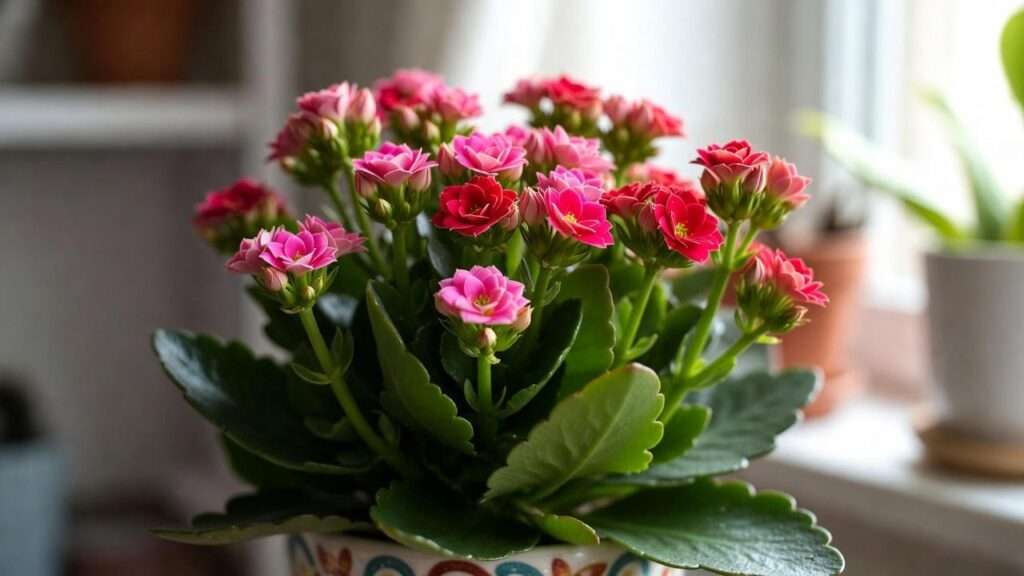
Imagine this: You excitedly bring home a stunning kalanchoe bursting with vibrant, colorful flowers, place it on your sunny windowsill, and dream of it brightening your space for months. But just a few weeks later, the blooms fade, the leaves start drooping, and you’re left wondering what went wrong. Sound familiar? 😩 If you’ve ever struggled to keep your kalanchoe alive beyond its initial bloom—or dreamed of seeing those gorgeous flowers return year after year—this guide is for you.
Learning how to care for a kalanchoe plant properly can transform it from a short-lived gift plant into a long-term houseplant companion that reblooms reliably and stays healthy indoors. As a horticulturist with over 15 years of experience growing succulents (including hundreds of kalanchoes in greenhouses and home settings), I’ve helped countless plant lovers overcome common pitfalls like overwatering, leggy growth, and failed reblooming. In this comprehensive guide, we’ll cover everything you need to know to achieve thriving blooms and lush foliage—backed by insights from trusted sources like the Missouri Botanical Garden, Royal Horticultural Society (RHS), and Clemson University Extension.
Whether you’re a beginner or seasoned plant parent, you’ll walk away with actionable steps to keep your kalanchoe flourishing for years. Let’s dive in! 🌸
What Is a Kalanchoe Plant? 🌵
Kalanchoe (pronounced kal-un-KO-ee) is a genus of about 125 species of tropical succulents native primarily to Madagascar and Africa. These plants belong to the Crassulaceae family, alongside favorites like jade plants and echeverias. Known for their thick, waxy leaves that store water, kalanchoes are drought-tolerant and adaptable to indoor life.
Most popular as houseplants is Kalanchoe blossfeldiana, often called Flaming Katy or florist kalanchoe—the one you commonly see in grocery stores with clusters of red, pink, yellow, orange, or white flowers.
Popular Varieties and Their Unique Features 🌺
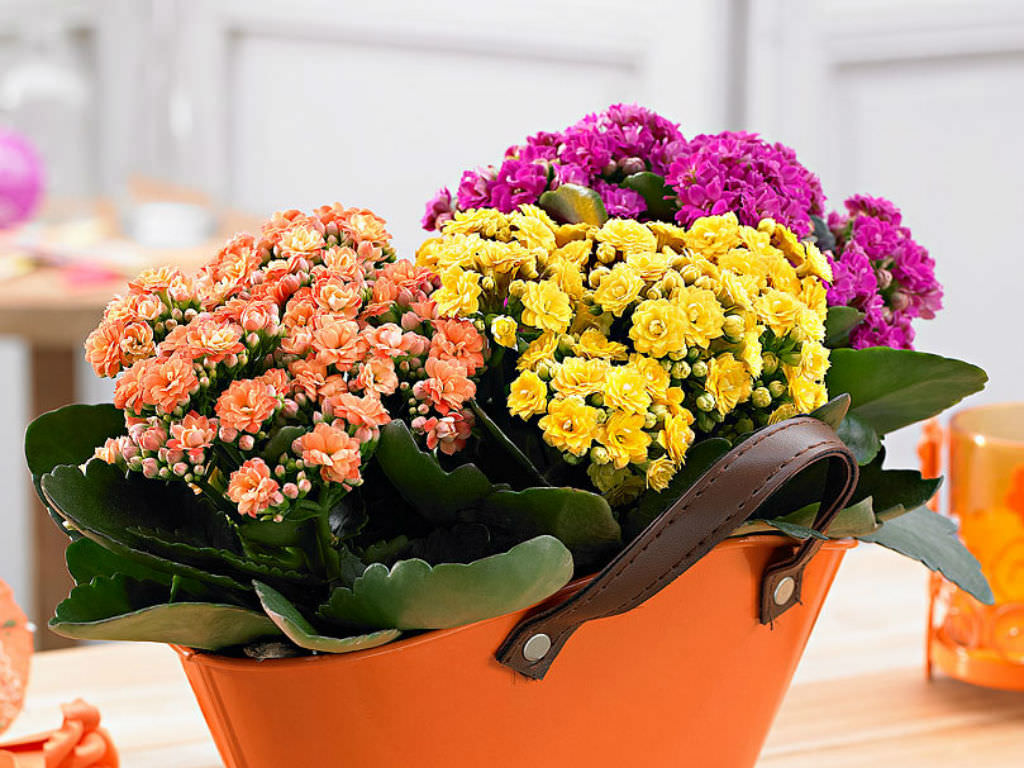
- Kalanchoe blossfeldiana (Flaming Katy): The classic flowering type with glossy, dark green, scalloped leaves and long-lasting flower clusters. Blooms can last 6–8 weeks or more with proper care.
- Calandiva and Grandiva series: Hybrids of blossfeldiana with stunning double (rose-like) flowers that bloom even longer—up to 3 months! Available in pastel and bold shades.
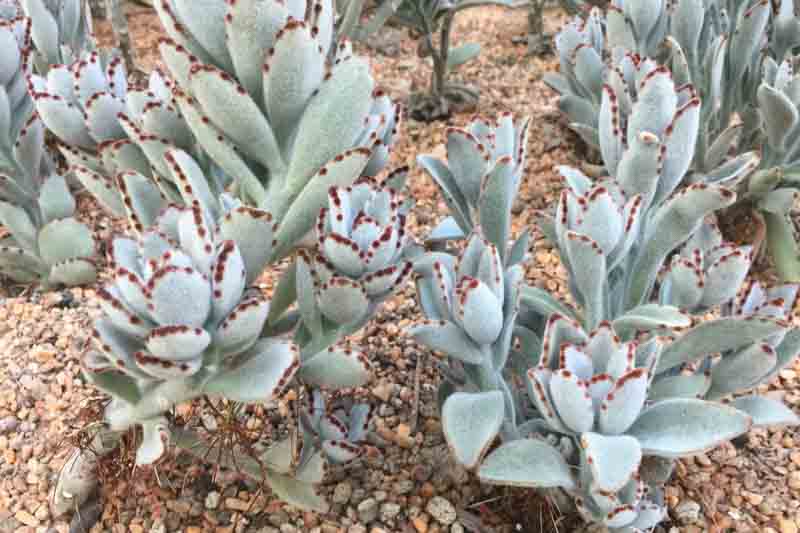
- Kalanchoe tomentosa (Panda Plant): A foliage star with soft, fuzzy silver-gray leaves edged in brown “chocolate” spots. Rarely flowers indoors but adored for its velvety texture.
- Kalanchoe thyrsiflora (Flapjack or Paddle Plant): Dramatic pancake-shaped leaves that turn vibrant red edges in bright light. Monocarpic (dies after flowering), but produces offsets.
Care differences: Flowering types like blossfeldiana need short days for reblooming, while foliage varieties (tomentosa, thyrsiflora) prioritize bright light for color and shape.
Why Kalanchoes Make Excellent Houseplants 💚
Kalanchoes are low-maintenance succulents perfect for busy lifestyles. They’re drought-tolerant, compact (most stay under 12–18 inches indoors), and offer air-purifying benefits (referenced in NASA’s clean air study for removing toxins). With vibrant colors and repeat blooming potential, they add year-round joy without demanding constant attention.
Essential Kalanchoe Care Requirements 💡
Light Requirements – The Secret to Repeat Blooming ☀️
Bright, indirect light is crucial for healthy growth and reblooming. Place your kalanchoe near an east- or west-facing window for 4–6 hours of morning or afternoon sun. South-facing works if filtered through sheer curtains to prevent scorching.
- Too little light: Leggy, stretched stems (etiolation) and no flowers.
- Too much direct sun: Scorched, brown leaves.
Pro tip: Supplement with grow lights (full-spectrum LED, 12–14 hours daily) during winter for consistent blooming. According to the Missouri Botanical Garden, full sun or bright indirect light indoors mimics their native habitat best.
Watering Guide – Avoid the #1 Killer 💧
Overwatering is the top reason kalanchoes fail—root rot sets in quickly in soggy soil.
Follow the “soak and dry” method:
- Check soil: Water only when the top 2–3 inches are completely dry (every 1–2 weeks in summer, 3–4 weeks in winter).
- Water thoroughly until it drains from the bottom.
- Empty saucer to prevent sitting water.
Seasonal adjustments: Water more during active growth (spring/summer); reduce in fall/winter when the plant rests.
- Signs of overwatering: Soft, mushy stems; yellow, dropping leaves.
- Underwatering: Wrinkled, shriveled leaves.
Use room-temperature rainwater or distilled water to avoid mineral buildup. Clemson Extension recommends letting soil dry slightly between waterings for optimal health.
Soil and Potting Mix Recommendations 🪴
Well-draining soil is non-negotiable for succulents like kalanchoe.
- Commercial: Use a cactus/succulent mix (e.g., Miracle-Gro or similar).
- DIY recipe: 50% potting soil + 30% perlite + 20% coarse sand (or pumice). This ensures fast drainage and aeration.
Always choose pots with drainage holes—terracotta is ideal as it wicks excess moisture. Repot every 2–3 years or when rootbound.
Temperature and Humidity Needs 🌡️
Ideal range: 60–85°F (15–29°C) daytime; cooler nights (50–65°F) encourage blooming.
Avoid drafts, heaters, or temperatures below 50°F—chilling injury causes leaf drop.
Humidity: Low to average (30–50%). In dry homes, group with other plants or use a pebble tray, but avoid misting (promotes fungal issues).
Fertilizing for Healthy Growth and Flowers 🌱
Feed sparingly—kalanchoes aren’t heavy feeders.
- Type: Balanced houseplant fertilizer (e.g., 10-10-10) or succulent-specific (low nitrogen to avoid leggy growth).
- Schedule: Monthly during spring/summer growing season; none in fall/winter.
Signs of deficiency: Pale leaves, poor blooming. Over-fertilizing causes salt buildup and burned tips.
How to Make Your Kalanchoe Rebloom 🌺
One of the biggest frustrations with kalanchoes is that they often bloom beautifully once and then never again. The good news? With the right techniques, you can enjoy repeat blooms year after year—many of my clients have turned their “one-hit wonder” plants into reliable holiday showstoppers! 🎄
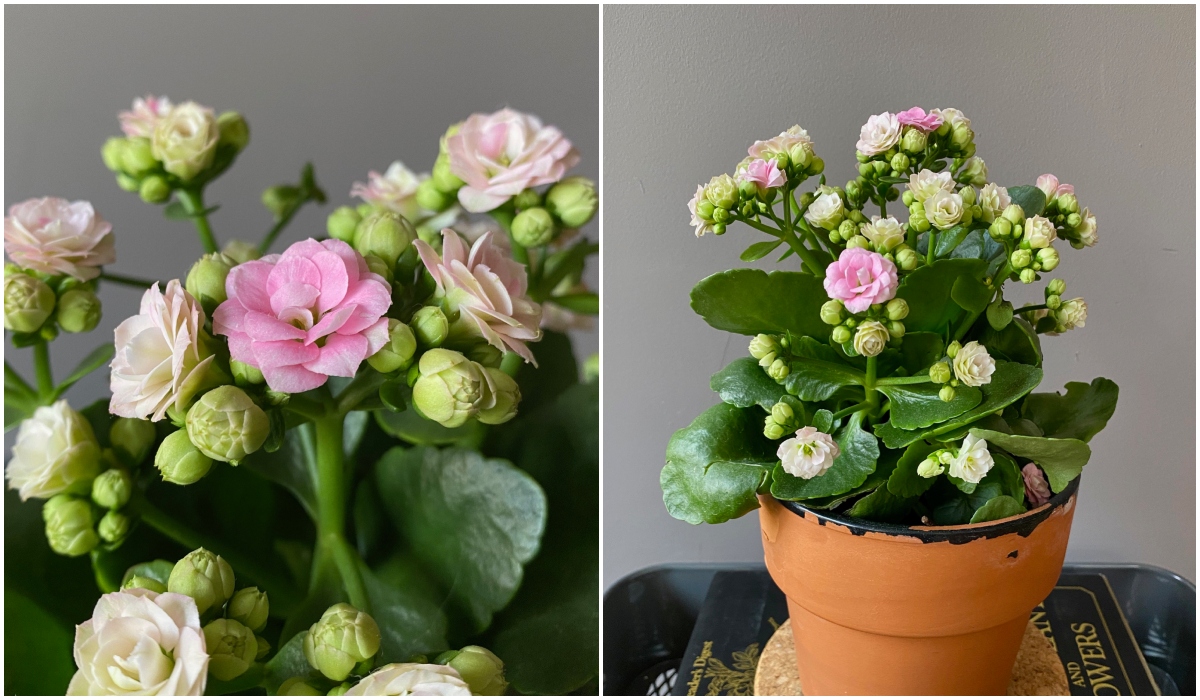
Understanding the Natural Bloom Cycle
Kalanchoe blossfeldiana and its hybrids are short-day plants (also called long-night plants). In their native Madagascar habitat, they flower in response to decreasing day length in late winter/early spring. To initiate buds, they need:
- At least 14 hours of complete darkness per day
- For 6–8 consecutive weeks
- Cooler nighttime temperatures (around 60°F/15°C) help, but darkness is the primary trigger
Commercial growers force blooms year-round by controlling light in greenhouses—this is why you see them in stores during holidays.
Step-by-Step Guide to Forcing Blooms
Here’s the proven method I use and recommend (backed by RHS and university extension trials):
- Timing: Start the dark period in early fall (September–October) for winter/Christmas blooms, or anytime for off-season flowers.
- Provide Strict Darkness:
- Place the plant in complete darkness for 14–16 hours daily (e.g., from 5 PM to 7–9 AM).
- Options: Cover with a blackout box/cardboard, put in a dark closet, or use a dedicated dark room. Even small light leaks (like from a nightlight) can prevent budding!
- Daytime Care: Give bright indirect light during the remaining 8–10 hours. Maintain normal watering and temperatures.
- Duration: Continue for 6–8 weeks. Buds usually appear 2–4 weeks after the treatment ends.
- Aftercare: Once buds form, return to normal bright light. Avoid moving the plant drastically to prevent bud drop.
Alternative for modern homes: Use programmable grow lights on a timer for exactly 10 hours of light daily.
Pro insight: Calandiva series are slightly easier to rebloom and often produce flowers with less strict darkness.
Pruning, Propagation, and Maintenance ✂️
Regular maintenance keeps your kalanchoe compact, healthy, and ready for future blooms.
Pruning for Bushier Growth and More Flowers
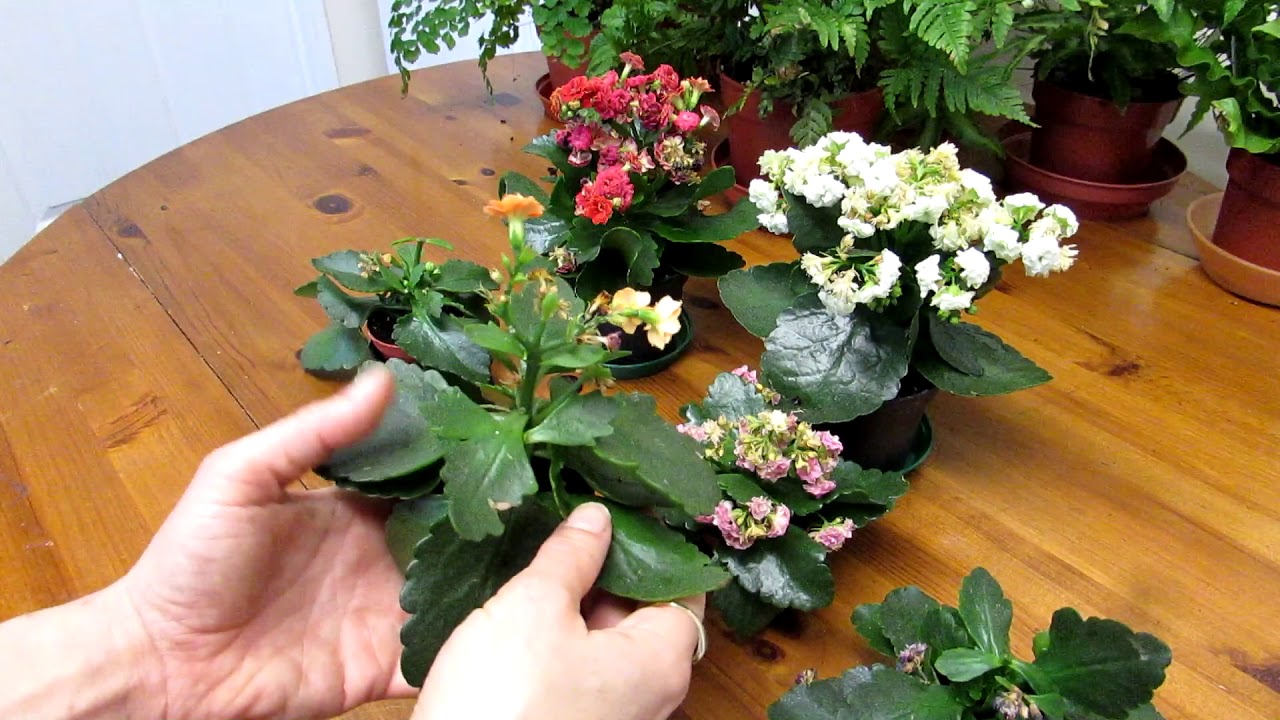
Pruning encourages branching and prevents legginess.
- Deadheading: Remove spent flower clusters immediately after blooming—cut the stem just above a leaf node. This redirects energy to new growth.
- Shape pruning: After blooming, cut back leggy stems by ⅓–½. Pinch growing tips regularly for a fuller plant.
- Best time: Post-bloom or early spring.
Use clean, sharp scissors to avoid disease transmission.
Easy Propagation Methods 👶
Kalanchoes are incredibly easy to propagate—success rates often exceed 90%!

Stem Cuttings (most reliable):
- Take 3–4 inch cuttings from healthy stems.
- Let callus (dry) for 1–3 days.
- Plant in well-draining succulent mix.
- Water sparingly until rooted (2–4 weeks).
Leaf Cuttings:
- Remove healthy leaves and lay on soil.
- Mist lightly; plantlets form at the base in 4–6 weeks.
Offsets/Pups: Some varieties (like paddle plant) produce babies—gently separate and pot up.
Rooting hormone is optional but speeds success. Best in spring/summer.
Repotting Your Kalanchoe
Repot every 2–3 years or when roots circle the pot.
- Signs: Slow growth, quick drying soil, roots visible at drainage holes.
- Best time: Early spring, before active growth.
- Choose a pot only 1–2 inches larger; refresh soil completely.
Common Problems and Solutions 🐛
Even with perfect care, issues can arise. Here’s how to diagnose and fix them quickly.
Pests: Identification and Natural Control
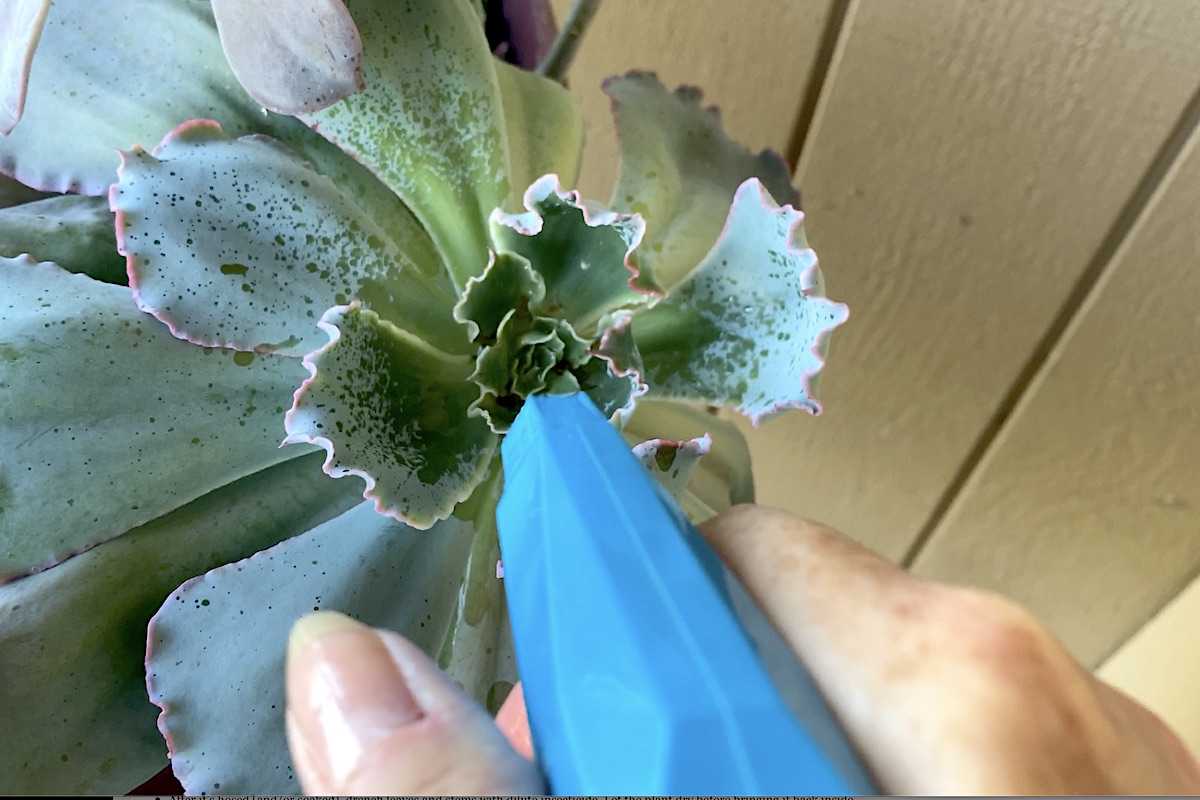
Common pests love succulents’ juicy leaves:
- Mealybugs: White, cottony masses in leaf axils.
- Aphids: Clusters on new growth.
- Spider mites: Fine webbing, stippled leaves.
Treatment:
- Isolate affected plant.
- Wipe with 70% isopropyl alcohol on a cotton swab.
- Spray with neem oil or insecticidal soap weekly until clear.
- Prevent by maintaining good airflow and inspecting new plants.
Diseases and Issues

- Root rot: Black, mushy roots from overwatering. Rescue: Remove rotten parts, repot in fresh dry soil, withhold water 1–2 weeks.
- Leaf drop/edema: Corky bumps from inconsistent watering/humidity.
- Powdery mildew: White powder in humid conditions—improve air circulation.
Troubleshooting Table
| Symptom | Likely Cause | Solution |
|---|---|---|
| Leggy, stretched growth | Insufficient light | Move to brighter location or add grow light |
| No flowers | Lack of dark period | Implement 6–8 week darkness treatment |
| Yellow, dropping leaves | Overwatering | Let soil dry completely; check drainage |
| Wrinkled leaves | Underwatering | Water thoroughly when top soil is dry |
| Scorched brown spots | Too much direct sun | Filter light with sheer curtain |
| Pests visible | Infestation | Treat with neem/alcohol as above |
Toxicity and Safety Considerations ⚠️
Kalanchoes contain cardiac glycosides (particularly in the flowers and stems), compounds that can be toxic if ingested. According to the ASPCA and Pet Poison Helpline, all parts of the plant are poisonous to cats, dogs, and other pets, potentially causing vomiting, diarrhea, abnormal heart rhythm, and in rare severe cases, more serious cardiac issues.
Children are also at risk if they chew on leaves or flowers. Symptoms in humans are usually mild (nausea, drooling) but still warrant caution.
Safety tips:
- Place kalanchoes on high shelves or hanging baskets out of reach of pets and toddlers.
- If you have curious cats that love to nibble plants, consider pet-safe alternatives like haworthia or peperomia.
- In case of suspected ingestion, contact your veterinarian or poison control immediately.
While beautiful, responsible placement ensures everyone in the household stays safe 🐾❤️
Seasonal Care Calendar 📅
Here’s a quick-reference calendar to keep your kalanchoe thriving year-round:
Spring (March–May) 🌷
- Increase watering as growth resumes
- Begin monthly fertilizing
- Repot if needed
- Prune lightly for shape
- Start propagation from cuttings
Summer (June–August) ☀️
- Brightest light possible (avoid midday scorch)
- Water when top 2 inches of soil are dry
- Continue fertilizing
- Watch for pests in warm, humid conditions
Fall (September–November) 🍂
- Begin dark period treatment (mid-September) for winter blooms
- Reduce fertilizing
- Slightly cooler nights encourage bud formation
- Decrease watering gradually
Winter (December–February) ❄️
- Minimal watering (every 3–4 weeks)
- No fertilizer
- Protect from cold drafts
- Enjoy blooms! Deadhead as flowers fade
This rhythm aligns with the plant’s natural cycle, making care intuitive once established.
Expert Tips for Long-Term Success ⭐
After growing hundreds of kalanchoes professionally and personally, here are my top insider tips:
- Bottom watering is a game-changer: Place the pot in a saucer of water for 20–30 minutes, then drain. This prevents wet stems and encourages deep roots.
- Group with other succulents to create a microclimate with slightly higher humidity.
- Rotate the pot every few weeks for even growth and symmetrical shape.
- Avoid sudden changes—kalanchoes hate being moved during bud formation.
- For maximum longevity, treat it like a “perennial succulent”: With consistent care, many plants live 5–10 years indoors, reblooming annually.
- Common beginner mistake: Treating it like a typical houseplant with frequent watering. Remember—think desert, not rainforest!
One of my favorite tricks: Use a moisture meter for the first year until you develop intuition for the “soak and dry” rhythm.
Frequently Asked Questions (FAQs) ❓
How long do kalanchoe flowers last? With good care, a single bloom cycle lasts 6–12 weeks. Calandiva varieties often extend to 3 months.
Why is my kalanchoe not flowering again? Most likely missing the required 14-hour dark period. Follow the reblooming guide above—consistency is key.
Can kalanchoe live outside? Yes, in USDA zones 9–11 as a perennial. In cooler climates, grow outdoors in summer (above 50°F) and bring indoors before frost.
Is kalanchoe a succulent? Absolutely! It stores water in thick leaves, making it drought-tolerant and ideal for succulent lovers.
How big do kalanchoes get indoors? Most blossfeldiana types stay 8–18 inches tall and wide. Regular pruning keeps them compact.
Why are the leaves turning yellow? Usually overwatering. Let soil dry completely and check for root rot.
Can I grow kalanchoe from seed? Possible but slow and unreliable. Cuttings or offsets are far easier and faster.
Do kalanchoes need direct sunlight? Bright indirect is best indoors. Direct midday sun can scorch leaves.
How often should I repot my kalanchoe? Every 2–3 years or when rootbound. They prefer slightly snug pots.
Are there non-toxic kalanchoe varieties? No—all species contain cardiac glycosides to varying degrees. Keep away from pets regardless of variety.
Conclusion 🌿❤️
You now have everything needed to care for your kalanchoe plant like a pro—from perfect watering and lighting to mastering the reblooming trick that turns a seasonal gift into a lifelong blooming companion.
Apply these tips, and you’ll enjoy vibrant flowers year after year, lush healthy foliage, and the satisfaction of keeping a “tricky” succulent thriving effortlessly.
Ready to see those gorgeous blooms return? Start with a quick check of your plant’s light and soil today—you’ve got this! 🌸
I’d love to hear about your kalanchoe journey—share your blooming successes (or questions!) in the comments below, or tag us on social media with your thriving plants.
Happy growing! 🪴✨











