
Imagine this: You excitedly unbox your shiny new bonsai starter kit, dreaming of a majestic miniature tree shaping up in weeks. Months later, you’re left staring at a pot of wilted sprouts or a sad little seedling that refuses to thrive. 😩 Sound familiar? This heartbreaking scenario happens to thousands of eager beginners every year, often because they fall for misleading marketing promising “instant bonsai” from seed packets. The truth? Bonsai is an art of patience, and choosing the right starter kit is your first crucial step toward real success.
In this comprehensive 2026 guide, we’ll walk you through how to choose a starter bonsai kit that actually sets you up for victory — not disappointment. Whether you’re in a bustling city apartment in Dhaka or anywhere else, we’ll cover the types of kits worth your money, red flags to avoid, must-have components, beginner-friendly species, and realistic recommendations based on current trends from trusted sources like Bonsai Empire, Reddit’s r/Bonsai community, and reputable nurseries. By the end, you’ll have the confidence to pick a kit that grows with you, saves you time and frustration, and sparks a lifelong passion for bonsai tree care. 🌱 Let’s dive in!
What Exactly Is a Starter Bonsai Kit? (and Why Most Aren’t What You Think) 🤔
A true starter bonsai kit is a thoughtfully curated bundle designed to introduce you to the fundamentals of bonsai cultivation. It typically includes:
- A young pre-bonsai tree or pre-trained nursery stock (already 1–3 years old)
- Basic bonsai tools (shears, wire, etc.)
- Appropriate soil mix
- A suitable shallow pot
- Sometimes instructions, fertilizer, or accessories
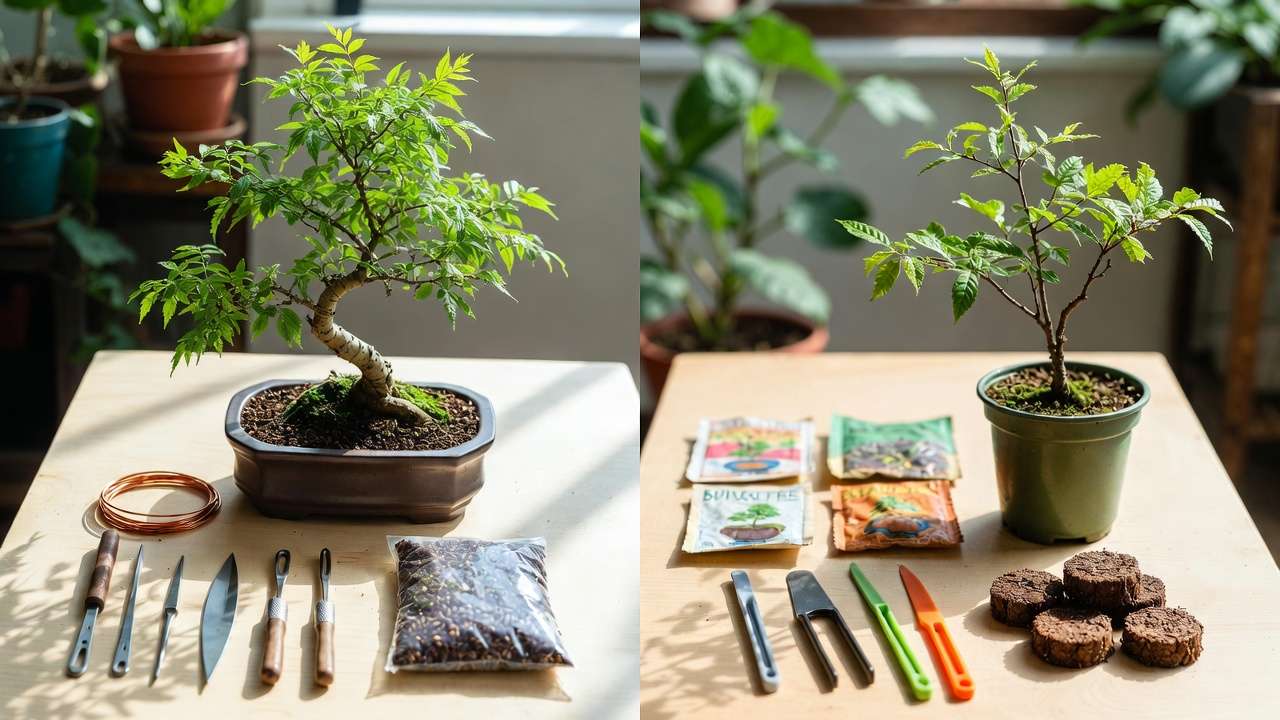
But here’s the 2026 reality check: The majority of “bonsai starter kits” flooding Amazon, big-box stores, and online marketplaces are seed-based kits. These promise exotic species like Japanese maple or pine from tiny seeds, complete with cute pots and tools. While they look appealing, germination rates for bonsai-suited species are often low (especially for beginners without ideal conditions), and even successful sprouts take 10–15+ years of dedicated training to resemble a proper bonsai. Most end up as regular houseplants — if they survive at all.
Pros and Cons Table of Kit Types (quick comparison):
- Seed-Based Kits Pros: Cheap, fun to germinate, educational for basic plant growth Cons: Extremely long timeline to bonsai shape, high failure rate, often poor-quality tools/soil 🌱❌
- Pre-Bonsai Material Kits (young tree + tools) Pros: Faster visible progress (pruning/wiring in months), higher success, real bonsai experience Cons: Slightly more expensive ($40–$120 range) 🌳✅
- Tool-Only Kits (add your own tree) Pros: Customizable, focus on quality tools Cons: Requires sourcing a separate tree
Expert tip from years of guiding beginners: Skip seed kits unless you’re purely experimenting with propagation. Invest in pre-bonsai for genuine bonsai artistry from day one.
(Image: Side-by-side comparison — a vibrant pre-bonsai Chinese Elm starter kit vs. a typical seed packet kit with tiny sprouts)
Why Beginners Struggle: Common Mistakes When Buying a Starter Bonsai Kit ⚠️
From Bonsai Empire forums to Reddit threads, the same regrets pop up year after year:
- Buying seed-only kits expecting quick bonsai results — Leading to months of waiting for nothing resembling a tree.
- Ignoring your local climate and hardiness — Tropical “indoor” species die in cold winters; outdoor hardy ones suffer in low-light apartments.
- Falling for cheap, low-quality tools — Plastic shears that dull instantly or break during first use.
- Overlooking drainage and soil quality — Many kits use compressed peat discs that retain too much water, causing root rot.
- Impulse buys based on hype — Amazon 5-star ratings often come from unboxing excitement, not long-term success. Real bonsai growers prioritize community feedback over stars.
One common thread in 2026 discussions: Beginners regret not starting with forgiving species like Chinese Elm or Ficus instead of finicky maples or pines that demand precise dormancy and wiring skills.
Key Factors to Consider Before Buying (Your 2026 Checklist) ✅
Use this detailed checklist to evaluate any kit:
1. Type of Plant Material: Pre-Bonsai vs. Seeds 🌳
Prioritize pre-bonsai (young nursery stock already in training). These give you a head start with thicker trunks and branches ready for basic shaping.
Best Beginner Species in 2026 (forgiving and responsive):
- Chinese Elm (Ulmus parvifolia) — Hardy, grows fast indoors/outdoors, great for pruning practice.
- Ficus (e.g., Ficus retusa or Ginseng Ficus) — Extremely resilient, tolerates low light and occasional neglect — ideal for apartments.
- Juniper (Procumbens Nana or Juniperus chinensis) — Classic outdoor look, but needs bright light and good airflow.
- Jade (Portulacaria afra or Crassula ovata Dwarf Jade) — Succulent-like, drought-tolerant, fun for beginners.
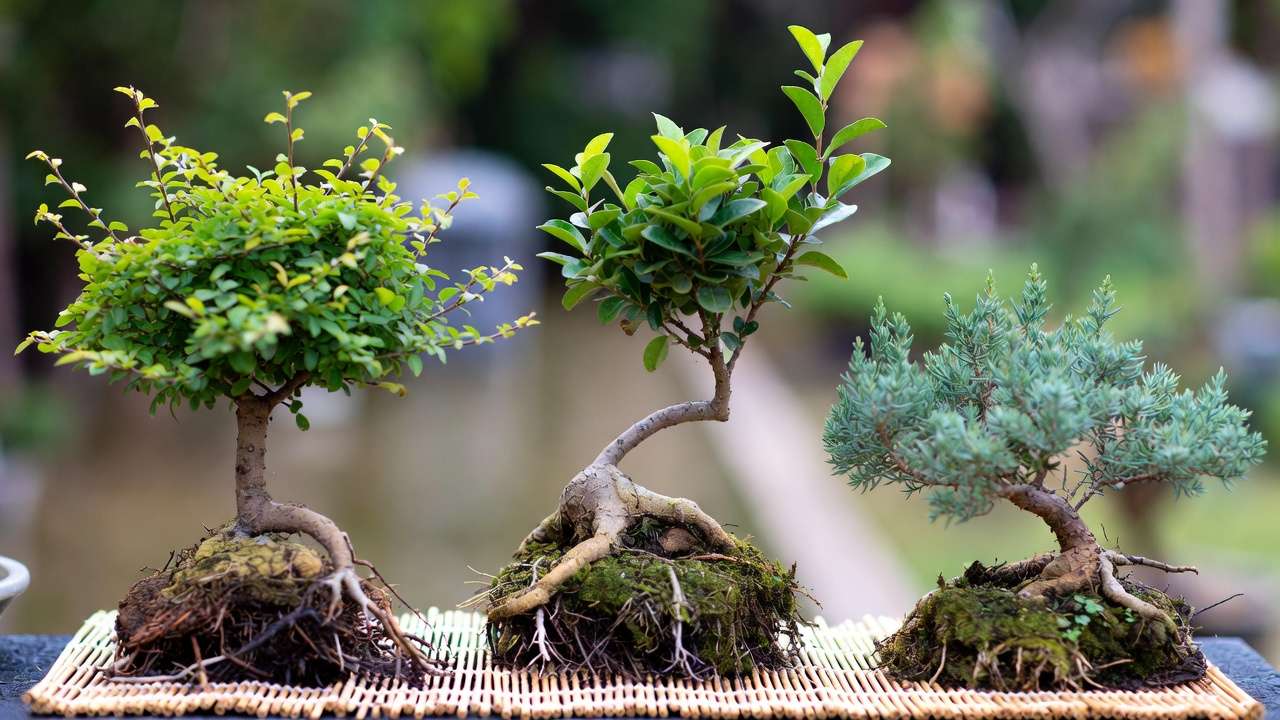
Avoid for absolute starters: True Japanese Maple (needs cold dormancy), Pines (slow growth, advanced techniques).
2. Kit Components: What You Actually Need vs. Nice-to-Haves 🛠️
Must-Haves:
- Sharp concave cutters or branch shears (carbon steel preferred)
- Bonsai training wire (aluminum/copper, 1–4mm gauges)
- Well-draining bonsai soil mix (akadama, pumice, lava rock blend — not regular potting soil!)
- Shallow ceramic or plastic pot with drainage holes
Nice-to-Haves:
- Root hook/rake
- Turntable for easy viewing
- Liquid fertilizer (slow-release like Suncote)
- Beginner guidebook or QR code to tutorials
Red Flags:
- Plastic “bonsai” tools that feel flimsy
- Only compressed soil discs (poor long-term drainage)
- No wire included
- Exotic seeds without climate warnings
3. Indoor vs. Outdoor Suitability 🏠🌞
Most “indoor bonsai kits” are misleading — true indoor species are limited (mainly tropical Ficus). Outdoor kits with hardy species like Juniper thrive better long-term but require seasonal care. In tropical climates like Dhaka, Ficus or Chinese Elm excel indoors with bright indirect light.
4. Quality, Durability, and Brand Reputation 🔍
Look for reputable sellers:
- Eastern Leaf, Bonsai Outlet, New England Bonsai, Wigert’s Bonsai
- Avoid pure dropship seed kits from unknown brands
Sweet spot budget: $50–$100 for solid value (quality tree + tools).
5. Reviews & Community Feedback (Where to Look in 2026)
Skip generic Amazon reviews. Check:
- r/Bonsai subreddit weekly beginner threads
- Bonsai Empire forums
- Recent YouTube grow-along videos from channels like Mirai Live or Bonsai Empire
Step-by-Step: How to Choose Your Perfect Starter Bonsai Kit in 2026 🗂️
Follow this practical, foolproof process to make an informed decision without overwhelm:
Step 1: Assess your space, light, and commitment level Ask yourself:
- Do you have bright indirect light (south/east-facing window) or mostly low light?
- Is your space indoors year-round (tropical climate like Dhaka is perfect for this) or can you move the tree outdoors seasonally?
- How much time can you dedicate weekly (watering, misting, occasional pruning)? If you’re in Dhaka with warm, humid conditions and limited direct sun, lean toward indoor-tolerant species like Ficus.
Step 2: Decide on indoor vs. outdoor goal Indoor: Prioritize Ficus retusa, Ginseng Ficus, or Dwarf Jade — they handle apartment life best. Outdoor: Juniper or Chinese Elm for that classic bonsai look (protect from extreme heat/cold if needed).
Step 3: Use this printable checklist (copy-paste or screenshot for reference):
- Pre-bonsai material (young tree, not seeds)? ✅
- Includes quality tools (sharp cutters, wire)? ✅
- Proper inorganic soil mix? ✅
- Drainage holes in pot? ✅
- Suitable species for your climate/light? ✅
- From reputable seller (Eastern Leaf, Bonsai Outlet, etc.)? ✅
- Positive long-term reviews from bonsai communities? ✅
Step 4: Compare 3–5 options side-by-side Create a quick table in notes: Price | Species | Components | Seller Rating | Community Feedback. Eliminate anything with mostly seeds or flimsy tools.
Step 5: Buy from trusted sources Avoid generic Amazon dropship seed kits. Go for:
- Eastern Leaf
- Bonsai Outlet
- New England Bonsai (NEBG)
- Local nurseries if possible (check for imports or tropical species)
- Bonsai Boy for complete kits
Pro tip: In 2026, many sellers offer free shipping bundles — watch for those!
(Image placeholder: A beginner comparing bonsai kits online — screenshot-style with checklist overlay)
Top Recommended Starter Bonsai Kits for 2026 (Realistic Picks) 🌟
Based on current trends, community favorites from r/Bonsai, Bonsai Empire, and reputable retailers, here are standout options that avoid seed pitfalls and deliver real value:
Best Overall Pre-Bonsai Starter: Eastern Leaf Chinese Elm Starter Kit (~$129)
- Includes a healthy 1–2 year old Chinese Elm pre-bonsai, quality tools (shears, wire), bonsai soil, pot, and guide.
- Pros: Fast growth, forgiving, great for pruning practice; perfect for Dhaka’s climate indoors.
- Cons: Higher price, but worth it for longevity.
- Why it wins: Community praise for sturdy trees that respond well to beginner training.

(Image: Chinese Elm bonsai starter tree in pot – vibrant green foliage showing healthy pre-bonsai form)
Best Value Kit: Bonsai Outlet Beginner Kits (e.g., Juniper or Schefflera sets) (~$55–$75)
- Often includes young Juniper procumbens nana or Hawaiian Umbrella (Schefflera) with basic tools and pot.
- Pros: Affordable entry to real bonsai material; good for outdoor/indoor transition.
- Cons: Juniper needs more light than Ficus.
- Great for beginners wanting classic conical style.
Best for Indoor Beginners (Dhaka/Apartment-Friendly): Ficus-Based Kits from Bonsai Outlet or Schley’s Bonsai (~$60–$100)
- Tiger Bark Ficus or Ficus retusa young trees — extremely resilient to irregular watering and lower light.
- Pros: Thrives in tropical humidity; minimal dormancy issues.
- Cons: Can grow aggressively if not pruned regularly.

(Image: Mature Ficus bonsai example – lush green leaves on a beautifully shaped trunk, showing what success looks like over time)
Avoid List in 2026
- Most Amazon “Bonsai Tree Seed Starter Kits” (Garden Republic, Home Grown) — beautiful packaging, but 90%+ frustration rate per Reddit threads.
- Cheap tool-only sets without a tree.
- Exotic seed mixes promising “rare” species — germination is lottery-level.
After You Choose: Quick Start Care Tips to Ensure Success 🌱
Your kit arrives — now what?
First-week setup
- Unbox carefully; place in bright indirect light (avoid direct midday sun initially).
- Water when top 1–2 cm of soil feels dry (use finger test).
- Mist leaves daily for humidity (especially Ficus in dry AC rooms).
Basic ongoing care
- Watering: Thorough soak until drainage, never let sit in water.
- Light: 4–6+ hours bright indirect; supplement with grow lights if needed.
- Initial pruning: After 1–2 months, trim back long shoots to encourage branching.
- Fertilize: Start half-strength liquid bonsai fertilizer every 2 weeks in growing season.
Transition to real bonsai journey Month 3+: Begin basic wiring (use included wire gently). Year 1+: Repot into better soil if needed. Join r/Bonsai or Bonsai Empire for photo feedback — huge help!
(Image placeholder: Beginner pruning a young Chinese Elm – close-up of concave cutters in action)

(Image: Quality bonsai tool set – concave cutters, shears, wire cutters essential for shaping)
Expert Insights & Pro Tips from Years of Bonsai Experience 💡
With over a decade nurturing bonsai collections and mentoring beginners worldwide:
- “Start with ONE tree — master its needs before collecting more. Quality over quantity wins.”
- In tropical climates like yours, watch for pests (scale on Ficus) — neem oil is your friend.
- 2026 trend: More sustainable pots and organic-ish soils, but stick to inorganic mixes for root health.
- Patience hack: Take weekly photos — progress feels slow day-to-day but obvious over months.
Bonus free resources:
- Bonsai Empire app/tutorials
- Mirai Live YouTube channel (advanced but inspiring)
- r/Bonsai beginner weekly threads (super active in 2026)
Frequently Asked Questions (FAQs) ❓
Are seed bonsai kits worth it? Rarely for true bonsai goals. Great for fun germination experiments, but expect 10–20 years before anything bonsai-like appears. Go pre-bonsai instead.
What’s the fastest bonsai to see results? Chinese Elm or Ficus — visible pruning/wiring changes in 3–6 months.
Can I keep bonsai indoors year-round? Yes, with Ficus, Jade, or Schefflera. Most others (Juniper, Maple) need outdoor seasons.
How much should a good starter kit cost? $50–$130 for quality pre-bonsai + tools. Under $40 usually means seeds or junk tools.
Best beginner bonsai species in tropical climates like Dhaka? Ficus retusa or Ginseng Ficus — heat/humidity tolerant, low light forgiving.
Conclusion: Your First Real Bonsai Awaits! 🎉
Choosing the right starter bonsai kit isn’t about the flashiest box — it’s about setting yourself up for genuine growth, learning, and joy. By focusing on pre-bonsai material, quality tools, suitable species, and trusted sources, you’ll avoid the common beginner traps and start building skills that last a lifetime.
Grab that checklist, compare a few solid options like the Eastern Leaf Chinese Elm or a Ficus kit, and take the plunge. Your miniature tree is waiting to become a living work of art — and you’re about to create it. 🌳❤️
Share your kit choice or first progress pics in the comments below — I’d love to cheer you on! Happy bonsai-ing in 2026!











