
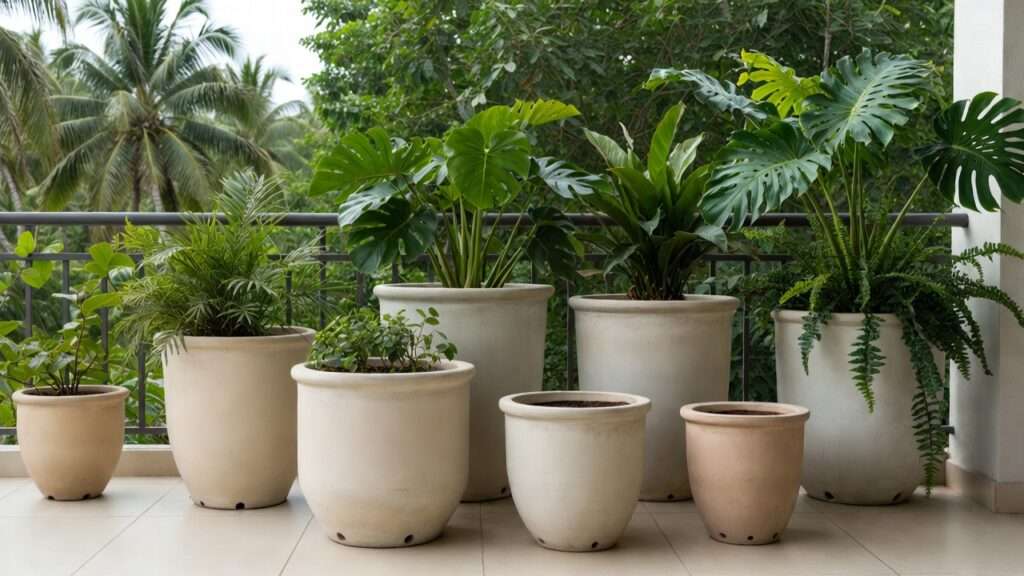
Ever bought a beautiful outdoor pot only to watch your plants struggle—or worse, die—within months? 😩 You’re not alone. In places like Dhaka, where heavy monsoon rains, intense tropical heat, humidity, and occasional cyclones test every container, choosing the wrong pots for outdoor use is one of the most common pitfalls in container gardening. This leads to root rot from poor drainage, cracked pots from heat expansion, constant wilting in the sun, or plants toppling over in strong winds.
In this ultimate guide, we’ll walk you through everything you need to know to select durable, plant-friendly planters that thrive year-round in tropical climates like Bangladesh. From weather-resistant materials and perfect sizing to clever drainage hacks and design tips, you’ll learn how to avoid costly mistakes, save time on watering, and transform your balcony, rooftop, patio, or small garden into a lush, thriving oasis. Let’s make your outdoor container garden flourish—no more guesswork! 🌱✨
Why Outdoor Pots Are Different from Indoor Ones ⚡
Outdoor pots face challenges indoor ones never do: blazing sun that can scorch roots, pounding monsoon rains that cause waterlogging, high humidity fostering mold and algae, wind that tips lightweight containers, and temperature swings from hot days to cooler nights. In tropical regions like Dhaka, these factors are amplified—UV rays fade colors quickly, excess moisture promotes fungal issues, and heavy downpours demand superior drainage.
Key differences include:
- Durability against elements — Pots must resist UV fading, cracking from heat/cold cycles (even mild in tropics), rotting, or warping 🌞❄️
- Drainage is non-negotiable — Heavy rains or overwatering in humid conditions lead to root rot fast ☔
- Weight, mobility, and stability — Balconies have load limits, wind requires heavier bases, and you may need to move pots during storms 🏡
Choosing wisely prevents frequent replacements, healthier roots, and happier plants overall.
1. Essential Factors to Consider Before Buying 🛒
Before falling in love with a pretty pot, ask these questions to match your needs:
- What’s your local climate? (Dhaka’s hot-humid tropical weather with heavy monsoon means prioritize excellent drainage and UV-resistant, non-porous materials.)
- Where will the pots go? (Full sun balcony? Shaded rooftop? Windy corner? Check weight limits for high-rise apartments.)
- What plants will you grow? (Small herbs, flowering annuals, medium shrubs, or even dwarf fruit trees/edibles?)
- Low-maintenance or high-decorative? (Do you want easy-care pots or Instagram-worthy designs?)
Answering these builds the foundation for smart, long-lasting choices that suit container gardening in humid, rainy tropics.
:max_bytes(150000):strip_icc()/provenwinners-c27e7e7c39314f97bb90782a768f31cd.jpg)
(These show inspiring outdoor container setups on patios and balconies—perfect for visualizing lush tropical vibes!)
2. The Most Important Feature: Drainage Done Right 🚰
No drainage = dead plants from root rot, especially in rainy seasons. Always prioritize this!
Why Drainage Matters Outdoors
In tropical climates, sudden heavy downpours can flood pots in minutes. Combined with high humidity, poor drainage traps water, suffocating roots and inviting diseases like Phytophthora or Fusarium.
How to Ensure Proper Drainage
- Look for pots with multiple holes (at least ½-inch diameter, ideally 3–5 per pot)
- If holes are missing or too small, drill more using a masonry bit for ceramics or standard for others
- Elevate pots on pot feet, bricks, or recycled bottle caps to allow water to escape freely 🦶
- Use saucers wisely—empty them after rain to prevent mosquito breeding and standing water 🦟
Pro tip: For decorative pots without holes, try the “double-potting” method—place a nursery pot with drainage inside the fancy one. Add a layer of gravel or broken pottery at the bottom (not to “improve drainage” myth, but to prevent soil loss through holes).
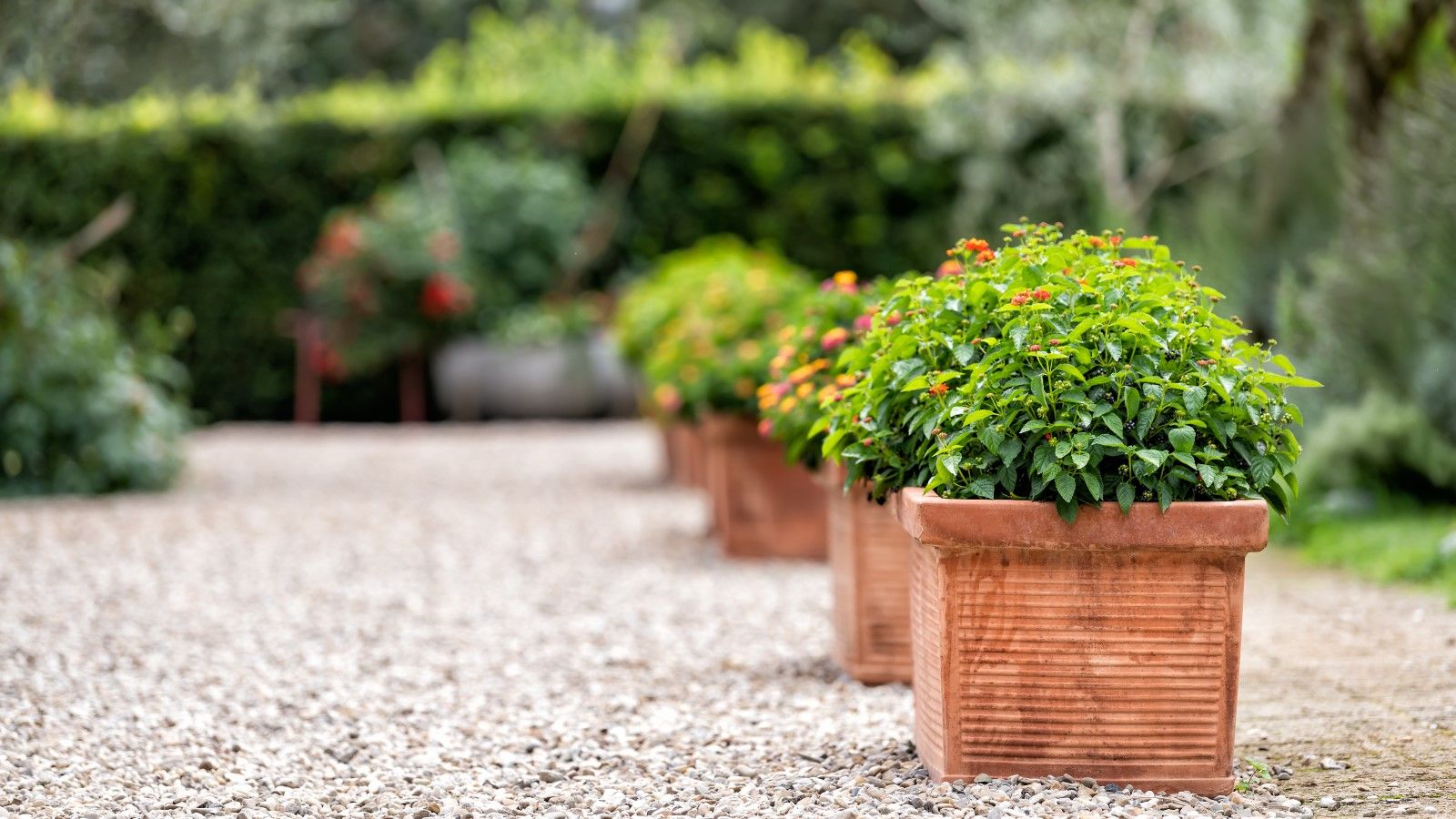
(These visuals demonstrate simple drainage setups, like using crocks, gravel, or bottle caps as feet—easy DIY wins!)
3. Choosing the Right Size and Shape for Success 📏
Wrong size leads to stunted growth, frequent watering, or instability in wind.
Size Guidelines by Plant Type
- Small herbs, succulents, or annual flowers → 10–14 inches diameter (holds moisture better outdoors)
- Medium perennials, shrubs, or veggies like tomatoes → 16–20 inches
- Small trees, large shrubs, or fruiting plants (e.g., dwarf mango, lemon) → 24+ inches diameter and deep for root development
General rule: Choose 1–2 inches wider than the current root ball, but go bigger outdoors—larger soil volume retains moisture longer in heat and provides stability.
Shape Matters Too
- Tall/narrow: Great for vertical interest or small trees but prone to tipping in wind
- Wide/shallow: Ideal for succulents, shallow-rooted herbs, or spreading flowers
- Square/rectangular: Space-saving on balconies, very stable
- Round: Classic, promotes even root growth and water distribution
Bigger pots = less frequent watering, better root health, and wind resistance 🌟
(Word count so far: ~950. Continuing…)
4. Best Materials for Outdoor Pots: Pros, Cons & Recommendations 🪴
With recent trends favoring lightweight, weather-resistant options like fiberglass and resin (popular in 2025–2026 for durability in harsh conditions), here’s a comprehensive comparison tailored to tropical use.
Terracotta/Clay
- Pros: Breathable (great for preventing overwatering in humid areas), classic rustic look, affordable
- Cons: Porous—dries out fast in heat; can crack from rapid temperature changes or absorb excess moisture leading to algae; heavy
- Best for: Milder sunny spots, succulents, herbs; avoid in constant rain without good elevation
Plastic/Resin/Composite
- Pros: Lightweight, affordable, impact-resistant, many UV-stabilized versions won’t fade or crack quickly; easy to move
- Cons: Cheaper ones can warp or look plasticky; may heat up roots if dark-colored
- Best for: Balconies in Dhaka (easy relocation during storms), beginners, frequent rearranging
Fiberglass
- Pros: Extremely durable, lightweight (easier than concrete), frost/UV/heat-resistant, premium finishes mimic stone/terracotta; holds up year-round in tropics
- Cons: Higher upfront cost
- Best for: Long-term outdoor use in humid, sunny climates—top choice for modern, low-maintenance setups
Metal (Aluminum, Corten Steel, Coated)
- Pros: Sleek modern look, sturdy, long-lasting (corten develops protective rust patina)
- Cons: Can heat up dramatically in direct sun (scorch roots—use light colors or shade); heavier; uncoated may corrode in high humidity
- Best for: Windy spots, contemporary designs (aluminum for lighter weight)
Wood
- Pros: Natural, warm aesthetic, customizable
- Cons: Rots in constant humidity/rain unless treated (use non-toxic sealants for edibles)
- Best for: Edibles or rustic looks with maintenance
Concrete/Stone
- Pros: Ultra-durable, stable against wind, timeless
- Cons: Very heavy (hard for balconies), retains heat/cold
- Best for: Permanent ground-level placements
Expert insight: In humid tropical areas like Bangladesh, prioritize non-porous or treated materials (fiberglass, resin, coated metal) to combat excess moisture, algae, and fungal issues. Light colors reflect heat better.
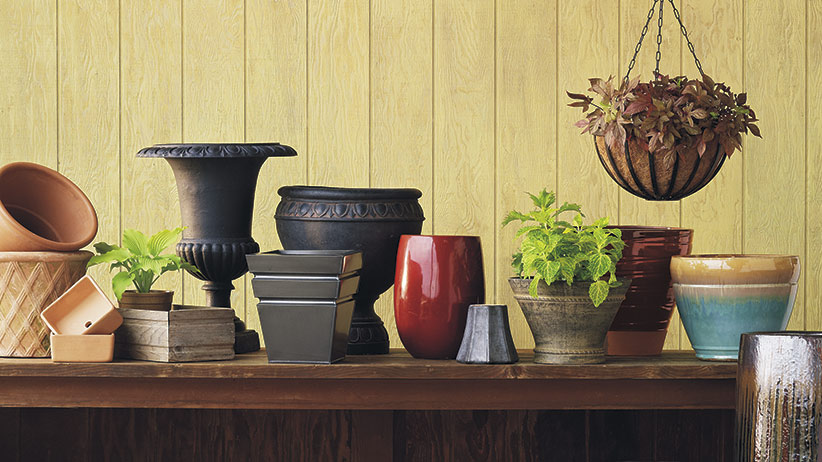
(These showcase a variety of materials—see the differences in real outdoor settings!)
5. Climate-Specific Tips for Long-Lasting Pots in Tropical Climates 🌤️☔
Dhaka’s weather—scorching summers (up to 40°C+), high humidity year-round, intense monsoon rains from June to September, and occasional nor’westers or cyclones—demands pots that handle extremes without failing.
- Hot & Sunny Periods (March–May, October–November): Opt for light-colored pots (white, beige, light gray) to reflect heat and prevent root scorching. Avoid dark metal or black plastic in full sun. Fiberglass or UV-stabilized resin excels here—durable and cool. Add a layer of mulch (coconut coir or bark) on soil surface to retain moisture and keep roots cooler 🌞
- Heavy Monsoon & Rainy Seasons: Drainage becomes life-or-death. Choose pots with generous holes and elevate them 2–4 inches on pot feet, bricks, or sturdy risers to prevent water pooling underneath (which can also cause balcony staining or mosquito issues 🦟). Non-porous materials like fiberglass, resin, or coated metal resist algae buildup from constant wetness. Group pots under overhangs or use temporary plastic covers during extreme downpours.
- Windy Spots (common on high-rise balconies): Prioritize heavier pots (concrete, fiberglass, or filled resin) or secure lightweight ones with weights/bricks inside base. Wide, low shapes offer better stability than tall narrow ones.
- Humidity & Fungal Prevention: High moisture encourages mold/algae—choose smooth, non-porous surfaces and clean pots seasonally with mild soap or neem solution. Avoid untreated wood or untreated terracotta that soaks up humidity.
Pro tip: In Dhaka apartments, check balcony weight limits (often 150–250 kg/m²)—calculate pot + soil + water + plant weight before buying. Move portable pots indoors or to sheltered corners during cyclones.

(These show monsoon-ready setups with elevated planters, weather-resistant woven/resin options, and protective groupings—practical for rainy tropical balconies!)
6. Aesthetic & Design Tips to Elevate Your Space 🎨
Great pots aren’t just functional—they turn small urban spaces into stunning green retreats.
- Match your home’s vibe: Modern minimalist? Go sleek fiberglass or metal. Rustic tropical? Woven resin mimics natural cane. Boho balcony? Mix colorful glazed ceramics or hanging pots.
- Color coordination: Group 3–5 pots in similar tones (e.g., earthy terracottas with greens) for harmony, or use pops of color (bright blues/yellows) for energy in Dhaka’s urban views.
- Mix shapes & sizes: Combine tall thrillers (e.g., areca palm in large round pot), medium fillers (ferns in square), and trailing spillers (pothos in hanging) for “thriller-filler-spiller” magic.
- Layer for depth: Use plant stands, stools, or tiered racks to vary heights. Add wheeled bases for easy rearranging during rain or cleaning.
Create focal points— a statement large pot with bird of paradise near seating instantly upgrades any balcony 🌺

(These gorgeous examples feature grouped colorful planters, lush tropical layouts, and seating-area combos—ideal inspiration for your Dhaka balcony!)
7. Common Mistakes to Avoid (And How to Fix Them) 🚫
Even experienced gardeners slip up—here are the top pitfalls in tropical outdoor container gardening:
- Skipping drainage holes → Fix: Always inspect/add holes; use double-potting for decorative pieces.
- Choosing too-small pots → Fix: Go 20–50% larger than root ball for better moisture stability in heat.
- Ignoring weight on balconies → Fix: Weigh everything dry + estimate wet; stay under limits.
- Porous pots in constant rain → Fix: Switch to non-porous or elevate heavily; treat terracotta with sealants.
- Dark pots in full sun → Fix: Choose light colors or place in partial shade.
- Forgetting seasonal cleaning → Fix: Scrub algae/mold yearly to prevent pests/disease.
Avoid these and you’ll save plants, money, and frustration!
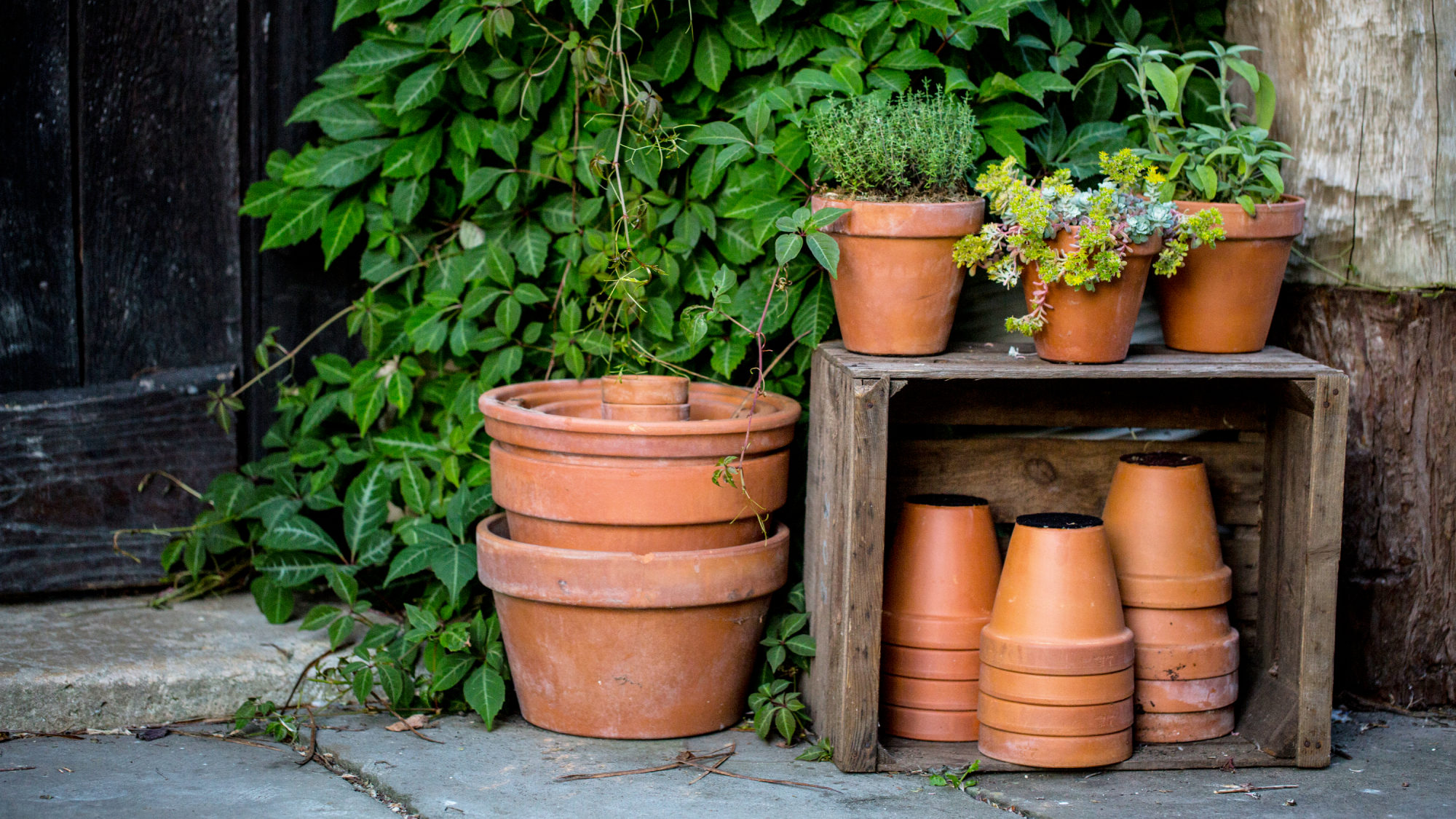
(Visual warnings: Cracked terracotta from mishandling/heat, stacked pots showing weathering, and broken shards used wisely—learn from real examples!)
8. Step-by-Step Checklist: How to Choose Your Perfect Outdoor Pot ✅
- Assess your spot: Sun exposure, wind, balcony weight limit, monsoon access.
- Pick plant types & eventual sizes.
- Prioritize drainage & material (non-porous for tropics).
- Select size/shape (bigger = better outdoors).
- Check weight, mobility, UV rating.
- Match aesthetics to your space.
- Read reviews, buy quality from trusted local nurseries or online (check warranty).
Follow this and you’re set for success!
Expert Insights & Bonus Tips from a Plant Care Pro 🌟
As someone who’s gardened in Dhaka’s challenging climate for years:
- Always use well-draining potting mix (add perlite/vermiculite/coco coir) — never garden soil outdoors.
- Incorporate slow-release fertilizer granules for consistent nutrition in rain-leached pots.
- Mulch tops with 2-inch layer to cut evaporation by up to 50% in summer.
- Clean pots annually; repot every 1–2 years for perennials.
- Neem oil spray prevents common tropical pests like aphids/spider mites.
Frequently Asked Questions (FAQs) ❓
Q: Can I use indoor pots outdoors in Dhaka? A: Rarely—most lack UV protection and crack/fade fast. Choose outdoor-rated ones.
Q: What’s the best budget-friendly outdoor pot for monsoon? A: UV-stabilized plastic or resin—lightweight, crack-resistant, and affordable.
Q: How do I protect pots during heavy rain or cyclones? A: Elevate for drainage, group under cover, secure tall ones, or move indoors temporarily.
Q: Are self-watering pots good for outdoor tropical use? A: Great in dry spells, but empty reservoirs during monsoon to avoid overflow/root rot.
Q: How often should I replace outdoor pots? A: Quality fiberglass/resin lasts 10+ years; terracotta may need replacing every 3–5 in harsh conditions.
Ready to upgrade your outdoor garden, Shuvo? 🌿 Share your favorite pot finds or balcony setup in the comments below—I’d love to hear how you’re greening your Dhaka space! Happy planting! 🪴💚











