
Have you ever brought home a gorgeous monstera or fiddle leaf fig, only to watch it drop leaves, stretch leggily toward the window, or develop sad brown spots? 😩 You’re not alone — and it’s rarely “just you.” In fact, improper indoor light levels are the #1 reason most houseplants struggle or fail indoors. Vague labels like “bright indirect light” sound helpful… until your plant tells you otherwise with its unhappy foliage.
The good news? You don’t need a botany degree or expensive gear to fix this. In this in-depth guide, we’ll walk you through exactly how to determine indoor light levels accurately and match them to your plants for lush, thriving growth. From quick no-tool tricks to pro-level measurements, you’ll map your home’s light zones like an expert and say goodbye to guesswork forever. 🌱💚
Whether you’re a beginner with a few pothos or a seasoned collector chasing perfect conditions for tropical trees indoors, mastering light is the game-changer. Let’s dive in!
Understanding Indoor Light: The Basics Every Plant Parent Needs to Know 📊
What Makes Indoor Light Different from Outdoor Sun? ☀️ Outdoor sunlight can hit 10,000+ foot-candles (FC) on a bright day, but indoors, glass filters UV rays, reflections reduce intensity, and distance from windows drops levels dramatically. A plant just 3 feet from a window might receive only 10-20% of the light it would right at the glass. Add seasonal changes (shorter winter days in places like Khulna!), curtains, or nearby trees, and your “bright spot” can shift overnight.
Key Light Terms Demystified 🔍
- Foot-candles (FC): The classic measure — how much light hits a surface 1 foot from a candle. Most houseplant guides use FC.
- Lux: Roughly 1 FC = 10.76 lux (common in phone apps).
- PPFD (Photosynthetic Photon Flux Density): Measures usable photons for photosynthesis (µmol/m²/s) — more precise for growth.
- DLI (Daily Light Integral): Total usable light over a day (mol/m²/day) — the real “how much energy your plant gets.”
Common ranges:
- Low: 25–100 FC (~3–6 mol DLI)
- Medium: 100–500 FC (~6–10 mol DLI)
- High/Bright Indirect: 500–1,000+ FC (~10–16+ mol DLI)
How Window Direction & Home Layout Affect Your Light Map 🏠
- North-facing: Consistent but dim (mostly low-medium, 50–300 FC). Great for low-light lovers.
- East-facing: Gentle morning sun + indirect (medium-high mornings).
- South-facing: Strongest potential (high, up to 1,000+ FC with direct bursts).
- West-facing: Intense afternoon sun (hot direct risk).
Factors like sheer curtains, white walls (boost reflection!), or external shading change everything. Pro tip: Measure multiple spots at plant height midday for accuracy! 📏
(Imagine a bright diagram here showing window directions with FC examples — north dim, south bright!)
Easy & Accurate Ways to Measure Indoor Light Levels 🛠️
Method 1: The Classic Shadow Test (No Tools Needed!) 👋 Hold your hand (or a leaf) between the window and your potential plant spot around midday on a sunny day.
- Sharp, defined shadow? → Direct or very bright light (great for succulents, fiddle leaf figs).
- Fuzzy, soft shadow? → Bright indirect (ideal for most tropicals like monstera).
- No real shadow or very faint? → Low light (snake plants, ZZ thrive here).
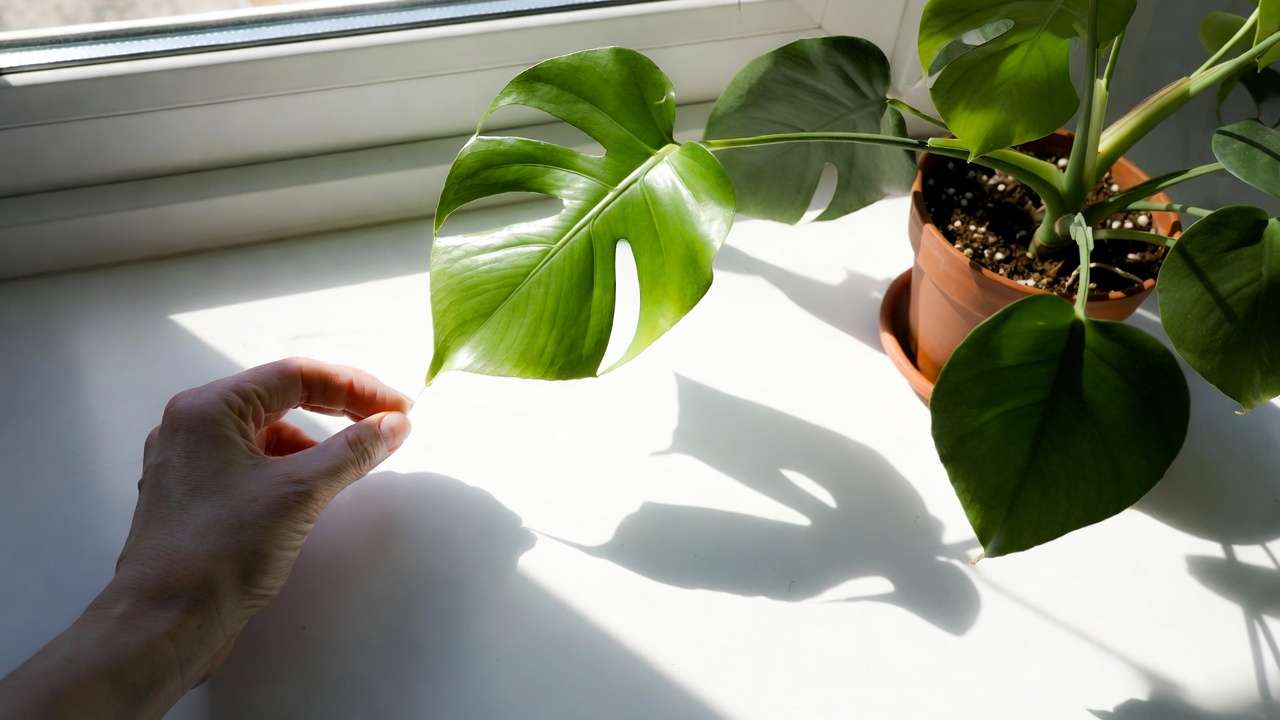
This quick test reveals quality instantly — direct vs. diffused. Do it seasonally for best results! 🌞
(Visual: Hand casting sharp vs. fuzzy shadow examples)
Method 2: Free Phone Apps – Your Pocket Light Meter 📱 Modern apps turn your smartphone into a reliable meter. Top recommendation in 2026: Photone – Grow Light Meter (free base version on iOS/Android) — praised for accuracy, PAR/PPFD readings, and DLI calculator. Alternatives include PPFD apps or basic lux meters.
How-to:
- Open app, select natural light mode.
- Hold phone at foliage level (not tilted).
- Take multiple readings over a day; average them.
- Calibrate if prompted (paper diffuser for some).
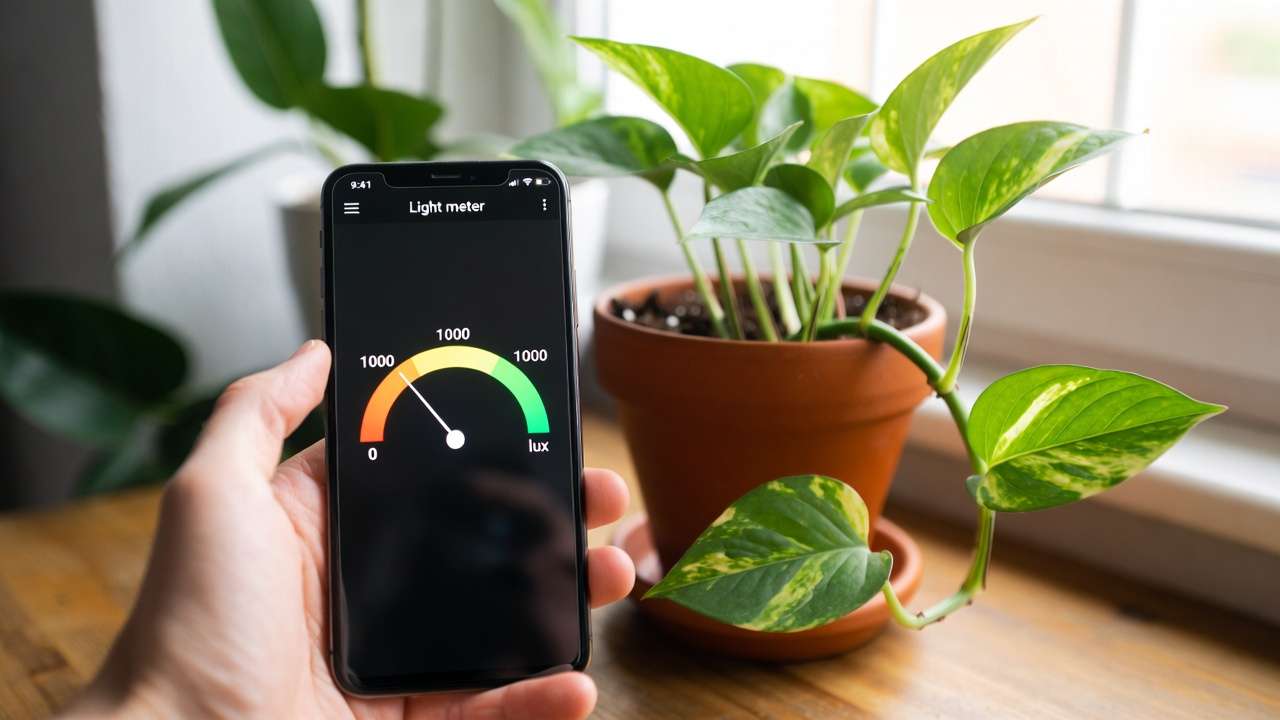
Real example: A south-facing spot might read 800–1,200 lux midday — convert to ~75–110 FC. Perfect for medium-high plants!
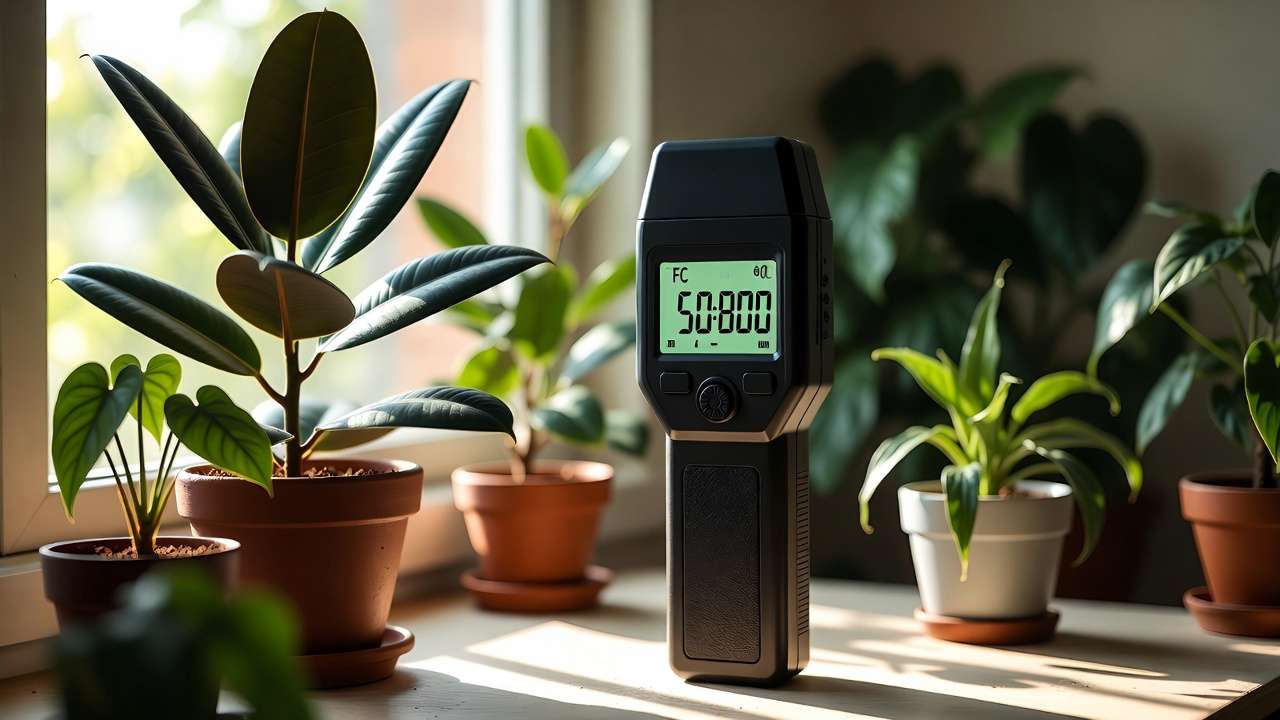
Method 3: Dedicated Light Meters – The Pro Choice 📏 For serious collectors, grab an affordable lux/FC meter ($20–50) or quantum PAR sensor for precision. They’re linear across devices and worth it for 20+ plants.
Advanced Option: Calculating Daily Light Integral (DLI) 📈 DLI = average PPFD × hours of light / 3600 (or use app calculators). Ideal ranges:
- Low-light tolerant (snake plant): 4–10 mol/day
- Medium (monstera, pothos): 6–12 mol/day
- High (fiddle leaf fig): 10–16+ mol/day
This tells you if 12 hours at medium intensity beats 4 hours of bright!
Matching Light Levels to Your Houseplants – The Ultimate Cheat Sheet 🌱
Now that you can measure light accurately, let’s pair those readings with the right plants. Here’s a detailed, research-backed breakdown based on university extension services (like University of Florida IFAS, Maryland Extension, and Missouri Botanical Garden guidelines) and real grower experience.
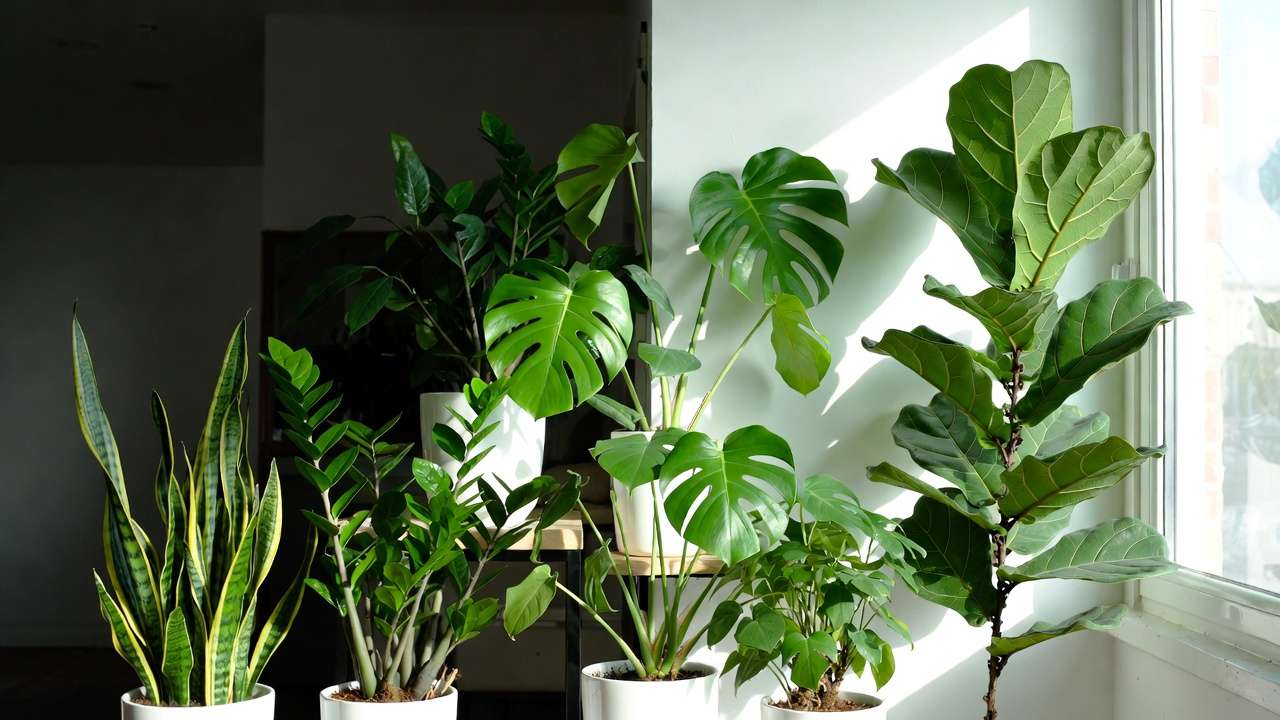
Low-Light Loving Plants (25–250 FC / ~3–8 mol DLI) 🕶️ These tough guys thrive in dim corners, offices, or north-facing rooms — perfect for Khulna apartments with limited direct sun.
- Snake plant (Sansevieria) — Tolerates as low as 25 FC, almost indestructible.
- ZZ plant (Zamioculcas zamiifolia) — Handles neglect and low light beautifully.
- Pothos (Epipremnum aureum) — Trails happily in medium-low spots.
- Peace lily (Spathiphyllum) — Blooms even in lower light (bonus air-purifying!).
- Cast iron plant (Aspidistra) — Literally lives up to its name.
Pro tip: These plants still appreciate occasional brighter days — rotate them monthly for even growth.
Medium-Light Sweet Spot (250–500 FC / ~6–12 mol DLI) ⚖️ The “Goldilocks zone” for most popular tropical houseplants — bright enough for healthy growth without scorching risk.
- Philodendron (many varieties) — Heartleaf, Brasil, etc., love this range.
- Monstera deliciosa — Fenestrations develop best here; too low = small leaves.
- Rubber plant (Ficus elastica) — Glossy leaves shine with consistent medium light.
- Chinese evergreen (Aglaonema) — Colorful varieties pop in this zone.
- Dracaena species — Corn plant, marginata — forgiving and architectural.
Many indoor tree-like plants (e.g., young fiddle leaf figs) start here before moving up.
Bright Indirect / High-Light Plants (500–1,000+ FC / ~10–20+ mol DLI) ☀️ These crave the brightest spots — south- or west-facing windows (with some protection from harsh midday sun).
- Fiddle leaf fig (Ficus lyrata) — Needs 800+ FC for new growth and leaf size.
- Bird of paradise (Strelitzia) — Dramatic indoor “tree” that rewards bright conditions.
- Succulents & cacti (e.g., echeveria, haworthia) — Many prefer 1,000+ FC.
- Citrus trees (lemon, lime indoors) — Fruiting potential skyrockets with high light.
- Croton (Codiaeum) — Vibrant colors only develop in bright indirect.
Plants That Can Handle (or Need) Some Direct Sun 🔥
- Aloe vera, jade plant — 2–4 hours direct OK.
- Snake plant, ponytail palm — Tolerate bursts.
- Acclimation is key: Introduce direct sun gradually over 7–10 days to prevent leaf burn.
(Imagine a colorful cheat sheet infographic here: columns for light level, FC range, example plants with photos, and ideal DLI — super shareable!)
Common Mistakes & How to Fix Them 🚫
Top 10 Light-Related Plant Killer Mistakes 😩
- Assuming “bright indirect” means the same in every home — always measure!
- Relying on your eyes alone (human perception is notoriously bad at judging intensity).
- Placing plants too far from windows (every foot back halves light!).
- Ignoring seasonal drops — winter in Khulna means shorter days; supplement!
- Over-relying on cheap “grow bulbs” without checking spectrum or intensity.
- Burning foliage with sudden direct sun exposure (especially on tropicals).
- Never rotating plants — one side gets all the light, leading to lopsided growth.
- Confusing lumens (human-visible) with PAR/PPFD (plant-usable light).
- Forgetting reflective surfaces — white walls or mirrors can boost levels 20–50%!
- Not re-measuring after rearranging furniture or changing curtains.
Fixes are simple: Measure regularly, adjust placement, and observe symptoms early (leggy stems = too little; bleached/scorched = too much).
(Visual idea: Side-by-side photo of a leggy, etiolated monstera vs. a compact, healthy one under proper light)
Boosting Light When Your Home is Too Dim ✨
Practical Ways to Maximize Natural Light 🪟
- Paint walls white or light colors to reflect more light.
- Hang sheer curtains instead of heavy ones.
- Place mirrors opposite windows to bounce light deeper into rooms.
- Prune nearby outdoor trees/shrubs if possible (with permission!).
- Clean windows regularly — dust cuts light by up to 40%.
When & How to Add Grow Lights Effectively 💡 If natural light stays below 200–300 FC consistently, grow lights are a game-changer.
- Best choice: Full-spectrum LEDs (4000–6500K, high CRI) — brands like Spider Farmer, Mars Hydro, or affordable Sansi/Roleadro bulbs.
- Distance: 12–24 inches above canopy (closer = higher intensity).
- Duration: 12–16 hours/day on a timer (mimic long summer days).
- Setup example: Clip-on or hanging panel over a low-light corner — many users report massive improvement in pothos growth and monstera fenestration.
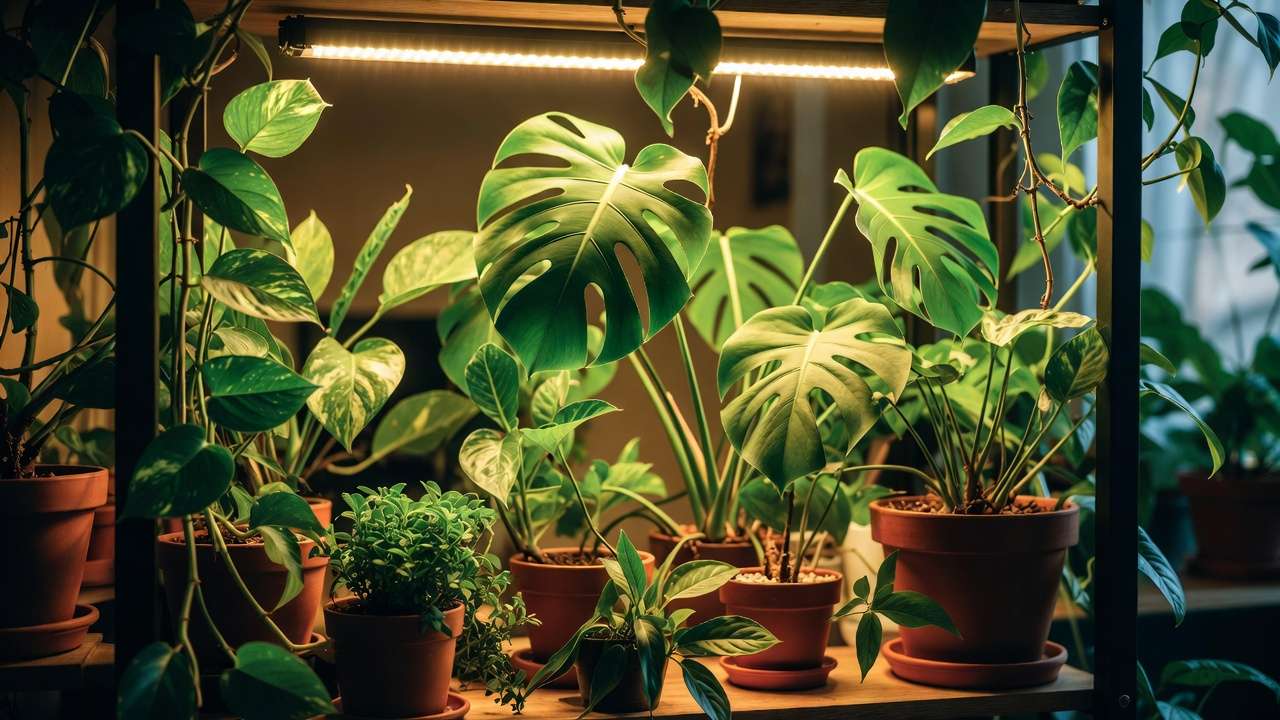
Monitor with your meter/app — aim to hit target DLI without overheating plants.
(Photo suggestion: Cozy indoor setup with LED grow light shining on a happy collection of houseplants)
Real-Life Examples & Case Studies 📸
- South-facing balcony-adjacent room in a tropical climate (like Khulna): Midday readings 1,200–2,000 FC near window → perfect for fiddle leaf fig, bird of paradise (with sheer curtain for peak hours).
- North-facing bedroom: Steady 80–200 FC → snake plants, ZZ, and pothos thrive with no supplemental light needed.
- Before/after: A reader moved their leggy monstera 2 feet closer to an east window + added 4 hours of grow light → new fenestrated leaves in 3 months!
Expert Tips & Pro Insights from Plant Scientists 🌿
From university resources (UF/IFAS, Cornell, etc.):
- “Light is often the most limiting factor indoors — get this right before tweaking water or fertilizer.”
- Winter DLI can drop 50%+ even in sunny regions — plan supplemental lighting October–February.
- Symptom troubleshooting: Pale/yellow leaves + slow growth = too little light; crispy edges + fading variegation = too much.
Frequently Asked Questions (FAQs) ❓
How many hours of bright indirect light do most houseplants need? 8–12 hours of effective light daily (measured at foliage level) for medium-high plants.
Can I use my phone’s camera as a light meter? Not accurately — dedicated apps use the sensor better; avoid raw camera mode.
What’s the difference between lux and foot-candles? 1 FC ≈ 10.76 lux. Apps often show lux; convert for plant guides.
Do grow lights replace natural light completely? They can — if full-spectrum and high enough PPFD/DLI — but natural light is free and provides UV benefits.
How often should I measure light? At least seasonally, and every time you move a plant or change window treatments.
My plant is stretching — what now? Increase light ASAP (closer to window or add grow light); prune leggy parts to encourage bushier regrowth.
Conclusion: Take Control of Your Indoor Jungle Today! 🌴
You’ve now got the tools, measurements, and plant-matching knowledge to turn any home into a thriving green oasis. Grab your phone, run the shadow test or Photone app this weekend, and map your light zones — you’ll be amazed how quickly your plants respond.
Mastering how to determine indoor light levels isn’t just about avoiding problems… it’s about unlocking lush growth, vibrant colors, and even indoor fruit from trees. You’ve got this, plant parent! 💚
Drop your light readings or favorite plant success stories in the comments — I’d love to hear how it goes in Khulna or wherever your jungle grows. Happy planting! 🌱✨











