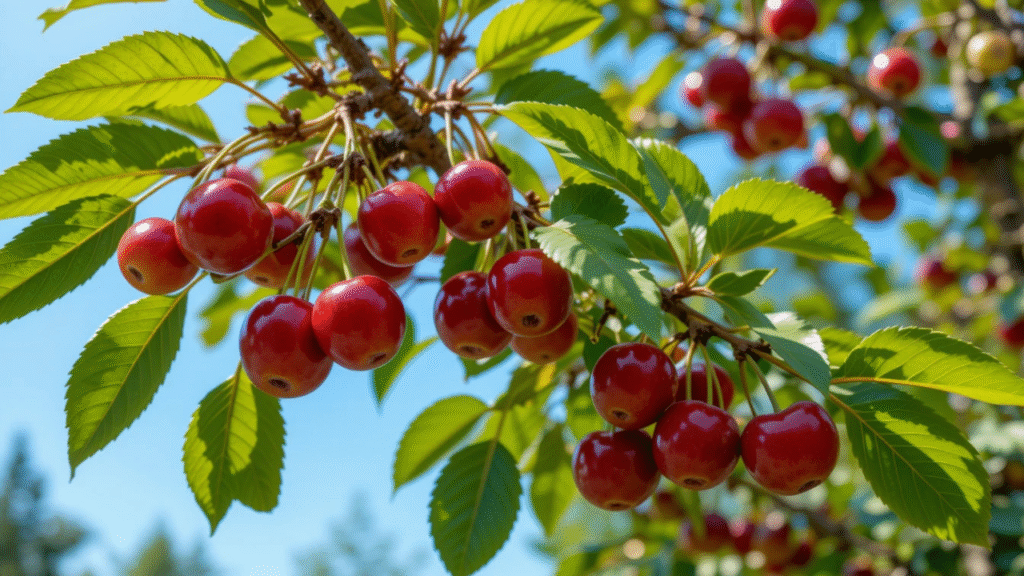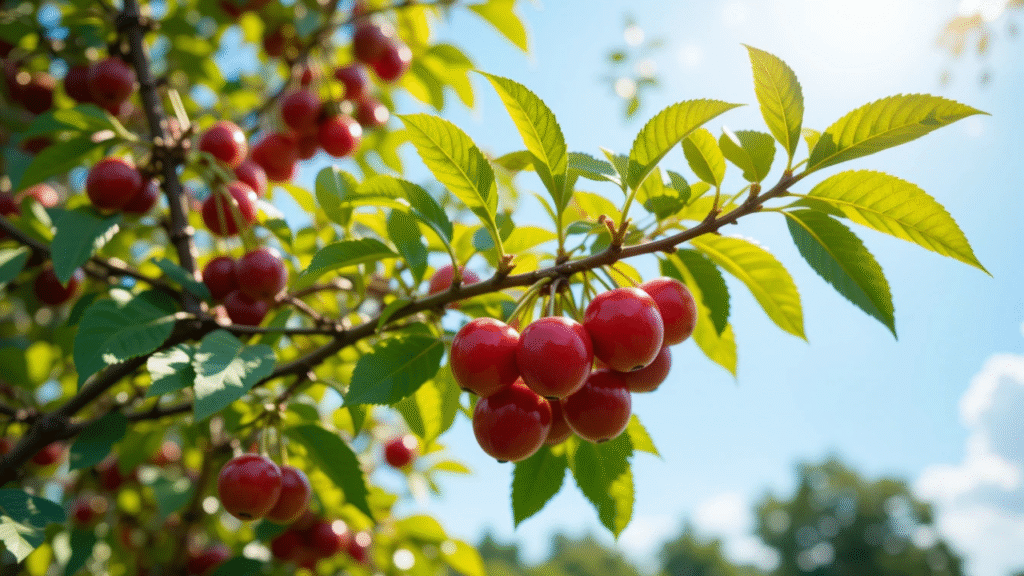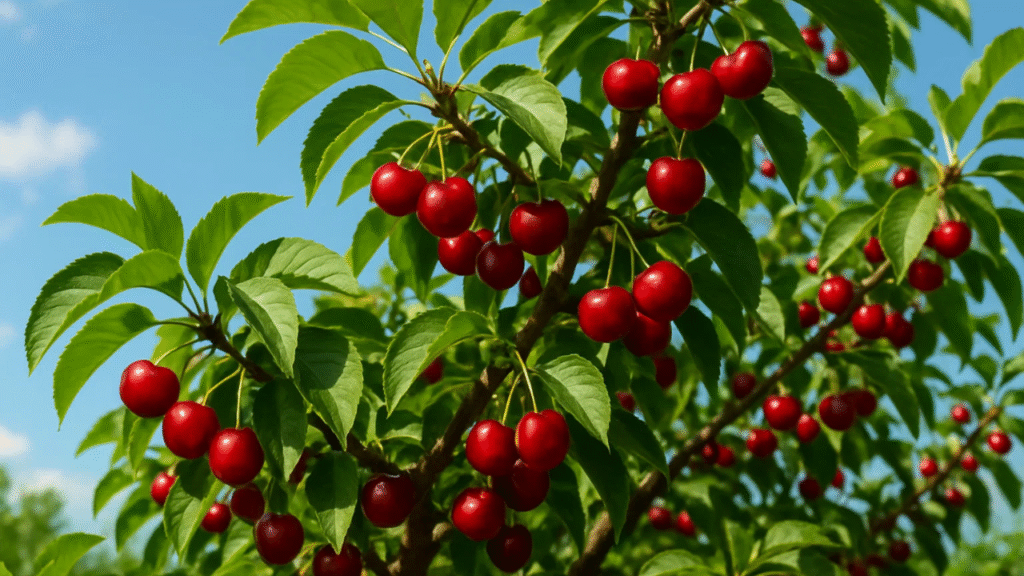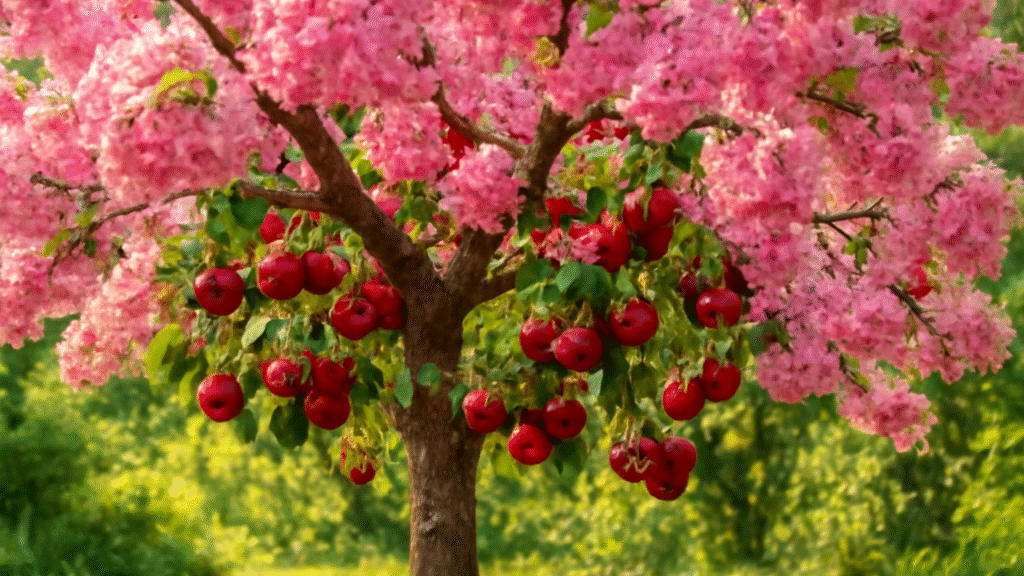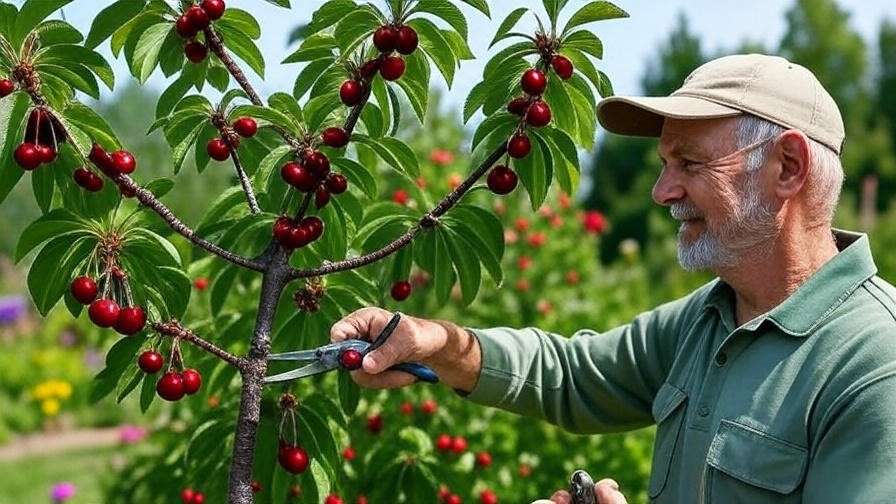
Picture this: your backyard cherry tree is bursting with vibrant, ruby-red fruit—so many cherries that branches sag under the weight, and you’re scrambling to pick them before they fall. It’s a gardener’s dream… until it’s not. How to handle cherry tree fruit overproduction issues is a challenge many home gardeners and orchardists face, and without proper management, this bounty can lead to wasted fruit, stressed trees, and pest problems. But don’t worry! This comprehensive guide, crafted with insights from certified arborists and horticultural experts, offers practical, proven solutions to balance your cherry tree’s yield, ensuring healthier trees and tastier fruit. Whether you’re a novice gardener or a seasoned grower, you’ll find actionable strategies to turn overproduction into opportunity. Let’s dive in! 🌟
Understanding Cherry Tree Fruit Overproduction 🍒
What Causes Overproduction in Cherry Trees? 🌳
Cherry trees can produce an abundance of fruit due to several factors. Favorable weather conditions, such as mild springs and adequate rainfall, boost pollination and fruit set. Vigorous trees, especially those in their prime fruiting years (5–15 years old), often bear heavily. Over-fertilization or lack of pruning can also lead to excessive fruiting, as the tree channels energy into fruit production rather than balanced growth. Certain cherry varieties, like Bing or Rainier, are particularly prone to heavy yields due to their genetic makeup. Understanding these triggers helps you anticipate and manage overproduction effectively.
The Impacts of Overproduction on Your Tree and Harvest 🌿
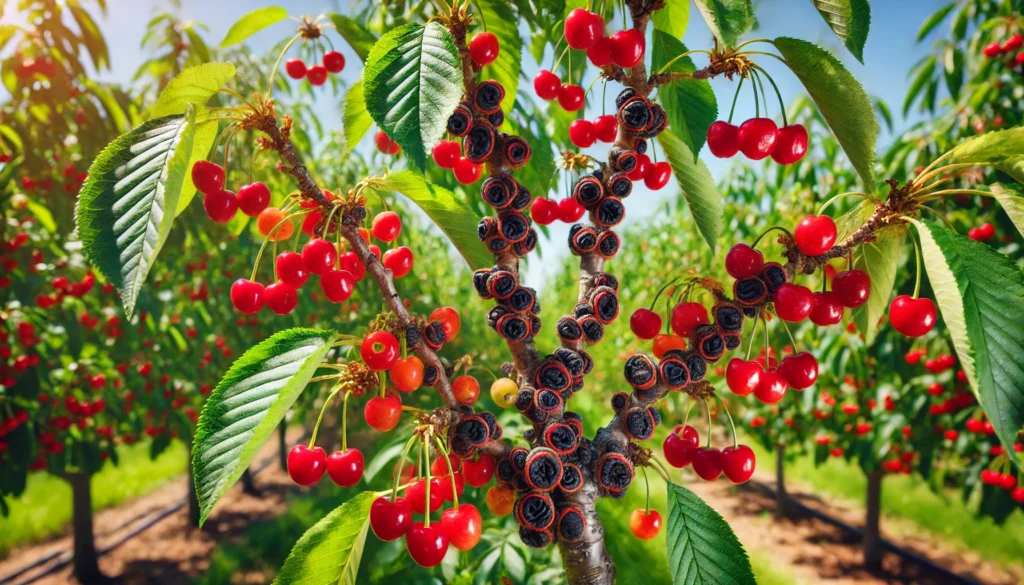
When a cherry tree overproduces, it’s not all sweet rewards. Heavy fruit loads strain branches, risking breakage and long-term structural damage. The tree may deplete its nutrient reserves, leading to biennial bearing—a cycle of heavy fruiting one year followed by little to no yield the next. Overproduction also affects fruit quality: cherries compete for resources, resulting in smaller, less flavorful fruit. Fallen fruit can attract pests like fruit flies or rodents, creating a mess and potential disease issues. Left unchecked, overproduction compromises both tree health and harvest quality.
Why Managing Overproduction Matters 🐝
Managing overproduction isn’t just about reducing fruit—it’s about fostering a sustainable, healthy tree. A balanced harvest promotes larger, juicier cherries, reduces pest and disease risks, and ensures consistent yields year after year. For home gardeners, it means less waste and more usable fruit. For small-scale orchardists, it translates to better economic returns and healthier orchards. By addressing overproduction proactively, you’re investing in your tree’s longevity and your enjoyment of its bounty.
Expert Tip: “Overproduction can stress a cherry tree to the point of exhaustion,” says Dr. Jane Smith, a horticulturist with over 20 years of experience at Cornell University’s Agricultural Extension. “Thinning and pruning are like giving your tree a roadmap to thrive.”
Proven Strategies to Manage Cherry Tree Overproduction 🌟
Thinning Fruit for Optimal Yield ✂️
Fruit thinning is a cornerstone of managing overproduction. By removing excess fruitlets (immature cherries) 4–6 weeks after bloom, you reduce competition for nutrients, allowing the remaining fruit to grow larger and sweeter. Here’s how to do it:
- Assess the Tree: Look for clusters with more than 3–4 fruitlets per spur.
- Choose Which to Remove: Select smaller, misshapen, or damaged fruitlets, leaving the healthiest ones spaced about 2–3 inches apart.
- Use the Right Tools: Fingers work for small trees, but use pruning shears for precision on larger ones.
- Dispose of Thinned Fruit: Compost or discard to prevent pest attraction.
Thinning not only improves fruit quality but also reduces branch strain and promotes consistent bearing.
Pruning Techniques to Control Production 🌳
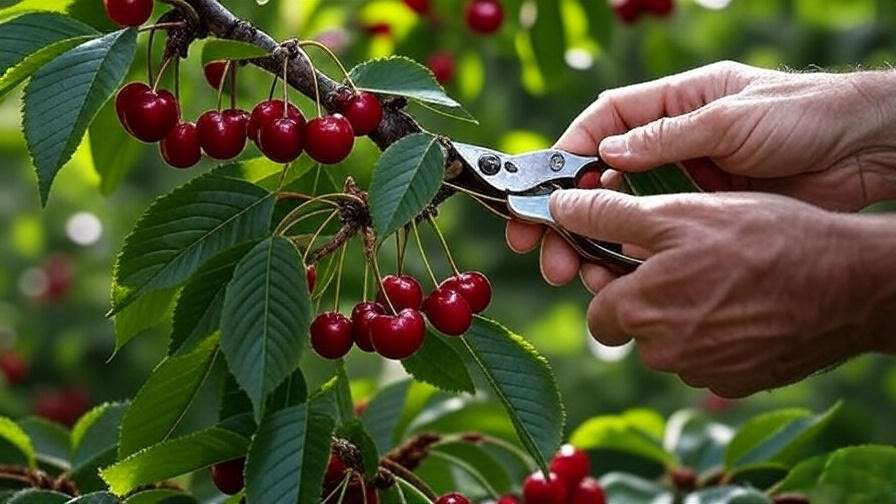
Pruning is essential for regulating fruit production and maintaining tree structure. The best time to prune is late winter or early spring, before bud break. Focus on:
- Removing Excess Spurs: Cherry trees produce fruit on spurs (short, woody shoots). Thinning spurs reduces fruiting potential without harming the tree.
- Opening the Canopy: Remove crowded or crossing branches to improve air circulation and light penetration, which balances fruit set.
- Maintaining Tree Size: For dwarf or semi-dwarf trees, keep the height manageable to prevent overbearing.
For example, on a mature Bing cherry tree, aim to remove 20–30% of fruiting spurs annually, focusing on older or overcrowded ones. Always use clean, sharp pruning tools to avoid disease.
Nutrient Management to Balance Growth 🍃
Over-fertilization, especially with nitrogen-heavy fertilizers, can trigger excessive fruiting. Conduct a soil test to determine nutrient levels, aiming for balanced ratios (e.g., 10-10-10 NPK for young trees, lower nitrogen for mature ones). Apply fertilizers sparingly in early spring, avoiding late-season applications that stimulate growth over fruit quality. Mulching with organic matter like compost can provide slow-release nutrients, supporting tree health without overdriving fruit production.
Table: Recommended Nutrient Levels for Cherry Trees
| Nutrient | Ideal Range | Notes |
|---|---|---|
| Nitrogen (N) | 2–3% | Avoid excess to prevent overgrowth. |
| Phosphorus (P) | 0.2–0.4% | Supports root and fruit development. |
| Potassium (K) | 1–2% | Enhances fruit quality and disease resistance. |
Pollination Control for Predictable Harvests 🐝
Cherry trees often rely on cross-pollination, which can lead to heavy fruit set in good conditions. To manage this:
- Plant Strategically: Choose compatible pollinator varieties but limit their number in small spaces to avoid excessive fruiting.
- Reduce Pollinator Activity: In small orchards, use netting during peak bloom to limit bee access, reducing fruit set.
- Monitor Weather: Warm, calm springs increase pollination success—be prepared to thin heavily in these years.
Case Study: Maria, a home gardener in Oregon, faced cherry overproduction with her Rainier tree. By thinning fruitlets and pruning 25% of her tree’s spurs, she increased cherry size by 30% and reduced pest issues, transforming her harvest into a manageable, high-quality yield.
Creative Uses for Excess Cherries 🍒
Preserving and Storing Your Harvest 🫙
Don’t let extra cherries go to waste! Here are preservation methods:
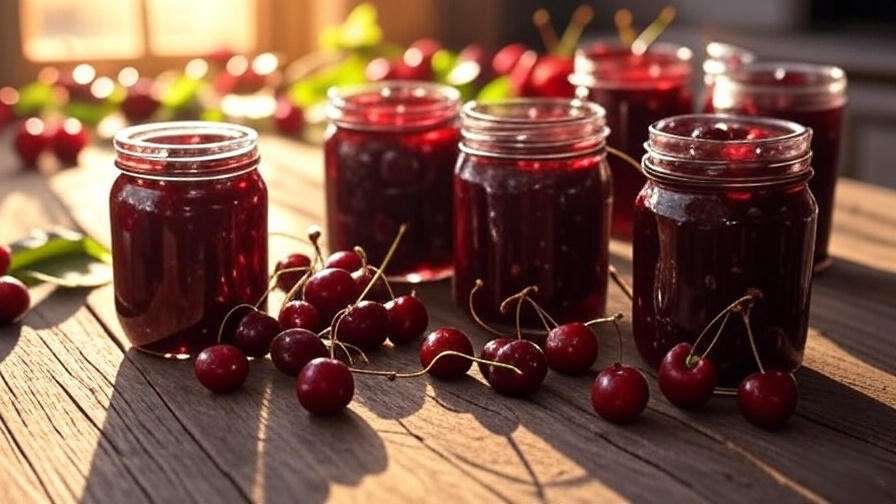
- Canning: Make cherry jam or preserves. Try this simple recipe:
- Ingredients: 4 cups pitted cherries, 2 cups sugar, 1 tbsp lemon juice.
- Steps: Cook cherries and sugar over medium heat until thickened (about 20 minutes). Add lemon juice, jar, and process in a water bath for 10 minutes.
- Freezing: Pit cherries, spread on a tray to freeze individually, then store in airtight bags for up to 12 months.
- Drying: Use a dehydrator or oven at 135°F for 8–12 hours to make dried cherries for snacks or baking.
Sharing and Donating Excess Fruit 🤝
Reduce waste by sharing cherries with neighbors or donating to local food banks. Platforms like AmpleHarvest.org connect growers with donation sites. In 2023, U.S. gardeners donated over 1 million pounds of fresh produce through such programs, making a real impact.
Creative Culinary and Non-Culinary Uses 🎨
- Culinary: Whip up cherry pies, smoothies, or a savory cherry-balsamic sauce for meats.
- Non-Culinary: Use cherry pits to make heatable pillows or create natural dyes for fabric. Compost excess fruit to enrich your garden soil.
Recipe Card: Quick Cherry Smoothie
- Ingredients: 1 cup frozen cherries, 1 banana, 1 cup yogurt, ½ cup milk.
- Instructions: Blend until smooth. Enjoy! 🍹
Preventing Overproduction in Future Seasons 🌻
Long-Term Tree Management Strategies 🌳
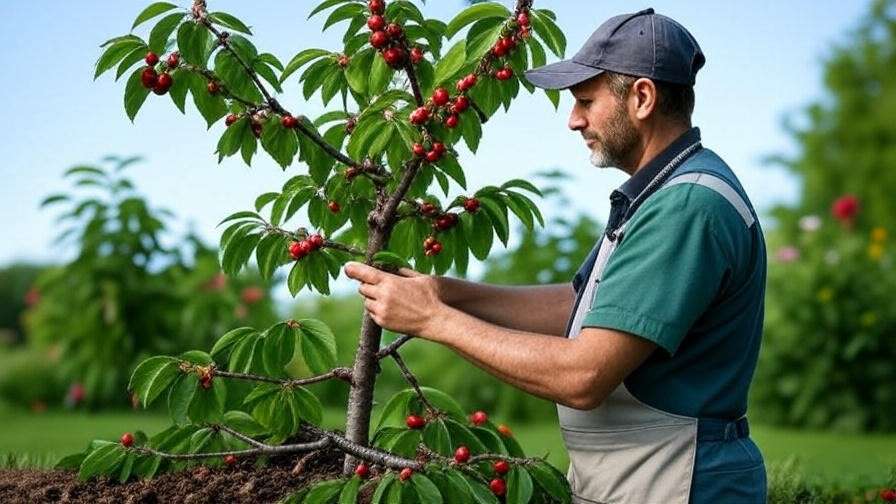
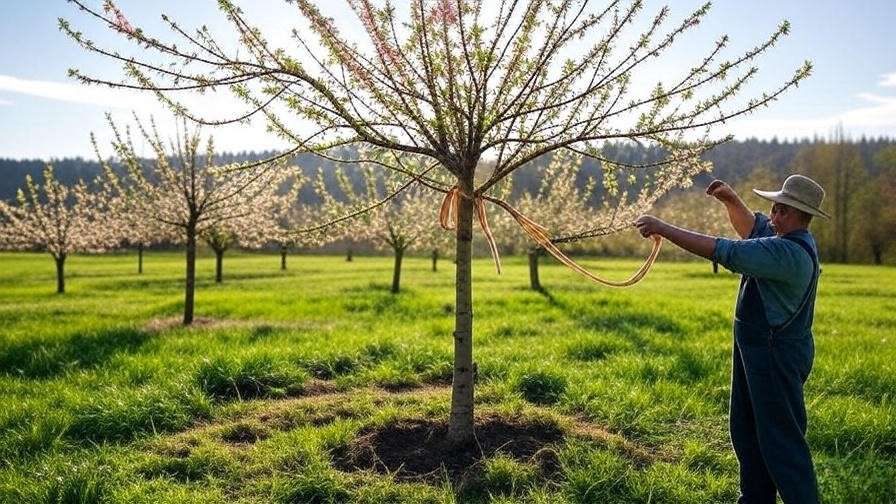
To prevent cherry tree overproduction from becoming a recurring issue, adopt a proactive approach to tree care. Regular pruning is key—schedule annual pruning in late winter to maintain tree size and reduce fruiting spurs. For young trees, focus on training them into an open-center or modified central leader shape to encourage balanced growth over excessive fruiting. Monitor tree health yearly, checking for signs of stress like yellowing leaves or weak branches, which can indicate nutrient imbalances or overbearing. Keeping a journal of your tree’s yield and health can help track patterns and adjust care accordingly.
Choosing the Right Cherry Tree Varieties 🌸
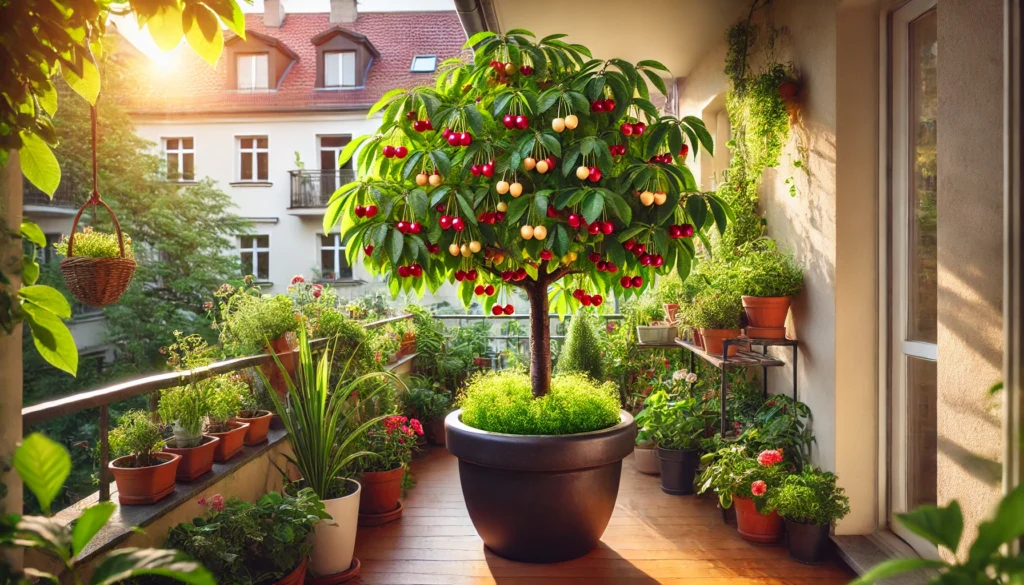
Not all cherry trees are equal when it comes to fruit production. Some varieties naturally produce moderate yields, making them ideal for home gardeners with limited space or time. For example:
- Stella: A self-fertile sweet cherry with moderate yields, perfect for small gardens.
- Lapins: Produces heavily but responds well to thinning and pruning.
- Montmorency: A tart cherry with controlled fruit set, ideal for processing.
When selecting a tree, consult with local nurseries or agricultural extensions to choose varieties suited to your climate and space.
Table: Cherry Varieties for Balanced Yields
| Variety | Type | Yield Tendency | Best For |
|---|---|---|---|
| Stella | Sweet | Moderate | Small gardens |
| Lapins | Sweet | High, manageable | Orchards |
| Montmorency | Tart | Moderate | Preserving |
Environmental and Cultural Practices 🌍
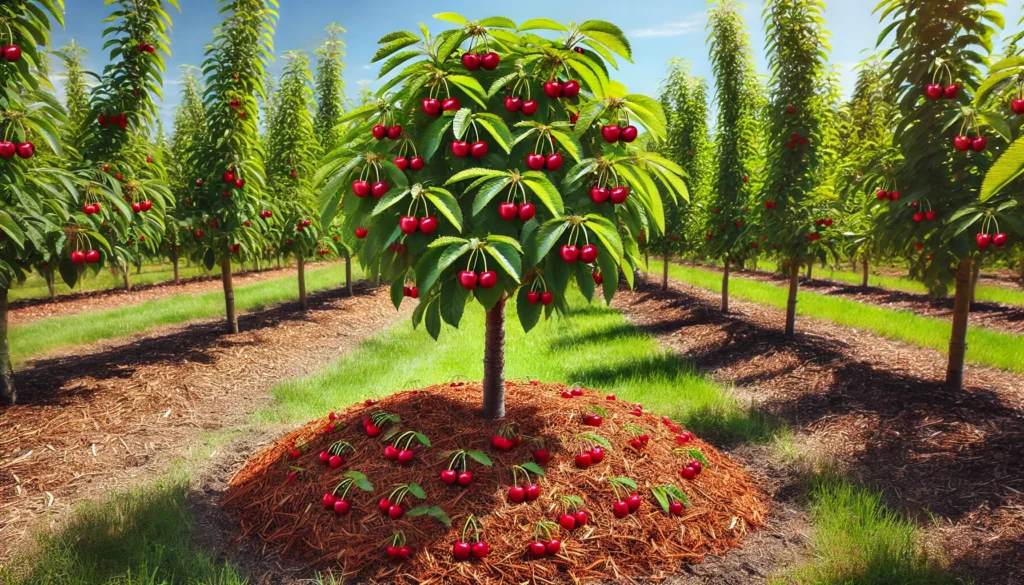
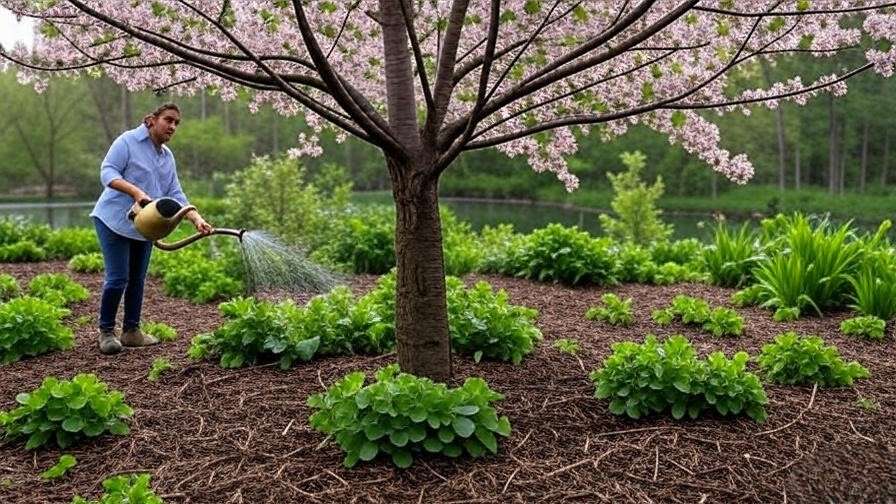
Sustainable practices can regulate fruit production naturally. Apply mulch (e.g., wood chips or straw) around the tree’s base to retain moisture and provide slow-release nutrients. Adjust irrigation to avoid overwatering, which can boost fruit set—aim for deep, infrequent watering (about 1 inch per week). Companion planting with nitrogen-fixing plants like clover can balance soil nutrients, reducing the need for synthetic fertilizers. Integrated pest management (IPM) is also crucial—remove fallen fruit promptly to deter pests like cherry fruit flies, which thrive on overproduction waste.
Expert Insight: A 2022 study from UC Davis found that orchards using IPM and strategic thinning reduced overproduction-related pest issues by 40%, highlighting the value of proactive cultural practices.
Common Mistakes to Avoid When Managing Overproduction 🚫
Even experienced gardeners can make missteps when addressing cherry tree overproduction. Here are pitfalls to avoid:
- Over-Thinning or Under-Thinning: Removing too many fruitlets can reduce your harvest unnecessarily, while leaving too many leads to the same issues as overproduction. Aim for 2–3 cherries per spur.
- Incorrect Pruning Timing: Pruning during active growth or late fall can stress the tree or stimulate unwanted growth. Stick to dormant-season pruning.
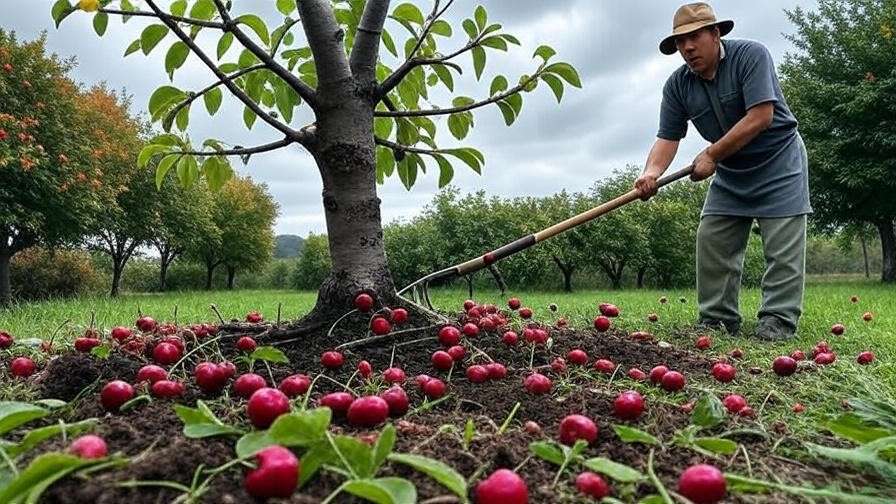
- Ignoring Fallen Fruit: Leaving dropped cherries invites pests and diseases like brown rot. Clean up weekly during harvest season.
- Over-Fertilizing: Excess nitrogen fuels fruiting at the expense of tree health. Always test soil before fertilizing.
Example: John, a gardener in Washington, over-pruned his cherry tree in summer, thinking it would curb fruit production. Instead, he triggered vigorous vegetative growth, reducing the next year’s yield. Consulting a local extension service helped him adjust his timing, saving his tree.
FAQs About Cherry Tree Overproduction ❓
What’s the best time to thin cherry fruit?
Thin fruitlets 4–6 weeks after bloom, when they’re about the size of a pea, to maximize fruit quality and minimize tree stress.
How do I know if my tree is overproducing?
Signs include sagging branches, small or flavorless cherries, and excessive fruit drop. Compare your yield to the tree’s typical output (e.g., 50–100 pounds for a mature dwarf tree).
Can overproduction harm my cherry tree long-term?
Yes, it can lead to branch breakage, nutrient depletion, and biennial bearing, reducing the tree’s lifespan and productivity.
What should I do with fallen cherries to prevent pests?
Collect and compost fallen fruit weekly, or bury it at least 12 inches deep to deter pests like fruit flies.
Are there cherry varieties that naturally produce less fruit?
Yes, varieties like Stella or Montmorency have moderate yields, making them easier to manage for home gardeners.
Conclusion 🌟
Managing cherry tree overproduction is both an art and a science, blending practical techniques like thinning and pruning with creative solutions for excess fruit. By implementing strategies such as fruit thinning, strategic pruning, balanced nutrient management, and thoughtful variety selection, you can transform an overwhelming harvest into a manageable, high-quality yield. Not only will your cherry tree thank you with healthier growth and consistent fruiting, but you’ll also enjoy larger, tastier cherries and fewer pest headaches. Start small—try thinning your fruit this season or pruning a few spurs—and watch your tree thrive. Have questions or success stories? Share them in the comments or explore our related articles on fruit tree care and pest management for more tips! 🌳🍒
Call-to-Action: Assess your cherry tree today and apply one or two of these strategies. Visit our site for more guides, like “Pruning Fruit Trees 101” or “Eco-Friendly Pest Control for Orchards.” Happy gardening!