
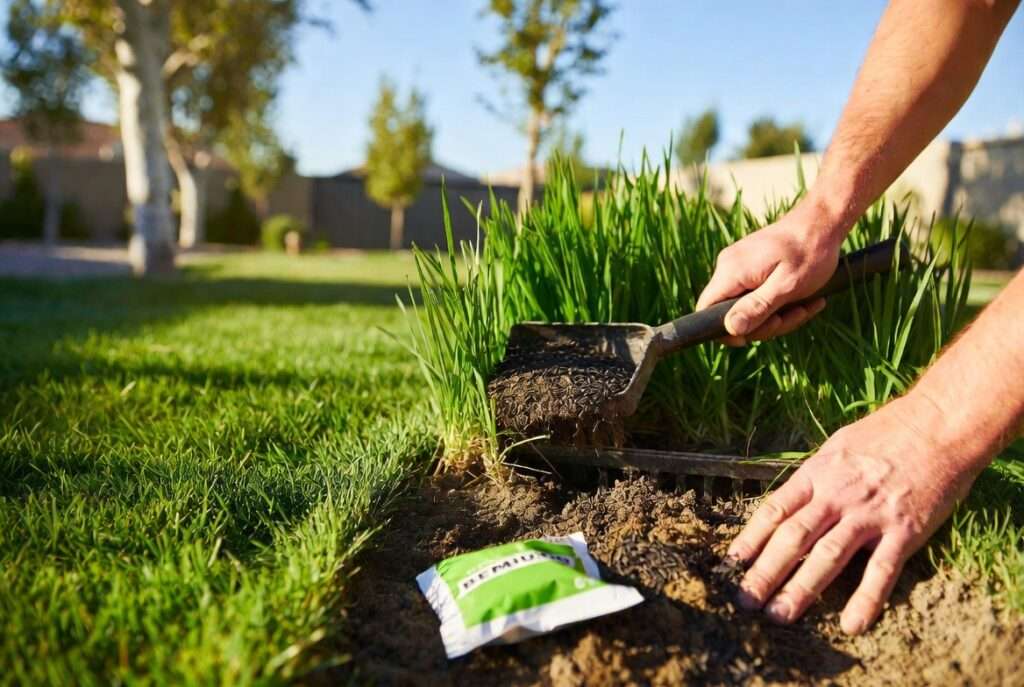
Imagine stepping onto your backyard and feeling the soft, dense carpet of vibrant green grass underfoot — even during the hottest, driest summer months. No more patchy, struggling turf or sky-high water bills. Bermuda grass delivers exactly that: a resilient, fast-spreading lawn that laughs at heat, traffic, and drought. If you’re searching how to plant Bermuda grass seed, you’re on the right path to transforming your yard into a lush, low-maintenance oasis.
As a lawn care specialist with over 15 years helping homeowners establish beautiful warm-season grasses, I’ve seen countless failed attempts due to poor timing or preparation. This comprehensive guide draws from university extension research, real-world trials, and proven best practices to give you everything you need for success. Whether you’re starting a new lawn or revitalizing an existing one, you’ll learn the exact steps for a thick, healthy Bermuda lawn that thrives for years. Let’s dig in! 🌞
What Is Bermuda Grass and Why Plant It from Seed?
Understanding Bermuda Grass: Benefits for Your Lawn Bermuda grass (Cynodon dactylon) is a warm-season perennial turfgrass prized for its durability and efficiency. It spreads aggressively through stolons (above-ground runners) and rhizomes (underground stems), creating a dense mat that crowds out weeds.

Key Benefits:
- Exceptional Drought and Heat Tolerance: Once established, it survives with minimal water — perfect for water-conscious homeowners.
- Fast Establishment and Spread: Germinates in 7–21 days under ideal conditions and fills in quickly.
- High Traffic Tolerance: Ideal for families, pets, and play areas.
- Cost-Effective: Seeding is far cheaper than sod or plugs.
- Salt and Wear Resistance: Great for coastal or high-use yards.
- Low Water Needs Long-Term: Uses about 1 inch of water per week once mature. 💧
Potential Drawbacks to Consider Bermuda grass loves full sun (6–8+ hours daily) and may struggle in heavy shade. It goes dormant (turns brown) in winter in cooler climates but greens up rapidly in spring. It’s also aggressive and can invade garden beds if not contained. Proper management turns these traits into strengths.
Bermuda vs. Other Grasses (Quick Comparison Table):
| Grass Type | Best Climate | Drought Tolerance | Maintenance | Shade Tolerance | Cost from Seed |
|---|---|---|---|---|---|
| Bermuda | Warm/Southern | Excellent | Medium | Low | Low |
| St. Augustine | Warm/Humid | Good | Medium-High | Medium | Higher |
| Zoysia | Warm/Transition | Excellent | Low | Medium | Medium |
| Fescue (Cool) | Northern | Fair | Medium | High | Low |
Best Bermuda Grass Seed Varieties Choose hulled (faster germination) or coated seed for better results. Top recommendations include:
- Common Bermuda: Affordable, reliable for basic lawns.
- Improved Varieties like Riviera, Yukon, Princess, or Sahara — finer texture, better color, and cold tolerance.
- For your region, check local extension services for varieties suited to your USDA zone. 🌍
When Is the Best Time to Plant Bermuda Grass Seed? ⏰
Optimal Planting Window for Success Timing is everything when learning how to plant Bermuda grass seed. Bermuda is a warm-season grass that needs soil temperatures consistently between 65–75°F (18–24°C) at 4-inch depth for reliable germination.
- Best Months: Late spring to early summer (typically May–July in most Southern and transition zones).
- Soil Temperature Check: Use a soil thermometer or check resources like GreenCast Online.
- Avoid: Planting too early (cold soil slows germination and invites weeds) or too late (insufficient establishment before fall).
- In transition zones, aim for soil lows above 60°F at night.
Planting in the right window gives seedlings time to develop deep roots before summer heat peaks or winter arrives. Patience here prevents 90% of common failures.
Preparing Your Soil and Site: The Foundation of Success
Soil Preparation: Set the Stage for Thick Growth Healthy soil is the secret to a thriving Bermuda lawn. Poor prep is the #1 reason new plantings fail.
Steps for Success:
- Test Your Soil: Get a soil test from your local cooperative extension (aim for pH 5.8–7.0; Bermuda tolerates 5.0–8.5 but performs best in slightly acidic to neutral). Adjust with lime (to raise pH) or sulfur (to lower).
- Clear the Area: Remove existing grass, weeds, rocks, and debris. Use a non-selective herbicide like glyphosate (if needed) 2–4 weeks prior, then wait.
- Amend the Soil: Incorporate 2–4 inches of organic matter (compost) for better drainage and nutrients. For heavy clay, add sand or gypsum; for sandy soils, add more organics.
- Till and Level: Till to 4–6 inches deep, then rake smooth and firm the seedbed with a roller. A firm, smooth surface ensures excellent seed-to-soil contact.
Tools and Materials You’ll Need 🛠️
- Soil test kit
- Rotary or drop spreader
- Garden rake and tiller
- Lawn roller
- Starter fertilizer (high phosphorus)
- Straw or peat moss for mulch
- Hose or irrigation system
This preparation phase typically takes 1–2 weeks but dramatically boosts germination rates and long-term density.
Step-by-Step Guide: How to Plant Bermuda Grass Seed
Planting Bermuda Grass Seed – Detailed Instructions Now for the heart of the process! Follow these steps carefully for professional results.
- Calculate Seeding Rate: For a new lawn, use 1–3 lbs of pure live seed per 1,000 sq ft (higher for broadcast; lower for hulled/coated). Overseeding existing lawns: 0.5–1 lb per 1,000 sq ft.
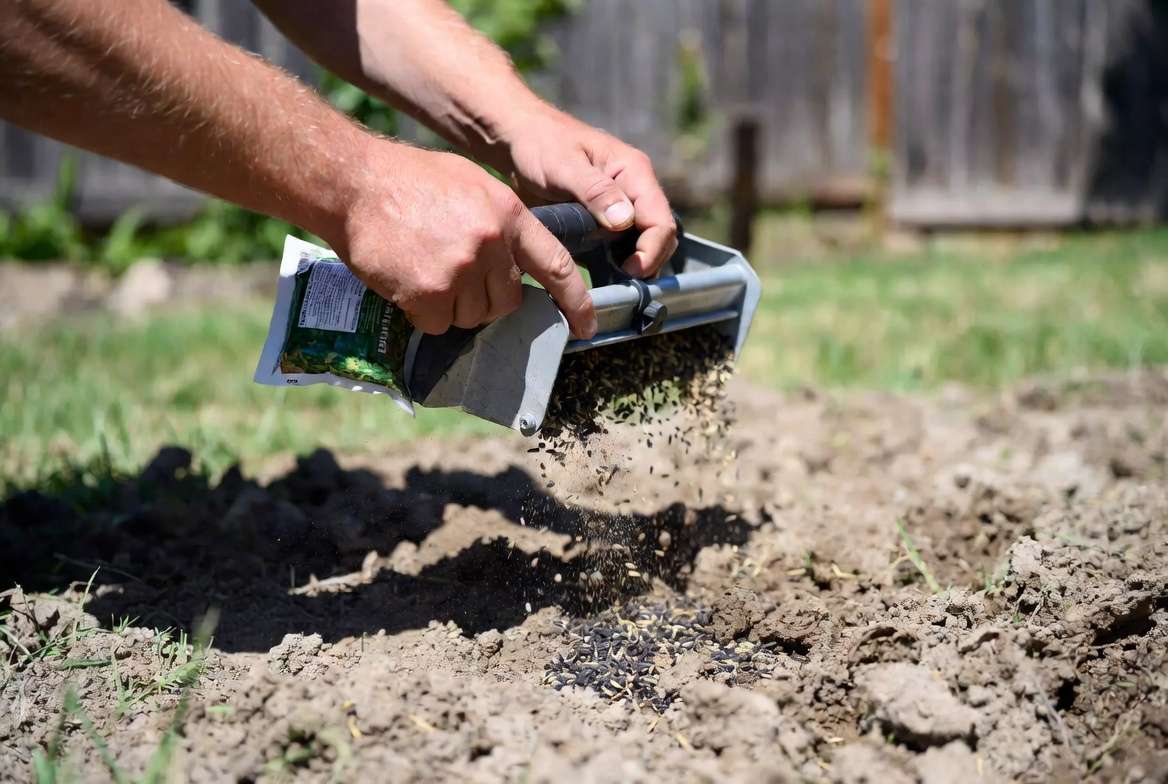
- Mix and Spread: Mix seed with equal parts dry sand for even distribution. Use a calibrated spreader, applying half in one direction and half perpendicular.
- Ensure Seed-to-Soil Contact: Lightly rake or roll the seed into the top 1/8 inch of soil. Do not bury deeply — Bermuda seed needs light and contact.
- Top-Dress Lightly: Apply a thin layer of straw, peat moss, or compost to retain moisture and prevent erosion.
Overseeding an Existing Lawn vs. Starting from Scratch
- New Lawn: Full soil prep as above.
- Overseeding: Mow low, dethatch/aerate, then seed into existing turf for thicker coverage.
Pro Tip: Water gently immediately after seeding to settle everything in. 🌧️
Watering and Aftercare for Strong Germination 💧
Watering Schedule: The Key to 7–21 Day Germination Consistent moisture is critical during the first 2–3 weeks. Keep the top 1–2 inches of soil moist (not soggy) with light, frequent watering — 3–4 times daily in hot weather, about 1/8 inch each time.
- Days 1–14: Light misting to prevent drying.
- After germination: Reduce to deeper, less frequent sessions (1 inch total per week).
- Established lawn: Deep roots allow for 1–1.5 inches weekly, preferably early morning.
Common mistakes include overwatering (leads to fungus) or underwatering (seed dies). A simple rain gauge helps track this.
Fertilizing and Ongoing Maintenance Apply a starter fertilizer at planting (follow label rates). Follow up with nitrogen every 4–6 weeks during active growth. First mow when grass reaches 2–3 inches — never remove more than 1/3 of the blade at once.
Fertilizing and Ongoing Maintenance Apply a starter fertilizer (high in phosphorus, like 10-20-10) at planting time or within a few days after to support strong root development. Follow label rates carefully — over-fertilizing young seedlings can burn them. Once the grass is actively growing (usually 4–6 weeks post-germination), switch to a balanced or nitrogen-rich lawn fertilizer every 4–6 weeks during the peak growing season.
First mowing is a big milestone! Wait until the new Bermuda reaches 2–3 inches tall, then mow at 1.5–2 inches. Never remove more than one-third of the grass blade in a single mowing to avoid stressing the young plants. Keep your mower blades sharp for clean cuts that reduce disease risk. 🌱
Regular maintenance in the early weeks includes gentle hand-weeding (avoid chemicals until the lawn is well-established) and monitoring for pests like armyworms or grubs.
Troubleshooting Common Problems ⚠️
Even with perfect preparation, challenges can arise when learning how to plant Bermuda grass seed. Here’s how to diagnose and fix the most frequent issues for a thick, drought-tolerant lawn.
Poor or Patchy Germination
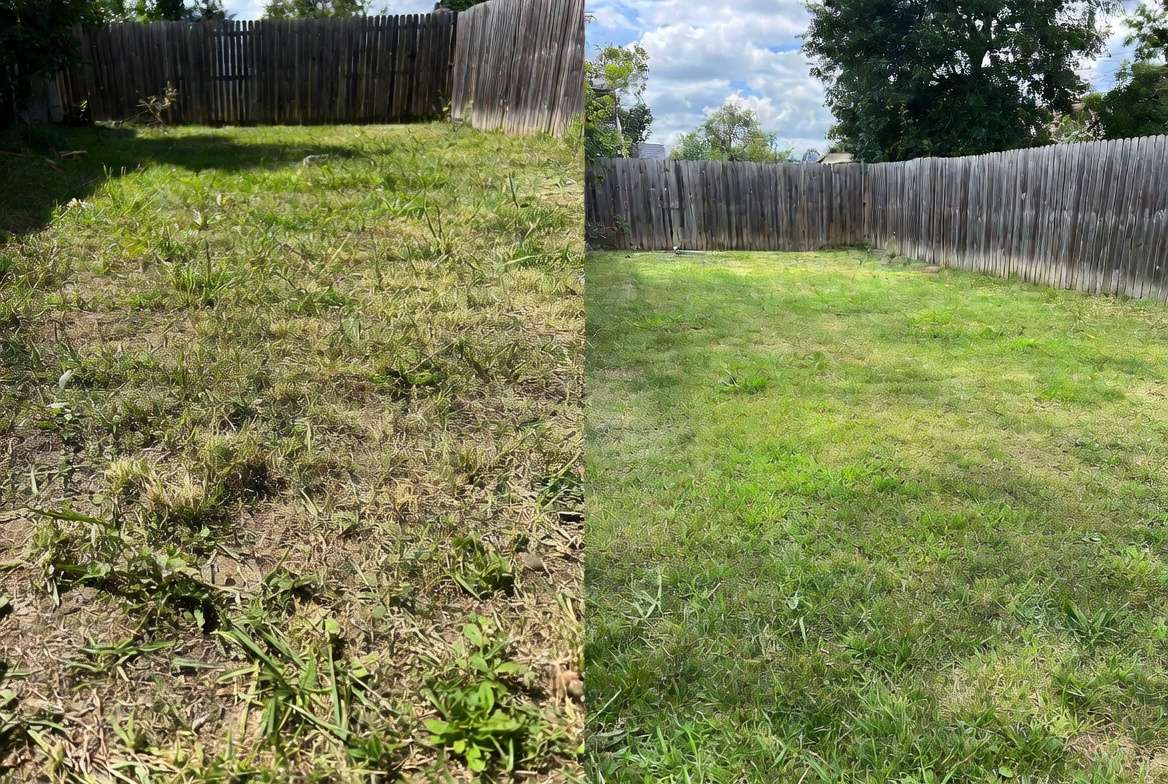
- Causes: Cold soil, poor seed-to-soil contact, dry spots, old/low-quality seed, or heavy rain washing seeds away.
- Solutions: Re-seed thin areas after checking soil temperature. Ensure consistent moisture and use a roller for better contact. Test germination rates on a small sample in a tray first. Most improved varieties germinate in 7–14 days; common types may take up to 21 days.
Weeds Taking Over Bermuda’s aggressive nature helps long-term, but seedlings are vulnerable. Pre-emergent herbicides (if used) must be timed correctly before seeding. Once established, healthy Bermuda naturally crowds out many weeds. Hand-pull early and spot-treat as needed.
Thinning or Yellowing
- Could indicate nutrient deficiency (especially nitrogen or iron), compaction, or shade.
- Test soil again and apply appropriate amendments. Aerate compacted areas in the second year. For shade issues, consider thinning trees or switching to more tolerant grass in those spots.
Drought Stress or Pest Damage Once roots deepen (around 4–6 weeks), Bermuda shines in dry conditions. Water deeply but infrequently to encourage that resilience. Scout regularly for insects and treat early with targeted, pet-safe options.
Expert Insight: In my years working with homeowners and reviewing university trials from places like Texas A&M and University of Florida, the top success factor is patience during the first 8 weeks. Rushing leads to disappointment, while consistent care yields a lawn that can last decades.
Pro Tips for Faster Establishment
- Use a starter mat or erosion control blanket on slopes.
- Mix in mycorrhizal inoculants to boost root growth.
- Keep foot traffic off the new seeding for at least 4–6 weeks. 🛡️
Long-Term Care for a Thick, Drought-Tolerant Lawn 🌿
Congratulations — your Bermuda grass is established! Now shift to maintenance that keeps it lush and resilient year after year.
Seasonal Care Guide
- Spring Green-Up: Apply nitrogen fertilizer as soil warms. Mow lower initially to encourage spreading. Dethatch and aerate if needed.
- Summer Peak: Water 1 inch per week (less if it rains). Fertilize every 4–6 weeks. Raise mowing height to 2–2.5 inches during extreme heat to shade soil and retain moisture.
- Fall Preparation: Reduce nitrogen, apply potassium for winter hardiness. Overseed thin spots if desired.
- Winter Dormancy: The lawn turns tan/brown but roots stay alive. Avoid heavy traffic. Resume care when it greens up again.
Advanced Maintenance Practices
- Aeration & Dethatching: Do this annually in late spring to combat thatch buildup and improve water/nutrient penetration.
- Overseeding Strategy: Lightly overseed every 2–3 years for density.
- Eco-Friendly Approaches: Use slow-release organic fertilizers, practice integrated pest management, and install smart irrigation controllers to cut water use by up to 30%.
Integrating Trees and Plants Since many readers focus on plant and tree care, note that Bermuda pairs beautifully with drought-tolerant trees like oaks or palms. Maintain a mulch ring around tree bases to prevent grass competition with roots while creating a cohesive landscape.
Real-World Examples One client in North Carolina transformed a patchy, weedy yard into a show-stopping Bermuda lawn in one season by following precise soil prep and watering. Another in Arizona achieved water savings of over 40% compared to their old fescue lawn. These results are repeatable with the right approach.
Frequently Asked Questions ❓
How deep should I plant Bermuda grass seed? Plant no deeper than 1/8 inch. Light exposure and direct soil contact are essential for germination.
How long does it take for Bermuda grass seed to germinate? Typically 7–21 days depending on variety, temperature, and moisture. Consistent warmth and water speed this up.
Can I plant Bermuda grass seed in the fall? Generally not recommended in most zones. Fall planting doesn’t allow enough establishment time before cold weather.
What’s the difference between hulled and unhulled Bermuda seed? Hulled seed germinates faster and is easier to spread; unhulled is cheaper but slower. Most homeowners prefer hulled or coated.
Will Bermuda grass grow in shade? It needs full sun. In partial shade, it thins out. Consider alternatives like Zoysia for shadier spots.
How much seed do I need for 5,000 sq ft? For a new lawn, approximately 5–15 lbs of pure live seed. Always calculate based on your specific product’s coverage rate.
Is Bermuda grass invasive? It spreads aggressively via runners. Use edging or barriers to keep it out of flower beds and gardens.
When can I walk on new Bermuda grass? Limit traffic for the first 4–6 weeks until it’s well-rooted.
Do I need to cover the seed with straw? Yes, a light layer helps retain moisture and prevents washout, but don’t smother it.
Best fertilizer for new Bermuda grass? A phosphorus-rich starter fertilizer at seeding, then transition to high-nitrogen formulas for growth.
Conclusion
Planting Bermuda grass seed successfully transforms ordinary yards into thick, vibrant, drought-tolerant lawns that save water and withstand real life. By following this detailed, expert-backed guide — from precise timing and soil preparation to consistent aftercare — you’re setting yourself up for years of lush green success.
Remember, the key is patience combined with consistent early care. Your efforts in the first 8–12 weeks will pay off with a resilient turf that requires less water, fewer chemicals, and delivers beauty through the hottest months.
Ready to get started? Grab your soil test kit, pick quality seed suited to your zone, and watch your lawn thrive. Share your before-and-after photos in the comments — I’d love to see your progress! For more expert plant care and tree integration tips, explore our other guides on lawn renovation, drought-resistant landscaping, and seasonal maintenance.
Your dream lawn is just a few steps away. Happy planting! 🌞🌿✨











