
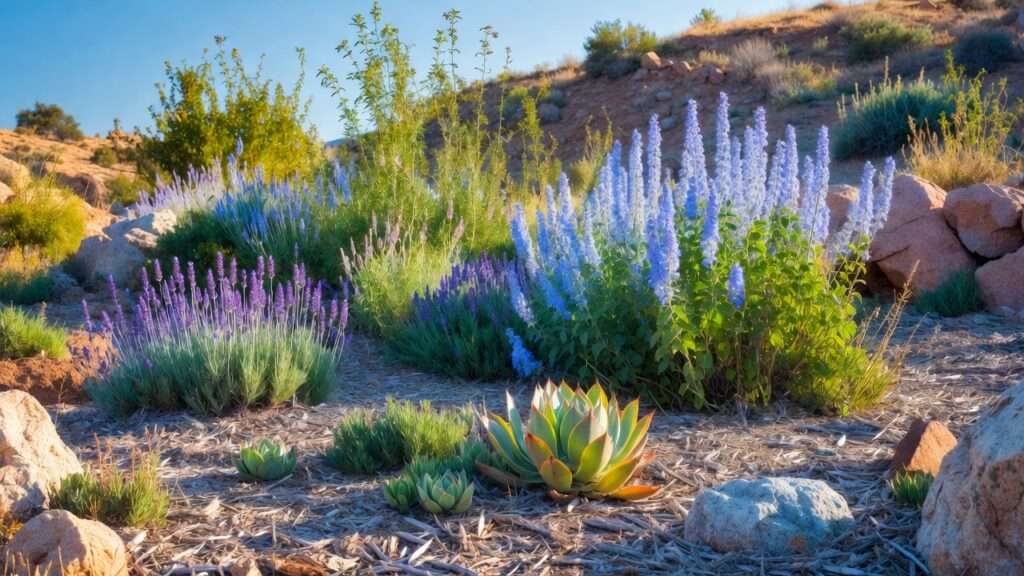
Picture this: Your garden wilting under scorching summer heat, water bills climbing higher each month, and the once-vibrant plants struggling to survive prolonged dry spells. 😩 Now imagine flipping the script — a lush, colorful yard bursting with flowers, grasses, and shrubs that stay beautiful with barely any supplemental watering. That’s the magic of how to plant drought-resistant species the right way! 🌞
Drought-resistant (or drought-tolerant) plants aren’t magic; they’re smart adaptations to arid conditions. These species, often native or regionally adapted, feature deep roots, waxy or hairy leaves, reduced leaf surface area, and efficient water-use mechanisms that help them thrive where others fail. Once established, many require little to no irrigation, saving you time, money, and precious water resources — especially important in regions facing increasing climate variability. 🌍
In this comprehensive guide, we’ll walk you through every step to successfully plant and establish drought-resistant species. Drawing from university extension recommendations (like UC Davis, Penn State, and others), proven xeriscaping principles, and real-world gardening expertise, this skyscraper-level resource goes beyond basic tips. You’ll learn site assessment, plant selection (including updated 2025 favorites), soil prep, precise planting techniques, critical establishment watering, long-term care, design ideas, and how to sidestep common pitfalls that doom many attempts. By the end, you’ll have the tools to create a resilient, low-maintenance, eco-friendly garden that supports pollinators 🐝, reduces your environmental footprint, and looks stunning year-round.
Whether you’re in a hot, dry climate or dealing with sporadic rainfall and rising temperatures, proper planting transforms “drought-resistant” from a label into reality. Let’s dive in and build your thriving, water-wise oasis! 🌱
Why Choose Drought-Resistant Species? Understanding the Basics 🌵
Drought-resistant plants aren’t truly “zero-water” wonders — they still need moisture during establishment — but they’re built to survive extended dry periods far better than traditional garden favorites. Drought tolerance comes from evolutionary adaptations: deep taproots that reach underground water reserves, succulent tissues that store moisture, silver-gray or fuzzy foliage that reflects sunlight and reduces transpiration, and smaller or needle-like leaves that minimize water loss. 🔬
The benefits go far beyond survival:
- Water savings — Established plants can cut irrigation needs by 50–75% or more (per UC Davis Arboretum research). 💦
- Lower maintenance — Less watering, weeding (with mulch), and fertilizing mean more time enjoying your garden.
- Cost efficiency — Reduced utility bills and fewer replacements for dead plants.
- Environmental wins — These species often support native pollinators and wildlife, improve soil health, and contribute to climate-resilient landscapes.
- Aesthetic appeal — Think fragrant lavender fields, silvery Russian sage waves, vibrant yarrow blooms, and textured grasses swaying in the breeze — beauty without constant babysitting. 🎨
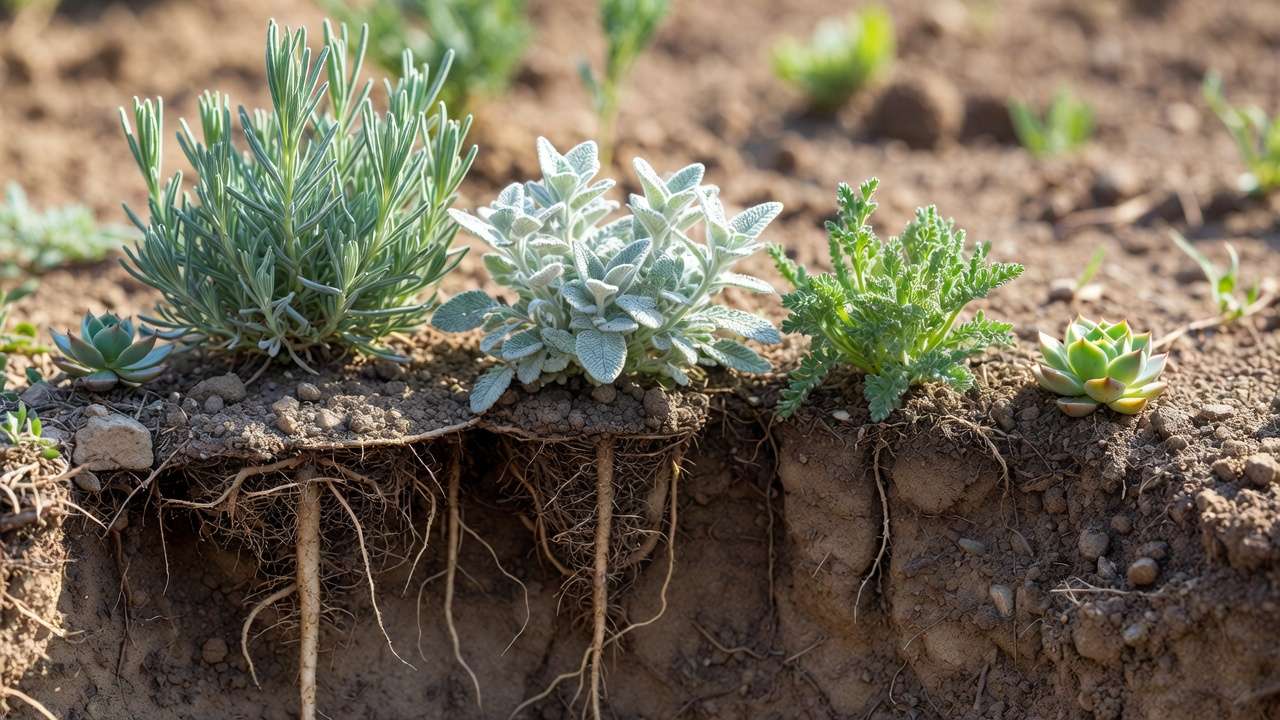
In short, choosing drought-resistant species solves real problems: combating water scarcity, easing garden upkeep in hotter summers, and creating sustainable beauty that lasts.
Step 1: Assess Your Site and Choose the Right Plants 📍
Success starts with “right plant, right place” — a core principle echoed by experts at university extensions nationwide. Mismatched plants are the #1 reason drought-tolerant attempts fail.
Begin with a thorough site evaluation:
- Sun exposure ☀️: Full sun (6+ hours) suits most drought-lovers like lavender and salvia; partial shade works for some hostas or heucheras.
- Soil type & drainage: Perform a simple test — dig a hole, fill with water, and see how fast it drains. Drought-resistant plants hate “wet feet,” so prioritize well-drained soil.
- Microclimate factors: Wind exposure, slope (for runoff), USDA hardiness zone, and local rainfall patterns.
- Hydrozoning — Group plants by water needs: high near the house (for easy access), medium in transition zones, low in outer areas.
Prioritize native or regionally adapted species for best results — they’re naturally tuned to your climate, soil, and pests. In tropical or subtropical areas (like parts of South Asia with hot, humid-then-dry seasons), look for resilient options like lantana, bougainvillea, or adapted succulents.
Here are top drought-resistant recommendations (updated for 2025 trends, including resilient, pollinator-friendly picks):
Perennials 🌸
- Lavender (Lavandula spp.) — Fragrant, silver foliage, zones 5–9.
- Russian Sage (Perovskia atriplicifolia) — Airy blue-purple spikes, deer-resistant.
- Yarrow (Achillea millefolium) — Flat-topped blooms in many colors, tough as nails.
- Coneflower (Echinacea) — Pollinator magnet, long-blooming.
- Catmint (Nepeta) — Soft purple flowers, aromatic leaves.
- Salvia (various spp.) — Spiky blooms, hummingbird favorite.
Ornamental Grasses 🌾
- Blue Fescue (Festuca glauca) — Compact blue tufts.
- Little Bluestem (Schizachyrium scoparium) — Fall color, native prairie vibe.
- Feather Reed Grass (Calamagrostis) — Upright form, low water once established.
Shrubs 🌳
- Rosemary — Culinary + evergreen, Mediterranean classic.
- Caryopteris (Blue Mist Spirea) — Late-summer blue blooms.
- Ceanothus (California Lilac) — Fast-growing, bee heaven (in suitable zones).
Groundcovers & Succulents 🪴
- Sedum (Stonecrop) — Fleshy leaves, star-shaped flowers.
- Creeping Thyme — Fragrant, walkable.
- Ice Plant (Delosperma) — Vivid daisy-like blooms.
Trees (for structure)
- Honey Locust or Bur Oak — Deep roots, shade providers in larger spaces.
Pro tip: Check local extension services or native plant databases for zone-specific winners. Avoid invasives — always verify!
Step 2: Prepare Your Soil for Success 🧱
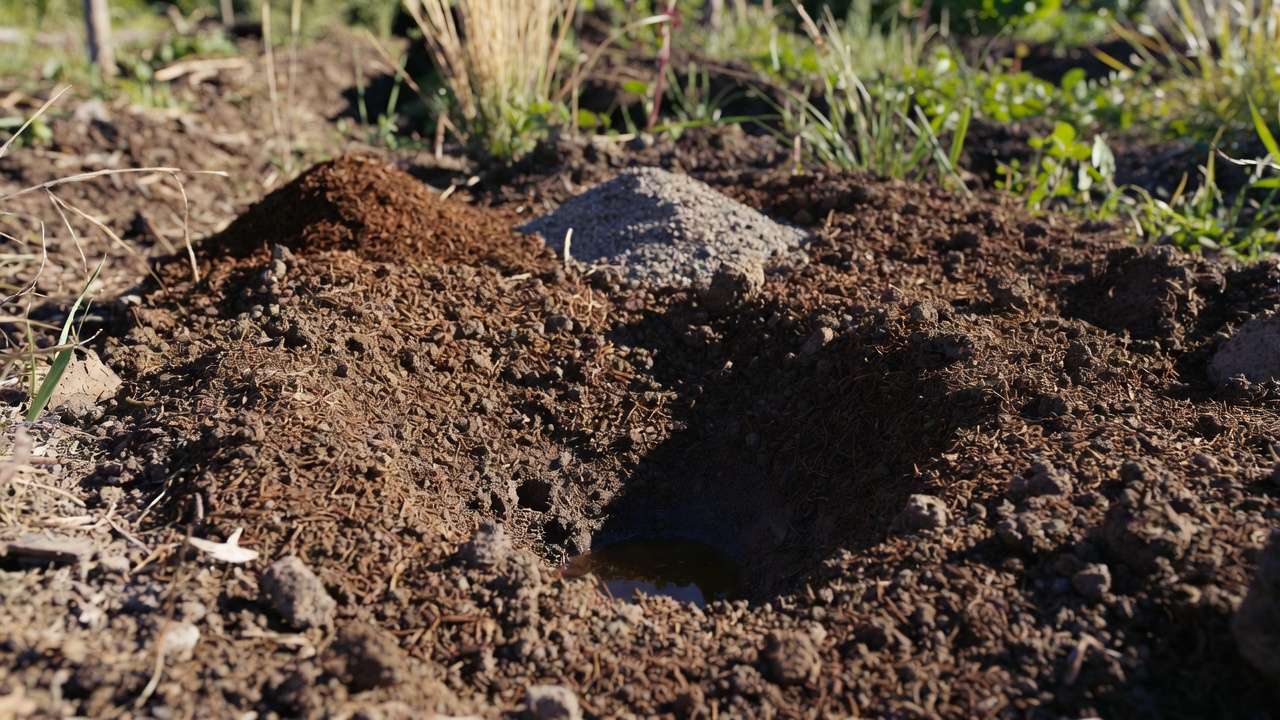
Healthy soil is the foundation of any successful drought-resistant planting. These plants prefer lean, well-drained conditions over rich, moisture-retentive soil — “wet feet” often lead to root rot, even in tough species. In regions like Khulna, Bangladesh, where soils can be clay-heavy or saline-influenced due to coastal proximity, preparation is especially key.
Start with a soil test (kits available at local agricultural offices or nurseries) to check pH (most drought-lovers prefer slightly alkaline to neutral, 6.0–7.5), texture, and nutrient levels. Perform a drainage test: Dig a 12-inch hole, fill it with water, and time how long it takes to drain. Ideal is 1–2 inches per hour; slower means amendments are needed.
Amendments tips from experts (aligned with principles from sources like UC extensions and tropical adaptations):
- Add organic matter wisely 🌱: Incorporate 2–4 inches of well-rotted compost or aged manure into the top 6–12 inches. This improves structure and water-holding capacity without sogginess — crucial in monsoon-prone areas where heavy rains alternate with dry spells.
- Improve drainage in clay or compacted soils: Mix in coarse sand, grit, or perlite (especially for succulents and Mediterranean-style plants). Raised beds (8–12 inches high) work wonders in low-lying or flood-prone Khulna yards.
- Avoid over-fertilizing — Drought-resistant plants thrive in lower-nutrient conditions. Excess nitrogen promotes lush, water-hungry growth that wilts fast in dry periods.
- Mulch early (more on this in Step 4): A 2–3 inch layer suppresses weeds, moderates soil temperature, and retains moisture during the dry season.
Expert insight: “In tropical/subtropical climates with seasonal dryness, focus on building soil that drains quickly after monsoons but holds just enough moisture for roots to access during heat waves.” This approach, inspired by nature-based solutions in coastal Bangladesh, prevents common failures like fungal issues in humid-then-dry cycles.
Step 3: Timing – When to Plant for Best Results ⏰
Planting at the right time gives roots a head start before stress hits. In Bangladesh’s hot, humid climate with distinct wet (monsoon June–October) and dry seasons (November–May), timing is critical.
- Best window: Early dry season (November–February) or just after monsoon peak (late October–early December). Roots establish during cooler, moister months, building resilience before intense summer heat (March–May).
- Second choice: Early spring (February–March) if you can provide consistent watering during establishment.
- Avoid: Peak summer (April–May) heat or mid-monsoon flooding — young plants drown or scorch easily.
Regional note for Khulna: Leverage post-monsoon soil moisture for planting, as natural rainfall helps without overwatering risk. This mirrors advice for monsoon-adapted xeriscaping, where establishment happens in transitional periods.
Step 4: The Planting Process – Step-by-Step 🛠️
Now the fun part! Follow these precise steps for high success rates.
- Gather supplies:
- Healthy nursery plants (avoid root-bound or stressed ones).
- Shovel, gloves, watering can/hose with gentle nozzle.
- Mulch (organic like coconut coir, bark, or local rice husk; inorganic gravel for succulents).
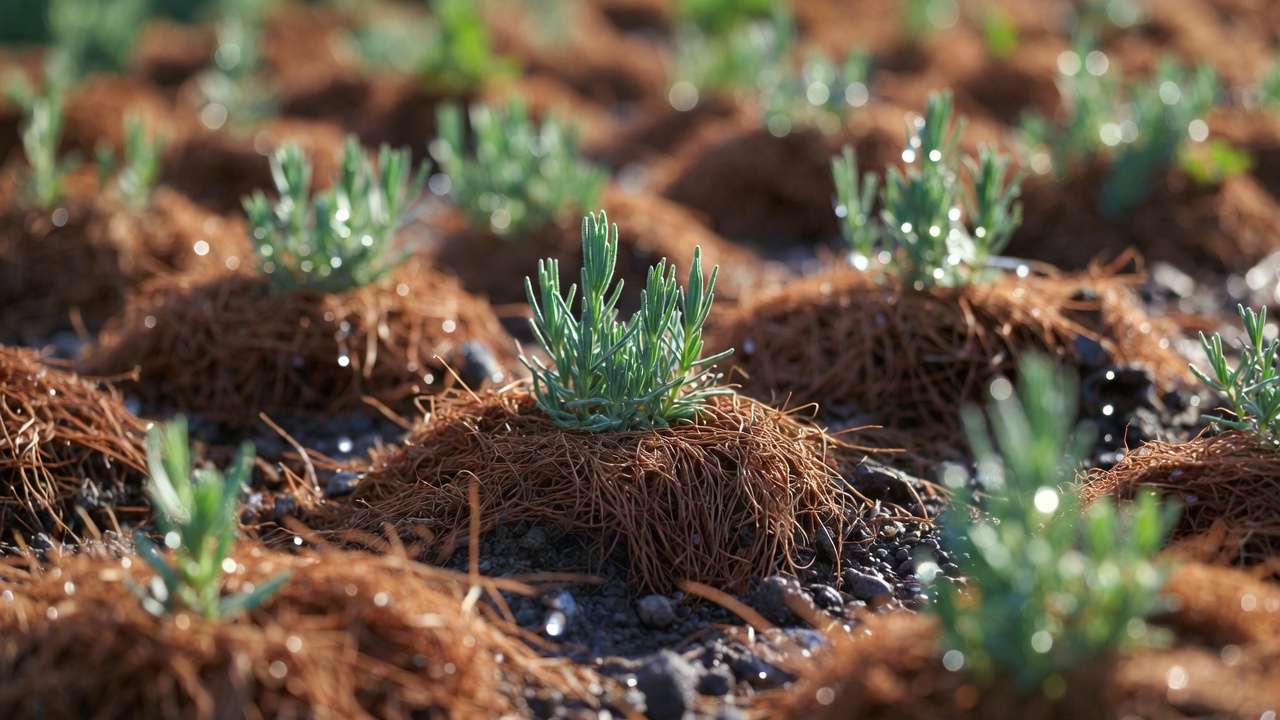
- Dig the hole:
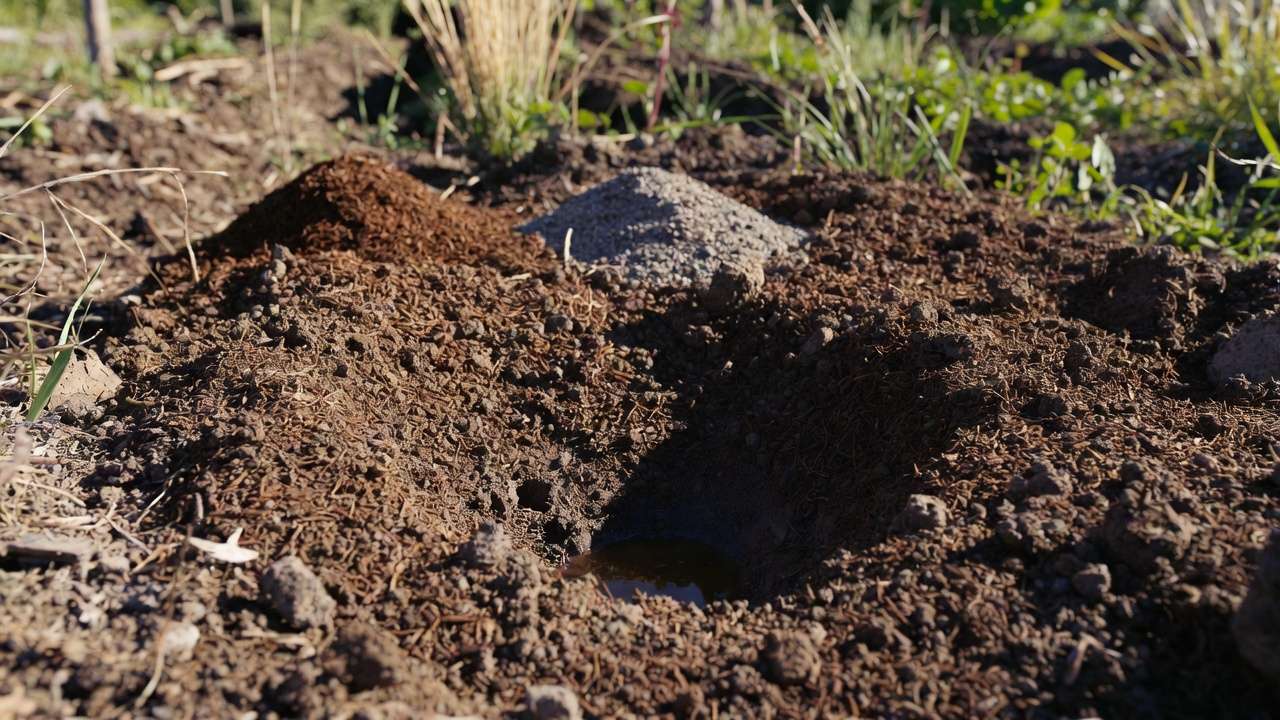
- 2–3 times wider than the root ball, but no deeper (plant at same soil level as pot to prevent rot).
- Roughen sides for root penetration.
- Prepare the plant:
- Gently remove from pot; tease apart circling roots (especially pot-bound perennials).
- For bare-root or field-dug plants, soak roots 1–2 hours.
- Position and plant:
- Place in hole so crown sits at soil level.
- Backfill with native soil (or amended mix); firm gently to eliminate air pockets — no stomping!
- Create a slight basin around the plant for initial watering.
- Water deeply 💦:
- Soak thoroughly right after planting (equivalent to 1–2 inches of rain) to settle soil and hydrate roots.
- Mulch immediately:
- Apply 2–3 inches around (not touching stems) — reduces evaporation by up to 70%, suppresses weeds, and protects from temperature swings.
- Spacing & design:
- Follow mature size guidelines (e.g., lavender 18–24 inches apart; shrubs 3–5 feet).
- Use hydrozoning: Cluster similar-water-needs plants for efficient care.
Pro tip: In humid-tropical areas, choose plants with good air circulation to prevent fungal issues during wet periods.
Step 5: Establishment Care – The Critical First Year 💦
This is where most people lose their drought-resistant plants — not because the species aren’t tough, but because they skip or mismanage the establishment phase. Even the most drought-hardy plant needs consistent (but not excessive) moisture for the first 6–18 months while roots grow deep and wide.
Here’s a realistic, climate-adapted watering schedule for Khulna’s hot-humid-to-dry seasonal pattern:
- Weeks 1–4 after planting (cooler dry season ideal): Water deeply every 3–4 days — enough to soak 8–12 inches deep. Use a slow hose or soaker to avoid runoff. Goal: Encourage roots downward, not shallow spreading.
- Months 2–6: Stretch to every 5–7 days, checking soil 4–6 inches down. If dry, water; if still moist, skip. In Khulna’s post-monsoon dry season (Dec–Feb), natural dew and lower evaporation help.
- Months 6–12: Every 10–14 days or only during extended dry spells (March–May heat). By year 1 end, many perennials and grasses need almost no supplemental water except in severe drought.
- Year 2 onward: Rely mostly on rainfall. Provide deep soak only 2–4 times during peak dry heat if plants show stress (wilting, leaf drop).
Key signs to watch:
- Healthy stress: Slight leaf curl or color change in afternoon → normal adaptation.
- Real trouble: Persistent wilting, yellowing lower leaves, or crispy tips → water + check for root issues.
Other establishment essentials:
- Weed religiously the first season — competitors steal precious water. Hand-pull or use thick mulch.
- Protect from extremes — temporary shade cloth during first hot spells (March–April in Khulna), windbreaks if exposed.
- No heavy fertilizer — if growth seems very slow, use a light, balanced slow-release (e.g., 10-10-10) once in spring, then stop.
- Monitor for pests/diseases — Drought-tolerant plants are generally resistant, but watch for aphids on new growth or fungal spots during humid periods.
Expert reminder (echoed by tropical xeriscape practitioners): “Overwatering during establishment is the #1 killer — it’s better to underwater slightly than keep soil constantly wet.”
Step 6: Long-Term Maintenance for a Truly Low-Water Garden 🔄
Once established (typically 12–24 months, faster in good-draining soil with fall planting), your garden becomes remarkably self-sufficient.
Maintenance checklist:
- Watering — Only during prolonged dry spells (more than 3–4 weeks without significant rain). Deep, infrequent soaks are far better than frequent shallow sprinkling.
- Mulch refresh — Top up 1–2 inches annually (before dry season) with coconut coir, dried leaves, rice husk, or bark. Keeps soil cool and moist longer.
- Pruning & deadheading — Light trim in late winter/early spring to shape and encourage bushiness. Remove spent blooms on perennials (yarrow, salvia) to extend flowering.
- Fertilizing — Minimal or none. If needed, apply low-nitrogen organic (compost tea or fish emulsion) once in early growing season.
- Pest & disease control — Usually minimal. Hand-pick or use neem oil for occasional outbreaks. Good air circulation + proper spacing prevents most fungal issues common in humid tropics.
- Division & rejuvenation — Every 3–5 years, divide overcrowded perennials (coneflower, catmint) in early dry season to maintain vigor.
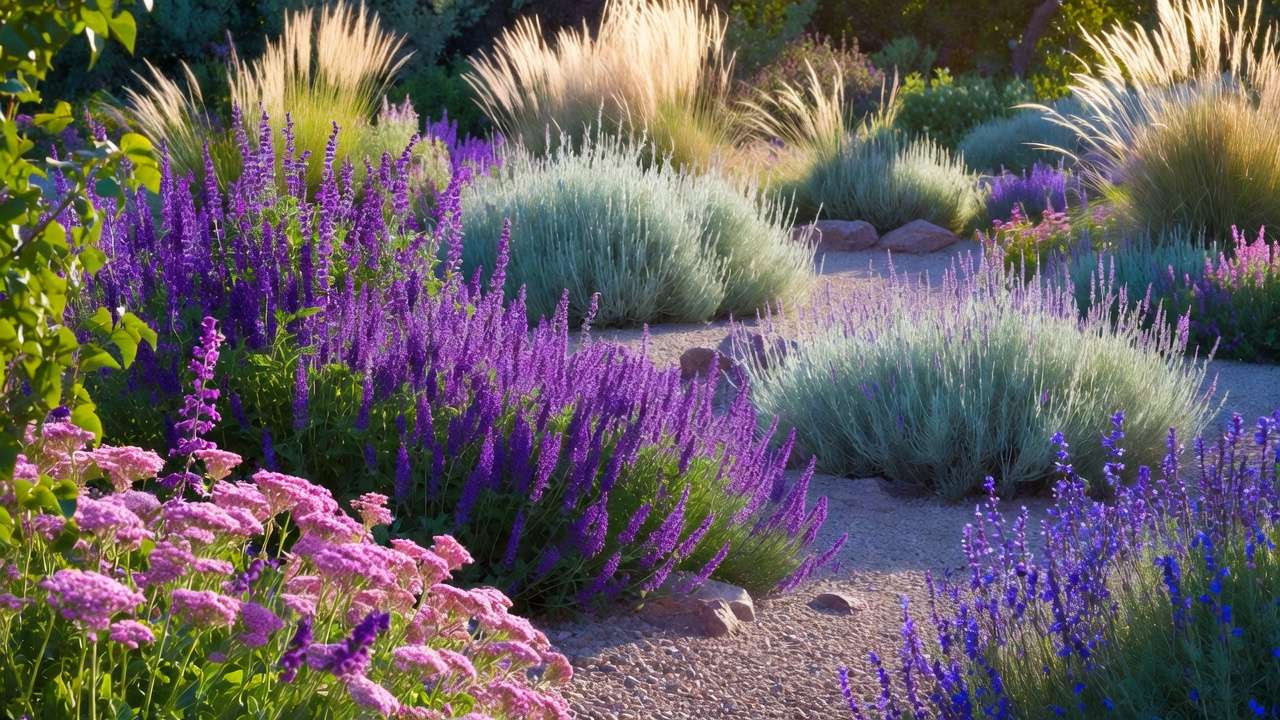
Result: A garden that looks better with less effort, uses dramatically less water, and supports local biodiversity (butterflies 🦋, bees 🐝, birds).
Design Ideas & Inspirations for Your Drought-Resistant Garden 🎨
Transform utility into beauty with these Khulna-friendly concepts:
- Mediterranean-inspired courtyard — Lavender, rosemary, creeping thyme paths, gravel mulch, potted succulents, and a central bougainvillea or lantana for color pops.
- Pollinator haven — Mix Russian sage, coneflower, salvia, and native grasses in sweeping drifts. Add a small birdbath or shallow dish for wildlife.
- Rock garden or xeriscape border — Sedum, ice plant, blue fescue tucked among stones or bricks — perfect for hot, sunny edges.
- Hydrozoned front yard — High-water herbs near entrance, medium-water shrubs in middle, ultra-low-water grasses and yarrow in outer zones.
- Container collection — Drought-lovers in terracotta pots (better drainage) on balconies or patios — ideal for urban Khulna homes.
Before-and-after tip: Start with one small bed or border. Photograph progress every season — you’ll be amazed at the transformation!
Common Mistakes to Avoid + Troubleshooting ⚠️
- Overwatering new plants — Most common death cause. Stick to deep, infrequent schedule.
- Planting too deep — Buried crowns rot quickly.
- Wrong plant for site — Full-sun lover in shade = leggy failure.
- Skipping mulch — Exposed soil loses moisture fast and invites weeds.
- Expecting instant results — Year 1 looks sparse; beauty explodes in years 2–3.
- Ignoring soil drainage — Even tough plants die in waterlogged clay.
Quick fixes: Yellow leaves? Check watering + drainage. No blooms? Too much shade or nitrogen. Wilting despite water? Could be root rot — improve drainage next round.
FAQs ❓
Do drought-resistant plants need zero water after planting? No — they need regular deep watering for 1–2 years. After that, rainfall usually suffices except in extreme dry spells.
How long until they’re truly low-water? 6–18 months depending on species, soil, and climate. Fall-planted natives establish fastest.
Are they beginner-friendly? Yes, especially once you master establishment watering. They forgive neglect better than thirsty plants!
Can I grow them in pots in Khulna? Absolutely — use well-draining potting mix with added grit, terracotta pots, and group by water needs.
How do I convert an existing thirsty lawn/garden? Start small: Remove turf in sections, amend soil, plant in fall, mulch heavily. Replace gradually over 2–3 seasons.
Conclusion 🌟
Mastering how to plant drought-resistant species isn’t just about surviving dry seasons — it’s about creating a beautiful, resilient, low-effort garden that saves water, supports wildlife, and thrives in Khulna’s challenging climate. Follow the steps — smart site assessment, proper soil prep, strategic timing, careful planting, patient establishment, and minimal long-term care — and you’ll enjoy a thriving oasis for years to come.
Start small this coming dry season. Pick 3–5 favorite plants, prepare one bed, and watch the magic unfold. Your future self (and your water bill) will thank you! 🌸💚











