
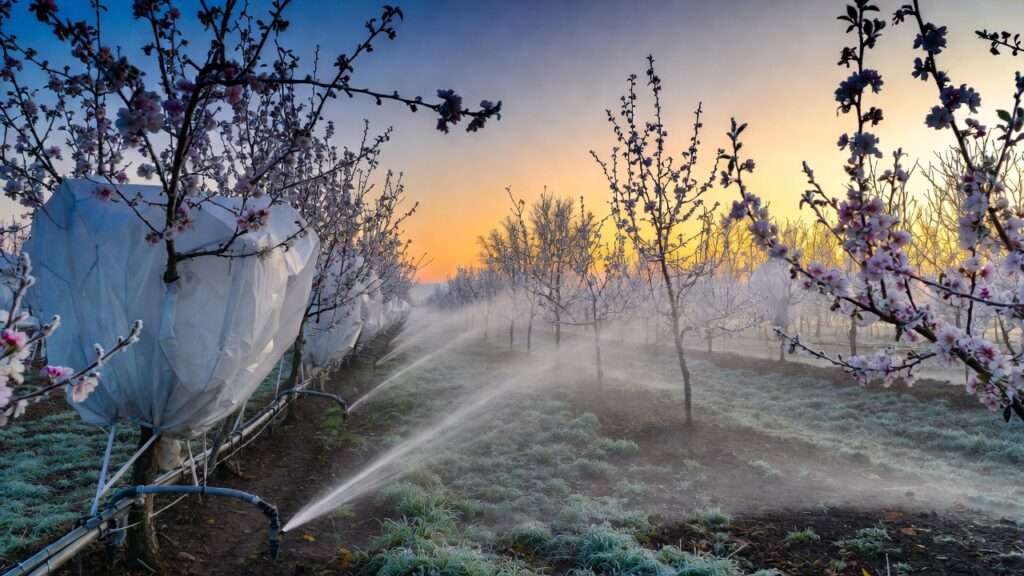
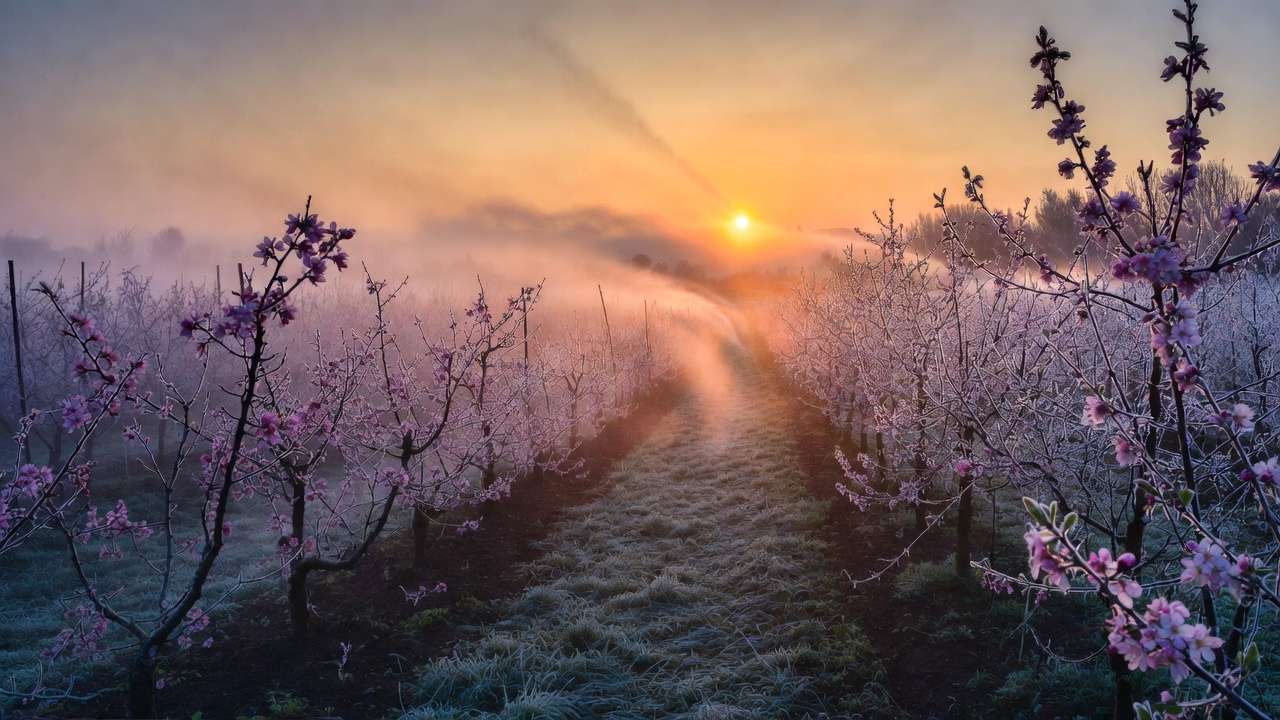
Imagine waking up to a crisp spring morning, only to find your promising fruit tree blossoms turned brown and shriveled overnight 😢. A late frost has struck, wiping out weeks of growth and threatening your entire harvest. This heartbreaking scenario plays out for gardeners and small orchard owners every year, especially during unpredictable spring weather. But here’s the empowering truth: with the right knowledge and timely action, you can dramatically reduce — or even prevent — frost damage to your fruit trees.
In this comprehensive guide, we’ll dive deep into how to protect fruit trees from frost, covering everything from understanding the science of frost events to proven passive and active protection strategies. Drawing from university extension research (like Utah State, Michigan State, Penn State, and others), real-world grower experiences, and practical backyard-tested methods, this article goes beyond basic tips to deliver skyscraper-level advice that helps you safeguard your apples, peaches, pears, cherries, and more. Whether you’re dealing with a few backyard trees or a small home orchard, these techniques can save 50–90% of your crop in many cases 🌟.
Let’s turn frost from a dreaded enemy into a manageable challenge — and secure the bountiful harvest you’ve worked so hard for 🍎🍑.
Understanding Frost and Its Impact on Fruit Trees 🌡️
Frost occurs when air temperatures drop to 32°F (0°C) or below, causing ice crystals to form on plant surfaces. But not all frosts are equal:
- Radiation frost (common on clear, calm nights): Cold air settles in low spots, creating “frost pockets.”
- Advective freeze (windy, cold fronts): Harder to combat, as it brings mass cold air.
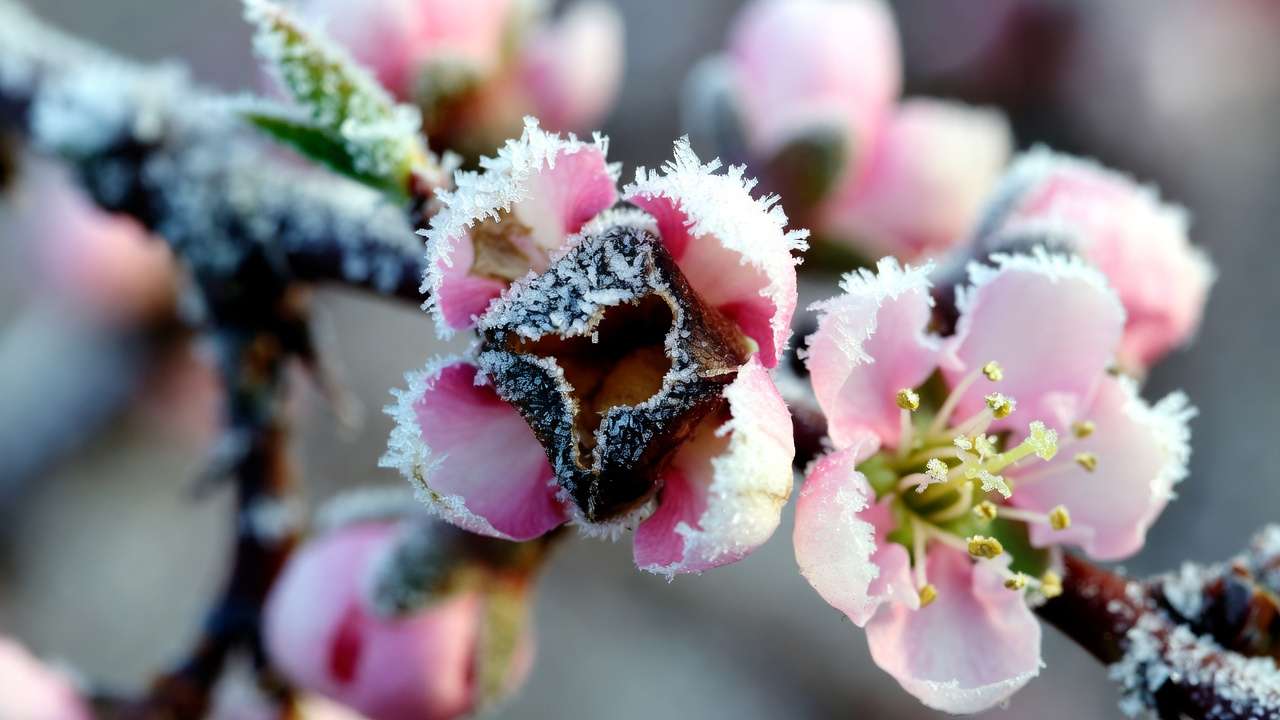
The real danger for fruit trees hits during late spring frosts, after buds have swollen or bloomed. At this stage, blossoms and young fruit are far less hardy than dormant buds.
Critical temperatures vary by species and bud stage. Here’s a summarized chart based on data from Washington State University, Michigan State University, and Penn State Extension (temperatures for 10% and 90% bud kill after 30 minutes exposure):
- Silver Tip / Green Tip: 15–18°F (10%), 2–10°F (90%)
- Tight Cluster / First Pink: 27–28°F (10%), 21–24°F (90%)
- Full Bloom / Post-Bloom: 28°F (10%), 25°F (90%)
Peaches & Nectarines
- Swollen Bud: 17–18°F (10%), 5°F (90%)
- Pink / First Bloom: 25–26°F (10%), 15–21°F (90%)
- Full Bloom: 28°F (10%), 25°F (90%)
Sweet Cherries
- Swollen Bud: 17–23°F (10%), 5°F (90%)
- Full Bloom: 28–29°F (10%), 25°F (90%)
Apricots & Plums
- Often more sensitive early on, with damage at 20–25°F in bud stages.
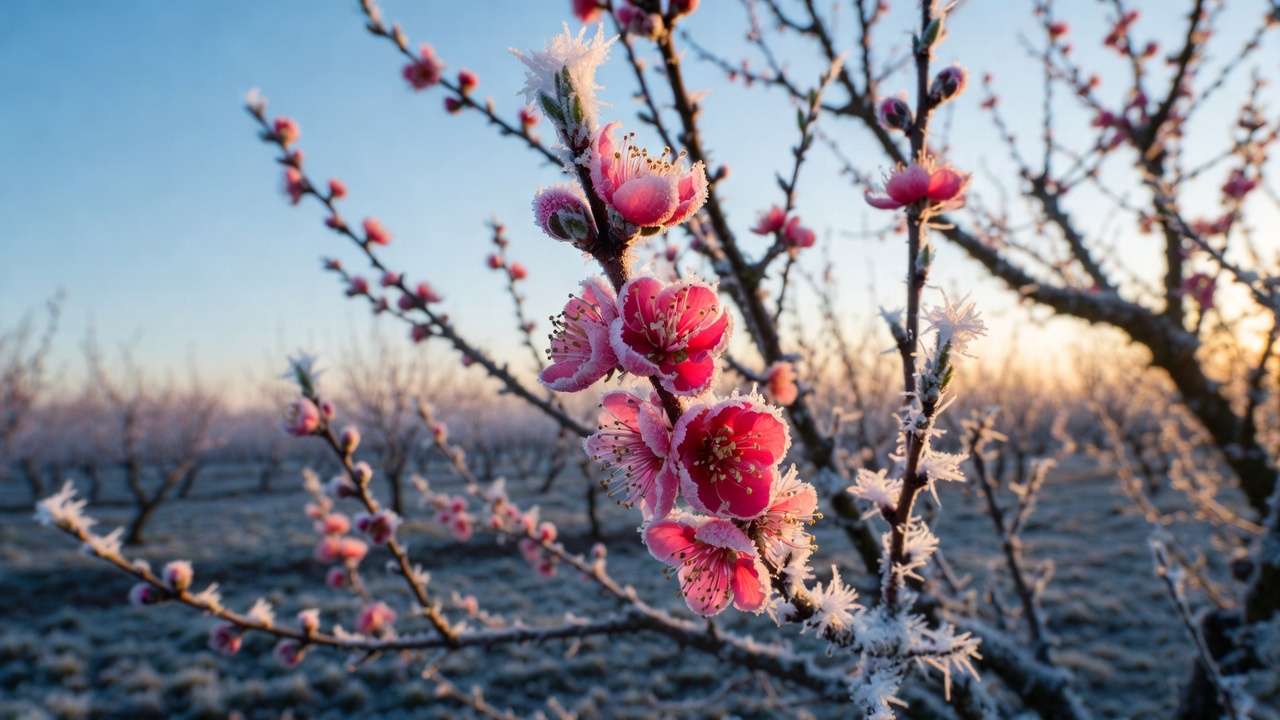
Stone fruits like peaches and apricots are typically the most vulnerable, while apples and pears offer slightly more resilience. Signs of damage include blackened centers in blossoms (cut open to check), shriveled petals, or “frost rings” on developing fruit (scabby, corky patches). Long-term, severe damage reduces yield, weakens trees, and invites disease.
Passive Protection: Prevention Is Better Than Cure (Build Resilience Year-Round) 🛡️
The best defense starts long before frost threatens. These cultural practices minimize risk without last-minute effort.
Site Selection and Orchard Layout
Choose elevated or gently sloping sites where cold air drains away — avoid low-lying “frost pockets.” Plant tender varieties (peaches, apricots) on south-facing slopes or near walls that radiate daytime heat. Windbreaks on the north/west can help, but ensure they don’t trap cold air.
Variety and Rootstock Selection
Opt for late-blooming cultivars to miss peak frost windows — e.g., ‘Honeycrisp’ apples or late-flowering peaches. Cold-hardy rootstocks (like M111 for apples) improve overall resilience.
Cultural Practices to Reduce Risk
- Delay pruning until after major frost risk (late spring) to avoid stimulating early growth.
- Avoid late-summer/high-nitrogen fertilizers that push tender new shoots.
- Keep soil moist but well-drained — wet soil retains more heat than dry.
- Apply 3–4 inches of organic mulch (wood chips, straw) around the base (keep it away from the trunk to prevent rot) 🍂. This insulates roots and moderates soil temperature swings.
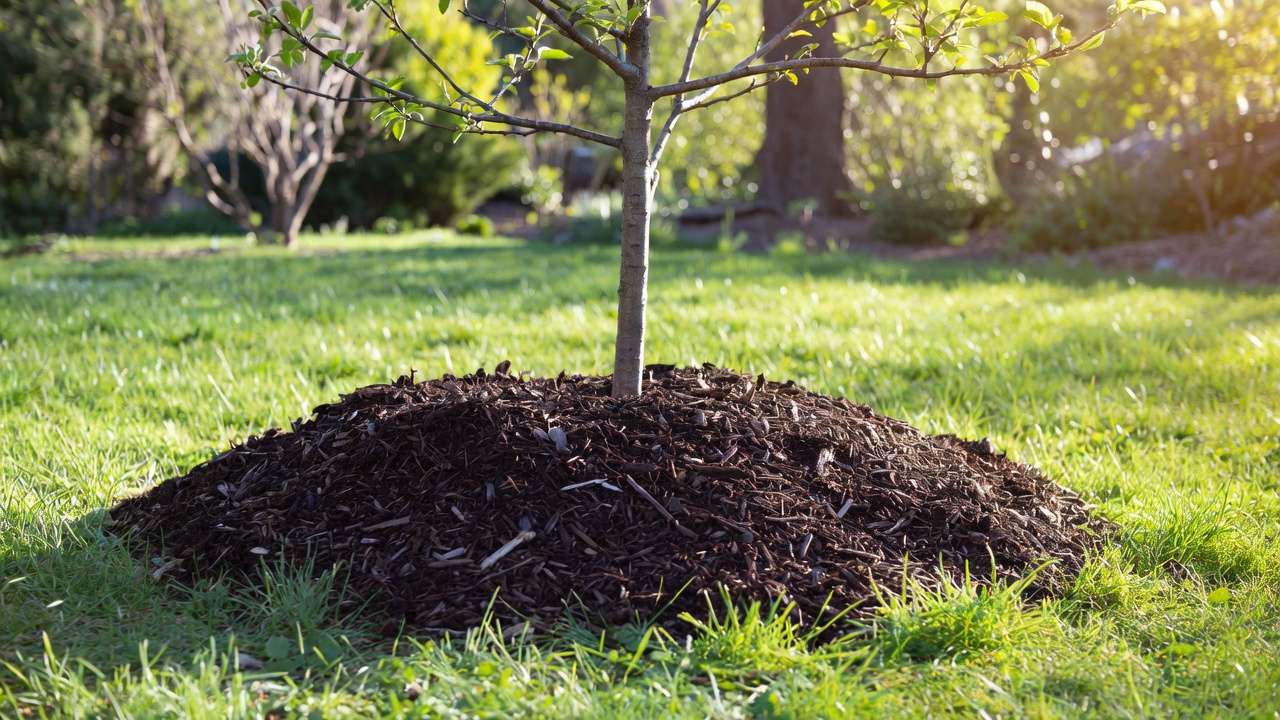
These steps alone can shift your bloom timing by days or weeks, dodging many frosts naturally.
Active Protection Methods: What to Do When Frost Is Forecast ❄️
When forecasts predict temps below 34°F on clear nights, act fast. Monitor canopy-level thermometers (not just ground level) and use apps/alerts.
1. Covering Your Trees (Best for Small/Medium Trees)
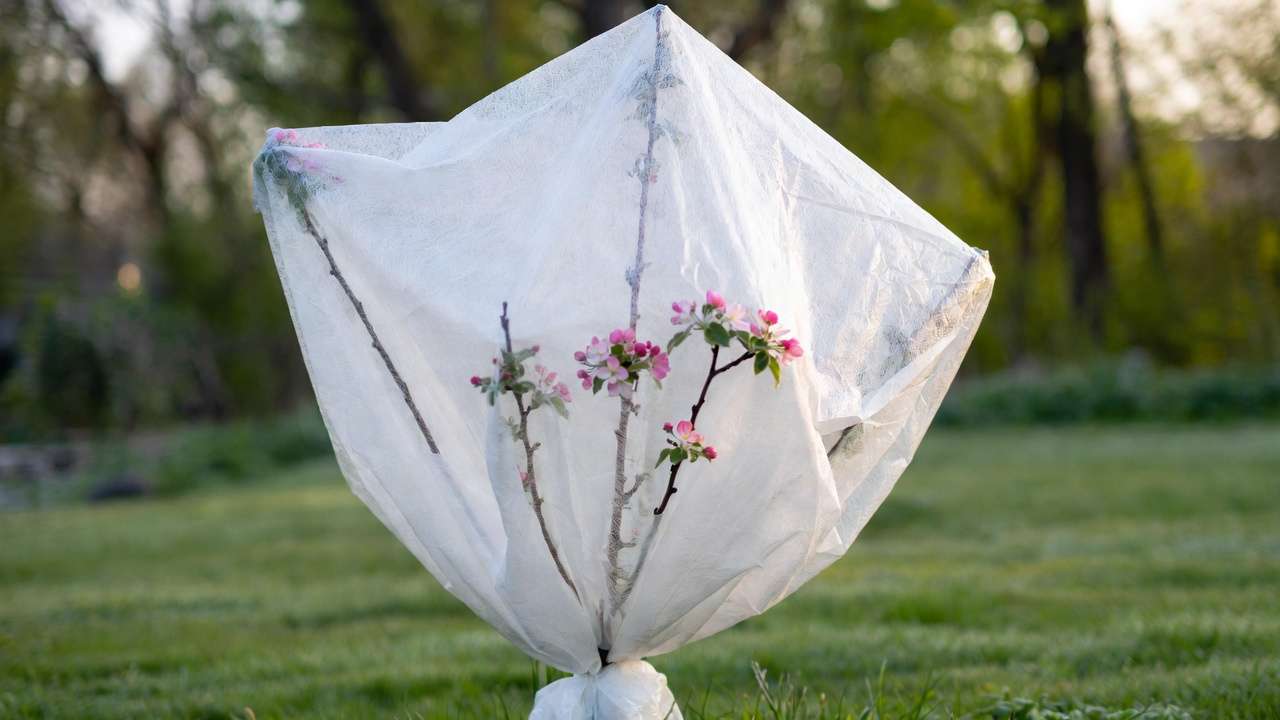
Frost blankets (Agribon, row covers) or breathable fabrics trap radiant heat.
- Step-by-step: Use stakes/frames to create a tent (avoid crushing branches). Secure edges to ground with rocks/soil. Cover fully before sunset; remove or vent by mid-morning.
- Effectiveness: 4–8°F protection. Combine with lights for extra warmth.
- Pros: Affordable, no water needed. Cons: Impractical for large trees; plastic traps cold if touching buds. DIY tip: Old bedsheets work in a pinch 🌂.
2. Overhead Sprinkler Irrigation (The Gold Standard for Larger Trees)
This leverages latent heat: Water freezes at 32°F, releasing heat that keeps tissues at exactly freezing point.
- How it works: Continuous application prevents temps from dropping further.
- Setup: Use impact sprinklers or micro-sprinklers for uniform coverage (0.10–0.15 inches/hour minimum). Start when temps near 34°F; run until ice melts and air warms post-dawn.
- Key rules: Avoid stopping early (ice could cool below ambient). Monitor for ice buildup on branches. Best for peaches/apples in moderate frosts (down to ~24°F).
- Pros: High effectiveness, uses existing irrigation. Cons: Needs good water supply; wind reduces efficiency 💦.
3. Heat Sources for Extra Warmth
String old incandescent Christmas lights (7W bulbs) under covers for 2–5°F boost. For serious setups, consider safe orchard heaters (with ventilation/safety). DIY combo: Lights + tarp for small trees 🔥.
4. Wind Machines and Air Mixing
Large fans mix warmer inversion-layer air. Home-scale: Box fans or natural breezes help.
5. Additional Quick Wins
Deep-water soil 1–3 days prior (increases heat storage). Move potted trees to garage/shelter 🪴.
Special Considerations by Fruit Type 🍎🍑
Different fruit trees show varying levels of frost sensitivity, so tailor your protection strategy accordingly.
Stone Fruits (Peaches, Nectarines, Apricots, Plums, Sweet Cherries) These are usually the most frost-vulnerable, especially during bloom. Peaches and nectarines can lose 90% of the crop at 25–26°F during full bloom. Apricots often bloom earliest (and therefore riskiest).
- Prioritize overhead sprinklers or double-layer frost cloth.
- Plant late-blooming varieties (e.g., ‘Redhaven’ peach, ‘Harostar’ apricot).
- Extra care: Avoid sites with early warm exposure that force premature bloom.
Pome Fruits (Apples, Pears) Hardier overall. Many apple varieties tolerate 27–28°F at full bloom with only 10–20% loss. Pears are similar but can be slightly more sensitive in some cultivars.
- Good candidates for covering + lights or moderate sprinkler use.
- Benefit from site selection (elevated ground helps a lot).
Citrus and Subtropical Fruits (Lemons, Oranges, Figs, Persimmons) Extremely tender — even 28–30°F can cause significant branch dieback or fruit drop.
- Best strategy: Grow in pots for mobility, or use heavy-duty covers + heat sources.
- In marginal climates, consider greenhouse or high tunnel protection for young trees.
Bonus: Small Fruits (Blueberries, Strawberries, Raspberries) While not trees, many gardeners grow them nearby. Blueberries are moderately hardy; strawberries benefit hugely from row covers or straw mulch over crowns.
Monitoring and Preparation Checklist 📋
Success comes from early detection and readiness.
Tools You Need
- Accurate minimum-registering thermometer placed at canopy height (not ground level — cold air pools low).
- Wireless frost alarm or weather app (e.g., Weather Underground frost alerts, local extension service forecasts).
- Backup power for fans/heaters if using them.
Pre-Season Preparation List
- Test irrigation system in fall.
- Stock frost blankets, stakes, clips, old sheets.
- Apply mulch and ensure good soil moisture going into winter/spring.
- Identify your microclimates and mark frost-prone trees.
- Have a “frost night” plan written down (who moves pots, when to start sprinklers, etc.).
When to Act Start protection measures when forecast shows:
- Clear skies, light wind, and temps dropping toward 34°F by dawn.
- Inversion likely (colder near ground than 10–20 ft up).
What to Do After a Frost: Damage Assessment and Recovery 🌱
Even with protection, some damage may occur. Act quickly to help trees recover.
- Assess the Damage
- Wait until temperatures rise above freezing.
- Cut open several blossoms/young fruitlets — brown/black centers = killed; green/white = survived.
- Look for frost rings (corky, sunken bands) on developing fruit — these often drop later.
- Immediate Care
- Avoid heavy pruning right away (wait 2–4 weeks to see full extent).
- Remove only obviously dead tissue to reduce disease entry points.
- Recovery Support
- Thin remaining fruit aggressively (remove 50–75% if heavy loss occurred) so the tree doesn’t overtax itself.
- Apply balanced, slow-release fertilizer (avoid high nitrogen).
- Water deeply during dry spells; mulch helps retain moisture.
- Watch for secondary issues: bacterial canker, fire blight, or fungal infections that exploit damaged tissue.
Many trees bounce back surprisingly well after light-to-moderate frost events, especially with good follow-up care.
Common Mistakes to Avoid ❌
- Using clear plastic directly on buds/branches → Traps cold and causes worse damage than no cover.
- Removing covers too early in the morning → Sudden temperature drop can finish off marginal buds.
- Stopping sprinklers before ice melts completely → Ice can cool below air temperature and refreeze tissues.
- Over-relying on wind machines without inversion → Little benefit if no warmer air aloft.
- Ignoring potted trees → Pots freeze faster than ground — move them or wrap heavily.
Expert Insights and Real-World Examples 🌟
University extension services consistently rank overhead irrigation as one of the most reliable methods for moderate frosts (down to ~24°F), with many commercial orchards saving 70–90% of crop using this technique (source: Michigan State University, Utah State University Extension).
Backyard success stories abound:
- A Michigan gardener saved 80% of her peach crop using two layers of Agribon row cover + old incandescent string lights during a -4°F radiation frost event.
- In Pennsylvania, a small orchard used micro-sprinklers on apples and reported only 15% loss compared to unprotected neighbors’ 80% loss.
These real examples show that combining methods (passive + active) often yields the best results.
FAQs (SEO Gold) ❓
How cold is too cold for fruit tree blossoms? It depends on species and stage, but 28°F at full bloom typically causes 10–50% loss in apples/pears, and 50–90% in peaches/apricots. Below 25°F at bloom is often devastating without protection.
Can I use Christmas lights to protect fruit trees from frost? Yes — old incandescent (not LED) 7-watt bulbs under a cover add 2–5°F of warmth. Combine with frost cloth for best effect on small trees.
What’s the easiest way to protect young fruit trees from frost? For trees under 8–10 ft: Use frost cloth or old bedsheets over a simple frame of stakes/PVC. Add string lights if temps drop hard.
Do frost blankets work on large trees? Not practically for mature trees over 12–15 ft. Focus on covering the lower canopy or use sprinklers instead.
How do sprinklers protect fruit trees without breaking branches? Continuous light application (0.10–0.15 in/hour) forms a thin, even ice layer that releases heat as it freezes. Avoid high pressure or stopping/starting — steady flow prevents heavy, damaging buildup.
Conclusion: Secure Your Harvest This Season! 🍏
Frost doesn’t have to mean lost blossoms and empty baskets. By understanding critical temperatures, building passive resilience through smart site/variety choices, and deploying active protection (especially covering and overhead irrigation) when forecasts turn threatening, you can protect your fruit trees effectively — even in challenging climates.
Start small: Assess your site this season, stock basic covers, and monitor forecasts closely. Over time, these habits become second nature and pay off with consistent, homegrown harvests year after year.
Have you battled a late frost recently? Which method worked best for you? Share your experiences in the comments below — fellow gardeners always learn from each other 🌳💚











