
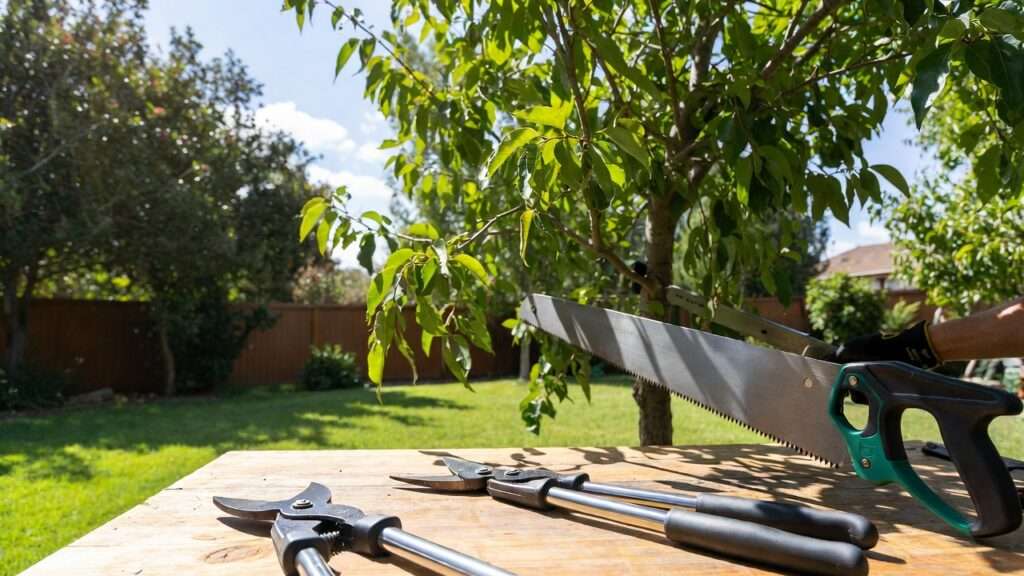
Have you ever stepped back from your favorite backyard tree after a “quick trim” only to see it looking stressed, sprouting weak, spindly shoots, or worse — developing ugly scars that invite disease? 😩 You’re definitely not alone! Many well-meaning homeowners unintentionally harm their trees through common pruning mistakes like topping or flush cuts. The good news? How to prune trees correctly is a skill anyone can master with the right knowledge — and doing it properly leads to stronger structure, vibrant health, better disease resistance, more beautiful form, and even increased fruit or flower production! 🍎🌸
In this ultimate, expert-level guide (backed by principles from the International Society of Arboriculture (ISA), university extensions, and decades of arborist best practices), we’ll walk you through everything you need to know. Whether you’re a beginner tending young saplings or maintaining mature shade trees, you’ll learn proven techniques to promote healthy growth while avoiding pitfalls that can shorten your tree’s life. Let’s turn your pruning fears into confidence — your trees will thank you! 💚
Why Prune Trees? The Real Benefits & Goals 🌟
Pruning isn’t just about looks — it’s essential tree care that mimics nature’s processes while protecting your investment.
- Safety first ⚠️: Removing dead, damaged, or overhanging branches prevents falling hazards during storms, protecting homes, cars, and people.
- Health & vigor 🩺: Better airflow and sunlight penetration reduce fungal diseases, pests, and rot while encouraging strong growth.
- Shape & aesthetics 🎨: Maintain the tree’s natural form — no more awkward, lopsided shapes from bad cuts!
- Size control & structure 📏: Train young trees for lifelong strength; rejuvenate older ones without shocking them.
- Fruit/flower production 🌺🍏: Strategic cuts on ornamentals and edibles maximize blooms and yields.
According to ISA guidelines, prioritize pruning in this order: safety > health > aesthetics. Proper pruning can extend a tree’s lifespan by decades! 🌲
When to Prune Trees: The Ultimate Seasonal Guide 📅
Timing is crucial — prune at the wrong time, and you risk stress, disease, or lost blooms.
The general best time for most trees is late winter to early spring (dormant season, roughly January–March in many regions), when trees are resting and wounds heal quickly as growth resumes. ❄️➡️🌱
Species-specific tips (adapt to your local climate — here in early 2026, late January/February is ideal for dormant pruning in many temperate areas):
- Spring-flowering trees (cherry 🌸, dogwood, magnolia): Prune right after blooming to preserve next year’s buds.
- Oaks & elms: Avoid April–October to prevent diseases like oak wilt — stick to winter! 🚫
- Fruit trees (apple, peach): Late winter for structure; light summer thinning for size/fruit quality.
- Evergreens (pine, spruce): Early spring or late summer; pinch new “candles” for shape.
- Bleeders (maple, birch, walnut): Prune in summer or after leaves emerge to minimize sap flow.
Anytime rule: Remove the 4 Ds — Dead, Diseased, Damaged, Dangerous branches — immediately for safety! 🔴
Avoid heavy pruning in fall (tender new growth risks frost) or peak summer heat (extra stress).
Essential Tools for Proper Tree Pruning 🛠️
Quality, sharp tools make clean cuts that heal fast — dull ones tear bark and invite problems! 🧼
Must-haves for homeowners:
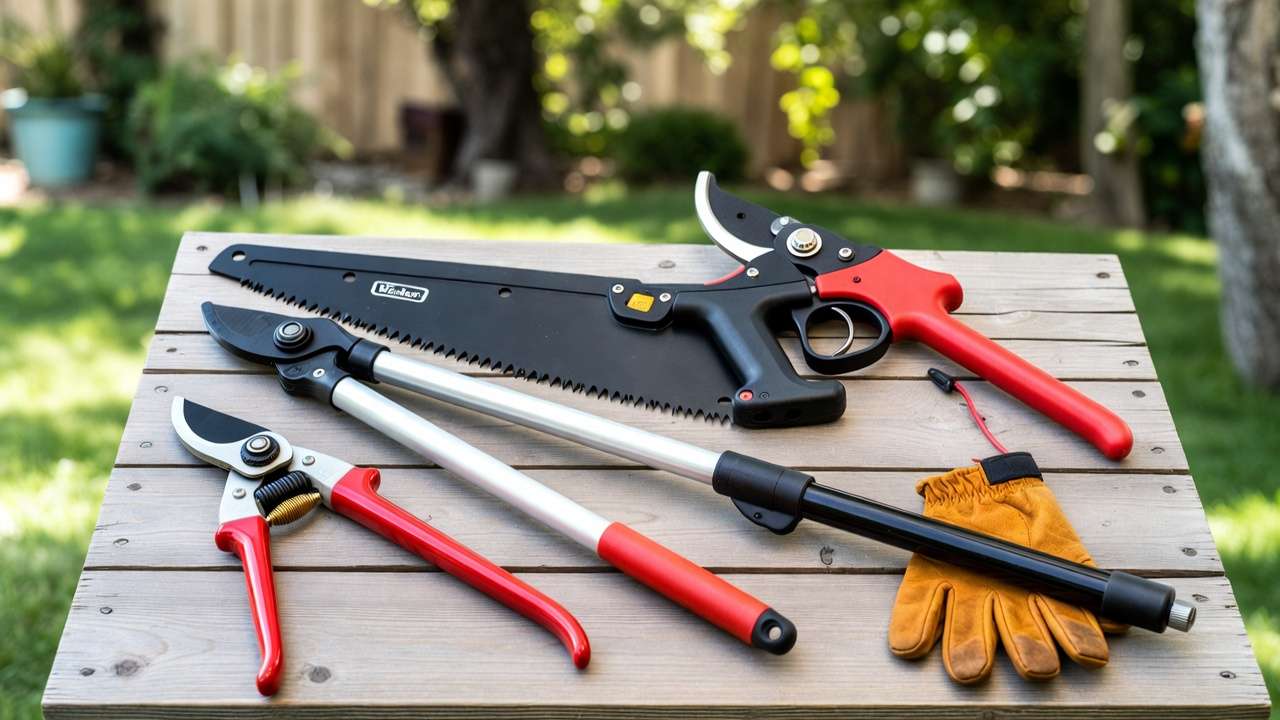
- Bypass hand pruners — For live branches up to ¾ inch (clean scissor-like cuts).
- Loppers (bypass or anvil) — For 1–2 inch branches; longer handles give leverage.
- Pruning saw (curved blade) — For 2+ inch limbs; cuts on the pull stroke.
- Pole pruner/saw — Reach up to 12–15 feet safely without ladders.
- Safety gear — Gloves, eye protection, sturdy shoes, helmet — and never use chainsaws unless trained!
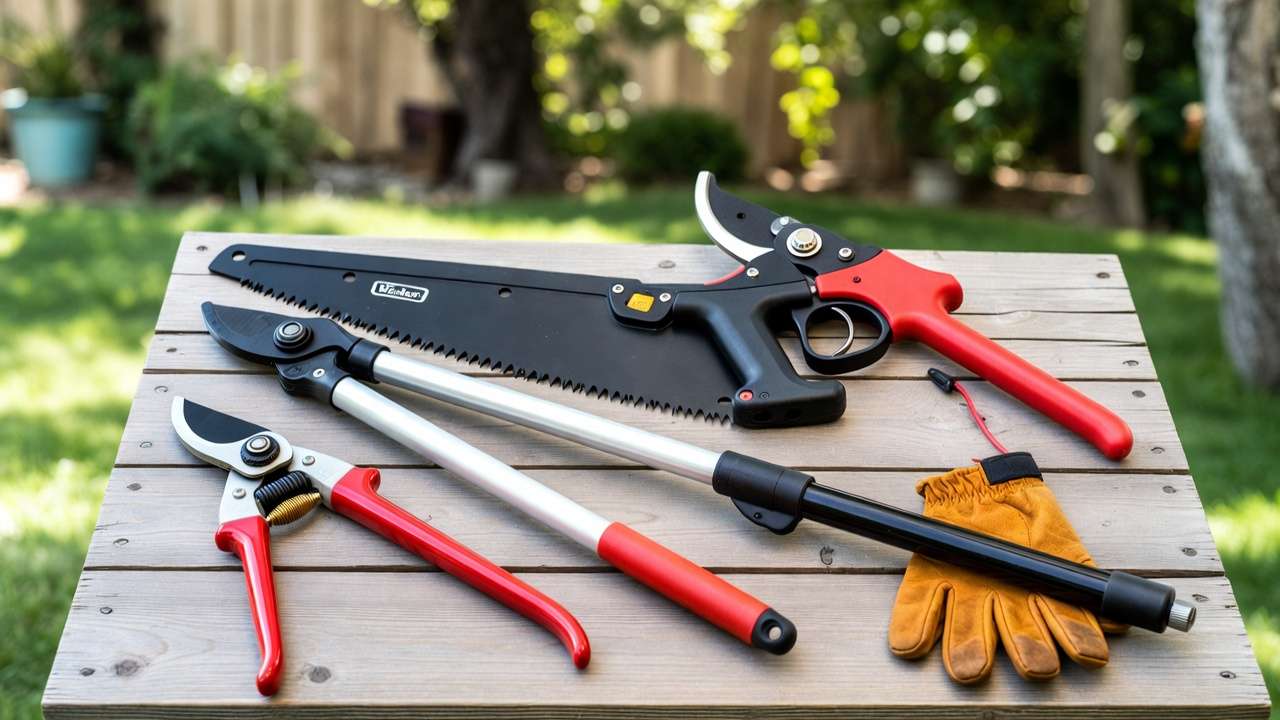
Pro tip: Sharpen blades regularly and disinfect with alcohol between trees to prevent disease spread. ✨
Here are some visual examples of proper pruning cuts and the famous 3-cut method for large branches (to avoid tearing bark):
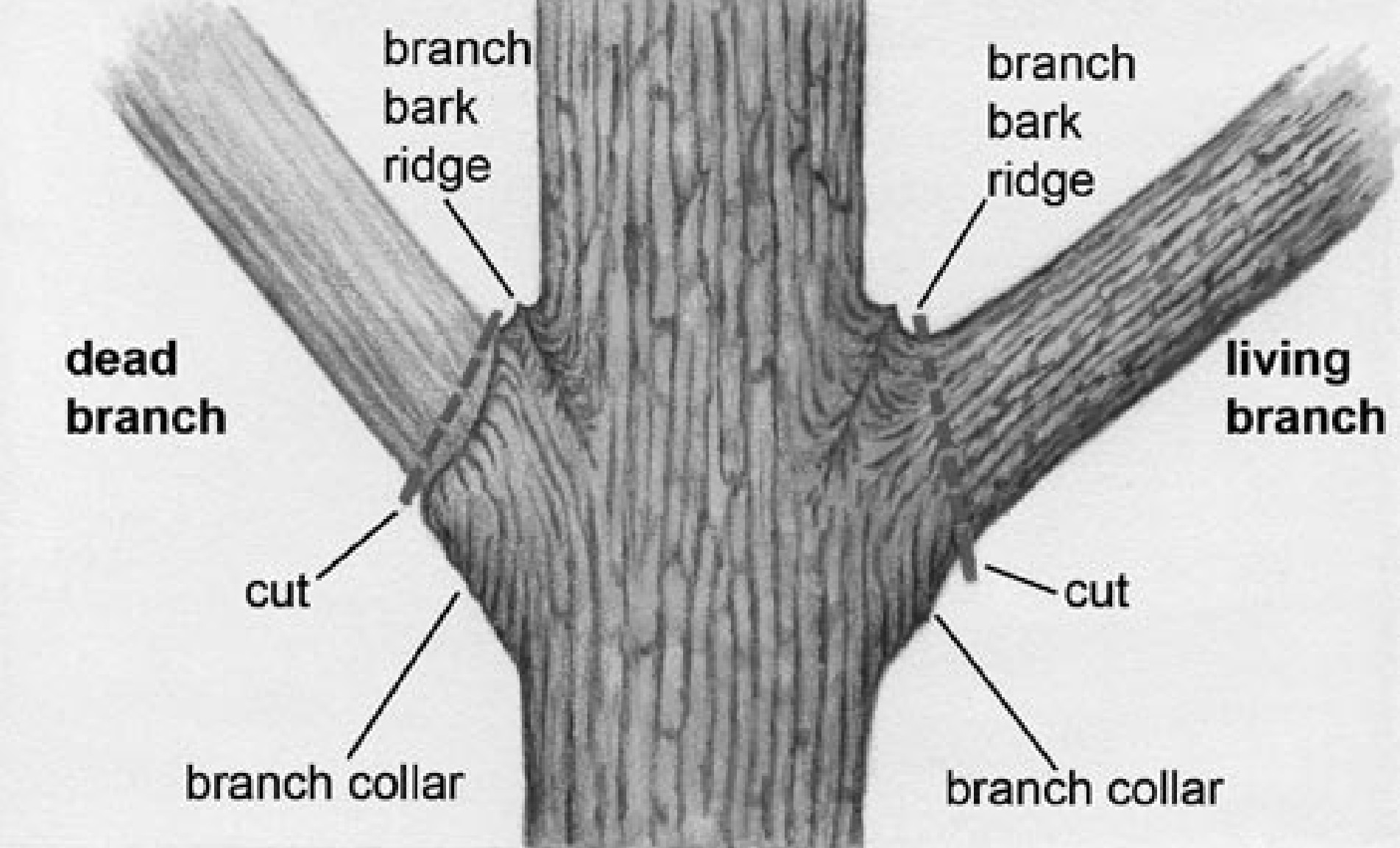
These diagrams show the branch collar (swollen area where healing starts) — always cut just outside it!
Understanding Tree Biology: Make Cuts That Heal Fast 🧬
Trees don’t “heal” like humans — they compartmentalize wounds. Your job? Make cuts that help them do it efficiently.
- Identify the branch collar and branch bark ridge — cut just beyond them (never flush or leave stubs!).
- Removal cut — Take the whole branch back to the trunk or larger limb.
- Reduction cut — Shorten to a lateral branch at least ⅓ the diameter.
- For large limbs: Use the 3-cut method (undercut first, top cut second, final close to collar third) to prevent tearing.
No sealants needed — modern research (ISA & university extensions) shows trees do better without them, except rare cases like oaks in disease zones.
Step-by-Step: How to Prune Trees Correctly (Core Guide) 📋
1. Assess & Plan Before You Cut 🧐
Stand back, walk around — observe from multiple angles. Decide goals (safety? shape? health?). Mark branches with flagging tape if needed.
2. Follow the “4 Ds” Rule First 🔍
Always start here — remove these anytime for immediate safety.
3. Train Young Trees (First 3–5 Years) 🌱
Select a strong central leader; space scaffold branches evenly (wide U-shaped crotches > narrow V). Remove competing leaders.
Here’s a great visual of proper vs. improper branch structure
4. Prune Mature Trees for Structure & Health
- Crown thinning — Remove crossing/rubbing branches (10–20% max live canopy removal per year).
- Crown raising — Lift lower limbs for clearance (pedestrians, mowers).
- Crown reduction — Reduce height/spread by cutting to laterals — never top!
5. Make Perfect Pruning Cuts ✂️
Follow the collar, angle cuts to shed water. Less is more — remove no more than 15–25% of canopy annually.
See these before-and-after examples of healthy pruning results
Pruning Techniques by Tree Type (Bonus Depth) 🌲🍃
Different trees have unique growth habits — one-size-fits-all pruning can lead to stress or poor form. Here are tailored techniques from arborist standards and university extension resources:
- Deciduous shade trees (maple, oak, elm): Focus on thinning for light and air. Remove crossing branches and maintain a strong central leader. Limit to 15–20% removal per year. For maples, prune in summer to reduce bleeding sap.
- Fruit trees (apple, peach, citrus): Use a combination of spur pruning (shorten laterals to encourage fruiting spurs) and renewal pruning (remove older wood to stimulate new growth). Open-center or modified central-leader systems work best for most. Prune in late winter; thin summer growth for better fruit size and color. 🍎
Here are excellent before-and-after examples of properly pruned fruit trees showing strong, open structure and improved fruit production:
:max_bytes(150000):strip_icc()/Maintenance-pruning-an-overgrown-apple-tree-4070267_v5-beb94d56c5ab4312ac617b514a4bff53.jpg)
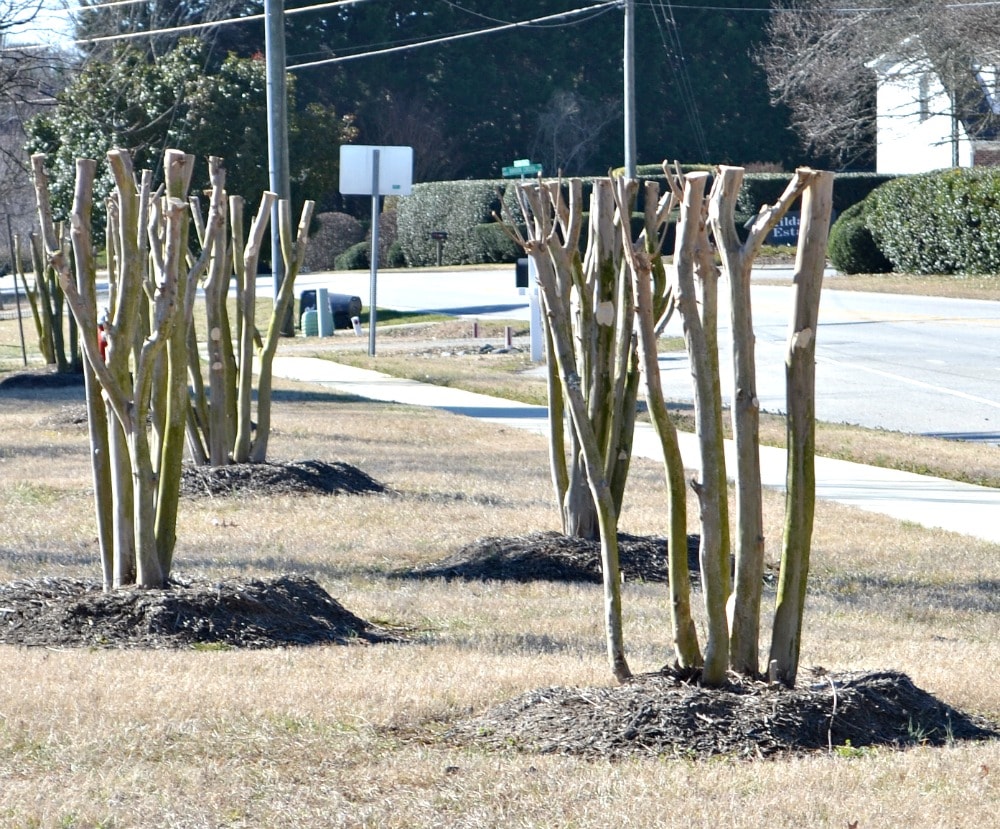
- Ornamental/flowering trees (magnolia, crepe myrtle, dogwood): Prune minimally and only after flowering to preserve buds. For crepe myrtles, avoid the infamous “crepe murder” (severe topping) — instead, thin selectively for natural vase shape and remove suckers at base.
See the stark contrast: proper light thinning vs. destructive topping
- Evergreens & conifers (pine, spruce, fir): Prune new “candles” (soft spring growth) by ½–⅔ when they’re still tender. Never cut into old wood — it won’t regrow. For spruce/fir, remove competing leaders early.
Common Pruning Mistakes & How to Avoid Them ❌
Even experienced gardeners make these — here are the top offenders and fixes:
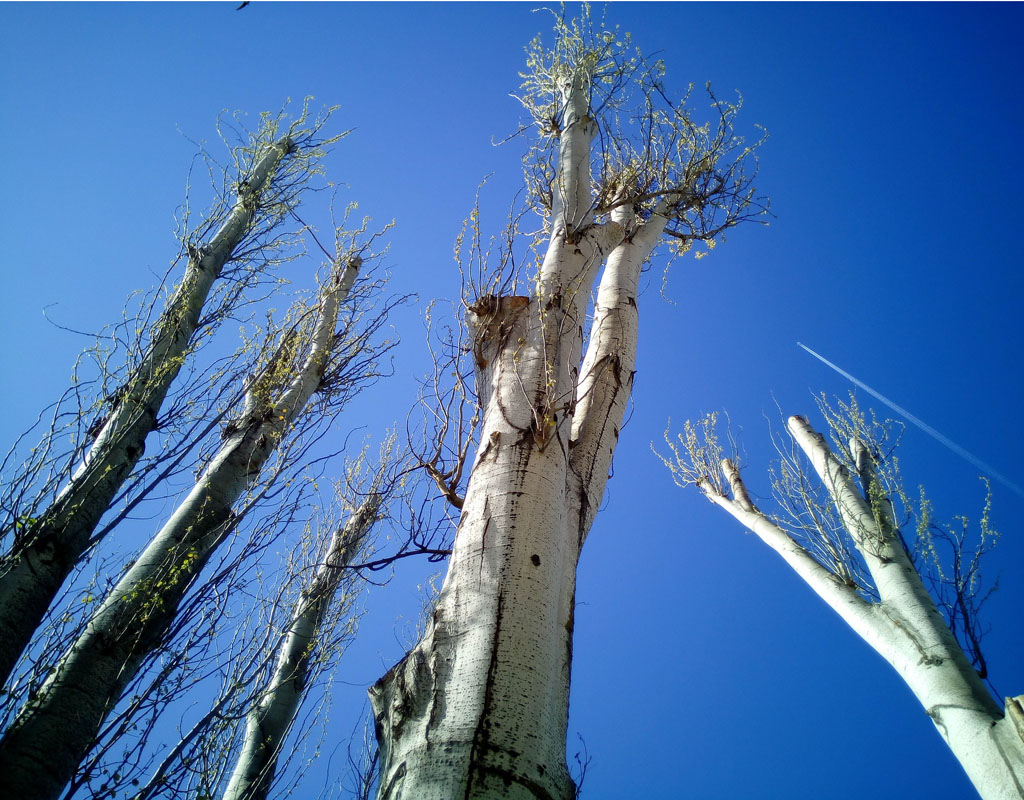
- Topping trees — Cutting main leaders flat creates weak, ugly regrowth and stress. Fix: Use reduction cuts to laterals instead.
- Flush cuts or stub cuts — Cuts too close damage the branch collar; stubs rot and invite pests. Fix: Cut just outside the collar.
- Lion-tailing — Removing all inner branches leaves a “poodle” look and weakens structure. Fix: Thin evenly throughout canopy.
- Over-pruning — Removing >25% live canopy shocks the tree. Fix: Spread major work over 2–3 years.
- Wrong timing — Spring pruning on bleeders or fall on oaks. Fix: Follow species-specific calendars.
- Dull/dirty tools — Tears bark and spreads disease. Fix: Sharpen + disinfect regularly.
Visual warnings — these are what NOT to do
Aftercare: Help Your Tree Recover Quickly 💚
Pruning is stress — support recovery for best results:
- Water deeply (1–2 inches per week) during dry spells, especially first season post-pruning.
- Apply 2–4 inches of organic mulch in a wide ring (keep away from trunk) to retain moisture and moderate soil temperature.
- Monitor for signs of stress: wilting, dieback, pests. Treat early.
- Fertilize sparingly — only if soil test shows deficiency. Over-fertilizing encourages weak growth.
- For large or hazardous work, always consult a certified arborist (look for ISA credential).
FAQs: Your Top Questions Answered ❓
Can I prune in summer? Light pruning (deadwood, small crossing branches) is fine; avoid heavy structural work in heat.
Do pruning sealants help? No — research from ISA and university extensions shows trees compartmentalize better without them (except for oak wilt prevention in certain regions).
How often should I prune? Young trees: annually or biennially. Mature trees: every 3–5 years or as needed for safety/health.
Is topping ever okay? Almost never — it’s considered harmful by professional arborists. Use alternatives like reduction or crown raising.
Best tools for beginners? Start with quality bypass hand pruners and loppers — invest in sharpness over fancy brands.
Conclusion: Prune Smart, Grow Strong! 🌿
Mastering how to prune trees correctly transforms your yard: safer, healthier, more beautiful trees that thrive for generations. Remember the golden rules — prune at the right time, use sharp tools, respect the branch collar, remove no more than necessary, and always prioritize the tree’s natural structure.
You’ve now got the complete toolkit — from biology basics to species-specific tips, mistake-proofing, and aftercare. Grab your pruners this dormant season, step back, plan carefully, and make those clean, confident cuts. Your trees (and your neighbors) will thank you! 🌳💚
Have you tried these techniques? Drop a comment with your before-and-after stories or questions — happy pruning! ✨











