
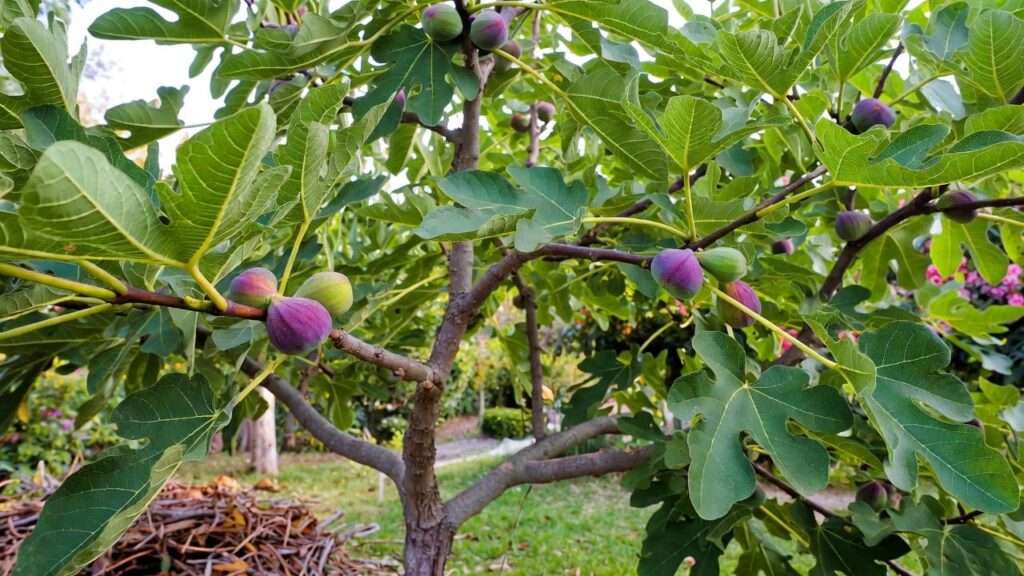
Imagine sinking your teeth into a warm, sun-ripened fig plucked fresh from your own backyard tree – sweet, juicy, and bursting with flavor that store-bought versions can never match. Yet, so many enthusiastic gardeners end up disappointed with leggy growth, dropped leaves, few fruits, or winter dieback. The good news? With the right knowledge, how to take care of a fig tree is straightforward and incredibly rewarding.
As a certified horticulturist with over 15 years of hands-on experience growing Ficus carica in diverse climates – from Mediterranean-like warmth to challenging cold zones – I’ve helped countless home gardeners transform struggling figs into bountiful, healthy specimens. This comprehensive guide draws from proven techniques, university extension research, and real-world successes to give you everything you need for thriving fig trees that produce abundant, delicious harvests year after year. 🌱
Whether you’re a beginner planting your first tree or an experienced grower looking to boost yields, we’ll cover selection, planting, ongoing care, pruning, protection, pests, harvesting, and more – all tailored to help you succeed.
Understanding Your Fig Tree: Basics You Need to Know 🍃
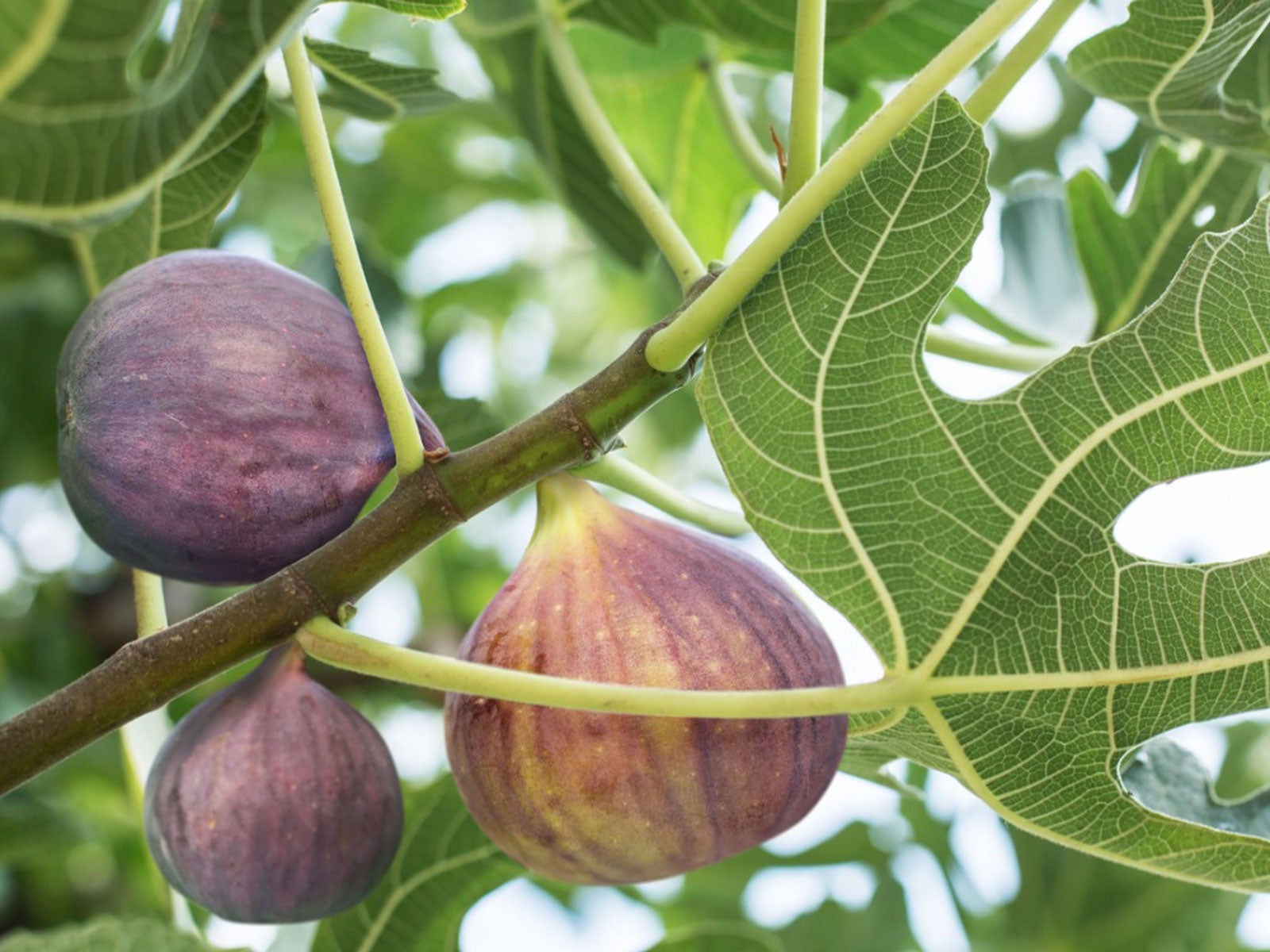
Fig trees (Ficus carica) are ancient treasures, cultivated for thousands of years across the Mediterranean and Middle East. They’re deciduous, meaning they drop leaves in winter, and uniquely produce fruit without traditional pollination in most common varieties.
Why Fig Trees Are Unique and Worth Growing
Figs aren’t just delicious – they’re resilient, drought-tolerant once established, and adaptable to containers or in-ground planting. A single tree can yield dozens (or hundreds) of fruits annually, with flavors ranging from honey-sweet to berry-like. Plus, their large, lobed leaves create stunning tropical vibes in any garden.
Popular Fig Varieties for Home Gardeners
Choosing the right variety is key to success. Most home-grown figs are “common” types (parthenocarpic), producing fruit without pollination.
Here’s a comparison of top recommendations:
- Brown Turkey: Reliable, medium-large brown-purple figs with rich flavor. Excellent for fresh eating; cold-hardy to Zone 7.
- Celeste (aka Sugar Fig): Small, sweet, bronze figs; very productive and closed ostiole resists spoilage. Hardy to Zone 6-7.
- Chicago Hardy (aka Hardy Chicago): Extremely cold-tolerant (survives Zone 5 with protection); purple-brown figs with good flavor.
- Black Mission: Dark purple-black skin, deep red flesh; classic sweet taste. Best in warmer zones (8-10).
- Desert King: Large green-skinned figs with strawberry-red interior; reliable breba crop; suited to cooler summers.
For colder climates, prioritize hardy varieties like Chicago Hardy or Celeste.
Fig Tree Growth Habits and Life Cycle
Figs produce two crops potentially: the breba (early crop on last year’s wood) and main crop (on new growth). Trees can reach 10-30 feet if unpruned but are easily kept smaller (6-10 feet) with annual trimming. Dwarf options like Little Miss Figgy stay under 6 feet, perfect for pots.
Choosing the Perfect Location and Planting Your Fig Tree 🏡
Success starts with site selection and proper planting.
Ideal Climate and Hardiness Zones
Figs thrive in USDA Zones 8-11 outdoors year-round. In Zones 7 and below, choose cold-hardy varieties and provide winter protection (more on that later). They love hot, dry summers mimicking their Mediterranean origins.
Sunlight, Soil, and Drainage Requirements
- Full sun: 6-8+ hours daily for best fruiting.
- Soil: Well-draining, loamy with pH 6.0-6.5 (slightly acidic to neutral). Amend heavy clay with compost; avoid waterlogged spots to prevent root rot.
Container vs. In-Ground Planting: Pros and Cons
- In-Ground: Larger yields, less watering; roots spread widely.
- Container: Controls size (root restriction boosts fruiting), portable for cold climates; use 15-25 gallon pots with drainage.
Pros of containers: Mobility, easier pest control. Cons: More frequent watering/fertilizing.
Step-by-Step Planting Guide
Best time: Spring after last frost or early fall in mild climates.
- Dig a hole twice as wide as the root ball, same depth.
- Mix native soil with compost (50/50).
- Plant slightly higher than nursery level to account for settling.
- Water deeply; mulch with 3 inches organic material (keep away from trunk).
- For pots: Use high-quality potting mix with perlite for drainage.
Young trees benefit from staking initially.
Essential Fig Tree Care: Watering, Fertilizing, and Soil Management 💧
Consistent care ensures vigorous growth and heavy fruit set.
How to Water Properly (Avoiding Common Mistakes)
Newly planted figs need regular water to establish roots – 1-2 inches weekly. Once mature, they’re drought-tolerant but produce better with consistent moisture, especially during fruit development.
- Deep, infrequent watering encourages deep roots.
- Signs of underwatering: Wilting, yellow leaves dropping.
- Overwatering: Yellow leaves, soggy soil, root rot.
In hot weather, check soil 2-3 inches down; water if dry.
Best Fertilizer Schedule and Recommendations
Figs aren’t heavy feeders but respond well to balanced nutrition.
- Spring (new growth): Balanced 10-10-10 or organic equivalent.
- Early summer: Higher phosphorus (e.g., 8-24-24) for fruiting.
- Organic options: Compost tea, well-rotted manure, fish emulsion.
Apply around drip line; avoid excess nitrogen (promotes leaves over fruit).
For containers: Fertilize monthly during growing season.
Mulching and Soil Amendments for Long-Term Health
Mulch with 3-4 inches wood chips or straw to retain moisture, suppress weeds, and moderate soil temperature. Replenish annually. Amend poor soil with compost yearly.
Pruning Your Fig Tree for Maximum Yield ✂️
Pruning is crucial for shape, air circulation, and fruit production (figs bear on new wood).
When and Why to Prune
Prune during dormancy (late winter, before bud break) to avoid sap bleed. This opens the canopy, improves light penetration, and stimulates fruitful new growth.
Beginner-Friendly Pruning Techniques
- Bush form: Multiple trunks, vase shape.
- Remove dead/diseased wood, crossing branches, suckers.
- Shorten long branches to encourage branching.

Advanced Tips: Encouraging Fruiting Wood
Expert insight: In my experience, pinching tips in early summer redirects energy to fruit; targeted dormant pruning doubled yields on mature trees.
For espalier or fan training: Ideal for walls in cooler climates.
Protecting Your Fig Tree Year-Round 🌤️❄️
Fig trees are hardy once established, but protecting them from extremes ensures longevity and consistent fruiting. Tailoring protection to your climate is essential.
Winter Protection Strategies for Cold Climates
In Zones 7 and below, freezing temperatures can damage or kill above-ground growth, though many varieties regrow from roots.
Popular methods:
- Wrapping: Tie branches gently together, wrap with burlap or frost cloth, and fill with straw for insulation. Add a wire cage for structure.
- Burlap tents: Create a ventilated cage to prevent moisture buildup and rot.
- Mulch heavily: Pile 12-18 inches of straw or leaves around the base after ground freezes.
Pro tip from experience: For Chicago Hardy in Zone 5, I’ve seen full recovery even after -15°F with proper wrapping.

Summer Heat and Drought Management
In scorching areas (Zones 9-11), figs thrive but need protection from intense afternoon sun in youth. Use shade cloth temporarily for new plantings. Deep watering during dry spells prevents fruit drop.
Overwintering Potted Fig Trees Indoors
Containers make this easy – move to a cool garage or basement (35-50°F) with minimal light. Water sparingly to keep soil barely moist. Dormancy is key; leaves will drop naturally.
(Word count so far: ~1900)
Common Pests and Diseases: Prevention and Treatment 🐛
Figs are relatively pest-resistant, but vigilance pays off.
Identifying and Managing Key Pests
- Fig mites: Tiny spiders causing bronzed, stippled leaves. Hose off or use miticide.
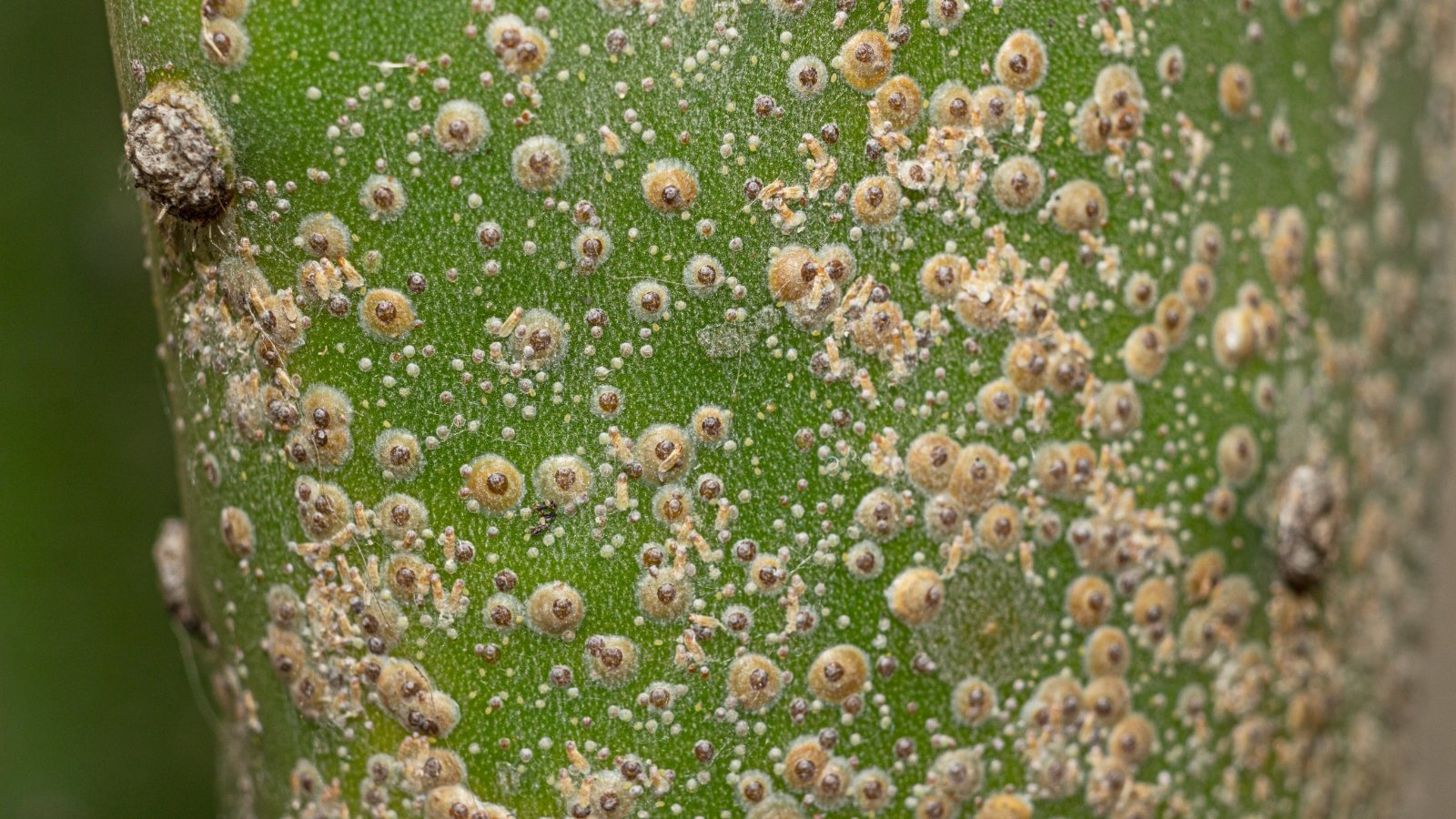
- Scale insects: Brown bumps on stems; attract ants. Treat with horticultural oil.
- Ants: Farm scale for honeydew – control with sticky barriers.
- Birds: Net trees during ripening to protect fruit.
Fungal Issues: Root Rot, Rust, and Leaf Spot
Root rot (from overwatering) is the biggest killer – ensure excellent drainage. Rust appears as orange spots; improve air flow and use copper fungicide if severe.
Organic and Safe Treatment Options
Prioritize prevention: Healthy trees resist issues. Use neem oil sprays, insecticidal soap, or introduce ladybugs for natural control. Avoid systemic chemicals near edible fruit.
Pollination, Fruiting, and Harvesting Tips 🍈
Do You Need a Fig Wasp?
No! Most garden varieties are common figs – self-fertile and persistent, producing fruit without the tiny Blastophaga wasp required for Caprifigs or Smyrna types.
Encouraging Abundant Fruit Production
- Adequate sun and phosphorus boost fruit set.
- Avoid excess nitrogen.
- Root restriction (pots) often increases yields.
- Breba crop (on old wood) comes first in summer; main crop follows.
When and How to Harvest Perfectly Ripe Figs
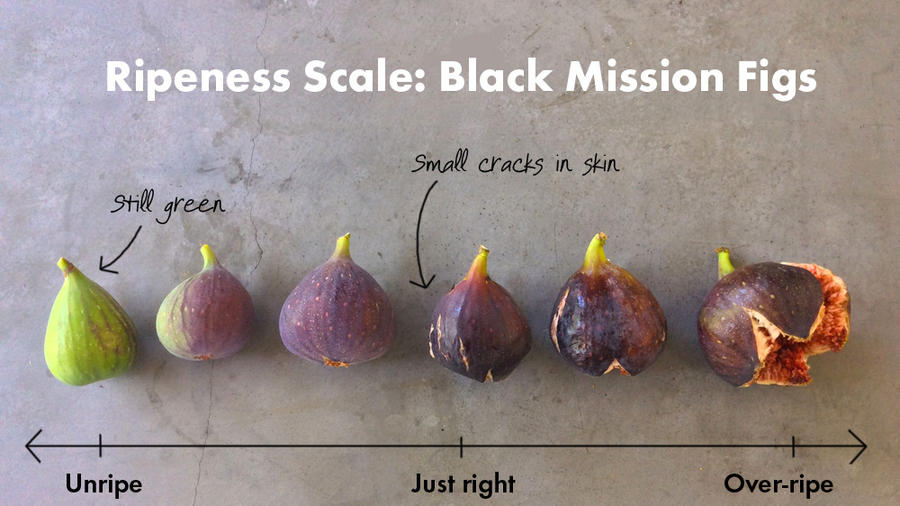
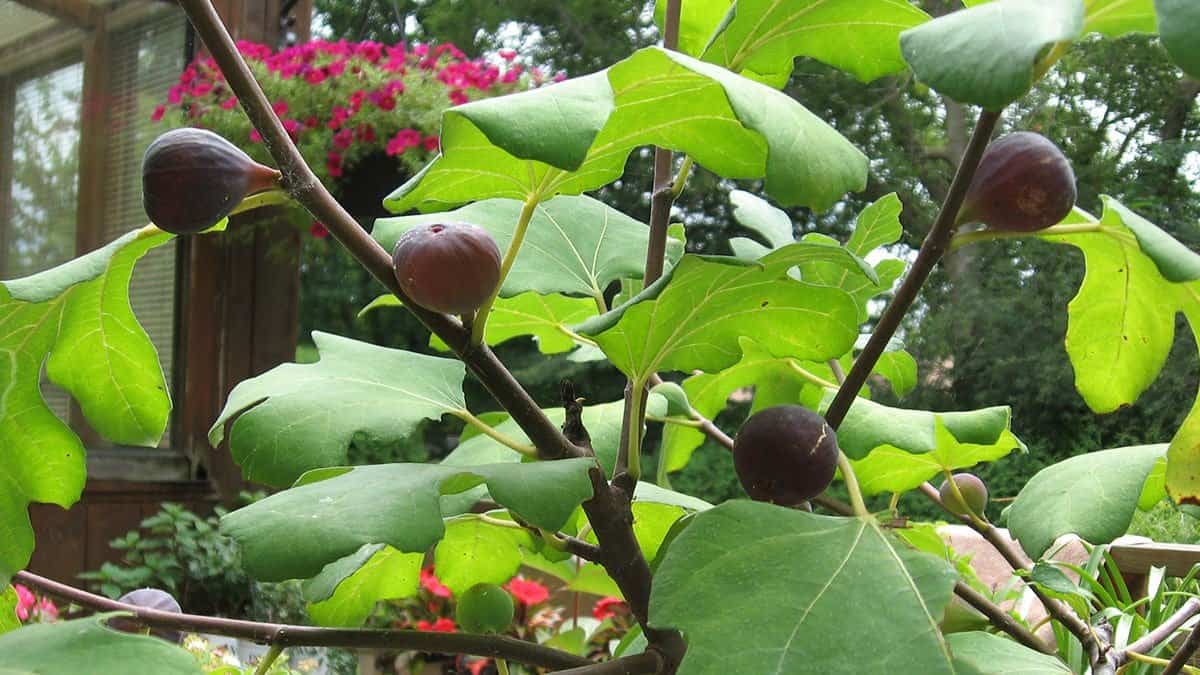
Figs ripen fully on the tree – they don’t continue after picking. Indicators:
- Color change to variety-specific hue.
- Soft to touch, slight droop.
- Neck softens; easy to twist off.
Harvest daily in peak season; eat fresh, dry, or preserve. Store briefly in fridge but best at room temperature.
Propagating Your Own Fig Trees (Bonus for Enthusiasts) 🌱
Sharing figs is easy and rewarding.
Simple method: Take 6-8 inch semi-hardwood cuttings in late summer or dormant hardwood in winter. Dip in rooting hormone, plant in moist perlite/sand mix, and keep humid under plastic. Roots form in 4-8 weeks; pot up when established.

Troubleshooting Common Fig Tree Problems 🔍
Quick-reference table:
| Symptom | Likely Cause | Solution |
|---|---|---|
| Yellow leaves | Overwatering or nutrient deficiency | Check drainage; adjust watering; fertilize balanced |
| No fruit | Young tree, excess nitrogen, insufficient sun | Wait 2-3 years; reduce nitrogen; ensure 8+ hours sun |
| Leaf drop | Normal in fall/winter or stress (transplant, drought) | Monitor; improve conditions |
| Split fruit | Irregular watering | Consistent deep watering |
| Small fruit | Overcrowding or heat stress | Thin fruits; provide shade/mulch |
Expert Tips for Thriving Fig Trees 🌟
- Root-prune container trees every 3-4 years to refresh soil and encourage fruiting.
- Companion plant with lavender or marigolds to deter pests.
- Train as espalier against south-facing walls for heat and space-saving.
- Pinch growing tips in early summer for bushier growth.
- Use reflective mulch to increase light and warmth.
- Test soil pH annually – figs prefer slightly alkaline.
- Protect young fruit from birds with organza bags.
- Fertilize after harvest to build reserves for next year.
- Monitor for ants – they’re often a sign of scale.
- Enjoy breba crop even if main crop fails in cool summers.
Seasonal Care Calendar:
| Season | Key Tasks |
|---|---|
| Spring | Plant, fertilize, prune lightly if needed |
| Summer | Water deeply, harvest breba/main crop, monitor pests |
| Fall | Reduce water, harvest late crop, prepare protection |
| Winter | Dormancy – protect in cold zones |
FAQs ❓
Can I grow a fig tree in a pot indoors? Yes – dwarf varieties thrive in bright windows or under grow lights. Move outdoors in summer.
How long until my fig tree bears fruit? 2-3 years from nursery stock; 1-2 years from cuttings.
Why is my fig tree dropping fruit? Stress: heat, drought, or overbearing – thin if needed.
Are fig trees toxic to pets? The sap and leaves can irritate; fruit is safe for dogs/cats in moderation.
How big do fig trees get? 10-30 feet unpruned; easily maintained at 6-10 feet.
Do fig trees need two for pollination? No – common varieties are self-fertile.
Why are my figs sour or dry? Harvested too early or insufficient water/sun.
Can figs grow in shade? They tolerate partial shade but fruit poorly.
How often should I repot container figs? Every 3-5 years or when rootbound.
What’s the best way to overwinter figs in Zone 6? Heavy mulch + wrapping or garage storage for pots.
Conclusion 🎉
Growing fig trees is one of gardening’s greatest joys – with proper care, your tree will reward you with lush foliage and bountiful, sweet fruit for decades. By understanding variety selection, consistent watering and feeding, strategic pruning, seasonal protection, and quick troubleshooting, you’ll avoid common pitfalls and enjoy home-grown figs like never before.
Start small if you’re new, choose a hardy variety suited to your zone, and watch your tree thrive. Gardening is a journey – share your fig successes (and questions!) in the comments below. Happy growing! 🌳🍈











