
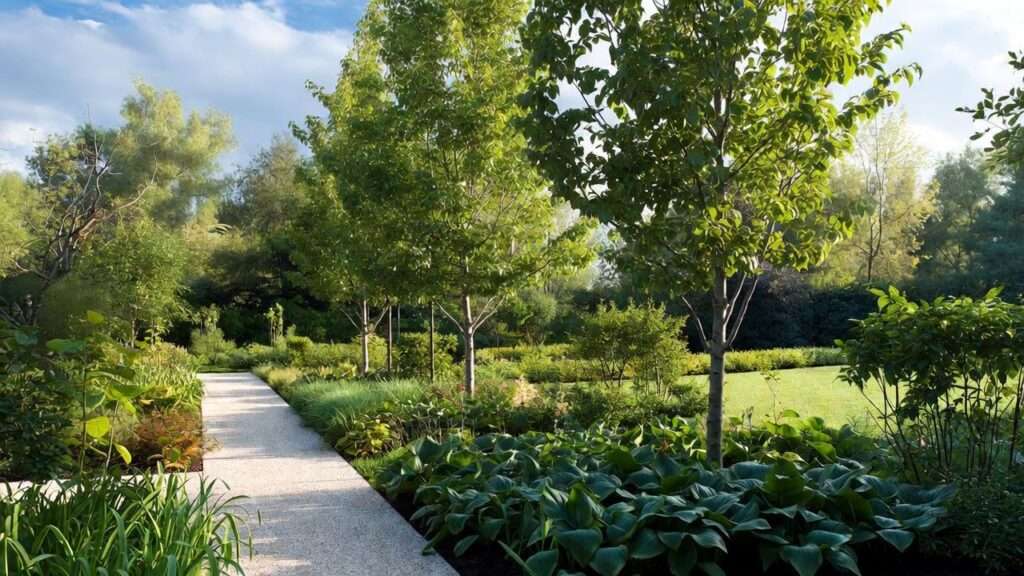
Staring at your tiny yard and feeling boxed in? You’re not alone—many homeowners in urban or suburban settings dream of a more spacious outdoor retreat without the hassle (or expense) of moving or major renovations. The secret isn’t adding more square footage; it’s mastering optical illusions through thoughtful landscaping and strategic plant care. How to visually enlarge a small yard becomes achievable when you use plants to create depth, height, blurred boundaries, and layered interest. These techniques draw the eye outward and upward, making even the most compact space feel dramatically larger, more inviting, and full of life. 🌱
As a plant and tree care expert with years of experience transforming cramped gardens into serene escapes, I’ve seen firsthand how the right greenery and design principles can boost relaxation, enhance curb appeal, and even increase property value—all while improving air quality and supporting local biodiversity. In this comprehensive guide, we’ll dive deep into proven strategies rooted in horticultural science and garden psychology. You’ll get actionable plant recommendations, care tips, common pitfalls to avoid, and a step-by-step plan to implement changes that deliver real results over seasons. Let’s turn your small yard into a spacious-feeling oasis! ✨
Why Small Yards Feel Cramped—and How Plants Fix It 🍃
Small yards often feel confining due to straight boundaries, uniform scale, and visible edges that limit perspective. Our eyes perceive enclosed, flat spaces as smaller because there’s no sense of depth or mystery. Enter plants: they manipulate visual perception brilliantly. Large foliage creates bold foreground interest that contrasts with distant elements, pushing the eye farther. Vertical growth draws attention upward, making the space feel taller. Airy, see-through plants add hazy layers that blur horizons, while curves and diagonals guide the gaze on a longer journey.
Beyond illusions, plant-based solutions are sustainable and low-cost compared to hardscaping overhauls. They promote mental well-being (studies show greenery reduces stress), attract pollinators, and provide seasonal interest. The best part? With proper plant care—like right soil prep, watering, and pruning—these effects strengthen over time as plants mature. 🌳
Core Landscaping Principles to Create the Illusion of Space 🛤️
Use Diagonal Lines and Curves Instead of Straight Edges
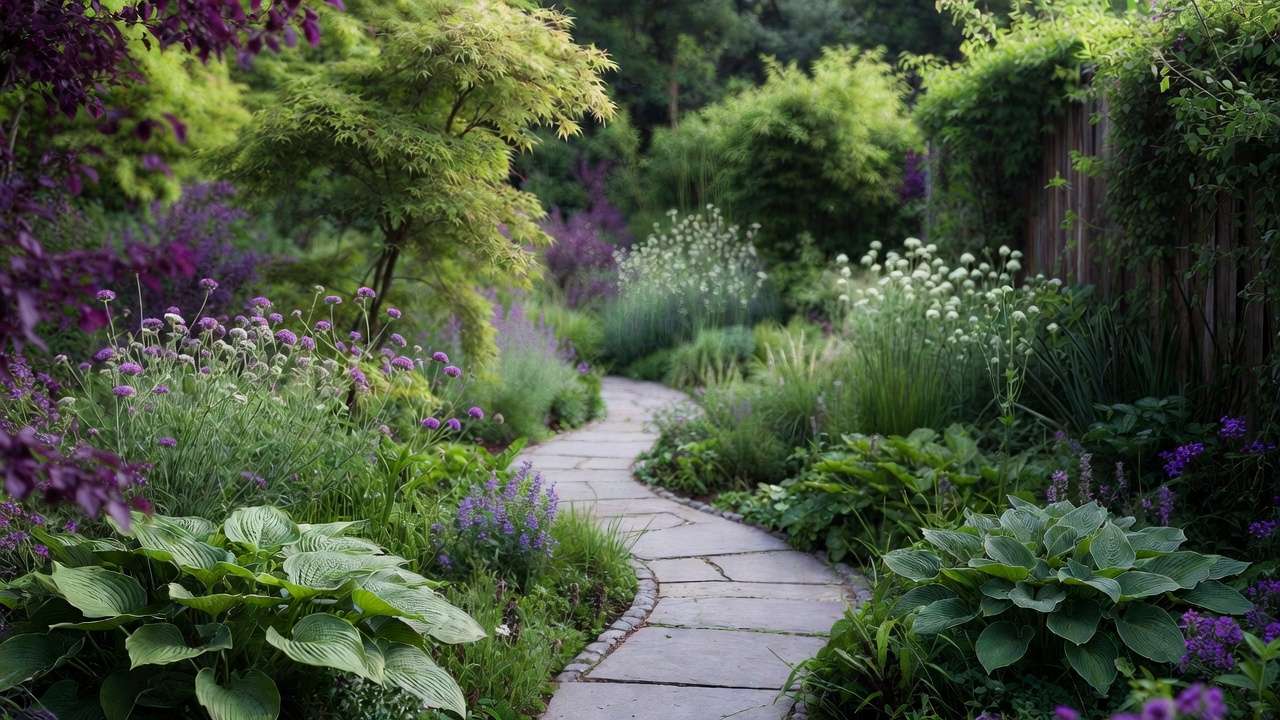
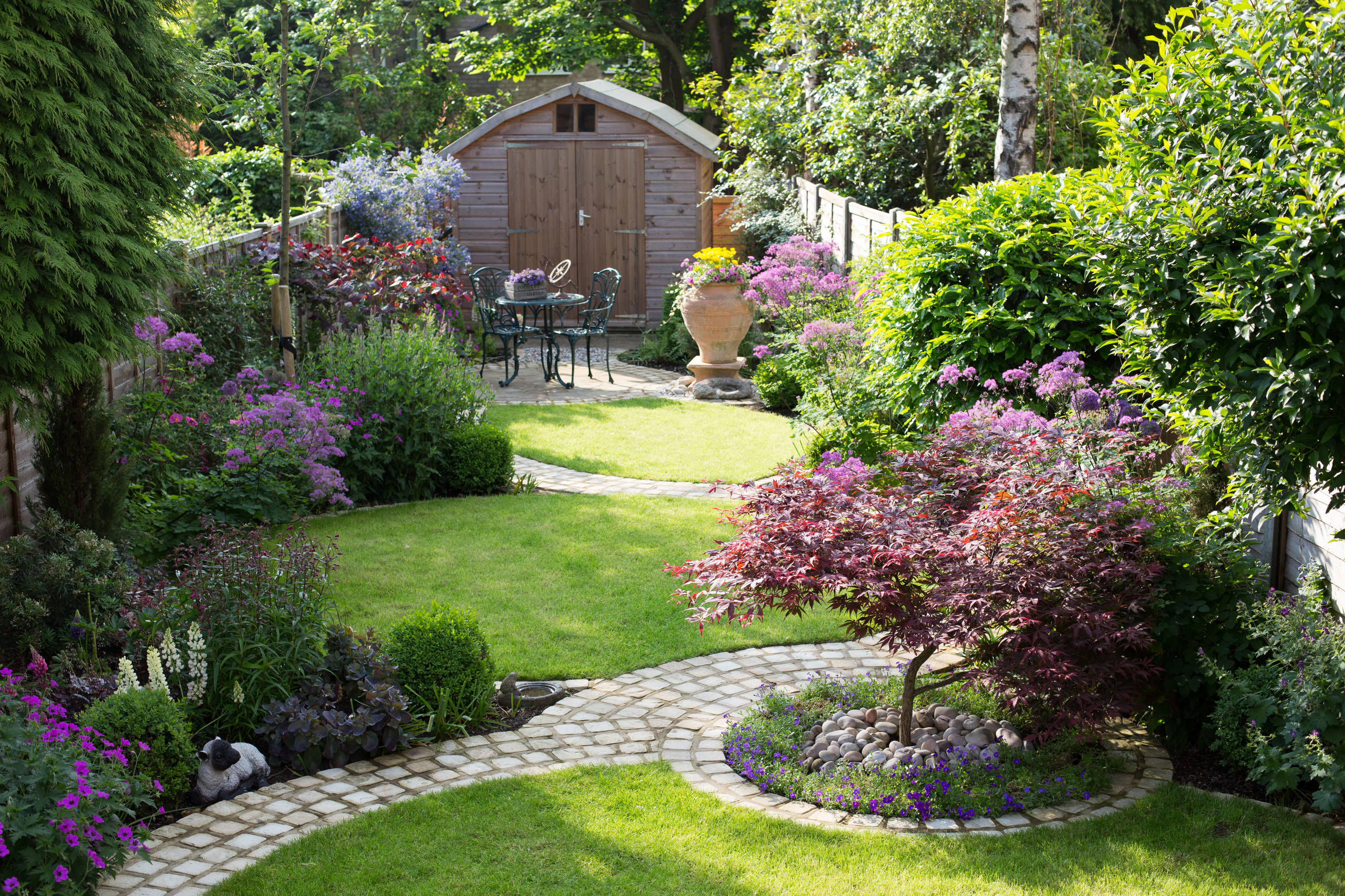
Straight lines reveal boundaries quickly, shrinking perceived space. Diagonals and gentle curves extend the view by leading the eye on a winding path. Lay pavers, gravel paths, or lawn edges at 45-degree angles from your viewing point (like your patio or window). Curved borders soften hard edges and create natural flow. This simple shift can make a yard feel 20-30% longer—try it with a hose outline first! 🚶♂️
Divide into Zones for “Outdoor Rooms”
Counterintuitively, breaking a small yard into mini-zones makes it feel bigger by hiding the full layout. Create “rooms” with tall plants, low hedges, or screens: a cozy seating nook, a reading corner with a bench, or a mini herb garden. This adds discovery—each zone feels like a new destination. Use slim evergreens or climbers for separation without eating ground space.
Add Levels and Layers for Depth
Multi-level elements add dimension. Build raised beds, terraced sections, or sunken patios to interrupt flatness. Layer planting: tall trees or shrubs at the back, medium-height perennials in the middle, and low groundcovers upfront. This foreground-to-background progression mimics natural landscapes, enhancing depth illusion. 🌄
Smart Plant Selection: The Secret Weapon for Bigger Impact 🌿
Plants are your primary tool for visual expansion—choose wisely for scale, texture, and growth habit.
Go Big with Bold Foliage Plants
Large leaves create dramatic scale contrast, making nearby elements recede and space expand. Favorites include:
- Hostas (shade-loving, lush varieties like ‘Sum and Substance’)
- Gunnera manicata (giant rhubarb—huge leaves for dramatic impact in moist spots)
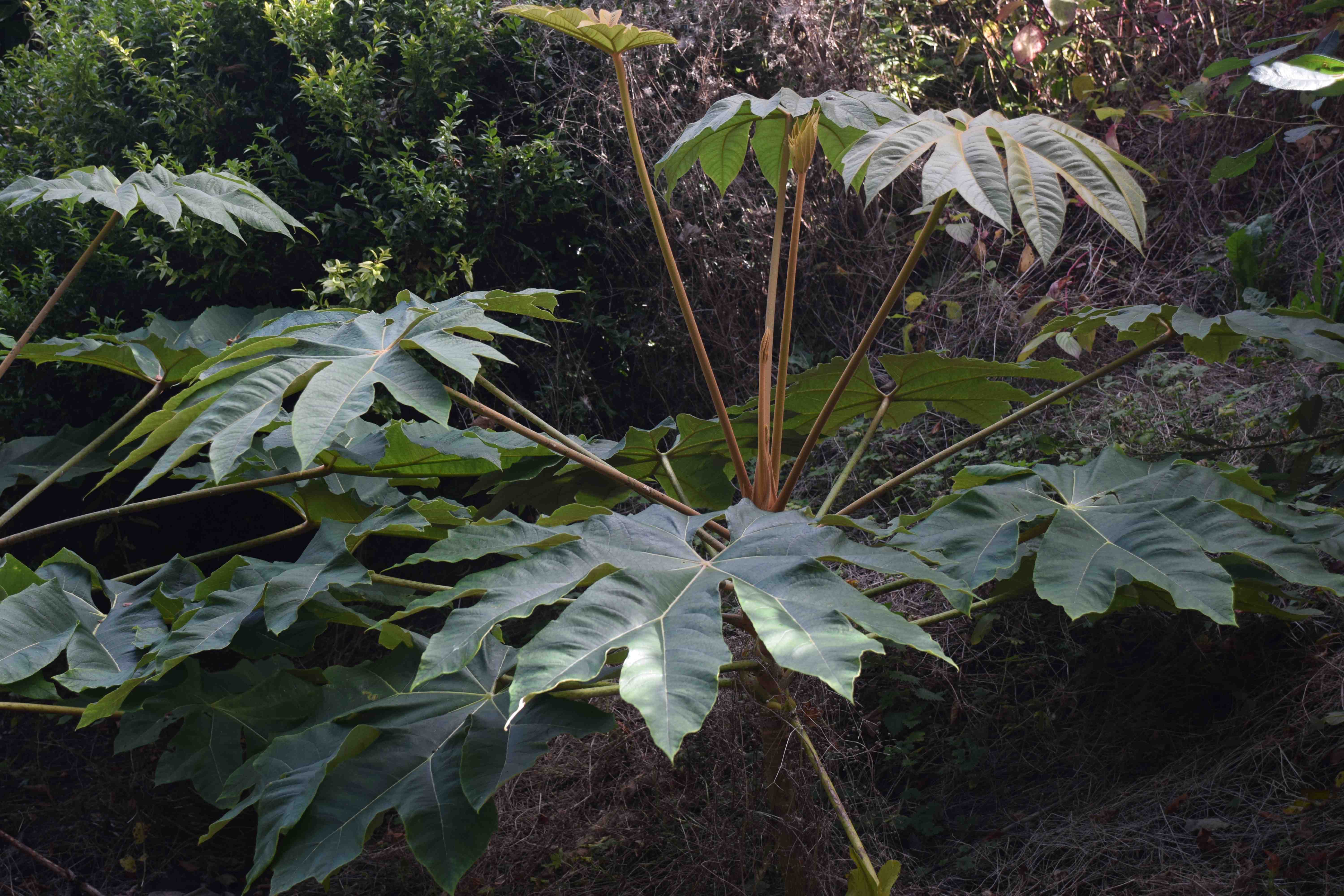
- Tetrapanax papyrifer (rice-paper plant—tropical vibe with massive, architectural foliage)
- Hardy bananas or large-leafed palms in warmer zones.
Care tips: Plant in rich, well-drained soil; mulch heavily to retain moisture; prune dead leaves for tidy appearance. These bold plants anchor the design and draw eyes forward. 🪴
Plant Vertically to Blur Boundaries ⬆️
Climbers disguise fences and walls, extending views upward and outward. Top picks:
- Star Jasmine (fragrant, evergreen in mild climates)
- Clematis (vibrant blooms, various seasons)
- Climbing roses or passionfruit (edible flowers/fruits bonus)
- Evergreen alternatives like ivy (controlled growth).
Use trellises, wires, or arbors for support. Train plants to cover boundaries fully for seamless extension.

Incorporate Tall, Slender Trees and Grasses for Height Without Bulk 🌳
Slim verticals add privacy and drama without crowding ground space. Recommendations:
- Japanese maples (delicate foliage, stunning color)
- Columnar evergreens or clumping bamboo
- Ornamental grasses like Miscanthus sinensis ‘Gracillimus’ or Stipa tenuissima (feathery movement).
Tree care: Install root barriers in tight spots; stake young trees; prune annually for shape.
Layer with See-Through and Airy Perennials ✨
Plants like Verbena bonariensis, alliums, Nepeta, or Salvia create hazy, filtered views that add mystery and depth. Light penetrates, preventing heaviness. Deadhead regularly for continuous blooms; divide clumps every 3-4 years.
Reflective and Light-Colored Plants for Brightness
Silver-leaved plants (Lavandula, Artemisia) or variegated foliage reflect light, brightening shady areas. Pair with small water features for double reflection.
Additional Tricks: Hardscaping, Color, and Lighting 🪞✨
While plants do the heavy lifting, a few complementary elements can amplify the illusion of space without overwhelming your small yard.
- Choose large-format or diagonal hardscaping Instead of small, grid-like pavers that create visual repetition and confinement, opt for larger slabs, flagstones, or concrete poured in irregular shapes. Lay them diagonally to stretch the eye across the longest dimension of your yard. This single change can make the space appear noticeably wider and deeper.
- Strategic use of mirrors and reflective surfaces A well-placed outdoor mirror (weatherproof, framed securely) on a fence or wall can double the perceived depth by reflecting greenery back into the yard. Position it to capture the most attractive planting area or a borrowed view (like a neighbor’s tree). For safety and subtlety, angle mirrors slightly downward so birds don’t fly into them. Small water features—birdbaths, shallow fountains, or even a reflective black pond liner—create similar doubling effects while adding soothing sound.
- Lighting that draws the eye upward Uplighting on tall trees, slender grasses, or climbers creates dramatic vertical shadows and highlights at night, making the space feel taller and more expansive after dark. String lights draped across trellises or pergolas pull attention upward rather than inward. Use warm LED bulbs (2700–3000K) for a cozy feel that doesn’t overpower the natural greenery. 🌙
- Color strategy: Keep it calm and cohesive A limited palette of greens with occasional soft pastels or whites prevents visual clutter. Too many bright, contrasting colors can make a small yard feel busy and smaller. Silver, chartreuse, and variegated foliage add brightness without heaviness.
Common Mistakes to Avoid 🚫
Even the best intentions can backfire if you fall into these traps:
- Planting only small-scale or tiny-leafed plants throughout This creates a uniform, miniature look that emphasizes the yard’s small size.
- Building straight, short paths that stop abruptly at the boundary Your eye immediately registers the end of the space.
- Using dark fences, black soil, or heavy materials everywhere Dark colors absorb light and visually close in the area.
- Overcrowding without a plan Young plants look sparse at first, but many homeowners panic and overplant—leading to a tangled, chaotic mess in just 2–3 years.
- Ignoring maintenance Unpruned climbers swallowing structures or overgrown shrubs blocking paths destroy the illusion quickly.
Avoid these pitfalls and your yard will continue to feel open and inviting for years.
Step-by-Step Implementation Plan 🛠️
Ready to get started? Follow this realistic, phased approach:
- Assess your space (1–2 days)
- Measure sun/shade patterns throughout the day.
- Test soil pH and drainage (simple kits from garden centers work well).
- Note existing hardscape, views you want to borrow, and trouble spots (e.g., ugly fence, utility boxes).
- Take “before” photos from multiple angles.
- Sketch a simple plan (1 evening) Draw your yard to scale on graph paper or use free apps like Garden Planner. Mark:
- Viewing points (patio, windows, doors)
- Diagonal sight lines
- Zones (seating, planting, paths)
- Vertical elements (trellises, trees)
- Layered planting beds
- Phase 1: Quick wins (first month, low budget)
- Install trellises or wires and plant fast-growing vertical climbers.
- Add a few large-leafed perennials or potted bold foliage plants.
- Lay out diagonal path outlines with a hose or string.
- Paint or cover one boundary fence a light color (or plant climbers to hide it).
- Phase 2: Structural planting (months 2–6)
- Plant slender trees or tall grasses at back corners.
- Create layered beds with mid-height and airy perennials.
- Build raised beds or small terracing if budget allows.
- Phase 3: Finishing touches (ongoing)
- Add reflective elements, lighting, and seating.
- Mulch everything to retain moisture and suppress weeds.
- Observe how light and seasons change the feel—adjust as needed.
This phased plan prevents overwhelm and lets you enjoy progress along the way.
Plant Care Maintenance Tips for Long-Term Success 🌱
The illusion only lasts if plants stay healthy and shapely.
- Water deeply but infrequently — encourages deep roots and lush growth. Use soaker hoses or drip irrigation to avoid wet foliage diseases.
- Mulch generously (2–3 inches of organic mulch) — conserves water, moderates soil temperature, and feeds plants slowly.
- Fertilize smartly — Use balanced slow-release granular fertilizer in spring; supplement with liquid seaweed or fish emulsion during peak growth for vibrant foliage.
- Prune strategically — Remove crossing branches and shape climbers/trees annually to maintain openness and scale. Late winter/early spring is ideal for most deciduous plants.
- Monitor for pests/diseases — Check undersides of large leaves regularly. Neem oil or insecticidal soap handles most issues early.
- Divide perennials every 3–4 years — Keeps airy plants from becoming dense clumps that block views.
Consistent care turns good plants into spectacular ones that keep expanding your perceived space.
Real-Life Examples and Case Studies 📸
- Urban balcony-turned-retreat (Zone 7) A 10×12 ft concrete balcony felt claustrophobic. Solution: Vertical black wire trellises covered in star jasmine and clematis, large potted tetrapanax and hostas, diagonal stepping stones, and a slim Japanese maple in the corner. Result: Feels like a lush private garden instead of a slab.
- Narrow side yard transformation (Zone 9) A 6-ft-wide passage was dark and useless. Clumping bamboo along one side, layered Verbena bonariensis and silver Artemisia, uplighting, and a small wall mirror created depth and privacy. Now it’s a favorite “secret garden” walkway.
- Suburban backyard corner (Zone 6) Cramped 20×25 ft yard with chain-link fence. Replaced fence line with tall ornamental grasses and columnar evergreens, added curved gravel path, large-leaf gunnera focal point, and string lights. Owners report it now feels “twice as big” and far more relaxing.
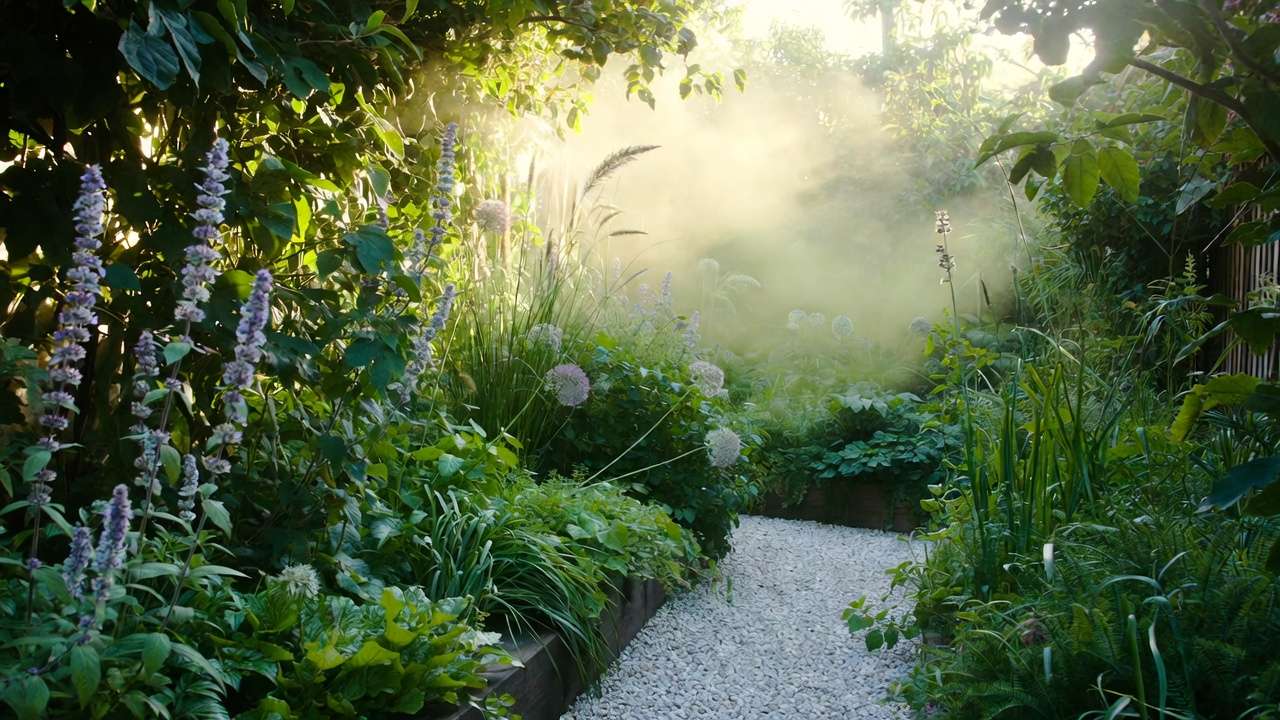
These examples show the principles work across different climates and budgets.
FAQs ❓
What if my yard is mostly shaded? Focus on shade-tolerant large-leaf plants (hostas, fatsia, rodgersia), silvery variegated foliage (Brunnera ‘Jack Frost’), and vertical ferns or ivy. Use pale hardscaping and mirrors to bounce light.
Can I do this on a tight budget? Absolutely! Start with fast-growing annual climbers (sweet peas, morning glory), divide existing perennials, use recycled materials for trellises, and buy small nursery plants—they grow quickly.
What are the most low-maintenance plants for this effect? Clumping bamboo, Miscanthus grasses, star jasmine, Nepeta, Verbena bonariensis, and columnar evergreens like ‘Sky Pencil’ holly require minimal pruning and watering once established.
How do I handle small pets or kids in a plant-heavy yard? Choose non-toxic plants (avoid true lilies, sago palms), use sturdy trellises, and create clear paths. Many bold foliage plants (hostas, bananas) are surprisingly pet-resistant.
Conclusion 🌟
With thoughtful plant care, strategic layering, vertical elements, and a few clever design tricks, your small yard can feel like a spacious, tranquil retreat. The beauty of these techniques is that they evolve—plants mature, seasons change, and the sense of expansion deepens over time. Start small: plant one bold foliage specimen or run a diagonal path this weekend. You’ll be amazed how quickly the space begins to breathe.
Have you tried any of these ideas already? Share your small-yard transformation in the comments—I’d love to hear what worked for you! For more expert plant care guides, tree selection tips, and seasonal advice, subscribe or bookmark our site. Here’s to making every square foot feel like a luxury escape. 🌿✨











