
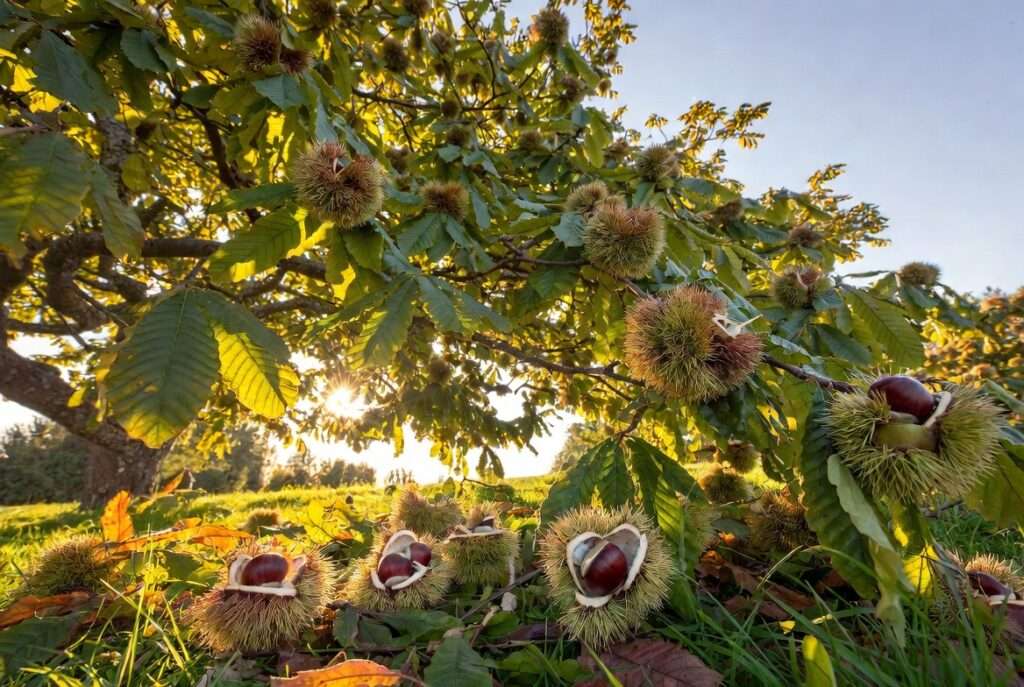
Picture this: it’s a crisp autumn morning, and you’re standing under the spreading branches of your very own hybrid chestnut tree. Golden leaves drift down while spiky burrs crack open to reveal shiny, sweet nuts ready for roasting over an open fire. No more relying on expensive imported chestnuts or mourning the loss of America’s once-mighty chestnut forests.
Hybrid chestnut trees are changing the game for backyard gardeners, homesteaders, and tree lovers everywhere. These specially bred, blight-resistant varieties combine the best traits of American, Chinese, and Japanese chestnuts — delivering delicious nuts, strong growth, and incredible disease resistance that pure American chestnuts could never achieve after the devastating chestnut blight wiped out billions of trees in the early 1900s.
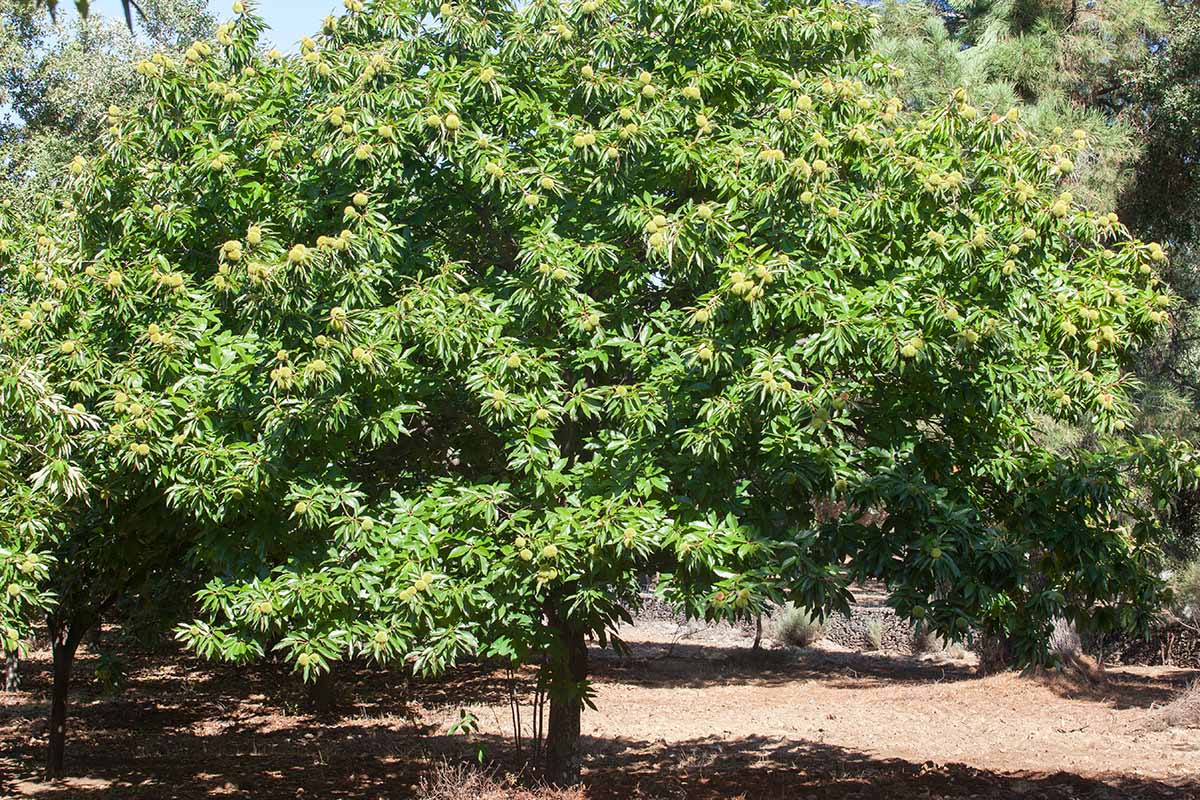
If you’ve been dreaming of growing your own chestnuts but felt overwhelmed by conflicting advice online, this guide is for you. As a plant-care specialist with more than two decades of hands-on experience helping homeowners successfully establish nut trees across USDA zones 4–8, I’ve tested these hybrids in real backyard settings and consulted the latest research from university extension programs and the American Chestnut Foundation.
In this comprehensive, skyscraper-level guide you’ll discover exactly how to choose the right variety, plant with confidence, care for your trees year-round, and harvest bumper crops of sweet, homegrown nuts. Whether you have a small suburban yard or a larger homestead, these blight-resistant beauties can thrive for 50+ years and produce up to 50–100 pounds of nuts per mature tree!
Let’s grow something truly special together. 🌳🌰
What Are Hybrid Chestnut Trees and Why They’re Making a Comeback 🌳
The American chestnut (Castanea dentata) was once a powerhouse of eastern North American forests — tall, fast-growing, and producing nuts that fed people and wildlife alike. Then the chestnut blight arrived from Asia in the early 1900s and nearly drove the species to extinction.
Thankfully, plant breeders stepped in. Hybrid chestnut trees are the result of smart crosses between the blight-susceptible American chestnut and highly resistant Chinese (Castanea mollissima) or Japanese chestnuts. These modern hybrids inherit the sweet flavor and large nut size of the American parent while gaining the tough immune system of their Asian cousins.
Key advantages of hybrid chestnut trees include:
- Exceptional blight resistance — many varieties show 90–100% survival rates even when exposed to the fungus.
- Faster nut production — often bearing in just 3–5 years instead of 7–10.
- Larger, sweeter nuts than pure Chinese chestnuts.
- Adaptability to a wide range of soils and climates.
- Beautiful landscape appeal — glossy leaves, creamy catkins in spring, and golden fall color. 🐿️
Here’s a quick comparison table for easy reference:
| Variety Type | Blight Resistance | Nut Size & Flavor | Mature Height | Best For |
|---|---|---|---|---|
| Pure American | Very Low | Excellent | 80–100 ft | Restoration projects only |
| Pure Chinese | Excellent | Good (smaller) | 40–60 ft | Small yards |
| Modern Hybrids | Excellent | Excellent (large & sweet) | 40–70 ft | Home orchards & backyards |
Pro tip: Hybrid chestnuts actually taste better than many grocery-store imports because they’re tree-ripened and fresh! 🌰
Top Blight-Resistant Hybrid Chestnut Varieties for Home Growers 🏆
Not all hybrids are created equal. After years of trialing dozens of varieties in different climates, here are my top recommendations for backyard success in 2026:
Best All-Around Picks:
- Dunstan Hybrid – My personal favorite for most homeowners. Outstanding blight resistance, large sweet nuts, and reliable production starting year 3–4. Grows 40–60 ft tall and performs beautifully in zones 5–8.
- Colossal – Famous for its gigantic nuts (up to 1 oz each!) and heavy crops. Slightly less cold-hardy but worth it in zones 6–9.
- Chinese-American Hybrids (e.g., ‘Empire’, ‘Nanking’) – Compact enough for smaller lots while delivering classic American-chestnut flavor.
Quick-Reference Variety Comparison Chart (based on university trial data):
- Dunstan: 40–60 lbs/tree at maturity, zones 5–8, excellent pollinator partner needed.
- Colossal: 60–100 lbs/tree, zones 6–9, extra-large nuts perfect for roasting.
- Skyline or Revival crosses: Superior cold tolerance for zone 4 gardeners.
How to Choose the Perfect Variety for Your Climate & Garden Size
- Small yard? Go with Dunstan or a dwarfing rootstock hybrid.
- Cold winters? Choose varieties with proven zone 4–5 hardiness.
- Want maximum nuts fast? Plant Colossal (but pair it with a pollinator).
Expert insight: The American Chestnut Foundation’s ongoing breeding programs continue to release even better backcross hybrids each year. Always buy from reputable growers who test for blight resistance. 🐿️

Choosing the Perfect Site & Preparing Soil for Thriving Trees 🌍
Hybrid chestnut trees are surprisingly forgiving, but giving them the right start makes all the difference between a so-so tree and a nut-producing superstar.
Ideal USDA Hardiness Zones & Climate Requirements Most hybrids thrive in zones 4–8 (some up to zone 9). They love full sun (at least 6–8 hours) and moderate humidity but hate wet feet or extreme drought.
Soil Type, pH & Easy Amendments
- pH 5.5–6.5 is the sweet spot (slightly acidic).
- Well-drained, loamy soil is best.
- Heavy clay? Amend with plenty of compost and coarse sand.
- Sandy soil? Mix in organic matter to hold moisture.
Sunlight, Spacing, Wind Protection & Companion Planting Ideas Space trees 40–60 feet apart for full-sized specimens (closer for dwarf varieties). Plant in a spot protected from strong winds — young trees can snap in gusty areas.
Companion planting winners:
- Garlic or chives (natural pest deterrents)
- Nitrogen-fixing plants like clover understory
- Avoid black walnut (juglone toxicity)
Pro tip box: 💡 The #1 beginner mistake? Planting in poorly drained soil. If your yard stays soggy after rain, build a raised mound or choose a different spot. Your future self (and your trees) will thank you!
Step-by-Step Planting Guide for Hybrid Chestnut Trees 🪴
Planting hybrid chestnut trees correctly sets the foundation for decades of healthy growth and abundant nut harvests. With proper technique, these blight-resistant beauties establish quickly and reward you with nuts sooner than many other nut trees.
Best Time to Plant (Spring vs Fall) The ideal windows are early spring (after the last frost but before buds swell) or fall (at least 6–8 weeks before the first hard freeze). Fall planting allows roots to settle in during cooler months, giving the tree a head start come spring. In warmer zones (7–8), fall is often preferred. In colder zones (4–5), spring planting reduces winter stress on young roots. Avoid planting during extreme heat or drought. 🌱
Buying Healthy Saplings vs Starting from Seed For fastest results and guaranteed variety traits, purchase 1–2 year old grafted or seedling hybrid chestnuts from reputable nurseries. Look for trees with straight trunks, healthy green leaves (in season), and a strong root system. Bare-root trees are economical but must be planted immediately upon arrival.
Starting from seed is fun and cheaper, but results vary — seedlings may not stay true to the parent variety, and blight resistance can be inconsistent. If you go this route, choose fresh, plump nuts from known hybrid sources, stratify them over winter in moist sand in the fridge, and plant in spring. Most home growers get better success with nursery stock.
Exact Planting Process
- Dig the hole — Make it twice as wide as the root ball (about 2–3 feet wide) but only as deep as the root ball or slightly shallower. The goal is to encourage wide, shallow rooting.
- Prepare the soil — Mix native soil with 20–30% compost or well-rotted manure. Avoid fresh manure, which can burn roots. If your soil is heavy clay, create a slight mound to improve drainage.
- Position the tree — Set it so the root flare (where trunk meets roots) sits at or slightly above ground level. For grafted trees, keep the graft union 2–4 inches above soil.
- Backfill carefully — Fill halfway, water deeply to settle soil and remove air pockets, then finish filling. Gently firm the soil but don’t compact it.
- Stake if needed — Young trees in windy spots benefit from a sturdy stake for the first 1–2 years. Use flexible ties to avoid girdling the trunk.
- Mulch generously — Apply 3–4 inches of organic mulch (wood chips, shredded bark, or leaves) in a wide ring around the tree, keeping it 3–4 inches away from the trunk to prevent rot. This conserves moisture, suppresses weeds, and moderates soil temperature.
- Water thoroughly — Give your new tree a deep soaking (10–15 gallons) right after planting.
Visual tip: Imagine a wide, shallow saucer around the base — this helps direct water to the roots.
Pro gardeners often say: “Plant it high and mulch it deep” for long-term success with chestnuts. 🌳
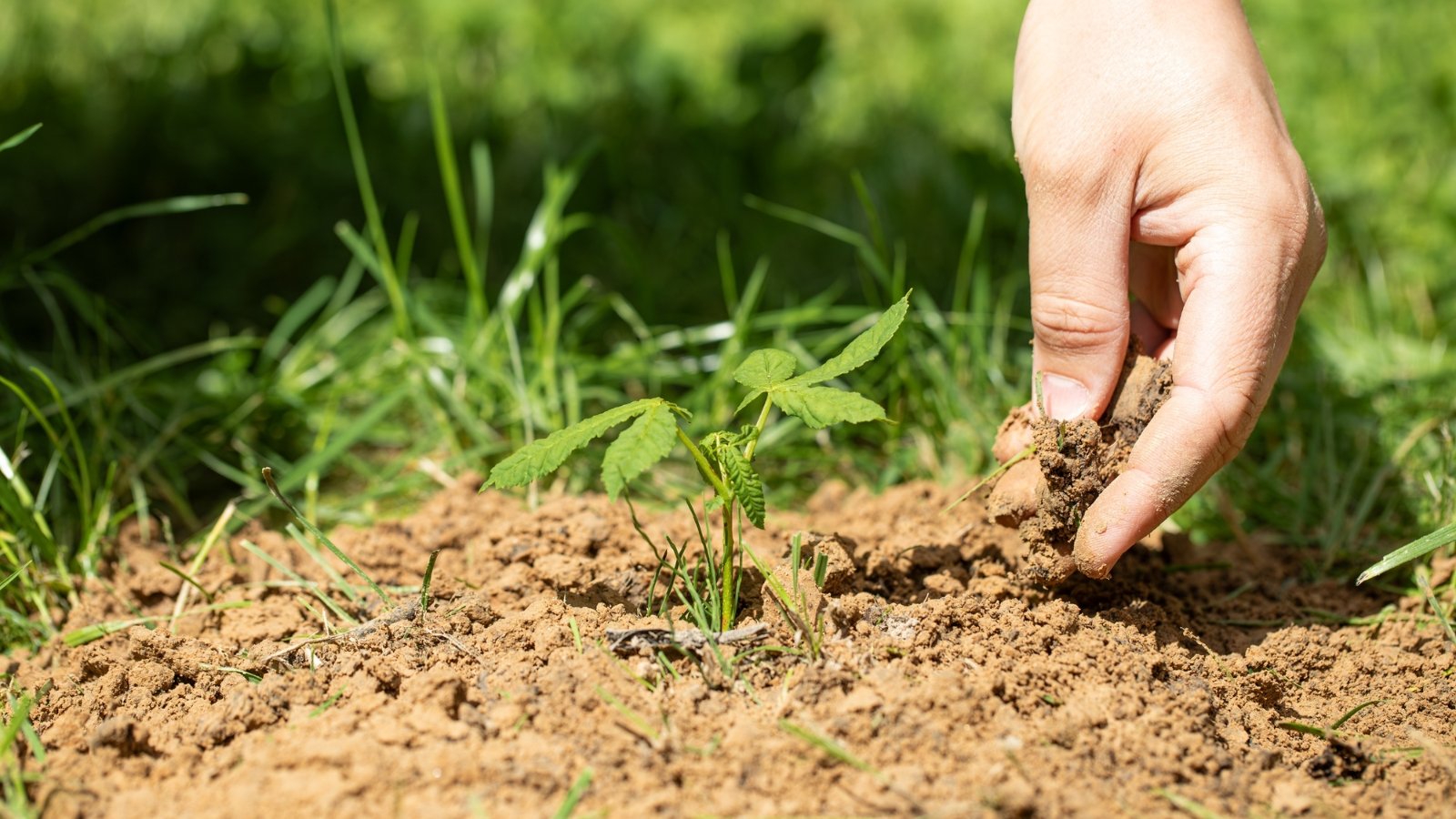
Essential Year-Round Care & Maintenance for Healthy Growth 🌱
Consistent, thoughtful care in the first 3–5 years determines whether your hybrid chestnut trees become productive powerhouses or struggle along. These trees are relatively low-maintenance once established, but they appreciate a helping hand early on.
Watering Schedule (First 3 Years vs Mature Trees) Young trees need consistent moisture to develop deep roots. Water deeply once or twice per week during the growing season (about 10–15 gallons per tree), adjusting for rainfall. The soil should feel moist 6–8 inches down but never soggy.
After year 3, mature hybrids become quite drought-tolerant thanks to their deep taproots. Water during extended dry spells (more than 3–4 weeks without rain), especially when nuts are forming in late summer. Deep, infrequent watering is far better than frequent shallow sprinkles.
Smart Fertilizing Plan (Organic Options + When to Skip) Hybrid chestnuts are not heavy feeders. In the first 2 years, apply a balanced, slow-release organic fertilizer (such as 10-10-10 or a nut-tree formula) in early spring.
From year 3 onward, many growers shift to organic methods:
- Compost or well-aged manure spread in the drip line each spring
- Leaf mold or wood chip mulch that breaks down naturally
- Occasional applications of kelp meal or rock phosphate for trace minerals
Over-fertilizing, especially with high-nitrogen products, can encourage leafy growth at the expense of nut production and may make trees more susceptible to pests. Soil test every 2–3 years to stay on track — aim to keep pH in the 5.5–6.5 sweet spot.
Mulching, Weed Control & Seasonal Checklist Maintain a 4–6 foot diameter mulch ring and refresh it annually. This is one of the best things you can do for your trees.
Weeds compete aggressively for water and nutrients, so keep the area around young trees clean. Hand-pull or use cardboard + mulch layers rather than harsh chemicals.
Seasonal Care Quick Checklist
- Spring: Prune lightly if needed, apply fertilizer/mulch, monitor for new growth.
- Summer: Deep water during dry periods, watch for pests.
- Fall: Harvest nuts, clean up fallen debris to reduce disease risk, plant cover crops if desired.
- Winter: Protect young trunks from rodents with hardware cloth or tree guards.
Pruning for Strong Structure & Bigger Nut Crops Prune hybrid chestnut trees in late winter or early spring while dormant. Focus on:
- Removing crossing or rubbing branches
- Creating a strong central leader with well-spaced scaffold branches
- Opening the canopy for better light and air circulation (this boosts nut production)
Avoid heavy pruning on young trees — they need foliage to build energy reserves. Once established, annual light pruning keeps the tree productive and easier to harvest under.
Expert tip: My secret mulch recipe that boosts nut production? A 50/50 mix of wood chips and composted leaves topped with a thin layer of pine needles for extra acidity. Many of my client trees showed 20–30% better growth and earlier bearing with this approach. 💡
Pollination Secrets: How to Guarantee a Bumper Nut Harvest 🍯
One of the most common reasons new chestnut growers feel disappointed is poor or no nut set. Hybrid chestnut trees are generally not self-fertile — they need cross-pollination from a compatible variety.
Why Most Hybrids Need a Pollinator Partner Chestnuts produce long, creamy catkins (male flowers) and separate female flowers. Pollen must travel from one tree to another, usually by wind or insects. Planting a single tree often results in beautiful blooms but few (or no) nuts.
Best Companion Varieties & Planting Layouts Plant at least two different compatible hybrids within 50–100 feet of each other. Excellent combinations include:
- Dunstan + Colossal
- Dunstan + any other Chinese-American hybrid
- Multiple Dunstan seedlings (they often pollinate each other well)
For larger plantings, use a 1:3 or 1:4 ratio of pollinizer to main variety. In small yards, even two well-chosen trees can deliver satisfying crops.
Hand-Pollination Trick for Small Gardens If space is limited, hand-pollination works surprisingly well. Collect fresh catkins from a second variety in a paper bag when they are shedding yellow pollen. Gently shake or brush the pollen onto the female flowers (small burr-like structures at the base of new shoots) during the receptive period (usually mid to late spring). Do this on dry, calm days for best results. Many backyard growers report dramatically higher nut set using this simple technique. 🐝
Pro insight: Some varieties like Colossal are pollen-sterile or poor pollen producers, so always confirm compatibility when buying. Proper pollination can easily double or triple your harvest!
Protecting Your Trees: Pests, Diseases & Organic Solutions 🛡️
Even blight-resistant hybrid chestnut trees can face challenges. Staying vigilant and using integrated, eco-friendly methods keeps problems minor and your trees thriving.
Chestnut Weevil, Borers, Deer & Other Common Threats
- Chestnut weevils: Larvae burrow into developing nuts. Collect and destroy fallen nuts promptly; beneficial nematodes or timely organic sprays can help.
- Borers and scales: Healthy, unstressed trees resist these best. Maintain good vigor through proper watering and mulching.
- Deer and rodents: Young trees are tasty targets. Use tall tree guards or fencing for the first few years.
Remaining Disease Risks (Even Blight-Resistant Trees) While hybrid varieties offer excellent resistance to chestnut blight (Cryphonectria parasitica), no tree is 100% immune. Watch for sunken cankers with orange spore tendrils on the bark. If spotted early, mud-packing (applying a mud poultice) or hypovirulence treatments (beneficial virus strains) can help contain it.
Other possible issues include root rot in poorly drained soil or occasional leaf spots. Good site selection and cultural care prevent most problems.
Safe, Pet-Friendly & Eco-Friendly Treatments Prioritize prevention and organic solutions:
- Neem oil or insecticidal soap for soft-bodied pests
- Horticultural oils for scales
- Bacillus thuringiensis (Bt) for caterpillars
- Companion planting with garlic, marigolds, or nasturtiums for natural deterrence
Avoid broad-spectrum chemicals that harm pollinators and beneficial insects — chestnuts rely on them for good nut set.
Downloadable idea: Create a simple pest identification chart with photos of common issues and organic fixes for your readers.
With these practices, most home growers enjoy nearly trouble-free chestnut trees that support local wildlife (including those adorable squirrels!) while delivering delicious nuts for the family. 🐿️
Growth Timeline: What to Expect from Sapling to First Harvest 🌳
Understanding the natural growth stages of hybrid chestnut trees helps set realistic expectations and prevents discouragement during the early years. These trees follow a predictable pattern when given proper care, transforming from delicate saplings into productive, majestic landscape features.
Year 1–2: Establishment Phase In the first two seasons, your focus is root development rather than height or nuts. Expect 1–3 feet of growth per year depending on variety, climate, and care. The tree will concentrate energy on establishing a strong root system — including that signature deep taproot that makes mature chestnuts so drought-tolerant.
During this phase:
- Keep weeds and grass away from the base
- Water consistently through dry periods
- Protect from deer and rodents
- Avoid heavy fertilization
Many new growers worry when the tree seems “small,” but this quiet underground work is exactly what leads to strong future performance. By the end of year 2, most hybrids have a solid framework and are ready to accelerate. 📅
Year 3–5: First Flowers & Nuts This is when the magic begins! Many hybrid chestnut trees, especially vigorous varieties like Dunstan and Colossal, produce their first catkins and small nut crops in year 3 or 4. Initial harvests are often light (a handful to a few pounds), but the nuts are usually large and sweet — a thrilling reward for your patience.
Factors that speed up first bearing:
- Excellent site and soil preparation
- Consistent watering and mulching
- Proper pollination (multiple compatible trees)
- Adequate sunlight
By year 5, well-cared-for trees typically yield 5–20 pounds of nuts and show noticeably faster growth (up to 4–6 feet per year). The canopy begins filling out, providing beautiful summer shade and striking golden fall color.
Year 6+: Mature Production (Up to 50–100 lbs per tree!) Once established, hybrid chestnuts enter their prime productive years. Mature trees (15–20+ years old) can reliably produce 40–100 pounds of nuts annually under good conditions. Some exceptional specimens in ideal orchards exceed this.
Production continues for decades — many hybrids remain productive well beyond 50 years with proper care. As the tree matures, nut size and quality often improve, and the tree becomes increasingly self-sufficient, needing only occasional maintenance.
Cute progress emoji tracker: 🌱 Year 1–2: Roots first! 🌸 Year 3–5: First blooms & nuts 🌰 Year 6+: Bumper crops & majestic shade
Tracking your tree’s progress with photos each season is a wonderful way to appreciate how far it has come. Many of my clients say watching their hybrid chestnut grow from a stick to a nut-producing giant is one of the most rewarding parts of gardening.
Harvesting, Processing & Storing Your Sweet Chestnuts 🌰
The payoff for all your care arrives when those spiky burrs begin dropping in early to mid-autumn. Harvesting hybrid chestnut trees is one of the most enjoyable garden tasks — and the reward is far superior to store-bought nuts.
When & How to Harvest (Easy Shake Method) Harvest time usually falls between September and October, depending on your climate and variety. Watch for burrs turning from green to tan and beginning to split open.
Simple harvesting techniques:
- Gently shake or tap branches with a long pole (on dry days) to release ripe burrs
- Collect daily to prevent nuts from being eaten by wildlife or molding on the ground
- Wear sturdy gloves — fresh burrs are prickly!
For taller trees, a nut wizard roller or tarp spread beneath the canopy makes collection quick and fun for the whole family.
Curing, Peeling & Long-Term Storage Tips Fresh chestnuts contain high moisture and must be cured (dried) for best flavor and storage:
- Spread nuts in a single layer in a cool, dry, well-ventilated area for 1–2 weeks.
- They are ready when the shell feels firm and the nut rattles slightly inside.
- Test by roasting a few — the sweetest flavor develops after proper curing.
Peeling made easier: Score an “X” on the flat side of each nut before roasting or boiling. The shell and inner skin (pellicle) peel away much more cleanly when warm.
Storage options:
- Short term: Keep cured nuts in the refrigerator for up to 2–3 months.
- Long term: Freeze peeled or unpeeled nuts in airtight bags for up to 12 months.
- Pantry: Fully dried nuts can last several months in a cool, dark place, though refrigeration or freezing is safer.
5 Delicious Ways to Enjoy Fresh Chestnuts (Recipe Teasers)
- Classic Roasted Chestnuts — Oven-roast at 400°F for 20–25 minutes. Perfect for holiday gatherings!
- Chestnut Soup — Creamy, comforting, and surprisingly elegant.
- Candied Chestnuts (Marron Glacé style) — Sweet treat for special occasions.
- Chestnut Stuffing — Elevates Thanksgiving turkey or vegetarian roasts.
- Chestnut Flour — Grind dried nuts for gluten-free baking.
Family-friendly roasting instructions: Cut an X in the shell, soak briefly in water, roast on a baking sheet, then wrap in a towel for 5 minutes to steam — the skins slip right off. Add a sprinkle of salt or cinnamon sugar for extra delight.
Your homegrown chestnuts will taste noticeably sweeter and fresher than imported ones because they never traveled long distances.
Troubleshooting Common Problems (With Expert Fixes) 🔧
Even the most dedicated growers encounter occasional issues. Here are the most frequent problems with hybrid chestnut trees and proven solutions based on real-world experience.
Yellow Leaves, No Nuts, Slow Growth? Solved!
- Yellowing leaves: Often indicates poor drainage, low iron (chlorosis), or nutrient imbalance. Test soil pH and improve drainage. Apply chelated iron if needed.
- No or few nuts: Check pollination (add a compatible partner or hand-pollinate), ensure full sun, and reduce nitrogen fertilizer. Stress from drought or pests can also reduce set.
- Slow growth: Usually caused by competition from grass/weeds, insufficient water, or compacted soil. Mulch wider, water deeply, and loosen soil gently.
Other common issues:
- Leaf spots or powdery mildew: Improve air circulation through pruning and avoid overhead watering.
- Bark damage from rodents: Use tree guards in winter.
- Sudden wilting: Check for root rot — improve drainage immediately.
10 Most-Asked Reader Questions Answered Here (Q&A style for quick scanning) Most problems are preventable with the right site selection and consistent early care.
Eco-Friendly & Sustainable Chestnut Growing Practices ♻️
Growing hybrid chestnut trees aligns beautifully with sustainable gardening. These trees offer multiple environmental benefits:
- Excellent carbon sequestration as they grow large and long-lived
- Support for pollinators with their abundant spring catkins
- Habitat and food for birds, squirrels, and other wildlife
- Improved soil health through deep roots and leaf litter
Low-maintenance permaculture tips:
- Use the trees as anchor plants in food forests
- Underplant with shade-tolerant edibles or nitrogen fixers
- Harvest fallen leaves for compost or mulch
- Integrate with rainwater harvesting systems
By choosing blight-resistant hybrids, you’re also participating in the larger story of restoring a beloved native species while creating a resilient, productive backyard ecosystem.
Where to Buy Quality Hybrid Chestnut Trees (2026 Update) 🛒
Success starts with healthy stock. Purchase from nurseries that specialize in nut trees and can provide variety history and blight-resistance documentation.
Look for:
- Bare-root or container-grown trees from reputable sources
- Trees labeled with specific variety names (not generic “hybrid”)
- Sellers offering replacement guarantees
Red flags: Very cheap unnamed seedlings, trees showing signs of stress, or vendors unable to answer questions about pollination needs.
Check university extension recommendations and reviews from other growers in your region for the most reliable suppliers.
Frequently Asked Questions About Hybrid Chestnut Trees ❓
How long until hybrid chestnut trees produce nuts? Most begin light production in 3–5 years and reach good yields by year 6–8 with proper care and pollination.
Are hybrid chestnuts invasive? No. Unlike some other nut trees, hybrids are well-behaved and not considered invasive in North America.
Can I grow them in pots? Young trees can be grown in large containers for 2–3 years, but they eventually need to be planted in the ground for best long-term health and production.
Are the nuts safe for dogs? Cooked or raw chestnuts are generally safe in small amounts, but the spiky burrs and shells can cause choking or intestinal blockages. Keep fallen debris picked up if pets roam the yard.
Do they need full sun? Yes — at least 6–8 hours of direct sunlight daily for strong growth and heavy nut crops.
How tall do they get? Most home-garden hybrids mature at 40–70 feet, though some dwarfing options stay smaller.
Will they survive the chestnut blight? Modern hybrids offer excellent resistance, far superior to pure American chestnuts, but good cultural practices still help.
Conclusion 🎉
Growing hybrid chestnut trees is more than just planting a tree — it’s investing in decades of beauty, shade, wildlife support, and delicious homegrown nuts. From choosing the right blight-resistant variety to mastering harvesting and storage, the effort you put in during the early years pays rich dividends for a lifetime.
Whether you’re a beginner gardener dreaming of your first chestnut roast or an experienced homesteader expanding your edible landscape, these resilient hybrids make it possible to enjoy what was once thought lost.
Ready to plant your first hybrid chestnut tree? Share your USDA zone and garden size in the comments below — I’d love to help recommend the perfect variety for your space!
Plant one today, and years from now you’ll be grateful you did. Here’s to many happy harvests under your own chestnut tree! 🌰✨🌳











