
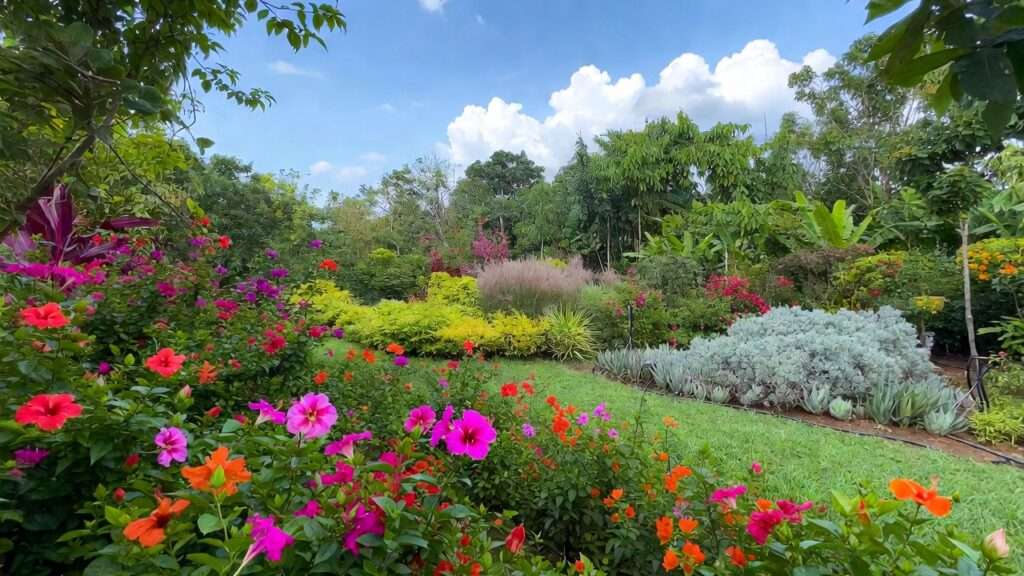
Imagine stepping into your garden on a hot afternoon, only to find patches of yellowing leaves next to overly lush, waterlogged spots — all because every plant gets the same sprinkler shower. 😩 Sound familiar? Many gardeners face this frustration: high water bills, stressed plants, root rot in some areas, and wilting in others. The culprit? Uniform watering that ignores the diverse needs of different plant groups.
Enter hydrozoning different plant groups — a game-changing approach to water-wise gardening. By grouping plants according to their similar water requirements (high, moderate, low, or very low), you deliver exactly what each needs: no more, no less. This simple yet powerful technique can cut outdoor water use by 20–60% (depending on your setup and climate), promote healthier roots, reduce maintenance time, and create a more resilient, beautiful landscape — even in regions facing seasonal dry spells or increasing water restrictions.
As a plant care expert with years of experience helping home gardeners and landscapers transition to sustainable practices, I’ve seen hydrozoning transform thirsty, high-maintenance yards into thriving, low-effort oases. In humid subtropical areas like Barisal Division (with its heavy monsoon rains followed by drier periods), hydrozoning is especially valuable — it prevents overwatering during wet seasons while ensuring survival through hotter, drier stretches. This comprehensive guide walks you through everything: definitions, benefits, detailed zone breakdowns, step-by-step implementation, real examples, pro tips, and tailored plant recommendations. Let’s turn your garden into a water-smart paradise! 🌱
What Is Hydrozoning and Why Does It Matter? 🤔
Understanding Hydrozoning: Beyond Basic Watering
Hydrozoning is the practice of grouping plants with similar water needs into distinct “hydrozones” in your landscape. Instead of one irrigation schedule for the entire yard, each zone gets customized watering — think deep, infrequent soaks for drought-tolerant natives versus frequent moisture for thirsty annuals.
This concept stems from xeriscaping and water-wise landscaping principles, popularized in arid regions but adaptable worldwide. It differs from traditional uniform watering (like a single sprinkler zone covering lawn, shrubs, and trees), which often leads to inefficiency: overwatering low-need plants causes rot, while underwatering high-need ones causes stress or death.
In essence, hydrozoning combines smart plant placement with efficient irrigation for maximum health and minimum waste.
The Real Benefits of Hydrozoning Different Plant Groups
Hydrozoning delivers measurable wins:
- Water conservation and lower bills 💰 — Studies and real-world applications show reductions of 20–50% in outdoor water use compared to conventional methods; in some cases up to 60% with optimized setups.
- Healthier plants 🌱 — No more root rot from soggy soil or drought stress; roots grow deeper and stronger.
- Easier maintenance — Fewer weeds (from targeted watering), less disease, and simplified schedules.
- Environmental wins — Reduced runoff, less nutrient leaching into waterways, and better support for pollinators via healthier native/adapted plants.
- Long-term resilience — Gardens withstand drought, heatwaves, or restrictions better — crucial as climates shift and water costs rise.
In humid tropical/subtropical areas like yours, hydrozoning shines by avoiding excess moisture buildup during monsoons while preparing for drier spells.
The Four Main Hydrozones: Grouping Plants by Water Needs 📊
Most experts divide landscapes into four hydrozones based on irrigation frequency and volume once plants are established.
High-Water Hydrozone (Routine Irrigation) – Plants That Love Frequent Moisture
These plants need regular, moderate to shallow watering — often every 2–4 days in peak heat, or more in containers/veggie patches.
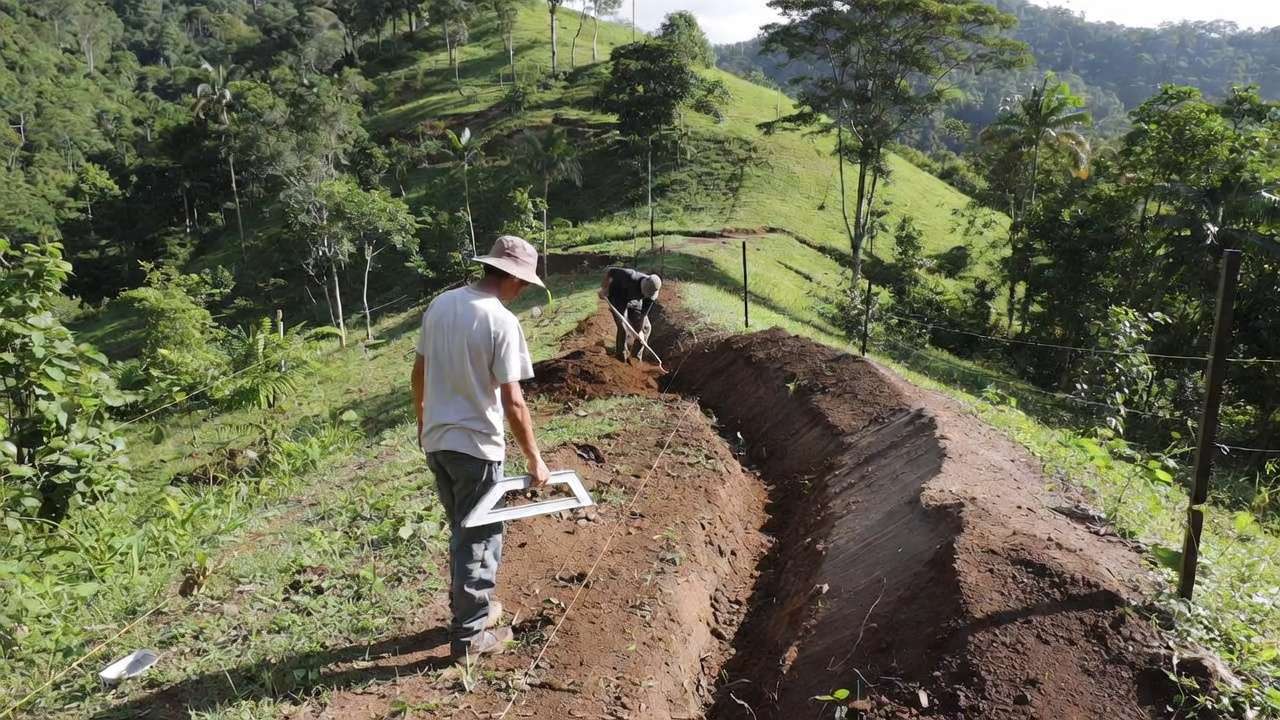
Characteristics: High evapotranspiration; shallow roots; thrive in consistently moist soil.
Common plant groups/examples 🌸:
- Turfgrasses (e.g., Bermuda, Zoysia — common in tropical areas)
- Annual flowers (petunias, marigolds, zinnias)
- Vegetables (tomatoes, leafy greens, cucumbers)
- Tropicals/ferns (hibiscus, elephant ears, certain palms in establishment phase)
- Water-loving trees/shrubs (some hydrangeas, certain willows if adapted)
Placement tips: Near high-use areas like patios, veggie gardens, or entrances for easy access.
Moderate-Water Hydrozone (Reduced Irrigation) – Balanced Moisture Lovers
Occasional deep watering — typically 1–2 times per week, adjusting for rainfall.
Characteristics: Medium needs; benefit from deep soaking to encourage root depth.
Plant examples: Most perennials (coneflower, daylily, salvia), many shrubs (azalea, gardenia in partial shade), fruit trees during fruiting/establishment (mango, guava in humid climates), roses.
Ideal for: Flower beds, foundation plantings, mixed borders.
Low-Water Hydrozone (Limited Irrigation) – Tough and Efficient
Deep, infrequent watering — every 7–14 days or less once established; rely heavily on rainfall.
Plant groups: Native/adapted species (rosemary, lavender if suited, ornamental grasses), many drought-tolerant perennials (lantana, verbena), Mediterranean herbs.
Great for: Borders, slopes, less-visible utility areas.
Very Low / No-Irrigation Hydrozone – True Drought Champions
Rainfall only after establishment; occasional deep soak in prolonged dry spells.
Characteristics: Extremely efficient; deep roots, thick leaves, or succulence.
Examples: Succulents/cacti (aloe, agave — adaptable varieties), olives (if trialed), drought-tolerant natives (certain bougainvillea, plumeria in dry periods), tough shrubs like chaste tree analogs.
Placement: Mulched zones, naturalized sections, or far from structures.
Step-by-Step Guide: How to Hydrozone Your Garden Like a Pro 🛠️
Implementing hydrozoning doesn’t require tearing up your entire yard — many gardeners start small and expand over time. Follow these practical steps to create an efficient, thriving landscape tailored to your local conditions in Phuljhuri, Barisal Division — where heavy monsoon rains (often 2000+ mm annually) alternate with drier winter/spring periods.
Step 1 – Assess Your Current Landscape
Begin with observation and mapping — this is the foundation of success.
- Walk your garden during different times of day and seasons. Note wet spots (low-lying areas that stay soggy post-monsoon), dry spots (sun-exposed slopes or sandy soils), and plant performance (yellowing tips = underwatered; mushy stems = overwatered).
- Sketch a simple map: Use graph paper, a free app like Garden Planner or even Google Earth. Mark sun exposure (full sun 6+ hours, partial shade, deep shade), soil type (clay-heavy in many Barisal areas retains water; amend with organic matter if needed), slopes, and existing plants.
- Inventory plants: List what you have and research their water needs. In humid subtropical climates like yours, many tropicals tolerate wet seasons but suffer in dry spells without zoning.
Pro tip: Take photos of problem areas — they’ll help track progress! 📸
Step 2 – Categorize and Group Different Plant Groups
Assign each plant to one of the four hydrozones based on established needs (after 1–2 years of growth; young plants often need more water initially).
- Use reliable resources: While WUCOLS (Water Use Classification of Landscape Species) is California-focused, its principles adapt well — cross-reference with local extension services, Bangladesh Agricultural University resources, or tropical gardening forums.
- Group mismatches: If a low-water bougainvillea sits next to a high-water hibiscus on the same line, plan to relocate or add separate emitters.
Common tropical/subtropical examples adapted for Bangladesh-like climates:
- High-water: Rice (paddy analogs in home gardens), water spinach (kolmi shak), certain ferns, taro, water-loving veggies like cucumber/malabar spinach during dry periods.
- Moderate-water: Hibiscus (China rose), bougainvillea (once established), marigold, ixora, guava (young trees), mango (during fruiting), most perennials.
- Low-water: Lantana, certain ornamental grasses, rosemary (if it thrives in humidity), plumeria/frangipani (drought-tolerant once rooted), date palm in drier microclimates.
- Very low-water: Succulents like aloe (adapted varieties), agave (if drainage is excellent), some cacti analogs, tough natives or semi-natives like certain vetiver grass for erosion control.
Step 3 – Design Your Hydrozones (Layout Tips)
Plan for beauty and function — hydrozoning enhances aesthetics when done thoughtfully.
- Match zones to microclimates: Place high-water zones near the house or shaded patios for easy access; low/very low zones on sunny slopes or edges where runoff occurs.
- Combine with sun zoning: Full-sun areas dry faster → favor low-water plants; shaded spots stay moist → moderate/high ok.
- Zone sizing & irrigation compatibility: Aim for 1 valve/zone if upgrading; group similar-exposure plants together.
- Aesthetic integration: Create “outdoor rooms” — lush high-water oasis near seating, naturalistic low-water borders farther out. Use mulch paths to separate zones visually.
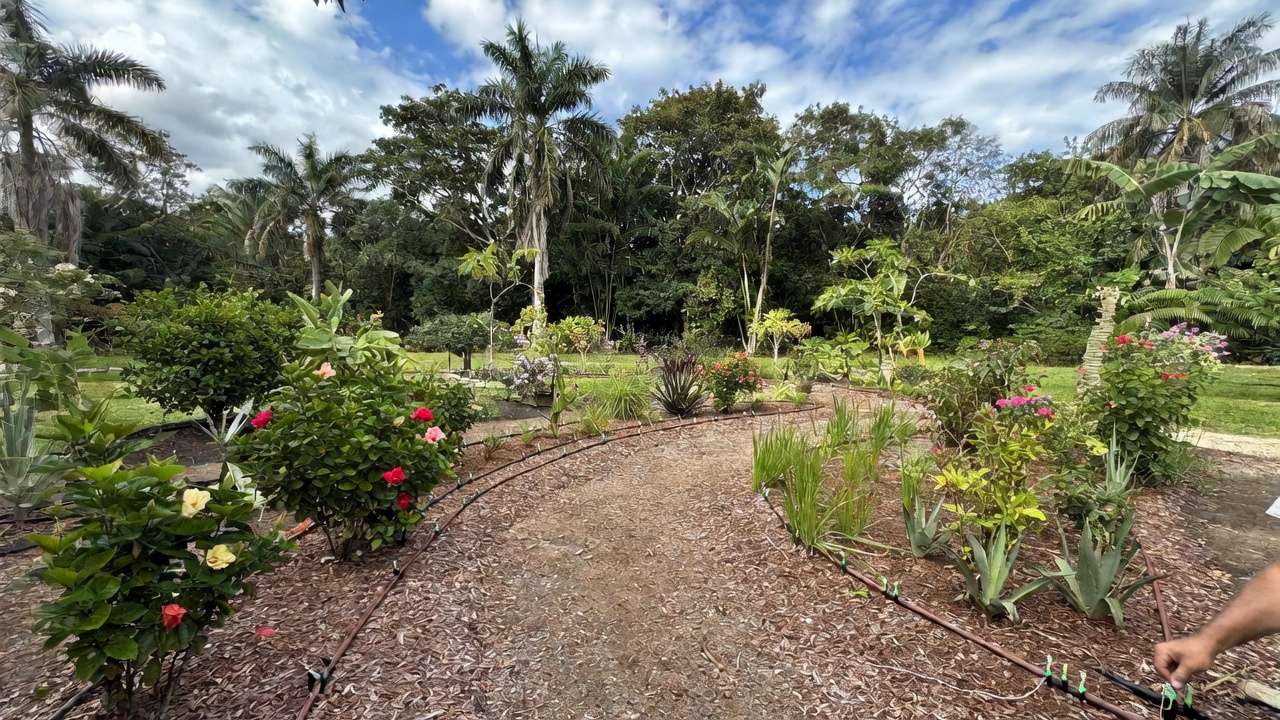
In Barisal’s monsoon-heavy climate, prioritize excellent drainage in all zones to prevent root rot — raised beds for high-water plants work wonders.
Step 4 – Upgrade Irrigation for Each Zone
Efficient delivery is key to realizing savings.
- Drip irrigation preferred for most zones: Slow, targeted water to roots; reduces evaporation and fungal issues in humid areas.
- High-water: Frequent short cycles or soaker hoses.
- Moderate/low: Less frequent, deeper cycles.
- Smart controllers: Weather-based or soil-moisture-sensor models adjust automatically — huge in variable rainfall areas.
- Mulching: 5–10 cm organic mulch (coconut coir, rice straw abundant locally) across all zones retains moisture, suppresses weeds, and moderates soil temperature.
- Soil amendments: Add compost to improve structure and water-holding capacity without sogginess.
Step 5 – Plant and Maintain Your Hydrozoned Garden
Establishment is temporary — be generous at first!
- Water deeply during the first 1–2 years (especially dry seasons) to build deep roots.
- Seasonal adjustments: Reduce frequency during monsoons; increase slightly in winter/spring dry periods.
- Monitor & tweak: Check soil moisture (finger test or cheap probe) weekly at first.
With these steps, many gardeners see noticeable improvements within one season — healthier plants, fewer pest/disease issues, and visibly lower water use.
Real-World Examples and Case Studies 🌳
Example 1: Transforming a Thirsty Mixed Yard A typical Barisal home garden with mango trees, hibiscus hedges, marigold beds, and a small lawn. Originally on one sprinkler: mangoes thrived but hibiscus rotted in spots, lawn browned in dry months. After hydrozoning:
- High-water zone: Lawn + annual beds near house (drip + occasional hand watering).
- Moderate zone: Hibiscus, ixora, young fruit trees (separate drip line).
- Low zone: Established mangoes, bougainvillea borders (deep soak monthly in dry season). Result: ~40% water reduction, no more yellow patches, vibrant blooms year-round.
Example 2: Fruit Tree Orchard Hydrozoning Common fruits like guava (moderate), mango (low once established), banana (high during growth). Separate lines: Bananas near water source get frequent moisture; guava/mango farther out get infrequent deep watering. Saves water during establishment and prevents overwatering mature trees.
Estimated savings: In humid tropics, proper zoning + drip can cut supplemental irrigation by 30–50% compared to flood or uniform sprinkler use.
Common Mistakes to Avoid + Pro Tips from Experts ⚠️🌟
Even experienced gardeners can stumble when first trying hydrozoning. Here are the most frequent pitfalls I’ve seen (and helped correct) over the years, plus battle-tested pro tips to ensure your success — especially in humid subtropical climates like Phuljhuri, Barisal Division.
Common Mistakes to Avoid
- Mixing incompatible plants in the same zone The classic error: planting a drought-tolerant plumeria next to a moisture-loving hibiscus on the same drip line. One suffers rot, the other wilts. Solution: Always double-check water needs during planning and be willing to relocate a few plants early on.
- Ignoring the establishment phase Many assume “drought-tolerant” means zero water forever. Young plants (even tough natives) need consistent moisture for the first 1–2 years to develop deep roots. Skipping this leads to high mortality. Rule of thumb: Water like a high-water plant during year 1, then gradually reduce.
- Forgetting soil and drainage differences Barisal’s clay-heavy soils hold water longer than sandy ones. A “low-water” plant in poorly drained soil can still drown. Fix: Test drainage (dig a hole, fill with water — should drain in 1–4 hours) and amend or raise beds where needed.
- Over-relying on automatic timers without monitoring Set-it-and-forget-it fails when seasons change dramatically (monsoon vs. dry winter). Avoid: Use smart sensors or manual checks — stick your finger 5–10 cm into soil weekly at first.
- Neglecting mulch or using the wrong type Bare soil loses water fast and invites weeds. Plastic sheeting is worse — it blocks oxygen. Best: Organic mulch (rice straw, dried water hyacinth, coconut coir — all locally abundant) 7–10 cm thick, refreshed yearly.
- Hydrozoning too aggressively too soon Trying to convert an entire mature garden in one weekend often leads to stress or death. Smarter: Start with one problem area (e.g., a soggy corner or dry border) and expand as you gain confidence.
Pro Tips from the Field
- Climate-smart adjustment for Barisal Division 🌧️→☀️: During June–October monsoons, most zones need little to no supplemental water (turn systems off!). November–April dry season is when hydrozoning savings really show — deep, infrequent watering prevents shallow root systems.
- Use “indicator plants”: Choose one plant per zone as your canary — when the indicator shows stress, the whole zone likely needs attention.
- Layer plants vertically: In low-water zones, underplant tough groundcovers (e.g., vetiver grass for erosion control) beneath trees to create microclimates that retain moisture longer.
- Incorporate natives & adapted species: They require far less intervention. Local favorites like Krishnachura (Caesalpinia pulcherrima), Sheuli (Nyctanthes arbor-tristis), or certain varieties of oleander thrive with minimal care once established.
- Document your zones: Take photos + notes (or use a simple spreadsheet) listing each zone, plants, irrigation settings, and seasonal observations. This becomes your personal reference guide.
Plant Recommendations by Hydrozone (Extensive List) 📋
Here’s a practical, regionally relevant selection tailored for humid subtropical Bangladesh conditions. These plants perform well in Barisal-like climates (high humidity, heavy seasonal rain, occasional dry periods).
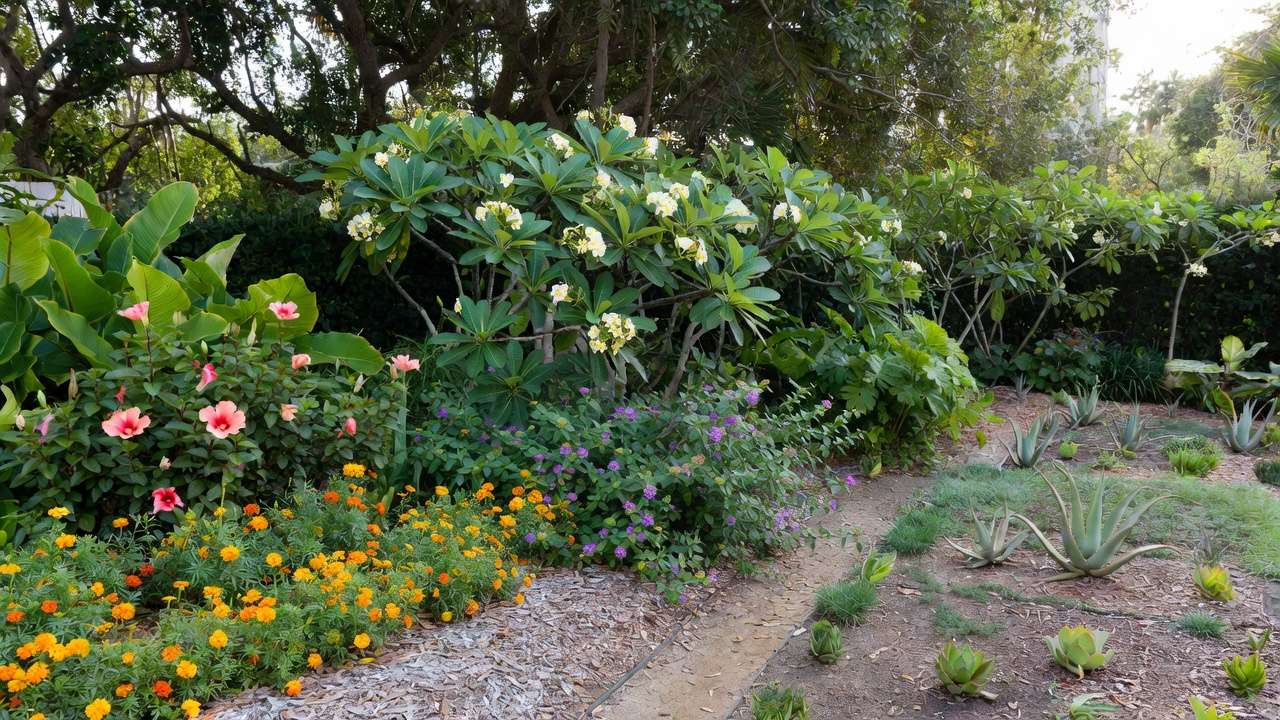
High-Water Hydrozone 🌊 (Frequent moisture – containers, veggie patches, shady moist spots)
- Water spinach (Kolmi shak) – fast-growing, loves wet feet
- Taro (Mukhi kochu)
- Banana (especially young plants)
- Hibiscus (some varieties)
- Ferns (Boston, maidenhair in shade)
- Leafy greens (spinach, lettuce, malabar spinach)
- Papaya (young trees)
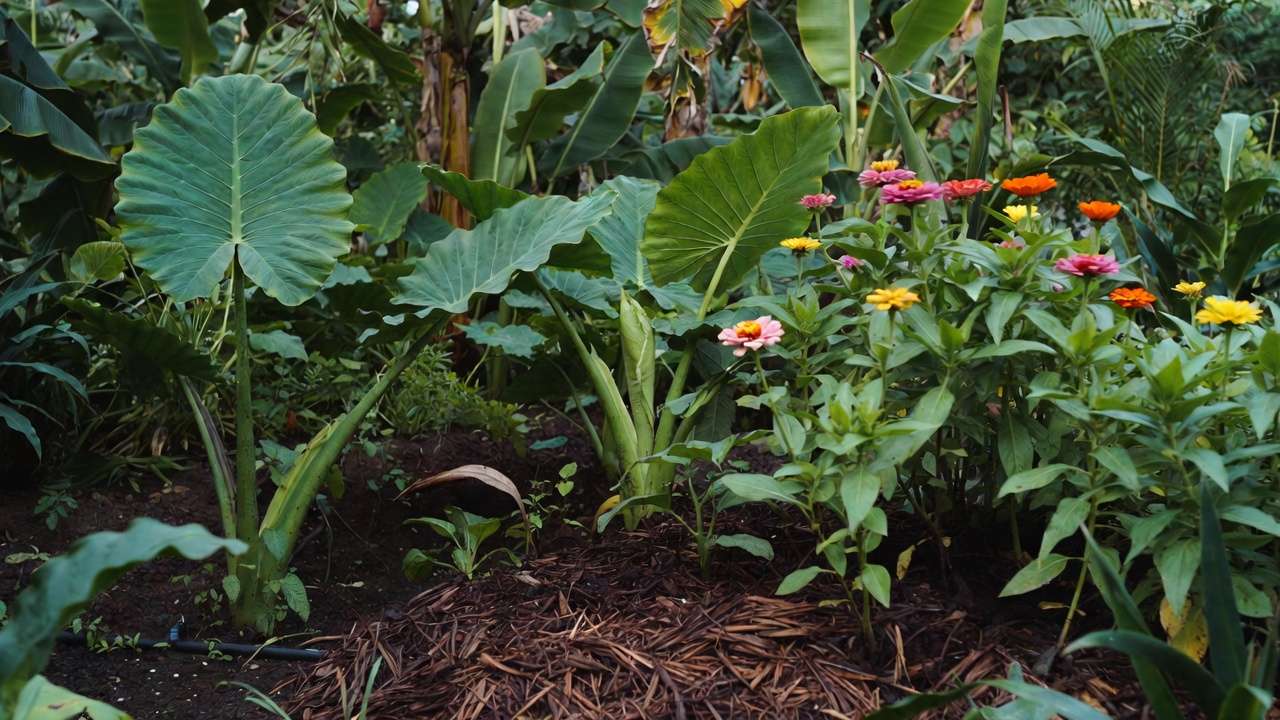
Moderate-Water Hydrozone 💧 (Deep weekly watering – most garden beds)
- Ixora
- Bougainvillea (once established)
- Marigold, zinnia, cosmos
- Gardenia
- Rose (hybrid teas in partial shade)
- Guava (young to mid-age trees)
- Mango (during fruit set & young phase)
- Jasmine (all types)
- Perennials: Lantana camara (versatile), salvia, daylily
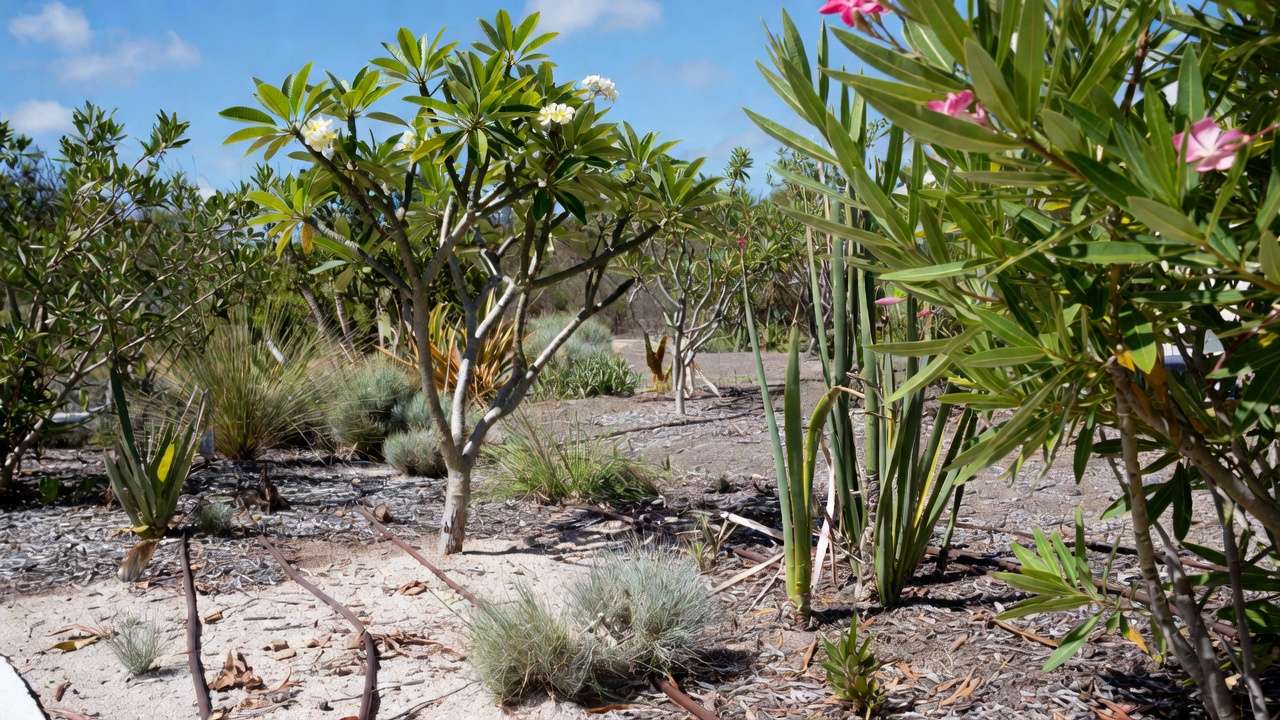
Low-Water Hydrozone 🌵 (Infrequent deep soaks – borders, slopes)
- Plumeria / Frangipani
- Krishnachura (Peacock flower)
- Oleander (tough & colorful)
- Ornamental grasses (fountain grass, vetiver for erosion)
- Rosemary (if drainage is good)
- Certain palms (areca, coconut once mature)
- Sheuli (Night-flowering jasmine)
Very Low / No-Irrigation Hydrozone ☀️ (Rainfall only after establishment)
- Aloe vera & other succulents (good drainage essential)
- Agave (adapted varieties)
- Cacti analogs (euphorbia, sansevieria)
- Date palm (mature trees)
- Certain drought-hardy natives or semi-natives (e.g., Indian jujube/Ber tree once established)
- Tough groundcovers like Wedelia or Portulaca
Bonus tip: Always buy from local nurseries — they carry varieties already proven in your exact microclimate.
FAQs About Hydrozoning Different Plant Groups ❓
Here are the questions I hear most often from gardeners just starting their hydrozoning journey — especially in humid subtropical regions like Barisal Division.
1. Can I hydrozone my existing garden without ripping everything out? Yes — absolutely! Most people start with partial hydrozoning. Common easy first steps:
- Put all the high-water plants (veggies, annuals, containers) on one drip line or hand-water zone
- Give the established trees & tough shrubs their own much less frequent deep-watering schedule
- Gradually move or add separate lines over 1–2 years as you replace plants
2. How much water can I really save in a humid climate like ours? Expect 30–60% reduction in supplemental irrigation during the dry season (November–April). During full monsoon you will probably turn almost everything off — so the real savings appear in the drier months. Many gardeners who were watering 3–4 times/week drop to 1 time every 10–14 days for most zones.
3. What if I have pots and containers? Containers usually belong in the high-water or moderate-water hydrozone because they dry out much faster. Practical solution: Group all pots together in one area and use a separate short-cycle drip line or cluster of drippers.
4. Will hydrozoning make my garden look unnatural or patchy? Not if you plan with some thought. Good design tricks:
- Use height, texture and flower colour to transition smoothly between zones
- Heavy mulching makes everything look more unified
- Repeating plant varieties across zones creates rhythm
5. How do I know when each zone actually needs water? Best methods ranked by reliability:
- Soil moisture probe / meter (cheap ones cost very little)
- Finger test — feel 8–12 cm deep
- Visual wilting of indicator plants in each zone
- Lift pot / feel weight (for containers)
6. Is hydrozoning worth the initial effort if I already have a nice garden? Almost always — yes. The payback usually comes in:
- Much healthier plants
- Far fewer disease problems
- 1–3 years of dramatically lower water bills
- Much more time enjoying the garden instead of babysitting it
Conclusion: Start Hydrozoning Today for a Thriving, Water-Smart Garden 🚀🌿
Hydrozoning different plant groups is one of the highest-leverage changes you can make in any garden — especially in climates that swing between very wet and noticeably dry seasons.
When you stop watering everything the same way, almost everything gets better at once:
✓ Plants become healthier and more vigorous ✓ You use much less water (and spend much less money) ✓ Maintenance becomes dramatically easier ✓ Your garden becomes more climate-resilient ✓ You feel good about creating a more sustainable landscape
Your very first easy action plan — this weekend:
- Take a slow walk around your garden with a notebook or phone
- Roughly mark the wettest areas, driest areas, and sunniest/shadiest spots
- Pick 8–12 plants and quickly google or recall their approximate water needs
- Make a very simple first grouping: • High-water plants together • All the really tough, established trees & shrubs together
That’s it. You’ve already started.
Small, smart changes create surprisingly big results. Your future self (and your water bill) will thank you. 💚
Happy hydrozoning!











