
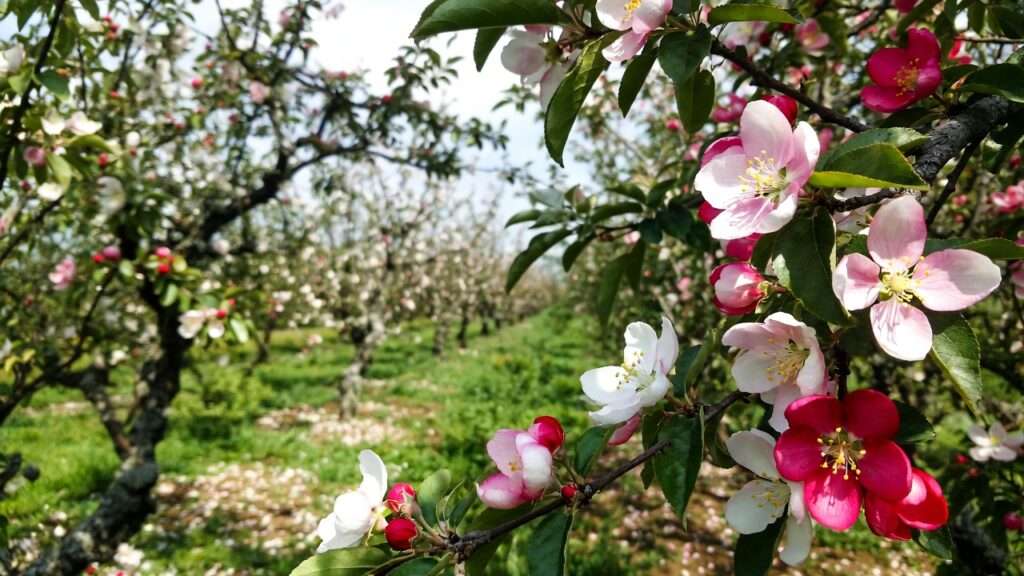
Have you ever poured love, water, and care into a fruit tree for years, only to watch those gorgeous spring blooms fade away with barely a piece of fruit to show for it? 😩 You’re not alone. Many home gardeners face this heartbreaking disappointment, and the culprit is often a simple misunderstanding: not knowing if their tree has the right flowers — or the right combination of flowers — for successful pollination.
Identifying male vs. female flowers on fruit trees is a game-changer for backyard orchard success. Whether you’re growing apples 🍏, kiwis 🍇, persimmons, or pawpaws 🍈, understanding flower types directly impacts your harvest. In dioecious species (separate male and female trees), missing a pollinator can mean zero fruit. Even in self-fertile trees, poor pollination timing or low bee activity can slash yields dramatically.
As a horticulturist with over 15 years of experience in home orchards and extension work, I’ve helped countless growers turn barren trees into bounty producers. This in-depth guide covers everything: flower biology basics, identification tips with visuals in mind, common pitfalls, and proven strategies to boost fruit set. By the end, you’ll have the tools to diagnose issues, choose the right varieties, and maximize your home fruit production. Let’s turn those blooms into baskets of fruit! 🌟🧺
Why Understanding Male vs. Female Flowers Matters for Fruit Trees 🌱
Fruit production starts with pollination — the magical transfer of pollen from the male parts (anthers on stamens) to the female parts (stigma on the pistil). Once pollen reaches the ovary, fertilization occurs, and fruit begins to develop.
Not all flowers are created equal. Here’s the key terminology:
- Perfect (hermaphroditic or bisexual) flowers 🌼 — Contain both male stamens and female pistil in the same bloom. Most common fruit trees fall here.
- Imperfect (unisexual) flowers — Have only male (staminate) or only female (pistillate) parts.
- Monoecious trees 🌳 — Bear both male and female imperfect flowers on the same plant (e.g., some persimmons, certain walnuts).
- Dioecious trees ⚥ — Have male flowers on one tree and female flowers on separate trees (e.g., kiwi, date palms, many pawpaws).
Why does this matter? Without viable pollen reaching receptive stigmas, no fruit forms. In dioecious setups, a lone female tree produces beautiful flowers but no harvest — a common backyard tragedy! Even perfect-flowered trees often benefit from cross-pollination with compatible varieties for bigger, better fruit sets.
Real-world impact: Studies and orchard observations show that inadequate pollination can reduce yields by 30–80% in many species. Proper identification and planning prevent this entirely. 🍐
Types of Fruit Tree Flower Systems: Which Category Does Your Tree Fall Into? 📊
Most fruit trees are straightforward, but knowing the category helps you plan pollination perfectly.
Perfect Flowers (Most Common Fruit Trees)
These blooms have both male and female parts, making many varieties self-fertile or self-pollinating. However, cross-pollination often improves yield and fruit quality.
Examples include:
- Apples 🍏
- Pears 🍐
- Peaches 🍑
- Plums
- Cherries 🍒 (sour types often self-fertile; sweet usually need cross-pollination)
- Citrus 🍋
- Figs
- Mangoes
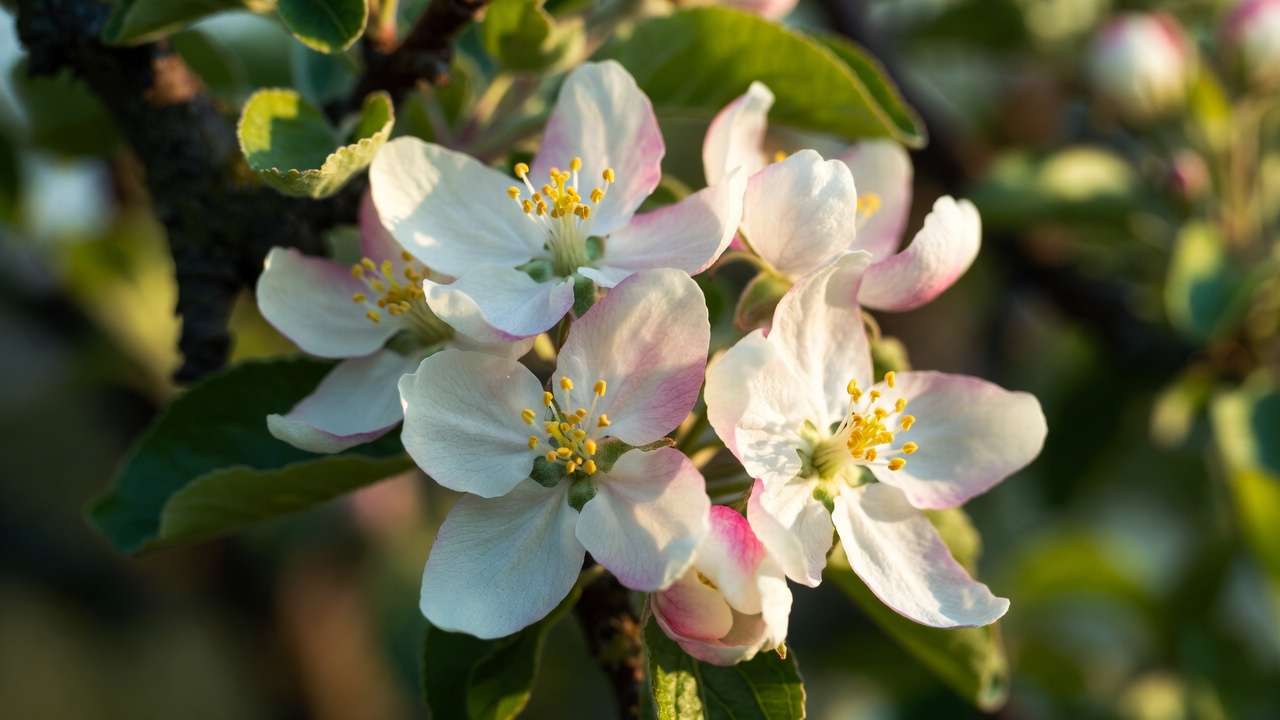
Even with perfect flowers, factors like bloom timing compatibility, bee activity, and variety pairing matter. For instance, many apple cultivars need a crabapple or another variety blooming simultaneously for optimal results.
Monoecious Fruit Trees (Male & Female on Same Tree)
Both sexes present on one plant, but in separate flowers.
Examples: Some American persimmons, certain walnuts, chestnuts. Pollination is usually reliable with good pollinator presence, as wind or insects move pollen short distances.
Dioecious Fruit Trees (Separate Male & Female Trees)
The trickiest for beginners — you need at least one male tree to pollinate multiple females (ideal ratio often 1 male : 6–8 females).
Key examples:
- Kiwi 🍇 (most varieties dioecious; one male vine pollinates several females)
- Date palms 🏝️ (males produce pollen clusters; females need hand-pollination in many home settings)
- Persimmons (many Asian varieties self-fertile, but American often dioecious)
- Pawpaw 🍈 (primarily dioecious or self-incompatible; cross-pollination essential)
- Holly (for berries, though not typically a “fruit” tree)
Quick-reference table:
| Fruit Tree | Flower Type | Pollination Needs | Notes |
|---|---|---|---|
| Apple, Pear, Peach | Perfect | Often cross-pollination recommended | Self-fertile varieties available |
| Kiwi | Dioecious | Separate male & female vines | 1 male : 6–8 females |
| Persimmon (American) | Often Dioecious | Need male nearby | Asian types usually self-fertile |
| Pawpaw | Dioecious/Self-incompatible | Cross-pollination required | Hand-pollination boosts yields |
| Date Palm | Dioecious | Male pollen to female clusters | Often hand-pollinated |
Knowing your tree’s type is the first step to avoiding disappointment! 🔍
How to Identify Male vs. Female Flowers: Step-by-Step Guide 🔍
Spotting differences early saves headaches. Here’s how:
General Visual Cues for Any Fruit Tree
- Examine the base of the flower: Female flowers often have a small swelling or “baby fruit” (ovary) behind the petals — look for this tiny bulge! 👶🍓
- Male flowers: No swelling; thinner stem; prominent stamens dusted with yellow pollen 💛. Often smaller and more numerous.
- Use a magnifying glass 🔍 for tiny details — check for stamens (male) vs. central pistil (female).
Specific Identification for Popular Fruit Trees
- Apples, pears, peaches, plums: Mostly perfect flowers — look inside for both yellow stamens and a central pistil.
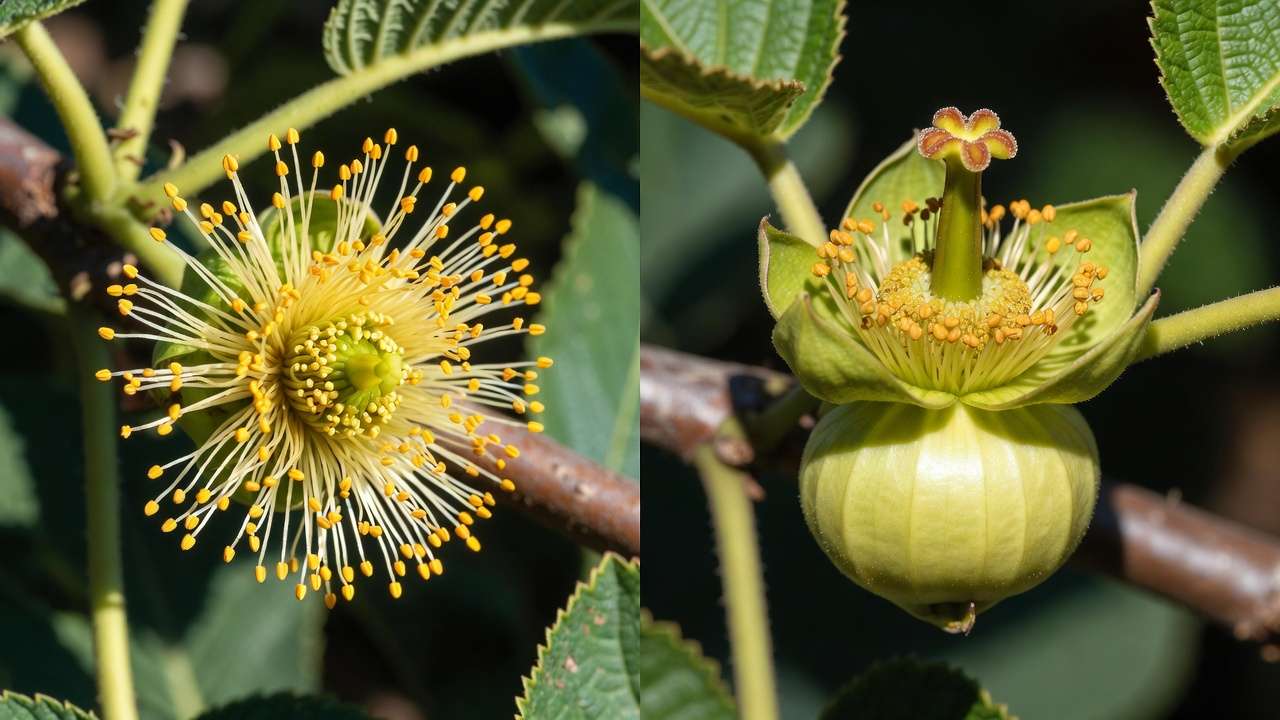
- Kiwi: Males have numerous stamens only; females show a large, star-shaped pistil with swollen ovary base.
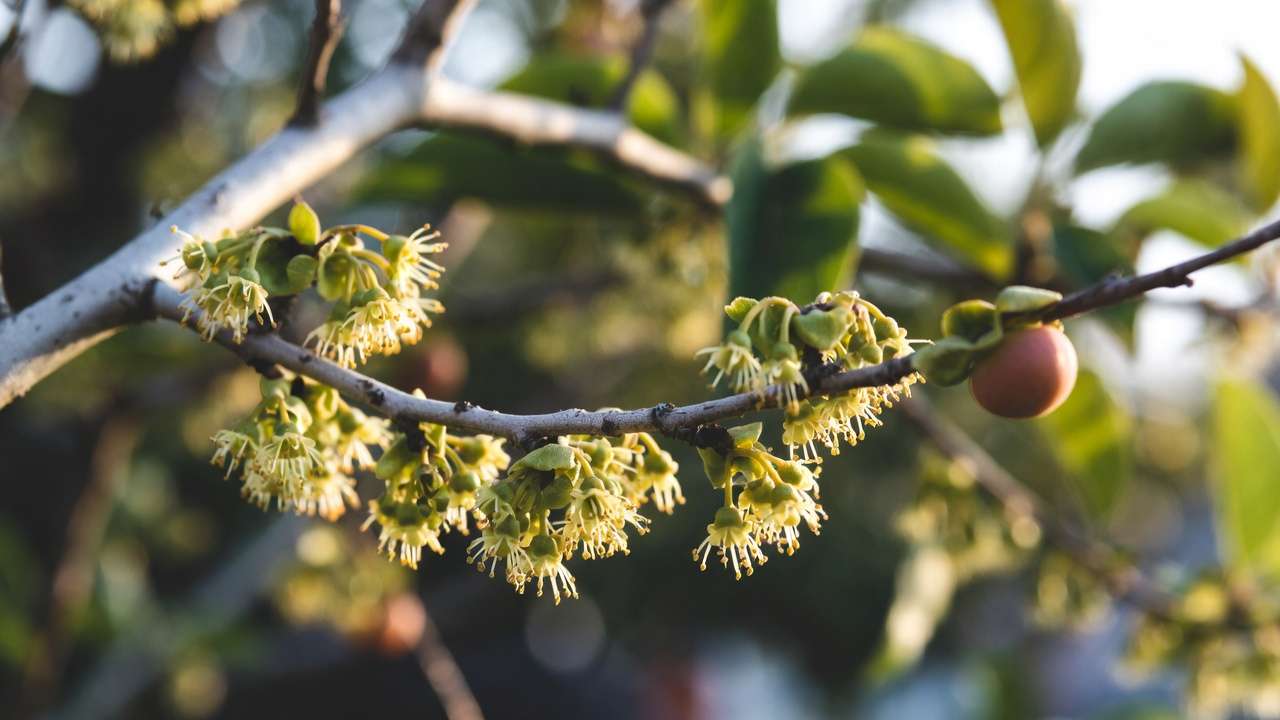
- Persimmon: Male flowers in clusters of 3, smaller; female flowers solitary, larger with prominent pistil.
- Pawpaw: Maroon, bell-shaped blooms. Females often larger with receptive stigmas early; males release pollen later (protogynous — female parts mature first).
- Date palm: Males produce dangling pollen tassels; females have branched clusters waiting for pollen.
Pro Tips for Spotting Differences Early
- Check buds before full bloom — female buds may appear plumper.
- Observe during peak bloom (usually spring) on a sunny, calm day.
- Timing matters: Some species (like pawpaw) have staggered maturity to prevent self-pollination. Look for the baby fruit bump — it’s the easiest telltale sign! 🌱
Common Mistakes That Kill Fruit Set (and How to Avoid Them) 😱
Even with the right trees, small errors can sabotage your harvest. Here are the most frequent pitfalls I’ve seen in home orchards — and simple fixes.
- Planting Only One Dioecious Tree The classic heartbreak: A beautiful female kiwi or persimmon blooms profusely… but no fruit ever forms. Without a male nearby, no pollen means no fertilization. Fix: Always plant at least one male (or a compatible pollinator variety). For most dioecious species, one male can serve 6–8 females if planted within 50–100 feet. Check labels carefully when buying!
- Wrong Variety Pairing or Incompatibility Not all pollinators work together. For apples 🍏, some cultivars are pollen-sterile or have mismatched bloom times. Persimmons: American types are often dioecious and need a nearby male; Asian varieties are usually self-fertile but benefit from cross-pollination. Fix: Research compatibility charts from university extensions (e.g., Cornell, UC Davis). Crabapples often serve as universal apple pollinators.
- Ignoring Bloom Overlap Timing ⏰ If one tree blooms two weeks before the other, pollen isn’t available when stigmas are receptive. Fix: Choose varieties with overlapping bloom periods. Note your local chill hours and bloom windows.
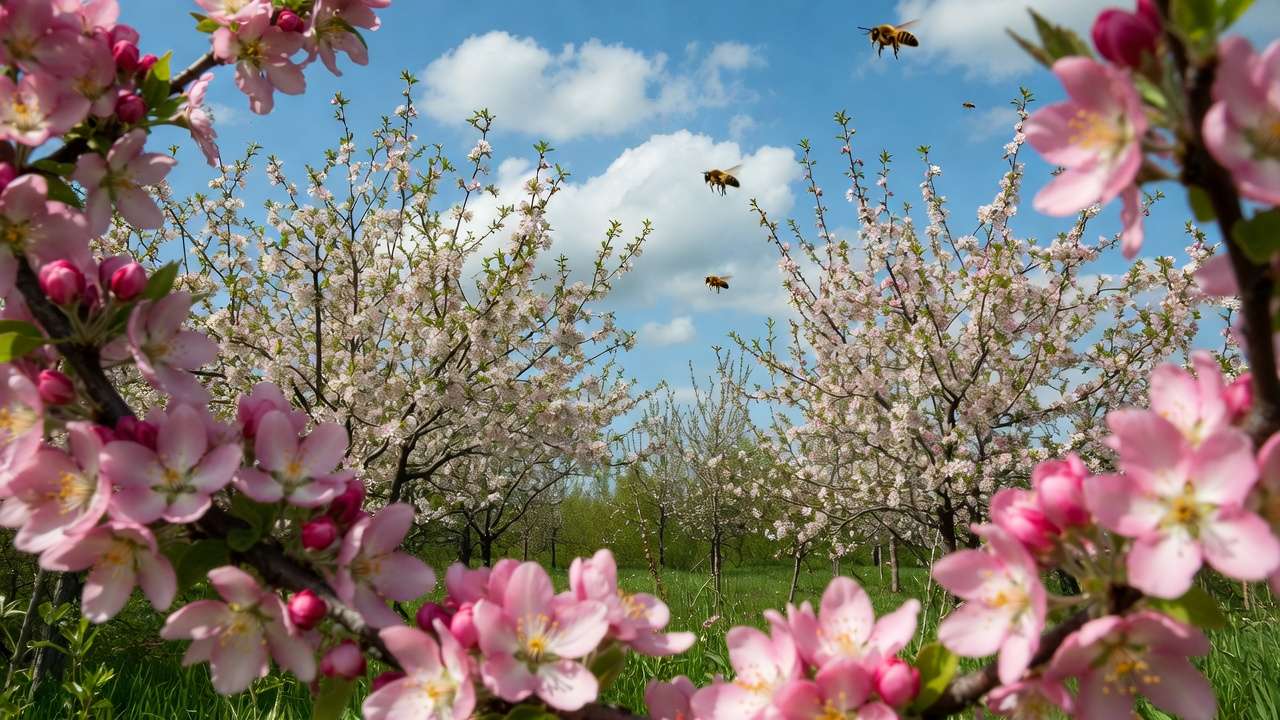
- Poor Pollinator Support 🐝 Bees, hoverflies, and wind do most of the work. Pesticides, lack of habitat, or bad weather reduce activity. Fix: Avoid spraying during bloom. Plant bee-friendly companions like lavender, borage, or clover nearby.
- Over-Fertilizing with Nitrogen Too much nitrogen pushes leafy growth at the expense of flowers and fruit. Fix: Use balanced or fruit-tree-specific fertilizers in moderation. Test soil annually.
Avoid these, and you’ll see dramatic improvements — many growers double or triple yields just by fixing pollination basics! 📈
Advanced Strategies to Maximize Pollination & Yields 🚀
Ready to go pro? These techniques take your orchard from average to abundant.
Planting Pollinator Companions & Spacing
- For dioecious trees like kiwi 🍇: Plant males centrally or upwind. Space vines 10–15 feet apart for good airflow.
- For apples/pears: Include 1–2 crabapple trees as “universal donors.”
- Ratio tip: 1 male : 6–8 females is ideal for most species.
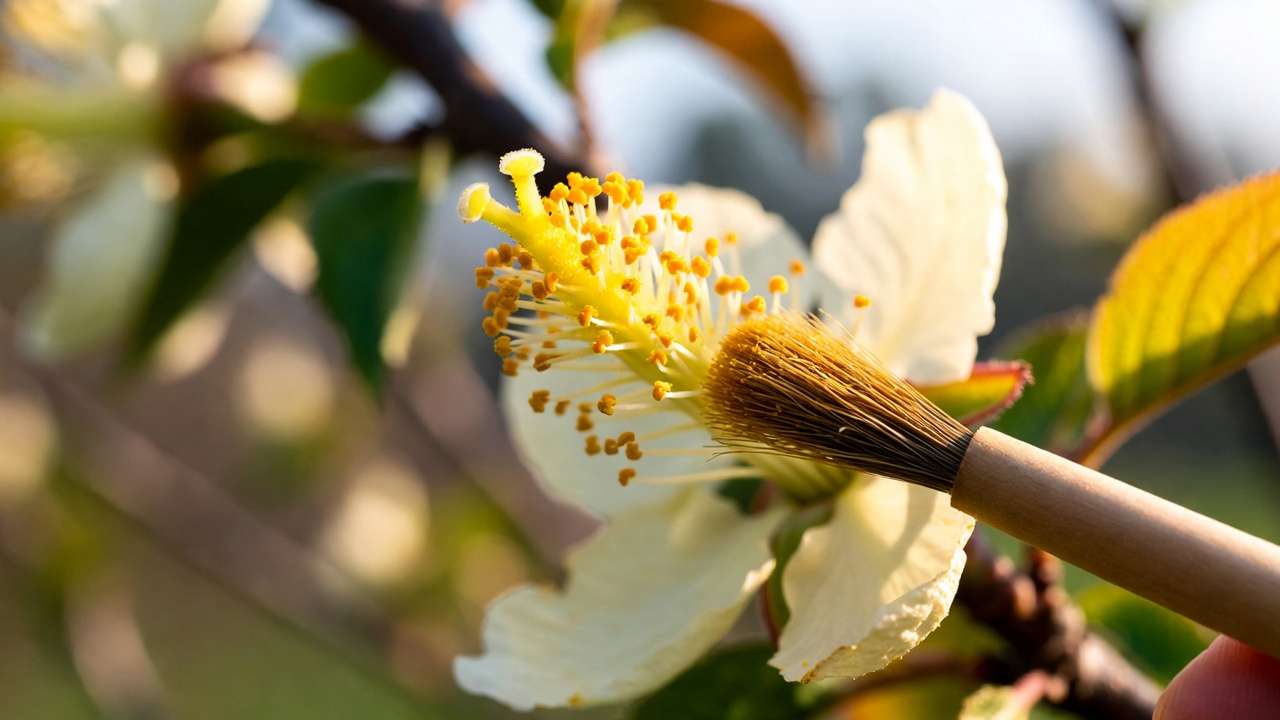
Hand-Pollination Techniques (Especially for Low-Bee Areas or Dioecious Trees) Hand-pollination is a lifesaver for pawpaws 🍈, kiwis, or dates — and surprisingly easy. Step-by-step:
- Collect pollen from male flowers using a small paintbrush, cotton swab, or even a feather. Look for yellow dust on stamens 💛.
- Gently dab or brush the pollen onto the sticky stigmas of female flowers (central pistil area).
- Do this mid-morning on dry, calm days when flowers are fully open.
- Repeat every 2–3 days during bloom for best coverage. Pro result: In my experience, hand-pollinating kiwis can boost set from ~20% to 80%+! For pawpaws (which are often poorly pollinated naturally due to fly pollinators), this method is almost essential for good yields. ✋🌸
Attracting & Supporting Pollinators
- Plant diverse nectar/pollen sources: Bee balm, sunflowers, fruit tree understory flowers.
- Provide water sources (shallow dishes with pebbles).
- Avoid broad-spectrum pesticides — opt for targeted or organic options outside bloom time.
Thinning & Pruning for Better Bloom Exposure Thin fruit clusters early (leave 1–2 per cluster) to prevent drop. Prune for open canopy — good light and air flow mean healthier flowers and better bee access.
These strategies turn good gardeners into great ones. Consistency pays off big time! 🌟
Troubleshooting: What If Your Tree Still Won’t Fruit? 🛠️
You’ve identified flowers, planted companions, and supported bees — but still no harvest? Run this checklist:
- Tree Age/Maturity: Many fruit trees take 3–7 years to bear (e.g., apples 3–5 yrs, pawpaws 5–8 yrs). Patience!
- Weather Stress: Late frosts kill blooms; extreme heat or drought during bloom reduces pollen viability.
- Nutrient Deficiencies: Low boron or potassium often causes poor set. Soil test + targeted amendments help.
- Pests/Diseases: Aphids, codling moth, or fungal issues (e.g., fire blight) weaken trees.
- Wrong Variety for Your Zone: Check chill hours match your climate (e.g., low-chill apples for warmer areas).
If it’s a young dioecious tree, wait for bloom to confirm sex — sometimes tags are wrong! In rare cases, grafting a male branch onto a female tree solves the problem permanently.
Quick-Reference Cheat Sheet & Visual Examples 📋
Male vs. Female Flower Quick Guide
- Female signs: Tiny ovary swelling at base (future fruit 👶), prominent central pistil/stigma, often larger solitary blooms.
- Male signs: No base swelling, abundant yellow-pollen stamens, often smaller & clustered.
(Imagine side-by-side photos here: Kiwi male with yellow center vs. female with white ovary base; persimmon male clusters vs. solitary female; pawpaw bell-shaped differences.)
Use this mental checklist every bloom season — it’ll become second nature fast! 🔍
FAQs: Answering Your Top Questions ❓
Can a fruit tree change sex? No — sex is genetically fixed. However, some trees (rarely) produce occasional opposite-sex flowers, but don’t rely on this.
Do all fruit trees need a male and female? No — most common ones (apples, peaches, citrus) have perfect flowers and are self-fertile or need cross-variety pollination. Only dioecious ones (kiwi, many persimmons/pawpaws) require separate sexes.
How do I tell before buying a young tree? You usually can’t until bloom (1–3 years). Buy from reputable nurseries labeling “male” or “female,” or choose self-fertile varieties. Some (like certain hardy kiwis) show stem color differences early, but it’s not universal.
What’s the easiest fruit tree for beginners to get pollination right? Self-fertile peaches 🍑 or plums — minimal fuss, reliable yields in most climates.
Why do my perfect flowers drop without fruit? Often poor cross-pollination, lack of bees, or nutrient/weather issues — not sex-related.
Is hand-pollination worth the effort? Absolutely for pawpaws, kiwis, or low-pollinator areas — small time investment for huge yield gains.
Can wind-pollinated trees (like walnuts) skip bees? Yes, but good spacing and multiple trees help. Still, avoid wind barriers.
My tree has flowers but tiny fruit that drops — normal? Natural thinning — trees drop excess to focus energy. Hand-thin to improve remaining fruit size.
More questions? Drop them in comments — happy to help! 💬
Conclusion 🌿🧺
Identifying male vs. female flowers on fruit trees isn’t just botany trivia — it’s the key to unlocking the harvests you’ve dreamed of. From spotting that telltale ovary swelling to planting the perfect pollinator buddy, these steps solve the #1 reason home fruit trees disappoint.
Take action this season: Inspect your blooms, add companions if needed, and try hand-pollination on tricky species. With a little knowledge, your backyard can become a fruitful paradise.
Happy gardening — may your branches bend with abundance! 🍓🍐🌳











