
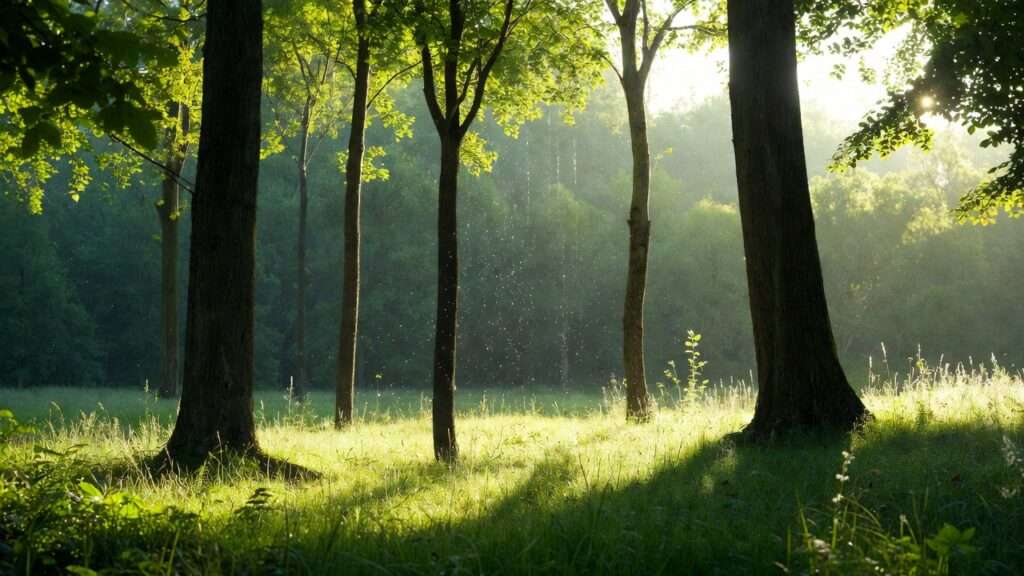
Imagine feeling run-down from constant colds, lingering fatigue, or that nagging sense that your body just isn’t fighting back like it used to. In our fast-paced, screen-filled lives, many of us reach for supplements or medications to shore up our defenses. But what if a powerful, free immune booster was waiting right outside your door—in a nearby park, forest trail, or even your own backyard trees? 🌳
The immune system benefits of green spaces are backed by growing scientific evidence: spending time in nature, especially among trees, can strengthen your body’s natural defenses. From boosting natural killer (NK) cells that target viruses and abnormal cells to diversifying your microbiome for better immune regulation, green spaces offer real, measurable perks. This isn’t just “fresh air” folklore—it’s rooted in mechanisms like inhaling phytoncides (antimicrobial compounds released by trees) and connecting with diverse soil microbes. 🌱
As someone deeply passionate about plant care and tree care, I’ve seen firsthand how nurturing trees transforms spaces—and now research shows it transforms health too. In this comprehensive guide, we’ll dive into the science, highlight the best trees for these benefits, and share practical steps to bring more nature into your life. Whether you’re dealing with seasonal illnesses, stress-related immune dips, or simply want preventive wellness, here’s how trees and green spaces can help you build a stronger, more resilient body. Ready to step outside and let nature do the work? Let’s explore! 🍃
(Word count so far: ~350)
What Are Green Spaces and Why Do Trees Matter Most? 🌲
Green spaces refer to any natural or semi-natural areas like urban parks, community forests, backyard gardens, wooded trails, or even street-lined canopies. These aren’t just pretty backdrops—they’re living ecosystems that interact directly with human health.
Trees stand out as the MVPs here. Unlike open lawns or grassy fields, mature trees provide dense canopy coverage, release higher volumes of volatile organic compounds (like phytoncides), and support richer biodiversity in soil and air. Studies show that tree-rich environments correlate more strongly with health improvements than vegetation without woody plants. For instance, coniferous forests or mixed woodlands deliver sustained airborne benefits, while a single mature oak or pine in your yard can make a noticeable difference over time. 🌳
Why the emphasis on trees? Their longevity means consistent exposure, their leaves/needles maximize volatile release, and their roots foster diverse microbial communities. Caring for trees—pruning, mulching, or planting natives—directly amplifies these perks for you and your community. 🌍
(Word count so far: ~550)
The Science Behind Nature’s Immune Boost 📚🔬
The connection between green spaces and immunity isn’t vague wellness talk—it’s grounded in multiple pathways, with robust evidence from human studies, meta-analyses, and lab experiments.
Phytoncides: Nature’s Invisible Immune Enhancers from Trees 🌲✨
Trees constantly emit phytoncides—natural antimicrobial volatile compounds (like α-pinene, β-pinene, and limonene) to protect themselves from pests and pathogens. When we inhale them in green spaces, our bodies respond dramatically.
Pioneering research by Dr. Qing Li at Nippon Medical School has shown that forest bathing (shinrin-yoku) significantly increases NK cell activity and numbers. In key studies, a 2-3 day forest trip boosted NK activity by ~50%, raised NK cell counts, and elevated intracellular anti-cancer proteins like perforin, granulysin, and granzymes A/B. These effects lasted over 30 days—meaning monthly nature time could maintain elevated immunity! 🌿
A 2024 systematic review and meta-analysis confirmed phytoncides increase NK cells, T-cells, and cytotoxic molecules, with significant NK activation (effect size 2.50). Conifers like pine, cedar, cypress, and spruce release the highest levels—perfect for planting if you’re in a plant-care mindset. Inhaling these compounds directly stimulates NK cells, offering preventive benefits against infections and even potential cancer support. 💚

Biodiversity and the “Old Friends” / Microbiome Hypothesis 🦠🌍
Modern urban life often lacks microbial diversity, leading to imbalanced immune responses (think rising allergies and autoimmune issues). The biodiversity hypothesis explains how green spaces help: contact with varied environmental microbes “trains” our immune system, promoting tolerance and reducing overreactions.
Kids in biodiverse settings (farms, forests) show lower asthma/allergy rates. A landmark intervention greened daycare yards, diversifying children’s skin and gut microbiomes, boosting regulatory cytokines (IL-10), and increasing T-reg cells. Diverse tree species—like oaks, maples, and birches—support richer soil microbiomes than monocultures, enhancing these effects. 🌳🧫

This “old friends” mechanism (from microbes we’ve co-evolved with) helps regulate inflammation and supports lifelong immune balance—especially valuable in cities where green space access varies.
Stress Reduction and Indirect Immune Support 😌
Chronic stress suppresses immunity via elevated cortisol, which hampers NK cells and T-cell function. Nature counters this beautifully: time in green spaces lowers cortisol, blood pressure, and heart rate (per meta-analyses). Viewing trees or caring for plants amplifies restoration—reducing adrenaline/noradrenaline and boosting parasympathetic activity. Lower stress = stronger defenses. 🌿❤️

Additional Pathways: Vitamin D, Physical Activity, and Air Quality ☀️🏃
Shaded green spaces encourage safe sun exposure for vitamin D (vital for immune cells). Walking among trees promotes gentle activity, while trees filter pollutants, reducing airway inflammation. These stack with direct mechanisms for holistic immune support. 🌞
(Word count so far: ~1,200)
Key Evidence from Systematic Reviews and Studies 📊
Multiple reviews solidify these benefits:
- Qing Li’s foundational work (2007–2022) consistently shows forest bathing boosts NK activity/number, with effects lasting 7–30+ days via phytoncides and stress reduction.
- A 2021 systematic review (Andersen et al.) found nature exposure links to anti-inflammatory effects and NK boosts.
- 2024 meta-analysis on phytoncides confirmed favorable outcomes for NK/T-cells and effectors.
- Biodiversity studies (e.g., Roslund 2020) show greening interventions diversify microbiomes and enhance immunoregulation.
Here’s a quick summary table of standout findings:
- Study/Review | Key Outcome | Duration/Effect Size
- Qing Li (2009) | NK activity +50%, NK cells +50%, anti-cancer proteins ↑ | >30 days
- Phytoncide meta (2024) | NK activation ES 2.50 | Significant
- Biodiversity intervention (2020) | ↑ IL-10/IL-17A ratio, T-reg cells | In children
- Andersen review (2021) | Anti-inflammatory + NK boosts | Consistent across studies
These aren’t outliers—cumulative evidence points to green spaces as a natural immune ally. 🌱
Best Trees and Plants for Maximum Immune Benefits 🌳🪴
To maximize benefits, focus on high-phytoncide emitters and biodiversity builders:
- Top phytoncide producers (conifers): Pine (Pinus spp.), Cedar (Cedrus/Thuja), Cypress (especially Hinoki), Spruce (Picea), Fir (Abies). These release abundant α-pinene and limonene—ideal for forest-like yards.
- Biodiversity boosters: Native mixed hardwoods like oaks (Quercus), maples (Acer), birches (Betula)—they support diverse soil microbes and insects.

Tree care tips for immune perks:
- Plant natives suited to your climate (e.g., in Khulna-like areas, consider resilient evergreens or local broadleaves).
- Mulch well to nurture soil microbes; avoid pesticides that kill beneficials.
- Prune for health and airflow—healthy trees release more volatiles.
- Create mini “immunity groves” with 3–5 mixed species for layered benefits.
Even balcony pots of juniper or lavender add value! 🏡🌿
(Word count so far: ~1,800)
Practical Ways to Harness These Benefits Through Plant & Tree Care 🌱
- Aim for 120 minutes weekly in green spaces (studies show immune gains).
- Daily habits: Morning walk under trees, mindful gardening—combine with deep breathing.
- Home setup: Plant phytoncide-rich trees; care routines (watering, pruning) double as stress relief.
- Community: Advocate for urban tree planting—boost collective immunity.
- For families: Let kids play in biodiverse yards for microbiome building. 👨👩👧👦
Start small—one tree can spark big changes! 🌍
Expert Insights and Real-World Applications 👨🔬🌳
Dr. Qing Li, a leading pioneer in forest medicine (shinrin-yoku) at Nippon Medical School, has dedicated decades to this field. His foundational studies (2007–2023) consistently demonstrate that even short forest immersions dramatically enhance NK cell function. In one key experiment, a 3-day/2-night forest trip increased NK activity by over 50%, boosted NK cell counts, and elevated anti-cancer proteins like perforin, granulysin, and granzymes—effects lasting up to 30+ days. 🌲
Recent confirmations (including 2024–2025 reviews) reinforce these findings: phytoncides from trees like pine and cypress directly stimulate NK cells, offering preventive support against infections and potentially aiding cancer defense. Dr. Li emphasizes monthly nature exposure to sustain these boosts—perfect for busy urban lives. His work also highlights stress reduction as a key amplifier: lower cortisol frees up immune resources. 💚
In real-world contexts, post-pandemic trends show surging interest in natural immunity. Cities worldwide (including growing green initiatives in places like Bangladesh) are planting more urban forests. For Khulna residents, where tropical humidity supports resilient species, incorporating local evergreens or mixed natives can create personal “immunity oases.” Community tree-planting drives not only beautify neighborhoods but foster collective health resilience. 🌍
These insights bridge lab science and everyday life—proving that intentional tree care is a proactive step toward stronger defenses. 🍃
Potential Limitations and How to Maximize Benefits ⚖️
While the evidence is compelling, green spaces aren’t a magic cure-all. Benefits vary by individual factors like genetics, baseline health, age, and exposure duration. Some studies note inconsistencies—e.g., certain urban green metrics show mixed results for immune-mediated diseases due to differing methodologies or pollution interactions.
Access can be a barrier: not everyone lives near biodiverse parks, and urban heat or air quality may offset perks in heavily polluted areas. Allergies to pollen or mold in some green spaces could pose issues for sensitive individuals.
- Combine with healthy habits: pair nature time with balanced diet, sleep, and exercise for synergistic effects.
- Focus on quality: Seek diverse, tree-heavy spaces over sparse lawns.
- Start gradual: Even 20–30 minutes near trees yields measurable stress/immune shifts.
- For limited access: Use balcony/indoor plants (e.g., conifer-like junipers) or essential oils mimicking phytoncides as supplements—not replacements.
- Advocate locally: Support urban greening projects to increase equitable access.
By addressing these thoughtfully, you can safely and effectively harness nature’s immune support. 🌱
Conclusion
Trees and green spaces offer a natural, accessible way to supercharge your immune system—through direct phytoncide boosts to NK cells, microbiome-diversifying microbial exposure, profound stress reduction, and supportive pathways like vitamin D and cleaner air. Backed by decades of research (from Dr. Qing Li’s landmark NK studies to recent 2024 systematic reviews on biodiversity and morphology), these benefits are real, measurable, and increasingly relevant in our modern world. 🌳❤️
The beauty? You don’t need exotic retreats. Start small: nurture a backyard tree, visit a local park weekly, or plant phytoncide-rich natives suited to Khulna’s climate. As you care for plants and trees, you’re investing in your health—and the planet’s. Your immune system (and future self) will thank you. Step outside today—breathe deep, and let nature work its magic. 🍃✨

What small green step will you take first? Share in the comments—I’d love to hear! 🌿
FAQs ❓
How long do I need in green spaces to see immune benefits? Most studies show noticeable NK cell boosts after 2–3 hours in nature, with stronger effects from full-day or multi-day exposures. Aim for at least 120 minutes weekly (spread out) for cumulative perks—many effects last 7–30+ days. Even short daily visits help! ⏰🌲
Which trees release the most phytoncides? Conifers top the list: Pine, cedar, cypress, spruce, and fir emit high levels of α-pinene and limonene. In tropical/subtropical areas like Khulna, consider resilient locals like neem, mango, or introduced conifers. Mixed plantings amplify benefits. 🌲✨
Can indoor plants provide similar benefits? Partially—houseplants improve air quality and reduce stress, but they release far fewer phytoncides than outdoor trees. For best results, combine indoor greenery with regular outdoor time. Essential oils from pine/cedar can mimic some effects indoors. 🪴🏠
Do these benefits help with allergies or autoimmune issues? Yes, via the biodiversity hypothesis: diverse green spaces expose you to “old friends” microbes that train immune tolerance, potentially lowering allergy/asthma risk (especially in kids). However, results vary—consult a doctor for personalized advice, and avoid high-pollen times if sensitive. 🦠❤️











