
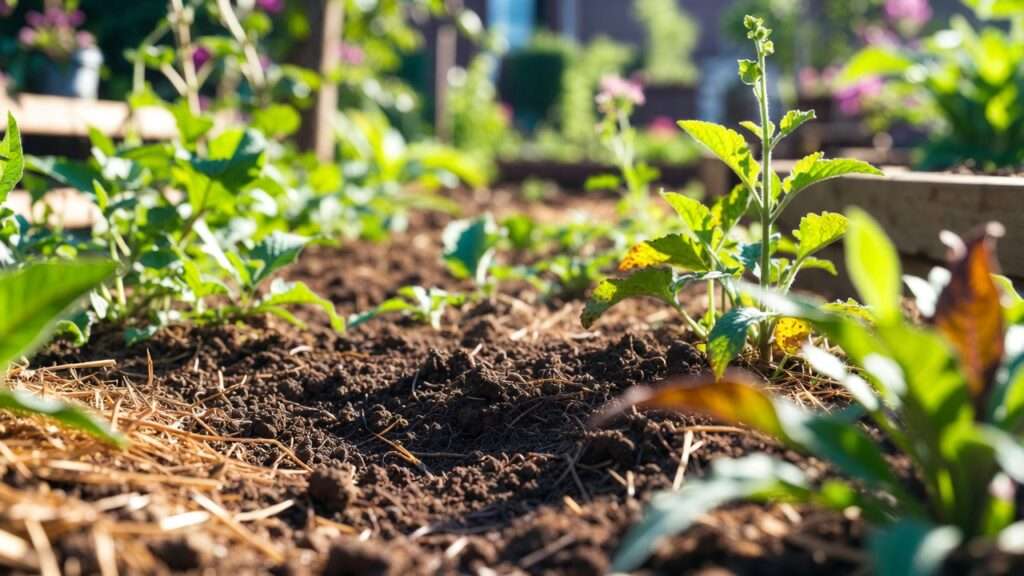
Have you ever sunk your boots into the mud after a rainstorm, only to watch water pool for days while your plants struggle with yellow leaves or stunted growth? 😩 Or felt the ground crack like concrete in summer, making digging feel impossible? If you’re dealing with heavy clay soil, you’re not alone—this dense, sticky earth frustrates gardeners everywhere, from backyard veggie patches to tree-lined yards.
Clay soil is made up of tiny particles that pack tightly, holding onto water and nutrients like a sponge… but often too much of a good thing! Poor drainage leads to root rot, compaction suffocates roots, and poor aeration starves beneficial microbes. Yet here’s the exciting part: clay is naturally fertile, rich in minerals that sandy soils lack. With consistent natural methods, you can transform it into crumbly, living soil that drains well, supports deep roots, and grows healthier plants with less effort.
Improving clay soil structure naturally is about working with biology, not against it—building aggregates through organic matter, microbes, earthworms, and root action. No harsh chemicals, no expensive quick fixes. In this comprehensive guide, we’ll cover proven, step-by-step strategies backed by soil science and real gardener experiences. Whether you’re reviving a waterlogged lawn, boosting tree health, or starting a productive garden, these organic approaches deliver lasting results. Let’s turn your “problem” soil into your garden’s greatest asset! 🚀
Understanding Clay Soil: Why It’s Challenging Yet Full of Potential 🤔
Clay soil isn’t “bad”—it’s just misunderstood. Soil texture refers to particle size: clay particles are microscopic (less than 0.002 mm), compared to silt or sand. This gives clay its stickiness when wet and rock-hard dryness when parched.
The real issue is soil structure—how those particles clump into aggregates. In poor clay, particles stay separate, creating tiny pores that hold water tightly but block air and root penetration. Compaction from foot traffic or machinery worsens this, forming hardpan layers.
Common problems include:
- Waterlogging → root rot and fungal diseases
- Slow spring warmup → delayed planting
- Nutrient lockup despite high fertility
- Cracking in dry weather, stressing plants
But clay shines in advantages: it retains nutrients better than sandy soil (high cation exchange capacity), supports deep-rooted trees once improved, and holds moisture during droughts—perfect for resilient gardens. 🌿
Natural improvement works because it boosts biology: microbes produce glomalin (a “glue” that binds particles), earthworms create channels, and roots penetrate to aerate. Science from sources like university extensions confirms organic matter is key to forming stable aggregates for better tilth, drainage, and plant health. 🪱
Step 1: Stop Making It Worse – Essential “Don’ts” Before You Start ❌
Before adding anything, protect what you have! Many gardeners accidentally worsen clay.
- Never add sand (unless in massive quantities with organic matter)—it creates concrete-like texture when mixed poorly. 🚫
- Avoid working or tilling wet clay—wait until it’s moist but crumbles, not sticky. Tilling wet destroys structure.
- Limit foot traffic and heavy equipment, especially when wet—use boards or mulch paths.
- Skip synthetic conditioners unless a soil test shows specific needs; focus on biology first.
These simple habits prevent setbacks and let natural processes thrive.
Step 2: Test Your Soil First – Know What You’re Dealing With 🧪
Don’t guess—test! Start with DIY methods:
- Jar test: Fill a jar with soil and water, shake, let settle. Layers show sand/silt/clay percentages. Thick clay layer at bottom? You’re heavy clay.
- Ribbon test: Wet a handful; roll into a ribbon. If longer than 2 inches before breaking, high clay.
For deeper insights, get a professional soil test (pH, nutrients, organic matter, sodium). Labs often recommend if gypsum helps (only for sodic/high-sodium clays—not most). Interpret results: aim for pH 6.0–7.0 for most plants; add lime if acidic, but prioritize organics.
Testing guides your amendments, saving time and money. 📊
Core Organic Methods to Improve Structure 🌿
The Power of Organic Matter: Your #1 Weapon ✨
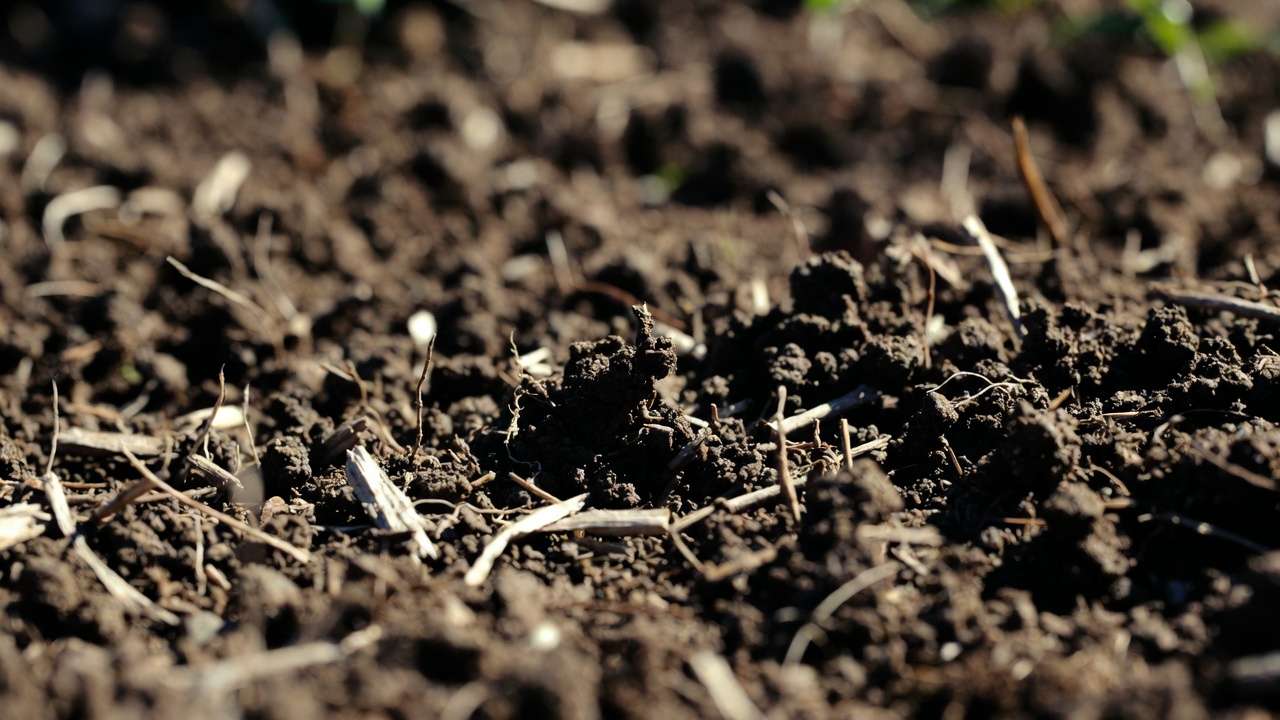
Organic matter is the cornerstone—feeds microbes that glue particles into crumbs, creating pores for air, water, and roots.
Best sources:
- Homemade compost (kitchen scraps, yard waste)
- Well-rotted manure (aged to avoid burning)
- Leaf mold (decomposed leaves—excellent for structure)
- Worm castings (microbe-rich)
- Composted bark or wood chips
Apply 2–4 inches annually as top-dressing or incorporate gently. Mulch heavily (3–6 inches) with wood chips, straw, or leaves—no-dig style lets worms pull it down naturally. 🍂
Pro tip: Layer mulch year-round; it suppresses weeds, retains moisture, and builds soil from the top.
Aeration Without Destruction: Gentle Ways to Open Up Soil 🕳️
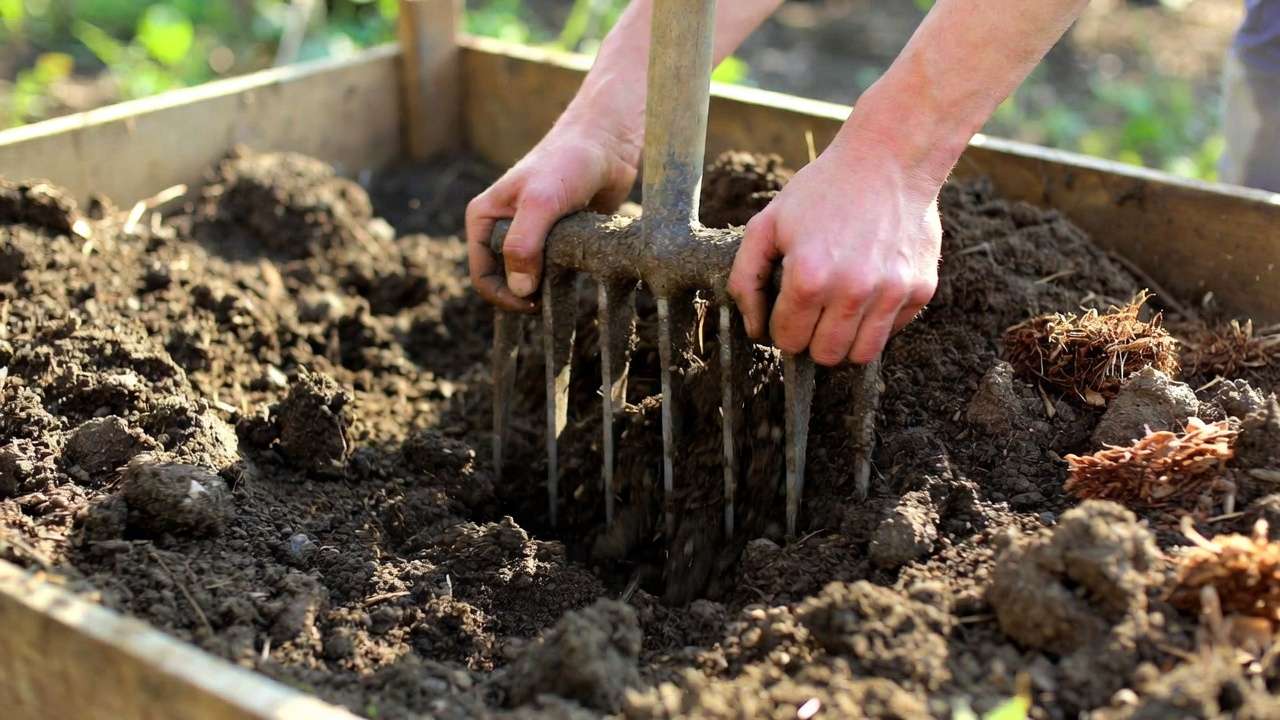
Avoid aggressive tilling—use a broadfork! This tool lifts soil without flipping layers, preserving structure.
- Broadfork when moist (not soggy); poke and rock to create channels.
- For lawns: core aeration removes plugs, allowing top-dressings to fill.
- Combine with compost spread afterward for max benefit.
Timing matters—fall or early spring when soil isn’t frozen or flooded.
Cover Crops & Green Manures: Nature’s Living Tillers 🌾
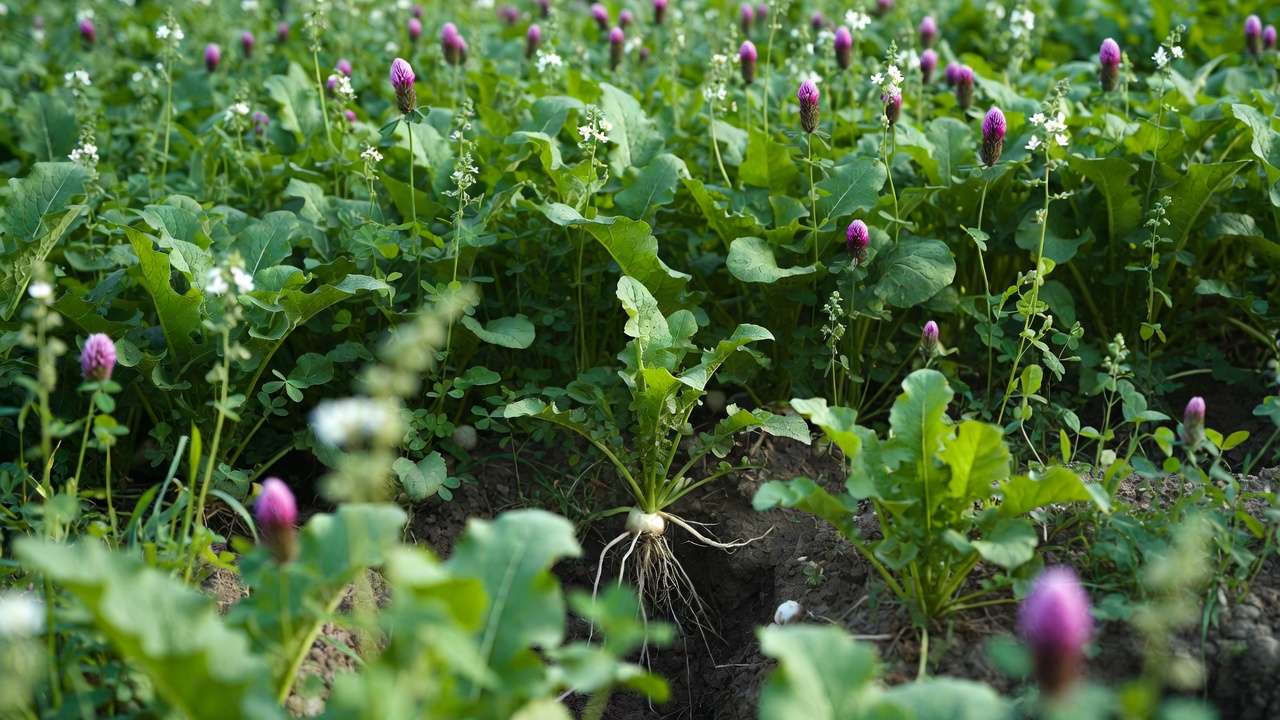
Cover crops punch through compaction with roots, add biomass, and fix nitrogen.
Top choices for clay:
- Daikon radish (deep taproots break hardpan—chop and drop)
- Clover (nitrogen-fixer, low-growing)
- Winter rye (extensive roots, suppresses weeds)
- Buckwheat (fast-growing, phosphorus-solubilizing)
- Hairy vetch (nitrogen + biomass)
Sow in fall or off-season; terminate by mowing/chopping before seed, leave residue as mulch. Roots decompose, feeding soil life. Bonus: prevents erosion!
Gypsum: When & How to Use It Naturally ⚖️
Gypsum (calcium sulfate) flocculates particles in sodic clays (high sodium)—not all clay needs it!
Only use if soil test shows excess sodium or poor aggregation. Apply 1–2 tons/acre (or 20–40 lbs/1000 sq ft), water in. It doesn’t change pH much and adds calcium without harming microbes.
Myth busted: Gypsum isn’t a universal “clay breaker”—organic matter outperforms it in most cases.
Long-Term Strategies for Lasting Improvement ⏳
Go no-till! Sheet mulching (cardboard + compost + mulch layers) builds soil without digging—Back to Eden style.
- Build raised beds or hugelkultur mounds (buried wood + organics) for instant drainage.
- Encourage earthworms (avoid pesticides; add castings).
- Mulch perpetually with wood chips—slow-release organics.
Consistency over years creates deep, fertile topsoil.
Best Plants for Clay Soil: Work With Nature, Not Against It 🌸
Choose tolerant plants—they improve soil naturally!
- Trees: Oaks, maples, serviceberry, crabapple (deep roots aerate)
- Shrubs: Viburnum, potentilla, dogwood, lilac
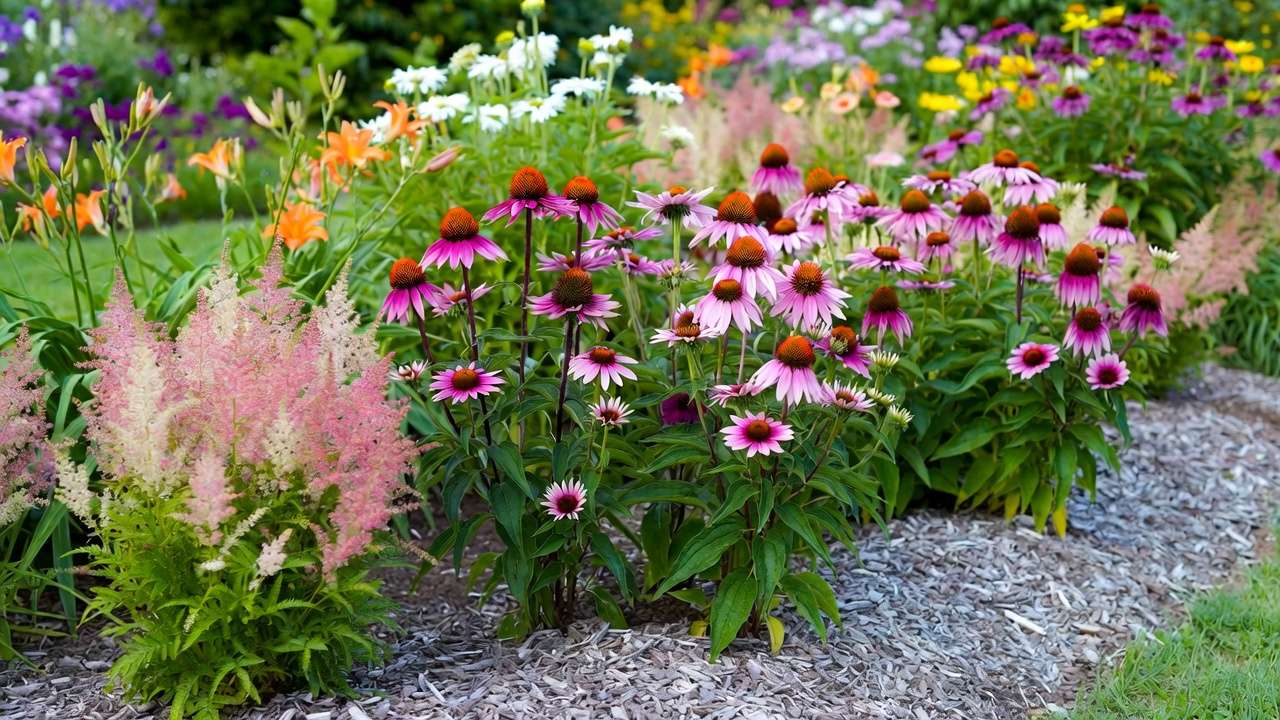
- Perennials: Daylilies, coneflowers (echinacea), astilbe, hostas, ferns, black-eyed Susans
- Veggies: Brassicas (broccoli), beans, squash (once amended)
- Natives: Adapted to clay—low-maintenance, pollinator-friendly
These thrive while roots break compaction.
Maintenance Tips: Keep Your Improved Soil Healthy Year After Year 🔄
- Top-dress annually with 1–2 inches compost/mulch.
- Water deeply/infrequently—encourages deep roots.
- Avoid compaction: Use paths, mulch heavily.
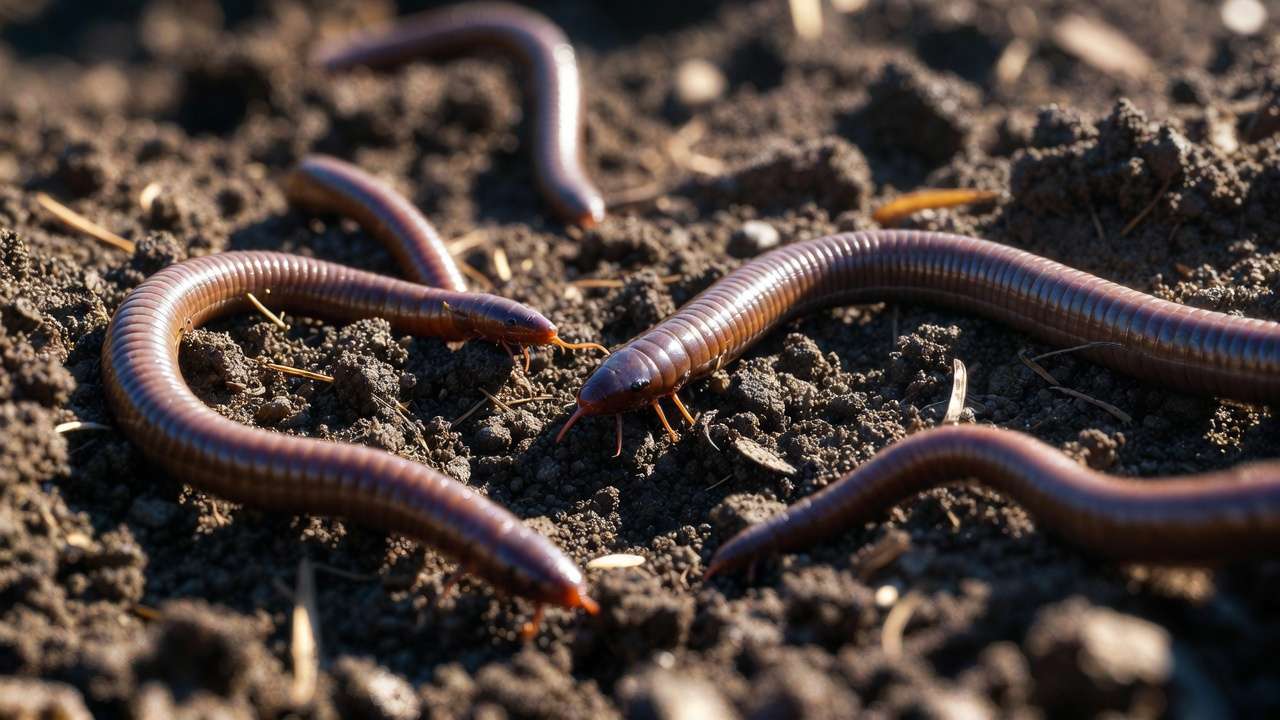
- Monitor: Count earthworms (10+ per sq ft = healthy!); test infiltration (water should soak in minutes).
Real-Life Success Stories & Expert Insights 💬
Gardeners report dramatic changes: One transformed waterlogged clay in 3 seasons with heavy mulching + cover crops—now crumbly and productive. University extensions (e.g., OSU) emphasize consistent organics over quick fixes. Before/after photos often show softer soil, thriving plants after 2–5 years of patience. 🌟
Common Mistakes & Troubleshooting ⚠️
Even with the best intentions, gardeners hit roadblocks when improving clay soil naturally. Here are the most frequent pitfalls—and how to fix them:
- Expecting overnight results → Biology takes time. Visible changes (crumbly texture, better drainage) often start in 1–2 seasons, with major transformation in 3–5 years. Be patient; every layer of mulch and every cover crop is progress! 🐌
- Over-tilling or digging too deeply → This destroys fungal networks and brings up subsoil. Stick to surface incorporation or no-dig methods.
- Adding fresh manure or uncomposted material → Can burn roots or introduce weeds/pathogens. Always use well-rotted or composted sources.
- Ignoring pH → Clay soils are often slightly alkaline, but some regions trend acidic. If a test shows extremes, correct gently with lime (for low pH) or sulfur (for high), but never overdo it—organics buffer pH naturally over time.
- Continuing to walk on wet soil → Creates compaction faster than you can fix it. Install stepping stones, mulch paths, or raised beds to keep traffic off growing areas.
Troubleshooting quick fixes:
- Still puddling after rain? → Increase mulch depth and add more earthworm-attracting materials (leaf mold, compost).
- Plants still stunted? → Check for root rot (mushy roots) from poor drainage; improve aeration first.
- Soil stays rock-hard in summer? → Deep mulch + cover crops prevent cracking by keeping moisture even.
Track progress with simple tests: poke a screwdriver in—if it slides in easily when moist, you’re winning! 📈
FAQs: Your Top Questions Answered ❓
Here are answers to the questions I hear most often from gardeners battling clay soil:
How long does it take to fix clay soil naturally? Expect noticeable improvement in 1–2 growing seasons with consistent effort (mulch + compost + cover crops). Full transformation into loose, well-drained loam-like soil usually takes 3–5 years. Patience pays off—once established, the soil stays improved with minimal maintenance.
Can I plant right away while improving? Yes! Start small: build raised beds or mounds with good compost/soil mix on top for immediate planting. For in-ground planting, add 2–4 inches of compost, mix lightly into the top 6 inches, and plant. Mulch heavily around new plants to protect roots while improvement continues.
Is gypsum always necessary for clay soil? No—only if a soil test shows high sodium (sodic clay) or very poor flocculation. Most clay soils respond far better to organic matter than gypsum. Overusing gypsum wastes money and can disrupt soil biology.
What’s the best compost for beginners working on clay? Homemade compost or well-aged municipal compost (check it’s herbicide-free). Leaf mold is fantastic—easy to make and excellent at improving structure without adding excess nitrogen.
Will earthworms come to my clay soil naturally? Yes, if you stop using synthetic pesticides/fertilizers and provide food (organic matter) and moisture. Add a handful of red wigglers or composting worms initially if numbers are low. Healthy populations (10+ worms per square foot) are a great sign your soil is improving! 🪱
Do I need to reapply amendments every year? Yes—top-dress with 1–2 inches of compost or mulch annually. Clay “eats” organic matter slowly, so consistent additions keep feeding the biology that maintains structure.
Conclusion: Your Path to a Thriving, Clay-Friendly Garden 🎉
Improving clay soil structure naturally isn’t about quick fixes—it’s about becoming a soil builder. By stopping harmful practices, testing your soil, layering on organic matter, gently aerating, planting cover crops, and choosing clay-tolerant plants, you’re creating a living ecosystem that gets better every year.
The reward? Deeper roots, healthier trees and perennials, fewer disease problems, better drought and flood resilience, and gardens that practically take care of themselves once established. 🌳
Start small: Pick one problem area (a soggy corner, a compacted bed, or around a favorite tree), do the jar test, spread compost and mulch this weekend, and sow a cover crop this fall. Track your progress with photos and notes—you’ll be amazed how quickly nature responds.
Turn your heavy clay from a headache into your garden’s superpower. You’ve got this! 💪🌿
If you try these methods, drop a comment below with your before-and-after results—I’d love to hear your success story and answer any questions along the way.
Happy gardening! 🌸











