
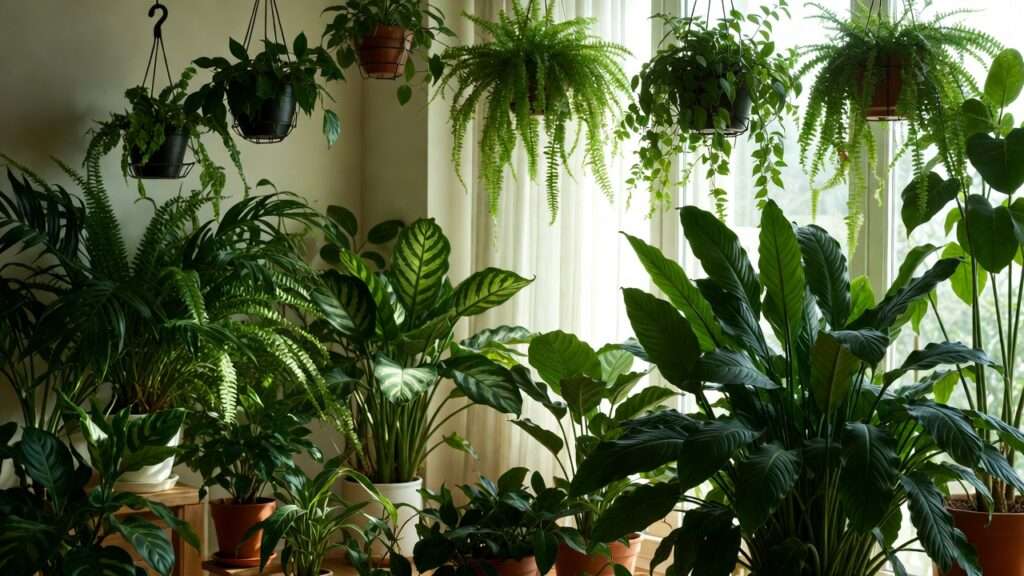
Imagine stepping into your living room during a scorching summer day or a chilly winter evening—only to feel that scratchy throat, dry skin, or worse, the sticky, musty air clinging to everything. 😩 These are classic signs of imbalanced indoor humidity, a sneaky issue affecting millions of homes worldwide. The good news? Indoor plants that help with humidity balance offer a beautiful, natural, and low-maintenance way to restore comfort without relying solely on expensive gadgets.
In this comprehensive guide, we’ll explore how certain houseplants act as living humidifiers (releasing moisture through transpiration 🌊) or gentle dehumidifiers (absorbing excess vapor 🧽), backed by horticultural science and real-world plant care expertise. Whether your space feels like a desert in winter or a sauna in the rainy season, these green allies can help maintain that sweet spot of 40–60% relative humidity—ideal for human health, better sleep, reduced allergens, and thriving plants themselves.
As a plant care enthusiast with years of experience tending tropicals in humid climates and succulents in dry ones, I’ve seen firsthand how strategic plant placement transforms indoor air. Let’s dive in and discover the best options to make your home feel fresher and more balanced. 🌱
Why Humidity Balance Matters for Your Home and Health 🏡❤️
Indoor humidity isn’t just about comfort—it’s a health and home essential. The American Society of Heating, Refrigerating and Air-Conditioning Engineers (ASHRAE) recommends keeping relative humidity (RH) between 30–60%, with 40–60% being optimal for most people and plants.
- Too low (below 30–40%): Dry air irritates skin, eyes, and respiratory passages, worsens allergies/asthma, cracks wooden furniture/floors, and stresses houseplants (leading to crispy leaf tips).
- Too high (above 60–70%): Promotes mold/mildew growth, dust mites, musty odors, and condensation on windows—creating breeding grounds for allergens and potential health risks.
Houseplants regulate humidity naturally through transpiration (releasing water vapor from leaves) and, in some cases, foliar absorption or low transpiration rates. Studies show grouped plants can raise local humidity by 5–15% in dry rooms, while certain species help moderate excess in damp areas. Unlike mechanical humidifiers or dehumidifiers, plants add oxygen, purify air (per NASA-inspired research on VOC removal), reduce stress, and beautify your space—all eco-friendly and cost-effective. 🌍
Top Indoor Plants That Increase Humidity (Perfect for Dry Rooms) 🌱💦
These high-transpiration champions release moisture into the air, making them ideal for arid winters, air-conditioned offices, or low-humidity homes. Group them for a microclimate boost!
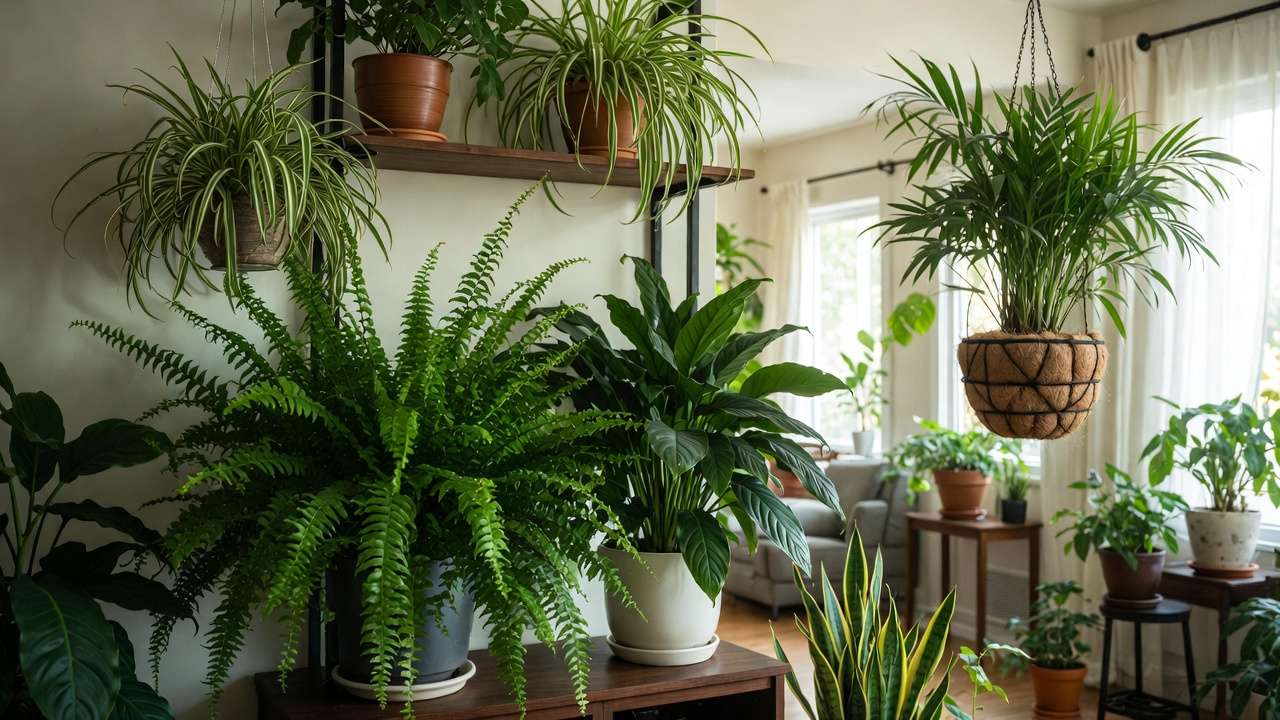
Boston Fern (Nephrolepis exaltata) 🌿
The gold standard for natural humidification! Boston ferns have lush, feathery fronds that transpire heavily, adding noticeable moisture. Research highlights them as top performers for raising RH in dry environments.
- Why it works: High leaf surface area = massive vapor release.
- Care tips: Bright indirect light, consistently moist (but not soggy) soil, mist regularly. Thrives in bathrooms or kitchens.
- Placement: Hanging baskets near windows.
- Bonus: Filters formaldehyde; pet-safe-ish (mild toxicity if chewed).
- Drawback: Needs high humidity to avoid browning—perfect self-regulator!
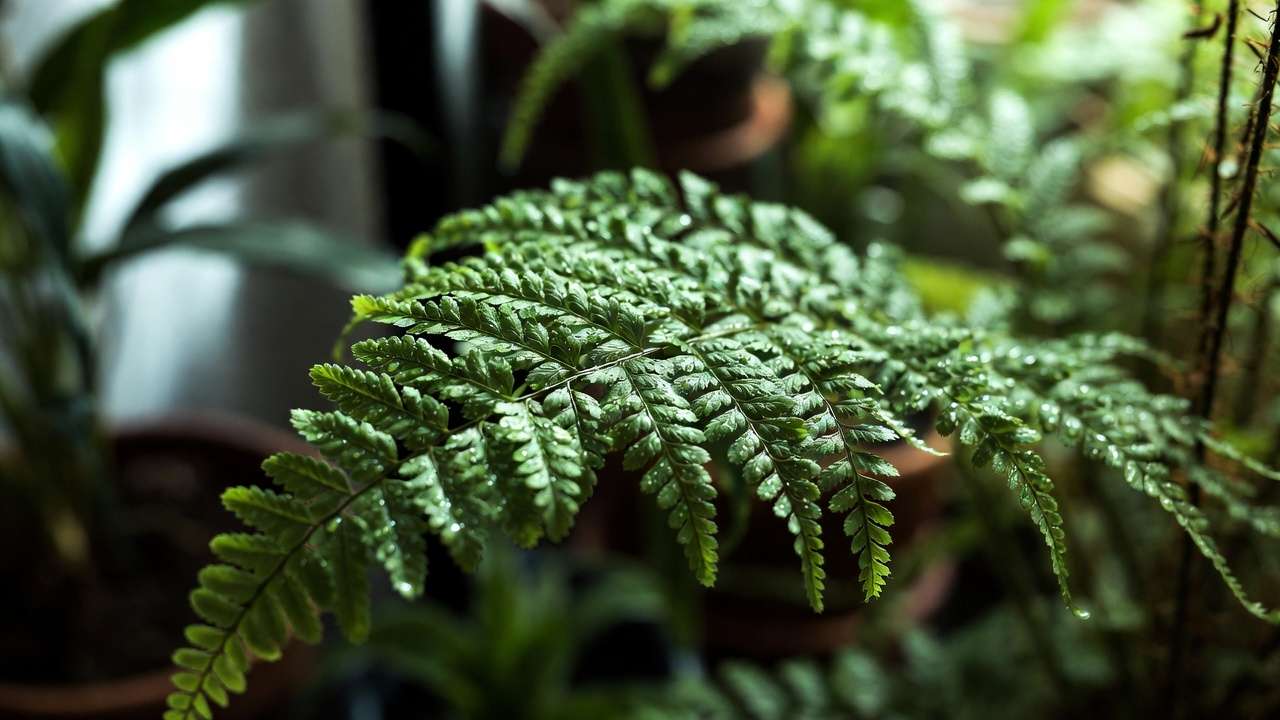
Peace Lily (Spathiphyllum) 🕊️
Elegant white blooms and glossy leaves make this a favorite. It signals low water by drooping but rebounds fast—and transpires generously when happy.
- Why it excels: Moderate-to-high transpiration + excellent air purification (NASA favorite for benzene/ammonia).
- Care: Low to medium light, keep soil moist, fertilize sparingly.
- Best for: Bedrooms or living rooms.
- Note: Toxic to pets—keep elevated.
Spider Plant (Chlorophytum comosum) 🕸️
Super forgiving and fast-growing, spider plants are proven humidity boosters per 2015 studies.
- Why great: Produces “pups” for easy propagation; high transpiration.
- Care: Bright indirect light, moderate watering (let top soil dry slightly).
- Placement: Shelves or hanging—perfect for beginners.
- Bonus: Removes toxins; very pet-safe.
Areca Palm (Dypsis lutescens) 🌴
Tropical vibe with feathery fronds—one of the highest transpiration rates among palms.
- Why effective: Releases lots of moisture + removes CO.
- Care: Bright indirect light, well-draining soil, regular watering.
- Ideal for: Larger spaces needing a statement piece.
Jade Plant (Crassula ovata) 💎
Unique because it transpires more at night—great for bedrooms!
- Why helpful: Succulent that still adds humidity subtly.
- Care: Bright light, infrequent watering (drought-tolerant).
- Bonus: Long-lived, symbolic of good luck.
English Ivy (Hedera helix) 🍃
Trailing beauty that climbs or hangs while boosting moisture.
- Care: Medium light, moist soil.
- Caution: Toxic to pets.
Other strong contenders: Calathea (prayer plant), Monstera deliciosa—tropicals that love and create humidity.
Top Indoor Plants That Reduce or Absorb Excess Humidity (Great for Damp Areas) 🏠🧹
In humid bathrooms, kitchens, or rainy climates, these plants help by absorbing moisture through leaves/roots or having lower transpiration.
Snake Plant (Sansevieria trifasciata) 🐍
Tough as nails! Uses CAM photosynthesis—absorbs CO₂ and moisture at night.
- Why it helps: Low transpiration + moisture control; fights condensation.
- Care: Low light tolerant, water sparingly.
- Best for: Bedrooms/bathrooms.
- Bonus: NASA air purifier; pet-safe varieties exist.
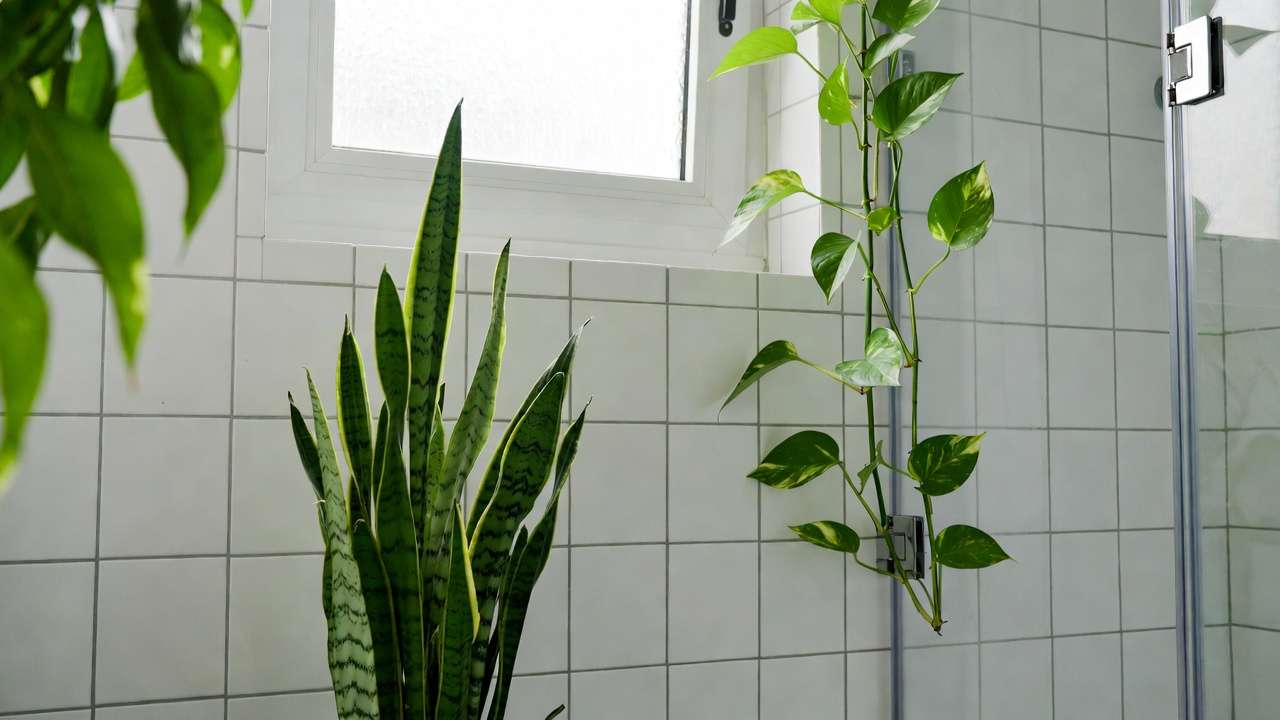
Golden Pothos (Epipremnum aureum) 💛
Hardy vine that absorbs excess vapor in humid spots.
- Care: Low to bright indirect light, let dry between waterings.
- Placement: Trailing in bathrooms.
Aloe Vera 🌵
Succulent that stores water internally—helps moderate damp air.
- Care: Bright light, infrequent watering.
Peperomia varieties 🍃
Compact and effective at absorbing ambient moisture.
- Care: Medium light, moderate water.
Orchids (Phalaenopsis) or Air Plants (Tillandsia) 🌸
Absorb directly from air—perfect for naturally humid zones.
- Care: Indirect light, mist or soak air plants.
How to Choose the Right Humidity-Balancing Plants for Your Space 🧐
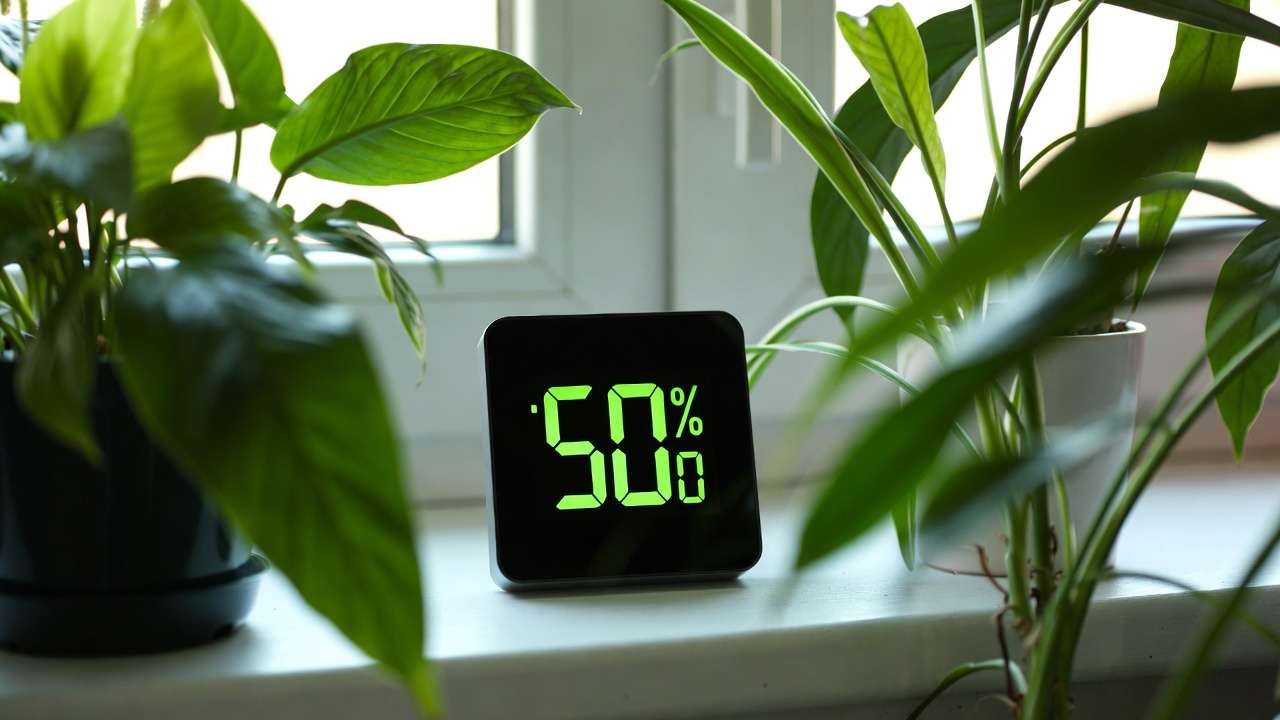
- Measure first: Get an affordable hygrometer (under $10) to check current RH.
- Room assessment:
- Dry bedroom/office → Add increasers like ferns/spider plants.
- Humid bathroom/kitchen → Opt for absorbers like snake plant/pothos.
- Consider light, pets, skill level.
- Mix both types for ultimate balance in variable climates.
Expert Tips to Maximize Humidity Regulation with Plants 🌟
To get the most out of your humidity-balancing plants, treat them like a mini ecosystem. Here are proven, expert-backed strategies I’ve used in homes ranging from dry desert apartments to steamy coastal spaces:
- Group plants strategically — Clustering 4–6 plants together creates a localized microclimate. Transpiration from one plant benefits its neighbors, potentially raising humidity by 5–15% in that zone (supported by recent studies on office environments with ferns and pothos). Place them on a tray or shelf away from direct heat vents.
- Use pebble trays or humidity trays — Fill a shallow tray with pebbles and water, then set pots on top (pots shouldn’t sit in water to avoid root rot). As water evaporates, it boosts local RH without over-misting. Refresh water weekly to prevent algae.
- Mist wisely — Mist in the morning so leaves dry before night (reduces fungal risk). Focus on high-transpiration plants like ferns or peace lilies. Avoid over-misting succulents or snake plants.
- Water correctly for maximum effect — Keep soil consistently moist (not soggy) for humidity increasers. Bottom-watering encourages deeper roots and steady transpiration. For absorbers like snake plants, let soil dry out more—overwatering defeats the purpose.
- Seasonal tweaks — In winter (dry heating season), prioritize increasers and add a small room humidifier if RH drops below 30%. In humid summers or monsoons, lean on absorbers and improve airflow with fans.
- Monitor with tools — Invest in a digital hygrometer/thermometer combo (many under $15). Track trends over weeks to see plant impact—adjust groupings accordingly.
- Combine with ventilation — Crack windows or use exhaust fans in damp rooms to prevent stagnation, letting plants handle fine-tuning rather than fighting extreme swings.
- Bonus hack — Place plants near (but not directly under) ceiling fans on low speed to circulate moist air gently.

These methods amplify natural effects without gadgets, making your green collection a true air-quality powerhouse. 🌿
Common Mistakes to Avoid When Using Plants for Humidity Control ⚠️
Even experienced plant parents slip up—here are the pitfalls I’ve seen (and fixed) most often:
- Overwatering humidity increasers — Leads to root rot, yellow leaves, and reduced transpiration. Always check top 1–2 inches of soil before watering.
- Placing absorbers in overly dry spots — Snake plants or aloes in desert-like air may stop absorbing effectively and show stress (brown tips). Match plant to room needs.
- Ignoring light requirements — Low-light plants like pothos thrive in bathrooms, but high-transpirers like Boston ferns need brighter indirect light or they’ll drop fronds and humidify less.
- Forgetting pet and child safety — Peace lilies, English ivy, and some pothos varieties are toxic if ingested. Opt for pet-safe alternatives like spider plants or Boston ferns if needed.
- Expecting instant miracles — Plants provide gradual, subtle changes (e.g., 5–10% RH shift with a good grouping). Don’t overload one tiny room with 20 plants—start with 3–5 and scale up.
- Neglecting dust buildup — Dusty leaves block stomata (pores), reducing transpiration/absorption. Wipe leaves gently with a damp cloth monthly.
Avoid these, and your plants will work efficiently and stay healthy long-term.
Real-Life Examples and Case Studies 📖
Let’s make this practical with scenarios I’ve encountered or helped others with:
- Dry bedroom in winter (Khulna-style dry season air!): A client with chronic dry skin added 4 spider plants + 1 Boston fern on a bedroom shelf. After 2 weeks, hygrometer showed RH climbing from 32% to 45–50%. Skin irritation eased, and plants thrived with occasional misting. Total cost: under $50 for starters.
- Damp bathroom fighting mold: In a humid coastal home, 2 snake plants + 1 golden pothos on the counter + an orchid on the window sill reduced visible condensation and musty smells within a month. RH dropped from 75%+ to 55–65%, no dehumidifier needed.
- Variable living room: Mixed approach—peace lily and areca palm (increasers) near the couch, plus a snake plant in a corner. Balanced RH around 50% year-round, even during monsoon spikes. Bonus: air felt fresher, fewer allergy flare-ups.
These aren’t hypotheticals—grouping and placement make a tangible difference.
Frequently Asked Questions (FAQs) ❓
Do indoor plants really change room humidity significantly? Yes, but modestly. Studies show groupings can raise RH by 5–15% in low-ventilation spaces (e.g., offices with ferns). Effects are localized and cumulative—more plants = bigger impact, but never replace a humidifier in extreme dryness.
Which plant is best for low light + humidity balance? Golden pothos or snake plant (both absorbers, low-light tolerant). For increasers, try spider plants—they adapt well.
Can plants prevent mold in humid areas? They help moderate excess moisture and improve air circulation indirectly, reducing mold risk. Pair with good ventilation for best results.
How many plants do I need for noticeable effects? Start with 3–6 in a medium room (e.g., 10–15 m²). Research on Boston ferns showed clear RH increases with 5–18 plants in offices.
Are there pet-safe options? Yes! Spider plant, Boston fern, areca palm, snake plant (non-toxic varieties), and peperomia are generally safe.
What if my home is extremely dry/humid? For extreme dry: Combine plants with a small ultrasonic humidifier. For extreme humid: Use absorbers + dehumidifier backup. Plants excel at fine-tuning, not extremes.
Conclusion: Bring Nature Indoors for Perfectly Balanced Air 🌿✨
Balancing indoor humidity doesn’t require fancy tech—just the right indoor plants that help with humidity balance working their natural magic. From lush Boston ferns and peace lilies that gently add moisture to tough snake plants and pothos that soak up excess, these green companions solve dry skin, stuffy air, mold worries, and more—while purifying air and boosting your mood.
Start small: Pick 2–3 plants suited to your space and light, monitor with a hygrometer, and watch your home become more comfortable and vibrant. Nature knows best!
Which humidity-balancing plant are you excited to try first? Drop a comment below—I’d love to hear your plans or experiences! Subscribe for more expert plant care guides tailored to tropical and variable climates like ours in Bangladesh. Happy planting! 🌱💚











