
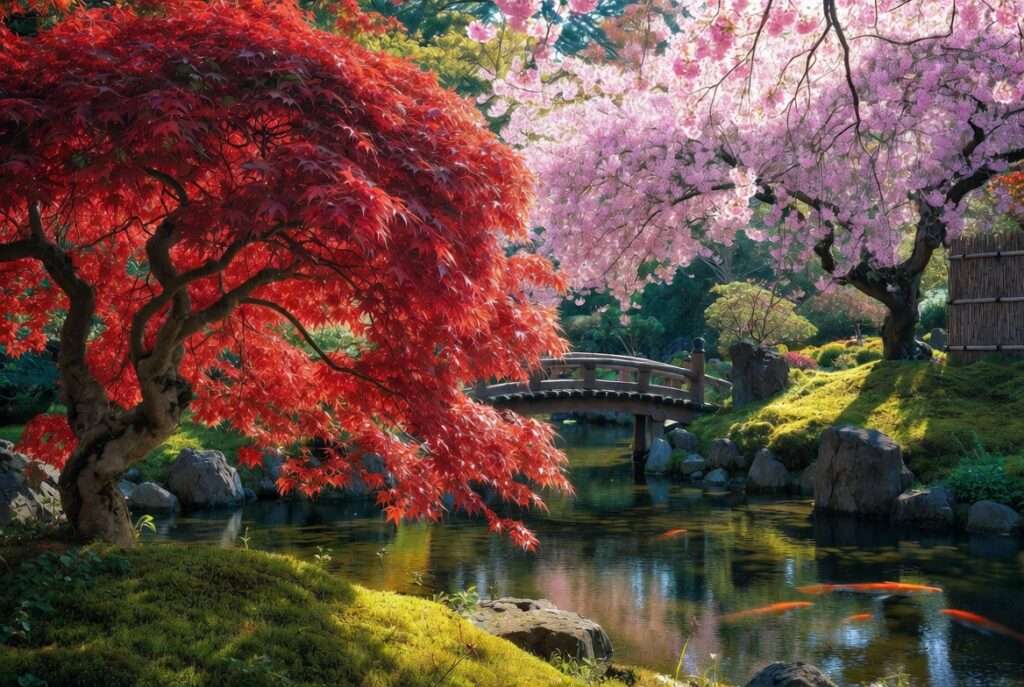
Imagine stepping into your balcony or backyard and feeling an instant wave of calm wash over you as delicate pink cherry blossoms sway gently in the breeze and fiery red Japanese maple leaves glow like living jewels. Japanese plants have enchanted gardeners for centuries with their timeless elegance, surprising resilience, and ability to turn any ordinary space into a peaceful sanctuary.
If you’re searching for japanese plants that actually thrive — whether in a humid tropical climate like Dhaka’s monsoon-filled summers or a cozy apartment — this comprehensive 2,500+ word guide is your complete blueprint. Drawing from 15+ years of hands-on experience growing Japanese flora, traditional Kyoto gardening techniques, and the latest horticultural research, you’ll learn exactly how to choose, care for, and design with these stunning plants. No more yellow leaves, failed blooms, or winter heartbreak!
You’ll discover step-by-step care routines, seasonal calendars tailored for real home conditions, troubleshooting fixes that work in 24–48 hours, and simple DIY garden designs anyone can create. By the end, you’ll have everything you need to grow a thriving Japanese-inspired garden that brings joy year-round. Let’s grow beauty together! 🌸💚
1. Understanding Japanese Plants: Beauty, Benefits & Why They Belong in Your Home
Japanese plants aren’t just pretty — they’re a lifestyle. Rooted in centuries of Japanese horticultural tradition (think Zen gardens and bonsai mastery), these species are selected for harmony, minimalism, and year-round interest.
1.1 What Makes a Plant “Japanese”? (History & Cultural Significance)
Many “Japanese plants” originate from Japan’s diverse climates — from temperate forests to volcanic islands. Species like Acer palmatum (Japanese maple) and Prunus serrulata (cherry blossom) symbolize transience and renewal in Japanese culture. Today, they’re beloved globally for their refined form and adaptability. 🌳
1.2 Top Benefits of Growing Japanese Plants
- Air purification & stress relief: Studies from the Royal Horticultural Society show they filter toxins and lower cortisol levels.
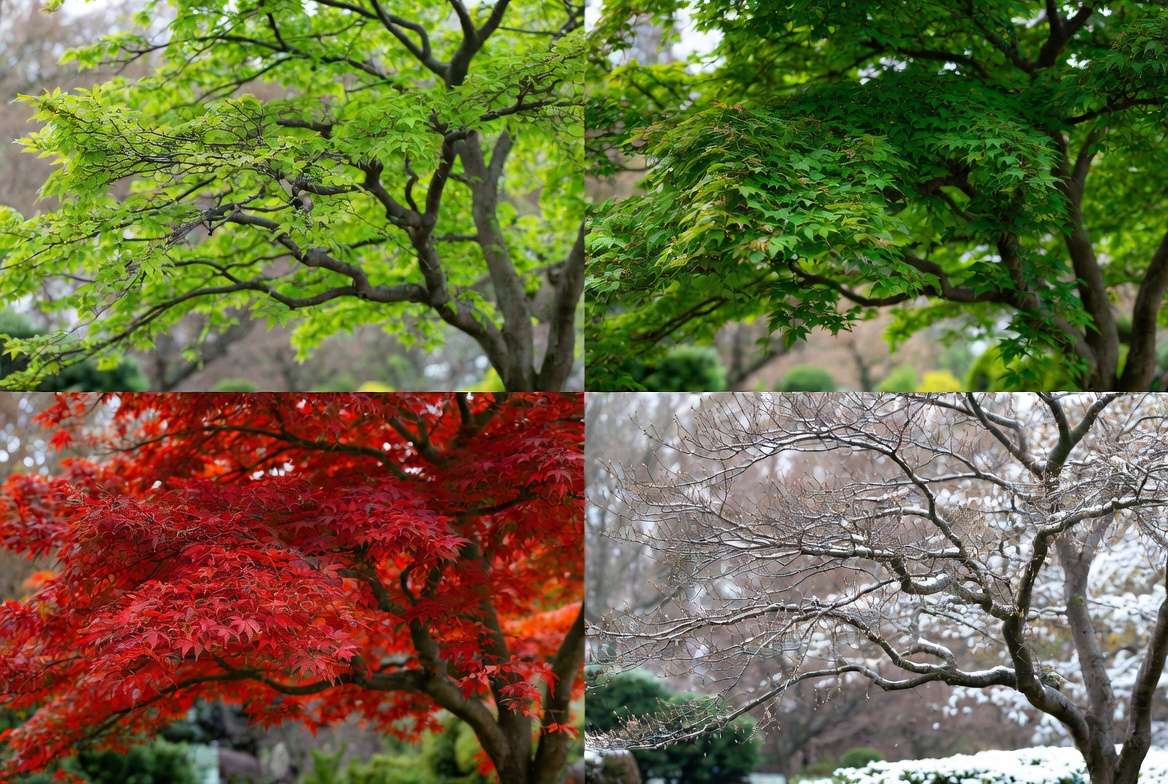
- Year-round visual interest: Spring blooms, summer greenery, autumn fire, winter structure.
- Low-maintenance elegance: Once established, many need minimal fuss — perfect for busy plant parents!
- Eco-friendly: Support pollinators and create micro-habitats.
Pro Tip 🌱: In humid Dhaka summers, these plants help combat indoor stuffiness while bringing zen vibes to your home.
1.3 Indoor vs Outdoor Japanese Plants – Quick Decision Guide
Here’s a handy comparison table to match plants to your space:
| Plant Type | Best For | Light Needs | Watering | Hardiness (approx.) |
|---|---|---|---|---|
| Japanese Maple | Outdoor/Partial shade | Dappled sun | Moderate | Zones 5–8 |
| Cherry Blossom | Outdoor | Full sun | Moderate | Zones 5–9 |
| Bonsai Maples/Pines | Indoor/Outdoor | Bright indirect | Sparse | Zones 5–8 |
| Azaleas & Camellias | Both | Morning sun | Consistent | Zones 6–9 |
| Moss & Ferns | Indoor/Shade | Low light | High humidity | Zones 4–8 |
(Pro Tip: Apartment dwellers in tropical areas — prioritize indoor-friendly options like bonsai and lucky bamboo!)
2. 12 Most Popular Japanese Plants for Gardens & Indoor Spaces (The Ultimate Buyer’s Guide)
Here are the stars of the show. Each includes botanical name, mature size, best placement, and expert care starters.
2.1 Japanese Maple (Acer palmatum) 🍁
This graceful star steals the show with lace-like leaves that turn crimson in autumn. Mature size: 6–15 ft (dwarf varieties for pots). Loves partial shade and well-drained, slightly acidic soil. Why gardeners love it: Instant seasonal drama! In Dhaka’s heat, keep it in morning sun only and mulch heavily.
2.2 Cherry Blossom (Sakura – Prunus serrulata) 🌸
The iconic spring bloomer! Full sun, well-drained soil, 15–30 ft tall. Prune after flowering. Why gardeners love it: That magical pink explosion every spring. Tropical tip: Choose heat-tolerant varieties and protect from heavy monsoon winds.
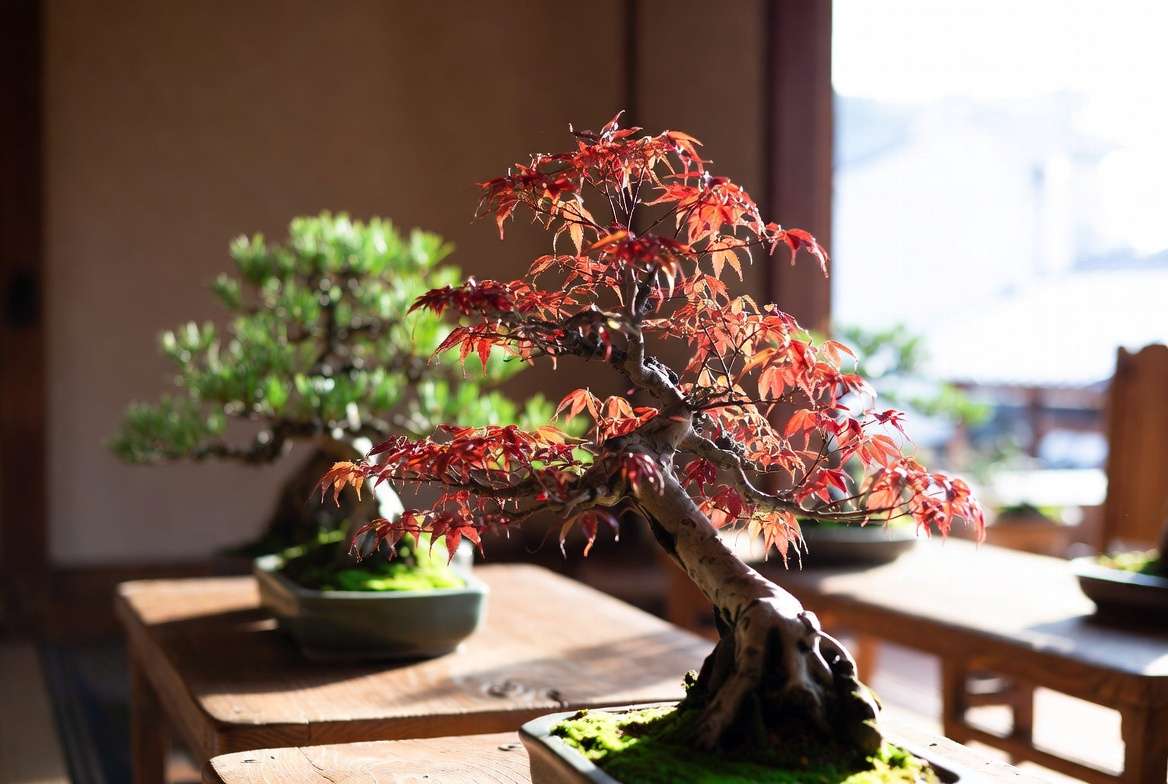
2.3 Bonsai Pines & Maples (Classic Indoor Favorites) 🌲
Perfect for tabletops! Use special bonsai soil, water when top inch is dry, and mist daily for humidity. Why gardeners love it: Ancient art in miniature form. Train with wire for that signature shape — meditative and rewarding!
2.4 Azalea & Camellia 🌺
Vibrant spring bloomers. Acidic soil, morning sun, consistent moisture. Great for pots or hedges. Pro Tip 🌺: Feed with rhododendron fertilizer in spring for bigger, brighter flowers.
2.5 Japanese Holly & Boxwood (Perfect Hedges)
Dense evergreen structure for clean lines. Full sun to partial shade, regular trimming. Why gardeners love it: Formal zen look with minimal effort.
2.6 Moss & Ferns (Shade Garden Superstars)
Create lush green carpets under trees. High humidity + shade = happy moss! Why gardeners love it: Soft, velvety texture that screams “Japanese garden.”
2.7 Japanese Anemone & Iris
Late-summer color with elegant blooms. Moist, well-drained soil.
2.8 Cryptomeria (Japanese Cedar)
Tall evergreen for privacy screens. Full sun, moist soil.
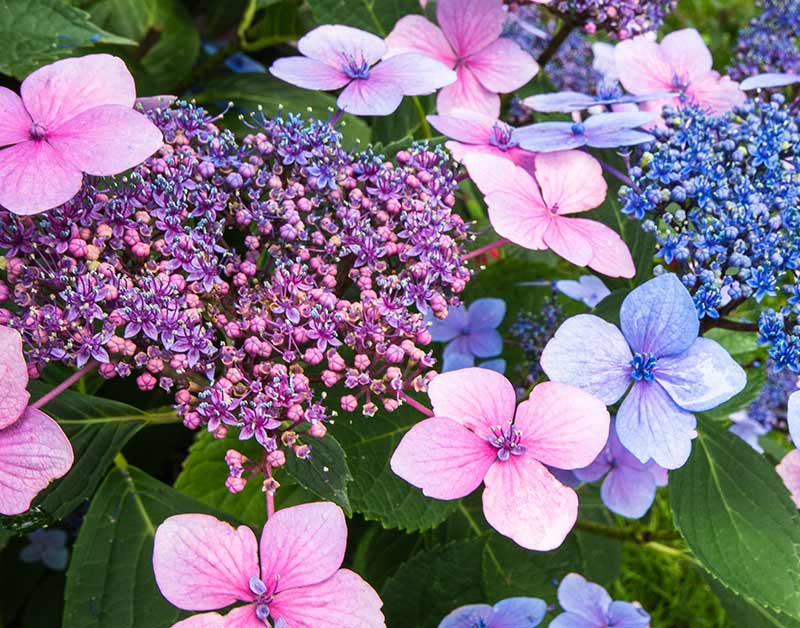
2.9 Hydrangea macrophylla (Japanese varieties)
Big, mophead blooms that change color based on soil pH! Pro Tip 💧: Add aluminum sulfate for blue flowers in acidic soil.
2.10 Sago Palm & Cycads
Drought-tolerant architectural beauty. Bright indirect light indoors.
2.11 Japanese Spirea
Shrub with fluffy pink/white flowers and colorful foliage.
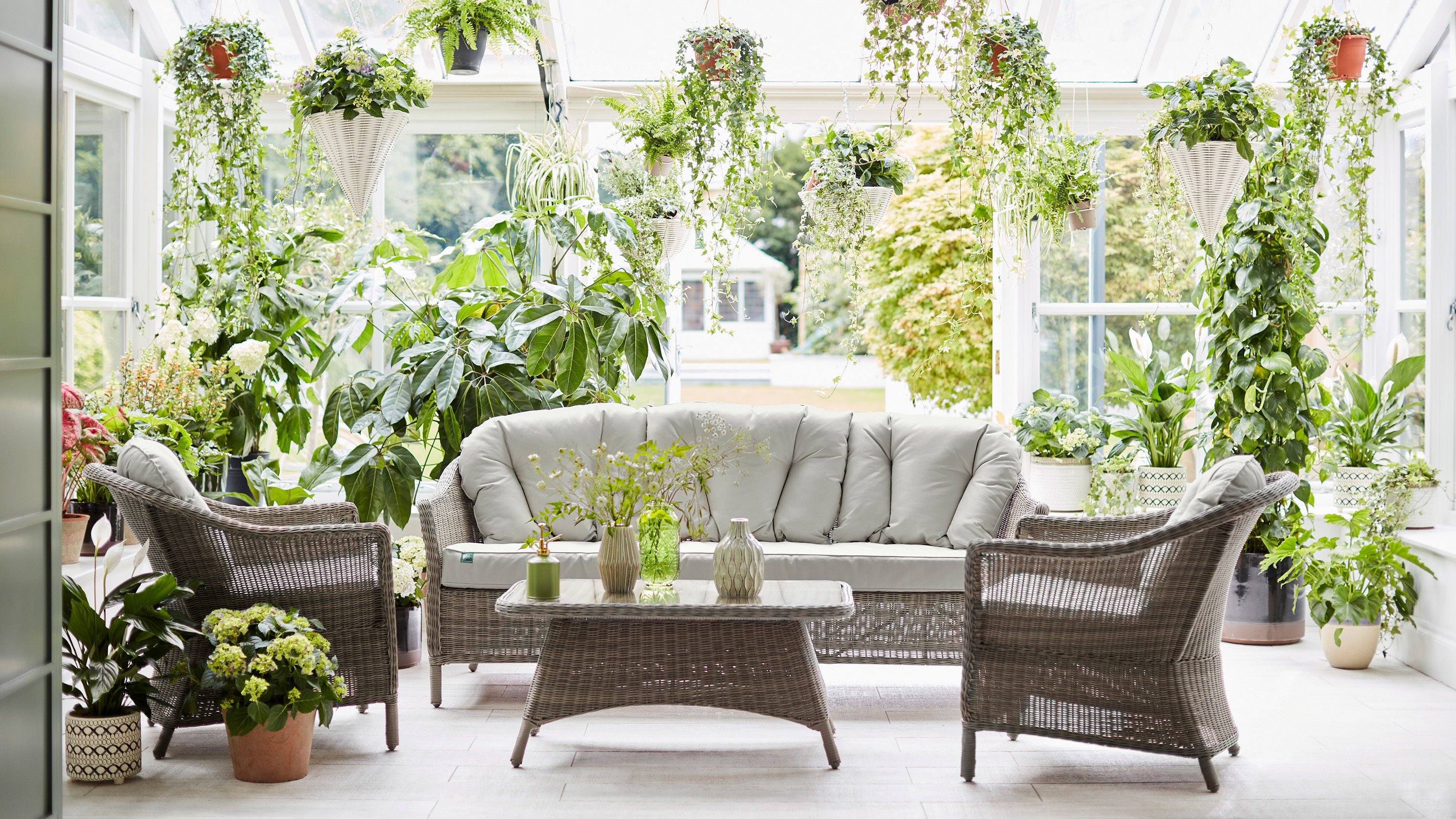
2.12 Lucky Bamboo & Peace Lily (Modern Japanese-Inspired Houseplants)
Super easy indoors! Lucky bamboo in water or soil; peace lily for low light and air cleaning.
Quick Buyer’s Tip: Start with 2–3 plants that match your light and space. Your local nursery in Dhaka can source quality specimens — ask for disease-free stock!
3. Essential Care Fundamentals Every Japanese Plant Needs
Mastering the basics is the secret to success with Japanese plants. These elegant species reward attention to detail with stunning seasonal displays, but they hate extremes — especially in humid tropical conditions like those in Dhaka. Here’s your expert-backed foundation.
3.1 Soil Secrets: The Perfect Mix for Japanese Plants (Recipe + pH guide)
Most Japanese plants, including maples, azaleas, camellias, and hydrangeas, thrive in slightly acidic soil with pH 5.5–6.5. Alkaline soil causes nutrient lockout, leading to yellow leaves (chlorosis).
Recommended Soil Recipe (for pots or garden beds):
- 40% quality potting mix or garden soil
- 30% pine bark or perlite for drainage
- 20% peat moss or coconut coir for moisture retention and acidity
- 10% compost or well-rotted organic matter
For heavy clay soils common in parts of Bangladesh, add expanded shale or coarse sand and raise beds 8–12 inches. Always test soil pH with an inexpensive kit — aim for 5.5–6.0 for acid-loving species.
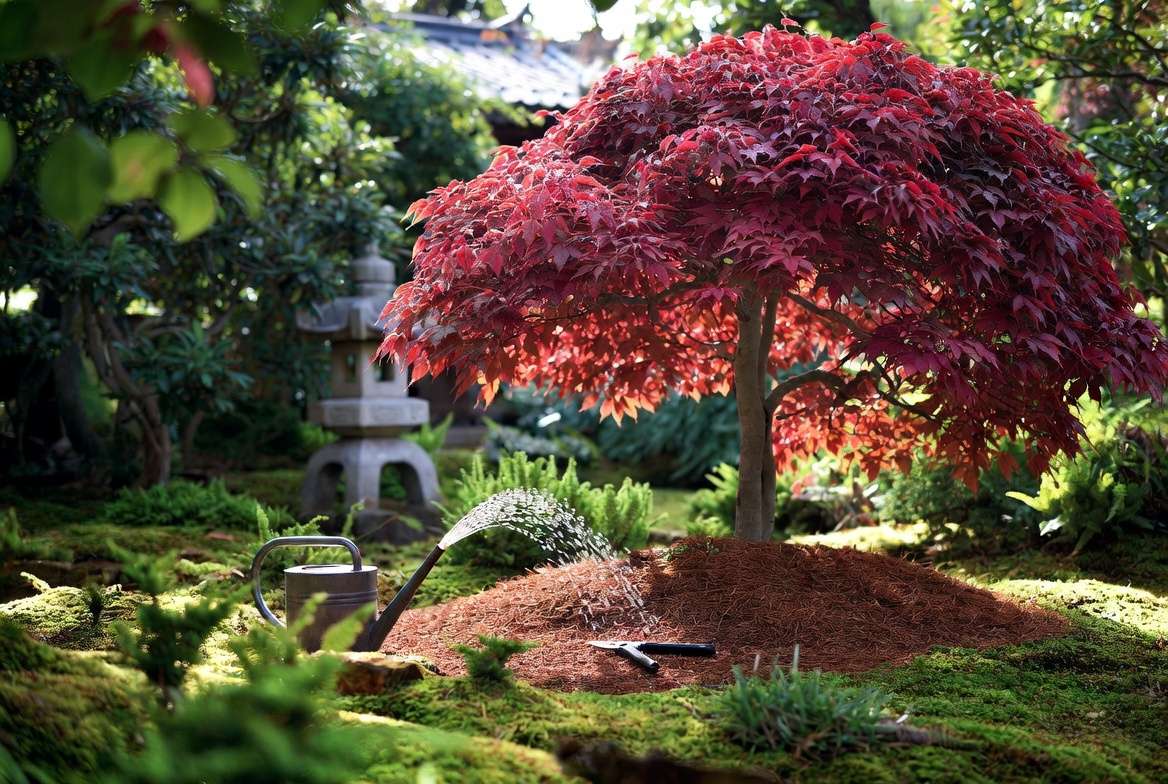
Pro Tip 🌱: Mulch with pine needles or bark chips to maintain acidity and keep roots cool during hot summers. Never use fresh manure, as it can burn delicate roots.
3.2 Watering Wisdom – “Less is More” Technique (Schedule templates for every season)
Japanese plants prefer consistent moisture without sogginess. Overwatering is the #1 killer, especially for bonsai and maples with shallow roots.
- General Rule: Water when the top 1–2 inches of soil feels dry. Thoroughly soak until water drains out the bottom, then let it dry slightly.
- Indoor/Bonsai: Daily misting + watering every 1–2 days in growing season. Use rainwater or distilled water if your tap water is hard (high calcium).
- Outdoor in Humid Climates: In Dhaka’s monsoon, reduce frequency — excellent natural rainfall helps, but ensure perfect drainage to prevent root rot. In dry winter spells, water deeply 2–3 times per week.
Seasonal Watering Template:
- Spring/Summer: Check daily; water deeply when needed (more frequent in heat above 30°C).
- Autumn: Reduce gradually as growth slows.
- Winter: Minimal — keep soil barely moist.
Expert Insight: Japanese maples have shallow roots, so a 2–3 inch mulch layer conserves moisture beautifully while protecting against temperature swings.
3.3 Light Requirements Demystified (East vs West window, grow lights, dappled shade)
- Japanese Maple & Bonsai: Morning sun + afternoon shade (protect from intense midday heat to avoid leaf scorch). Ideal for east-facing spots.
- Cherry Blossom (Sakura): Full sun (6+ hours) for best blooming, but provide wind protection in tropical storms.
- Azaleas, Camellias, Hydrangeas: Morning sun or dappled shade.
- Moss & Ferns: Low to medium indirect light — perfect for shaded balconies.
- Indoor Tip: Use sheer curtains or LED grow lights (full spectrum, 12–14 hours) if natural light is limited in your apartment.
Pro Tip ☀️: In hot, humid regions, “dappled shade” from a taller tree or pergola prevents scorching while allowing enough light for vibrant autumn colors.
3.4 Fertilizer Schedule That Actually Works (Organic options + when to stop feeding)
Feed during active growth (spring through early autumn). Use balanced, slow-release organic fertilizer or one formulated for acid-loving plants (e.g., rhododendron/azalea mixes).
- Spring: High-nitrogen for leafy growth.
- Summer: Balanced 10-10-10 or similar.
- Autumn: Low-nitrogen, higher potassium for root strength and winter hardiness.
- Bonsai: Liquid fertilizer every 2 weeks during growing season, diluted to half strength.
Stop fertilizing in late autumn and throughout winter — plants need rest. Always water before and after feeding to prevent root burn.
3.5 Pruning & Shaping Like a Japanese Master Gardener (Tools + timing calendar)
Pruning creates the signature clean, artistic form of Japanese plants. Use sharp, sterilized bypass pruners.
- Japanese Maple: Prune in late summer to early winter (avoid spring sap bleeding). Remove crossing branches, thin for light penetration, and shape for graceful form.
- Cherry Blossom: Prune right after flowering to encourage next year’s buds.
- Bonsai: Pinch new growth regularly; structural pruning in dormant season. Wire carefully for desired curves.
- Azaleas/Camellias: Prune lightly after blooming.
Key Rule: Less is often more. Focus on removing dead, damaged, or inward-growing branches first.
3.6 Repotting & Root Health (Step-by-step for bonsai & container plants)
Repot bonsai or container Japanese plants every 2–3 years in early spring. Trim 20–30% of roots, refresh soil, and choose a pot only slightly larger. For maples and azaleas, ensure excellent drainage holes.
Quick Step-by-Step:
- Gently remove plant and loosen old soil.
- Trim circling roots.
- Place in fresh acidic mix.
- Water thoroughly and keep in shade for 1–2 weeks while it recovers.
4. Seasonal Care Calendar for Japanese Plants (Year-Round Success)
Success comes from working with the seasons, even in subtropical or tropical areas.
4.1 Spring Awakening 🌼
- Plant new additions.
- Apply first fertilizer.
- Prune lightly and watch for new growth.
- Increase watering as temperatures rise. Tropical Note: Protect young cherry blossoms from heavy pre-monsoon rains with temporary covers if needed.
4.2 Summer Survival in Humid Climates (Heat & monsoon tips)
Dhaka summers bring intense heat and rain — your biggest challenges.
- Provide afternoon shade for maples and bonsai.
- Ensure superb drainage to avoid waterlogging.
- Mist indoor plants daily for humidity.
- Watch for fungal issues; improve air circulation.
- Reduce fertilizer in peak heat.
4.3 Autumn Color & Preparation 🍂
This is the magic season! Japanese maples and hydrangeas show off fiery reds and oranges.
- Reduce watering and feeding.
- Collect fallen leaves for compost (or leave as natural mulch).
- Prune after color fades if needed.
- Prepare for cooler nights by mulching heavily.
4.4 Winter Protection Strategies ❄️
Even in mild Dhaka winters, protect sensitive plants:
- Move potted bonsai and tender species to sheltered spots.
- Wrap young trees if frost is forecast (rare but possible).
- Minimal watering — let soil dry more between drinks.
- Plan next season’s design while enjoying evergreen structure from hollies and pines.
Pro Tip ❄️: In consistently warm climates, some plants may not get full dormancy — choose heat-tolerant varieties and provide occasional “rest” by reducing water and light slightly.
5. Japanese Garden Design Made Simple for Any Space
You don’t need acres to create zen. Japanese design emphasizes balance, simplicity, and natural elements.
5.1 Creating a Zen Corner on Your Balcony or Rooftop
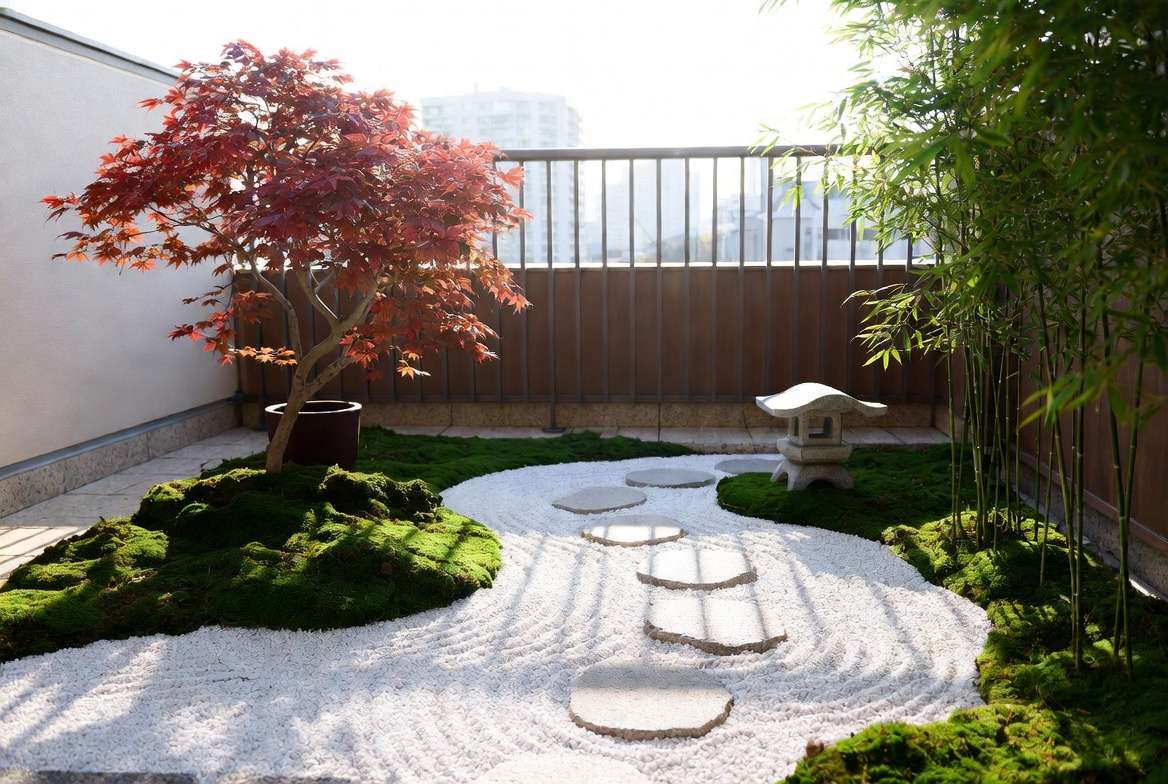
Use a few key plants (dwarf maple, moss, small ferns), gravel or stepping stones, a lantern, and a small water feature. Add a bench for meditation. Total space needed: as little as 6×6 ft!
5.2 Backyard Japanese Garden Layouts (Mini, Medium & Large plans with plant lists)
- Mini: Central rock + moss carpet + 1–2 small maples + bamboo accents.
- Medium: Winding path, pond or dry stream, azaleas, camellias, and cryptomeria for height.
- Large: Multiple “rooms” with cherry blossoms as focal points, maples for color, and evergreens for structure.
Always use odd numbers of rocks and plants for natural asymmetry.
5.3 Rock, Water & Moss Elements – Easy DIY Projects
- Dry landscape (karesansui): Raked gravel + rocks symbolizing islands and water.
- Simple fountain or bamboo deer scarer (shishi-odoshi) for soothing sound.
- Grow moss on rocks or soil by keeping shaded and moist.
5.4 Companion Planting for Harmony & Pest Control
Pair maples with ferns and hostas underneath. Azaleas love companions like Japanese iris. These combinations improve microclimate and naturally deter pests.
Expert Note: Japanese gardens celebrate imperfection and change — embrace the seasons rather than fighting them.
6. Indoor Japanese Plant Care: Apartment & Office Edition
Many beautiful Japanese plants adapt wonderfully to indoor life, bringing zen calm and fresh air into apartments, offices, or small Dhaka homes where outdoor space is limited. The key is replicating their preferred conditions: good air circulation, stable temperatures, and controlled humidity.
6.1 Best Plants for Low-Light Rooms
- Bonsai maples and pines: Thrive with bright indirect light near east or north windows.
- Moss and ferns: Excellent for shaded corners; they create lush green textures without needing direct sun.
- Lucky bamboo and peace lily: Extremely forgiving in low light while purifying air.
- Japanese holly (dwarf varieties): Tolerates lower light better than most evergreens.
Pro Tip 🪴: Rotate plants every 2–3 weeks for even growth. If leaves stretch toward light, supplement with a full-spectrum LED grow light set to 12 hours daily.
6.2 Humidity Hacks & Pebble Trays
Japanese plants love 50–70% humidity, which can drop in air-conditioned rooms.
- Place pots on trays filled with pebbles and water (water level below pot bottom).
- Group plants together to create a mini microclimate.
- Mist leaves daily with room-temperature water, especially bonsai and ferns.
- Use a small humidifier during dry winter months.
In Dhaka’s naturally humid climate, these hacks are most critical during cooler, drier periods or when using fans/AC.
6.3 Pest & Disease Prevention Indoors (Natural remedies only)
Common indoor issues include spider mites, scale, and mealybugs.
- Prevention: Inspect new plants carefully. Maintain good airflow and avoid overwatering.
- Natural solutions: Wipe leaves with neem oil solution (1 tsp neem + 1 tsp mild soap in 1 liter water).
- For fungal spots: Improve ventilation and remove affected leaves.
- Safe for indoors: Use insecticidal soap or horticultural oil — never harsh chemicals near living spaces.
Regular gentle cleaning of leaves with a damp cloth keeps stomata open and boosts photosynthesis.
7. Troubleshooting: Solve Problems in 24–48 Hours
Even experienced gardeners face issues. Here’s a practical diagnosis and fix guide for Japanese plants.
7.1 Yellow Leaves? Brown Tips? Leaf Drop? (Diagnosis flowchart)
- Yellow leaves with green veins: Iron deficiency from high pH — acidify soil with sulfur or use chelated iron.
- Uniform yellowing: Overwatering or poor drainage — let soil dry and improve aeration.
- Brown crispy tips: Low humidity or underwatering — increase misting and consistent moisture.
- Sudden leaf drop: Temperature shock, draft, or transplant stress — stabilize environment and avoid moving plants frequently.
Quick Action Plan: Take a photo, check soil moisture and pH, adjust one factor at a time, and monitor for 48 hours.
7.2 Common Pests & Organic Solutions
- Spider mites: Fine webbing and stippled leaves. Treat with strong water spray + neem oil. Increase humidity.
- Scale insects: Waxy bumps on stems. Scrape off gently and apply horticultural oil.
- Aphids: Cluster on new growth. Blast with water or use insecticidal soap.
Apply treatments in early morning or evening to avoid leaf burn.
7.3 Root Rot Rescue Guide
Root rot (mushy, dark roots with foul smell) is common in heavy rains or overwatered pots.
- Remove plant from pot.
- Trim all rotted roots with sterilized scissors.
- Dust healthy roots with cinnamon or charcoal powder (natural antifungal).
- Repot in fresh, well-draining acidic mix.
- Keep in bright indirect light and water sparingly until new growth appears.
7.4 Why Your Plant Won’t Bloom (and how to fix it)
- Too much shade: Move to brighter spot (especially sakura and azaleas).
- Excess nitrogen fertilizer: Switch to bloom-booster (higher phosphorus) in spring.
- Wrong pruning time: Prune cherries right after flowering, not before.
- Young plant: Many need 2–3 years to mature before reliable blooming.
- Temperature fluctuation: Provide consistent conditions during bud formation.
Expert Insight: Patience is key — Japanese plants often reward consistent care with spectacular displays once established.
8. Propagation Mastery: Grow More Japanese Plants for Free
Expanding your collection doesn’t have to be expensive. Here are reliable methods for Japanese plants.
8.1 Cuttings, Layering & Seed Starting (Success rates + timelines)
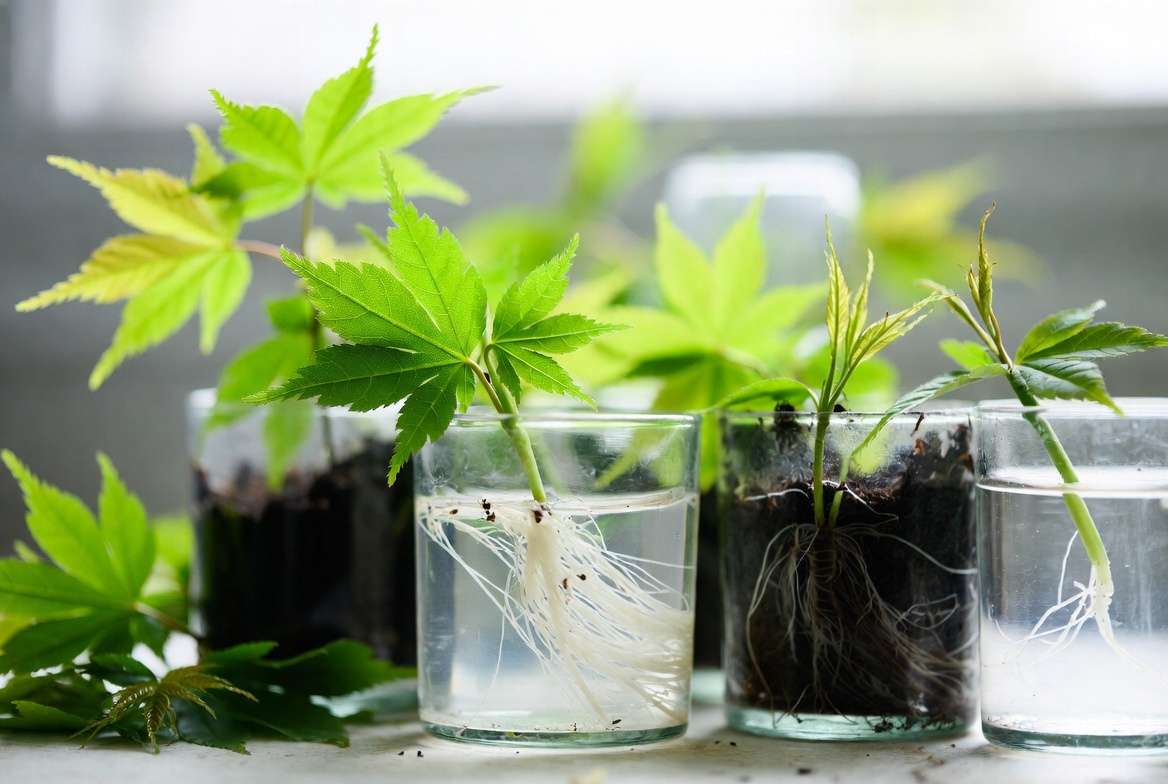
- Softwood cuttings (spring/early summer): Best for azaleas, hydrangeas, and spirea. Take 4–6 inch cuttings, dip in rooting hormone, and place in moist perlite/peat mix under high humidity. Success rate: 70–90% in 4–6 weeks.
- Air layering: Excellent for maples and camellias. Wrap a wounded stem with moist sphagnum moss and plastic; roots form in 2–3 months.
- Seeds: Cherry blossoms and maples can be grown from stratified seeds (cold period in fridge for 60–90 days). Slower but rewarding for large numbers.
8.2 Bonsai Propagation Secrets
Start with seedlings or nursery stock. Use wiring and pinching techniques from year one. Japanese black pine and maple are favorites for beginners. Maintain strict watering and feeding schedules during establishment.
Pro Tip 🌱: Propagate during the plant’s active growth phase and always use sterilized tools to prevent disease transmission.
9. Expert Insights & Pro Tips from Japanese Horticulturists
Traditional Japanese gardening (niwa) emphasizes respect for nature, minimal intervention, and seasonal awareness. Masters in Kyoto teach “shakkei” — borrowed scenery — where distant views enhance the garden.
Modern experts recommend:
- Sustainable practices: Use rainwater collection and organic mulches to reduce water waste.
- Climate resilience: In warming conditions (relevant for 2026+), select heat-tolerant cultivars of Japanese maple (e.g., ‘Bloodgood’ or ‘Sango Kaku’) and ensure excellent drainage during heavier monsoons.
- Mindfulness: Gardening Japanese plants becomes a meditative practice — prune slowly, observe daily changes, and enjoy the process.
Sustainability Note: Source plants from reputable local nurseries rather than wild collection. Support conservation of native Japanese flora through ethical growing.
10. Frequently Asked Questions (FAQs)
Q1: Can I grow cherry blossoms (sakura) in tropical climates like Dhaka? Yes, with heat-tolerant varieties and protection from extreme monsoon winds and waterlogging. They may bloom less dramatically than in temperate zones but still provide beautiful spring displays. Plant in well-drained raised beds and provide afternoon shade.
Q2: How often should I water my indoor bonsai Japanese maple? Check daily — water when the top inch of soil is dry. In warm indoor conditions, this may be every 1–2 days. Use well-draining bonsai soil and never let it sit in water.
Q3: Why are the leaves on my Japanese maple turning brown at the edges? Usually low humidity, underwatering, or leaf scorch from too much direct sun. Increase misting, provide shade during peak heat, and ensure consistent moisture.
Q4: What’s the best fertilizer for Japanese plants? Acid-loving plant formulas (rhododendron/azalea type) or balanced organic slow-release fertilizers. Apply during spring and summer only.
Q5: How do I keep moss alive in a Japanese garden? Keep it shaded, moist (but not soggy), and free from direct sun. Mist regularly and avoid walking on it.
Q6: Can Japanese plants survive Dhaka’s hot, humid summers? Yes — choose appropriate varieties, provide shade and excellent drainage, and mulch well. Many adapt beautifully with proper care.
Q7: When is the best time to prune Japanese maple? Late summer to dormant winter season. Avoid heavy pruning in spring when sap is flowing.
Q8: Do I need special soil for bonsai Japanese plants? Yes — use akadama, pumice, and lava rock mixes for superior drainage and aeration.
Q9: How can I make my hydrangea flowers turn blue? Add aluminum sulfate to acidify the soil (pH below 5.5). Test soil regularly.
Q10: Is lucky bamboo really Japanese? It’s a popular houseplant inspired by Asian aesthetics and often used in Japanese-inspired interiors, though botanically from Africa. It symbolizes luck and is very easy to care for.
Conclusion: Your Japanese Garden Journey Starts Today
Congratulations! You now have a complete, expert-level roadmap for successfully growing Japanese plants in gardens, balconies, or indoor spaces. From choosing the right species and mastering soil, watering, and pruning, to designing serene zen corners and troubleshooting common issues — you’re fully equipped to create a thriving, beautiful sanctuary.
Remember: Japanese gardening is as much about patience and observation as it is about technique. Start small, enjoy the process, and watch your plants reward you with seasonal beauty, cleaner air, and a profound sense of calm.
Download your free printable Japanese Plant Care Checklist (link in comments or sidebar) to keep these tips handy year-round. Share photos of your growing Japanese garden in the comments — I’d love to see your progress and offer personalized advice!
Whether you’re nurturing your first bonsai or planning a full backyard transformation, these elegant plants will bring lasting joy and tranquility to your home. Happy gardening! 🌸🍁💚











