
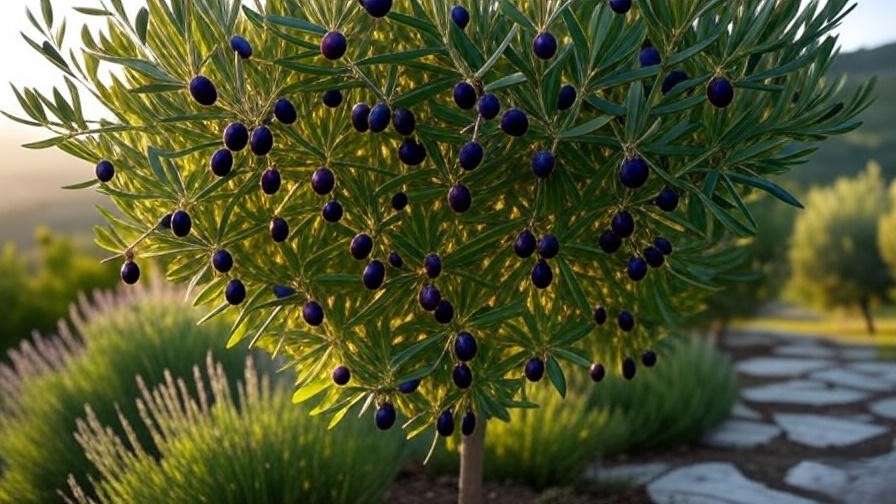
Picture this: a sun-drenched Mediterranean garden, with the silvery-green leaves of a Kalamata olive tree swaying gently in the breeze, its branches heavy with plump, dark purple olives. 🫒 Growing your own Kalamata olive tree can bring this dream to life, transforming your backyard into a slice of Greece. Whether you’re a beginner gardener or an experienced plant enthusiast, this guide will walk you through every step to cultivate a healthy, productive Kalamata olive tree. From planting to harvesting, we’ll cover expert-backed techniques to ensure your tree thrives, even if you’re new to olive growing. With insights drawn from decades of horticultural expertise and Mediterranean farming practices, this article is your roadmap to success. Let’s dive into the art and science of nurturing this iconic tree! 🌞
1. Understanding the Kalamata Olive Tree 🫒
1.1 What Makes the Kalamata Olive Tree Special? ✨
The Kalamata olive tree (Olea europaea ‘Kalamata’) is a cornerstone of Mediterranean culture, hailing from the Peloponnese region of Greece. Renowned for its rich, tangy olives, this cultivar is prized for both its fruit and ornamental beauty. Its glossy, evergreen leaves and gnarled, sculptural trunk add elegance to any landscape, while its olives are a staple in gourmet dishes. Unlike other olive varieties, Kalamata olives are known for their deep purple hue and almond-like shape, offering a robust flavor perfect for salads, tapenades, or snacking.
Beyond culinary appeal, Kalamata olive trees are hardy and drought-tolerant, making them ideal for warm, sunny climates. They embody resilience and heritage, connecting gardeners to centuries-old traditions of olive cultivation. Whether you’re growing for aesthetics or harvest, this tree is a rewarding addition to your garden.
1.2 Ideal Growing Conditions for Kalamata Olive Trees ☀️
To thrive, Kalamata olive trees need conditions mimicking their Mediterranean homeland. They flourish in USDA hardiness zones 8–10, where winters are mild and summers are hot. If you live in a cooler region, container planting allows you to grow them indoors during winter.
- Climate: Warm, dry summers and mild winters are ideal. Kalamata trees tolerate temperatures as low as 15°F (-9°C) but prefer frost-free environments.
- Soil: Well-draining, slightly alkaline soil (pH 6.5–8) is essential. Sandy loam or rocky soils work best, as they prevent waterlogging.
- Sunlight: Full sun (at least 6–8 hours daily) is non-negotiable for healthy growth and fruit production.
Expert Tip: Test your soil’s pH with a home kit to ensure it’s within the optimal range. If it’s too acidic, amend with lime to raise the pH. 🌍
2. Choosing the Right Kalamata Olive Tree 🌳
2.1 Selecting a Healthy Tree from a Nursery 🏪
Choosing a high-quality Kalamata olive tree sets the foundation for success. Visit a reputable nursery or trusted online supplier to find a healthy sapling. Look for these signs of vigor:
- Roots: White, firm roots indicate health. Avoid trees with brown, mushy, or sparse roots.
- Leaves: Glossy, green leaves without yellowing or spots suggest a thriving tree.
- Stem and Trunk: A sturdy, unblemished trunk with no cracks or scars is ideal.
Opt for a tree that’s 2–3 years old, as younger trees establish more easily. Popular Kalamata cultivars include ‘Kalamata’ and ‘Valanolia,’ both suited for home gardens. Reliable sources like local nurseries or online retailers such as Logee’s or Monrovia ensure quality.
2.2 Container vs. Ground Planting: Which Is Best? 🪴
Deciding whether to plant your Kalamata olive tree in the ground or a container depends on your climate and space.
- Ground Planting: Ideal for USDA zones 8–10, where trees can grow to 20–30 feet tall. In-ground trees require less frequent watering once established and produce larger yields.
- Container Planting: Perfect for cooler climates or small spaces. Use a 15–20-gallon pot with drainage holes. Containers allow mobility to protect trees from frost but require more frequent care.
For container planting, use a well-draining soil mix (50% potting soil, 30% sand, 20% compost). Ensure the pot is large enough to accommodate root growth for 2–3 years.
Expert Tip: Add a layer of gravel to the pot’s base to enhance drainage and prevent root rot. 🚿
3. Planting Your Kalamata Olive Tree 🌍
3.1 Step-by-Step Planting Guide 🌱
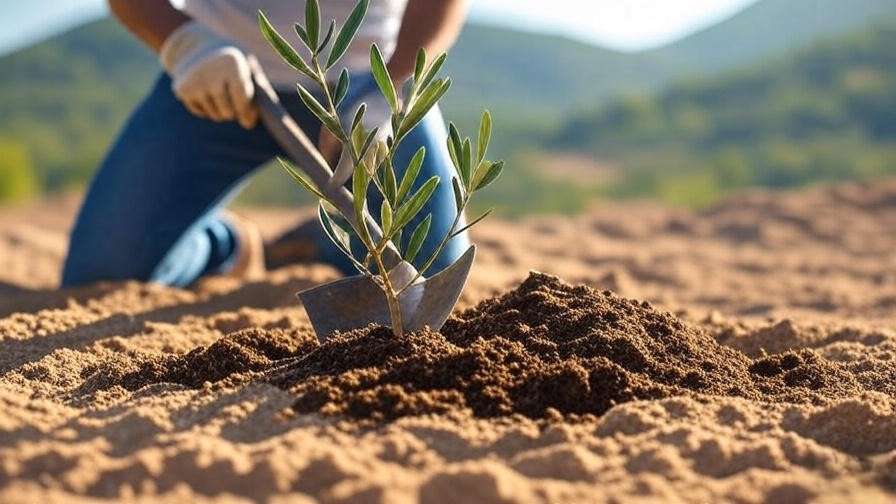
Proper planting ensures your Kalamata olive tree establishes strong roots. Follow these steps:
- Timing: Plant in spring or early fall when temperatures are mild, allowing roots to settle before extreme heat or cold.
- Site Preparation: Choose a sunny, well-draining spot. Dig a hole twice as wide and as deep as the root ball. Amend soil with compost if it’s heavy clay.
- Planting: Place the tree in the hole, ensuring the root crown is level with the soil surface. Backfill with soil, tamp gently, and water thoroughly.
- Staking: Use a stake to support young trees against wind for the first year.
3.2 Common Planting Mistakes to Avoid 🚫
Avoid these pitfalls to ensure your tree’s health:
- Overwatering: Excess water causes root rot. Water deeply but infrequently after planting.
- Planting Too Deep: Burying the root crown can suffocate the tree. Keep it level with the soil.
- Poor Soil Prep: Failing to test or amend soil can stunt growth. Always check drainage and pH.
Case Study: Jane, a novice gardener in California, planted her Kalamata tree too deep, leading to yellowing leaves. After consulting a local nursery, she replanted at the correct depth and amended the soil, restoring her tree’s health within months. 🌿
4. Essential Care Tips for a Thriving Kalamata Olive Tree 🌞
4.1 Watering Needs 💧
Kalamata olive trees are drought-tolerant but require consistent watering during their first 2–3 years to establish roots. Water deeply once a week during the growing season (spring–summer), reducing to every 2–3 weeks in fall and winter. Mature trees may only need supplemental watering during prolonged dry spells.
- Signs of Overwatering: Yellowing leaves, soggy soil, or fungal growth.
- Signs of Underwatering: Wilting, dry leaves, or slow growth.
Expert Insight: Install a drip irrigation system to deliver water slowly and directly to the root zone, saving water and promoting healthy growth. 💦
4.2 Fertilizing for Optimal Growth 🌿
Fertilizing supports vigorous growth and fruit production. Use a balanced fertilizer (e.g., 10-10-10) or one high in nitrogen and potassium. Apply in early spring and mid-summer, following package instructions.
- Organic Options: Compost, aged manure, or fish emulsion provide slow-release nutrients.
- Synthetic Options: Granular or liquid fertilizers designed for fruit trees work well.
Avoid over-fertilizing, which can burn roots or cause excessive foliage at the expense of fruit. Conduct a soil test every 2–3 years to monitor nutrient levels.
4.3 Pruning for Health and Productivity ✂️
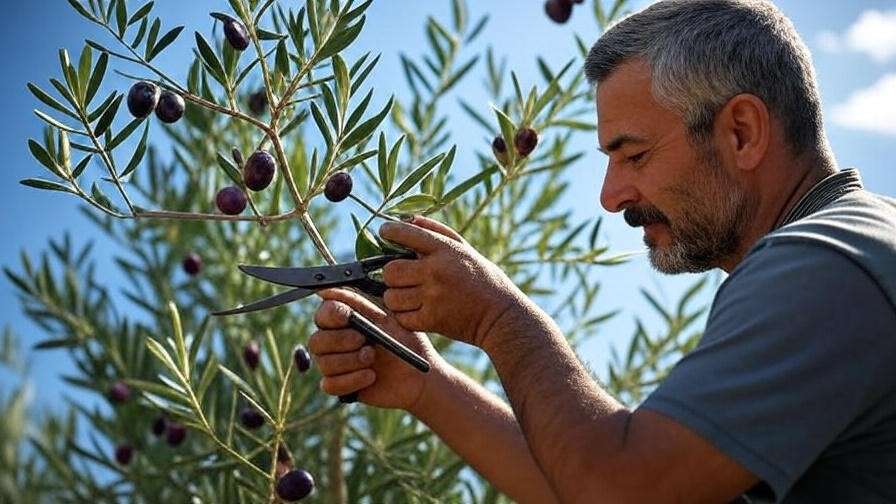
Pruning shapes the tree, improves airflow, and boosts fruit yield. Prune in late winter or early spring before new growth begins.
- Tools: Use clean, sharp pruning shears or loppers.
- Techniques: Remove dead, damaged, or crossing branches. Thin the canopy to allow sunlight penetration. Maintain an open, vase-like shape.
- Frequency: Light annual pruning is sufficient for young trees; mature trees may need more extensive shaping every 2–3 years.
Common Mistake: Over-pruning can stress the tree and reduce fruit production. Remove no more than 20% of the canopy at a time.
4.4 Protecting Against Pests and Diseases 🐞
Kalamata olive trees are relatively pest-resistant but can face issues like:
- Olive Fruit Fly: Small flies that lay eggs in olives, causing fruit damage. Use organic traps or kaolin clay sprays to deter them.
- Verticillium Wilt: A soil-borne fungus causing wilting and leaf drop. Avoid planting in infected soil and choose resistant cultivars.
- Scale Insects: Small pests that suck sap from leaves. Treat with neem oil or insecticidal soap.
Preventative Measures: Plant companion plants like lavender or marigolds to repel pests, and inspect trees regularly for early signs of trouble.
5. Encouraging Fruit Production 🍈
5.1 Understanding Olive Tree Flowering and Pollination 🌸
Kalamata olive trees typically begin producing fruit 3–5 years after planting, with peak yields starting around 7–10 years. Understanding their flowering and pollination process is key to a bountiful harvest. These trees are self-pollinating, meaning a single tree can produce fruit without a second tree nearby. However, cross-pollination with another olive variety (like ‘Manzanillo’ or ‘Mission’) can increase fruit set and yield.
- Flowering: Small, white flowers bloom in spring, typically April or May. Warm, stable temperatures (60–80°F) and adequate sunlight are crucial for flower development.
- Pollination: Wind and pollinators like bees transfer pollen. Ensure a pollinator-friendly garden by avoiding harsh pesticides during bloom.
- Factors Affecting Fruit Set: Stress from drought, nutrient deficiencies, or extreme heat can cause flowers to drop before fruit forms.
Expert Tip: Plant bee-attracting companions like lavender or borage near your Kalamata olive tree to boost pollination. 🐝
5.2 Harvesting Kalamata Olives 🫒
Harvesting at the right time ensures the best flavor and quality. Kalamata olives are typically harvested in late fall (October–November) when they turn dark purple but are still firm.
- Timing: For table olives, pick when the fruit is fully colored but not overripe. For oil, harvest slightly earlier when olives are green-purple.
- Techniques: Hand-pick olives to avoid bruising, or use a gentle shaking method with a tarp to collect fallen fruit. Avoid damaging the tree’s branches.
- Post-Harvest Care: Cure olives in brine or salt to remove bitterness. A simple brine recipe (water, salt, and vinegar) can transform your olives into a gourmet treat. Store cured olives in airtight jars in the refrigerator for up to 6 months.
Pro Tip: Experiment with curing methods to achieve your preferred flavor—traditional Greek-style curing enhances the tangy, rich taste Kalamata olives are famous for. 🍴
6. Troubleshooting Common Issues 🛠️
6.1 Why Isn’t My Kalamata Olive Tree Producing Fruit? 🤔
If your tree isn’t fruiting, several factors could be at play:
- Young Age: Trees under 3–5 years old may not yet be mature enough to bear fruit.
- Insufficient Sunlight: Less than 6 hours of direct sun daily can reduce flowering.
- Nutrient Imbalance: Low potassium or phosphorus can hinder fruit set. Use a fertilizer with a higher PK ratio (e.g., 5-10-10).
- Water Stress: Inconsistent watering during flowering can cause flower drop.
Solution: Ensure full sun exposure, fertilize appropriately, and maintain consistent watering. If the tree is young, be patient—fruit production will increase with maturity.
6.2 Dealing with Leaf Drop or Yellowing Leaves 🍂
Leaf drop or yellowing is often a sign of stress. Common causes include:
- Water Issues: Overwatering leads to soggy roots and yellow leaves, while underwatering causes wilting and dry leaves.
- Pests or Diseases: Check for scale insects or fungal infections like verticillium wilt.
- Nutrient Deficiency: Lack of nitrogen or iron can cause yellowing (chlorosis).
Troubleshooting Steps:
- Check soil moisture with a finger test—water only when the top 2 inches are dry.
- Inspect leaves and stems for pests. Apply neem oil for minor infestations.
- Test soil for nutrient levels and apply a balanced fertilizer or iron chelate if needed.
6.3 Winter Care for Kalamata Olive Trees ❄️
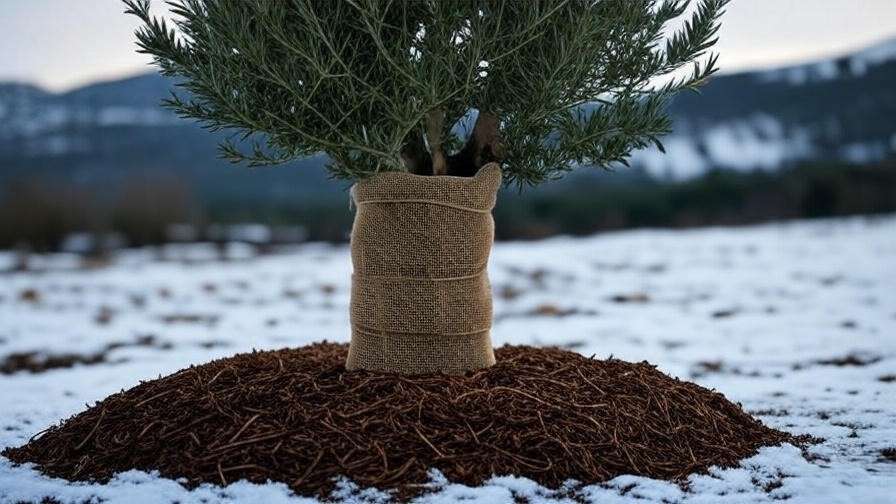
In USDA zones 7 or below, Kalamata olive trees need protection from frost. For in-ground trees:
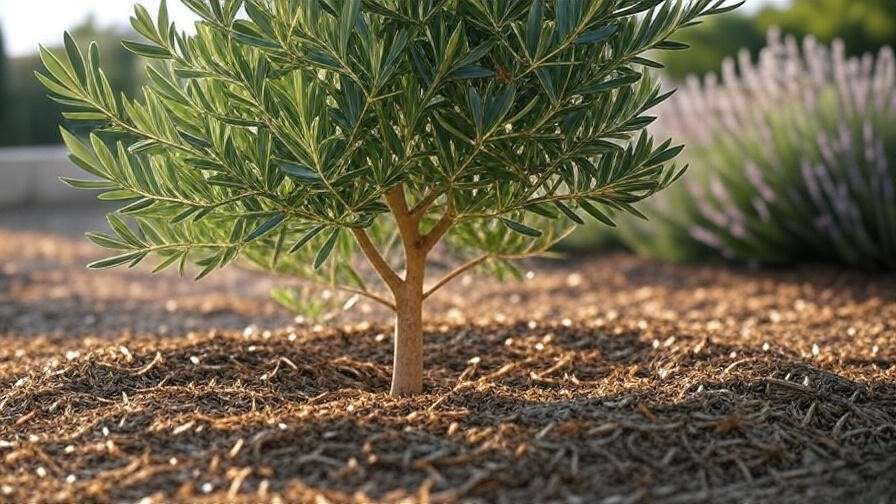
- Mulching: Apply a 3–4-inch layer of organic mulch (e.g., bark or straw) around the base to insulate roots.
- Wrapping: Cover the trunk with burlap or frost cloth during cold snaps.
- Pruning: Avoid late fall pruning, as it can stimulate new growth vulnerable to frost.
For potted trees, move them indoors to a bright, cool location (45–60°F) during winter. Water sparingly, as dormancy reduces the tree’s needs.
Case Study: A gardener in Zone 7b successfully overwintered their potted Kalamata olive tree by placing it in a sunny garage and using a grow light to supplement natural light, resulting in healthy growth the following spring. 🏠
7. Advanced Tips for Long-Term Success 🌟
7.1 Propagating Kalamata Olive Trees 🌱
Propagating your own Kalamata olive trees is a rewarding way to expand your garden or share with friends. The most effective method is taking cuttings:
- Timing: Take 6–8-inch semi-hardwood cuttings in late summer.
- Preparation: Remove lower leaves, dip the cut end in rooting hormone, and plant in a mix of sand and peat moss.
- Care: Keep the soil moist and place in a warm, bright location. Roots typically form in 6–8 weeks.
Grafting onto a compatible rootstock is another option for experienced gardeners, while seed propagation is less reliable due to low germination rates.
7.2 Creating a Mediterranean Garden Aesthetic 🏛️
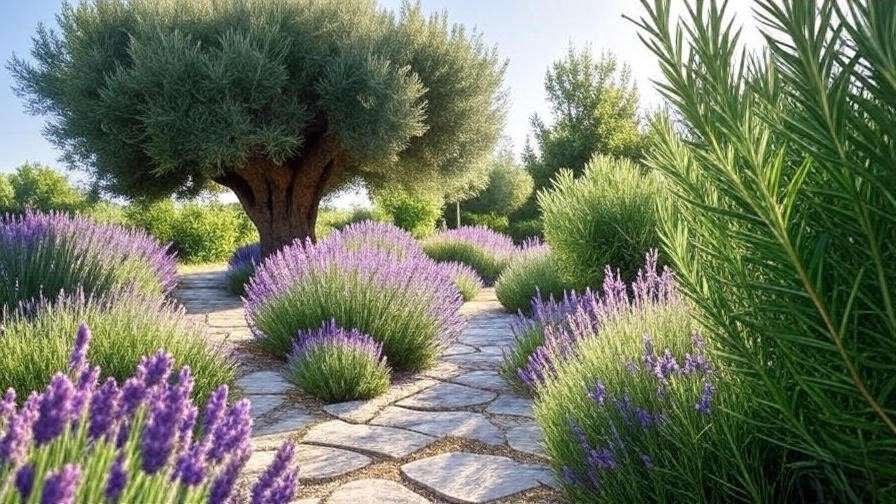
Kalamata olive trees are perfect for crafting a Mediterranean-inspired garden. Pair them with:
- Companion Plants: Lavender, rosemary, thyme, or sage enhance the aesthetic and repel pests.
- Hardscaping: Add gravel pathways, terracotta pots, or stone benches for authenticity.
- Design Tips: Place the olive tree as a focal point in a sunny courtyard or near a water feature for a serene vibe.
Inspiration: A California homeowner transformed their backyard into a Mediterranean oasis by surrounding their Kalamata olive tree with lavender and a low stone wall, creating a stunning, low-maintenance landscape. 🌄
7.3 Sustainable Practices for Olive Tree Care 🌍
Sustainable care reduces your environmental footprint while keeping your tree healthy:
- Water Conservation: Use xeriscaping principles, such as mulching and drip irrigation, to minimize water use.
- Eco-Friendly Pest Control: Opt for organic solutions like neem oil or companion planting over chemical pesticides.
- Soil Health: Rotate compost applications and avoid synthetic fertilizers to maintain soil biodiversity.
Expert Insight: According to Dr. Maria Papadakis, a horticulturist specializing in Mediterranean crops, sustainable practices like rainwater harvesting can reduce water costs by up to 30% while supporting robust olive tree growth. 💧
8. FAQs About Kalamata Olive Tree Care ❓
- How long does it take for a Kalamata olive tree to bear fruit?
Typically 3–5 years for initial fruiting, with full production at 7–10 years. - Can I grow a Kalamata olive tree indoors?
Yes, in a large pot with ample sunlight (e.g., near a south-facing window or under grow lights). - What’s the best soil mix for container-grown olive trees?
A mix of 50% potting soil, 30% sand, and 20% compost ensures drainage and fertility. - How do I know if my tree is getting enough sunlight?
Look for glossy, green leaves and steady growth. Pale or sparse foliage indicates insufficient light. - What are the signs of a healthy Kalamata olive tree?
Vibrant leaves, strong new growth, and, in mature trees, consistent flowering and fruiting.
9. Conclusion: Your Journey to a Thriving Kalamata Olive Tree 🚀
Growing a Kalamata olive tree is a rewarding journey that blends horticultural skill with Mediterranean charm. By following this guide—planting correctly, watering wisely, fertilizing thoughtfully, and pruning strategically—you’ll cultivate a tree that not only beautifies your garden but also yields delicious olives. Whether you’re savoring home-cured Kalamata olives in a Greek salad or admiring your tree’s silvery foliage, the effort is worth it. Start today, and share your progress in the comments below! Have a favorite olive recipe? Let us know! 🥗











