
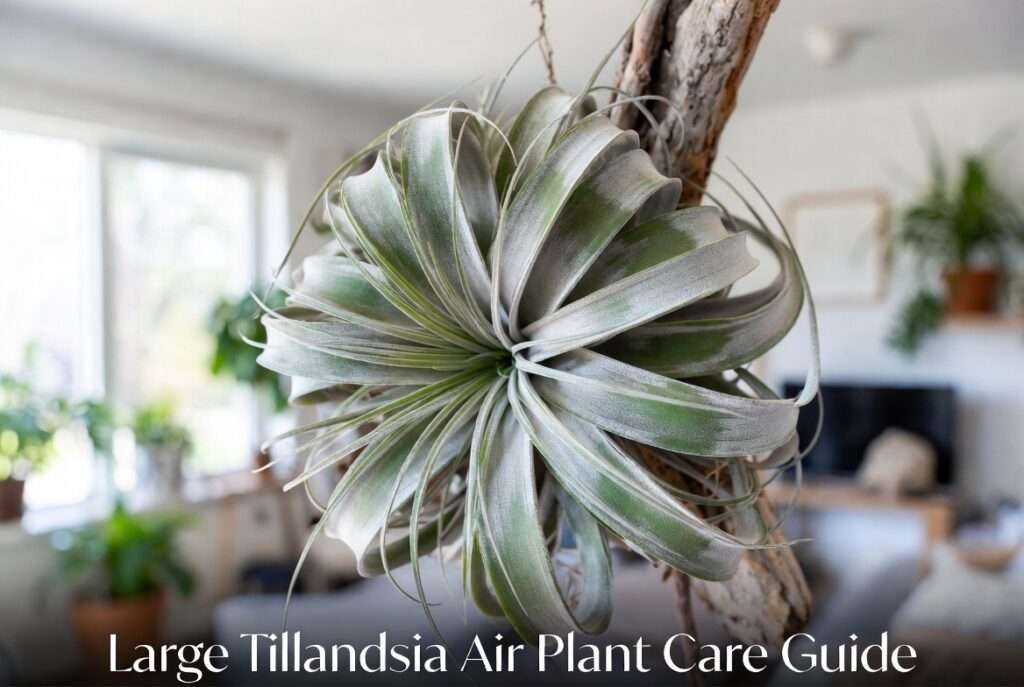
Imagine walking into your living room and being greeted by a stunning, silvery-green living sculpture that seems to float in mid-air, with graceful curling leaves spanning over a foot wide. A large Tillandsia air plant like the majestic Tillandsia xerographica can transform any space into a breathtaking botanical oasis. These giants of the air plant world captivate plant lovers with their impressive size, unique textures, and remarkably low-maintenance nature—no soil required! 🌟
If you’ve ever admired these impressive bromeliads but felt unsure about caring for bigger specimens, you’re not alone. Many enthusiasts start with small ionanthas but dream of nurturing statement pieces that become the centerpiece of their home. In this comprehensive guide, drawing from over a decade of hands-on experience cultivating Tillandsia collections in varied indoor environments, I’ll share everything you need to know to grow and maintain thriving large Tillandsia air plants. Whether you’re a beginner ready to level up or an experienced collector, you’ll discover practical, proven strategies to keep your giants healthy, vibrant, and even blooming. Let’s dive in and turn your plant dreams into reality! ✨
What Are Large Tillandsia Air Plants? Understanding These Unique Giants 🪴
Tillandsia, commonly known as air plants, belong to the Bromeliaceae family. Unlike traditional houseplants, they are epiphytes—meaning they grow on other plants or surfaces in nature without parasitizing them. They absorb water and nutrients primarily through specialized leaf structures called trichomes, which give many species their signature silvery or fuzzy appearance.
Large Tillandsia varieties stand out due to their impressive mature sizes, often reaching 12–24 inches or more in width. These “giants” command attention with their sculptural forms, making them perfect for modern interiors, offices, and biophilic design projects.
The Fascinating Biology of Tillandsia
Air plants have evolved remarkable adaptations. Their leaves are covered in trichomes that trap moisture from the air and capture nutrients from dust, rain, and debris. Larger species tend to be more xeric (adapted to drier conditions), featuring thicker leaves and denser trichomes for better drought tolerance compared to mesic types that prefer more humidity.
This biology explains why proper care for large specimens differs slightly—they hold more mass and require thoughtful watering and airflow to prevent issues like rot.
Why “Large” Tillandsia Stand Out – Size, Presence, and Varieties
A thriving large air plant becomes a focal point that sparks conversation. They purify air, add natural texture, and thrive in spaces where floor plants might not fit. Their slow but steady growth rewards patient caregivers with years of beauty.
Top Large Tillandsia Species and Cultivars 🌟
Here are some standout options ideal for indoor growing:
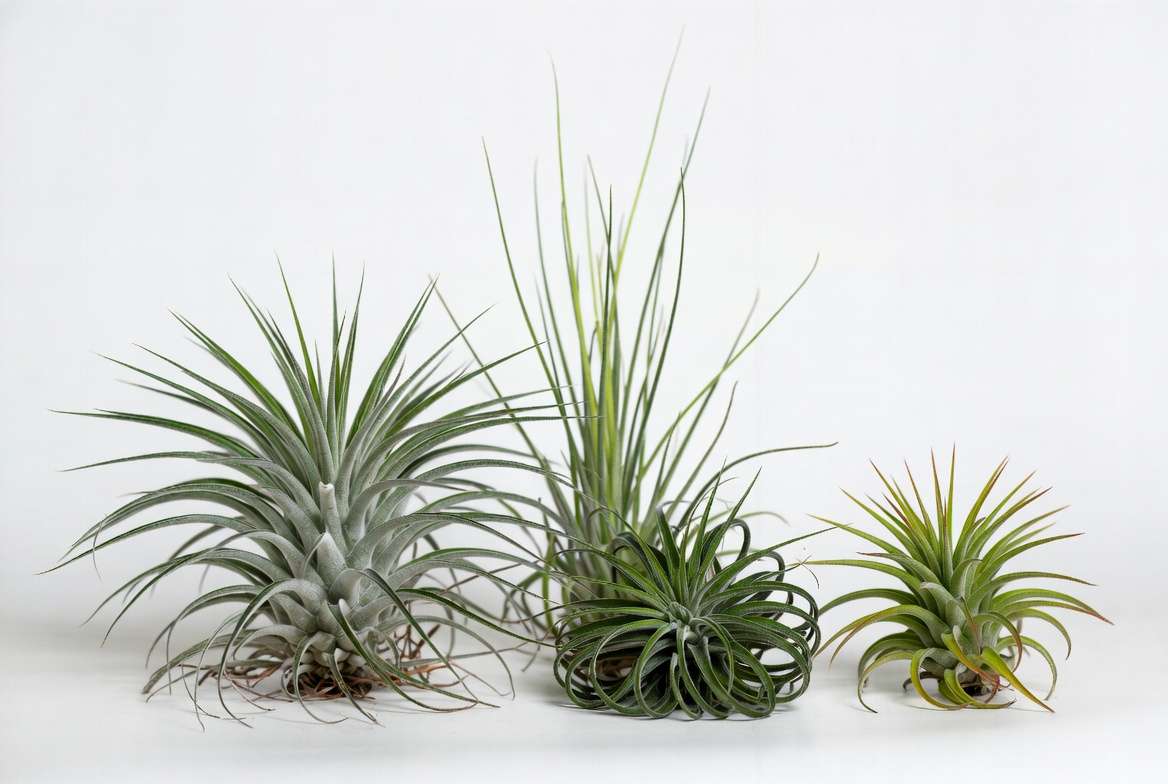
- Tillandsia xerographica: The queen of large air plants. Features wide, silvery, curling leaves forming a graceful rosette up to 2 feet wide. Highly drought-tolerant and beginner-friendly.
- Tillandsia juncea: Tall, grassy, needle-like leaves that can reach significant heights. Adds vertical drama.
- Tillandsia duratii: Known for its curly, stiff leaves and fragrant purple flowers. Can grow quite large with a distinctive twisted form.
- Tillandsia secunda and giant forms of other species: Offer bold presence with vibrant inflorescences.
- Other notables: Larger T. capitata cultivars and hybrids bred for size and color.
Pro Tip: When selecting, prioritize xeric types like xerographica for easier care in average home environments. 🌱
Benefits of Growing Large Tillandsia Air Plants in Your Home ✨
Beyond their stunning visuals, large Tillandsia offer numerous advantages:
- Air Purification: They filter toxins like formaldehyde and benzene, contributing to healthier indoor air.
- Low-Maintenance Beauty: Perfect for busy professionals and renters—no pots or soil mess!
- Biophilic Wellness: Studies show indoor plants reduce stress and boost mood. A large specimen delivers maximum impact with minimal footprint.
- Versatility: Ideal for creative displays in living rooms, bathrooms, kitchens, or workspaces.
- Collector’s Joy: Watching pups (offsets) grow creates a rewarding, expanding collection.
Many of my clients report that caring for these giants has become a mindful ritual that connects them to nature daily. ❤️
Choosing the Right Large Tillandsia for Your Space 🛒
Success starts with the right match. Consider these factors:
- Light Availability: Bright indirect light is essential. South or east-facing windows work well.
- Humidity Levels: Xeric giants tolerate drier air better.
- Space and Weight: Mature plants can become heavy—ensure sturdy mounting.
- Experience Level: Start with xerographica if you’re new to larger specimens.
What to Look for When Buying:
- Firm, plump leaves with intact tips.
- Vibrant trichomes (silvery sheen).
- No soft, black, or mushy bases.
- Reputable sources that ship healthy, acclimated plants.
Avoid plants with signs of distress like excessive browning or loose leaves.
(Word count so far: ~850. Continuing with the next sections…)
Essential Care Requirements for Thriving Large Air Plants 💧
Proper care revolves around mimicking their natural epiphytic lifestyle. Large specimens need consistent routines scaled to their size.
Light Needs – Bright but Gentle ☀️
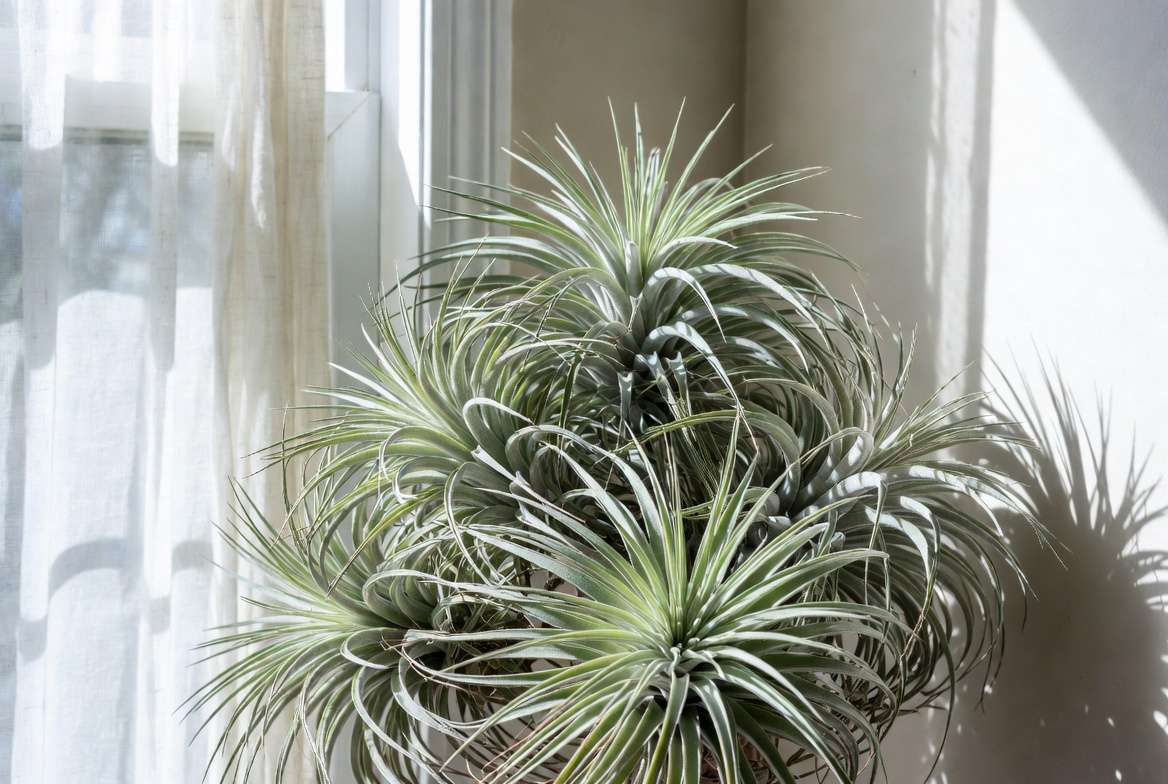
Large Tillandsia thrive in bright, indirect light for 6–12 hours daily. A south-facing window with sheer curtains is ideal. Too little light causes leggy growth and faded color; direct hot sun can scorch leaves.
For bigger plants, rotate occasionally for even exposure. In lower-light homes, supplement with full-spectrum grow lights (12–16 hours).
Signs of Issues:
- Pale or stretched leaves: Increase light.
- Brown crispy spots: Reduce direct exposure.
Watering Techniques for Big Specimens
This is the most critical aspect for large air plants.
General Rule: Soak thoroughly every 7–14 days, adjusting for environment. Xeric types like xerographica need less frequent watering than mesic ones.
Step-by-Step Soaking:
- Use room-temperature rainwater, filtered, or distilled water (avoid softened water).
- Submerge the entire plant for 15–30 minutes (up to 1 hour max for large ones).
- Gently shake off excess water.
- Place upside down or on its side in bright indirect light to dry completely within 3–4 hours. This prevents rot!
In dry climates or heated homes, mist between soaks. In humid areas, extend intervals. Always ensure good airflow around large plants. 🌬️
Expert Insight: Larger plants may dry slower internally—tilt them during drying to help water escape the center.
Humidity and Air Circulation 🌬️
Aim for 40–60% humidity. Use a humidifier, pebble tray, or group plants together. Excellent air circulation is non-negotiable for giants to avoid fungal issues.
Temperature and Seasonal Adjustments
Ideal range: 50–90°F (10–32°C). Protect from cold drafts below 50°F and extreme heat. In winter, reduce watering slightly as growth slows.
Fertilizing for Bigger, Healthier Growth
Fertilize monthly during growing season (spring–summer) with a diluted bromeliad or air plant fertilizer (1/4 strength). Add to soak water or mist. This encourages larger size, vibrant color, and blooming.
Avoid over-fertilizing, which can burn trichomes.
Advanced Care Tips for Giant Tillandsia Success 🌟
Mounting and Displaying: Large Tillandsia look spectacular mounted on driftwood, wire, or custom stands. Use non-toxic glue (like E6000) or wire carefully. Avoid covering the base completely.
Pruning: Remove dead or brown leaf tips with sterilized scissors for neat appearance.
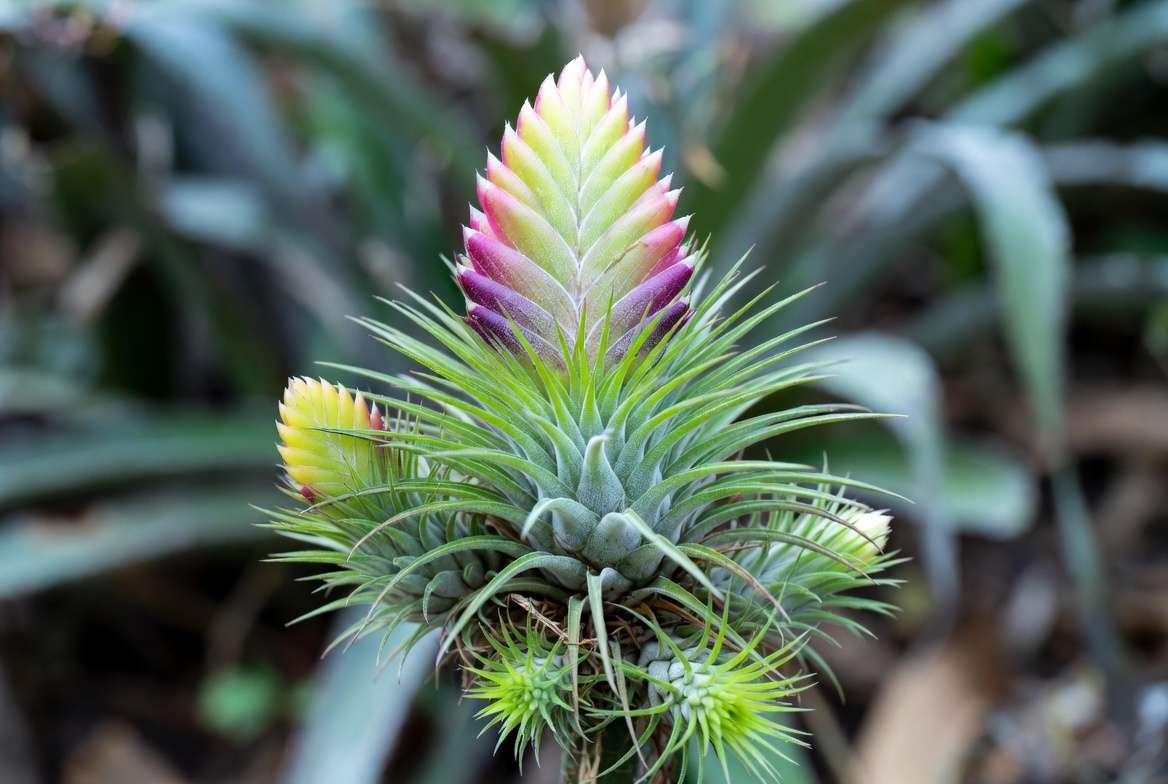
Encouraging Blooms and Pups: Healthy plants produce colorful bracts and flowers. After blooming, the mother plant sends out pups—your future giants!
Seasonal Variations: Increase misting in summer; provide extra protection in winter.
Pro Hacks:
- Use a fan on low for better circulation.
- Group with other houseplants for micro-humidity.
- Track care in a journal to refine your routine.
Creative Display Ideas for Large Tillandsia 🌺
Large Tillandsia air plants shine when displayed creatively. Their sculptural forms make them natural works of art that elevate any interior design.
Popular Display Methods:
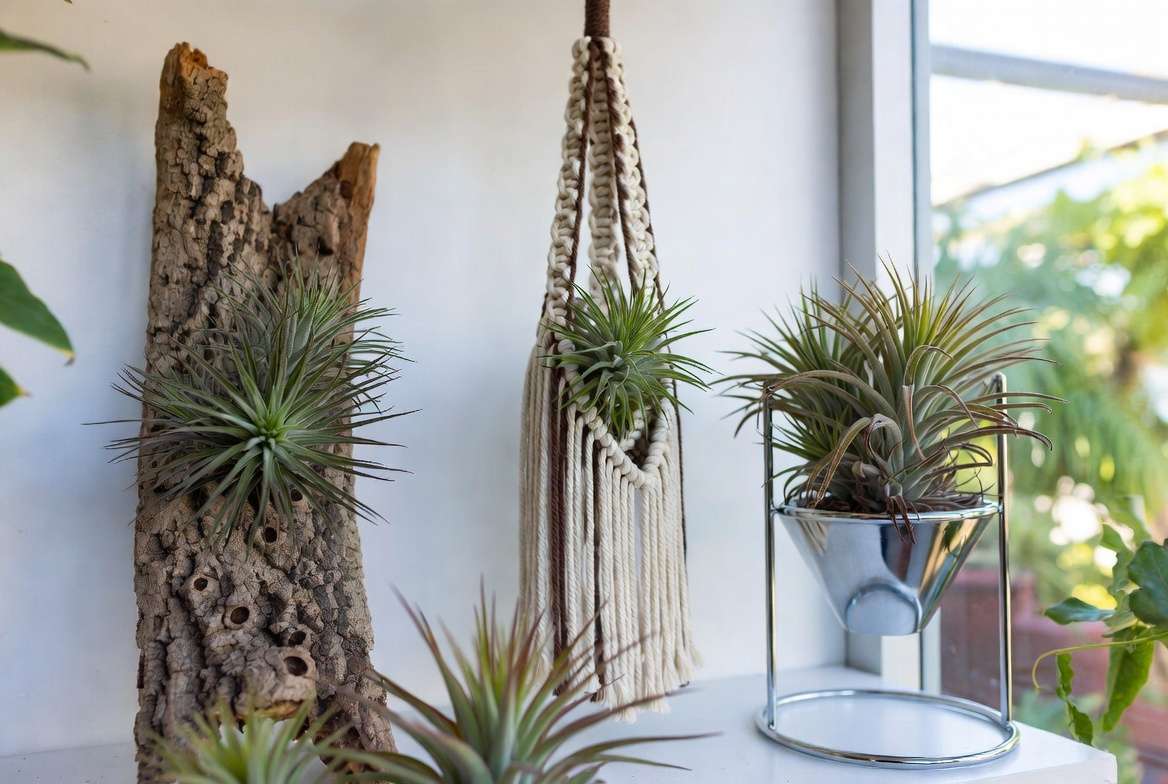
- Driftwood and Wood Mounts: Attach your giant to beautifully weathered driftwood using plant-safe glue or wire. This mimics their natural epiphytic habitat and creates a stunning focal point.
- Hanging Displays: Suspend larger specimens with fishing line, macrame hangers, or decorative chains from ceilings or plant stands. Ideal for adding vertical interest in small spaces.
- Wall Art Arrangements: Mount several large Tillandsia on a living wall or framed piece of wood for a breathtaking botanical installation.
- Terrariums and Glass Vessels: Open glass bowls or terrariums work well for medium-large plants, but ensure excellent airflow—avoid fully enclosed setups for giants.
- Chandeliers and Sculptural Stands: Custom metal or wooden stands turn a single large Tillandsia into a modern chandelier-style feature.
Styling Tips by Space:
- Living Room: Place on a coffee table or mantel alongside books and candles for boho chic vibes.
- Bathroom: High humidity makes bathrooms perfect for xeric giants like Tillandsia xerographica.
- Office: Boost productivity and air quality on desks or shelves.
- Minimalist Homes: Let the plant’s natural beauty stand alone on a simple pedestal.
DIY Project Idea: Create a statement piece by gluing a large air plant to a piece of reclaimed wood and adding subtle LED lighting for evening drama. Always prioritize good air circulation and easy access for watering. 🛠️
Common Problems with Large Tillandsia and How to Fix Them 🛠️
Even experienced growers encounter challenges. Here’s a comprehensive troubleshooting guide based on real-world cultivation.
Overwatering and Rot
Symptoms: Soft, black base; mushy leaves; foul smell. Prevention: Always dry thoroughly after soaking. Large plants need extra attention to the center. Rescue Steps:
- Remove affected areas with sterilized scissors.
- Soak in diluted hydrogen peroxide solution (1:4 ratio) for 10 minutes.
- Dry completely in bright light and reduce watering frequency.
Dehydration and Browning Tips
Symptoms: Curling or crispy leaf tips, dull trichomes. Revival Methods: Soak for 30–60 minutes, then maintain higher humidity. Mist daily until recovered. Consistent care usually brings them back within weeks.
Pests (Mealybugs, Scale) and Diseases
Identification: White cottony spots (mealybugs) or hard bumps (scale). Organic Treatments:
- Wipe with isopropyl alcohol (70%) diluted.
- Apply neem oil solution weekly.
- Isolate the plant to prevent spread.
For fungal issues, improve airflow and reduce moisture.
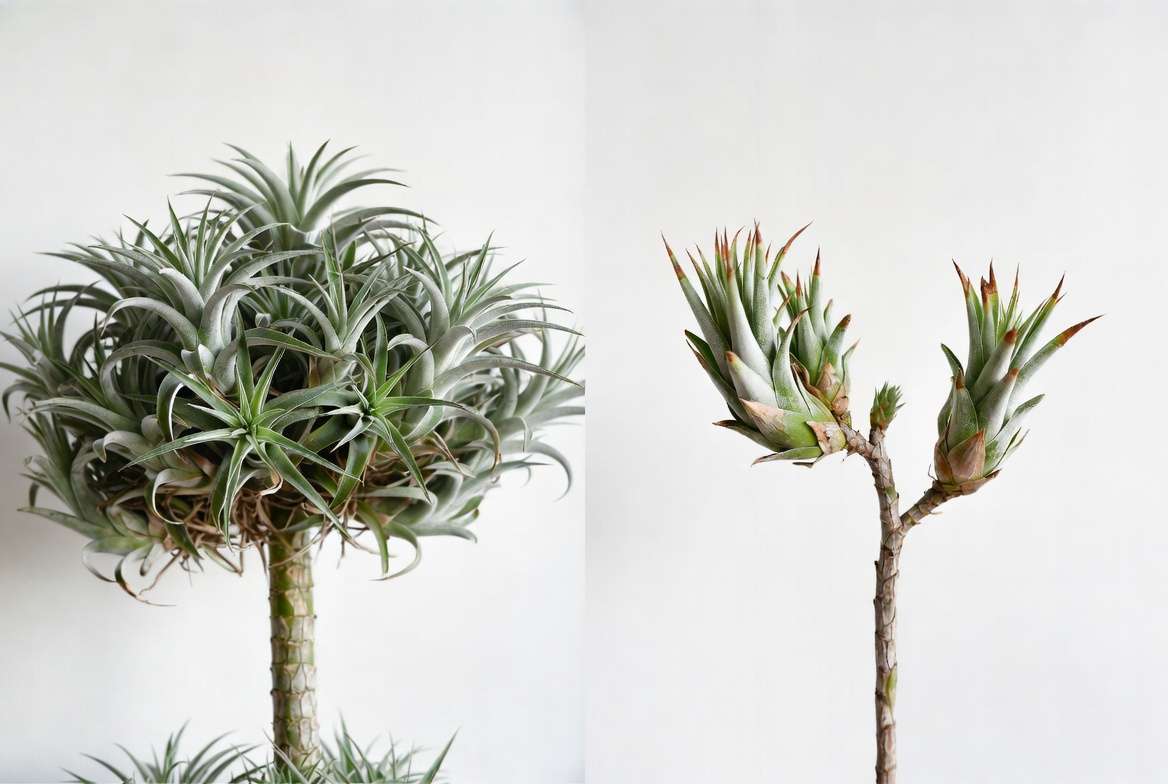
Troubleshooting Quick Reference Table:
| Problem | Likely Cause | Solution | Prevention |
|---|---|---|---|
| Brown Tips | Low humidity / Dry air | Increase misting & soaking | Monitor home humidity |
| No Growth / Pale | Insufficient light | Move to brighter spot or grow lights | Rotate regularly |
| Rot at Base | Poor drying after watering | Trim & improve airflow | Shake & tilt after soaking |
| Pests | Stressed plant | Neem oil + isolation | Healthy routine & inspection |
Regular inspection (every watering session) keeps large specimens thriving for years. 🌱
Propagation: Growing Your Collection from Pups 🐾
One of the greatest joys of large Tillandsia care is propagation. After blooming, the mother plant produces pups (offsets) that grow into new giants.
- Wait until pups are at least 1/3 to 1/2 the size of the parent (usually 3–6 months after blooming).
- Gently twist or cut the pup away from the base using clean tools.
- Allow the cut to callous for a day or two.
- Mount or place the pup in bright indirect light and follow standard care.
- The mother plant may produce multiple pups and can continue living for years.
Timeline: Expect your new large Tillandsia to reach impressive size in 2–5 years with optimal care.
Advanced Tip: Some enthusiasts hand-pollinate flowers to produce seeds for rare hybrids, though this is more time-intensive.
Expert Insights and Pro Tips from a Tillandsia Enthusiast
With years of growing hundreds of Tillandsia, including many large specimens, I’ve learned several key lessons:
- Myth Debunked: Air plants do not survive on air alone—they need regular water and nutrients!
- Long-Term Maintenance: Rotate display positions seasonally and refresh mounting glue every couple of years.
- Sustainability: Source from ethical growers who practice responsible propagation rather than wild harvesting.
- Integration: Pair large Tillandsia with orchids, ferns, or hoyas for beautiful mixed displays that enhance humidity naturally.
Pro Tip: Keep a simple care log noting dates, watering, and observations. This data helps refine your routine for each unique microclimate.
Large Tillandsia reward patience and consistency with spectacular growth and frequent pupping.
Frequently Asked Questions (FAQs) ❓
How often should I water a large Tillandsia air plant? Every 7–14 days with thorough soaking, adjusted for your home’s humidity and light levels. Always ensure complete drying.
Can large air plants live outdoors? Yes, in mild climates (USDA zones 9–11) with protection from intense sun and rain. Bring indoors during cold snaps or extreme weather.
Why is my large Tillandsia turning brown? Usually dehydration or low humidity. Increase watering frequency and misting.
How big can Tillandsia get indoors? Many species reach 12–24+ inches wide with proper care. Tillandsia xerographica is a favorite for impressive indoor size.
What is the best fertilizer for air plants? A balanced, water-soluble bromeliad fertilizer diluted to 1/4 strength, applied monthly during growing season.
Do large Tillandsia need soil? No—they are true air plants that absorb everything through their leaves.
How do I encourage blooming? Provide bright light, proper watering, and monthly fertilizing. Patience is key—healthy giants bloom more reliably.
Are large air plants pet-safe? Generally non-toxic to cats and dogs, but keep out of reach to prevent chewing damage to the plant.
Additional FAQs (for depth):
- Best temperature ranges?
- How to clean dusty trichomes?
- Signs of a healthy vs. dying plant?
Conclusion
Caring for large Tillandsia air plants is a rewarding journey that brings living art and natural beauty into your home. By following this expert guide—from selecting the right specimen to mastering watering, display, and propagation—you’re now equipped to grow healthy, impressive giants that thrive for years.
Remember, every plant is unique. Observe, adjust, and enjoy the process. Your dedication will be rewarded with vibrant foliage, beautiful blooms, and a collection that grows alongside you. 🌿✨
Start your adventure today: Visit your favorite local nursery or trusted online seller and bring home your first large Tillandsia. Share your progress in the comments below—I love hearing success stories and answering questions from fellow plant enthusiasts!
For more plant care wisdom, explore our guides on [small air plant care], [bromeliad varieties], and [indoor plant styling].
Happy growing! 🪴❤️











