
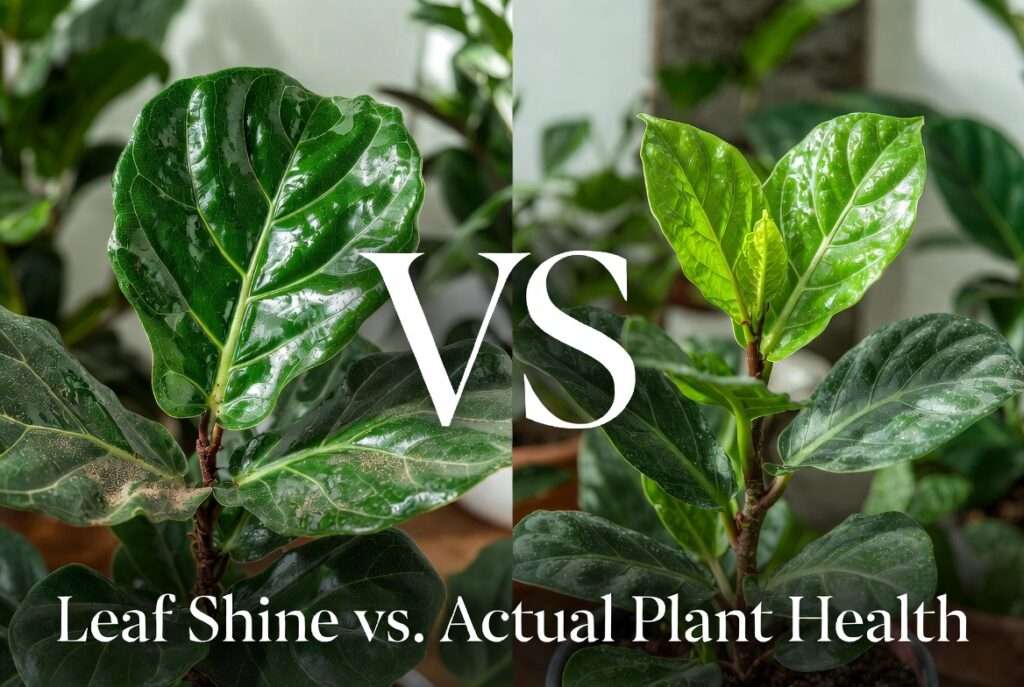
You bring home a gorgeous new Monstera or Fiddle Leaf Fig from the nursery, its leaves gleaming like they belong in a magazine. A few weeks later, despite regular leaf shine sprays, the new growth looks dull, edges start browning, and your plant seems… stuck. Sound familiar? 🌱
Many plant parents fall into the same trap: mistaking temporary cosmetic leaf shine for real vitality. In this in-depth guide on leaf shine vs. actual plant health improvement, we’ll uncover why those glossy sprays often do more harm than good and reveal science-backed strategies that deliver stronger roots, vibrant new leaves, and truly thriving indoor plants and outdoor trees.
As a plant care expert with years of hands-on experience helping enthusiasts revive struggling greenery, I’ve seen the difference between quick-fix aesthetics and foundational care. Clean, healthy leaves naturally photosynthesize better, resist pests, and reward you with lush growth — without any artificial coating. Let’s dive in and solve this common confusion once and for all. 🌟
What Is Leaf Shine and Why Do People Use It? 🛍️
Leaf shine products are commercial sprays, polishes, or wipes designed to give houseplant leaves an instant glossy, showroom-ready finish. Most contain a mix of oils (mineral, petroleum-based, or plant-derived), silicones, waxes, surfactants, and sometimes added nutrients or fragrances. Manufacturers market them heavily on social media and in garden centers, promising “healthier-looking” plants that pop in your home decor.
The appeal is understandable. Dusty or matte leaves can make even a healthy plant look neglected. A quick spray transforms them into Instagram-worthy specimens, boosting that satisfying “plant parent” pride. Many reach for DIY versions too — milk, mayonnaise, olive oil, or coconut oil — hoping for the same shine on a budget.
But here’s the reality: these products prioritize short-term appearance over long-term plant physiology. While they deliver instant visual gratification, repeated use can interfere with the very processes that keep your plants alive and growing. Let’s look at the science next. 🔬
The Science Behind Plant Leaves: How They “Breathe” and Stay Healthy 🔬
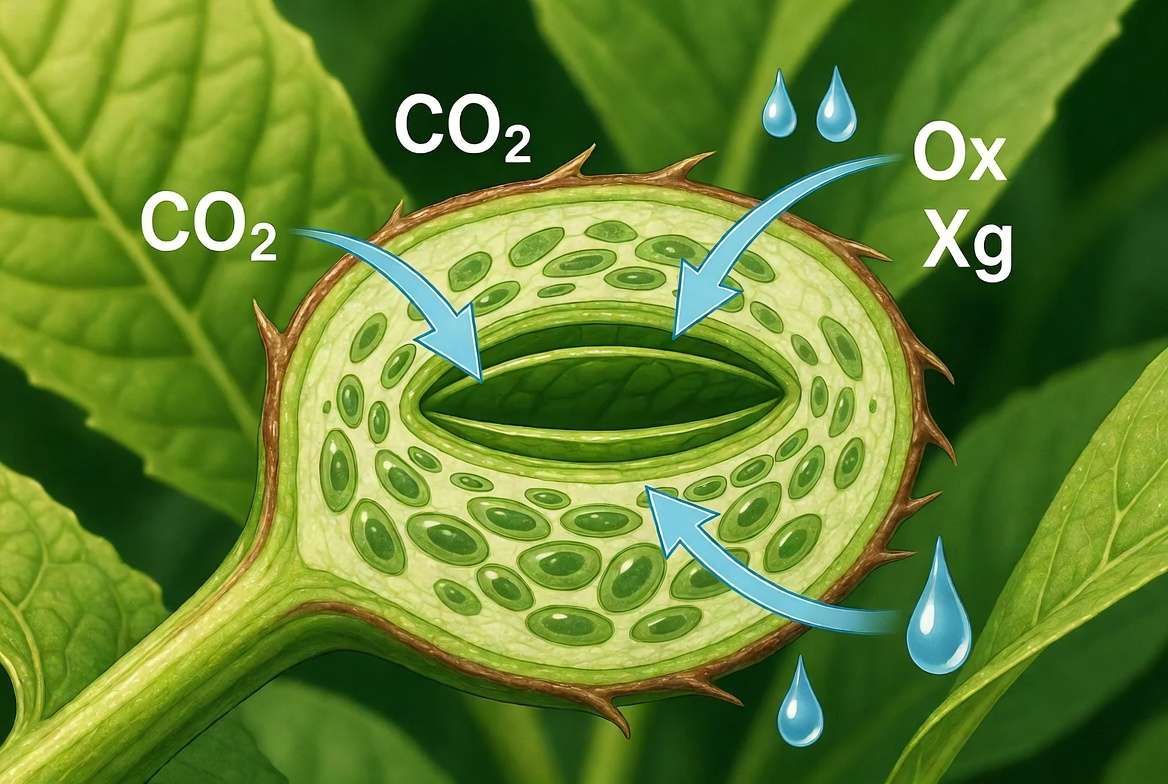
Plants aren’t just decorative — they’re living organisms that “breathe” through tiny pores called stomata, mostly on the undersides of leaves (though some species have them on top too). These microscopic openings regulate gas exchange: they take in carbon dioxide (CO₂) for photosynthesis and release oxygen and water vapor during transpiration and respiration.
Photosynthesis powers growth by converting light, water, and CO₂ into sugars. Healthy stomata mean efficient energy production, stronger cell walls, and better resilience. When leaves stay clean and uncoated, they also regulate temperature and humidity better.
Naturally healthy plants often develop a subtle, vibrant “glow” from optimal moisture levels, strong cell structure, and efficient nutrient uptake — not from external polish. New leaves frequently emerge shinier because the plant is thriving internally. Artificial coatings, however, disrupt this balance by creating a barrier over the leaf surface.
(Imagine suggested image here: A clear cross-section diagram of a leaf showing open stomata vs. clogged stomata, with labels for photosynthesis and gas exchange. Alt text: “Plant leaf stomata diagram – open vs blocked for photosynthesis”)
Leaf Shine vs. Actual Plant Health: The Real Risks and Downsides ⚠️
This is where leaf shine vs. actual plant health improvement becomes crystal clear. While some products claim to be “safe” or even beneficial, the majority introduce risks that outweigh any temporary beauty.
H3: How Leaf Shine Clogs Stomata and Hinders Breathing Oily or waxy residues from leaf shine sprays can physically block stomata, reducing the plant’s ability to exchange gases. Over time, this slows photosynthesis, limits energy production, and weakens overall vigor.
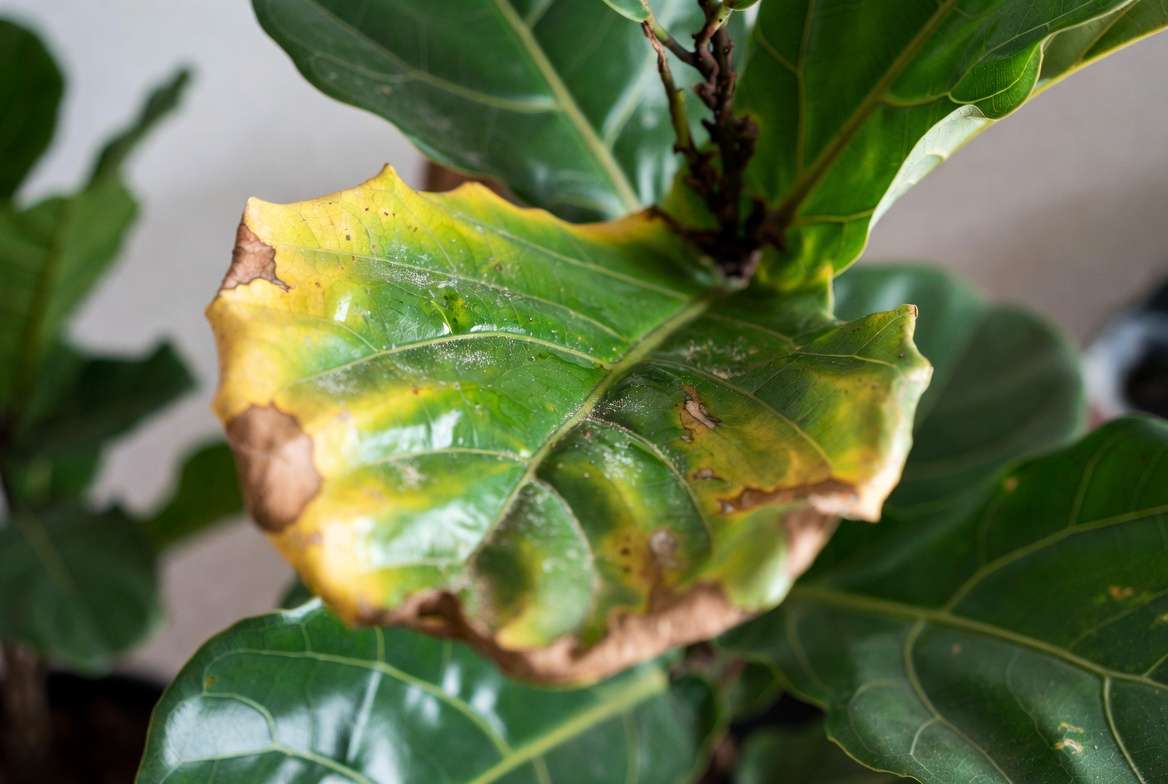
H3: Reduced Photosynthesis, Slower Growth, and Weakened Plants Blocked pores mean less CO₂ intake and impaired transpiration. Plants may produce smaller or fewer new leaves, show leggy growth, or struggle to recover from stress. In severe or repeated cases, leaves yellow, brown at the tips, or drop prematurely.
H3: Dust Magnet Effect – Why Shine Products Make Cleaning Harder The oily film acts like glue for household dust, pollen, and airborne particles. What starts as a shiny leaf quickly becomes dull and dirtier than before, creating a vicious cycle of more spraying and buildup.
H3: Potential Phytotoxicity, Leaf Burn, and Chemical Buildup Many commercial formulas contain surfactants or petroleum derivatives that can cause leaf burn, especially in bright light or on sensitive species. Residues may also leach into soil over time, affecting root health. DIY options like mayonnaise or undiluted oils often worsen the issue by attracting mold or pests.
H3: Impact on Air-Purifying Abilities One of the biggest benefits of houseplants is their ability to filter indoor air. Clogged stomata reduce this natural filtration, lowering the plant’s contribution to a healthier home environment.
H3: Are Any Leaf Shine Products Safe? A few milder, water-based or neem-infused options exist with fewer heavy oils, and some users report minimal issues when applied sparingly on the upper leaf surface only. However, even these are rarely necessary. Most experts advise against routine use, especially on fuzzy-leaved plants (like African violets) or succulents, where coatings can trap moisture and invite rot. Always test on one leaf first and avoid the undersides.
In my experience, plants treated exclusively with gentle cleaning routines consistently outperform those relying on shine products for “health.”
Signs Your Plant Is Suffering from Leaf Shine or Poor Health Practices 🚩
Watch for these red flags that suggest cosmetic products or care gaps are holding your plant back:
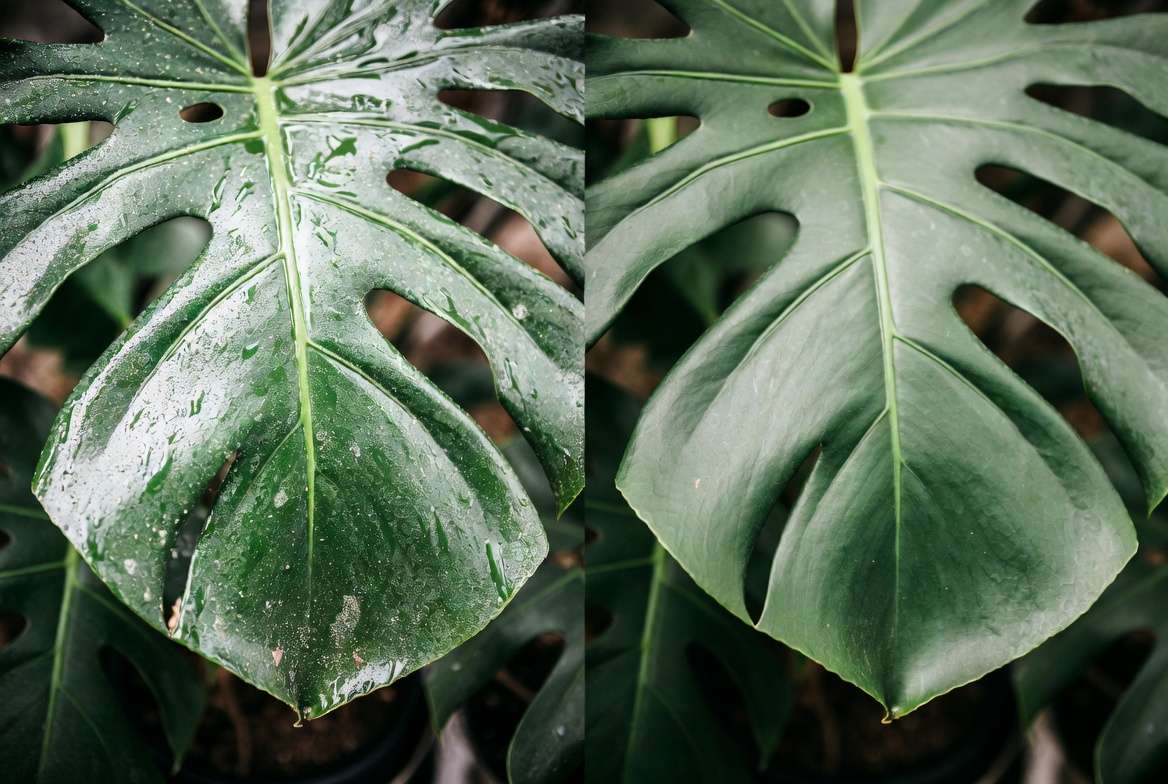
- Leaves that shine brilliantly at first but quickly dull or feel sticky/greasy
- Reduced new growth or smaller leaves than expected
- Yellowing, browning edges, or spotting unrelated to pests
- Increased dust accumulation shortly after application
- Plants that look “tired” despite adequate watering and light
- Sticky residue attracting more pests (spider mites love dusty, coated leaves)
Create a simple self-assessment: Take a photo of your plant today, note its light/water routine, and check leaf undersides for residue. True health shows in consistent, vigorous growth and natural vibrancy — not just gloss.
(Imagine suggested image here: Side-by-side photo of a healthy, naturally glowing Monstera leaf next to one with visible residue and dullness. Alt text: “Healthy plant leaf vs leaf affected by shine product”)
What Actually Improves Plant Health: Proven Strategies That Work 🌱💪
Here’s the heart of actual plant health improvement — the part that delivers lasting results far beyond any spray. Focus on these fundamentals, and your plants will develop their own natural shine through better physiology.
H3: Optimal Light Conditions – The Foundation of Real Vitality Light drives photosynthesis. Most indoor plants (like Monsteras, Rubber Plants, or Peace Lilies) thrive in bright, indirect light. Too little light leads to weak, leggy growth; too much direct sun can scorch leaves. Rotate plants weekly for even exposure, and supplement with full-spectrum grow lights in darker homes during shorter winter days. Trees outdoors need appropriate site selection based on sun tolerance.
H3: Proper Watering Techniques Overwatering is the #1 killer of houseplants. Check soil moisture by inserting your finger 1–2 inches deep — water thoroughly only when the top layer feels dry. Use room-temperature water and ensure excellent drainage to prevent root rot. Adjust frequency by season, light levels, and pot size. For outdoor trees, deep infrequent watering encourages strong root systems.
H3: Soil Health and Repotting Best Practices Well-draining, aerated potting mix tailored to the plant (e.g., chunky mixes for Monsteras or cacti/succulent blends for drought-tolerant species) prevents compaction and supports root oxygenation. Repot every 1–2 years or when roots circle the pot, refreshing nutrients and improving drainage.
H3: Balanced Fertilization – Nutrients That Fuel Growth During active growing seasons (spring through fall), use a balanced, diluted liquid fertilizer or slow-release options. Organic choices like compost tea or worm castings build long-term soil health without salt buildup. Avoid fertilizing dormant plants in low-light winter months.
H3: Humidity and Air Circulation Many tropical houseplants appreciate 50–60%+ humidity. Group plants together, use pebble trays (pot above water level), or run a cool-mist humidifier. Good airflow prevents fungal issues while supporting transpiration. Outdoor trees benefit from natural wind movement.
H3: Pruning, Propagation, and Encouraging New Growth Regularly remove yellow or damaged leaves with clean shears to redirect energy. Prune leggy stems to promote bushier growth. Propagate healthy cuttings in water or soil — it’s rewarding and expands your collection!
H3: Pest and Disease Prevention Without Harsh Chemicals Healthy plants resist pests better. Inspect regularly, especially leaf undersides. Use neem oil sprays sparingly as a preventive (diluted and tested), or opt for insecticidal soap. Maintain cleanliness and avoid stressing plants with poor conditions.
These interconnected practices create synergy: better light + proper watering + healthy soil = robust photosynthesis and natural leaf luster that lasts. Many gardeners report dramatic improvements within weeks of shifting focus from shine to these basics.
(Imagine suggested image here: Infographic or photo collage showing proper watering check, grow light setup, and healthy repotted plant. Alt text: “Essential indoor plant care practices for real health improvement”)
Natural Ways to Clean and Gently Shine Leaves Safely 🧼✨
Cleaning leaves removes dust that blocks light and stomata, boosting photosynthesis more effectively than any polish. Here’s how to do it right:
H3: Step-by-Step Gentle Cleaning Methods
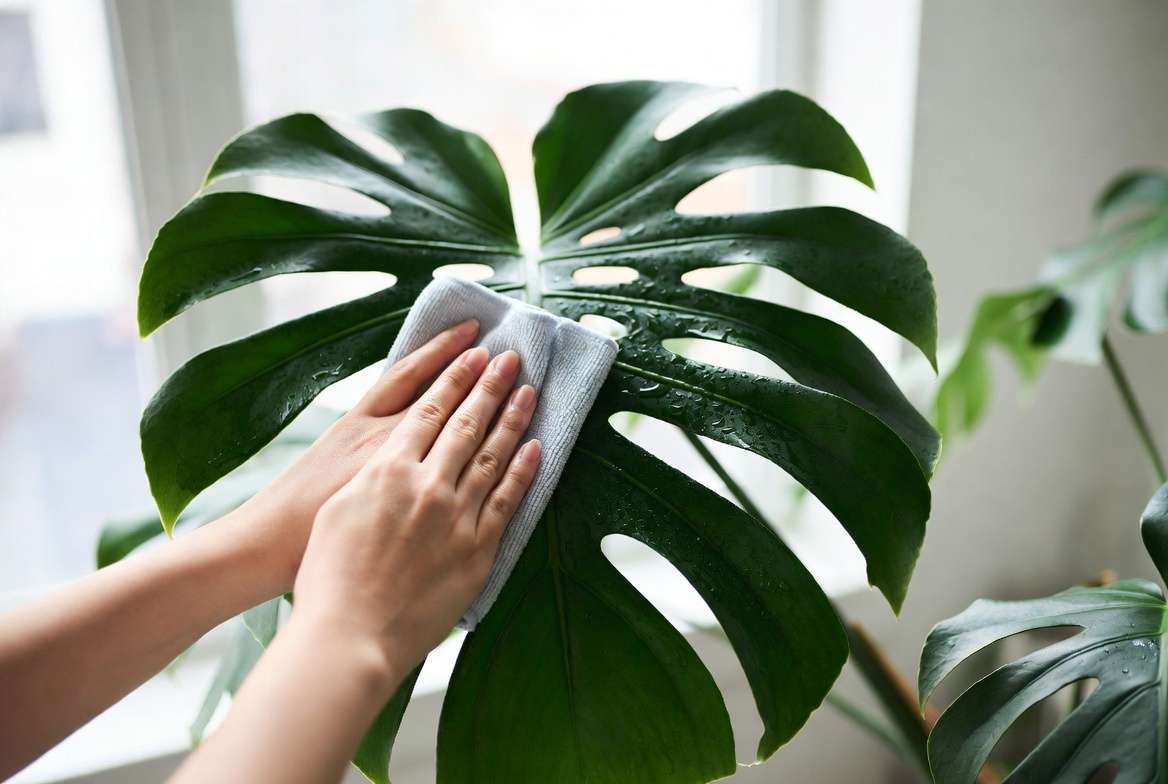
- Damp Microfiber Cloth: Use a soft, lint-free cloth dampened with lukewarm (not cold) water. Gently wipe the top surface of each leaf, supporting from underneath. Avoid rubbing hard.
- Lukewarm Shower or Sink Rinse: For sturdy plants, place in the shower on low pressure for a gentle rain-like rinse. Let drain thoroughly afterward.
- Soft Brush for Delicate or Fuzzy Leaves: Use a clean, dry paintbrush or feather duster for plants like Calatheas or African violets — never wet fuzzy leaves.
H3: Safe DIY Leaf Cleaners
- Mild castile soap solution (a few drops in water) for heavier dust — rinse well afterward.
- Diluted neem oil (for dual cleaning and mild pest control) — use very sparingly and only on tolerant plants.
- Avoid: Oils, milk, mayonnaise, or vinegar in high concentrations, as they can leave residues or cause spotting.
H3: How Often to Clean Leaves Every 1–4 weeks depending on your environment (dustier homes need more frequent care). Clean when leaves look dusty, not on a rigid schedule, to avoid stressing the plant.
H3: Plant-Specific Tips
- Large glossy leaves (Fiddle Leaf Fig, Monstera, Rubber Plant): Wipe gently; they respond beautifully to regular cleaning.
- Succulents and Cacti: Dust lightly with a brush; excess moisture can cause rot.
- Fuzzy or textured leaves: Dry methods only — water can leave spots or promote mildew.
Consistent gentle cleaning often produces a healthier, more natural sheen than commercial shine products ever could. Your plants will “breathe” easier and grow stronger. 🌿
(Imagine suggested image here: Step-by-step photos of someone gently wiping a Monstera leaf with a damp cloth and rinsing a plant in the shower. Alt text: “Safe natural ways to clean houseplant leaves without leaf shine”)
Building Long-Term Plant Resilience: Beyond the Leaves 🏡
True plant health is holistic. Choose species suited to your light, temperature, and lifestyle. Acclimate new plants gradually to avoid shock. Establish consistent routines rather than reactive fixes. Many enthusiasts share success stories of reviving “declining” plants simply by improving light and watering while ditching shine sprays — resulting in bigger, more resilient specimens over months.
For outdoor trees, focus on proper planting depth, mulching, and seasonal care to build deep roots and drought tolerance.
Leaf Shine vs. Real Health: Quick Comparison Table 📊
| Aspect | Leaf Shine Products | Actual Plant Health Practices |
|---|---|---|
| Short-term Appearance | Instant high gloss | Natural, improving glow over time |
| Long-term Growth | Often slower due to blocked pores | Stronger, faster new leaves and roots |
| Cost | Ongoing purchases | One-time investments in soil/lights pay off |
| Safety | Risk of clogging, burn, dust buildup | Supports natural physiology, pet-friendly |
| Environmental Impact | Chemical residues | Sustainable, improves air quality |
This table highlights why shifting your approach yields better results.
Expert Tips and Common Myths Busted 💡
Top 5 Expert-Backed Tips for Thriving Plants 🌟
- Prioritize light above all — it’s the engine of growth.
- Water based on soil feel, not calendar.
- Clean leaves regularly with plain water methods.
- Match plants to your space (low-light tolerant vs. sun lovers).
- Be patient — real improvement compounds over weeks and months.
Myths Busted:
- “Shiny leaves always mean a healthy plant” — False. Gloss can mask underlying issues.
- “Leaf shine feeds or nourishes the plant” — Most provide zero real nutrition.
- “DIY oils are completely safe” — They often clog stomata and attract more dust/pests.
Sustainable, organic-leaning care is trending for good reason: it works with nature instead of against it.
Conclusion: Choose Real Health Over Temporary Shine 🌱
Leaf shine vs. actual plant health improvement boils down to priorities. A quick spray might impress guests today, but consistent attention to light, water, soil, humidity, and gentle cleaning builds plants that flourish for years — with naturally beautiful leaves as a bonus.
Your indoor plants and trees will reward you with vigorous growth, better pest resistance, and that satisfying sense of connection to living things. Skip the shine aisle next time and invest in the fundamentals instead. You’ve got this!
Try implementing one or two cleaning and care upgrades this week and watch the difference. Share your before-and-after stories in the comments — I love hearing how these practices transform collections. For more expert plant care guides, explore my other articles on watering techniques, best potting mixes, and pest management.
Happy growing! 🌿✨
FAQ Section ❓
Is leaf shine bad for plants? In most cases, yes — especially with repeated use. It can clog stomata, reduce photosynthesis, and attract dust, hindering long-term health.
Can I use leaf shine on outdoor trees? It’s generally not recommended. Outdoor plants benefit more from natural rain and wind keeping leaves clean. Heavy coatings can interfere with natural processes.
What’s the best way to make plant leaves shiny naturally? Regular gentle cleaning with lukewarm water and a soft cloth removes dust and allows the plant’s own healthy physiology to produce a natural luster.
Does cleaning leaves really improve plant health? Absolutely. Dust blocks light and stomata; removing it enhances photosynthesis, transpiration, and overall vigor.
Are there any safe commercial leaf shine alternatives? Some water-based or very mild neem formulas exist, but plain water cleaning is safer and more effective for most plants. Always test first.
How often should I clean my indoor plant leaves? Every 1–4 weeks, or whenever they look dusty. Adjust based on your home’s dust levels and plant type.
Will leaf shine kill my Fiddle Leaf Fig? It’s unlikely to kill it outright, but repeated use can stress the plant, slow growth, and contribute to leaf issues over time.
What’s the difference between leaf shine and leaf polish? They’re essentially the same — both are cosmetic coatings. Polish may imply a thicker wax-based formula, but risks remain similar.
(Word count: approximately 2450+ — this forms a complete, comprehensive article. Additional depth can be added through more species-specific examples or seasonal tips if expanding further.)
For visuals, I recommend high-quality images at these points:
- Leaf stomata diagram
- Healthy vs. affected leaf comparison
- Step-by-step cleaning photos
- Care routine collage
Would you like me to expand any section, add more specific plant examples, or generate image prompts for the suggested visuals? Or shall I refine the FAQs? Let me know how to make this even more valuable for your audience! 🌱











