
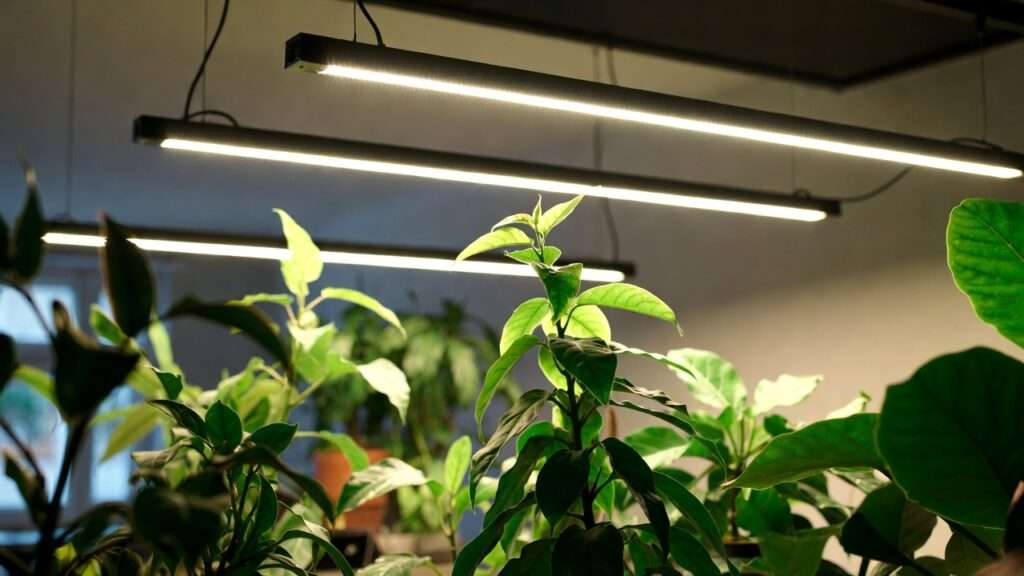
Picture this: It’s a gloomy afternoon in Khulna during the monsoon season. Rain taps endlessly against your window, natural light barely filters through, and your once-vibrant houseplants look stretched, pale, and a little defeated. You feel the same way—tired, a bit low, and craving something fresh and alive in your space. 😔
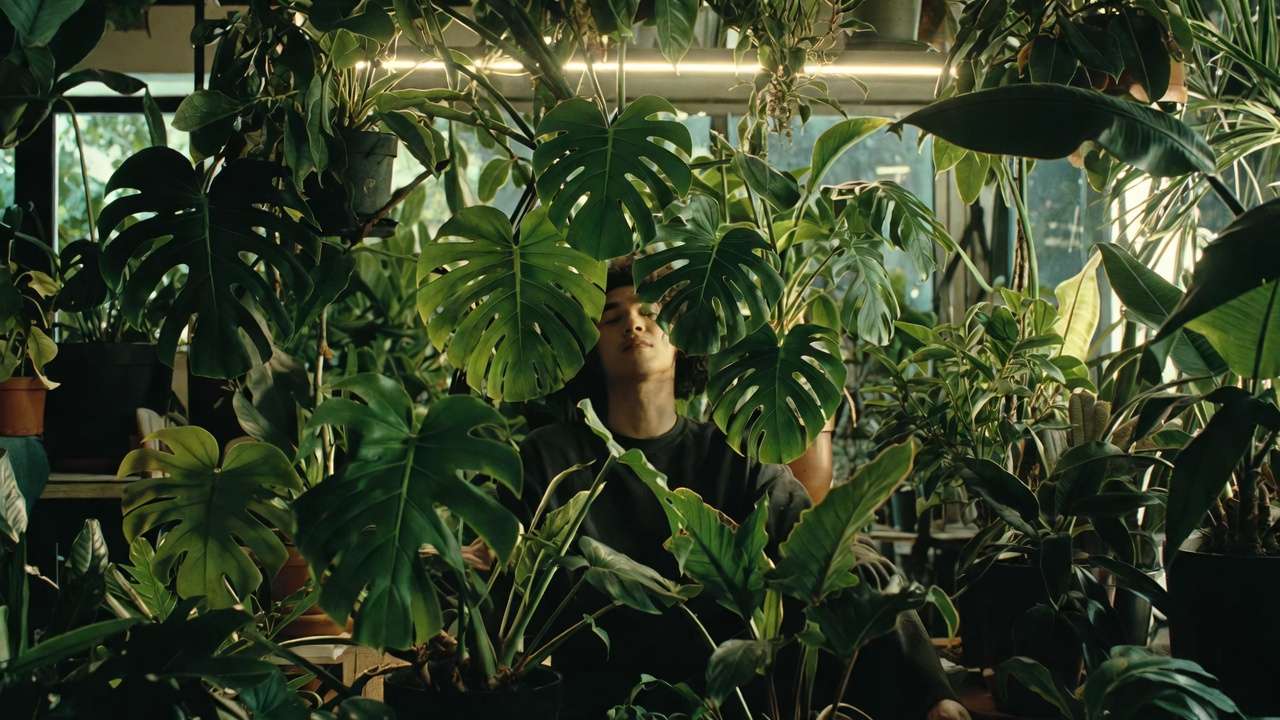
What if the solution was as simple as upgrading your lighting? LED lighting for mood and plant growth offers the perfect dual-purpose fix: modern full-spectrum LEDs that deliver the balanced wavelengths plants crave for strong, healthy development while providing soft, natural-looking illumination that lifts your spirits and creates a serene, biophilic haven right in your home.
No more harsh purple grow lights clashing with your decor or making your eyes strain. Instead, imagine gentle white or warm glows that mimic sunlight, helping your pothos trail fuller, your fiddle-leaf fig stand tall, and even boosting your own energy and calm during long indoor days. In this in-depth guide, I’ll walk you through the science, the best choices (updated for 2026), step-by-step setup tips, real-world examples, and advanced strategies to build your own calming indoor oasis. Whether you’re a beginner plant parent or a seasoned green thumb in a low-light urban apartment, this approach delivers thriving greenery and noticeable mood improvements. Let’s turn your space into a peaceful retreat where plants and people both flourish! 🌱💡
Why Traditional Indoor Lighting Falls Short for Plants and Mood 😔
Most homes in places like Khulna rely on ceiling lights, tube lights, or warm bulbs that look cozy but provide almost no useful light for plants. Natural sunlight is limited by cloudy weather, north-facing windows, or tall buildings blocking rays—leading to common issues like leggy growth (etiolation), yellowing leaves, weak stems, and slow recovery from pests.
On the human side, insufficient bright, natural-spectrum light disrupts our circadian rhythms. Without enough daylight-like exposure (especially 5000–6500K), melatonin regulation suffers, contributing to fatigue, reduced focus, lower motivation, and even seasonal mood dips during extended rainy periods. Traditional purple-heavy grow lights? They’re effective for photosynthesis but create an unnatural, clinical vibe that can increase eye strain and make your living space feel more like a lab than a home.
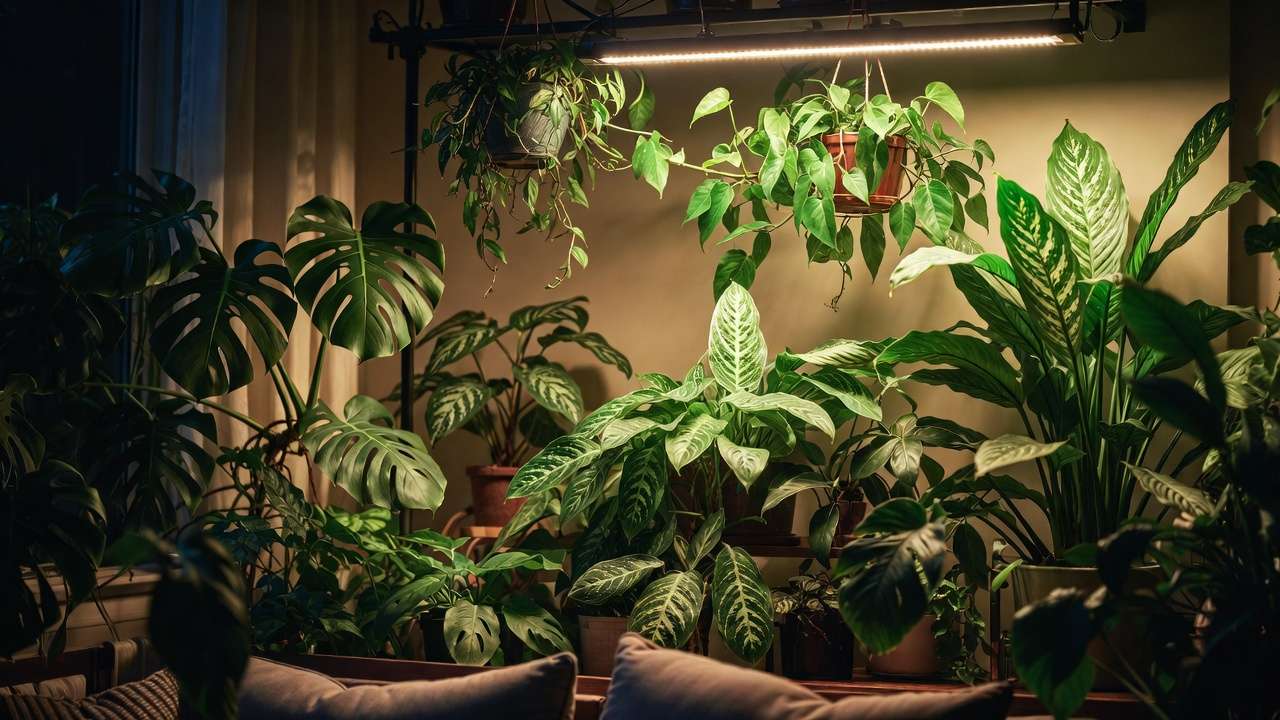
The good news? Modern LED lighting for mood and plant growth bridges this gap with energy-efficient, eye-friendly solutions that look beautiful while delivering real results for both your plants and your well-being. 🌞
Understanding the Science Behind Dual-Purpose LED Lighting 🔬🌈
How Light Affects Plant Growth
Plants rely on photosynthetically active radiation (PAR) in the 400–700nm range. Blue wavelengths (400–500nm) promote compact, bushy foliage and strong roots; red wavelengths (600–700nm) drive flowering, fruiting, and overall biomass; far-red influences stretching and shade responses.
Full-spectrum LEDs provide a balanced mix, often appearing as crisp white light, with enhanced peaks in blue and red for optimal growth across all stages—from seedlings to mature houseplants. Studies show plants under full-spectrum white LEDs exhibit faster growth, deeper green colors, better pest resistance, and higher chlorophyll content compared to narrow-band lights. For common indoor favorites like snake plants, monstera, or herbs, this means vibrant, resilient greenery that purifies air and adds joy.
How Light Influences Human Mood and Well-Being
Bright, full-spectrum light (especially 5000–6500K daylight equivalents) supports circadian rhythm regulation by suppressing melatonin during the day and allowing natural wind-down at night. Research indicates exposure to such lighting improves sleep quality, reduces daytime dysfunction, lowers stress hormones like cortisol, and boosts serotonin for better mood and alertness.
Biophilic design principles amplify this: combining natural-spectrum light with living plants creates restorative environments that lower anxiety, enhance focus, and foster relaxation—backed by studies showing reduced blood pressure, improved recovery from stress, and elevated feelings of happiness in nature-connected spaces. Full-spectrum LEDs without harsh UV or excessive blue spikes are safe for prolonged human exposure, making them ideal for living rooms, bedrooms, or home offices. 😌
Choosing the Right LED Lighting for Mood and Plant Growth 🛒💡
Key Features to Look For
- Spectrum: Prioritize full-spectrum white LEDs with high Color Rendering Index (CRI >90) for accurate plant colors and pleasant room ambiance—no pink/purple tint.
- Intensity & Coverage: Aim for Photosynthetic Photon Flux Density (PPFD) of 100–300 µmol/m²/s for most houseplants (lower for low-light lovers like pothos; higher for sun-seekers like succulents). Adjustable dimming helps fine-tune.
- Color Temperature: 5000–6500K for energizing daytime mood boost; warmer 3000–4000K options for evening relaxation.
- Design & Aesthetics: Ambient-style lamps (e.g., floor, pendant, or clip-on) that blend seamlessly.
- Extras: Built-in timers (12–16 hours/day), low heat output, energy efficiency (often 50%+ savings), and safety certifications for eyes/pets.
Top Recommended Types & Brands (2026 Updates) ⭐
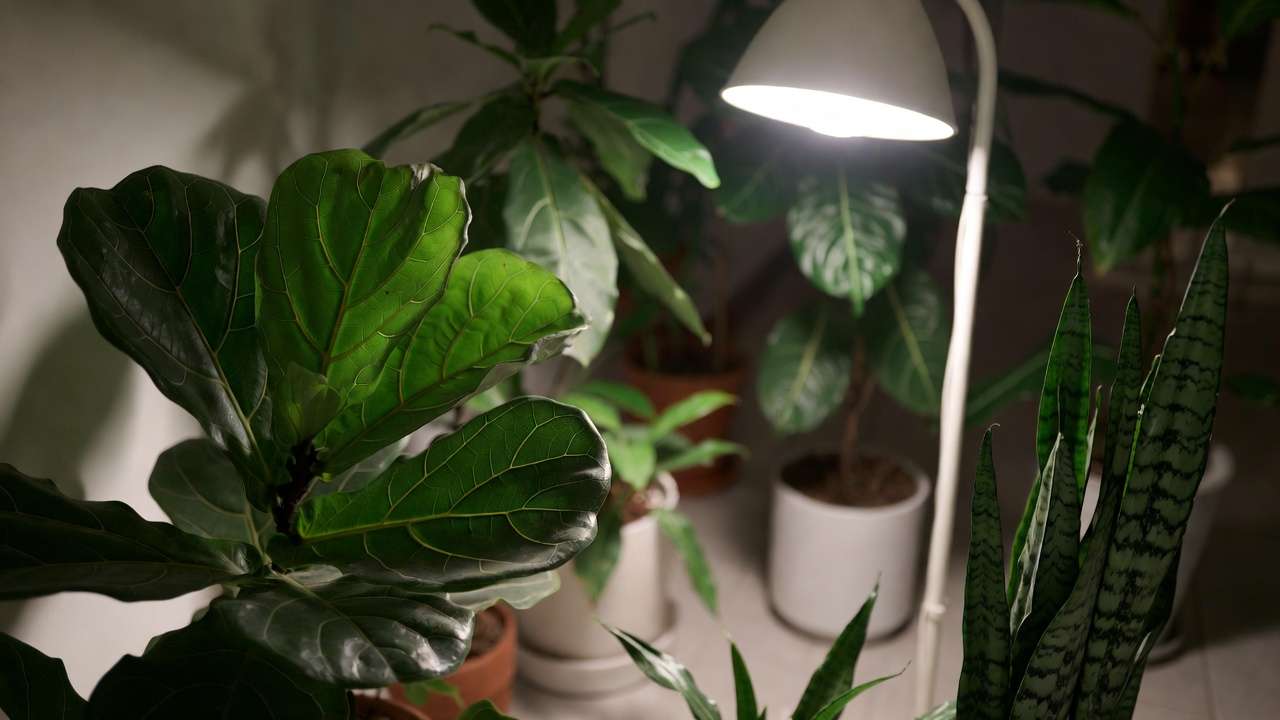
- Ambient grow lights like the Soltech Aura series: Praised for its sleek, furniture-like design with soft, natural glow—perfect for mood + medium-light plants. Reviews highlight its warm illumination without purple hues.
- Full-spectrum bulbs such as Sansi or GE LED grow bulbs: Affordable screw-in options that fit existing lamps, delivering balanced white light for natural appearance.
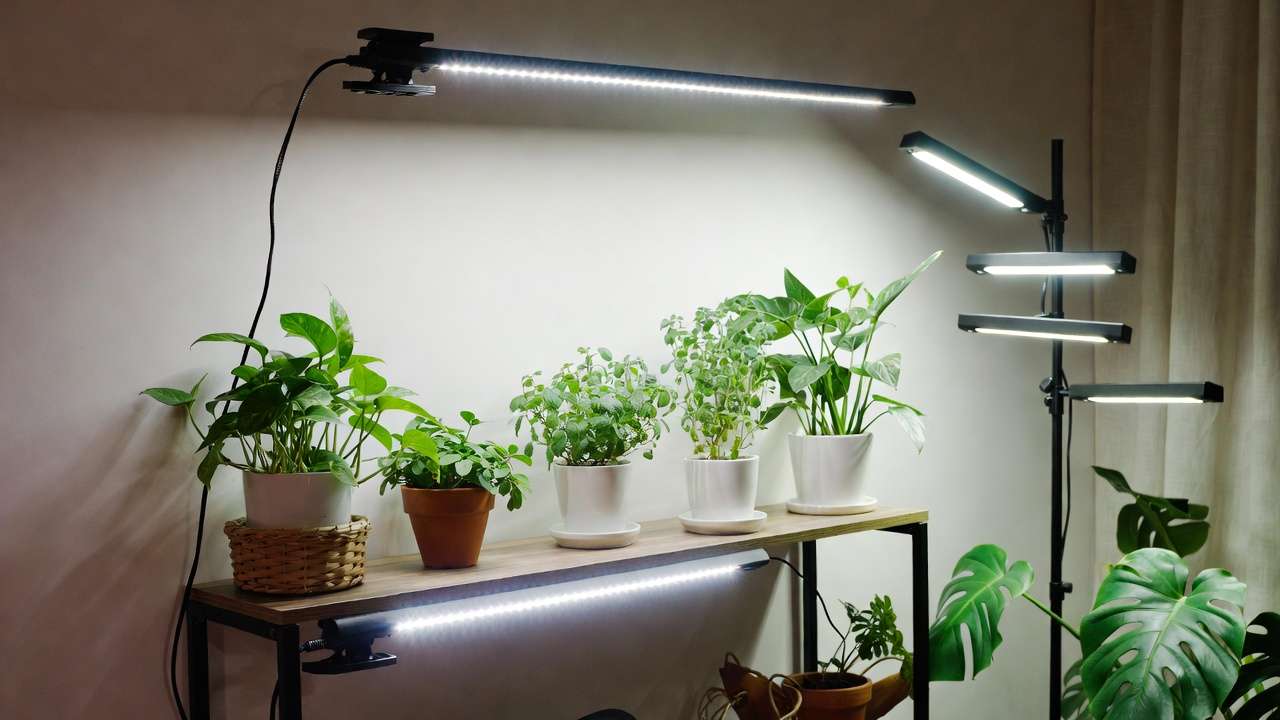
- Adjustable setups like Leoter 4-head or LBW desk models: Clip-on or stand varieties with timers, dimmers, and high LED counts for flexible coverage.
- Premium picks: Barrina strips or compact Spider Farmer units for shelves; newer 2026 models emphasize efficiency and aesthetics.
Expert tip: Always check recent reviews and certifications—opt for lights safe for long-term human exposure, like those mimicking sunlight without harmful spikes. 🌟
Step-by-Step Setup Guide: Building Your Calming Indoor Oasis 🏡🌿
Assessing Your Space & Plant Needs
Start with a light audit: Use a phone app (like Photone) or observe shadows to identify dim spots. Group plants by needs—low-light (snake plant, ZZ plant: 50–150 µmol/m²/s), medium (philodendron, peace lily: 100–250), high (herbs, fiddle-leaf: 200–400+). In Khulna’s humid climate, prioritize good airflow to prevent fungal issues.
Installation Tips
- Position lights 12–24 inches above foliage for even coverage—use adjustable arms or chains.
- Layer lighting: Ambient room fixtures + targeted plant lights for depth.
- Timing: 12–14 hours daily (use smart plugs for sunrise/sunset simulation).
- Aesthetics: Hide cords with clips, choose stylish fixtures to enhance your decor—think Scandinavian minimalism or cozy tropical vibes.
Real-Life Examples & Case Studies 🌟
To show just how transformative LED lighting for mood and plant growth can be, let’s look at real-world applications tailored to low-light tropical climates like Khulna.

Example 1: Reviving a Monstera in a Rainy-Season Apartment A local plant enthusiast in a north-facing Khulna flat struggled with a leggy monstera that barely produced new leaves during the monsoon. After switching to a Soltech Aura ambient grow light (a stylish floor lamp with full-spectrum white LEDs, ~5000K, dimmable), placed 18 inches above the canopy on a 14-hour timer, the plant responded dramatically. Within 4–6 weeks, new fenestrated leaves emerged, stems thickened, and overall vigor improved—thanks to consistent PAR levels around 150–200 µmol/m²/s. The owner reported a noticeable mood lift: “The soft, warm glow made my living room feel cozy instead of gloomy, and I felt more energized during cloudy days.” This setup blended seamlessly as decor, avoiding the “grow tent” look.
Example 2: Home Office Boost with Desk Plants Imagine a busy professional battling afternoon fatigue in a windowless corner desk. Adding a clip-on full-spectrum LED (like the Leoter 4-head model or GroCruiser 2026 desk light, 25W, timer-equipped) over a small collection of pothos, peace lily, and snake plant created layered lighting. Plants showed denser foliage and faster growth; the user noted reduced eye strain and better focus from the daylight-like spectrum (around 6000K). Biophilic benefits kicked in—studies link such setups to lower stress and improved cognitive performance, turning a dull workspace into a mini oasis.
Example 3: Scaling to a Small Indoor Jungle One reader started with a single Barrina LED strip on a shelf for herbs, then expanded to multiple ambient fixtures. Over months, basil and mint thrived under balanced full-spectrum light, while the gentle illumination helped combat seasonal low moods common in humid regions. Measurable wins: Air quality improved (plants filtered VOCs better when healthy), and daily mood tracking showed higher positivity scores on lit days.
These cases highlight the win-win: healthier plants mean better air purification and visual joy, while natural-spectrum light supports human circadian health and emotional resilience. 🌱💚
Maintenance & Troubleshooting Tips ⚙️
Even the best LED lighting for mood and plant growth setup needs care to deliver long-term results.
- Monitor Plant Response: Watch for light burn (bleached or crispy leaf tips)—lower intensity or raise the light if PPFD exceeds 300 µmol/m²/s for sensitive species. Yellowing from below? Could be nutrient issues—pair lighting with balanced fertilizer.
- Seasonal Adjustments: In Khulna’s monsoon (low natural light), extend to 14–16 hours; shorten to 12 hours during brighter winter months to mimic natural cycles and prevent stress.
- Cleaning & Longevity: Dust accumulates on fixtures—wipe gently monthly with a dry cloth to maintain output. LEDs last 25,000–50,000 hours; check for dimming over time.
- Combine with Core Care: Lighting amplifies good habits—water when top soil is dry, ensure humidity (60–80% ideal for tropicals), and rotate plants quarterly for even growth.
Pro tip: Use a cheap PAR meter app (e.g., Photone) to verify coverage—aim for even distribution to avoid patchy growth. 🔍
Advanced Tips for Maximum Benefits 🌱✨
Ready to level up your oasis?
- Smart Integration: Pair lights with Wi-Fi plugs (e.g., TP-Link Kasa) or apps for sunrise/sunset simulation—gradual brightening mimics dawn, reducing shock and enhancing mood regulation.
- Biophilic Layering: Add scented plants (lavender, jasmine) under lights for aromatherapy synergy; incorporate natural wood shelves or rattan for texture that complements the soft glow.
- Scaling Strategies: Start small (one lamp for 2–3 plants), then expand to zoned lighting—ambient for mood, targeted clips for high-light lovers like fiddle-leaf figs or citrus trees indoors.
- Expert Insight: Horticulturists emphasize that full-spectrum LEDs (high CRI >90) not only drive photosynthesis but support secondary metabolites—leading to more fragrant blooms and resilient plants. For mental wellness, consistent exposure correlates with lower cortisol and better sleep quality, per recent studies on human-centric lighting.
Experiment safely—track changes in a journal for personalized tweaks! 📓
Potential Drawbacks & How to Overcome Them ⚠️
No solution is perfect—here’s how to handle common concerns:
- Upfront Cost: Quality ambient lights (e.g., Soltech Aura ~$200+) feel pricey → Start with budget-friendly Sansi or GroCruiser bulbs ($20–50) that screw into existing lamps.
- Energy Use: LEDs sip power (10–50W typical) → Far cheaper than old incandescents; run on timers to optimize.
- Over-Lighting Risks: Too much intensity stresses plants → Use dimmers and observe leaf color; never exceed recommended distances.
- Aesthetic Mismatch: Some fixtures look industrial → Choose decorative options like floor lamps or pendants that double as home decor.
With smart choices, these are minor hurdles on the path to a thriving, mood-boosting space. 😊
Frequently Asked Questions (FAQs) ❓
Can regular full-spectrum LEDs replace SAD therapy lamps? Many do—look for 5000–6500K, 10,000+ lux output near your face for mood benefits, but consult a doctor for clinical SAD.
Are these lights safe for eyes, pets, and kids during long exposure? Yes—modern full-spectrum LEDs (no UV spikes, low flicker) are photobiologically safe. Choose certified options; dim for evenings.
How long until I see plant improvements and mood changes? Plants: 2–6 weeks for new growth; mood: Often 1–2 weeks of consistent exposure, with cumulative benefits over months.
Best budget vs. premium options in 2026? Budget: Sansi/GE bulbs, Leoter clips (~$20–50). Premium: Soltech Aura, Barrina systems (~$100–300) for aesthetics and performance.
Do they work for trees/saplings indoors? Absolutely—use higher-intensity models (200+ µmol/m²/s) for young trees; position closer initially, then raise as they grow.
Conclusion: Transform Your Home Today 🌅
LED lighting for mood and plant growth isn’t just about brighter leaves—it’s about creating a sanctuary where your houseplants thrive vibrantly and you feel calmer, more energized, and connected to nature, even on the dimmest Khulna days.
By choosing full-spectrum, eye-friendly LEDs that look beautiful in your space, following proper setup, and pairing with good plant care, you’ll enjoy cleaner air, reduced stress, and the simple joy of watching greenery flourish.
Start small today: Pick one light, place it over a favorite plant, set a timer, and observe the magic unfold. Your calming indoor oasis is waiting—and it starts with a little light.
You’ve got this—happy growing, and brighter days ahead! 🏡💚🌱











