
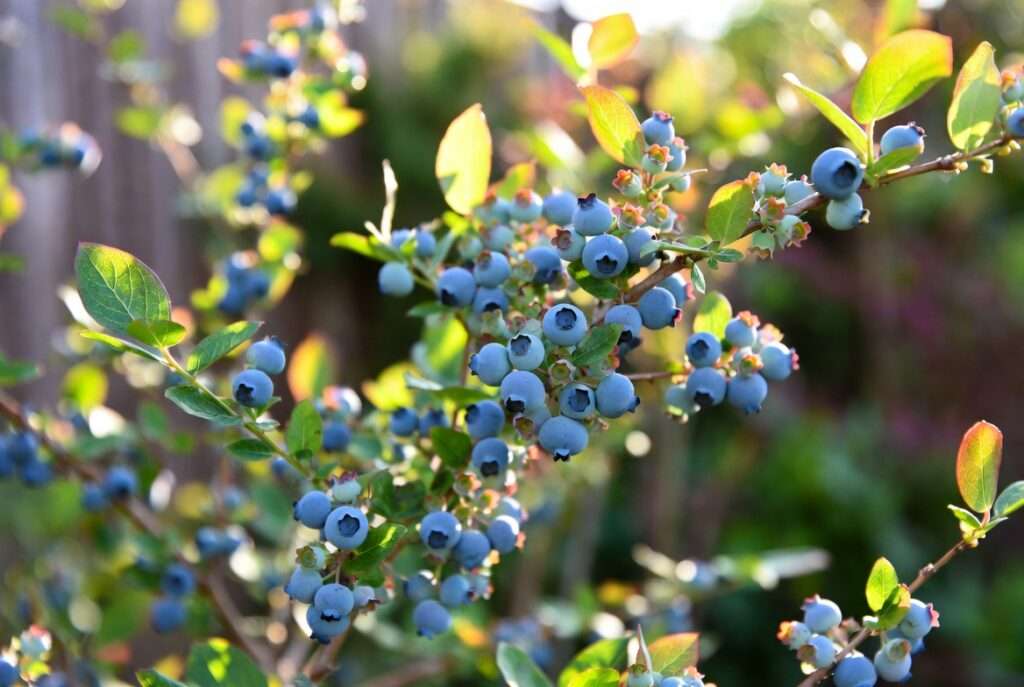
Imagine stepping into your backyard on a warm summer morning and picking handfuls of sweet, juicy, perfectly ripe blueberries straight from your own bushes — berries bursting with robust flavor that supermarket varieties can rarely match. That dream becomes reality with the Legacy blueberry plant, a standout highbush variety prized by home gardeners for its vigorous growth, heavy production, and exceptional taste.
Whether you’re a beginner eager to start your edible garden or an experienced grower looking to boost yields, this comprehensive guide will walk you through everything you need to successfully cultivate thriving Legacy blueberry bushes. From soil preparation to pruning techniques and pest management, you’ll gain expert insights to enjoy abundant harvests year after year. Let’s dive in and turn your garden into a blueberry paradise! 🌱✨
What Is the Legacy Blueberry Plant?
The Legacy blueberry (Vaccinium corymbosum ‘Legacy’) is a high-quality northern highbush hybrid released by the USDA Blueberry Research Station in New Jersey. It has become a favorite among backyard gardeners and small-scale growers thanks to its impressive combination of traits.
Why Legacy Is a Top Choice for Home Growers 🏆
- Mature Size: Reaches 4–6 feet tall and wide, making it manageable for most home landscapes.
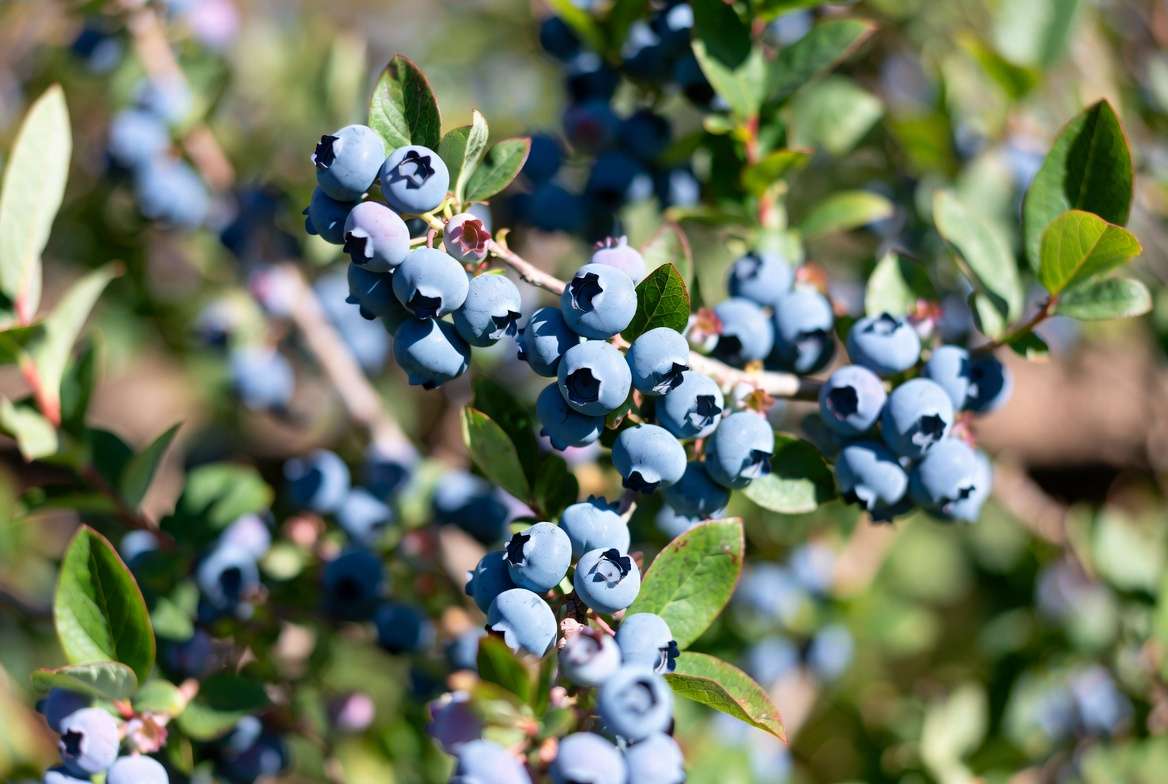
- Fruit Profile: Produces medium-to-large, light blue berries with a uniquely robust, sweet-tart flavor. Many gardeners and taste trials rate it among the best-flavored blueberries available.
- Harvest Season: Extended mid-to-late season ripening, often stretching from mid-June through August depending on your climate (longer in warmer zones).
- Growth Habit: Vigorous, upright, and productive. It maintains good disease resistance and offers attractive foliage — semi-evergreen in mild winters with beautiful crimson fall color in colder areas.
- Chill Hours: Requires 800–1000+ hours, fitting well in USDA Zones 5–8.
Legacy stands out for its reliability and versatility. It performs beautifully as both a fruit producer and an ornamental edible shrub.
Legacy Blueberry vs. Other Popular Varieties (Comparison Table Recommended)
| Variety | Flavor | Ripening | Chill Hours | Best Zones | Key Strength |
|---|---|---|---|---|---|
| Legacy | Excellent, robust | Mid/Late | 800–1000+ | 5–8 | Long harvest, vigor |
| Duke | Sweet, mild | Early | 800+ | 4–7 | Early production |
| Bluecrop | Good, classic | Mid | 800+ | 4–7 | High yield, reliable |
| Jersey | Sweet-tart | Late | 900+ | 4–7 | Classic flavor, hardy |
Legacy often edges out competitors in flavor depth and extended picking season, making it ideal for gardeners who want fresh berries over many weeks. 🫐
Ideal Growing Conditions for Legacy Blueberries
Success with blueberries starts with understanding their specific needs. Legacy, like other highbush types, is particular about soil and climate but rewards proper setup with years of bountiful crops.
Climate and Hardiness Zones 🌡️
Legacy thrives in USDA Hardiness Zones 5–8. It needs 800–1000 chill hours (hours below 45°F/7°C during winter dormancy) for proper fruit set. In warmer parts of Zone 8 or mild coastal areas, it performs exceptionally well and may retain more foliage through winter. Protect from extreme late spring frosts, which can damage flowers.
Sunlight Requirements ☀️
Provide full sun — at least 6–8 hours of direct sunlight daily — for maximum flowering and fruit production. In very hot climates, light afternoon shade can help prevent stress, but too much shade reduces yields significantly.
Soil Preparation: The Foundation of Success 🪴
This is the most critical factor for growing healthy Legacy blueberry plants. They demand acidic soil with a pH between 4.0–5.5 (ideally 4.5–5.2).
- Test your soil first using a home kit or extension service.
- Amend heavy clay or alkaline soils with elemental sulfur, peat moss, pine bark, or aged pine needles several months before planting.
- Ensure excellent drainage — blueberries hate “wet feet.”
- Incorporate plenty of organic matter for healthy fibrous roots.
Raised beds or containers are excellent solutions if your native soil isn’t suitable. Use a 50/50 mix of pine bark and peat moss for containers.
Companion Planting and Garden Design 🌿
Plant Legacy blueberries near acid-loving plants like azaleas, rhododendrons, or pine trees. They make stunning edible hedges or mixed borders. Avoid planting near alkaline-loving vegetables or in areas with black walnut trees (juglone toxicity).
How to Plant Legacy Blueberry Bushes
Best Time to Plant 📅
- Fall (early to mid) is often ideal as it allows roots to establish before winter.
- Spring planting works well after the last frost but before summer heat.
Step-by-Step Planting Guide 🛠️
- Choose vigorous, disease-free plants from reputable nurseries (bare-root or potted 1–3 gallon).
- Space bushes 4–6 feet apart for good air circulation and future growth.
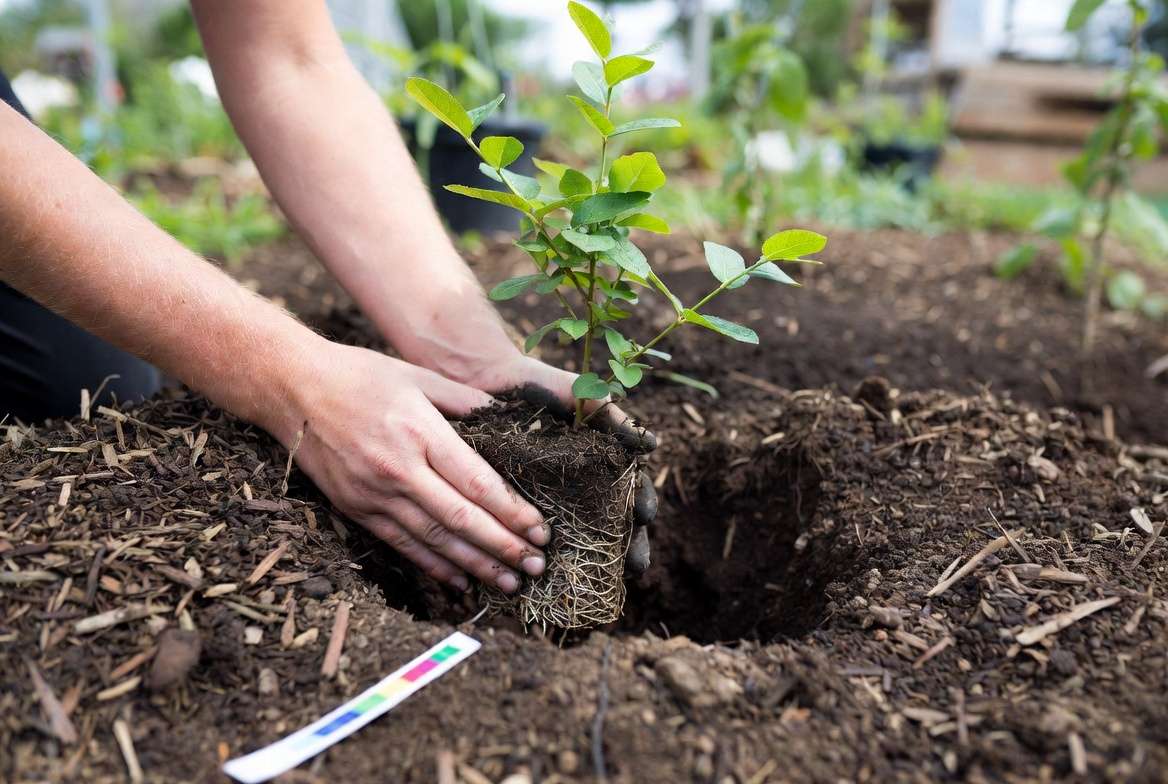
- Dig holes twice as wide as the root ball but no deeper.
- Gently loosen roots and plant at the same depth as the nursery container.
- Backfill with amended acidic soil and water deeply.
- Apply 2–4 inches of organic mulch (pine needles or bark) to retain moisture and suppress weeds.
- For better pollination and heavier crops, plant at least two different blueberry varieties nearby. 🐝
Pro tip: Soak bare-root plants in water for 2–4 hours before planting to rehydrate roots.
Comprehensive Care Guide for Thriving Plants
Watering Requirements 💧
Legacy blueberries need consistent moisture — about 1–2 inches per week, more during fruit development. Keep soil moist like a wrung-out sponge but never soggy. Drip irrigation is highly recommended. Mulch heavily to reduce evaporation.
Fertilizing Legacy Blueberries 🌱
Use fertilizers formulated for acid-loving plants (azalea/camellia formulas or cottonseed meal). Apply in early spring and again after harvest. Avoid high-nitrogen fertilizers that promote leaves over fruit. Always follow soil test recommendations.
Mulching Best Practices 🍂
Replenish acidic mulch annually. Pine bark, pine needles, or wood chips work wonderfully and help maintain ideal pH.
Pruning for Health and Heavy Harvests ✂️
Pruning is essential for long-term productivity:
- Remove dead, damaged, or crossing branches in late winter/early spring.
- On mature plants (3+ years), remove older canes (thicker than a thumb) to encourage new fruitful wood.
- Aim for an open vase shape with 6–12 strong canes.
Proper pruning improves air flow, reduces disease, and boosts berry size.
Pollination and Increasing Yields 🐝
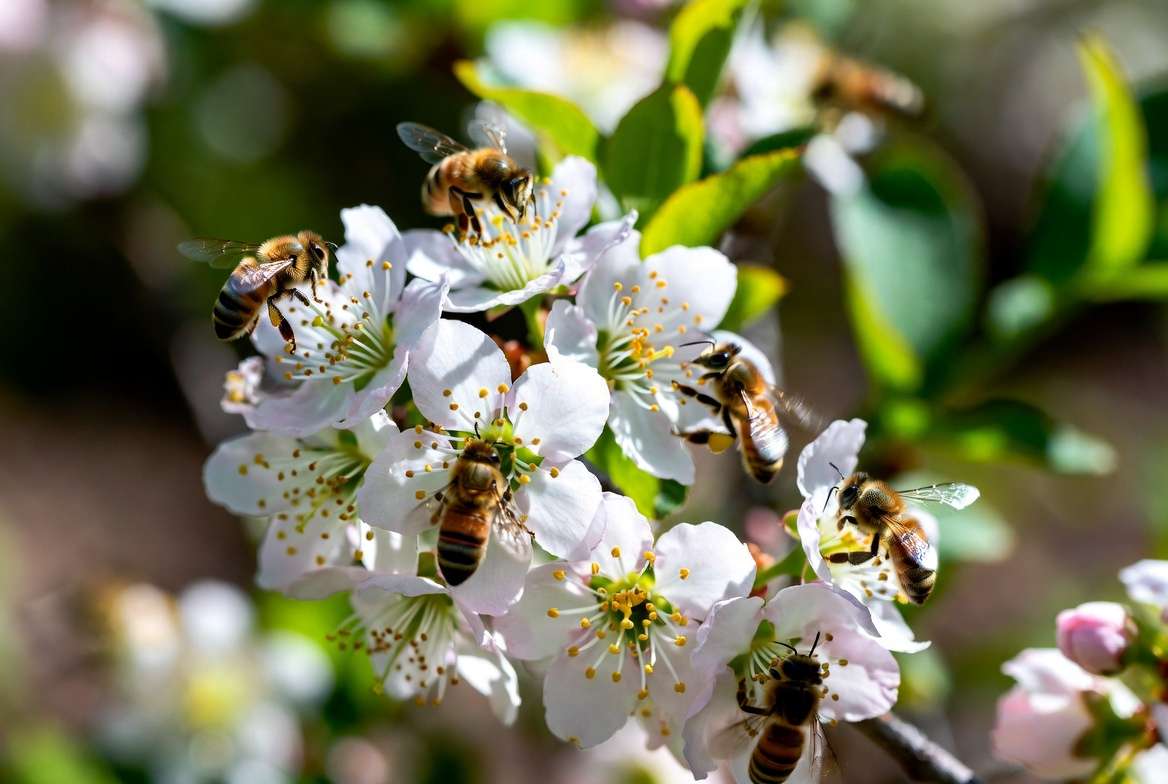
While the Legacy blueberry plant is considered self-fertile, cross-pollination with other compatible highbush varieties dramatically increases fruit set and berry size. For the best results, plant at least two or three different varieties within 50 feet of each other.
Recommended Companion Varieties for Legacy:
- Duke (early season)
- Bluecrop (mid-season)
- Jersey or Elliott (late season)
This succession planting extends your overall harvest window from early summer into late summer.
To attract pollinators, interplant with bee-friendly flowers such as borage, lavender, or native wildflowers. Avoid using broad-spectrum insecticides during bloom time. Healthy, well-pollinated Legacy bushes can produce 8–20 pounds of fruit at maturity — a truly abundant harvest for a home garden! 🫐
Managing Pests, Diseases, and Common Problems
Even resilient varieties like Legacy benefit from proactive protection. Prevention through proper siting, spacing, and cultural practices is far more effective than reactive treatments.
Common Pests and Organic Controls 🐛
- Birds: The biggest threat during ripening. Use bird netting or reflective tape. Plant extra bushes so you can share the harvest.
- Aphids and Japanese Beetles: Spray with neem oil or insecticidal soap. Encourage beneficial insects like ladybugs.
- Spotted Wing Drosophila: A serious fruit pest in many regions. Harvest frequently and use traps.
- Deer and Rabbits: Protect young plants with fencing or repellents.
Diseases to Watch For 🌿
- Mummy Berry: Fungal disease causing shriveled “mummy” fruits. Remove infected berries and prune for better airflow.
- Anthracnose and Fruit Rot: Prevent by avoiding overhead watering and harvesting promptly.
- Leaf Spot: Usually cosmetic but can be managed with good sanitation and organic fungicides if severe.
Troubleshooting Yellow Leaves, Poor Growth, or Low Yields ⚠️
Yellowing leaves (chlorosis) almost always signals pH is too high or iron deficiency. Test soil and apply sulfur or chelated iron as needed.
Low yields often result from:
- Insufficient chill hours
- Inadequate sunlight
- Poor pollination
- Over-fertilizing with nitrogen
Address the root cause early, and your Legacy blueberry plants will bounce back strongly.
Harvesting and Enjoying Your Legacy Blueberries
When and How to Harvest 🍓
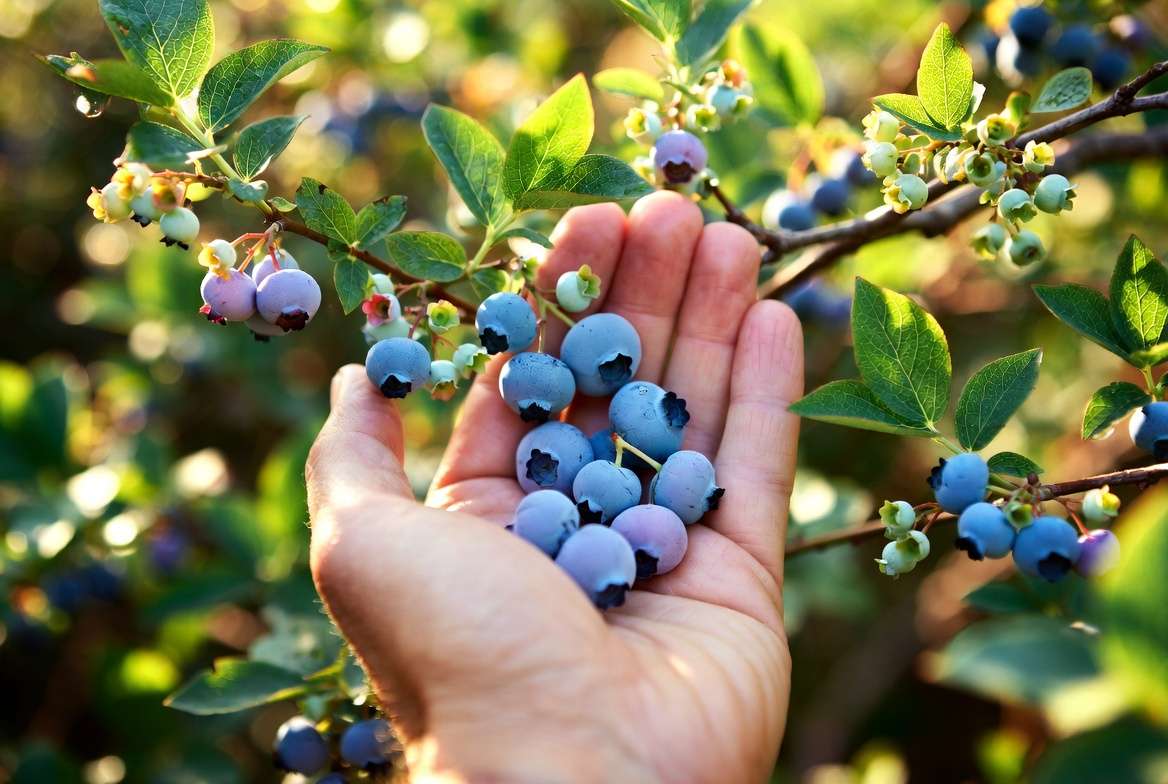
Legacy berries ripen over an extended period, giving you fresh fruit for weeks. Pick when berries are fully blue with a light “bloom” (powdery coating) and detach easily with a gentle twist.
Morning harvesting yields the best flavor and shelf life. Taste-test — Legacy develops its signature rich, sweet-tart profile when fully ripe.
Post-Harvest Care and Preservation
- Eat fresh within a few days or refrigerate unwashed berries up to 10 days.
- Freeze on trays then transfer to bags for long-term storage.
- Make jams, pies, smoothies, or syrups. Homegrown Legacy blueberries shine in baked goods and desserts. 🥧
Expected Yields and Timeline
- Year 1–2: Focus on establishment (minimal fruit).
- Year 3: Light harvest begins.
- Year 4+: 8–20+ pounds per mature bush with excellent care.
Seasonal Care Calendar for Legacy Blueberry 🌸
Winter (Dec–Feb): Prune dormant plants. Apply dormant oil if needed. Protect from heavy snow.
Early Spring (Mar–Apr): Test soil, amend pH, apply first fertilizer, remove winter mulch gradually.
Late Spring (May): Monitor for pests. Ensure consistent watering during bloom.
Summer (Jun–Aug): Harvest regularly. Water deeply during dry spells. Mulch to keep roots cool.
Fall (Sep–Nov): Final light fertilizer if needed. Enjoy crimson fall foliage. Add fresh mulch before winter.
Use this calendar as your yearly roadmap for successful Legacy blueberry care.
Growing Legacy Blueberries in Containers 🪴
Perfect for patios, balconies, or small yards! Choose pots at least 20–24 inches wide and deep with excellent drainage.
Container Success Tips:
- Use 50% pine bark + 50% peat moss or ericaceous potting mix.
- Maintain acidic pH with regular testing.
- Water more frequently — containers dry out quickly.
- Repot or refresh soil every 3–4 years.
- Move to sheltered spot in extreme winter or heat.
Many gardeners successfully grow productive Legacy bushes in containers for years with these techniques.
Expert Tips for Abundant Harvests ✨
Here are 12 professional tips to take your growing Legacy blueberries to the next level:
- Always plant in groups for better pollination.
- Maintain 4–6 inches of acidic mulch year-round.
- Use drip irrigation on timers for consistent moisture.
- Prune annually — never skip this step!
- Test soil pH every spring.
- Add composted pine needles or coffee grounds lightly around plants.
- Net bushes early before berries turn blue.
- Rotate organic fertilizers for balanced nutrition.
- Grow companion acid-lovers nearby for microclimate benefits.
- Monitor chill hours in your area for best variety selection.
- Harvest every 2–3 days during peak season.
- Practice patience — blueberries improve with age! 🫐
Implementing even half of these will significantly boost your success rate.
Frequently Asked Questions (FAQs)
How fast does the Legacy blueberry plant grow? It grows moderately fast, reaching full size in 4–6 years with proper care.
Can I grow Legacy blueberries in warmer climates? Yes, in Zones 7–8 with adequate chill hours. In very warm areas, consider southern highbush varieties instead.
Why are my Legacy blueberry leaves turning yellow? Most commonly high soil pH or iron deficiency. Test and correct pH immediately.
How much fruit will one Legacy bush produce? Mature bushes yield 8–20 pounds annually under good conditions.
Is Legacy self-pollinating? It is self-fertile but produces much better with cross-pollination from other varieties.
When should I prune Legacy blueberry bushes? Late winter while dormant is ideal.
How long do Legacy blueberry plants live? With proper care, they can produce for 20–30 years or more.
Do I need special soil for Legacy blueberries? Yes — highly acidic, well-draining, organic-rich soil is non-negotiable.
Conclusion
The Legacy blueberry plant offers one of the most rewarding experiences in home fruit gardening. With its delicious berries, attractive appearance, and reliable production, it deserves a prime spot in your garden.
By following this detailed guide — from proper soil preparation and planting to expert pruning and ongoing care — you’ll be harvesting abundant, garden-fresh blueberries for decades to come.
Start planning your Legacy blueberry patch today. Your future self (and taste buds) will thank you! Share your growing journey in the comments below, and explore our other plant care guides for more inspiration. Happy gardening! 🌱🫐✨











