
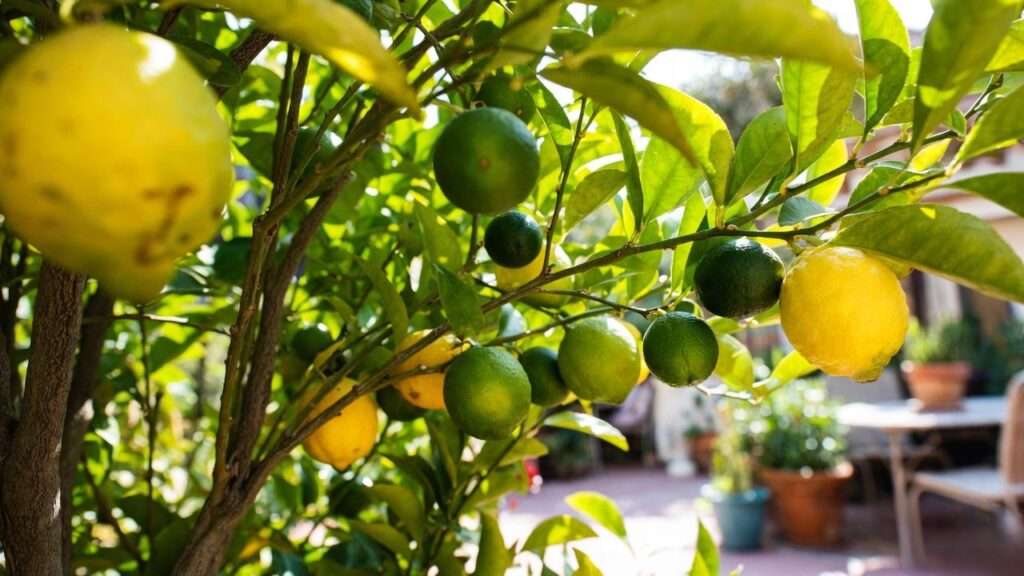
Imagine stepping onto your patio or into your sunroom and picking both juicy, sweet Meyer lemons and tangy Key limes from the same beautiful tree – all year round! 🍋🍈 The lemon lime fruit tree, often called a “cocktail tree” or citrus cocktail tree, is a grafted marvel that combines these two beloved citrus varieties on one compact rootstock. This space-saving wonder is perfect for small gardens, patios, containers, or even indoor growing, delivering fragrant white blossoms, glossy evergreen leaves, and dual harvests of homegrown citrus. Whether you’re a novice gardener struggling with limited space or an experienced citrus lover wanting maximum yield from one plant, this ultimate guide will equip you with expert strategies to overcome common challenges like poor fruiting, pests, or overwintering issues. By the end, you’ll have a thriving lemon lime fruit tree producing abundant, flavorful fruit for cocktails, cooking, and fresh eating. Let’s unlock the secrets to success! 🌱

What Is a Lemon Lime Fruit Tree? Understanding This Unique Citrus Hybrid 🌳
The lemon lime fruit tree isn’t a natural hybrid but a cleverly grafted “cocktail tree.” Typically, it features branches of the Improved Meyer lemon (Citrus × meyeri) – a sweeter, thinner-skinned lemon with mandarin origins – grafted onto hardy rootstock alongside Key lime (Citrus aurantiifolia), known for its small, aromatic, ultra-tangy fruit perfect for pies and mojitos.
Origins and How It Works
Grafting involves joining scions (branches) from desired varieties onto a strong rootstock, often trifoliata or flying dragon for dwarfing and disease resistance. This technique, perfected by horticulturists, allows one tree to bear both fruits while maintaining their distinct flavors and characteristics. The result? A self-pollinating, compact tree that maximizes space and yield.
Key Characteristics and Benefits
- Compact growth: Dwarf varieties reach 6-10 feet tall, ideal for pots 🪴
- Evergreen foliage with intensely fragrant white-purple blooms year-round in warm climates
- Dual fruit production: Sweet-tart Meyer lemons (ripening yellow) and zesty Key limes (often harvested green)
- Versatility: Thrives outdoors in USDA Zones 9-11 or as a container plant movable indoors in cooler areas
- Low maintenance appeal: Self-fertile, no need for multiple trees
Expert Insight: As a horticulturist with years of experience growing grafted citrus, I’ve seen these trees produce 50+ fruits annually on mature specimens with proper care – far outperforming single-variety plants in limited spaces.

Choosing the Perfect Lemon Lime Fruit Tree 🍋🍈
Selecting a healthy specimen sets the foundation for years of bountiful harvests.
Best Varieties to Look For
The classic combination is Improved Meyer lemon + Key lime – reliable, productive, and flavorful. Alternatives include Meyer lemon + Bearss (Persian) lime for larger, seedless limes with milder tartness.
Where to Buy and What to Check
Source from reputable nurseries specializing in citrus (avoid big-box stores prone to disease). Look for:
- Vigorous green leaves without yellowing or spots
- No pests or webbing
- Visible graft union (slightly swollen scar near base) for authenticity
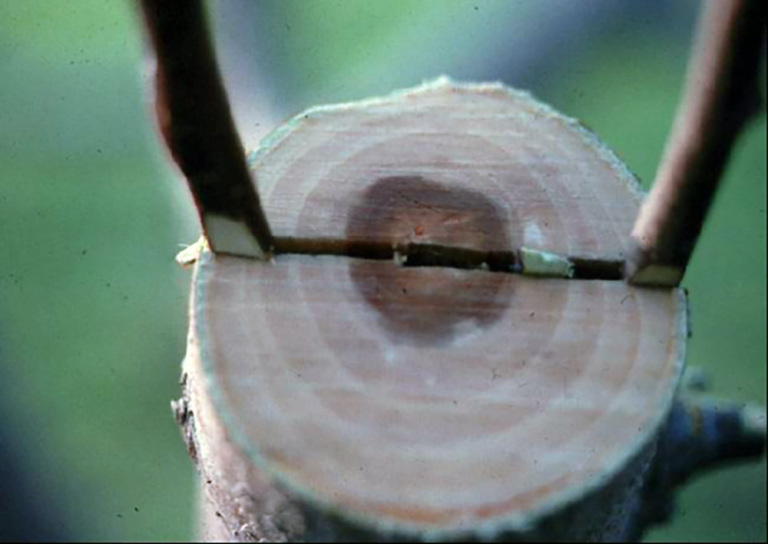
Tip: Opt for 2-3-year-old grafted trees – they fruit sooner (often within 1 year) than seed-grown ones, which can take 4-10 years. ⏱️
Planting Your Lemon Lime Fruit Tree: Step-by-Step Guide 🏡
Proper planting prevents root issues and promotes vigorous growth.
Ideal Location and Climate
- Full sun: At least 8 hours daily ☀️ (south-facing for indoors)
- Warmth: USDA Zones 9-11 outdoors; protect below 50°F
- Wind protection: Avoid drafts that cause leaf drop
Soil Requirements
Citrus demands well-draining, slightly acidic soil (pH 6.0-7.0). Use a commercial citrus potting mix amended with perlite or pine bark for aeration.
In-Ground vs. Container Planting
- In-ground: Dig a hole twice as wide as the root ball, same depth. Backfill with native soil mixed 50/50 with compost.
- Containers: Choose 15-20 gallon pots with drainage holes. Repot every 2-3 years as roots fill.
Pro Tip: Mulch 2-3 inches deep around the base (keep 4 inches from trunk) to retain moisture, suppress weeds, and regulate soil temperature. Use organic mulch like bark chips.

Essential Care Routine for Thriving Growth 🌱
Consistent care is the key to a healthy, productive lemon lime fruit tree. Citrus trees are sensitive to changes, so establishing a reliable routine prevents stress and promotes vigorous growth, lush foliage, and heavy fruiting.
:max_bytes(150000):strip_icc()/how-to-grow-citrus-indoors-tree-getty-0723-15a2ccc1f3b6498e9f022b7898523df9.jpg)
Watering Wisely 💧
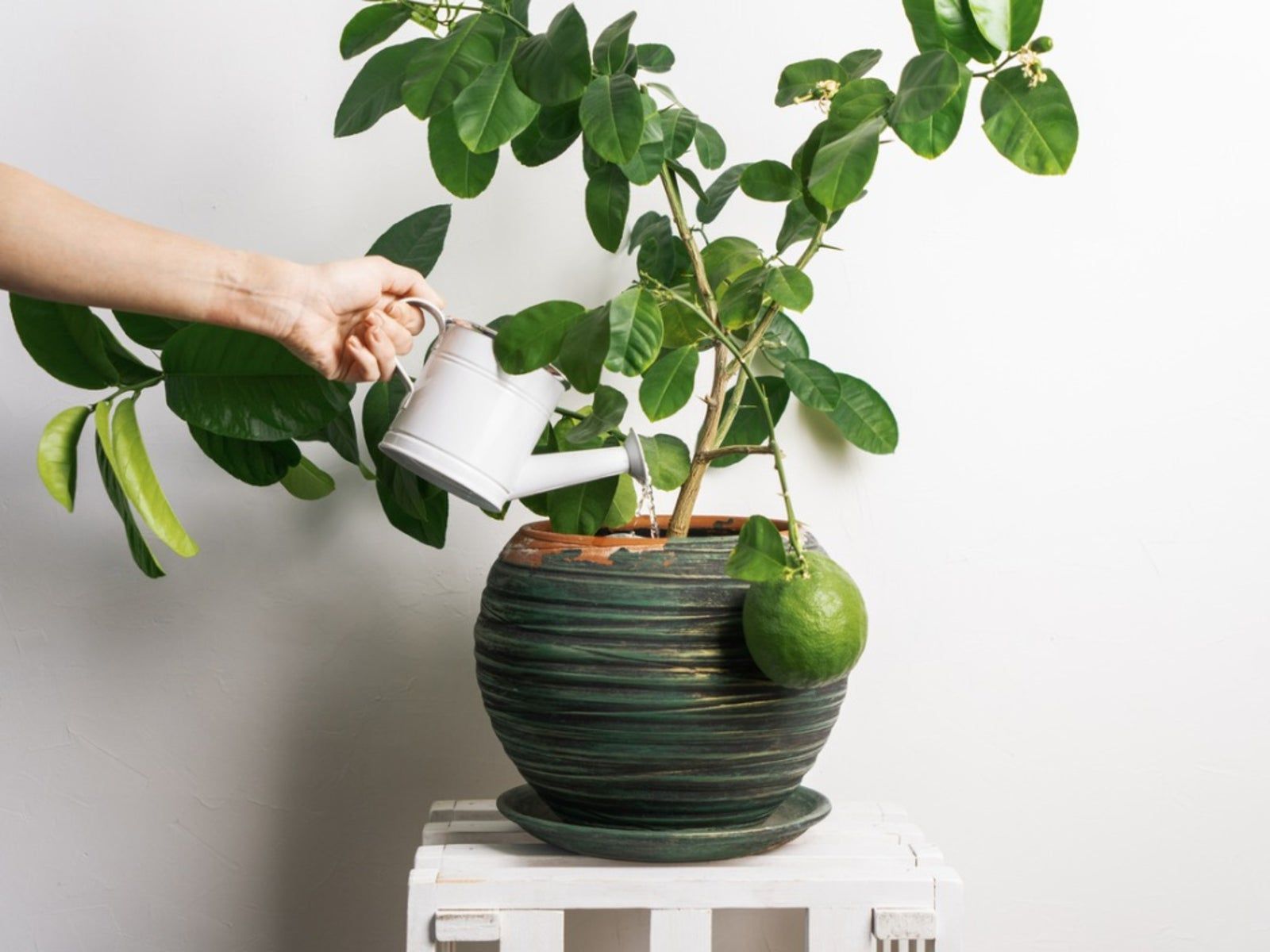
Overwatering is the #1 killer of container citrus, leading to root rot, while underwatering causes leaf curl and drop. The goal: Moist but not soggy soil.
- Frequency: Water deeply when the top 2-3 inches of soil feel dry (finger test!). In hot summer months, this may be 1-2 times per week; in cooler seasons, every 10-14 days.
- Method: Soak thoroughly until water drains from the bottom – this encourages deep roots. Use room-temperature water to avoid shock.
- Container tips: Ensure excellent drainage; elevate pots on feet for airflow.
- Signs of issues: Wilting despite wet soil = root rot; dry, crispy leaves = underwatering.
Expert Insight: In my experience consulting with hundreds of citrus growers, drip irrigation or self-watering pots revolutionize care for busy gardeners, maintaining consistent moisture without guesswork.
Fertilizing for Abundant Fruit 🍊
Citrus are heavy feeders, requiring balanced nutrients for growth, flowering, and fruit development.
- Best fertilizer: Use a citrus-specific formula (e.g., 6-4-6 or similar with micronutrients like iron, zinc, manganese). Slow-release granules or liquid feeds work well.
- Schedule: Feed 3-4 times per year – early spring (March), late spring (May), early summer (July), and early fall (September). Avoid winter feeding when growth slows.
- Application: Follow label rates; halve strength for young trees. Water before and after to prevent burn.
- Organic options: Compost tea, fish emulsion, or worm castings provide gentle nutrition.
Pro Tip: Yellow veins (chlorosis) often signal iron deficiency in alkaline soils – apply chelated iron as a quick fix.
Pruning and Shaping ✂️
Proper pruning improves airflow, light penetration, fruit quality, and controls size – essential for potted lemon lime trees.
- When: Late winter or early spring before new growth; light pruning anytime.
- How-to:
- Remove dead, damaged, or diseased branches.
- Cut suckers below the graft union (they steal energy).
- Thin crowded areas and crossing branches.
- Shorten overly long branches to encourage bushiness.
- Shape goal: Open vase shape for better light and easier harvesting.
Expert Insight: Never remove more than 20-30% of foliage at once – severe pruning stresses the tree and reduces fruiting.

Overwintering and Indoor Care 🏠
In zones below 9, protect from frost – temperatures under 30°F can kill branches.
- Outdoors: Cover with frost cloth or move pots against house walls.
- Indoors: Bring inside when nights dip below 50°F. Place near brightest south-facing window.
- Light: Supplement with full-spectrum grow lights (12-16 hours/day) if natural light is insufficient.
- Humidity: Mist leaves or use pebble trays – citrus loves 50%+ humidity.
- Temperature: Ideal 60-70°F day, no colder than 55°F night.
:max_bytes(150000):strip_icc()/how-to-grow-citrus-indoors-tree-window-getty-0723-bf97599eae474838bb691d307ea5058f.jpg)
Maximizing Blooms, Pollination, and Harvests 🌸🍋
Encouraging Flowering and Fruit Set
Lemon lime trees bloom multiple times yearly, but stress reduces flowers.
- Promote blooms with consistent warmth, light, and nutrition.
- Avoid repotting or heavy pruning during bloom cycles.
Pollination Tips
Outdoors, bees handle it. Indoors:
- Gently shake branches daily.
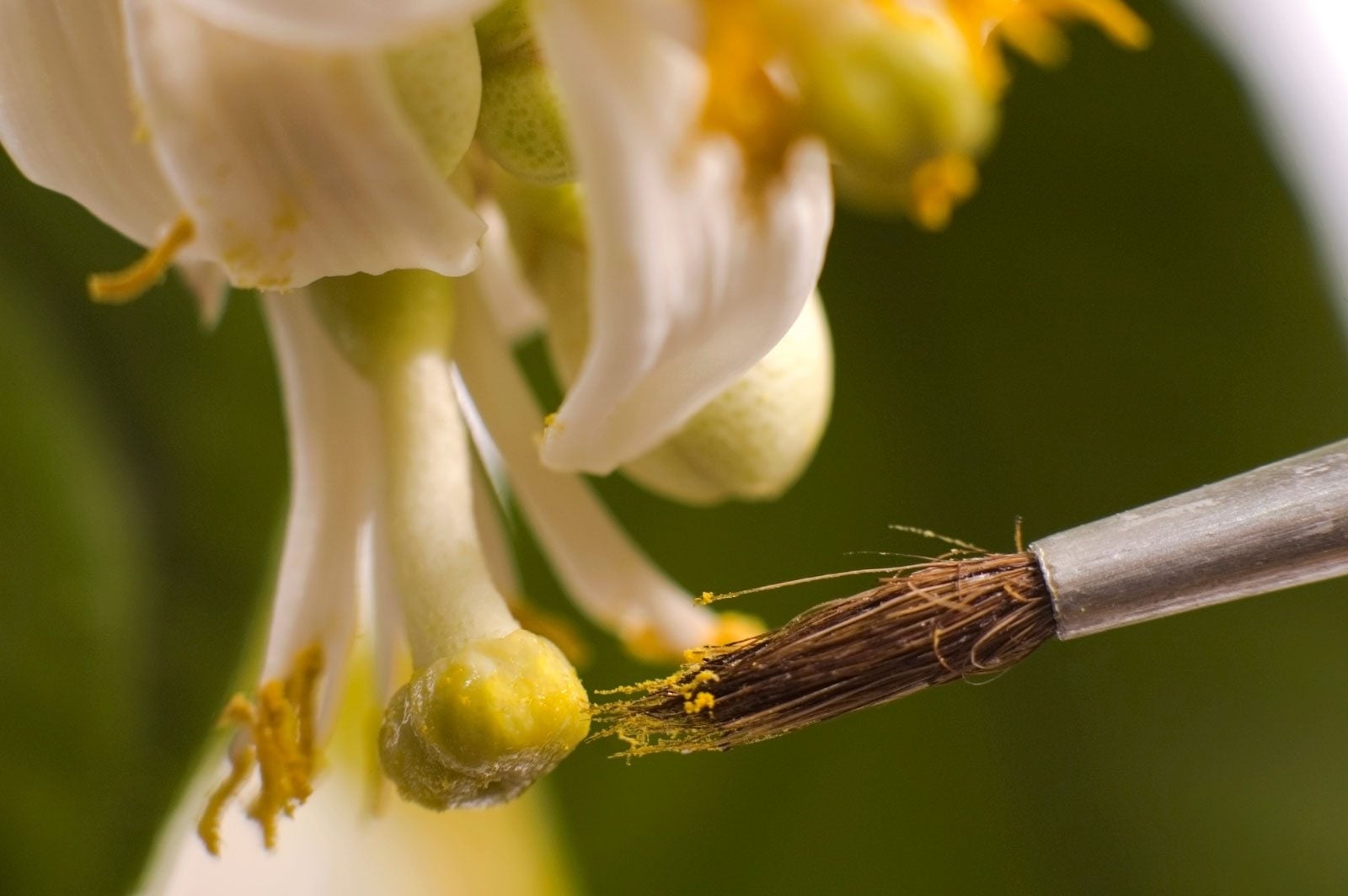
- Hand-pollinate: Use soft paintbrush or cotton swab to transfer pollen between flowers.
When and How to Harvest
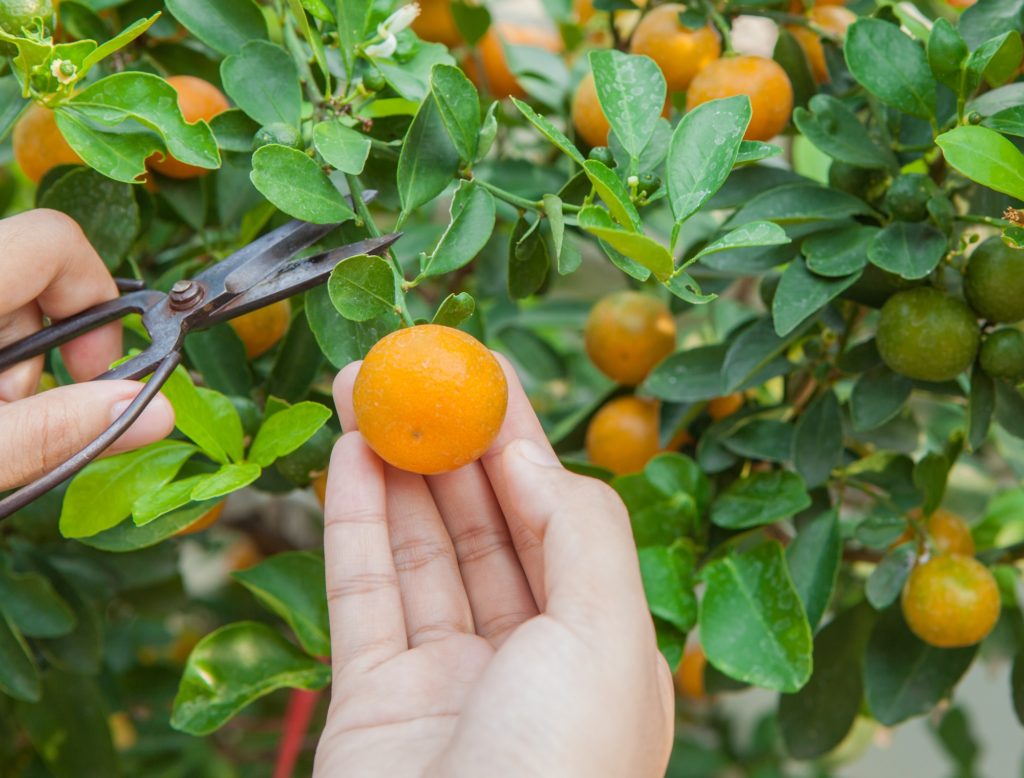
- Meyer lemons: Harvest when fully yellow/orange and slightly soft (sweetest flavor).
- Key limes: Pick green for maximum tartness (pie classic) or wait until yellow for milder taste.
- Twist gently or use pruners – never pull.
Harvest regularly; leaving overripe fruit signals the tree to stop producing.
Common Problems and Solutions: Troubleshooting Your Tree ⚠️
Even with the best care, issues can arise. Early detection and proper treatment keep your lemon lime fruit tree healthy and productive. Here’s a comprehensive guide to the most frequent challenges citrus growers face.
Pests to Watch For 🐛
Citrus trees attract sap-sucking and leaf-damaging insects, especially in warm, humid conditions.
- Aphids — Small, soft-bodied insects clustering on new growth, causing curled leaves and honeydew.
- Scale insects — Armored or soft bumps on stems/leaves, leading to yellowing and sooty mold.
- Spider mites — Tiny pests causing stippled, bronzed leaves; fine webbing visible.
- Citrus leaf miners — Larvae burrow silvery trails in leaves, distorting new foliage.

Treatment:
- Blast with strong water hose to dislodge.
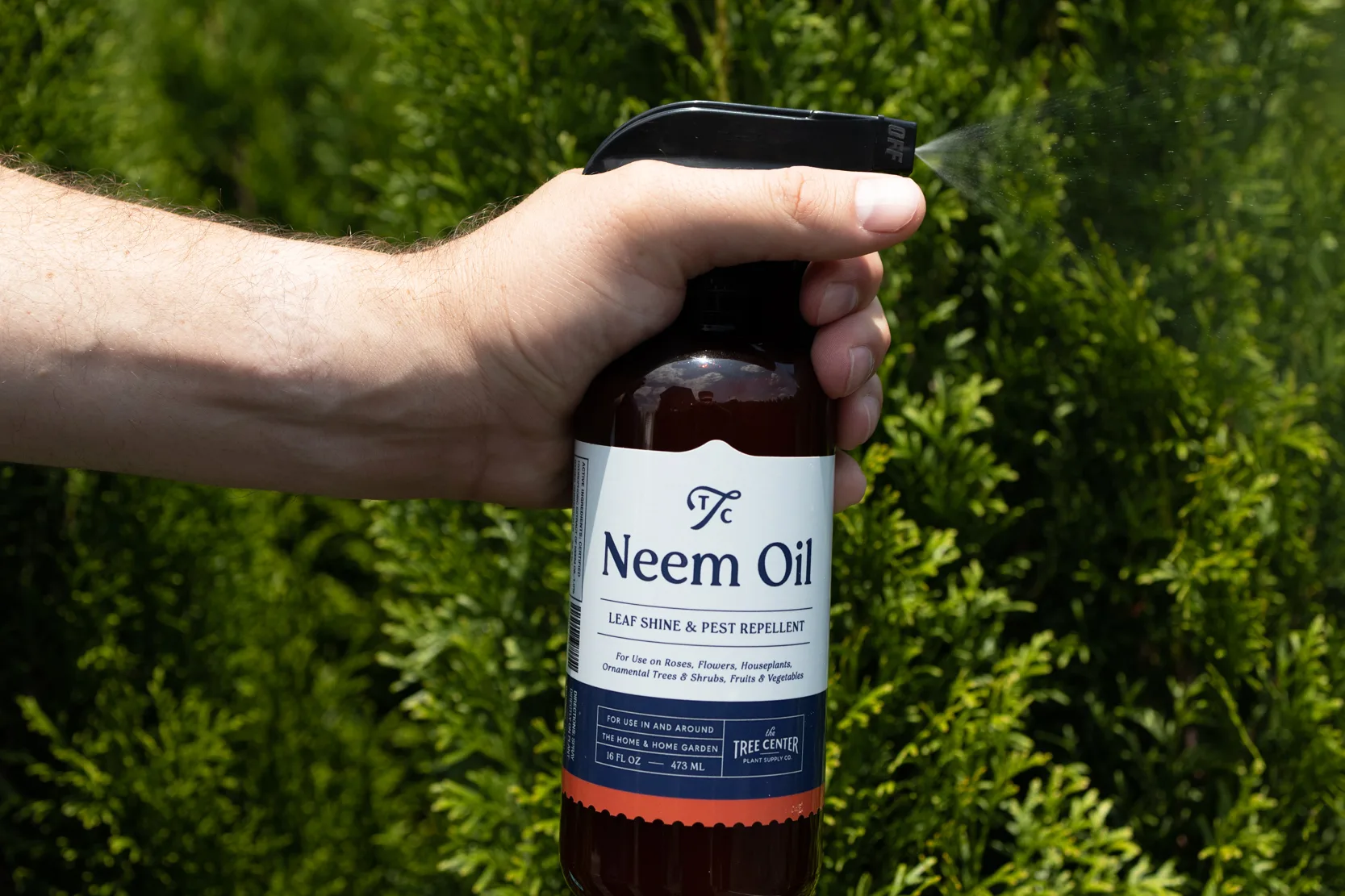
- Apply neem oil or insecticidal soap weekly (safe, organic options).
- Introduce beneficial insects like ladybugs for natural control.
- For severe infestations, use horticultural oil to smother pests.
Diseases and Prevention 🦠
- Root rot (Phytophthora) → Caused by overwatering/poor drainage; symptoms include wilting and yellow leaves.
- Citrus greening (HLB) → Bacterial disease spread by psyllids; asymmetric yellowing, bitter fruit.
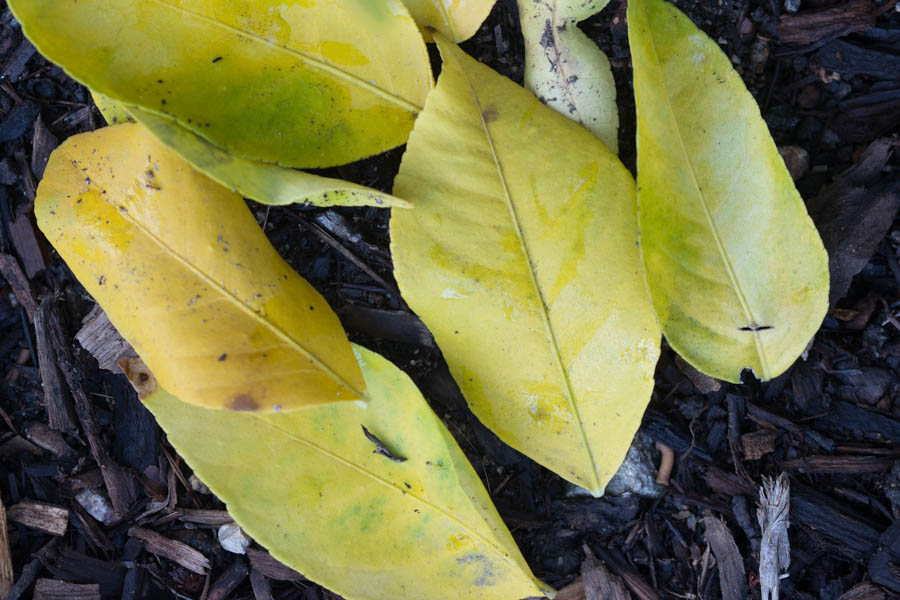
- Chlorosis → Nutrient deficiency (often iron) causing yellow leaves with green veins.
Prevention & Fixes:
- Ensure excellent drainage; repot if needed.
- Buy certified disease-free stock.
- Monitor for psyllids and treat promptly.
- Apply chelated iron or adjust soil pH for chlorosis.
Environmental Issues 🌡️
- Leaf drop — From cold drafts, sudden temperature changes, or inconsistent watering.
- No fruit — Lack of sun, over-pruning, nutrient imbalance, or tree too young.
Quick Fix Table: Common Symptoms & Remedies
| Symptom | Likely Cause | Solution |
|---|---|---|
| Yellow leaves | Nutrient deficiency/chlorosis | Citrus fertilizer + chelated iron |
| Curly/distorted leaves | Pests (aphids/leaf miners) | Neem oil spray; prune affected leaves |
| Fruit drop | Stress/overwatering | Consistent watering; reduce fertilizer |
| Stippled bronzed leaves | Spider mites | Increase humidity; mite-specific miticide |
| Silvery trails on leaves | Leaf miner | Remove damaged leaves; systemic insecticide |
| Sooty black mold | Aphids/scale honeydew | Treat underlying pests |
Advanced Tips for Bountiful Harvests and Long-Term Success 🚀
Take your lemon lime fruit tree to the next level with these pro strategies.
- Companion planting — Plant basil, marigolds, or nasturtiums nearby to repel pests naturally.
:strip_icc()/BHG-Marigold-Companion-Plants-170816-156-47036b1e2ac54a39a08551c07b6307d0.jpg)
- Seasonal checklist:
- Spring: Fertilize, prune, repot if needed.
- Summer: Deep water, monitor pests.
- Fall: Light feed, harvest prep.
- Winter: Protect from cold, reduce water.
- Boost yields: Thin excess fruit when pea-sized for larger, better-tasting citrus.
Real Gardener Insight: With optimized care, many growers achieve 50-100 fruits per season on mature trees – turning one plant into a mini orchard!
Frequently Asked Questions (FAQs) ❓
Q: How long until my lemon lime fruit tree produces fruit? A: Grafted trees often fruit in 1-2 years; purchased 2-3-year-olds may bear within months. Full production by year 4-5. 😊
Q: Can I grow it indoors year-round? A: Absolutely! Provide bright light (grow lights help), consistent warmth, and good airflow.
Q: Why are my leaves falling off? A: Common from temperature swings, over/under watering, or relocation stress. Stabilize conditions – new growth returns quickly.
Q: Is it safe for pets? A: Citrus leaves, peel, and fruit can be toxic to dogs and cats (causing vomiting/diarrhea). Keep out of reach.
Q: How big will it get in a pot? A: Dwarf rootstock keeps it 6-10 feet with pruning – perfect for patios or indoors!
Q: Why isn’t my tree fruiting? A: Check for adequate sun (8+ hours), proper pollination (hand-pollinate indoors), and balanced fertilizer.
Conclusion: Start Your Lemon Lime Adventure Today! 🌟
Your lemon lime fruit tree can become a stunning, productive centerpiece – delivering fresh Meyer lemons for lemonade and Key limes for pies, all from one easy-care plant. With the expert tips in this guide, you’ll avoid pitfalls, troubleshoot confidently, and enjoy abundant harvests for years. Consistent care, observation, and a little patience transform this grafted citrus wonder into a thriving source of homegrown flavor. Happy growing – your next cocktail (or key lime pie) awaits! 🍹🍋🍈











