
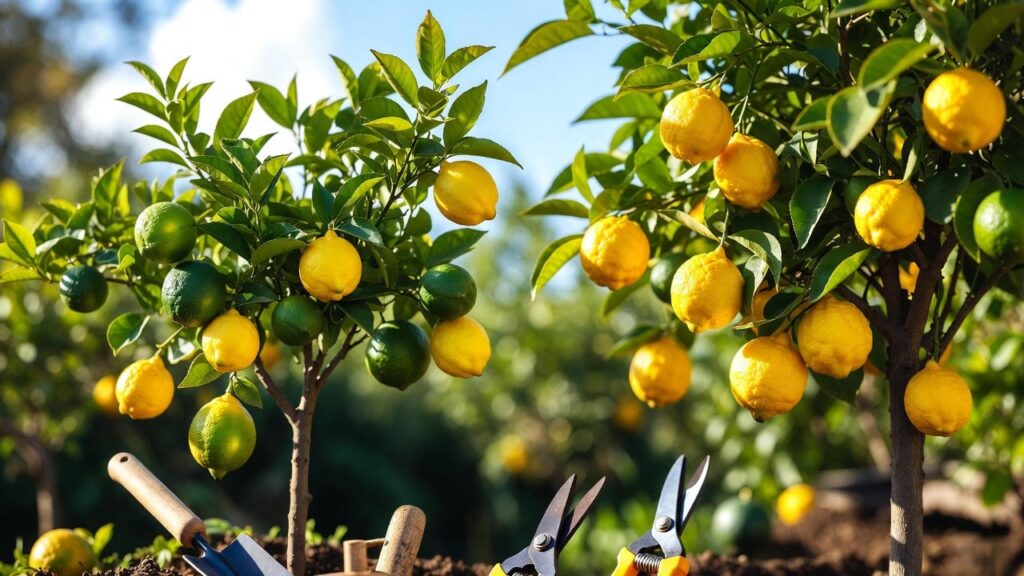
Imagine stepping into your backyard on a sunny morning, reaching up, and plucking a perfectly ripe, juicy lemon or lime straight from your own tree—the fragrance alone is intoxicating! 🍋✨ For countless home gardeners, growing a lime tree and lemon tree is the ultimate dream: fresh citrus for cocktails, cooking, salads, and that zesty boost to everyday meals. Yet, far too often, this dream turns into disappointment when glossy leaves start yellowing, fruits drop prematurely, or pesky insects take over.
As a horticulturist with over 15 years of hands-on experience cultivating citrus trees in diverse climates—from subtropical Florida gardens to container-grown specimens in cooler northern zones—I’ve seen it all. I’ve partnered with university extension services, including resources from the University of Florida IFAS and California Citrus Research Board, to refine techniques that deliver consistent, bountiful harvests. This guide draws from that expertise to help you succeed where others struggle.
Lime trees and lemon trees are among the most rewarding citrus plants you can grow at home, but they’re also notoriously sensitive to environmental stress, nutrient imbalances, and pests. Whether you’re planting in-ground in a warm climate or keeping dwarf varieties in pots on a patio, mastering their care unlocks years of abundant, homegrown fruit. In this comprehensive essential guide, we’ll cover everything: variety selection, ideal conditions, planting, watering, fertilizing, pruning, pest control, overwintering, harvesting, and troubleshooting. By the end, you’ll have the knowledge to grow thriving, healthy citrus trees that produce fruit reliably season after season. Let’s dive in! 🌱
:max_bytes(150000):strip_icc()/2288301_homeg9963_0-2000-645fb21a83bc43a1b2c353395572c8b0-50d6940e606f49ac869c4254838e520b.jpg)
Understanding Lime Trees and Lemon Trees: Key Differences and Similarities
Both lemon trees (Citrus limon) and lime trees (Citrus aurantifolia or related species) belong to the Rutaceae family and share many traits as evergreen citrus plants. They feature glossy dark green leaves, fragrant white blossoms, and thorny branches. Both thrive in similar warm, sunny conditions and reward patient growers with tangy fruit perfect for culinary use.
However, understanding their differences helps you provide tailored care and choose the best varieties for your needs.
Popular Varieties of Lemon Trees 🍋
- Meyer Lemon: The most popular for home gardeners. It’s a hybrid (likely lemon x mandarin) with thinner skin, sweeter juice, and better cold tolerance than true lemons. Fruits year-round in warm climates. Highly recommended for beginners and container growing.
- Eureka Lemon: The classic supermarket lemon—tart, juicy, and thick-skinned. Produces nearly year-round but is less cold-hardy.
- Lisbon Lemon: Similar to Eureka but more thorny and cold-tolerant. Great for in-ground planting in zone 9.
- Ponderosa Lemon: Large, thick-skinned fruits resembling grapefruits in size. More of a novelty, slower to fruit.
Popular Varieties of Lime Trees 🍈
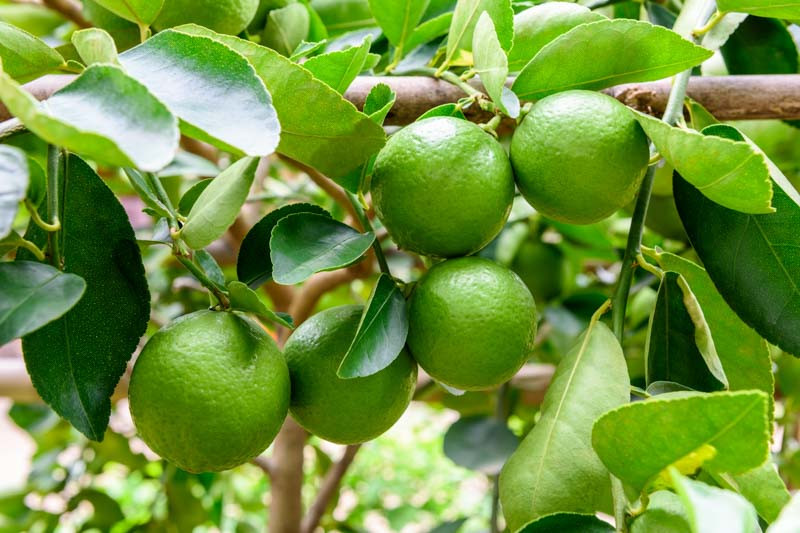
- Bearss Lime (also called Persian or Tahiti lime): Seedless, juicy, and the standard grocery store lime. Larger fruits, excellent flavor, and good productivity.
- Key Lime (Mexican lime): The true pie lime—small, seedy, intensely aromatic and acidic. Less cold-tolerant but unbeatable for authentic key lime pie.
- Kaffir Lime: Grown primarily for its fragrant leaves and bumpy fruit rind used in Thai cuisine. The fruit juice is rarely used.
What Lemon and Lime Trees Have in Common
These citrus trees share cultural requirements: full sun, well-draining soil, consistent moisture (without waterlogging), and protection from frost. Both are self-pollinating, so one tree is sufficient for fruit set, and they attract pollinators with their sweet-scented flowers.
Key Differences That Affect Care
- Cold Tolerance: Meyer lemons and Bearss limes handle brief dips to 25–28°F (-4°C) better than Key limes or Eureka lemons.
- Fruiting Season: Lemons often produce year-round (especially Eureka/Lisbon), while many limes fruit heavily in summer/fall.
- Size: Standard trees reach 15–20 feet; dwarf rootstocks keep them 6–10 feet for pots.
- Flavor Profile: Limes are generally more acidic; lemons vary from tart to sweeter (Meyer).
Expert Tip: If space or climate is limited, start with a dwarf Meyer lemon or Bearss lime on Flying Dragon rootstock—they’re compact, productive, and more resilient. 🗺️
Ideal Growing Conditions for Healthy Citrus Trees
Citrus trees evolved in subtropical regions, so replicating those conditions is key to vigorous growth and heavy fruiting.
Sunlight Requirements ☀️
Lemon and lime trees demand full sun—at least 8–12 hours of direct sunlight daily. Insufficient light leads to leggy growth, fewer flowers, and poor fruit quality.
In northern climates or shady yards, supplement with grow lights indoors or position pots to maximize southern exposure. Trees in partial shade may survive but rarely thrive.
Temperature and Hardiness Zones
Ideal year-round temperatures: 55–85°F (13–29°C). They grow actively above 60°F and fruit best in warm summers.
USDA zones 9–11 are perfect for in-ground planting. In zone 8, choose cold-hardy varieties like Meyer and provide winter protection. Below zone 8, container culture with indoor overwintering is essential.
Brief cold snaps below 28°F can damage leaves and wood; prolonged freezes kill trees.
Best Soil Types and pH
Citrus hates “wet feet.” Use well-draining soil to prevent root rot—the #1 killer.
Preferred pH: 6.0–7.5 (slightly acidic to neutral). Too alkaline causes nutrient lockout and yellowing leaves (chlorosis).
For in-ground: Amend heavy clay with organic matter and sand. For pots: Use a citrus-specific potting mix (e.g., containing perlite, pine bark, and peat).
Quick Tip Box: Test soil pH annually. If above 7.5, acidify naturally with elemental sulfur or pine needle mulch.
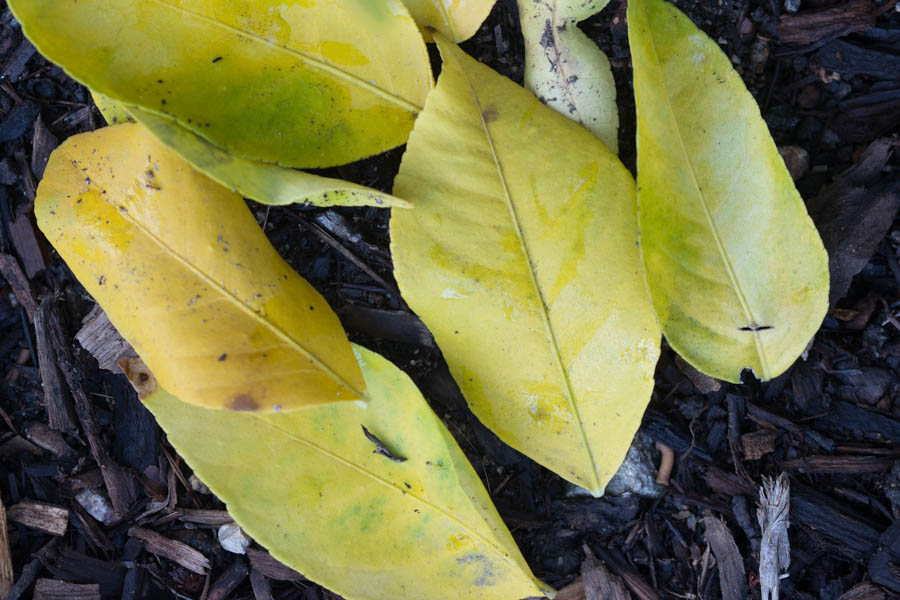
Yellowing leaves often signal iron deficiency from alkaline soil—fixable with chelated iron sprays.
Planting Your Lime or Lemon Tree the Right Way 🌳
Getting the planting process right sets the foundation for a long, productive life—citrus trees can thrive for 50+ years with proper establishment.
When to Plant
The best time is early spring after the last frost risk, allowing roots to establish before summer heat. In frost-free zones (9–11), fall planting works well too, giving roots a head start during mild winters.
Avoid planting in extreme heat or deep winter dormancy.

In-Ground Planting Steps
- Choose a site with full sun and good air circulation.
- Dig a hole twice as wide as the root ball but no deeper—planting too deep causes trunk rot.
- Amend native soil with compost for nutrition, but keep it well-draining.
- Place the tree so the root flare (where roots meet trunk) sits slightly above soil level.
- Backfill gently, water deeply to settle soil, and mulch 3–4 inches thick (keep mulch away from trunk).
- Stake if needed in windy areas, but remove after one year.
Container Planting Guide (Perfect for Patios & Cold Climates) 🪴
Container growing opens citrus to everyone, even apartment dwellers!
- Select dwarf varieties (e.g., dwarf Meyer lemon or improved Bearss lime).
- Use a pot at least 15–20 gallons (24–30 inches diameter) with excellent drainage holes.
- Fill with a premium citrus/cactus mix.
- Repot every 3–5 years or when roots circle the pot.

Expert Insight: Modern rootstocks like Flying Dragon produce truly compact trees with full-sized fruit and increased disease resistance—highly recommended for pots.
Watering Wisdom: Avoiding the #1 Killer of Citrus Trees 💧
Overwatering causes more citrus deaths than pests or cold combined—roots need oxygen as much as water.
How Often to Water
Water deeply but infrequently: Soak the root zone thoroughly, then allow the top 2–3 inches of soil to dry before watering again.
- New trees: Weekly for the first year.
- Established in-ground: Every 7–14 days in summer, less in winter.
- Potted: More frequently (every 4–7 days in heat) due to faster drying.
Seasonal Adjustments
Increase in hot, dry, or windy weather; reduce dramatically in cool, rainy seasons. Dormant trees in winter may need water only monthly.
Signs of Overwatering and Underwatering
- Overwatering: Yellowing leaves, soggy soil, fungal gnats, mushy roots (root rot).
- Underwatering: Wilting, dry curled leaves, premature fruit drop.

Pro Tip: Insert a wooden dowel or finger 4–6 inches into soil—if it comes out dry, water. A inexpensive moisture meter removes guesswork.
Fertilizing for Abundant Fruit and Vibrant Growth
Citrus are heavy feeders, especially for nitrogen to support lush foliage and fruit development.
Essential Nutrients Citrus Trees Crave
- Macronutrients: Nitrogen (leaf growth), Phosphorus (roots/flowers), Potassium (fruit quality/disease resistance).
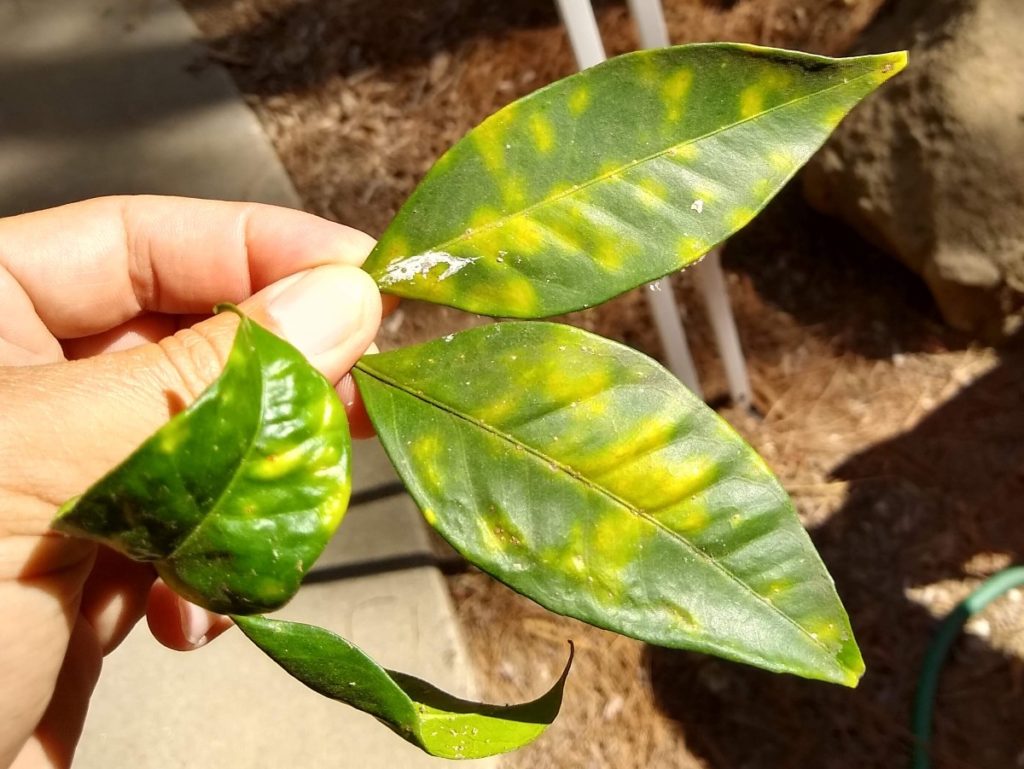
- Micronutrients: Iron, Zinc, Manganese, Magnesium—deficiencies show as interveinal yellowing (chlorosis).
Best Fertilizer Types and Schedules
Apply citrus-specific fertilizer (e.g., 6-4-6 or 8-4-8 ratios) three times yearly:
- Early spring (new growth flush).
- Late spring/early summer (post-bloom).
- Late summer (fruit fill).
Use 1–2 pounds per year of tree age (max 10 pounds for mature trees).
Organic Options vs. Synthetic
Both work well—organics like composted manure or fish emulsion release slowly; synthetics provide quick boosts.
Popular organics: Espom salts (magnesium), coffee grounds (acidify mildly), worm castings.
Warning Box: Never fertilize dry or stressed trees—water first. Avoid high-nitrogen lawn fertilizers (they burn roots).
Pruning and Shaping for Better Health and Harvest ✂️
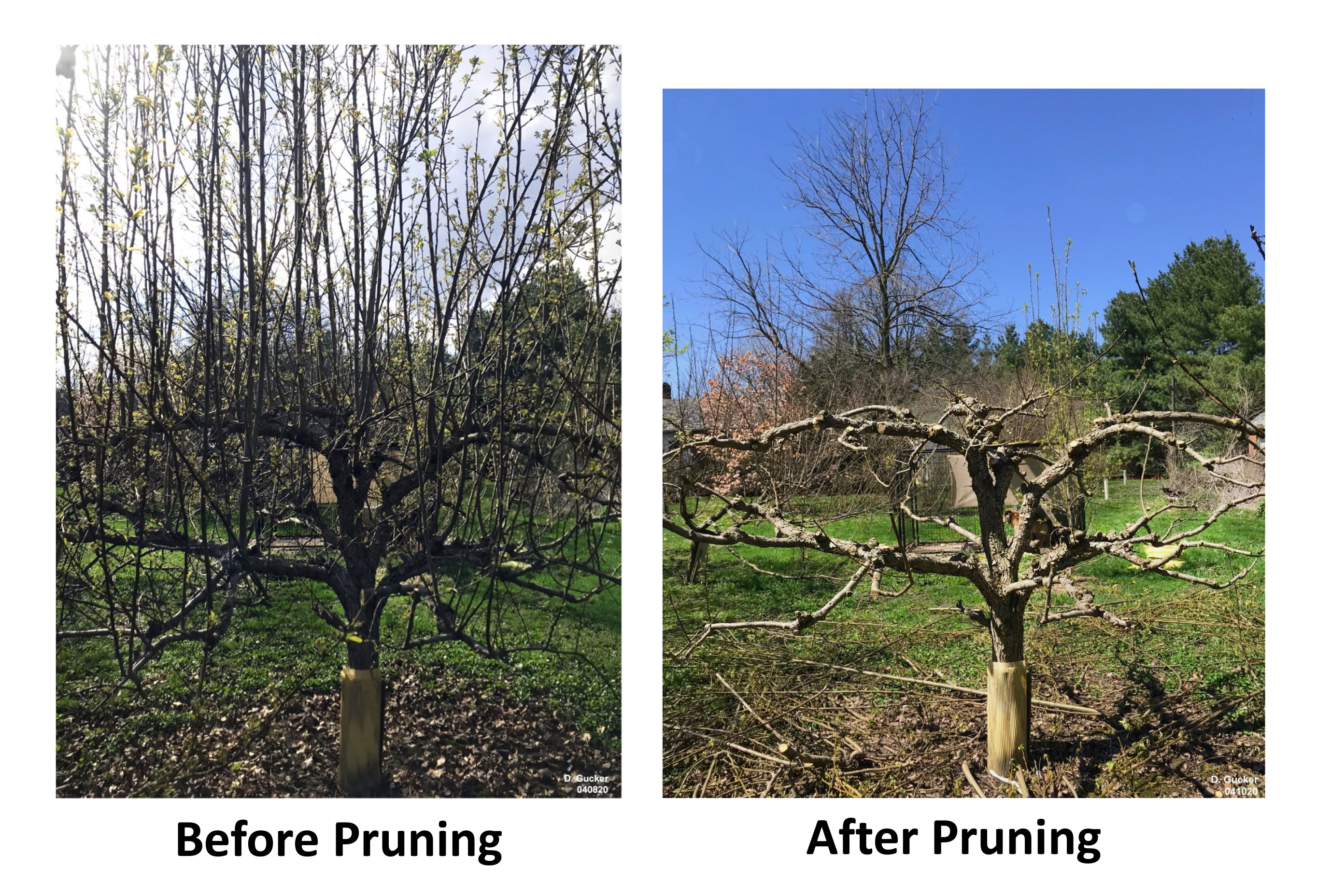
Pruning is often overlooked by beginners, but it’s one of the most powerful tools for maintaining compact size, improving air circulation, reducing disease risk, and boosting fruit production in lime and lemon trees.
When and Why to Prune
Prune lightly year-round to remove dead or damaged wood, but perform major shaping in late winter or early spring before the new growth flush. In frost-prone areas, wait until after the last frost.
Benefits include:
- Better light penetration for fruit ripening.
- Reduced pest harboring spots.
- Controlled size for easier harvesting and container management.
- Stimulated new fruitful wood.
Step-by-Step Pruning Guide
- Use clean, sharp bypass pruners and loppers.
- Remove suckers (vigorous shoots below the graft union) and water sprouts (vertical shoots inside the canopy).
- Cut out dead, diseased, or crossing branches.
- Thin crowded areas to allow light and air in.
- Shorten overly long branches by 1/3 to encourage branching.
Aim for an open vase shape: a low central leader with 3–5 main scaffold branches spreading outward.
Encouraging Fruit Production
Citrus fruits on new growth, so moderate pruning stimulates productive wood without excessive vegetative vigor. Avoid heavy pruning (more than 20–25% of canopy) as it delays fruiting.
Expert Advice: For young trees, focus on structure the first 3 years; for mature trees, annual light maintenance keeps them bountiful.
Pest and Disease Management: Keep Your Trees Thriving 🐛
Prevention beats cure—healthy, well-fed trees resist problems better. Monitor regularly, especially new growth and leaf undersides.
Common Pests
- Aphids: Curled leaves, sticky honeydew, sooty mold.
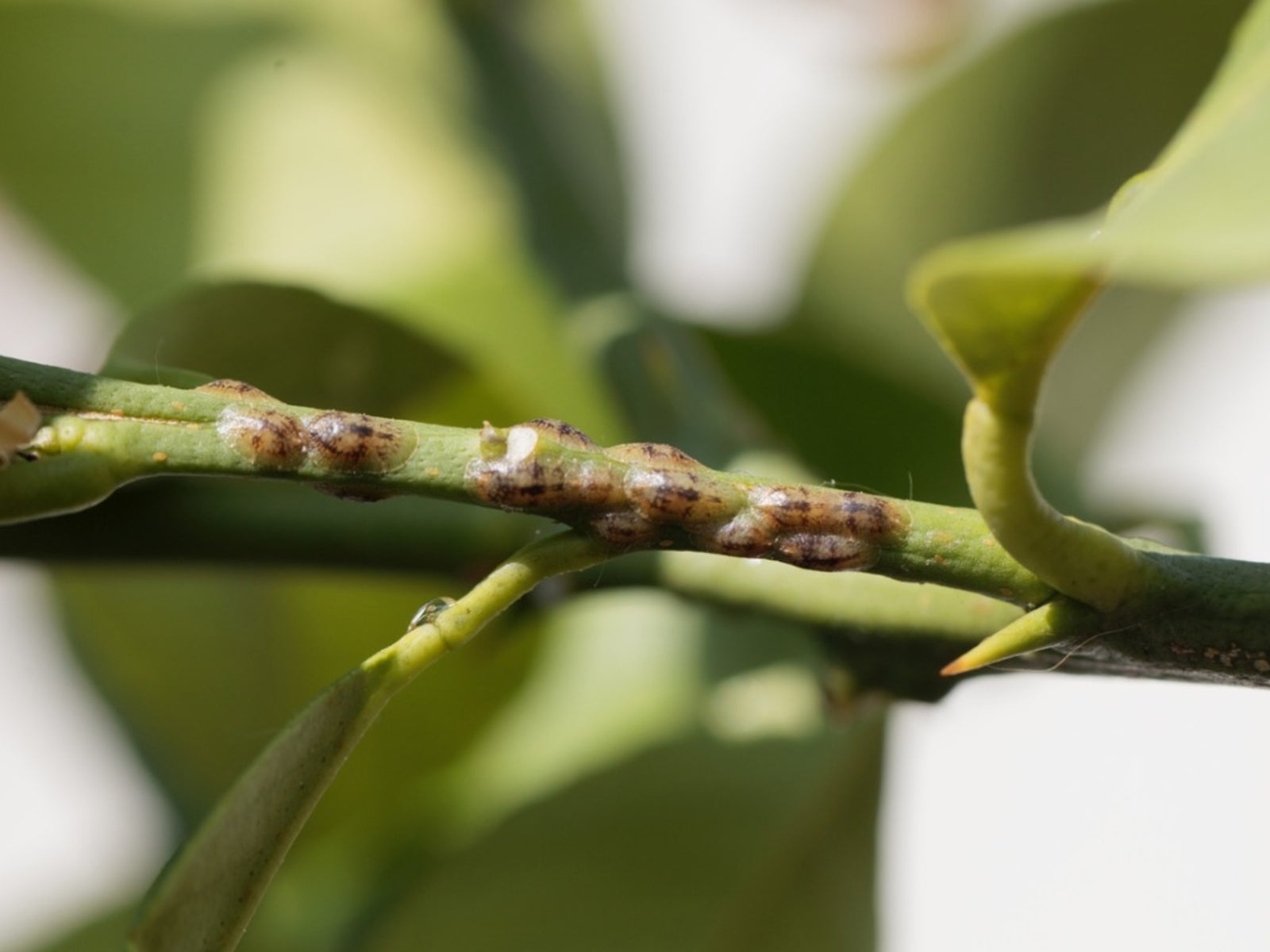
- Scale Insects: Small bumps on stems/leaves, yellowing.
- Spider Mites: Fine webbing, stippled leaves (worse in hot, dry conditions).
- Citrus Leafminer: Wavy trails in leaves, mostly cosmetic on mature trees.
Fungal and Bacterial Diseases
- Root Rot (Phytophthora): Wilting despite wet soil—prevent with good drainage.
- Citrus Canker: Raised corky lesions on fruit/leaves (quarantine in some areas).
- Huanglongbing (Citrus Greening): Mottled yellow leaves, bitter fruit—spread by Asian citrus psyllid; no cure, focus on psyllid control.
Organic and Safe Treatment Options
- Neem oil or insecticidal soap for soft-bodied pests.
- Horticultural oil sprays smother scale and mites.
- Introduce beneficial insects like ladybugs and lacewings.
- Copper-based fungicides for preventive bacterial control.
Expert Advice: Adopt Integrated Pest Management (IPM): Monitor, identify correctly, use cultural controls first (e.g., hose off aphids), then targeted treatments. University extensions recommend avoiding broad-spectrum insecticides to preserve pollinators and beneficials.
Overwintering and Cold Protection Strategies 🏠
Cold damage is a top concern outside subtropical zones—leaves drop at 32°F, wood dies below 25°F.
Bringing Potted Trees Indoors
Move containers inside when nights dip below 45°F. Place near a sunny south-facing window or under full-spectrum grow lights (14–16 hours daily). Reduce watering and fertilizing during low-light dormancy.
In-Ground Protection Methods
- Wrap trunk with burlap or tree wrap.
- Cover canopy with frost cloth or blankets (not plastic—traps moisture).
- Pile mulch deeply around base.
- String Christmas lights (incandescent for warmth) through branches.

Bonus: Newer cold-hardy rootstocks and varieties (e.g., US-897) extend citrus growing into zone 8b successfully.
Harvesting and Enjoying Your Homegrown Citrus 🍋✂️
The best part—nothing beats tree-ripened flavor!
When Fruit Is Ready to Pick
- Lemons/Limes: Harvest when fully colored (yellow or green for limes) and slightly soft to squeeze. Taste test one!
- They don’t ripen further off the tree, so leave until ready.
- Frequent picking encourages more production.

Storage Tips and Culinary Uses
Store at room temperature for 1–2 weeks or refrigerate up to a month. Zest and juice extras for freezing.
Fun Ideas: Fresh lemonade, limeade, preserved lemons, zest in baking, or infused water.
Troubleshooting Common Problems
Quick symptom guide:
| Symptom | Likely Cause | Solution |
|---|---|---|
| Yellow leaves (overall) | Overwatering/root rot | Improve drainage, reduce water |
| Yellow veins (chlorosis) | Nutrient deficiency (iron/zinc) | Apply chelated micronutrients |
| Leaf curl/drop | Cold damage, underwatering, pests | Protect from cold, consistent water |
| No fruit | Young tree, poor pollination, stress | Wait 2–5 years; ensure health/sun |
| Small/bitter fruit | Water stress, heat | Consistent deep watering |
Frequently Asked Questions (FAQs)
Can lime and lemon trees grow in pots long-term? Yes! Dwarf varieties thrive indefinitely in 20+ gallon containers with repotting every 4–5 years.
Why is my lemon tree dropping fruit? Common in young trees or from stress (temperature swings, inconsistent water). Normal June drop occurs naturally.
Are coffee grounds good for citrus trees? In moderation—acidify soil slightly and add nitrogen, but don’t overdo (can compact soil).
How long until my tree bears fruit? Dwarf/grafted trees: 1–3 years. Standard: 3–6 years. Patience pays off!
Can I grow both trees side by side? Absolutely—cross-pollination isn’t needed (self-fertile), but bees love the flowers anyway. No flavor mixing myths!
What’s the best indoor setup for winter? Sunny window + grow light supplement, cool room (50–60°F), reduced watering.
Do citrus trees attract bees/wildlife? Yes—fragrant blooms draw pollinators; ripe fruit may attract birds (net if needed).
Conclusion
Growing a thriving lime tree and lemon tree is deeply rewarding: fresh, organic citrus at your fingertips, fragrant blossoms perfuming your garden, and the satisfaction of nurturing evergreen beauties year-round. 🌟
With the right variety selection, consistent care, and proactive problem-solving outlined here—backed by decades of horticultural research and real-world experience—you’re equipped to avoid common pitfalls and enjoy abundant harvests for decades.
Start small if you’re new, observe your trees closely, and adjust to your local conditions. Your patience will be rewarded with juicy, homegrown lemons and limes that store-bought can’t match.
Happy gardening! Share your citrus success stories in the comments—I’d love to hear them. 🍈🍋











