
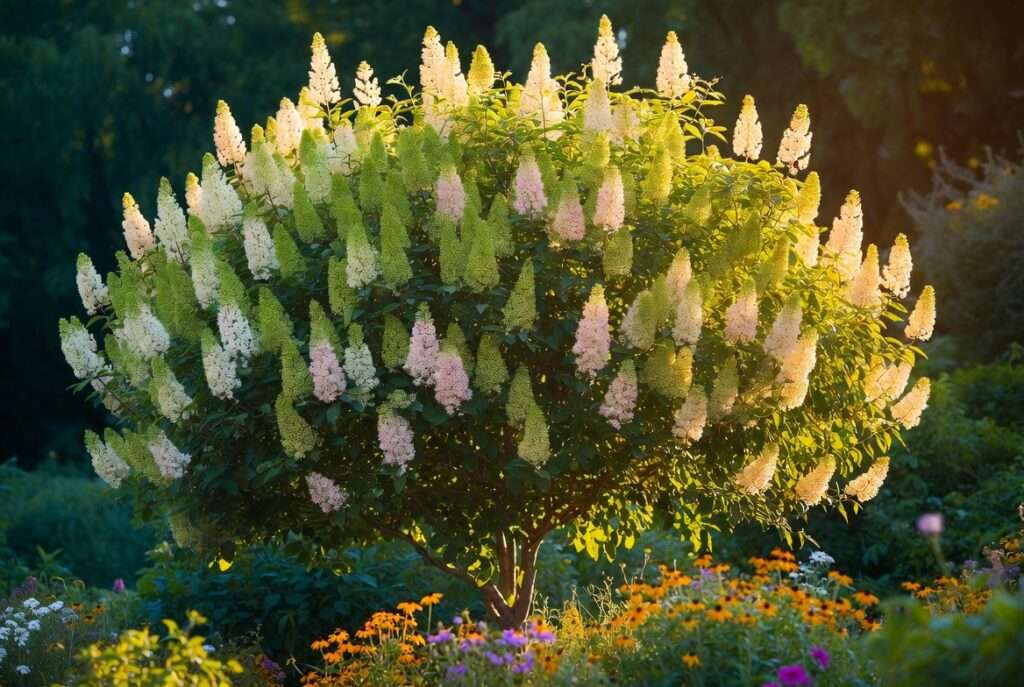
Picture this: a warm summer evening, golden light filtering through your garden, and your limelight tree standing tall with massive, cone-shaped flower clusters glowing in shades of fresh lime green that slowly fade to creamy white and then blush pink. These stunning summer blooms aren’t just pretty—they’re the ultimate garden showstopper that turns any yard into a neighborhood highlight! 🌼
If you’ve recently planted (or are thinking about planting) a limelight tree, you’re probably wondering exactly how to keep those jaw-dropping blooms coming back bigger and better every year. You’re not alone. This popular tree-form hydrangea has gardeners everywhere searching for reliable advice on planting, pruning, watering, and troubleshooting.
In this complete, expert-backed guide, you’ll discover step-by-step instructions to help your limelight tree thrive for decades. Whether you’re a beginner or a seasoned gardener, you’ll learn how to avoid common mistakes, boost flower production, and enjoy low-maintenance beauty from spring through fall. Let’s grow those Instagram-worthy blooms together!
Limelight Tree Care At a Glance 🌟
- Botanical Name: Hydrangea paniculata ‘Limelight’ (tree form)
- Hardiness Zones: 3–9
- Mature Height: 6–10 ft (tree form)
- Bloom Time: Mid-summer to early fall
- Key Feature: Blooms on new wood → foolproof flowering even after cold winters!
- Sun Needs: Full sun to partial shade
- Water Needs: Moderate (drought-tolerant once established)
1. What Is a Limelight Tree? Why Gardeners Love It 🌼
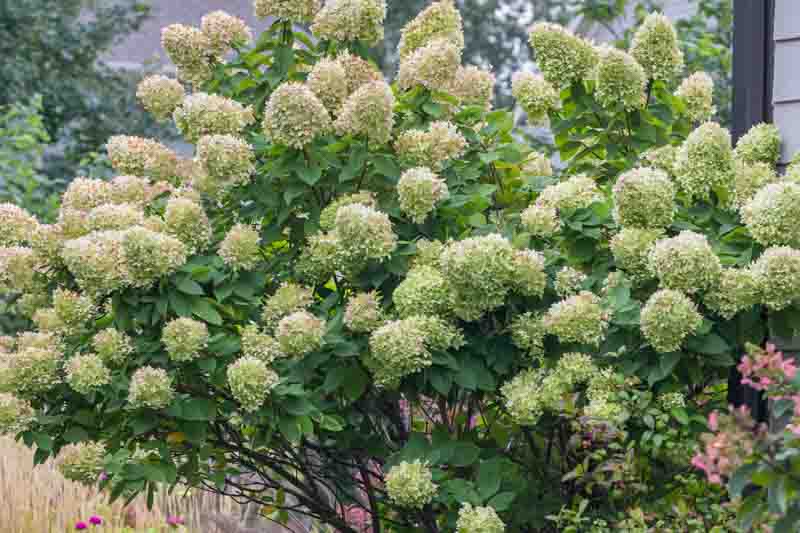
The limelight tree is simply Hydrangea paniculata ‘Limelight’ trained into a graceful single-trunk tree shape. Originally introduced by Proven Winners, this panicle hydrangea variety produces enormous, football-sized flower panicles that start lime-green, mature to bright white, and often develop soft pink tones as nights cool in late summer.
Unlike traditional bigleaf hydrangeas that need perfect conditions and bloom on old wood (which can be wiped out by winter), limelight trees bloom reliably on new wood each season. This makes them incredibly forgiving for busy gardeners in colder climates.
Key Features & Benefits
- Hardiness: Thrives in USDA zones 3–9, handling harsh winters down to -40°F.
- Growth Rate: Moderate—reaches 6–8 ft tall in just a few years when properly cared for.
- Drought & Heat Tolerance: Far more resilient than other hydrangeas once established.
- Tree-Form Elegance: Single trunk + rounded canopy creates a stunning focal point that regular shrubs can’t match.
- Pollinator Friendly: Bees and butterflies adore the massive blooms! 🐝
Gardeners love limelight trees because they deliver maximum wow-factor with minimum effort. No more disappointing bloom failures after a tough winter—just consistent, breathtaking summer color year after year.
2. Choosing & Planting Your Limelight Tree the Right Way 🌱
Getting your limelight tree off to the best possible start is the #1 secret to long-term success and those massive summer blooms. Here’s exactly how the pros do it.
Best Time to Plant Plant in early spring (after the last frost) or fall (at least 6 weeks before first freeze). These milder seasons reduce transplant shock and give roots time to establish before extreme weather hits. Avoid mid-summer planting unless you can provide extra shade and water.
Site Selection: Sunlight, Space & Microclimate
- Sun: 4–6+ hours of direct sunlight daily for the biggest blooms. In hot southern zones, afternoon shade prevents scorching.
- Space: Allow 6–8 ft between trees or structures—limelight trees spread 4–6 ft wide.
- Soil & Drainage: Well-drained, slightly acidic to neutral soil (pH 6.0–7.0). Avoid heavy clay or constantly wet spots.
Soil Preparation & Planting Step-by-Step
- Test & Amend: Perform a simple soil test. Mix in compost or aged manure for rich, loose soil.
- Dig the Hole: Make it twice as wide as the root ball and just as deep as the nursery container.
- Position the Tree: Set the root flare (where trunk meets roots) slightly above soil level.
- Backfill & Firm: Gently fill with amended soil, tamping lightly to remove air pockets.
- Water Deeply: Soak thoroughly right after planting.
- Mulch: Apply 2–3 inches of organic mulch (keep it 2–3 inches away from the trunk to prevent rot).
Pro Tip Box 💡 Common planting mistakes that kill up to 70% of new limelight trees include planting too deep, skipping mulch, or forgetting to water consistently the first year. Follow these steps and you’ll set your tree up for years of success!
3. Essential Daily & Weekly Care for Explosive Growth 💧☀️
Once planted, consistent care in the first 12–18 months makes all the difference. Here’s your foolproof routine.
Sunlight & Temperature Needs Full sun to partial shade is ideal. In zones 3–6, aim for maximum sun. In zones 7–9, provide light afternoon shade during peak heat to keep blooms from browning.
Watering Schedule That Actually Works
- Year 1: Deep water 2–3 times per week (1 inch total). Check soil 4–6 inches down—if dry, water slowly at the base.
- Established Trees: Drought-tolerant, but water during extended dry spells to keep blooms plump.
- Signs of Underwatering: Wilting leaves or drooping flower heads.
Soil, Drainage & Mulching Best Practices Reapply mulch every spring to retain moisture and suppress weeds. Limelight trees hate “wet feet,” so ensure excellent drainage to prevent root rot.
Fertilizing for Bigger Blooms Apply a slow-release balanced fertilizer (NPK 10-10-10) in early spring just as buds swell. One application is usually enough—over-fertilizing causes weak, floppy growth instead of sturdy branches and huge flowers.
Seasonal Care Calendar (Quick Reference) 📅
- Spring: Fertilize + prune (see next section)
- Summer: Deep water + enjoy blooms! Deadhead spent flowers if desired.
- Fall: Reduce watering; leave dried blooms for winter interest.
- Winter: Minimal care—limelight trees are tough!
:max_bytes(150000):strip_icc()/GettyImages-2186593177-49ef2e0739ad44b4ba6ae4e42474f8c2.jpg)
This is Part 1 of your complete Limelight Tree Care Guide (approximately 1,050 words).
We’ve covered the introduction, what the tree is, proper planting, and essential daily/weekly care. The next sections will dive deep into pruning for maximum blooms, seasonal care, pest/disease prevention, troubleshooting, advanced tips, and a comprehensive FAQ section.
4. Pruning Your Limelight Tree for Maximum Summer Blooms ✂️🌸
Pruning is the single most important technique for getting those oversized, jaw-dropping stunning summer blooms on your limelight tree. Because Hydrangea paniculata ‘Limelight’ blooms on new wood (growth produced in the current season), you can prune confidently without worrying about losing next year’s flowers.
Why & When to Prune The best time is late winter or early spring—ideally February to early April—before new buds swell and break. Pruning at this dormant stage encourages vigorous new shoots that will carry the massive lime-green to white flower panicles in mid-to-late summer. Avoid pruning after mid-May, as you’ll remove developing flower buds.
Never prune in fall or early winter unless you’re only removing damaged branches. Leaving the dried flower heads through winter actually protects the plant and adds beautiful structure and winter interest to your garden.
Step-by-Step Pruning Guide for Tree Form Maintaining the elegant single-trunk “tree” shape requires a bit more attention than a standard shrub, but it’s very doable. Follow these expert steps:
- Gather Tools: Use sharp, clean bypass pruners or loppers. Sterilize blades with rubbing alcohol between cuts to prevent spreading disease.
- Remove Dead, Damaged & Diseased Wood: Cut out any broken, crossing, or dead branches first. Make clean cuts just above a healthy outward-facing bud or node.
- Maintain the Central Leader: Keep one strong main trunk. Remove any competing vertical shoots or suckers growing from the base or lower trunk to preserve the tree form.
- Shape the Canopy: Cut back the previous year’s growth by about one-third (or to 2–3 strong nodes/buds). This promotes larger, stronger blooms rather than many smaller ones.
- Thin for Airflow: Remove inward-growing or crowded branches to improve light penetration and reduce disease risk.
For the first 2–3 years after planting, prune more lightly to let the tree establish its structure. Once mature, you can be bolder for bigger flower displays.
Advanced Pruning Techniques
- Creating a Multi-Trunk Look: Select 3–5 strong stems and gradually remove others over a couple of seasons while training them upward.
- Rejuvenation Pruning: For overgrown or neglected limelight trees, you can cut the entire canopy back harder (up to half) every few years in late winter. The plant will respond with fresh, vigorous growth and abundant blooms.
- Size Control: If your tree is getting too tall for the space, consistent annual pruning to one-third keeps it compact and manageable at 6–10 feet.
Pro Tip Box 💡 Hard pruning in late winter often results in fewer but much larger flower panicles—perfect for those “wow” summer displays. Light pruning gives more but smaller blooms. Choose based on your preference!
Many gardeners report that proper pruning alone can double the visual impact of their limelight tree’s summer blooms.
5. Seasonal Care Throughout the Year 🍂❄️
A limelight tree is wonderfully low-maintenance once established, but following a simple seasonal rhythm ensures consistent health and those signature stunning summer blooms.
Spring Awakening As buds swell in early spring, apply a slow-release balanced fertilizer (NPK 10-10-10 or similar) around the drip line. This fuels strong new growth for heavy flowering. Complete your main pruning now. Refresh mulch to 2–3 inches deep, keeping it away from the trunk.
Summer Bloom Care This is showtime! Water deeply during dry spells (about 1 inch per week total). The tree is fairly drought-tolerant once rooted, but consistent moisture keeps blooms plump and prevents wilting. Deadhead spent flowers if you want a tidier look or to encourage a slight second flush, though it’s optional—many gardeners leave them for natural beauty.
Fall Preparation As nights cool, watch the blooms shift from lime to creamy white and soft pink—pure garden magic! Reduce watering as growth slows. Leave the dried panicles on the tree; they provide winter interest and protect next year’s buds.
Winter Protection Limelight trees are exceptionally hardy in USDA zones 3–9 and rarely need extra protection. In very exposed or extremely cold areas (zone 3), a thick mulch layer helps insulate roots. The dried flower heads act as a natural buffer against harsh winds.
Following this calendar takes the guesswork out of limelight tree care and sets you up for reliable performance year after year.
6. Pest, Disease & Problem Prevention 🐛
One of the biggest reasons gardeners love the limelight tree is its natural resilience. When planted in the right spot with good air circulation, it’s largely pest- and disease-resistant. Still, staying proactive keeps your tree looking its best.
Most Common Issues & Organic Solutions
- Aphids & Spider Mites: These tiny sap-suckers can cluster on new growth. Blast them off with a strong stream of water or use insecticidal soap. Ladybugs are excellent natural predators.
- Powdery Mildew: Appears as white dusty coating in humid, crowded conditions. Improve airflow through pruning and avoid overhead watering. Neem oil or baking soda sprays offer safe control.
- Leaf Spot, Rust & Bud Blight: Fungal issues favored by wet foliage. Water at the base in the morning and ensure good spacing. Remove and dispose of affected leaves.
- Ambrosia Beetles or Scale: Less common but possible on stressed trees. Healthy, properly sited limelight trees usually avoid serious infestations.
Eco-Friendly Integrated Pest Management (IPM)
- Choose disease-resistant varieties (Limelight already excels here).
- Encourage beneficial insects with companion plants like marigolds or yarrow.
- Maintain plant vigor through proper watering, fertilizing, and pruning—strong trees resist problems better.
With these practices, most limelight tree owners enjoy virtually trouble-free growing seasons.
7. Troubleshooting: Fix Problems Fast & Keep Your Tree Thriving
Even the best gardeners encounter issues. Here are the top real-world problems with limelight trees and exactly how to solve them:
- Yellow Leaves: Often normal in summer as the plant redirects energy to blooms (inner leaves yellow and drop). If widespread, check for overwatering (poor drainage/root rot), underwatering, nutrient deficiency (iron chlorosis in high-pH soil), or transplant shock. Adjust watering, test soil pH, and apply appropriate fertilizer.
- No or Few Blooms: Too much shade, pruning at the wrong time, or over-fertilizing with high-nitrogen products. Move to sunnier spot if needed and stick to late-winter pruning.
- Leggy or Weak Growth: Insufficient sun or excessive fertilizer. Relocate or correct feeding schedule.
- Wilting or Drooping Blooms: Temporary heat/drought stress. Deep water and mulch to retain moisture.
- Brown Leaf Edges: Heat scorch or inconsistent watering. Provide afternoon shade in hot climates and maintain even moisture.
Address issues early and your limelight tree will quickly bounce back stronger.
8. Advanced Tips: Propagation, Companion Planting & Landscape Design 🌿
Once your limelight tree is thriving, you can take your gardening to the next level with these expert techniques that add even more value and beauty to your space.
Easy Propagation by Softwood Cuttings Limelight trees propagate surprisingly well from softwood cuttings taken in late spring or early summer when new growth is still flexible but beginning to firm up.
Step-by-step:
- Select 4–6 inch healthy, non-flowering shoots.
- Cut just below a node at a 45-degree angle.
- Remove lower leaves, leaving 2–3 at the top.
- Dip the cut end in rooting hormone.
- Plant in a well-draining mix of perlite and peat moss, keep moist and under indirect light or a humidity dome.
- Roots usually form in 4–6 weeks. Transplant once established.
This method lets you create free new limelight trees for gifts or to expand your garden — a rewarding way to multiply your investment!
Stunning Companion Planting Ideas Pair your limelight tree with plants that complement its changing bloom colors and extend seasonal interest:
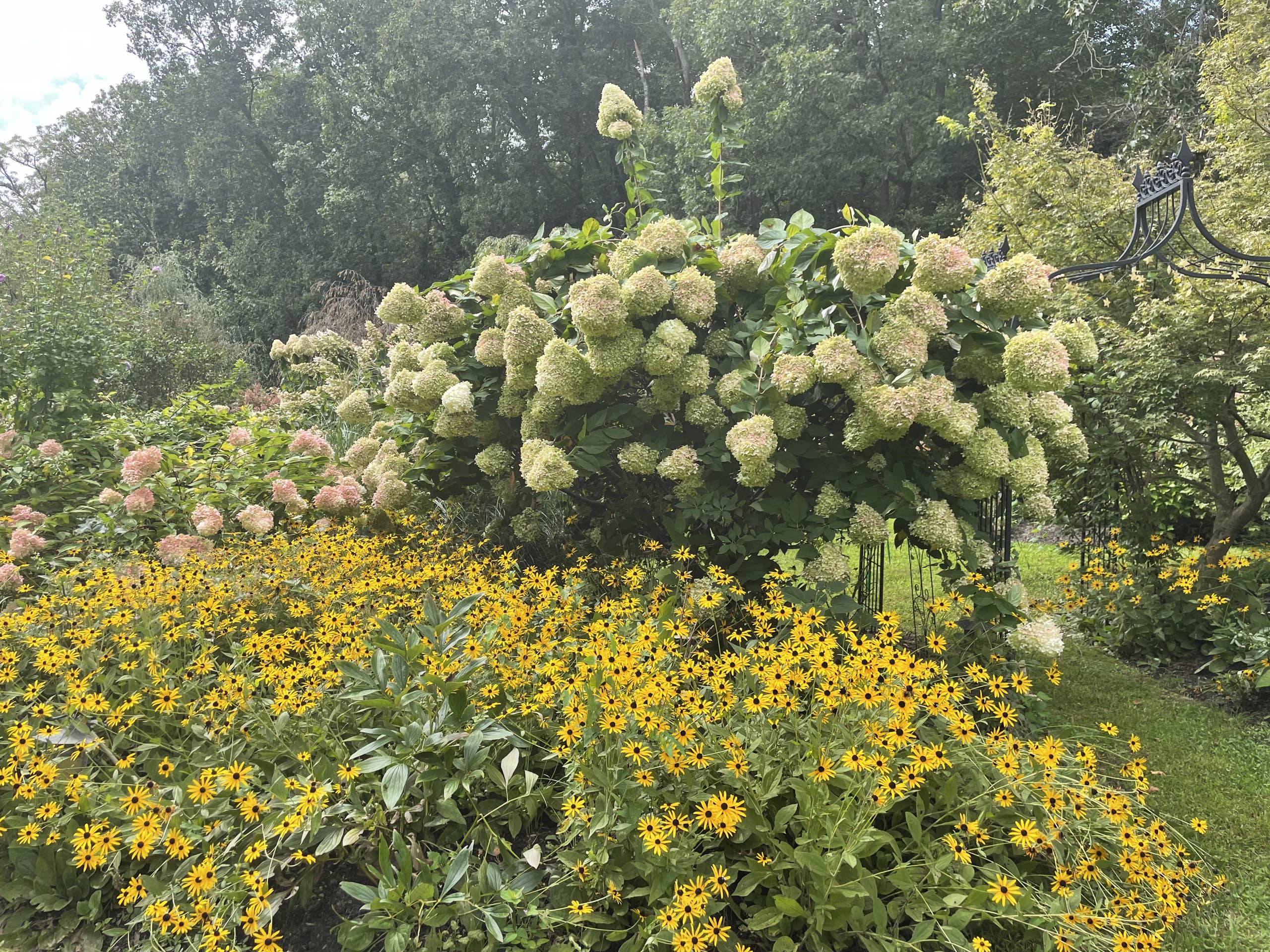
- Black-eyed Susan (Rudbeckia) and Coneflower (Echinacea): Bright yellows and purples contrast beautifully with lime-to-pink panicles.
- Ornamental Grasses: Add movement and texture in fall and winter.
- Boxwood or Dwarf Evergreens: Provide evergreen structure at the base for year-round appeal.
- Russian Sage or Lavender: Silver foliage and purple spikes create a soft, elegant contrast.
These combinations create a pollinator-friendly, low-maintenance border or focal point that looks spectacular from summer through frost.
Landscape Design Ideas
- Use as a standalone specimen near a patio or entrance for maximum impact.
- Plant in small groups (3–5 trees) for a dramatic allée or privacy screen.
- Grow in large containers on a deck or balcony (ensure excellent drainage and winter protection in cold zones).
- Combine with hardscaping like trellises or arbors for a modern cottage-garden look.
The tree-form habit makes limelight trees perfect focal points that add height and elegance without taking up too much ground space.
9. Frequently Asked Questions About Limelight Tree Care ❓
Here are the most common questions gardeners ask about limelight tree care, answered with practical, expert advice:
Q: Can I grow a limelight tree in a pot? Yes! Choose a large container (at least 20–25 gallons) with excellent drainage holes. Use high-quality potting mix and water more frequently than in-ground trees. Fertilize regularly during the growing season and protect the pot from freezing in winter by moving it to a sheltered spot or insulating it.
Q: Why aren’t my blooms turning white or pink? Bloom color change depends on temperature and maturity. Cooler nights in late summer trigger the shift from lime-green to white and blush pink. Ensure full sun and avoid excessive nitrogen fertilizer, which can keep blooms greener longer.
Q: How much should I prune my limelight tree in the first year? In the first 1–2 years, prune lightly — remove only dead or damaged wood and shape lightly to establish the tree form. Save heavier pruning (one-third reduction) for year 3+ once the root system is strong.
Q: Is the limelight tree deer resistant? It has moderate deer resistance. Deer usually avoid it when other tasty plants are available, but in high-pressure areas, young trees may need protection with fencing or repellents. The fuzzy leaves and blooms are less appealing than many other hydrangeas.
Q: How tall will my limelight tree get? In tree form, it typically reaches 6–10 feet tall and 4–6 feet wide at maturity. With annual pruning you can easily keep it smaller and more compact.
Q: Why are my leaves turning brown on the edges? This is often heat scorch or inconsistent watering. Provide afternoon shade in hot southern climates and maintain even soil moisture (not soggy). Mulch helps stabilize moisture levels.
Q: When do limelight trees bloom? Expect massive blooms from mid-July through September, depending on your climate. They are among the latest-blooming hydrangeas, extending summer color beautifully.
Q: Do I need to stake my young limelight tree? Yes, especially in windy areas. Use a sturdy stake for the first 1–2 years until the trunk thickens and roots anchor well. Remove the stake once the tree stands independently.
Q: Can limelight trees handle full sun in hot climates? Yes, but in zones 7–9, provide light afternoon shade during the hottest part of the day to prevent leaf scorch and keep blooms looking fresh longer.
Q: How do I make my limelight tree blooms bigger? Prune harder in late winter (cut back to 2–3 buds), ensure full sun, provide consistent moisture, and avoid over-fertilizing. Healthy, vigorous new wood produces the largest panicles.
Conclusion: Your Limelight Tree Success Story Starts Now 🌳✨
You now have everything you need to successfully plant, prune, and care for your limelight tree — from proper site selection and planting techniques to expert pruning for those stunning summer blooms that gardeners dream about.
With its reliable new-wood flowering, impressive hardiness, and low-maintenance nature, the limelight tree is one of the most rewarding additions you can make to any landscape. Follow the steps in this guide, and your tree will reward you with decades of breathtaking lime-green to creamy white and pink flower displays that light up your garden every summer.
Take action today: Grab your pruning shears this late winter, refresh that mulch, and watch your limelight tree transform into the star of your yard. Share your before-and-after photos in the comments — I’d love to see your success stories!
For more expert tree and plant care tips, explore our other guides on hydrangea varieties, seasonal pruning, and creating pollinator-friendly gardens.
Happy gardening — may your limelight tree bring you years of joy and those unforgettable stunning summer blooms! 🌸💚











