
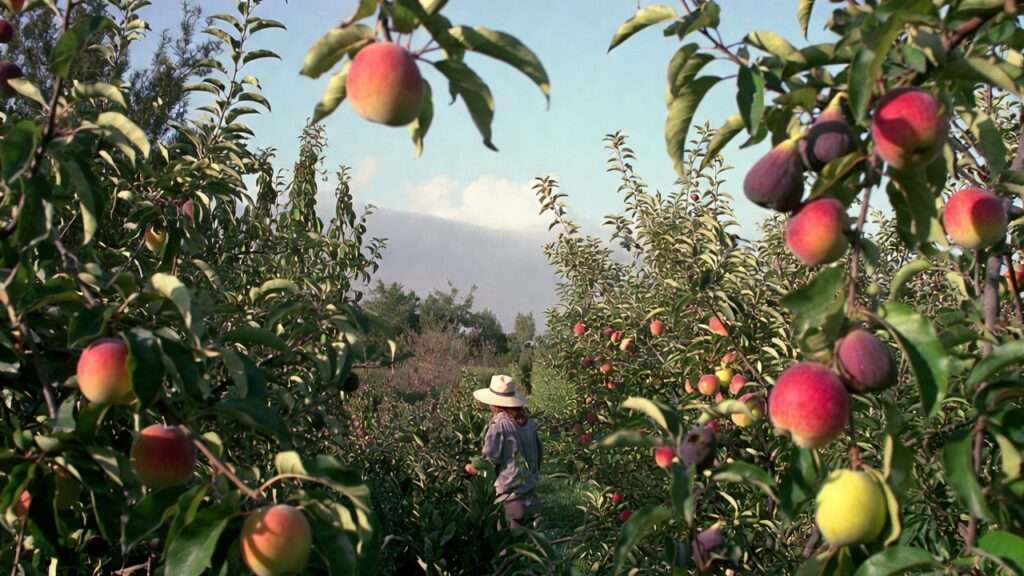
Imagine stepping into your backyard in the middle of a steamy summer and picking a perfectly ripe, juicy peach that bursts with sweetness — all without ever experiencing a proper winter freeze. 😍 For gardeners in warm, subtropical, or near-tropical areas like southern Bangladesh (including Barisal Division), coastal Florida, southern California, Texas, or similar hot-humid zones, this dream is absolutely achievable. The secret? Low-chill fruit trees for warm climates.
Traditional favorites like apples, peaches, and plums often demand 600–1000+ chill hours (hours below 45°F/7°C during dormancy) to break bud properly and set fruit. In regions with mild winters — where temperatures rarely dip low enough — these trees leaf out unevenly, produce sparse or no blossoms, and yield little to nothing. Frustrating, right? But thanks to dedicated breeding programs (from places like the University of Florida, Dave Wilson Nursery, and Israeli/Australian selections), low-chill varieties now thrive with as few as 100–400 chill hours. They deliver abundant, high-quality fruit even in heat, humidity, and short “winters.”
In this comprehensive guide, we’ll explore the best low-chill fruit trees that actually produce reliably in warm climates. You’ll get detailed variety recommendations, how to match them to your exact conditions, planting and care tips tailored for hot-humid areas, and real solutions to common pitfalls. Whether you’re in Phuljhuri, Barisal, or any low-chill zone, these trees can turn your garden into a productive oasis — providing fresh, homegrown fruit, shade, and even pollinator support. Let’s dive in and solve the “no fruit in hot weather” problem once and for all! 🌟
What Are Chill Hours and Why Do They Matter in Warm Climates? ❄️🔥
Chill hours are the cumulative time a deciduous fruit tree spends in temperatures between 32–45°F (0–7°C) during its winter dormancy period. This cold exposure is crucial for breaking dormancy, synchronizing blooming, and ensuring good fruit set. Without enough chill, trees may bloom erratically, drop buds, or produce deformed fruit.
In warm subtropical and tropical-adjacent climates (USDA Zones 9–11 or equivalent), winters are often too mild. For example:
- Many parts of southern Bangladesh, including Barisal Division, experience very low chill accumulation — often under 200 hours annually, with nights rarely dropping below 50°F (10°C).
- Coastal Florida, southern Texas, and parts of Australia see 100–400 hours.
- Arid hot zones like inland southern California might get slightly more, but heat and humidity add challenges.
Climate change is making this worse: Warmer winters reduce chill hours further, pushing even more gardeners toward low-chill options. 🌍 Tools like the AgroClimate Chill Hours Calculator or local weather station data can help estimate your area’s totals — input your location for accurate predictions.
Top Low-Chill Fruit Trees That Actually Produce in Hot Zones 🍑🍏
Here are proven performers, selected for reliability in warm, humid conditions. Chill requirements come from reputable sources like Dave Wilson Nursery and university extensions. I’ve prioritized varieties with good flavor, disease resistance, and consistent yields in subtropical heat.
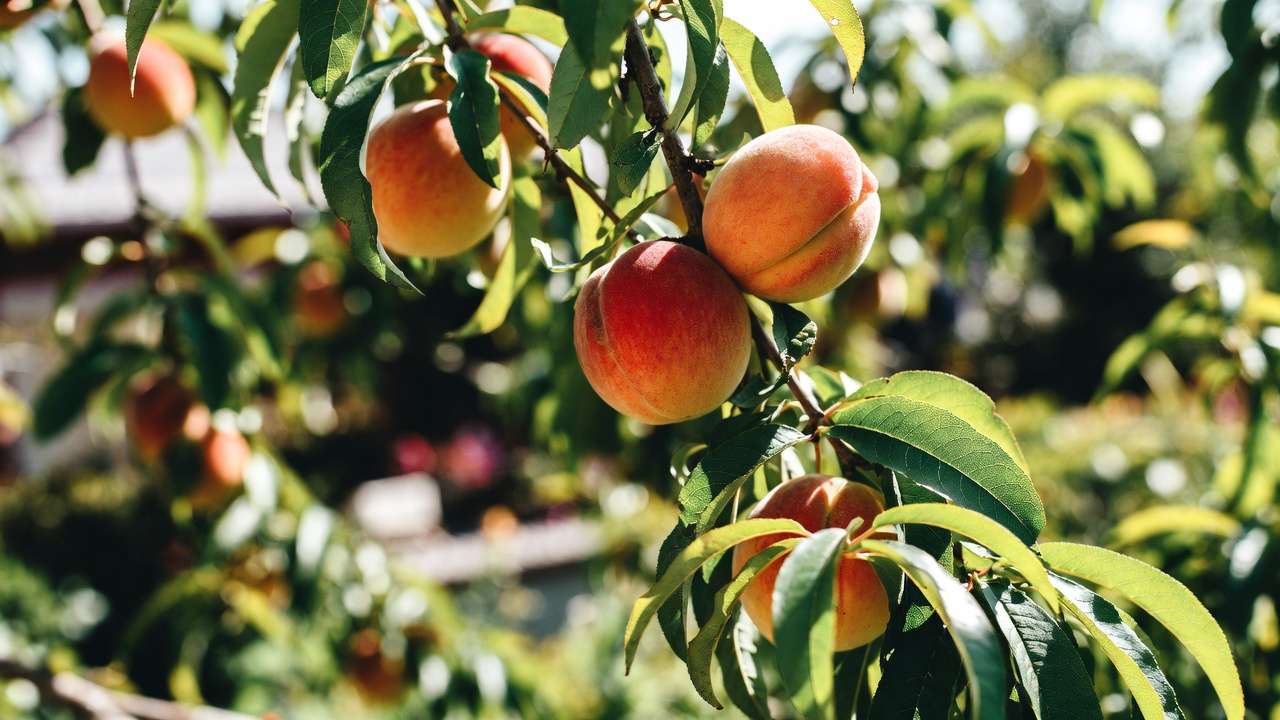
Low-Chill Apples – Crisp & Sweet Even in Mild Winters 🍎
Apples are tricky in low-chill areas, but these excel:
- Anna (200–300 hours): Sweet-tart, red-blushed fruit like a low-chill Golden Delicious. Early ripening, reliable producer.
- Dorsett Golden (100–200 hours): Ultra-low chill winner! Yellow-gold apples with sweet, crisp flesh. One of the lowest-chill apples available — perfect for very mild winters.
- Ein Shemer (100–200 hours): Similar to Anna but with excellent flavor and productivity.
- Beverly Hills (300 hours): Juicy, red-striped fruit; great for fresh eating.
- Pink Lady (300–500 hours): Surprisingly adaptable in warmer spots; crisp, tangy-sweet.
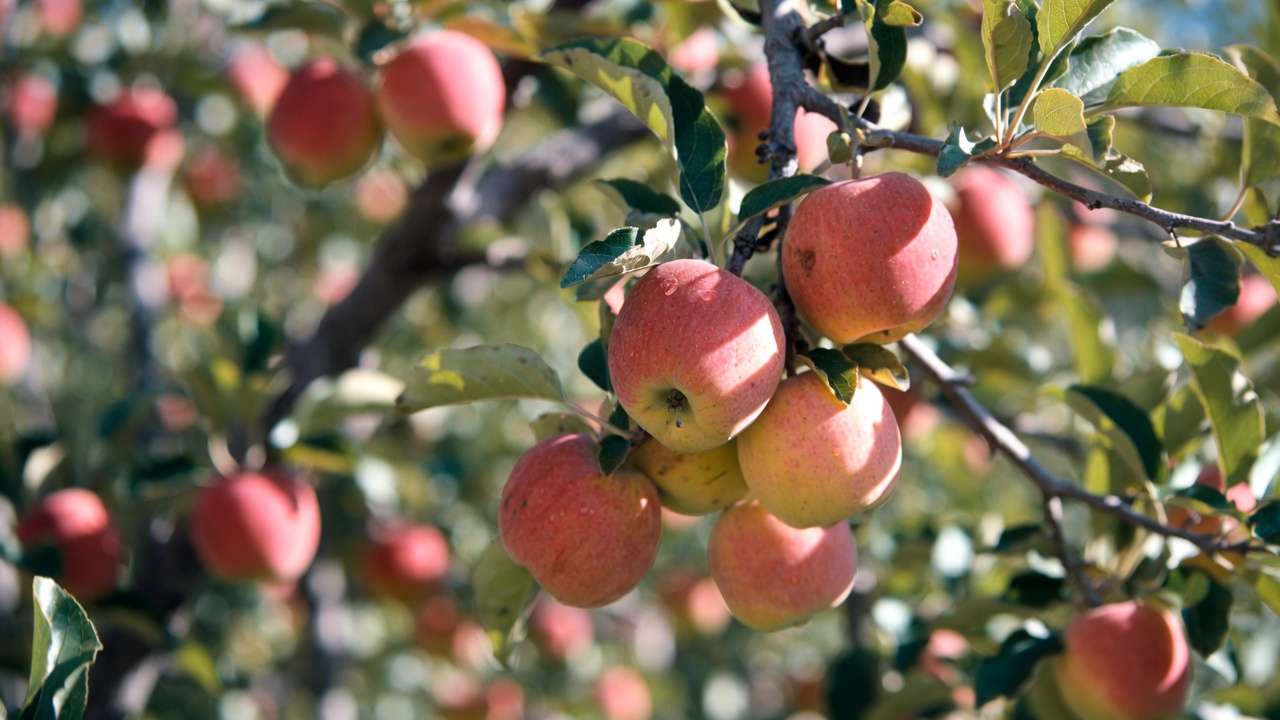
Tip for heavier yields in heat: Plant two varieties for cross-pollination, provide afternoon shade if summers scorch, and mulch heavily to keep roots cool.
Peaches & Nectarines – Juicy Summer Favorites for Low-Chill Areas 🍑
These stone fruits shine in warm zones with early-ripening types that beat summer heat:
- Flordaprince / Florida Prince (150 hours): Early, red-blushed peaches; bred for subtropical humidity.
- Desert Gold (250 hours): Sweet yellow freestone; thrives in hot, dry-ish warmth.
- Eva’s Pride (100–200 hours): Large, flavorful; very low chill.
- Mid Pride (250 hours): Excellent yellow freestone; consistent in southern California-like conditions.
- Tropic Snow / Tropic Beauty (200–300 hours): White-fleshed peaches with superb sweetness.
- Double Delight Nectarine (300–400 hours): Showy red-blushed fruit; self-fruitful and productive.
Early varieties ripen before peak monsoon humidity reduces quality.
Plums & Related Stone Fruits – Reliable & Prolific 🍒
Plums often outperform in humidity:
- Santa Rosa (250–300 hours): Classic purple-red; tangy-sweet, self-fruitful.
- Methley (200–300 hours): Juicy red-purple; early and reliable.
- Gulf series (e.g., Gulf Beauty, Gulf Rose — 200–300 hours): Bred for humid subtropics; excellent disease resistance.
- Chickasaw Plum (native, very low chill): Tough, tart fruits great for preserves.
Hybrids like pluots (e.g., Flavor Grenade, 200 hours) add fun flavors.
Pears – Forgiving & Disease-Resistant Options 🍐
Pears handle humidity better than apples:
- Hood (150–250 hours): Large, juicy; low-chill standout.
- Pineapple Pear (200–300 hours): Sweet with pineapple notes.
- Ayers (200–300 hours): Productive and fire blight resistant.
- Moonglow (similar range): Reliable in warm zones.
Bonus Superstars for Very Low-Chill / Near-Tropical Zones 🌺
These need almost no chill and love heat/humidity:
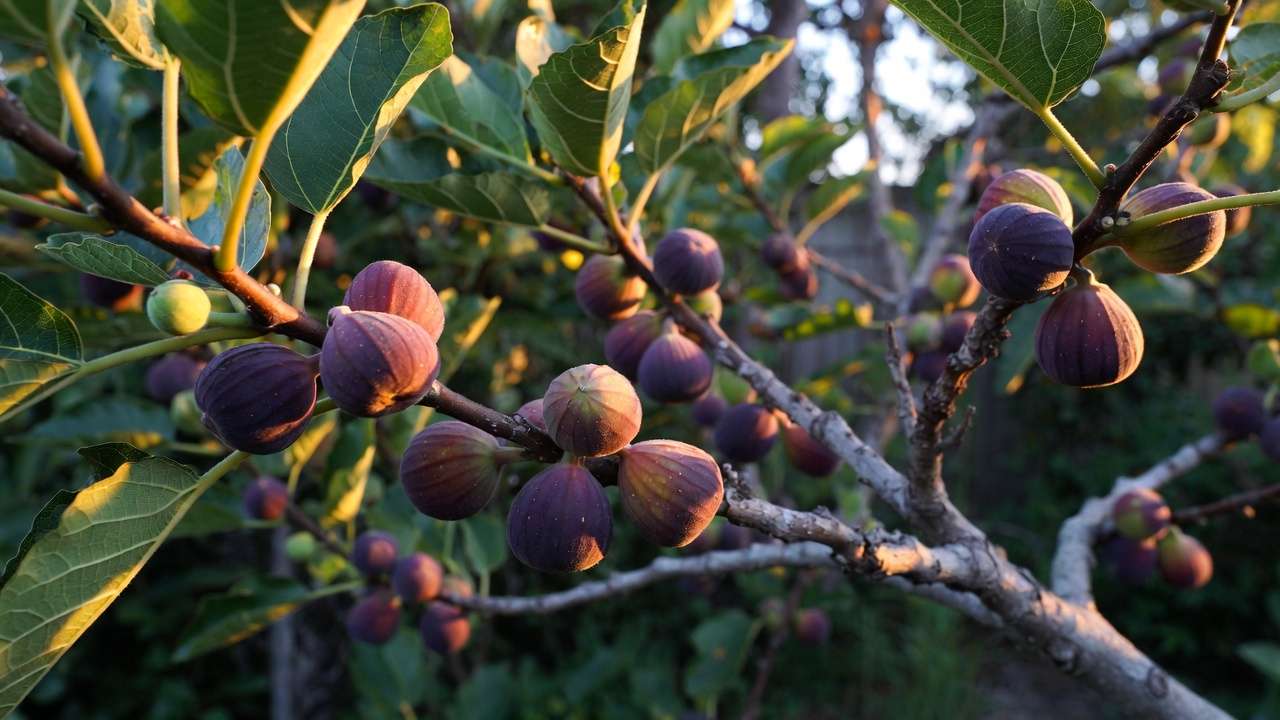
- Figs (Celeste, Brown Turkey, Chicago Hardy — 100 hours or less): Easy, prolific; sweet figs twice a year.
- Persimmons (Fuyu — 200 hours): Non-astringent, crisp like apples.
- Pomegranates (Wonderful, Eversweet — 150 hours): Drought-tolerant once established.
- Jujube (Li, Lang — very low): Apple-like crunch, super hardy.
- Mulberry (Pakistan — 200 hours): Fast-growing, abundant sweet berries.
How to Choose the Right Low-Chill Fruit Tree for Your Specific Climate 🗺️
Selecting the perfect tree isn’t just about the lowest chill number — it’s about matching the variety to your microclimate, soil, space, and goals. Here’s how to narrow it down:
Match Chill Hours to Your Location Use local data to estimate your chill accumulation. In Phuljhuri, Barisal Division, winters are very mild (rarely below 15°C/59°F at night), so total chill hours often fall between 50–150 per season. Focus on ultra-low-chill varieties (<250 hours) to be safe.
- Very low-chill zones (0–200 hours): Dorsett Golden apple, Eva’s Pride peach, figs, jujube, mulberry.
- Moderate low-chill zones (200–400 hours): Anna apple, Santa Rosa plum, Hood pear, Flordaprince peach.
Check tools like the University of Florida’s chill calculator or Bangladesh Meteorological Department records for nearby stations.
Consider Pollination: Self-Fertile vs. Needs a Partner 🐝 Many low-chill trees are self-fruitful (e.g., Santa Rosa plum, Celeste fig, Fuyu persimmon), making them beginner-friendly. Others need a compatible pollinator nearby:
- Anna apple → pair with Dorsett Golden or Ein Shemer
- Some peaches (e.g., Tropic Snow) benefit from a second variety Plant at least two compatible trees within 50–100 feet if cross-pollination is required.
Tree Size Options: Dwarf, Semi-Dwarf, Standard
- Dwarf (8–12 ft): Ideal for small yards, patios, or containers. Easier to prune, harvest, and protect from cyclones/monsoon winds.
- Semi-dwarf (12–18 ft): Best balance of yield and manageability.
- Standard (20+ ft): Higher yields but harder to maintain in humid, storm-prone areas.
In Barisal-like regions with heavy monsoon rains, dwarf or semi-dwarf on vigorous rootstocks help with drainage and wind resistance.
Rootstock Matters: Heat & Soil Tolerance Choose rootstocks bred for warm climates:
- Nemaguard or Nemared (peaches/plums) — nematode resistant, good in sandy soils.
- Citation or Citation hybrid — excellent for heat and humidity. Avoid standard peach seedling rootstocks in wet areas — they’re prone to root rot.
Where to Buy Reliable Low-Chill Trees Source from nurseries specializing in subtropical varieties:
- Online: Dave Wilson Nursery (ships internationally via partners), Just Fruits and Exotics (USA), or Ty Ty Nursery.
- Regional: In Bangladesh, check reputed nurseries in Dhaka, Chittagong, or Barisal agricultural extension offices for imported low-chill stock or local adaptations.
- Always buy certified disease-free trees from reputable sources to avoid bringing in pests.
Step-by-Step Guide to Planting Low-Chill Fruit Trees in Warm Climates 🌱
Timing and technique make all the difference in hot, humid regions.
Best Time to Plant Plant at the start of the rainy season (late March–May in Barisal Division) so roots establish before peak heat. Avoid peak summer (May–August) when transplant shock is high. If you miss the window, plant in early autumn (September–October) after monsoon peak.
Site Selection
- Full sun (6–8+ hours daily)
- Good air circulation to reduce fungal diseases
- Protection from strong cyclone winds (plant near a windbreak if possible)
- Elevated or well-drained spot — avoid low-lying areas that flood during monsoons
Soil Preparation Most warm-climate soils are sandy loam to clay. Test pH (aim for 6.0–7.0).
- Add plenty of organic matter (well-rotted cow dung, compost, coconut coir)
- Improve drainage with raised beds or mounds if soil stays soggy
- Mix in gypsum if calcium is low or soil is sodic
Planting Techniques to Beat Heat Stress
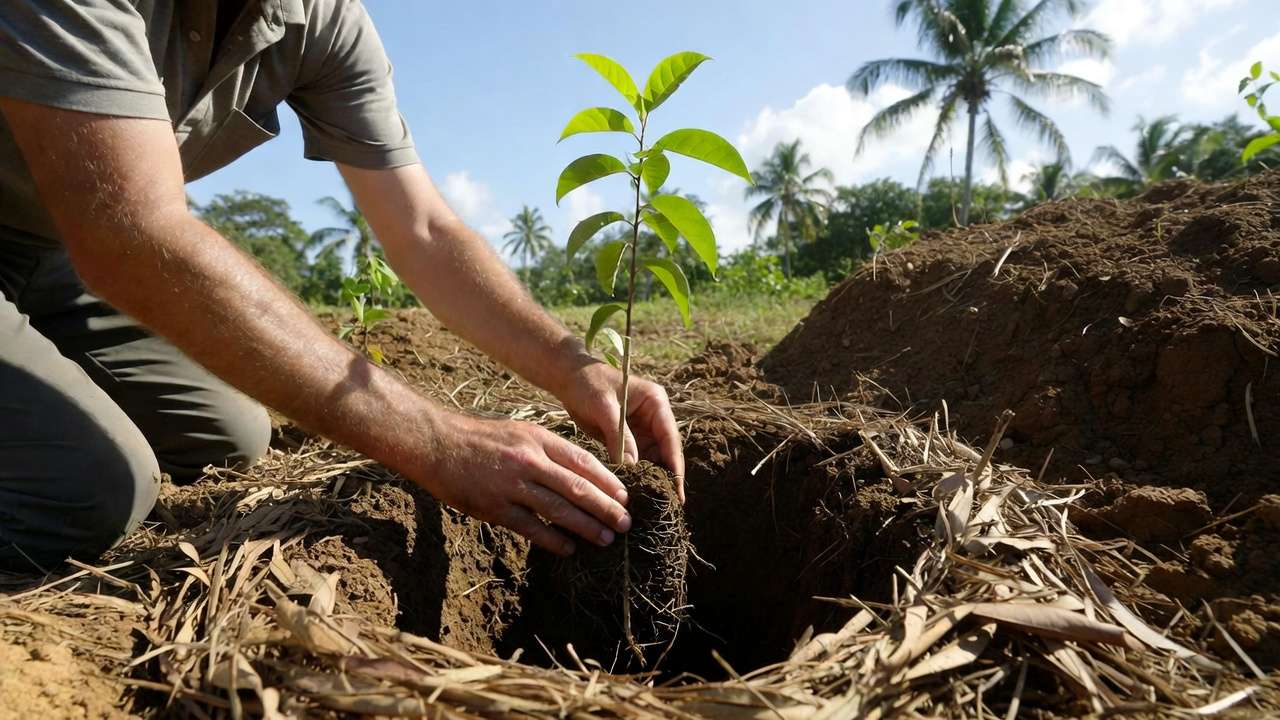
- Dig a hole 2–3× wider than the root ball, same depth.
- Loosen roots gently; spread them out.
- Plant at the same depth it was in the pot (graft union 2–4 inches above soil).
- Backfill with amended soil, firm gently, and create a water basin around the tree.
- Water deeply immediately (10–15 liters).
Watering & Mulching Essentials ☀️💧
- First 6–12 months: Water 2–3 times/week (deep soak to 60 cm).
- Established trees: Once every 7–10 days in dry spells; reduce during monsoon.
- Apply 8–10 cm thick organic mulch (rice straw, dried leaves, wood chips) in a 1-meter circle — keeps roots cool, retains moisture, and suppresses weeds.
Essential Care Tips to Maximize Fruit Production 🌟
Once planted, low-chill fruit trees in warm, humid climates like Phuljhuri need consistent, thoughtful care to reach their full productive potential. Here’s the expert-level routine that experienced subtropical gardeners follow.
Pruning for Warm Climates In hot-humid areas, prune lightly and strategically to promote airflow and reduce fungal pressure.
- Use an open-center (vase-shaped) system for peaches, nectarines, plums, and apricots — remove the central leader to create 3–4 main scaffold branches.
- For apples and pears, use a modified central leader to keep some height while opening the canopy.
- Timing: Major pruning right after harvest or in late winter/early spring (January–February in Barisal Division) before new growth starts.
- Remove water sprouts, crossing branches, and any dead/diseased wood. Thin excessively vigorous shoots to direct energy to fruiting. Light annual pruning helps control size in small yards and improves light penetration — crucial for even ripening in cloudy monsoon seasons.
Fertilization Schedule Avoid heavy nitrogen in summer — it promotes leafy growth at the expense of fruit and increases disease risk.
- Early spring (February–March): Balanced fertilizer (e.g., 10-10-10 or organic equivalent) at 200–400 g per tree depending on size.
- After fruit set (April–May): Switch to higher-potassium formula (e.g., 8-12-24) to support fruit development and quality.
- Mid-summer (June–July): Light foliar feed with micronutrients (zinc, boron, manganese) — deficiencies are common in sandy or heavily leached soils.
- Organic options: Well-rotted cow dung, vermicompost, or neem cake work beautifully in Bangladesh conditions. Test soil every 1–2 years to avoid over-fertilizing, which can burn roots in hot weather.
Pest & Disease Management Warm, humid climates invite certain issues — proactive prevention beats cure.
- Peach leaf curl & brown rot: Spray dormant copper-based fungicide in late winter; remove mummified fruit.
- Fruit flies (very common in Barisal): Use bait traps (methyl eugenol or protein hydrolysate) and bag fruit with paper/plastic bags after thinning.
- Borers & scale: Neem oil or horticultural oil sprays in early spring; encourage natural predators like ladybugs.
- Powdery mildew (on apples/pears): Improve airflow, avoid overhead watering, and use sulfur-based sprays if needed. Integrated Pest Management (IPM) keeps chemical use minimal — essential for home fruit safety.
Protecting from Extreme Heat & Monsoon Damage
- Shade cloth (30–50% shade) over young trees during peak summer (April–June).
- Stake young trees securely before cyclone season.
- During heavy monsoon, ensure excellent drainage to prevent root rot — never let water stand around the trunk.
Thinning Fruit for Bigger, Better Harvests Thin aggressively 3–4 weeks after petal fall: Leave one fruit every 15–20 cm along a branch. This prevents limb breakage, reduces biennial bearing, and gives larger, sweeter fruit — especially important for peaches and apples in low-chill zones.
Common Mistakes & How to Avoid Them ⚠️
Even experienced gardeners make these errors in warm climates:
- Planting high-chill varieties anyway → “Maybe it will work this year.” It rarely does — stick to proven low-chill cultivars.
- Ignoring cross-pollination → Many think all fruit trees are self-fertile. Always check requirements and plant compatible partners.
- Poor watering during establishment → Newly planted trees need consistent deep watering (not daily shallow sprinkles) for the first 1–2 years.
- Overlooking root rot in humid areas → Plant on mounds or raised beds if drainage is poor; avoid overwatering once established.
- Skipping mulch → Bare soil in hot sun cooks roots and wastes water — mulch is non-negotiable.
- Pruning too late or too heavily → Late pruning removes flower buds; excessive cuts stress the tree in heat.
Real Success Stories & Expert Insights 📖
Gardeners in similar humid subtropical zones report excellent results with these combinations:
- A home grower in southern Bangladesh started with Dorsett Golden apple + Celeste fig + Methley plum. Within 3 years, they harvested dozens of crisp apples, hundreds of figs, and buckets of juicy plums — all in a small backyard with minimal chill.
- In coastal Florida-like conditions, a mix of Flordaprince peach, Santa Rosa plum, and Fuyu persimmon produced reliable summer fruit even after unusually warm winters. Expert insight (adapted from University of Florida IFAS Extension and Dave Wilson Nursery recommendations): “In regions with fewer than 300 chill hours, prioritize early-ripening, self-fruitful varieties and focus on soil health and airflow — these two factors outweigh almost everything else for consistent production.”
Frequently Asked Questions (FAQs) ❓
Can I grow low-chill apples in Barisal Division, Bangladesh? Yes! Dorsett Golden and Anna are among the most reliable choices with very low chill needs (100–300 hours). Pair them for best pollination and provide afternoon shade in peak summer.
What’s the absolute lowest-chill fruit tree? Figs (especially Celeste or Brown Turkey) and jujube often need almost zero chill hours and thrive in near-tropical heat and humidity.
Do figs need chill hours? Very few — most common figs produce well with little to no chill, making them one of the easiest and most productive options for warm climates.
How many chill hours does my area (Phuljhuri, Barisal) get? Typically 50–150 hours annually, based on historical weather patterns. Use local meteorological data or online calculators for the most accurate recent estimate.
What’s the best low-chill peach for beginners? Flordaprince or Eva’s Pride — both have very low chill requirements, good disease tolerance, and produce sweet fruit early in the season.
Can I grow these trees in containers? Yes, especially dwarf varieties. Use large pots (50–100 liters), excellent drainage, and regular watering/fertilizing.
How long until I get fruit? Most low-chill trees bear light crops in 2–3 years and reach good production by year 4–5, faster than high-chill counterparts in warm zones.
Conclusion
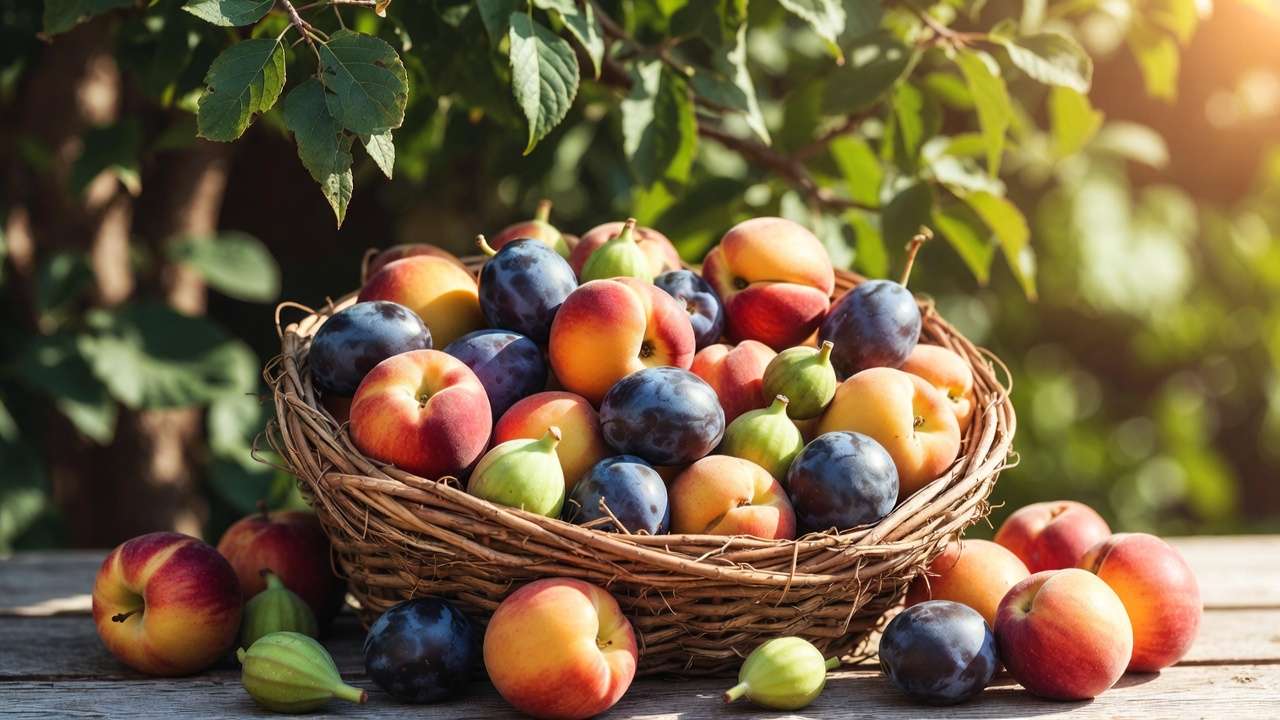
Growing delicious fruit in warm climates once seemed impossible — but low-chill fruit trees have changed the game completely. From crisp Dorsett Golden apples and juicy Flordaprince peaches to effortless figs and prolific Santa Rosa plums, there are reliable, high-yielding options perfectly suited to places like Phuljhuri, Barisal Division, and beyond.
Start small: Choose 2–3 easy winners (a fig, a low-chill plum, and perhaps a peach), plant them properly this coming rainy season, and give them the care outlined here. Within a few years, your backyard can become a true fruitful oasis — fresh, homegrown harvests even when winters stay mild and summers stay hot. 🌞🍑
You’ve got this! Plant confidently, enjoy the shade and the sweetness, and feel free to share your progress or ask questions in the comments. Happy gardening! 🌳🍓











